
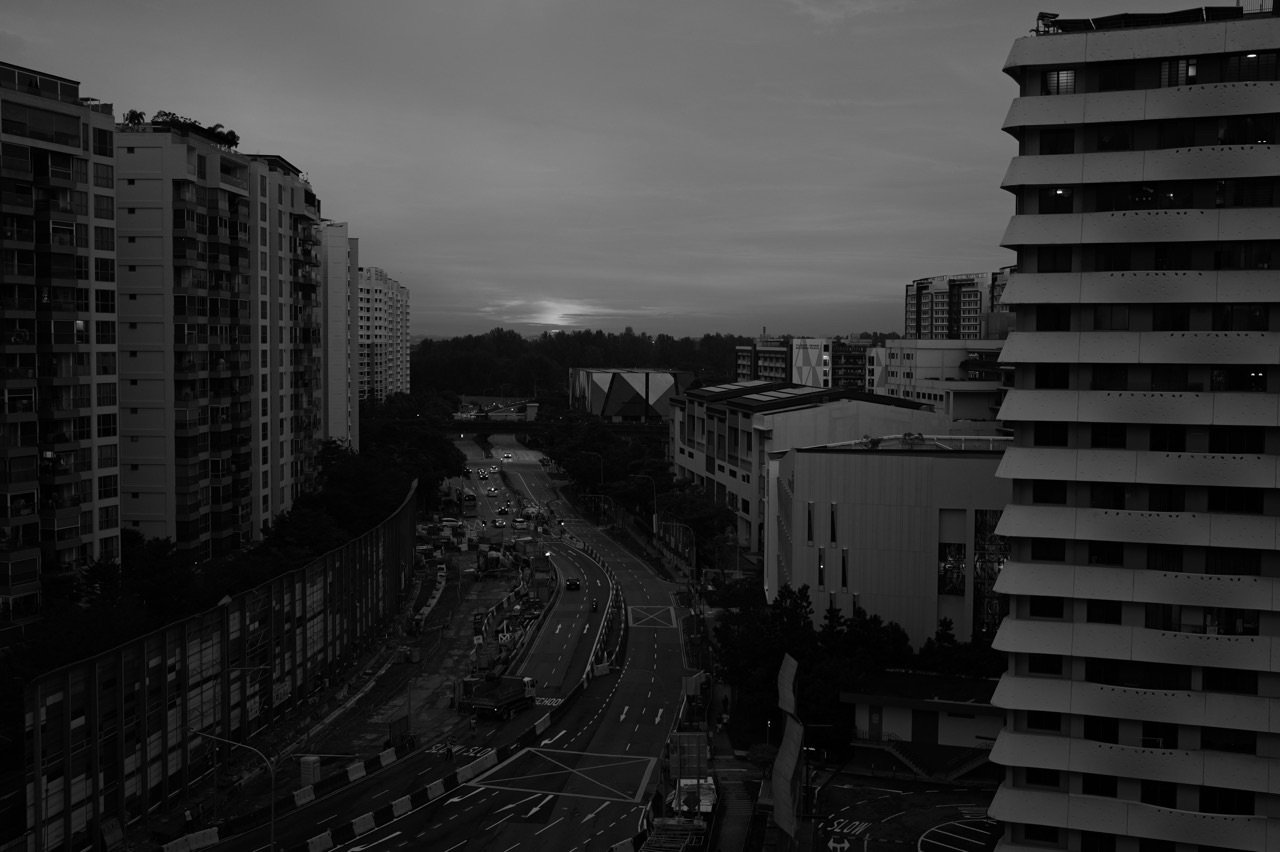
Punggol vs Sengkang is one of those Singapore family comparisons that looks simple until you actually live the week. The two towns are neighbours on the North-East Line, both have LRT networks, both grew rapidly around young families, and both connect easily to one another. But they feel different because they reached maturity at different times and now carry different strengths.
Sengkang is the more established north-east town: older housing clusters, a mature town centre, Compass One, Sengkang General Hospital, an established LRT network and neighbourhoods that have had longer to settle. Punggol is the newer waterfront town: the 4.2km Punggol Waterway, Coney Island and coastal recreation, newer housing districts, Punggol Coast MRT, Singapore Institute of Technology and the rapidly developing Punggol Digital District.
There is no universal winner. The useful question is which town fits the way your family actually lives: school, work, transport, healthcare, children’s routines, parks, housing, commute and what you want the neighbourhood to become over the next decade.
The 60-second comparison
| If you value… | Punggol may feel stronger when… | Sengkang may feel stronger when… |
|---|---|---|
| Waterfront and nature | You want the Waterway, coast, Coney Island and long park-connector routes close to everyday life. | You prefer established neighbourhood parks and river corridors without needing the coastal-town identity. |
| Mature amenities | You are comfortable with a town still adding major facilities and commercial space. | You prefer a more settled town centre and longer-established services. |
| Future work/education cluster | SIT and Punggol Digital District are directly relevant to your household. | Your family’s work and study patterns already align well with Sengkang and surrounding north-east areas. |
| Healthcare proximity | Your routine does not depend on a major acute hospital being inside the town. | Being near Sengkang General Hospital is materially useful to the family. |
| Housing feel | You like newer districts, waterfront planning and Punggol’s continuing evolution. | You prefer a wider spread of established neighbourhood ages and amenities. |
| School routine | Your preferred schools and daily childcare/tuition routes sit in Punggol. | Your preferred schools and caregiver network sit in Sengkang. |
They are neighbours, not opposing lifestyles
Families sometimes talk about Punggol and Sengkang as if moving one MRT stop creates a completely different life. In practice, the boundary is porous. Residents cross between the two towns for schools, food, work, healthcare, family, tuition and CCAs every day.
The comparison becomes useful only when it identifies a repeated daily friction or advantage. A school that is ten minutes easier to reach can matter. A caregiver who lives on the other side of the town boundary can matter. A direct commute can matter. “Punggol” or “Sengkang” as a label matters much less.
Punggol: the waterfront town still changing category
HDB’s own town history describes Punggol as a former fishing and farming area transformed under the Punggol 21 and Remaking Our Heartland plans into Singapore’s first Eco-Town. Its defining urban feature is the 4.2km Punggol Waterway, connecting the landscape of the town to the reservoirs and waterfront housing.
The biggest new layer is Punggol Digital District. JTC describes the 50-hectare district as an integrated business, education and community hub centred on digital-economy sectors such as cybersecurity, artificial intelligence, robotics and fintech. It is integrated with Singapore Institute of Technology and served by Punggol Coast MRT and Teck Lee LRT.
JTC’s current district figures describe space for about 28,000 jobs and 12,000 SIT students. That does not mean every Punggol resident suddenly works locally, but it changes the town from being purely residential toward a place that can hold more of a workday and university day within its own boundary.
Sengkang: a north-east town that matured earlier
HDB describes Sengkang as one of Singapore’s early 21st-century townships and notes that its major transport infrastructure was developed alongside the housing town in the late 1990s. The LRT network, Compass One and the established neighbourhood structure have had longer to become ordinary parts of daily life.
Sengkang also has a major healthcare advantage through Sengkang General Hospital and the wider medical cluster. For families with regular healthcare needs, older relatives nearby or work in healthcare, that can be a practical difference rather than a minor amenity comparison.
Transport: compare your actual origin and destination
Both towns sit on the North-East Line and both use LRT systems for the last mile. Punggol now has two NEL stations—Punggol and Punggol Coast—while the LRT serves the east and west loops. Sengkang’s MRT/LRT interchange remains the core of an older, well-established town transport system, with Buangkok also relevant to parts of the wider Sengkang area.
The correct comparison is not “Which town has better transport?” It is:
- How many transfers does your commute require?
- Is the school trip on the same side of the town?
- Do you need the MRT before or after an LRT ride?
- What happens during evening peak and after CCA?
- Can the child eventually travel independently?
For Punggol, use the Punggol LRT Guide and Punggol Coast MRT Guide.
Schools: the postcode matters less than the school journey
Punggol currently has 11 actual primary schools within the town and four secondary schools. Sengkang has its own larger, mature school network. Families should not compare towns by raw school count alone because Primary 1 registration uses home-school distance and phase rules, while Secondary school choice depends on posting, programme fit, commute and the child’s needs.
For Punggol, start with All 11 Primary Schools in Punggol and Secondary Schools in Punggol Compared.
Parks and outdoor life
Punggol’s identity is unusually tied to water. The Waterway, Coney Island, Punggol Point, the coast and long cycling/walking connections make outdoor movement part of the town’s everyday geography.
Sengkang has a different green-blue structure: Sengkang Riverside Park, the river corridors, sports and community facilities, and park-connector access toward Punggol and other north-east areas. The difference is more about character than access to greenery itself.
Food and retail
Sengkang’s retail centres have had longer to stabilise around Compass One, neighbourhood malls and newer additions such as Sengkang Grand Mall. Punggol’s retail story is still expanding: Waterway Point remains the central mall, while One Punggol, Northshore and the Punggol Coast/Digital District cluster add different kinds of community and commercial space.
JTC now describes Punggol Coast Mall and Market Village as part of the PDD community layer. That gives the north end of Punggol a second major activity cluster rather than making every errand flow back to the original Town Centre.
Work and university: Punggol’s biggest structural change
This is where the comparison has changed most since the early 2020s. Punggol now contains Singapore Institute of Technology and the Punggol Digital District. That can materially change family life for students, staff and workers whose daily destination sits inside the district.
Sengkang remains strongly connected to the wider north-east employment geography and has the healthcare cluster as a major local employment anchor. For most families, work location still lies outside either town, so the commute to the actual workplace remains more important than the town’s headline industry.
Healthcare: Sengkang has the clearer local advantage
Sengkang General Hospital gives Sengkang a large acute-care hospital within the town. Punggol families can of course access Singapore’s wider healthcare network, but if frequent hospital proximity is important to a household, this deserves real weight in the comparison.
Housing: newer is not automatically better
Punggol has many newer precincts and a strong modern-planning identity. That can mean contemporary layouts, newer common spaces and a feeling of being inside a town still evolving. Sengkang offers a wider range of estate ages and more neighbourhoods that have already passed through the earliest new-town phase.
A family should compare the actual block:
- flat layout and condition;
- school distance;
- station access;
- noise and road exposure;
- shops and childcare;
- sun and wind orientation;
- parking and cycling access;
- lease and resale considerations.
The town name is a poor substitute for a block-level inspection.
Young children and family routines
Both towns were built around large numbers of families, but the decisive question is usually network proximity: grandparents, childcare, student care, school, work and the adults who can help when a child is sick or CCA ends late.
A family with grandparents in Sengkang may be better served by Sengkang even if they prefer Punggol’s waterfront. Another family working or studying in Punggol Digital District may save significant time by living in Punggol.
Teenagers
Teenagers need more than playgrounds. They need independent transport, libraries, food, sports, places to meet and routes to Secondary school, JC, Polytechnic and part-time activities.
Punggol’s newer library, community and Digital District ecosystem is expanding those possibilities. Sengkang’s mature town centre and established transport network are already deeply integrated into teenage routines. Which is better depends on where the teenager’s actual school and social world sits.
Which town feels more “finished”?
Sengkang generally feels more mature because many of its core systems have existed longer. Punggol still feels like a town whose map is changing: Punggol Coast, the Digital District, SIT and continuing northern development keep adding new destinations.
Some families prefer maturity. Others like being in a district whose future is still arriving. Neither preference is irrational.
Which town is more future-facing?
Punggol has the more visible future-development story because PDD, SIT and Punggol Coast are large national projects. But “future-facing” should not be mistaken for “better today”. A family lives in the current year first.
The mature amenity that already exists can be more valuable than the exciting amenity scheduled to arrive later.
Family example: two working parents
Both parents work near the city, one child attends school in Sengkang and grandparents live near Compassvale. Even if the family loves Punggol’s Waterway, Sengkang may produce the more resilient weekday system because the support network is already there.
Family example: PDD and SIT household
One parent works in Punggol Digital District and an older child studies at SIT. Moving closer to Punggol Coast can remove hours of weekly travel. In that household, Punggol’s new work-study cluster is not marketing—it materially changes the day.
Family example: the school decides it
A family has no strong lifestyle preference but one child has a school place and long-term support network in Punggol. The school journey can reasonably dominate the comparison because it repeats every weekday for years.
A decision checklist
- Where do the adults work?
- Where do the children attend school?
- Where are grandparents or caregivers?
- Which MRT/LRT journey repeats most often?
- Does hospital proximity matter?
- Do you value waterfront recreation enough to use it?
- Is PDD/SIT relevant to your family?
- Do you prefer a mature town or a fast-changing one?
- Which exact flat and block work better?
Current official sources
Last checked: 26 September 2026.
Where to go next
Punggol and Sengkang are close enough that the better town is rarely decided by branding. Choose the place that removes friction from your family’s repeated journeys and gives the people in the household the environment they will actually use.
Punggol vs Sengkang: Household Fit Comparison System
This Future Build section deepens the existing canonical place owner rather than creating another competing URL. The reader job is comparing Punggol and Sengkang as places to live. current town, transport, housing and facility facts should be checked with their relevant official or provider sources.
Reader job
Treat reader job as a practical local variable. Ask what changes for the household: time, route, access, weather exposure, school logistics, food, care responsibilities, independence or the ability to complete an ordinary weekday without unnecessary transfers.
Use current evidence where facts can change. Separate fixed geography from changing services, historical context from current conditions, and one resident’s experience from a claim about the whole town. That distinction keeps the page useful without manufacturing certainty.
Test the variable against a normal week. A place can feel different at school departure, peak-hour work travel, during rain, after CCA or on a grocery run with children. Repeated use gives stronger evidence than a single visit or anecdote.
Current-source boundary
Treat current-source boundary as a practical local variable. Ask what changes for the household: time, route, access, weather exposure, school logistics, food, care responsibilities, independence or the ability to complete an ordinary weekday without unnecessary transfers.
Use current evidence where facts can change. Separate fixed geography from changing services, historical context from current conditions, and one resident’s experience from a claim about the whole town. That distinction keeps the page useful without manufacturing certainty.
Test the variable against a normal week. A place can feel different at school departure, peak-hour work travel, during rain, after CCA or on a grocery run with children. Repeated use gives stronger evidence than a single visit or anecdote.
Town Centre
Treat town centre as a practical local variable. Ask what changes for the household: time, route, access, weather exposure, school logistics, food, care responsibilities, independence or the ability to complete an ordinary weekday without unnecessary transfers.
Use current evidence where facts can change. Separate fixed geography from changing services, historical context from current conditions, and one resident’s experience from a claim about the whole town. That distinction keeps the page useful without manufacturing certainty.
Test the variable against a normal week. A place can feel different at school departure, peak-hour work travel, during rain, after CCA or on a grocery run with children. Repeated use gives stronger evidence than a single visit or anecdote.
Matilda
Treat matilda as a practical local variable. Ask what changes for the household: time, route, access, weather exposure, school logistics, food, care responsibilities, independence or the ability to complete an ordinary weekday without unnecessary transfers.
Use current evidence where facts can change. Separate fixed geography from changing services, historical context from current conditions, and one resident’s experience from a claim about the whole town. That distinction keeps the page useful without manufacturing certainty.
Test the variable against a normal week. A place can feel different at school departure, peak-hour work travel, during rain, after CCA or on a grocery run with children. Repeated use gives stronger evidence than a single visit or anecdote.
Punggol Field
Treat punggol field as a practical local variable. Ask what changes for the household: time, route, access, weather exposure, school logistics, food, care responsibilities, independence or the ability to complete an ordinary weekday without unnecessary transfers.
Use current evidence where facts can change. Separate fixed geography from changing services, historical context from current conditions, and one resident’s experience from a claim about the whole town. That distinction keeps the page useful without manufacturing certainty.
Test the variable against a normal week. A place can feel different at school departure, peak-hour work travel, during rain, after CCA or on a grocery run with children. Repeated use gives stronger evidence than a single visit or anecdote.
Waterway East
Treat waterway east as a practical local variable. Ask what changes for the household: time, route, access, weather exposure, school logistics, food, care responsibilities, independence or the ability to complete an ordinary weekday without unnecessary transfers.
Use current evidence where facts can change. Separate fixed geography from changing services, historical context from current conditions, and one resident’s experience from a claim about the whole town. That distinction keeps the page useful without manufacturing certainty.
Test the variable against a normal week. A place can feel different at school departure, peak-hour work travel, during rain, after CCA or on a grocery run with children. Repeated use gives stronger evidence than a single visit or anecdote.
Northshore
Treat northshore as a practical local variable. Ask what changes for the household: time, route, access, weather exposure, school logistics, food, care responsibilities, independence or the ability to complete an ordinary weekday without unnecessary transfers.
Use current evidence where facts can change. Separate fixed geography from changing services, historical context from current conditions, and one resident’s experience from a claim about the whole town. That distinction keeps the page useful without manufacturing certainty.
Test the variable against a normal week. A place can feel different at school departure, peak-hour work travel, during rain, after CCA or on a grocery run with children. Repeated use gives stronger evidence than a single visit or anecdote.
Punggol Coast
Treat punggol coast as a practical local variable. Ask what changes for the household: time, route, access, weather exposure, school logistics, food, care responsibilities, independence or the ability to complete an ordinary weekday without unnecessary transfers.
Use current evidence where facts can change. Separate fixed geography from changing services, historical context from current conditions, and one resident’s experience from a claim about the whole town. That distinction keeps the page useful without manufacturing certainty.
Test the variable against a normal week. A place can feel different at school departure, peak-hour work travel, during rain, after CCA or on a grocery run with children. Repeated use gives stronger evidence than a single visit or anecdote.
Oasis and Damai
Treat oasis and damai as a practical local variable. Ask what changes for the household: time, route, access, weather exposure, school logistics, food, care responsibilities, independence or the ability to complete an ordinary weekday without unnecessary transfers.
Use current evidence where facts can change. Separate fixed geography from changing services, historical context from current conditions, and one resident’s experience from a claim about the whole town. That distinction keeps the page useful without manufacturing certainty.
Test the variable against a normal week. A place can feel different at school departure, peak-hour work travel, during rain, after CCA or on a grocery run with children. Repeated use gives stronger evidence than a single visit or anecdote.
Riviera and Kadaloor
Treat riviera and kadaloor as a practical local variable. Ask what changes for the household: time, route, access, weather exposure, school logistics, food, care responsibilities, independence or the ability to complete an ordinary weekday without unnecessary transfers.
Use current evidence where facts can change. Separate fixed geography from changing services, historical context from current conditions, and one resident’s experience from a claim about the whole town. That distinction keeps the page useful without manufacturing certainty.
Test the variable against a normal week. A place can feel different at school departure, peak-hour work travel, during rain, after CCA or on a grocery run with children. Repeated use gives stronger evidence than a single visit or anecdote.
Coral Edge and Meridian
Treat coral edge and meridian as a practical local variable. Ask what changes for the household: time, route, access, weather exposure, school logistics, food, care responsibilities, independence or the ability to complete an ordinary weekday without unnecessary transfers.
Use current evidence where facts can change. Separate fixed geography from changing services, historical context from current conditions, and one resident’s experience from a claim about the whole town. That distinction keeps the page useful without manufacturing certainty.
Test the variable against a normal week. A place can feel different at school departure, peak-hour work travel, during rain, after CCA or on a grocery run with children. Repeated use gives stronger evidence than a single visit or anecdote.
Soo Teck and Sam Kee
Treat soo teck and sam kee as a practical local variable. Ask what changes for the household: time, route, access, weather exposure, school logistics, food, care responsibilities, independence or the ability to complete an ordinary weekday without unnecessary transfers.
Use current evidence where facts can change. Separate fixed geography from changing services, historical context from current conditions, and one resident’s experience from a claim about the whole town. That distinction keeps the page useful without manufacturing certainty.
Test the variable against a normal week. A place can feel different at school departure, peak-hour work travel, during rain, after CCA or on a grocery run with children. Repeated use gives stronger evidence than a single visit or anecdote.
Samudera and Nibong
Treat samudera and nibong as a practical local variable. Ask what changes for the household: time, route, access, weather exposure, school logistics, food, care responsibilities, independence or the ability to complete an ordinary weekday without unnecessary transfers.
Use current evidence where facts can change. Separate fixed geography from changing services, historical context from current conditions, and one resident’s experience from a claim about the whole town. That distinction keeps the page useful without manufacturing certainty.
Test the variable against a normal week. A place can feel different at school departure, peak-hour work travel, during rain, after CCA or on a grocery run with children. Repeated use gives stronger evidence than a single visit or anecdote.
MRT access
Treat mrt access as a practical local variable. Ask what changes for the household: time, route, access, weather exposure, school logistics, food, care responsibilities, independence or the ability to complete an ordinary weekday without unnecessary transfers.
Use current evidence where facts can change. Separate fixed geography from changing services, historical context from current conditions, and one resident’s experience from a claim about the whole town. That distinction keeps the page useful without manufacturing certainty.
Test the variable against a normal week. A place can feel different at school departure, peak-hour work travel, during rain, after CCA or on a grocery run with children. Repeated use gives stronger evidence than a single visit or anecdote.
LRT access
Treat lrt access as a practical local variable. Ask what changes for the household: time, route, access, weather exposure, school logistics, food, care responsibilities, independence or the ability to complete an ordinary weekday without unnecessary transfers.
Use current evidence where facts can change. Separate fixed geography from changing services, historical context from current conditions, and one resident’s experience from a claim about the whole town. That distinction keeps the page useful without manufacturing certainty.
Test the variable against a normal week. A place can feel different at school departure, peak-hour work travel, during rain, after CCA or on a grocery run with children. Repeated use gives stronger evidence than a single visit or anecdote.
Bus access
Treat bus access as a practical local variable. Ask what changes for the household: time, route, access, weather exposure, school logistics, food, care responsibilities, independence or the ability to complete an ordinary weekday without unnecessary transfers.
Use current evidence where facts can change. Separate fixed geography from changing services, historical context from current conditions, and one resident’s experience from a claim about the whole town. That distinction keeps the page useful without manufacturing certainty.
Test the variable against a normal week. A place can feel different at school departure, peak-hour work travel, during rain, after CCA or on a grocery run with children. Repeated use gives stronger evidence than a single visit or anecdote.
Walking
Treat walking as a practical local variable. Ask what changes for the household: time, route, access, weather exposure, school logistics, food, care responsibilities, independence or the ability to complete an ordinary weekday without unnecessary transfers.
Use current evidence where facts can change. Separate fixed geography from changing services, historical context from current conditions, and one resident’s experience from a claim about the whole town. That distinction keeps the page useful without manufacturing certainty.
Test the variable against a normal week. A place can feel different at school departure, peak-hour work travel, during rain, after CCA or on a grocery run with children. Repeated use gives stronger evidence than a single visit or anecdote.
Cycling
Treat cycling as a practical local variable. Ask what changes for the household: time, route, access, weather exposure, school logistics, food, care responsibilities, independence or the ability to complete an ordinary weekday without unnecessary transfers.
Use current evidence where facts can change. Separate fixed geography from changing services, historical context from current conditions, and one resident’s experience from a claim about the whole town. That distinction keeps the page useful without manufacturing certainty.
Test the variable against a normal week. A place can feel different at school departure, peak-hour work travel, during rain, after CCA or on a grocery run with children. Repeated use gives stronger evidence than a single visit or anecdote.
Driving and pickup
Treat driving and pickup as a practical local variable. Ask what changes for the household: time, route, access, weather exposure, school logistics, food, care responsibilities, independence or the ability to complete an ordinary weekday without unnecessary transfers.
Use current evidence where facts can change. Separate fixed geography from changing services, historical context from current conditions, and one resident’s experience from a claim about the whole town. That distinction keeps the page useful without manufacturing certainty.
Test the variable against a normal week. A place can feel different at school departure, peak-hour work travel, during rain, after CCA or on a grocery run with children. Repeated use gives stronger evidence than a single visit or anecdote.
Wet-weather movement
Treat wet-weather movement as a practical local variable. Ask what changes for the household: time, route, access, weather exposure, school logistics, food, care responsibilities, independence or the ability to complete an ordinary weekday without unnecessary transfers.
Use current evidence where facts can change. Separate fixed geography from changing services, historical context from current conditions, and one resident’s experience from a claim about the whole town. That distinction keeps the page useful without manufacturing certainty.
Test the variable against a normal week. A place can feel different at school departure, peak-hour work travel, during rain, after CCA or on a grocery run with children. Repeated use gives stronger evidence than a single visit or anecdote.
Groceries
Treat groceries as a practical local variable. Ask what changes for the household: time, route, access, weather exposure, school logistics, food, care responsibilities, independence or the ability to complete an ordinary weekday without unnecessary transfers.
Use current evidence where facts can change. Separate fixed geography from changing services, historical context from current conditions, and one resident’s experience from a claim about the whole town. That distinction keeps the page useful without manufacturing certainty.
Test the variable against a normal week. A place can feel different at school departure, peak-hour work travel, during rain, after CCA or on a grocery run with children. Repeated use gives stronger evidence than a single visit or anecdote.
Food
Treat food as a practical local variable. Ask what changes for the household: time, route, access, weather exposure, school logistics, food, care responsibilities, independence or the ability to complete an ordinary weekday without unnecessary transfers.
Use current evidence where facts can change. Separate fixed geography from changing services, historical context from current conditions, and one resident’s experience from a claim about the whole town. That distinction keeps the page useful without manufacturing certainty.
Test the variable against a normal week. A place can feel different at school departure, peak-hour work travel, during rain, after CCA or on a grocery run with children. Repeated use gives stronger evidence than a single visit or anecdote.
Healthcare
Treat healthcare as a practical local variable. Ask what changes for the household: time, route, access, weather exposure, school logistics, food, care responsibilities, independence or the ability to complete an ordinary weekday without unnecessary transfers.
Use current evidence where facts can change. Separate fixed geography from changing services, historical context from current conditions, and one resident’s experience from a claim about the whole town. That distinction keeps the page useful without manufacturing certainty.
Test the variable against a normal week. A place can feel different at school departure, peak-hour work travel, during rain, after CCA or on a grocery run with children. Repeated use gives stronger evidence than a single visit or anecdote.
Schools
Treat schools as a practical local variable. Ask what changes for the household: time, route, access, weather exposure, school logistics, food, care responsibilities, independence or the ability to complete an ordinary weekday without unnecessary transfers.
Use current evidence where facts can change. Separate fixed geography from changing services, historical context from current conditions, and one resident’s experience from a claim about the whole town. That distinction keeps the page useful without manufacturing certainty.
Test the variable against a normal week. A place can feel different at school departure, peak-hour work travel, during rain, after CCA or on a grocery run with children. Repeated use gives stronger evidence than a single visit or anecdote.
Student care
Treat student care as a practical local variable. Ask what changes for the household: time, route, access, weather exposure, school logistics, food, care responsibilities, independence or the ability to complete an ordinary weekday without unnecessary transfers.
Use current evidence where facts can change. Separate fixed geography from changing services, historical context from current conditions, and one resident’s experience from a claim about the whole town. That distinction keeps the page useful without manufacturing certainty.
Test the variable against a normal week. A place can feel different at school departure, peak-hour work travel, during rain, after CCA or on a grocery run with children. Repeated use gives stronger evidence than a single visit or anecdote.
Libraries
Treat libraries as a practical local variable. Ask what changes for the household: time, route, access, weather exposure, school logistics, food, care responsibilities, independence or the ability to complete an ordinary weekday without unnecessary transfers.
Use current evidence where facts can change. Separate fixed geography from changing services, historical context from current conditions, and one resident’s experience from a claim about the whole town. That distinction keeps the page useful without manufacturing certainty.
Test the variable against a normal week. A place can feel different at school departure, peak-hour work travel, during rain, after CCA or on a grocery run with children. Repeated use gives stronger evidence than a single visit or anecdote.
Parks and waterway
Treat parks and waterway as a practical local variable. Ask what changes for the household: time, route, access, weather exposure, school logistics, food, care responsibilities, independence or the ability to complete an ordinary weekday without unnecessary transfers.
Use current evidence where facts can change. Separate fixed geography from changing services, historical context from current conditions, and one resident’s experience from a claim about the whole town. That distinction keeps the page useful without manufacturing certainty.
Test the variable against a normal week. A place can feel different at school departure, peak-hour work travel, during rain, after CCA or on a grocery run with children. Repeated use gives stronger evidence than a single visit or anecdote.
Sports and gyms
Treat sports and gyms as a practical local variable. Ask what changes for the household: time, route, access, weather exposure, school logistics, food, care responsibilities, independence or the ability to complete an ordinary weekday without unnecessary transfers.
Use current evidence where facts can change. Separate fixed geography from changing services, historical context from current conditions, and one resident’s experience from a claim about the whole town. That distinction keeps the page useful without manufacturing certainty.
Test the variable against a normal week. A place can feel different at school departure, peak-hour work travel, during rain, after CCA or on a grocery run with children. Repeated use gives stronger evidence than a single visit or anecdote.
Places of worship
Treat places of worship as a practical local variable. Ask what changes for the household: time, route, access, weather exposure, school logistics, food, care responsibilities, independence or the ability to complete an ordinary weekday without unnecessary transfers.
Use current evidence where facts can change. Separate fixed geography from changing services, historical context from current conditions, and one resident’s experience from a claim about the whole town. That distinction keeps the page useful without manufacturing certainty.
Test the variable against a normal week. A place can feel different at school departure, peak-hour work travel, during rain, after CCA or on a grocery run with children. Repeated use gives stronger evidence than a single visit or anecdote.
Teenager independence
Treat teenager independence as a practical local variable. Ask what changes for the household: time, route, access, weather exposure, school logistics, food, care responsibilities, independence or the ability to complete an ordinary weekday without unnecessary transfers.
Use current evidence where facts can change. Separate fixed geography from changing services, historical context from current conditions, and one resident’s experience from a claim about the whole town. That distinction keeps the page useful without manufacturing certainty.
Test the variable against a normal week. A place can feel different at school departure, peak-hour work travel, during rain, after CCA or on a grocery run with children. Repeated use gives stronger evidence than a single visit or anecdote.
Young children
Treat young children as a practical local variable. Ask what changes for the household: time, route, access, weather exposure, school logistics, food, care responsibilities, independence or the ability to complete an ordinary weekday without unnecessary transfers.
Use current evidence where facts can change. Separate fixed geography from changing services, historical context from current conditions, and one resident’s experience from a claim about the whole town. That distinction keeps the page useful without manufacturing certainty.
Test the variable against a normal week. A place can feel different at school departure, peak-hour work travel, during rain, after CCA or on a grocery run with children. Repeated use gives stronger evidence than a single visit or anecdote.
Older family members
Treat older family members as a practical local variable. Ask what changes for the household: time, route, access, weather exposure, school logistics, food, care responsibilities, independence or the ability to complete an ordinary weekday without unnecessary transfers.
Use current evidence where facts can change. Separate fixed geography from changing services, historical context from current conditions, and one resident’s experience from a claim about the whole town. That distinction keeps the page useful without manufacturing certainty.
Test the variable against a normal week. A place can feel different at school departure, peak-hour work travel, during rain, after CCA or on a grocery run with children. Repeated use gives stronger evidence than a single visit or anecdote.
Work commute
Treat work commute as a practical local variable. Ask what changes for the household: time, route, access, weather exposure, school logistics, food, care responsibilities, independence or the ability to complete an ordinary weekday without unnecessary transfers.
Use current evidence where facts can change. Separate fixed geography from changing services, historical context from current conditions, and one resident’s experience from a claim about the whole town. That distinction keeps the page useful without manufacturing certainty.
Test the variable against a normal week. A place can feel different at school departure, peak-hour work travel, during rain, after CCA or on a grocery run with children. Repeated use gives stronger evidence than a single visit or anecdote.
School commute
Treat school commute as a practical local variable. Ask what changes for the household: time, route, access, weather exposure, school logistics, food, care responsibilities, independence or the ability to complete an ordinary weekday without unnecessary transfers.
Use current evidence where facts can change. Separate fixed geography from changing services, historical context from current conditions, and one resident’s experience from a claim about the whole town. That distinction keeps the page useful without manufacturing certainty.
Test the variable against a normal week. A place can feel different at school departure, peak-hour work travel, during rain, after CCA or on a grocery run with children. Repeated use gives stronger evidence than a single visit or anecdote.
Tuition commute
Treat tuition commute as a practical local variable. Ask what changes for the household: time, route, access, weather exposure, school logistics, food, care responsibilities, independence or the ability to complete an ordinary weekday without unnecessary transfers.
Use current evidence where facts can change. Separate fixed geography from changing services, historical context from current conditions, and one resident’s experience from a claim about the whole town. That distinction keeps the page useful without manufacturing certainty.
Test the variable against a normal week. A place can feel different at school departure, peak-hour work travel, during rain, after CCA or on a grocery run with children. Repeated use gives stronger evidence than a single visit or anecdote.
Evening return
Treat evening return as a practical local variable. Ask what changes for the household: time, route, access, weather exposure, school logistics, food, care responsibilities, independence or the ability to complete an ordinary weekday without unnecessary transfers.
Use current evidence where facts can change. Separate fixed geography from changing services, historical context from current conditions, and one resident’s experience from a claim about the whole town. That distinction keeps the page useful without manufacturing certainty.
Test the variable against a normal week. A place can feel different at school departure, peak-hour work travel, during rain, after CCA or on a grocery run with children. Repeated use gives stronger evidence than a single visit or anecdote.
Weekend life
Treat weekend life as a practical local variable. Ask what changes for the household: time, route, access, weather exposure, school logistics, food, care responsibilities, independence or the ability to complete an ordinary weekday without unnecessary transfers.
Use current evidence where facts can change. Separate fixed geography from changing services, historical context from current conditions, and one resident’s experience from a claim about the whole town. That distinction keeps the page useful without manufacturing certainty.
Test the variable against a normal week. A place can feel different at school departure, peak-hour work travel, during rain, after CCA or on a grocery run with children. Repeated use gives stronger evidence than a single visit or anecdote.
Noise and construction
Treat noise and construction as a practical local variable. Ask what changes for the household: time, route, access, weather exposure, school logistics, food, care responsibilities, independence or the ability to complete an ordinary weekday without unnecessary transfers.
Use current evidence where facts can change. Separate fixed geography from changing services, historical context from current conditions, and one resident’s experience from a claim about the whole town. That distinction keeps the page useful without manufacturing certainty.
Test the variable against a normal week. A place can feel different at school departure, peak-hour work travel, during rain, after CCA or on a grocery run with children. Repeated use gives stronger evidence than a single visit or anecdote.
Crowding
Treat crowding as a practical local variable. Ask what changes for the household: time, route, access, weather exposure, school logistics, food, care responsibilities, independence or the ability to complete an ordinary weekday without unnecessary transfers.
Use current evidence where facts can change. Separate fixed geography from changing services, historical context from current conditions, and one resident’s experience from a claim about the whole town. That distinction keeps the page useful without manufacturing certainty.
Test the variable against a normal week. A place can feel different at school departure, peak-hour work travel, during rain, after CCA or on a grocery run with children. Repeated use gives stronger evidence than a single visit or anecdote.
Lifts
Treat lifts as a practical local variable. Ask what changes for the household: time, route, access, weather exposure, school logistics, food, care responsibilities, independence or the ability to complete an ordinary weekday without unnecessary transfers.
Use current evidence where facts can change. Separate fixed geography from changing services, historical context from current conditions, and one resident’s experience from a claim about the whole town. That distinction keeps the page useful without manufacturing certainty.
Test the variable against a normal week. A place can feel different at school departure, peak-hour work travel, during rain, after CCA or on a grocery run with children. Repeated use gives stronger evidence than a single visit or anecdote.
Waterfront benefits
Treat waterfront benefits as a practical local variable. Ask what changes for the household: time, route, access, weather exposure, school logistics, food, care responsibilities, independence or the ability to complete an ordinary weekday without unnecessary transfers.
Use current evidence where facts can change. Separate fixed geography from changing services, historical context from current conditions, and one resident’s experience from a claim about the whole town. That distinction keeps the page useful without manufacturing certainty.
Test the variable against a normal week. A place can feel different at school departure, peak-hour work travel, during rain, after CCA or on a grocery run with children. Repeated use gives stronger evidence than a single visit or anecdote.
Coastal weather
Treat coastal weather as a practical local variable. Ask what changes for the household: time, route, access, weather exposure, school logistics, food, care responsibilities, independence or the ability to complete an ordinary weekday without unnecessary transfers.
Use current evidence where facts can change. Separate fixed geography from changing services, historical context from current conditions, and one resident’s experience from a claim about the whole town. That distinction keeps the page useful without manufacturing certainty.
Test the variable against a normal week. A place can feel different at school departure, peak-hour work travel, during rain, after CCA or on a grocery run with children. Repeated use gives stronger evidence than a single visit or anecdote.
New development
Treat new development as a practical local variable. Ask what changes for the household: time, route, access, weather exposure, school logistics, food, care responsibilities, independence or the ability to complete an ordinary weekday without unnecessary transfers.
Use current evidence where facts can change. Separate fixed geography from changing services, historical context from current conditions, and one resident’s experience from a claim about the whole town. That distinction keeps the page useful without manufacturing certainty.
Test the variable against a normal week. A place can feel different at school departure, peak-hour work travel, during rain, after CCA or on a grocery run with children. Repeated use gives stronger evidence than a single visit or anecdote.
Housing type
Treat housing type as a practical local variable. Ask what changes for the household: time, route, access, weather exposure, school logistics, food, care responsibilities, independence or the ability to complete an ordinary weekday without unnecessary transfers.
Use current evidence where facts can change. Separate fixed geography from changing services, historical context from current conditions, and one resident’s experience from a claim about the whole town. That distinction keeps the page useful without manufacturing certainty.
Test the variable against a normal week. A place can feel different at school departure, peak-hour work travel, during rain, after CCA or on a grocery run with children. Repeated use gives stronger evidence than a single visit or anecdote.
Resale questions
Treat resale questions as a practical local variable. Ask what changes for the household: time, route, access, weather exposure, school logistics, food, care responsibilities, independence or the ability to complete an ordinary weekday without unnecessary transfers.
Use current evidence where facts can change. Separate fixed geography from changing services, historical context from current conditions, and one resident’s experience from a claim about the whole town. That distinction keeps the page useful without manufacturing certainty.
Test the variable against a normal week. A place can feel different at school departure, peak-hour work travel, during rain, after CCA or on a grocery run with children. Repeated use gives stronger evidence than a single visit or anecdote.
Rental questions
Treat rental questions as a practical local variable. Ask what changes for the household: time, route, access, weather exposure, school logistics, food, care responsibilities, independence or the ability to complete an ordinary weekday without unnecessary transfers.
Use current evidence where facts can change. Separate fixed geography from changing services, historical context from current conditions, and one resident’s experience from a claim about the whole town. That distinction keeps the page useful without manufacturing certainty.
Test the variable against a normal week. A place can feel different at school departure, peak-hour work travel, during rain, after CCA or on a grocery run with children. Repeated use gives stronger evidence than a single visit or anecdote.
Postal code use
Treat postal code use as a practical local variable. Ask what changes for the household: time, route, access, weather exposure, school logistics, food, care responsibilities, independence or the ability to complete an ordinary weekday without unnecessary transfers.
Use current evidence where facts can change. Separate fixed geography from changing services, historical context from current conditions, and one resident’s experience from a claim about the whole town. That distinction keeps the page useful without manufacturing certainty.
Test the variable against a normal week. A place can feel different at school departure, peak-hour work travel, during rain, after CCA or on a grocery run with children. Repeated use gives stronger evidence than a single visit or anecdote.
Road-name use
Treat road-name use as a practical local variable. Ask what changes for the household: time, route, access, weather exposure, school logistics, food, care responsibilities, independence or the ability to complete an ordinary weekday without unnecessary transfers.
Use current evidence where facts can change. Separate fixed geography from changing services, historical context from current conditions, and one resident’s experience from a claim about the whole town. That distinction keeps the page useful without manufacturing certainty.
Test the variable against a normal week. A place can feel different at school departure, peak-hour work travel, during rain, after CCA or on a grocery run with children. Repeated use gives stronger evidence than a single visit or anecdote.
District-name use
Treat district-name use as a practical local variable. Ask what changes for the household: time, route, access, weather exposure, school logistics, food, care responsibilities, independence or the ability to complete an ordinary weekday without unnecessary transfers.
Use current evidence where facts can change. Separate fixed geography from changing services, historical context from current conditions, and one resident’s experience from a claim about the whole town. That distinction keeps the page useful without manufacturing certainty.
Test the variable against a normal week. A place can feel different at school departure, peak-hour work travel, during rain, after CCA or on a grocery run with children. Repeated use gives stronger evidence than a single visit or anecdote.
Block finding
Treat block finding as a practical local variable. Ask what changes for the household: time, route, access, weather exposure, school logistics, food, care responsibilities, independence or the ability to complete an ordinary weekday without unnecessary transfers.
Use current evidence where facts can change. Separate fixed geography from changing services, historical context from current conditions, and one resident’s experience from a claim about the whole town. That distinction keeps the page useful without manufacturing certainty.
Test the variable against a normal week. A place can feel different at school departure, peak-hour work travel, during rain, after CCA or on a grocery run with children. Repeated use gives stronger evidence than a single visit or anecdote.
Map orientation
Treat map orientation as a practical local variable. Ask what changes for the household: time, route, access, weather exposure, school logistics, food, care responsibilities, independence or the ability to complete an ordinary weekday without unnecessary transfers.
Use current evidence where facts can change. Separate fixed geography from changing services, historical context from current conditions, and one resident’s experience from a claim about the whole town. That distinction keeps the page useful without manufacturing certainty.
Test the variable against a normal week. A place can feel different at school departure, peak-hour work travel, during rain, after CCA or on a grocery run with children. Repeated use gives stronger evidence than a single visit or anecdote.
East and west loops
Treat east and west loops as a practical local variable. Ask what changes for the household: time, route, access, weather exposure, school logistics, food, care responsibilities, independence or the ability to complete an ordinary weekday without unnecessary transfers.
Use current evidence where facts can change. Separate fixed geography from changing services, historical context from current conditions, and one resident’s experience from a claim about the whole town. That distinction keeps the page useful without manufacturing certainty.
Test the variable against a normal week. A place can feel different at school departure, peak-hour work travel, during rain, after CCA or on a grocery run with children. Repeated use gives stronger evidence than a single visit or anecdote.
Town Centre and Coast
Treat town centre and coast as a practical local variable. Ask what changes for the household: time, route, access, weather exposure, school logistics, food, care responsibilities, independence or the ability to complete an ordinary weekday without unnecessary transfers.
Use current evidence where facts can change. Separate fixed geography from changing services, historical context from current conditions, and one resident’s experience from a claim about the whole town. That distinction keeps the page useful without manufacturing certainty.
Test the variable against a normal week. A place can feel different at school departure, peak-hour work travel, during rain, after CCA or on a grocery run with children. Repeated use gives stronger evidence than a single visit or anecdote.
Punggol and Sengkang
Treat punggol and sengkang as a practical local variable. Ask what changes for the household: time, route, access, weather exposure, school logistics, food, care responsibilities, independence or the ability to complete an ordinary weekday without unnecessary transfers.
Use current evidence where facts can change. Separate fixed geography from changing services, historical context from current conditions, and one resident’s experience from a claim about the whole town. That distinction keeps the page useful without manufacturing certainty.
Test the variable against a normal week. A place can feel different at school departure, peak-hour work travel, during rain, after CCA or on a grocery run with children. Repeated use gives stronger evidence than a single visit or anecdote.
Family time cost
Treat family time cost as a practical local variable. Ask what changes for the household: time, route, access, weather exposure, school logistics, food, care responsibilities, independence or the ability to complete an ordinary weekday without unnecessary transfers.
Use current evidence where facts can change. Separate fixed geography from changing services, historical context from current conditions, and one resident’s experience from a claim about the whole town. That distinction keeps the page useful without manufacturing certainty.
Test the variable against a normal week. A place can feel different at school departure, peak-hour work travel, during rain, after CCA or on a grocery run with children. Repeated use gives stronger evidence than a single visit or anecdote.
Household fit
Treat household fit as a practical local variable. Ask what changes for the household: time, route, access, weather exposure, school logistics, food, care responsibilities, independence or the ability to complete an ordinary weekday without unnecessary transfers.
Use current evidence where facts can change. Separate fixed geography from changing services, historical context from current conditions, and one resident’s experience from a claim about the whole town. That distinction keeps the page useful without manufacturing certainty.
Test the variable against a normal week. A place can feel different at school departure, peak-hour work travel, during rain, after CCA or on a grocery run with children. Repeated use gives stronger evidence than a single visit or anecdote.
Normal Tuesday
Treat normal tuesday as a practical local variable. Ask what changes for the household: time, route, access, weather exposure, school logistics, food, care responsibilities, independence or the ability to complete an ordinary weekday without unnecessary transfers.
Use current evidence where facts can change. Separate fixed geography from changing services, historical context from current conditions, and one resident’s experience from a claim about the whole town. That distinction keeps the page useful without manufacturing certainty.
Test the variable against a normal week. A place can feel different at school departure, peak-hour work travel, during rain, after CCA or on a grocery run with children. Repeated use gives stronger evidence than a single visit or anecdote.
Wet Saturday
Treat wet saturday as a practical local variable. Ask what changes for the household: time, route, access, weather exposure, school logistics, food, care responsibilities, independence or the ability to complete an ordinary weekday without unnecessary transfers.
Use current evidence where facts can change. Separate fixed geography from changing services, historical context from current conditions, and one resident’s experience from a claim about the whole town. That distinction keeps the page useful without manufacturing certainty.
Test the variable against a normal week. A place can feel different at school departure, peak-hour work travel, during rain, after CCA or on a grocery run with children. Repeated use gives stronger evidence than a single visit or anecdote.
Peak hour
Treat peak hour as a practical local variable. Ask what changes for the household: time, route, access, weather exposure, school logistics, food, care responsibilities, independence or the ability to complete an ordinary weekday without unnecessary transfers.
Use current evidence where facts can change. Separate fixed geography from changing services, historical context from current conditions, and one resident’s experience from a claim about the whole town. That distinction keeps the page useful without manufacturing certainty.
Test the variable against a normal week. A place can feel different at school departure, peak-hour work travel, during rain, after CCA or on a grocery run with children. Repeated use gives stronger evidence than a single visit or anecdote.
First month
Treat first month as a practical local variable. Ask what changes for the household: time, route, access, weather exposure, school logistics, food, care responsibilities, independence or the ability to complete an ordinary weekday without unnecessary transfers.
Use current evidence where facts can change. Separate fixed geography from changing services, historical context from current conditions, and one resident’s experience from a claim about the whole town. That distinction keeps the page useful without manufacturing certainty.
Test the variable against a normal week. A place can feel different at school departure, peak-hour work travel, during rain, after CCA or on a grocery run with children. Repeated use gives stronger evidence than a single visit or anecdote.
Editorial review
Treat editorial review as a practical local variable. Ask what changes for the household: time, route, access, weather exposure, school logistics, food, care responsibilities, independence or the ability to complete an ordinary weekday without unnecessary transfers.
Use current evidence where facts can change. Separate fixed geography from changing services, historical context from current conditions, and one resident’s experience from a claim about the whole town. That distinction keeps the page useful without manufacturing certainty.
Test the variable against a normal week. A place can feel different at school departure, peak-hour work travel, during rain, after CCA or on a grocery run with children. Repeated use gives stronger evidence than a single visit or anecdote.
Evidence review
Treat evidence review as a practical local variable. Ask what changes for the household: time, route, access, weather exposure, school logistics, food, care responsibilities, independence or the ability to complete an ordinary weekday without unnecessary transfers.
Use current evidence where facts can change. Separate fixed geography from changing services, historical context from current conditions, and one resident’s experience from a claim about the whole town. That distinction keeps the page useful without manufacturing certainty.
Test the variable against a normal week. A place can feel different at school departure, peak-hour work travel, during rain, after CCA or on a grocery run with children. Repeated use gives stronger evidence than a single visit or anecdote.
Source routing
Treat source routing as a practical local variable. Ask what changes for the household: time, route, access, weather exposure, school logistics, food, care responsibilities, independence or the ability to complete an ordinary weekday without unnecessary transfers.
Use current evidence where facts can change. Separate fixed geography from changing services, historical context from current conditions, and one resident’s experience from a claim about the whole town. That distinction keeps the page useful without manufacturing certainty.
Test the variable against a normal week. A place can feel different at school departure, peak-hour work travel, during rain, after CCA or on a grocery run with children. Repeated use gives stronger evidence than a single visit or anecdote.
Decision closeout
Treat decision closeout as a practical local variable. Ask what changes for the household: time, route, access, weather exposure, school logistics, food, care responsibilities, independence or the ability to complete an ordinary weekday without unnecessary transfers.
Use current evidence where facts can change. Separate fixed geography from changing services, historical context from current conditions, and one resident’s experience from a claim about the whole town. That distinction keeps the page useful without manufacturing certainty.
Test the variable against a normal week. A place can feel different at school departure, peak-hour work travel, during rain, after CCA or on a grocery run with children. Repeated use gives stronger evidence than a single visit or anecdote.
The Final Place Principle
The intended return is a family comparison that makes trade-offs visible without declaring a universal winner. Locate, compare, walk the route, test the ordinary week, keep current facts with their owners and choose for the household that will actually live the decision.


