
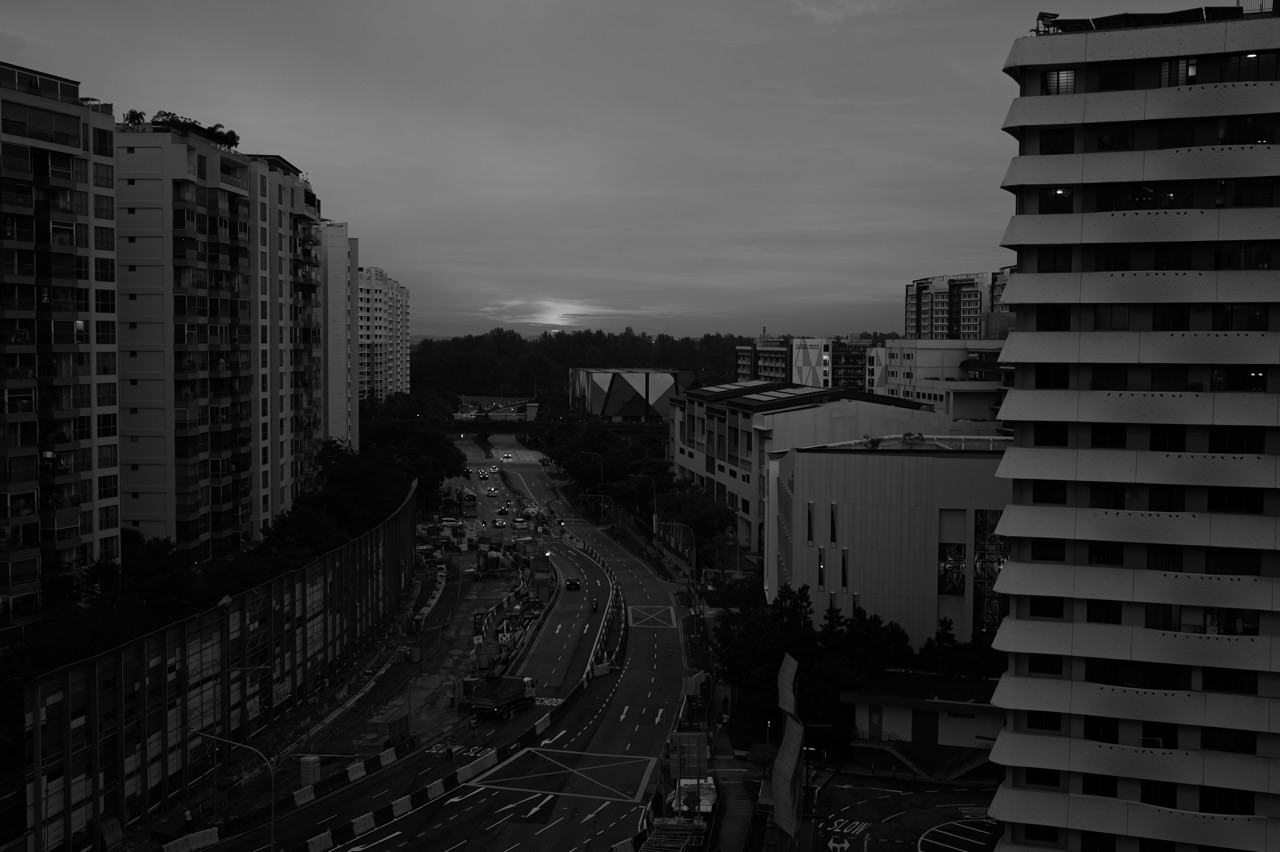
Punggol has grown into the kind of town where a family dinner is no longer one simple choice. You can eat near home, at a hawker centre, inside a mall, close to the MRT, beside the coast, or somewhere that lets several generations sit down together without turning dinner into a transport project. That is why a useful guide to zi char and family dinners in Punggol should not pretend there is one “best” restaurant. The more useful question is: what kind of dinner does your family need tonight?
This guide is built around that decision. It explains the different dinner environments in Punggol, how to order for mixed-age groups, how to control cost without making the meal feel stingy, how to plan around children, grandparents, school nights and late workdays, and how to verify current opening hours or stall details before leaving home. Punggol changes quickly, so restaurant names and operating details should always be checked with the current operator or venue directory. The family decision method, however, stays useful.
Jump to: The quick Punggol family-dinner map · How to compare two family-dinner choices fairly · Two current restaurant examples for different evenings · How to order for six to eight people · Dietary requirements: verify at the provider, not from a general guide · Celebration dinner: decide what makes the night special · Final family-dinner checklist
The quick Punggol family-dinner map
- Neighbourhood coffee shop or eating house: usually the easiest choice when the family wants familiar food, short travel and an ordinary weekday dinner.
- Hawker centre: useful when everyone wants something different, especially across generations or dietary preferences.
- Mall restaurant: useful when comfort, air-conditioning, predictable seating, toilets, shopping and transport matter as much as the food.
- Food court: useful when the family wants mall convenience without a full restaurant meal.
- Waterfront or destination dinner: useful when dinner is part of an outing rather than simply the evening meal.
- Punggol Coast: increasingly useful when work, study, campus, the Digital District or the north side of town is already part of the day.
The right answer can change from Monday to Saturday. A family that loves a long seafood dinner on a weekend may still prefer a 45-minute neighbourhood meal on a school night. The smart choice is not the most impressive location. It is the location that fits the actual evening.
What “zi char” means in a practical family guide
Zi char is useful family food because it is flexible. The table can share vegetables, tofu, meat, fish, soup, rice or noodles, and the order can expand as the group becomes larger. That flexibility is exactly why it works for grandparents, parents, teenagers and younger children sitting together. It also means the meal can be adapted to appetite. A light weekday order can be very different from a birthday dinner, yet both can still feel complete.
For this guide, “zi char and family dinners” is broader than a strict restaurant category. It includes the family decision that happens when someone asks, “Where shall we eat tonight?” The answer might be a zi char stall, a hawker centre, a Chinese restaurant, a food court, a neighbourhood coffee shop or a mall dining option. The useful skill is learning to match the venue to the family job.
That matters in Punggol because the town is spread across several daily-life nodes. A family near Coral Edge may not want the same dinner geography as one already returning through Punggol MRT. A household near Northshore may naturally use a different cluster from a family around Oasis. Punggol Coast creates another dinner node again. Local knowledge is not just knowing names. It is knowing when each part of town makes sense.
Start with the family job before choosing the restaurant
Before opening a review app, ask what dinner must accomplish. Is this a fast meal before homework? A calm meal after a difficult school day? A gathering with grandparents? A celebration? A catch-up with relatives? A dinner after tuition or CCA? A meal before groceries? A place to sit while waiting for another family member to finish work? Those are different jobs.
A good family dinner can solve two or three jobs at once. If the family needs groceries after eating, a mall or neighbourhood retail node may be stronger than a destination restaurant. If a child has an early bedtime, short travel may matter more than menu variety. If an elderly grandparent tires easily, lifts, toilets and reliable seating may become the deciding factors. If one person is arriving from the city by MRT, the Town Centre can remove a complicated pickup journey.
This way of thinking prevents a common mistake: choosing food first and discovering the logistics later. In a dense town, a restaurant can be only a few kilometres away yet still be awkward for the particular evening because of transfers, parking, queues, rain, children, mobility needs or the timing of the last activity.
How to compare two family-dinner choices fairly
Families often compare restaurants only by menu price or review score. A fairer comparison uses six questions: How long will the complete journey take? How certain is seating? How suitable is the menu for every diner? What is the total expected spend? What other tasks can be completed nearby? How easy is the trip home? A venue that wins four of those six may be the better family choice even if another venue is more famous.
Imagine Option A is ten minutes from home, has familiar food, requires no booking and costs a little less. Option B has a more interesting menu but needs two transport legs and a likely queue. On a Friday night, Option B may be fun. On a Tuesday before a spelling test, Option A is probably stronger. There is no contradiction. Good decision-making changes with context.
Do the same with a car journey. Parking time belongs in the comparison. So does the walk from the carpark to the table, especially with grandparents or toddlers. A location that appears “15 minutes away” can become a 40-minute door-to-table exercise after traffic, parking, lifts and waiting. The family should compare lived time, not map time.
Choose the Punggol dinner node that fits your route
Punggol Town Centre works well when family members are converging. Punggol MRT/LRT and the bus interchange make it a natural meeting point, while Waterway Point gives the family dining, shopping and services in one place. Use the current Waterway Point dining directory for outlet enquiries. A mall’s general hours do not establish a restaurant’s kitchen closing time, last order or availability tonight.
The Town Centre is especially strong for mixed arrival times. One parent can come from work, a teenager can arrive by LRT, and another family member can come by bus without everyone needing to coordinate a car. If dinner finishes early, groceries or another small errand can be completed before heading home. That is an ordinary advantage, but ordinary advantages are what make family routines sustainable.
The trade-off is obvious: a central mall can be busy. A family that needs a quiet conversation may prefer another node. A family with very young children may want to eat earlier, before the strongest evening crowd. A group that knows it wants a long sharing dinner may prefer to book a restaurant rather than discover a long queue after everyone arrives hungry.
One Punggol: strong when different appetites must coexist
One Punggol is useful because the dinner can sit inside a larger community journey. The integrated hub includes Punggol Regional Library and other public services, and the hawker centre is part of that community infrastructure. The People’s Association One Punggol page describes the hub as a multi-service community destination.
The hawker-centre management story has changed over time, so do not rely on an old article that permanently attaches the centre to one operator. NEA’s current operator-managed hawker-centre page lists One Punggol. For current management, stall availability, closures or operating changes, use NEA’s current operator-managed hawker-centre information and the on-site/operator channels rather than a frozen old directory.
For families, the important part is choice. A hawker-centre meal lets one person eat noodles, another choose rice, another buy a lighter meal and another pick a drink or dessert without forcing the whole table into one cuisine. That is valuable when grandparents, adults and children have different preferences. It is also useful when the family wants dinner to be relatively quick without everyone eating the same thing.
Punggol Plaza: the neighbourhood dinner that can finish the errands too
Punggol Plaza remains one of the clearest examples of a neighbourhood node that can carry an ordinary family evening. Its current operator directory describes a six-storey development with around 50 outlets, a wet market, supermarket, food options, healthcare and education services. The current Koufu listing places the food court on Level 1 and FairPrice on Level 3. That makes the centre useful when dinner must be combined with groceries, small purchases or another household task.
The current Punggol Plaza directory should be treated as the source for tenant details because mall mixes change. A restaurant mentioned in an old blog post can close; a service can move units; a new tenant can appear. The durable family method is to use Punggol Plaza when an east-side household wants a compact dinner-and-errands route rather than a destination night out.
If the family is already near Coral Edge or the eastern LRT loop, this can save time. If the evening includes a wet-market or supermarket stop for the next day, it may save another journey. That is often more useful on a Tuesday than a highly rated restaurant twenty minutes away.
Punggol Coast: a new dinner geography for the north of town
Punggol Coast is no longer only a future-development idea. Punggol Digital District’s community pages list both Punggol Coast Mall and Punggol Coast Hawker Centre as active amenities. The district also links to current store and stall directories. This gives families another practical place to eat when a parent works in the district, a student is using the area, or the evening already includes the north side of Punggol.
The official Punggol Coast Hawker Centre information says the centre opened with 40 stalls and 576 fixed seats. The centre’s address is 84 Punggol Way, Level 2. A centre being accessible does not mean every stall is serving dinner; check the intended stall’s current hours and last order before relying on a late meal. The Punggol Coast Hawker Centre page and Punggol Coast Mall directory are the better current owners than an old static list.
The practical insight is that families no longer have to route every north-side day back through the Town Centre before eating. If everyone is already near the Digital District, dinner there can reduce unnecessary travel. The reverse is also true: if the family lives elsewhere and has no reason to be in the district, travelling north only because something is new may not improve a tired school-night evening.
Neighbourhood coffee shops: often the strongest school-night answer
Neighbourhood coffee shops rarely win a “special occasion” comparison, but that is not their job. Their strength is that they can sit close to home, close to a bus stop or close to the route already used after school. If the family can eat, walk home and begin the next part of the evening without a transport detour, the meal may be doing exactly what it should.
For zi char, neighbourhood eating places also allow the family to order at a scale that suits the table. Two adults may share rice, vegetables and one protein. Four people can add tofu, soup or another dish. A larger group can create a genuinely communal meal. The exact stall and menu must be checked locally because operators change, but the ordering logic remains useful.
Do not confuse proximity with guaranteed convenience. A nearby stall with a long queue may be slower than a slightly farther food court. A coffee shop can also be hot, noisy or crowded during peak periods. The family needs to know its own tolerance. Convenience is not one thing; it is the combination of travel, waiting, seating, ordering and the trip home.
Two current restaurant examples for different evenings
These are starting points for enquiries, not a ranking or an assurance about dietary suitability. The choice still depends on the table, route and current provider response.
White Restaurant at Waterway Point: a Town Centre meeting
The White Restaurant outlet page lists Waterway Point at 83 Punggol Central, #B1-12, with telephone 8073 6693. The published schedule is daily 11am–10pm, with last order at 9.30pm. Recheck the outlet before a late visit or public-holiday gathering, and confirm reservations through the provider’s current channel.
This is a possible shared-dish dinner when relatives are arriving through Punggol MRT. Ask staff about portion sizes for the actual group and whether one noodle dish is sufficient alongside the rest of the order. An outlet listing does not guarantee a table tonight, and a last-order time is not a sensible arrival target for a leisurely family gathering.
House of Seafood: a Punggol Settlement gathering
The House of Seafood contact page lists its Punggol restaurant at 500 New Punggol Road, #01-01/02, The Punggol Settlement, telephone 6466 9000. Use that current address when organising the meeting; older descriptions of the waterfront area may use a different road reference. Confirm dinner service, seating and the route to the entrance directly before travelling.
This could suit a gathering where a seafood meal is the main event. Establish the price basis for premium seafood before approving it: per item, per weight or a fixed portion. Ask whether preparation charges are additional and what the expected total will be. Nearby park works and access arrangements should be checked separately; a restaurant listing does not establish that a planned park walk or carpark route is available.
How to order zi char for two people without creating leftovers
Two people do not need to imitate an eight-person table. Start with the smallest complete meal. Rice or noodles can provide the base. Add one vegetable and one protein, tofu or egg dish. If the portions are known to be large, even two shared dishes may be enough. Soup can be added if the pair genuinely wants it rather than because a “proper” table supposedly requires one.
Ordering less first is easy to correct. Ordering too much is harder because it turns dinner into a packing exercise, increases cost and can create food-safety questions if leftovers are carried around for a long time before refrigeration. If the stall allows additional orders quickly, start modestly and add when necessary.
For a parent and child, think about spice, bones, shellfish, sauces and textures before ordering. The adult can still enjoy a flavourful meal, but one shared dish should usually be easy for the child to eat without turning every mouthful into negotiation. Family dining becomes happier when one dish is familiar and suitable for the child’s needs.
How to order for four people
Four diners are where zi char becomes especially flexible. A simple starting structure is one vegetable, one protein, one tofu/egg dish and a shared carbohydrate. Soup or a second protein can be added depending on appetite. That structure creates variety without automatically producing six or seven dishes.
Let the table choose categories before specific dishes. Ask: vegetable? chicken, fish or another protein? tofu or egg? noodles or rice? soup? This is faster than passing a menu around while four people each suggest unrelated favourites. It also makes it easier to notice if the table accidentally orders three fried items and nothing fresh.
If one person has a strong preference, give that person one clear choice and let the rest of the table build around it. A teenager who really wants cereal prawns, for example, does not need to control every other dish. The family can add a vegetable, tofu and rice that balance the meal and suit everyone else.
How to order for six to eight people
Large family tables benefit from structure because enthusiasm can become over-ordering very quickly. Begin with the group’s non-negotiables: allergies, religious requirements, strong dislikes, medical dietary needs and whether young children can manage the food. Then choose a spread that covers different textures and flavours.
A larger table can support one or two vegetables, two proteins, tofu or egg, soup and a carbohydrate dish, with seafood or a more celebratory item added if the group wants it. The point is not to follow a fixed formula. The point is to ensure every person has enough suitable food before the group starts adding “special” dishes.
Ask about portion sizes. A restaurant’s “medium” is not a national standard. If the staff know the table size and the rest of the order, they can often advise whether a dish is too large. That one question can protect both the budget and the table from unnecessary leftovers.
Children change the dinner decision
A family with young children is not simply an adult group with smaller people attached. Timing, toilets, high chairs, noise, queue tolerance, spice, cutlery and the distance from the table to the pickup point can all matter. A restaurant with wonderful food may be a poor choice if a toddler is already exhausted before the family sits down.
For school-age children, dinner can also be part of the transition from school to home. If the meal becomes too long, homework and sleep suffer. If it is rushed every night, the family loses a valuable conversation window. The goal is not maximum speed. The goal is a meal length that fits the rest of the evening.
Give children a small role. One child can choose the vegetable, another can check whether everyone has water, and an older child can help work out how many dishes the family really needs. That turns dinner into participation rather than passive consumption. It also builds practical language: portion, share, spicy, allergy, bill, change, queue, booking and takeaway.
Grandparents and older relatives: comfort can be more important than novelty
For older relatives, begin with access. How far is the walk? Are there lifts? Is the route sheltered? Is there somewhere to sit while waiting? Are the toilets convenient? Is the table arrangement comfortable? Can the family drop someone near the entrance? These are not side details. They can determine whether the dinner is enjoyable.
Food can also be ordered with texture and salt preferences in mind. A family may still choose richer dishes, but it helps to include soup, tofu, vegetables or softer items if older diners prefer them. When several generations eat together, the best order is the one that lets everyone participate without making one person feel like a problem that must be “managed.”
If hearing is difficult, a very noisy dining environment can make conversation tiring. In that case, an earlier dinner, a quieter restaurant or a less crowded node may be more valuable than a fashionable venue. Family dinner is partly about food and partly about being able to talk.
Dietary requirements: verify at the provider, not from a general guide
Halal status, allergens, vegetarian preparation, kitchen practices and ingredient details can change by outlet and over time. A locality guide should not guess. If a dietary requirement matters, verify it with the restaurant, stall, official certification source or current operator before ordering. This is especially important for allergies, where “probably safe” is not a useful standard.
For a mixed group, hawker centres and large malls can sometimes make dietary coordination easier because people can buy from different stalls or restaurants. But that flexibility does not remove the need to check ingredients or certification. The family should decide whether eating from different providers at one shared table is acceptable for the group’s needs.
When booking a restaurant for a celebration, call ahead if the requirement is important. A two-minute conversation before the meal is better than discovering at the table that the kitchen cannot accommodate the group safely.
For halal certification, search the specific establishment in the MUIS halal establishments service. A brand name, a seafood menu or another outlet’s certificate is not enough. For an allergy, ask about both ingredients and preparation, including shared utensils or cooking surfaces. If the provider cannot answer the relevant questions, choose another suitable meal rather than treating uncertainty as reassurance.
Budget: calculate the whole evening, not only the menu price
Family-dinner cost includes more than dishes. Transport, parking, drinks, desserts, service charge, GST where applicable, takeaway packaging and impulse purchases can change the final amount. A “cheap” restaurant in an inconvenient location may cost more overall than a slightly more expensive dinner near home.
Set a household range before choosing the venue. The family does not need a spreadsheet every night, but a simple rule helps: ordinary weekday, relaxed weekend and celebration can each have a different budget. That prevents the strange situation where every meal out is treated like a special occasion and then everyone feels guilty about the bill.
For students, learning to estimate a shared meal is practical mathematics. If four people have a target of S$60 before any optional dessert, that gives an average ceiling of S$15 per person. The family can then decide whether to spend more on a seafood dish and less elsewhere, or choose a simpler meal. The calculation is not about making dinner joyless. It is about making choices visible.
A worked shared-bill example
The following numbers are invented to show the calculation; they are not prices at either restaurant. Suppose rice costs S$6, vegetables S$12, tofu S$10, chicken S$18 and drinks S$8. The subtotal is S$54. If the menu states a 10% service charge followed by 9% GST on the service-inclusive amount, S$54 × 1.10 × 1.09 gives S$64.75 after rounding. Four equal shares would be about S$16.19 each, with the final cents adjusted to the actual bill.
If the household ceiling is S$60 for the food bill, that example already exceeds it. A premium dish would widen the gap. Read the menu’s stated inclusive or exclusive pricing rather than automatically adding charges to every displayed price. Then add transport and any optional cake or dessert to the household total. Ask about split payments before the meal if different households will contribute.
The school-night dinner system
A school-night dinner should protect sleep. Work backwards from bedtime. If a child needs to be home by 8.15pm to shower, pack the school bag and wind down, a 7.30pm queue across town is already the wrong plan. The family can choose a closer meal, eat earlier or pick takeaway.
Try a simple sequence: finish the last activity, travel to a nearby food node, eat, complete one necessary errand if needed, return home, prepare for tomorrow. If the dinner choice adds a second transport loop, the family should ask whether the extra journey is buying anything meaningful.
This is where neighbourhood Punggol is strong. There are enough local nodes that dinner can often stay inside the child’s ordinary weekly geography. The family does not have to turn every meal into an expedition. Save the destination dinner for a night when the family can actually enjoy it.
Dinner after CCA or tuition
After a long day, the hungry child often wants food immediately while the adult wants to “go somewhere nice.” Those goals can collide. Solve hunger first. A light snack before travel may make it possible to have a calmer meal later. Otherwise the family can choose a food node already on the route home.
If tuition ends near Punggol MRT, Town Centre dining can make sense because the transport is already solved. If the child is returning through an LRT neighbourhood, a local dinner may be easier. If the family has another sibling to collect, dinner should fit the pickup sequence rather than creating a new route.
Parents can use these evenings to teach a simple planning habit: “Where are we now? Where do we need to end? What food is available in between?” That is a real-world decision skill. It teaches children to connect time, geography, hunger and responsibility rather than assuming an adult will always organise everything invisibly.
The wet-weather dinner plan
Punggol’s covered links, malls and transport nodes can make rainy evenings manageable, but the exact walking route matters. A location that looks close on a map can still expose the family to rain for the final few hundred metres. If the weather is poor, favour a dinner node with a straightforward sheltered route or direct pickup.
For very heavy rain or lightning, the correct response may be to delay movement rather than rush between buildings. Keep a backup dinner in mind: nearby food court, takeaway, home meal or delivery. A resilient family plan always has a second option.
Do not make the children responsible for deciding whether weather is dangerous. Adults should use current weather and official safety information. The family can involve children in the logistics—umbrellas, dry bags, pickup point—while the safety decision remains with the responsible adult.
Celebration dinner: decide what makes the night special
A birthday or family celebration does not automatically require the most expensive restaurant. Decide what the group values. Is it seafood? A cake? A waterfront walk? A private conversation? A table large enough for three generations? A place that can seat ten people together? Easy parking for relatives? The answer determines the venue.
Book ahead when the group is large. Ask whether the restaurant can seat everyone together, whether there is a time limit, whether a cake can be brought in, whether there are cake-cutting rules, whether high chairs are available and whether the menu can handle dietary requirements. These details can matter more than another star in a review score.
If the celebration includes a walk afterwards, choose the route before dinner. A family can eat near the Waterway, Town Centre, Northshore or Coast and then continue outside, but the route should match the age and energy of the group. Grandparents and young children should not discover after a heavy meal that the “short walk” is much longer than expected.
Takeaway can be the correct family-dinner answer
Eating at home is not a failed restaurant plan. Sometimes takeaway gives the family better conversation, lets a tired child shower first, allows an elderly relative to eat comfortably and removes the pressure of a queue. A family can still order shared dishes and create a proper meal at home.
For takeaway, think about travel time and food quality. Fried food loses texture, soups need secure containers, and dishes with delicate vegetables may not travel well. If the journey home is long, choose food that survives the trip. Put hot food into the home routine quickly rather than leaving it in the car or on the table for extended periods.
Takeaway is also useful when family members return at different times. The household can order dishes that reheat reasonably, portion them, and avoid asking one person to wait hungry for everyone else. The trade-off is that a shared meal becomes less synchronised, so families should decide when that matters.
Handle dinner and leftovers promptly
Use the Singapore Food Agency’s food-safety guidance for handling and storage. Take takeaway home promptly, and refrigerate perishable leftovers promptly rather than carrying them through a long walk or shopping trip. Plan the collection as the last stop before home. Reheating does not make food that has spoiled or been handled unsafely suitable to eat.
When diners return at different times, separate the later diner’s portion using clean utensils and store it appropriately. Leaving the whole order out until the last person arrives is not a good substitute for a storage plan. Taste, smell and crispness describe quality; they do not establish that handling has been safe.
How to use reviews without becoming trapped by reviews
Reviews are helpful for spotting repeated patterns: long waits, strong service, portion size, noise, parking difficulty or a dish that many people mention. They are less useful when one dramatic experience is treated as universal truth. Read several recent reviews, note the dates and compare them with the current official listing.
For a family, filter reviews through your own job. A reviewer may dislike a busy hawker centre while your teenagers love the range of food. Another reviewer may praise a quiet restaurant that your family finds too formal for children. The review is evidence of someone’s experience, not a command.
Also separate food quality from operational facts. The official venue or restaurant should own the current address, hours, booking method and menu. Reviews can help with atmosphere and experience, but they are not the best source for whether a place is open tonight.
A simple dinner decision table
| Family situation | Strong first choice | Why |
|---|---|---|
| School night, everyone tired | Nearest reliable neighbourhood food node | Protects sleep and reduces travel. |
| Different food preferences | Hawker centre or large food court | Everyone can choose separately and still sit together. |
| Relatives arriving by MRT/bus | Punggol Town Centre | Simple meeting point and broad dining choice. |
| Dinner plus groceries | Punggol Plaza, Waterway Point or another retail node on the home route | Combines two household jobs. |
| Already in Punggol Digital District | Punggol Coast | Avoids travelling back south only to eat. |
| Birthday or long family meal | Bookable restaurant with suitable seating | Protects group seating and reduces queue risk. |
| Grandparents joining | Comfortable accessible venue with short walking route | Access and conversation matter. |
| Rain or lightning | Sheltered mall/food node or takeaway | Reduces exposed movement. |
Use dinner to build practical independence in children
Family dinners are small laboratories for independence. A Primary school child can learn to read a menu, find a table number, carry a tray safely, speak politely to a stallholder and check change. A Secondary student can compare prices, navigate the LRT route, make a booking, estimate arrival time and help an older relative find the lift.
These are not glamorous skills, but they make a young person capable. The adult does not need to hand over everything at once. Give one task at a time. “Please check whether the restaurant is still open.” “Please work out which station we need.” “Please ask whether this dish contains peanuts.” “Please calculate the total if we order these four dishes.” Each task connects school knowledge to real life.
Language learning also becomes practical. Children hear words such as reservation, portion, vegetarian, receipt, service charge, takeaway, allergy, available, fully booked, spicy, mild and refill. Mathematics appears in prices, shares, time, change and travel. Geography appears in routes. Social learning appears in waiting, sharing and helping other diners. One small task at dinner can help a child practise these skills in an ordinary setting.
Build a family ordering vocabulary
One reason shared dinners sometimes become chaotic is that nobody has a clear vocabulary for the decision. Teach children and teenagers a small set of useful phrases: “How many people is this portion for?” “Can this be less spicy?” “Does this contain nuts?” “Is this dish suitable for sharing?” “Can we add another portion later?” “What time does the kitchen close?” “Can we reserve a table?” “Is takeaway available?” These are practical communication tools, not textbook exercises.
Older students can take the next step and call a restaurant themselves. They can introduce the family size, state the time, ask about a dietary need and confirm the booking name. That short task teaches telephone confidence, listening, clarification and responsibility. The adult can supervise without speaking for the student unless needed.
The same dinner can teach estimation. Ask a child to predict whether four dishes will be enough, then compare the prediction with what the table actually eats. Ask a teenager to estimate the final bill including service charge and GST where applicable, then check the receipt. These small exercises build number sense because the numbers mean something to the learner.
A Monday-to-Friday family dinner rhythm
Families often make dinner harder by deciding from zero every evening. Create a loose rhythm instead. Monday might be home food. Tuesday could be a nearby coffee shop after CCA. Wednesday could be takeaway because a parent finishes late. Thursday could be a mall meal combined with groceries. Friday could be the longer family dinner. The exact pattern does not matter; reducing repeated decision-making does.
Children can see the pattern on a family calendar. That helps them understand when there is time to meet friends, when homework must begin earlier and when the family will be out. Predictability reduces negotiation. It also makes special dinners feel special because not every evening is treated like an event.
The rhythm can change during examination periods, school holidays or busy work seasons. The useful habit is to adjust consciously. A family may simplify meals during a demanding month and then restore longer dinners afterwards. Good routines are flexible, not rigid.
A weekend family dinner can carry a whole Punggol outing
On weekends, dinner can sit at the end of a larger Punggol day. The family may visit the library, cycle, walk by the Waterway, spend time at a community programme, shop for the week or explore the Coast before eating. In that case, the dinner node should make the return home simple rather than adding one final complicated transfer.
A useful sequence might be: afternoon activity, early dinner, short walk, home. Another might be: groceries, dinner, dessert, LRT home. A Coast day might finish at the hawker centre or mall before the family uses Punggol Coast MRT. The point is to design the sequence as one journey.
That same planning makes outings cheaper. If the family knows dinner is later, it can bring water and a small snack rather than buying food repeatedly all afternoon. If dessert is the treat, dinner can stay simple. If dinner is the treat, there may be no need for an expensive café stop earlier.
Five Punggol dinner routes that families can actually run
A guide becomes more useful when it can be turned into a real evening. The first route is the Town Centre convergence dinner. One adult comes home by MRT, a child arrives by LRT, and another family member comes by bus. Meet at Punggol MRT, choose a current Waterway Point food option, eat, complete one grocery or household task and go home. The strength of this route is not culinary novelty. It is that nobody has to make a separate pickup journey.
The second route is the east-side neighbourhood dinner. A family near Coral Edge, Punggol Field or nearby estates uses Punggol Plaza or another nearby food node after school. Dinner is early, one adult buys the next day’s groceries, and the family is home before the evening becomes compressed. This is the kind of route that can be repeated every week because it asks very little from tired people.
The third route is the One Punggol mixed-choice dinner. The family has been at the library, community club or another hub facility. Instead of moving everyone elsewhere, the group eats at the hawker centre or another current food option nearby. Different diners choose different meals, then the family leaves together. This works especially well when the meal is not meant to be a formal restaurant occasion.
The fourth route is the Punggol Coast work-study dinner. A parent works in the Digital District, an older student has been in the area, or the family is already visiting the Coast. Eat there, then use Punggol Coast MRT for the return. The route is efficient because it respects where the day already happened. It avoids the odd habit of travelling back to the Town Centre simply because that was once the only obvious dinner hub.
The fifth route is the home-table zi char dinner. Order takeaway from a current nearby provider, bring it home, add rice or fruit if needed, and sit down without another queue. This route is powerful during examination periods, thunderstorms, illness recovery or weeks when everyone is overloaded. It keeps the shared-table feeling while reducing the operational burden.
What to do when the first dinner plan fails
Restaurants become full. Hawker stalls close for a rest day. A child suddenly feels unwell. Rain changes the route. A grandparent becomes tired. A strong family system does not treat these changes as disasters. It has a fallback. Before leaving home, know one alternative within the same node and one alternative on the route home.
At Waterway Point, the fallback may be another restaurant or food-court option within the mall. At Punggol Plaza, it may be the food court instead of a specific stall. At the Coast, it may be the hawker centre instead of a mall restaurant. In the neighbourhood, it may be takeaway. The backup should be close enough that the family does not restart the whole journey.
Parents can model the language of calm adjustment: “That place is full, so we are using Plan B.” This is surprisingly educational. Children see that a plan can fail without the evening failing. That is the same mental skill they need when a study method, bus route, project plan or examination strategy does not work as expected.
A 30-day family-dinner experiment
If the household feels that dinner is always stressful, run a simple 30-day experiment. Do not search for the perfect restaurant. Track what makes evenings easy. After each meal outside, record five things: travel time, waiting time, total spend, whether everyone found suitable food, and whether the family reached home at the intended time. Add one sentence about mood: calm, rushed, noisy, enjoyable or tiring.
After a month, patterns appear. Perhaps the family spends too long travelling for weekday meals. Perhaps the children are happiest at a hawker centre because they can choose independently. Perhaps grandparents prefer Punggol Plaza because the route is familiar. Perhaps the Town Centre works only before the evening peak. Perhaps a Coast dinner is excellent on days when a parent is already there. That evidence is more useful than a generic ranking.
Then turn the pattern into two or three defaults. Keep one school-night default, one mixed-family default and one celebration default. The household still has freedom, but it no longer has to solve the same decision from zero every week. That is how a town becomes easier to live in: not because every place is perfect, but because the family learns how to use the place well.
Check current menus, hours and reservations
Punggol is developing quickly. Tenant lists, stall operators, promotions, prices, opening hours and booking rules can change. Check these details for the intended outlet and day. Use this article for the family decision method, then check the current venue or agency page for tonight’s operational details.
- Waterway Point dining directory for current mall food tenants and outlet details.
- Punggol Plaza operator directory for current tenants and mall information.
- Punggol Coast Mall directory for current stores.
- Punggol Coast Hawker Centre for current district information.
- NEA operator-managed hawker centres for current public hawker-centre ownership context.
- People’s Association One Punggol for the integrated community hub.
Continue through the Punggol food map
Use the broader Punggol Food Guide when you want the town-wide view. For everyday variety, continue to the Punggol Hawker Centres and Coffee Shops guide. For an early start, use Breakfast in Punggol. For a treat or cake, continue to Bakeries and Desserts in Punggol. For tighter budgets, use Cheap Eats in Punggol.
The wider Complete Punggol Guide connects food to transport, parks, schools, services, neighbourhoods and family routines. That is the larger idea: dinner is not isolated from the rest of town life. It sits inside the journey a family is already making.
Final family-dinner checklist
- What job must dinner solve tonight?
- Where is everyone coming from, and where must they end up?
- How much time is available before homework, rest or bedtime?
- Does anyone need halal-certified food, allergy information, vegetarian options or another dietary check?
- Will grandparents, toddlers, a stroller or mobility needs change the venue?
- Is the family willing to queue?
- Does the meal need to include groceries or another errand?
- What is the whole-evening budget, not just the menu budget?
- What is the wet-weather backup?
- Have current opening hours, booking rules and tenant details been checked with the actual provider?
Punggol has enough food choice that families do not need to chase a single “best” dinner. The better skill is learning to choose well. Some nights that means a quick neighbourhood zi char meal. Some nights it means a hawker table where everyone gets something different. Some nights it means Waterway Point because three people are arriving by three different routes. Some nights it means Punggol Coast because the whole day is already there. And sometimes the smartest family dinner is takeaway at home.
When the choice fits the family, dinner becomes easier. The food matters, of course. But so do the route, the time, the people, the conversation and the calm journey home. That is what makes a family dinner work.


