
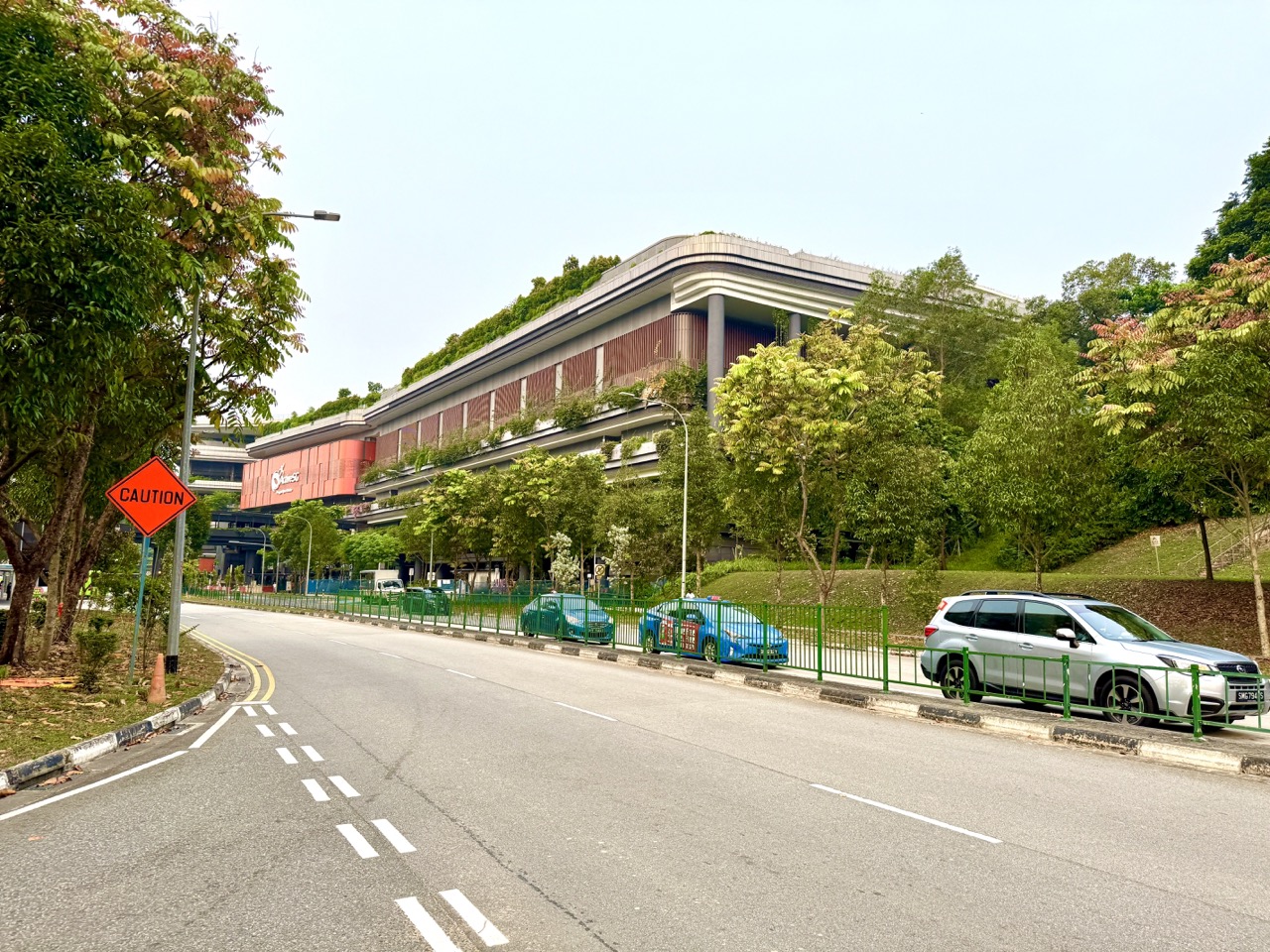
Before a badminton game at ActiveSG Punggol, a simple warm-up can help players ease from sitting or commuting into movement. Start by checking that you have a genuine badminton court reservation, arrive with appropriate non-marking footwear, and choose gentle movements appropriate to your ability. A ten-minute warm-up is an illustrative routine, not a requirement to perform a particular set of exercises. Punggol Sport Centre is at 11 Sentul Crescent, Singapore 828656, close to Sam Kee LRT (PW1); your booking determines when you may enter the court.
As checked on 7 November 2026, Punggol Sport Centre is still in its phased launch period after selected facilities began operating on 27 October. SportSG advertises the official opening on 22 November 2026, including date-specific free gym and pool admission, but that event does not make badminton courts freely available on other dates. The official ActiveSG rules require court hirers to respect their slots and to wear non-marking shoes in the sports hall. Plan warm-up time without entering before your booking begins, occupying another court or blocking a common walkway. MyActiveSG+ remains the starting point for actual booking availability.
- Venue: Punggol Sport Centre, 11 Sentul Crescent, Singapore 828656
- Nearby transport: Sam Kee LRT (PW1), with the exact walking route checked before travelling
- Booking: use the named badminton product and keep the genuine reservation confirmation
- Footwear: ActiveSG sport-hall rules specify non-marking shoes
- Ten-minute plan: an optional example of gentle whole-body movement, court orientation and easy first rallies
- Timing: do not step onto the booked court before the allocated start time; complete any court-specific warm-up during the valid booking
- Beginners: focus on control, comfortable movement and short cooperative rallies instead of powerful smashes
- Children: choose age-appropriate activities and arrange suitable adult supervision
- Weather: indoor sport does not remove the need to travel safely during storms or heed venue closures
- End of play: clear the court promptly and follow a calm finish suited to your readiness
- Official rules and individual needs override any generic training template
- Facts checked: 7 November 2026
Why the first ten minutes can change the experience
Many visitors arrive at a public court after a long workday, a school journey or a rushed LRT transfer. Their first instinct may be to begin a serious match immediately because every minute of a paid slot feels valuable. Yet badminton involves repeated starts, stops, direction changes and overhead movements. A gentle introduction can give players time to judge how they feel and settle into the space. This is particularly helpful when one person is returning after a break or is trying badminton for the first time.
The purpose is not to achieve a dramatic fitness gain in ten minutes. It is to prepare sensibly for the type of movement the game will demand, understand the surroundings and begin with an appropriate level of effort. A beginner can use a shorter or simpler progression if needed. Anyone with relevant injuries, illness or significant concerns should follow qualified personal advice rather than treating an article as a personalised exercise prescription.
The most important step comes before the warm-up
Verify the actual venue and sport. An empty-looking badminton court is not automatically open for informal practice, and a reservation for tennis or pickleball does not grant access to badminton. Check the Punggol venue, date, time and booking holder, then communicate those details to the players. Confirm which equipment each person is bringing and whether the hall has any current closure or special restrictions.
A warm-up plan cannot rescue an invalid booking. It is better to choose another legal slot or a separate public activity than to argue with staff or claim another user’s court. Our fully booked courts guide explains legitimate alternatives. Before playing, give yourself enough travel time for Sam Kee, the correct entrance and finding the hall without running across crossings or corridors.
Understand the booked time, not just the clock
ActiveSG’s sports-hall regulations require hirers not to enter the play area before their allotted slot and to leave promptly at its end. This means an activity called a pre-match warm-up must be planned responsibly. Gentle movements in a genuinely permitted public area, if appropriate and not obstructive, are different from stepping onto a court early to practise serves. Court-specific rallies should begin only when the reservation permits entry.
Many beginners assume arriving ten minutes early means the court becomes theirs ten minutes early. It does not. The practical plan is to arrive before the start for check-in, shoes and directions, then use part of the valid court time for short gentle rallies. If the venue has a designated warm-up area, ask whether it is available; do not invent one by using a corridor or another sport’s space.
What the ActiveSG shoe rule actually means
SportSG states that only non-marking shoes should be worn within the sport hall. An unsuitable pair can affect footing and may mark the playing surface. A visitor should check that their footwear is appropriate for the actual hall and activity, rather than assuming every trainer used outdoors is permitted. Clothing should also allow comfortable movement and meet the venue’s current requirements.
Before starting, look for loose laces, worn soles or damaged footwear that might create a problem. Do not borrow shoes that fit badly just to avoid missing a game. If you cannot meet the venue’s footwear rules, choose a different lawful activity or return another time. A court booking does not override a safety restriction. Our first-visit equipment checklist covers the wider gear question.
Minute one: arrive calmly and check how you feel
The first minute is better spent finding your bearings than firing a shuttle as hard as possible. Check the court surface, the net, boundary lines and the presence of neighbouring players. Notice whether the floor appears dry and suitable, whether loose shuttlecocks need collecting and whether anyone needs a brief pause after travel. If something is damaged or unsafe, report it to staff instead of continuing.
Ask the players whether everyone is comfortable starting. A teenager finishing school and an adult coming from a desk may have very different readiness. Avoid turning this check into a medical examination or public discussion of private conditions. The point is simple consent, comfort and awareness. The group can begin more gently or adjust the plan if someone is tired.
Minutes two and three: gentle movement, not a test
An optional approach is a little comfortable walking and easy movement suited to the individuals. If the relevant public space permits it, this may start before court entry without obstructing circulation. Once the booked playing space is available, players can familiarise themselves with the court dimensions and move comfortably at an unhurried pace. Rapid sprints are not required at the start.
Some people enjoy a brief gradual increase in movement, while others may need a slower progression. Avoid demanding that a child, older participant or newcomer match an experienced adult’s intensity. If the movement causes discomfort or unusual symptoms, stop and seek appropriate help. A general blog cannot evaluate what intensity is right for every person.
Minutes four and five: shoulders, arms and coordination
Badminton involves racket handling and arm movement, but the early stage should still be controlled. Players can become familiar with the grip, gently move their arms within comfortable ranges and practise positioning the racket without sending dangerous shots towards other people. Keep a safe distance between players and avoid swinging near an occupied adjacent court.
Not everyone has the same shoulder mobility or history of sport. A familiar gentle movement may be suitable for one person while not for another. Avoid copying forceful stretches or exaggerated overhead motions simply because a fitness video looks impressive. When personal restrictions apply, qualified advice takes priority. The objective is a calm transition into the sport rather than proving flexibility.
Minutes six and seven: cooperative shuttle returns
Once the court is legally yours, begin with short predictable shuttle feeds. Let the less experienced player make controlled contact, then return the shuttle gently. Count a few successful cooperative returns if that feels enjoyable. Instead of chasing long clears or powerful smashes, keep the first rallies manageable so both players can judge spacing and racket timing.
If the players are at very different levels, the stronger person can send easier shots and avoid deliberately placing the shuttle beyond the beginner’s reach. This creates useful practice without humiliation. A child may need several attempts before returning a shuttle, and that is fine. Do not enter neighbouring courts to chase a loose shuttle; wait for a safe moment or ask the other users appropriately.
Minutes eight and nine: add direction changes slowly
As players become comfortable, they can vary the rally by directing some gentle shots slightly to one side or the other, within the court boundaries. The aim is to practise moving, settling and preparing for the next shuttle without rushing. This is different from a demanding footwork drill. Keep movements modest and reduce the difficulty if someone loses balance or becomes uncomfortable.
Experienced badminton players may have their own warm-up routines, but a mixed-level social session should not assume everyone wants the same pace. Players can agree on simple rally targets, alternate who feeds the shuttle and take breaks. Do not make sudden backwards lunges necessary for a novice. A gentle progression is particularly important when the hall is unfamiliar.
Minute ten: agree on the game format
Before keeping score, decide who is playing, whether the group wants singles or doubles, and whether the session will be competitive. A two-person singles match differs from four-person doubles. Three or five participants may require fair rotations and a safe waiting arrangement, subject to venue rules. Agreeing beforehand prevents confusion once people are warmed up.
The booking also has a firm end, so the group should know when to stop starting new games. If someone is not enjoying competitive scoring, cooperative rallies are a valid choice. You do not need to squeeze in one long official match to justify a social booking. The shared experience may be the main reason everyone came.
Beginners can start with shorter rallies
Someone who has never played badminton may not yet understand how the shuttle moves, how scoring works or why a racket can feel difficult to control. Beginning with powerful serves and high clears is likely to create avoidable frustration. Start with gentle contact, a predictable feed and a few manageable returns. Brief pauses for explanation are normal.
Teaching one idea at a time is usually more helpful than correcting grip, footwork, serving, scoring and positioning all at once. The child’s or adult’s enjoyment should remain visible in the plan. If the beginner wants to stop after a short trial, respect the decision. A future visit can build on what they liked. Our beginner badminton overview discusses first-rally basics.
A doubles warm-up is a communication exercise
Four friends arriving for doubles should not begin by each hitting independently into the same area. Organise gentle exchanges with clear spacing and simple calls. Decide which players stand on each side and remind everyone that a doubles court has shared coverage. A friendly “mine” or “yours” call may be more useful than practising a dramatic smash.
For mixed-skill friends, a warm-up also allows partners to notice one another’s comfortable movement and pace. The strongest player need not dominate every shuttle. Start with easy partner exchanges and then choose a balanced game format. The aim is safe cooperative movement before competition, not a tactical examination. The site’s doubles rotation guide provides fair-play arrangements for larger groups.
Three players and a waiting person
Three people cannot all participate simultaneously in an ordinary singles rally. A straightforward arrangement is for two people to play while the third waits in a legitimate safe place, then rotate regularly. The person waiting can rejoin after a short interval and ease into the activity rather than entering a fast competitive game immediately. Follow any court capacity and non-playing access requirements.
Do not stand close to an adjacent court’s playing area or leave a younger sibling unattended. If three adults want a social outing, short rotations may make the best use of a booking, but a venue is not obligated to provide an extra practice court. A fair rotation is better than letting the same two friends play the whole hour while the third watches.
A parent and child have different needs
A parent might enjoy intense sport but a child may prefer gentle rallies. Start by asking whether the child wants to learn a skill or simply play together. The parent can offer predictable shuttle feeds and celebrate shared successes without turning every mistake into a criticism. Children may need more frequent breaks or a shorter activity, depending on their readiness and experience.
Adult supervision remains important, and a booked badminton hall is not a free play area for a toddler. Younger siblings should have their own appropriate care arrangement. A child under twelve is also not permitted inside an ActiveSG public gym as a companion. Our parent–child mini-games guide offers related cooperative ideas without suggesting they are official ActiveSG lessons.
What if you have only thirty minutes?
A short time window can still permit an enjoyable session if the relevant booking allows it, but you should not attempt to compress a long warm-up and full competitive match into an unrealistic schedule. First subtract travel, check-in and equipment changes. If a court slot exists and both players are ready, a modest portion of gentle rallying may be enough. Do not force extra intensity to compensate for arriving late.
If the available window is too short for a genuine booking, consider a lawful public walk near Punggol Waterway instead. Sports facilities are shared by many users and the opening hours do not entitle you to choose arbitrary playing periods. A practical plan accepts the real schedule rather than trying to make a small gap look like a full training session.
Playing after work requires a different arrival plan
Office workers may arrive in work clothes, carrying bags and needing a moment to change footwear. A few minutes of extra travel margin can make the experience more relaxed. If one friend is delayed on the North East Line or Punggol West LRT Loop, do not ask them to run across roads to save a court minute. Agree on a legitimate meeting point and the booked time.
Consider whether everyone has eaten, rested and can participate comfortably. A high-intensity game immediately after a long day may not suit every person. The beginner-friendly warm-up can remain short and calm, with a slightly more energetic match only if participants want it. Our evening sports guide covers transport home and closing conditions.
Morning sessions and the need to leave on time
Morning badminton can fit some households, but the door-to-door time matters more than a court start time. A parent dropping a child at school, a student attending class and an employee starting work have firm deadlines. The warm-up should not make everyone late or put pressure on people to rush through the venue. A shorter game or different day may be the sensible answer.
Plan the return journey before booking. Sam Kee is a useful nearby rail landmark, but the exact station transfer and walk vary by origin. A good morning match has a calm beginning and a predictable finish. You do not need an exhausting workout to justify getting up earlier. Our early-morning ActiveSG plan discusses this in greater depth.
Warm-up without overstepping other users
A common problem in busy sports halls is a group using an empty-looking neighbouring court to practise while its own court is still occupied. That may interfere with a booking, event preparation or maintenance. Use only the area and time that the operator permits. Do not borrow someone else’s shuttlecocks, use their net or occupy a corner of their court without agreement and appropriate permission.
The same principle applies to public corridors and entrances. A passage is not a badminton practice lane, and swinging rackets near other visitors can be hazardous. If you want a more extensive warm-up than your booking allows, ask about legitimate available space or book a suitable session under the current rules. Courtesy helps keep the facility welcoming.
What if a court surface feels slippery?
If a player sees a wet patch, unusual surface damage or other hazard, stop and report it to staff. Do not try to hide the issue, continue an intense game or carry out unauthorised repairs to the court. A person who has already paid for a booking may feel reluctant to interrupt play, but safety must take priority. Staff can advise on the relevant venue arrangements.
The warm-up is a useful moment to check the surroundings because movements are gentler and people have time to notice the surface. A slippery playing area can affect all players, not only beginners. The site’s facility-problem reporting guide explains how to communicate an issue without guessing that users may fix it themselves.
A gentle start does not replace medical advice
A general warm-up example cannot evaluate a person’s recent injury, illness, heart condition, joint limitation or rehabilitation needs. A participant who has significant concerns should seek appropriate professional guidance before beginning or returning to strenuous sport. Do not interpret a list of easy movements as a guarantee of injury prevention. Even well-planned activity involves risks, and individuals vary.
If a person feels unwell or experiences concerning symptoms during a game, stop and seek suitable help. The aim of the warm-up is sensible preparation, not pushing through discomfort. A beginner may be more successful with a shorter session, while an experienced player may already have an appropriate routine developed with qualified guidance. Personal readiness takes precedence over a generic timetable.
The first fifteen minutes of an actual friendly match
After the initial gentle rallies, players can agree on short games or a simple scoring format appropriate to their experience. A new player might enjoy a small number of points followed by a break. An experienced group may prefer normal scoring once everyone feels ready. Neither arrangement needs to be presented as the only correct way to spend a public court slot.
Remember that the sport hall’s actual rules determine when the booking begins and ends, and the next group deserves the court promptly. Keep a rough sense of time rather than becoming so absorbed in a close match that play spills over. A good first session ends with enough time to collect equipment and leave calmly.
Hydration and the difference between water and refreshments
Bring drinking water in a suitable bottle, following the posted venue rules. SportSG’s general facility regulations restrict consumption of food and drinks, while its gym rules explicitly allow resealable water bottles as an exception. Do not assume that a sports court permits a large meal, bottled sweet drinks or party food beside the playing area. Ask staff about any designated permitted arrangements.
A small family may want refreshments after the booking, but that should be planned at a separate appropriate venue. A short post-game meal near One Punggol or SAFRA Punggol is another operator’s service with its own hours. The family weekend itinerary explains how to separate sports bookings from food stops without misleading visitors.
What to do between games
Short breaks can be useful for checking comfort, changing partners and collecting stray shuttlecocks. The players can calmly discuss what worked, rather than immediately moving into an intense new match. A beginner may want a reminder about serving or court boundaries, while a more experienced friend may simply need water. Keep the discussion supportive rather than turning a recreational game into a series of corrections.
Do not occupy neighbouring courts or block common walkways while resting. The space remains shared with other booked users and staff. If a participant becomes too tired to continue, it is acceptable to shorten their participation and adjust the rotation, provided supervision and facility rules are respected. Recreation should be sustainable enough that people want to return.
A sensible cool-down after the final rally
When the game ends, the main priorities are clearing the court on time, gathering equipment and leaving safely. Depending on individual comfort, a player may prefer a brief period of gentler walking or easy movement after stopping. This is not a requirement to perform strenuous stretching, and it does not guarantee prevention of soreness or injury. Use an appropriate permitted area without obstructing other visitors.
Do not remain on the reserved court after the allocated finish to complete an elaborate cool-down. A slow walk towards the exit may be enough for some people, while others have individual needs best guided by a qualified professional. The simple lesson is to avoid making the final action a frantic sprint to beat the closing time. Leave the space tidy for the next group.
What if badminton is unavailable?
A fully booked badminton hall does not give you permission to practise on a tennis or pickleball court unless the specific operator permits that sport and you have an appropriate booking. Different rackets, surfaces and court allocations exist for good reasons. If badminton is unavailable, check another legitimate time or decide on a separate activity with correct admission.
A lawful public walk around Punggol Waterway may still be enjoyable in suitable conditions. The family can also leave the sport for another day rather than improvising in a corridor. An open-looking sports building is not an all-access leisure pass, especially during phased opening. Accurate expectations are more useful than a long list of imaginary alternatives.
How Sam Kee LRT fits into the plan
Sam Kee (PW1) is on Punggol’s West LRT Loop and is commonly recommended for the sport centre. Visitors travelling by the North East Line can transfer at Punggol MRT, then follow the correct loop service. A short map distance is not a guaranteed step-free or fully sheltered journey; verify the actual route and any relevant lift conditions before setting out.
Allow time to arrive and identify the booking holder without running across busy crossings. If someone uses a mobility aid or is accompanying young children, a different route or more time may be appropriate. Our Punggol Sport Centre transport guide covers the wider rail, bus and car choices.
What changes in wet weather?
Badminton is normally played indoors, but dangerous weather can still affect travel, the wider facility and individual sports operations. Check current SportSG closure announcements before travelling, and follow any staff directions if access changes. Punggol’s exposed waterfront is not an appropriate place for an outdoor pre-game walk during lightning.
Do not assume that a booked indoor hall is open for any purpose when a weather-related closure or event restriction applies. A family can postpone the activity rather than forcing a dangerous journey. If a reservation is affected, use the official support and refund process for that product instead of assuming every storm guarantees a payment reversal.
Four weeks of a confidence-building badminton routine
Week one: verify a suitable real court booking, check footwear and use a calm orientation and easy returns. Note whether the players enjoyed the activity, how the journey worked and whether the session length was comfortable. Avoid a competitive performance goal.
Week two: repeat the same gentle beginning and practise one manageable improvement such as making a few more controlled returns or calling clearly in doubles. Keep the booking and supervision arrangements straightforward. Week three: adapt the warm-up pace and match format to the actual group; change partners or shorten games if someone feels excluded. Week four: decide whether you want a recurring casual session, an authorised beginner programme or another sport. The purpose is an enjoyable habit, not an obligation to increase intensity every week.
Frequently asked questions about warming up at ActiveSG Punggol
Can I use the badminton court ten minutes before my booking? No. SportSG’s sport-hall rules require users not to enter the play area before their allocated slot. Plan any court-specific rallies during the valid booking.
Do badminton players need non-marking shoes? SportSG’s published sport-hall rules specify non-marking footwear. Check actual venue notices before travelling.
Does a warm-up prevent all injuries? No. A general routine cannot guarantee safety or replace personal professional advice.
Can my child do the same warm-up as an adult? Choose age- and ability-appropriate movement. Do not force a child to copy an adult’s intensity.
Can I warm up in a corridor? Do not obstruct public circulation or practise racket swings in common spaces without permission.
Should beginners start with smashes? Gentle predictable rallies may offer a more manageable first experience.
Can a doubles group warm up on a nearby empty court? Not without the appropriate booking or permission.
What if someone feels unwell during the session? Stop and seek appropriate help rather than attempting to complete a quota.
How early should I arrive at Sam Kee? Allow enough time for the actual route, check-in and footwear without assuming a universal travel estimate.
Where do I check booking status? Use the current MyActiveSG+ reservation and SportSG closure information.
Official sources and connected eduKate Punggol guides
Check MyActiveSG+ for real booking availability, ActiveSG’s official court and attire rules for time-slot and non-marking footwear requirements, and SportSG’s current facility closure page before travelling. The 22 November 2026 opening announcement describes a special launch event, not everyday badminton admission.
For a complete first visit, read the gear checklist, the player-count guide and the common first-visit mistakes guide. This independent article was reviewed on 7 November 2026. It does not sell coaching, promise a court, replace medical advice or grant access outside a confirmed reservation.


