
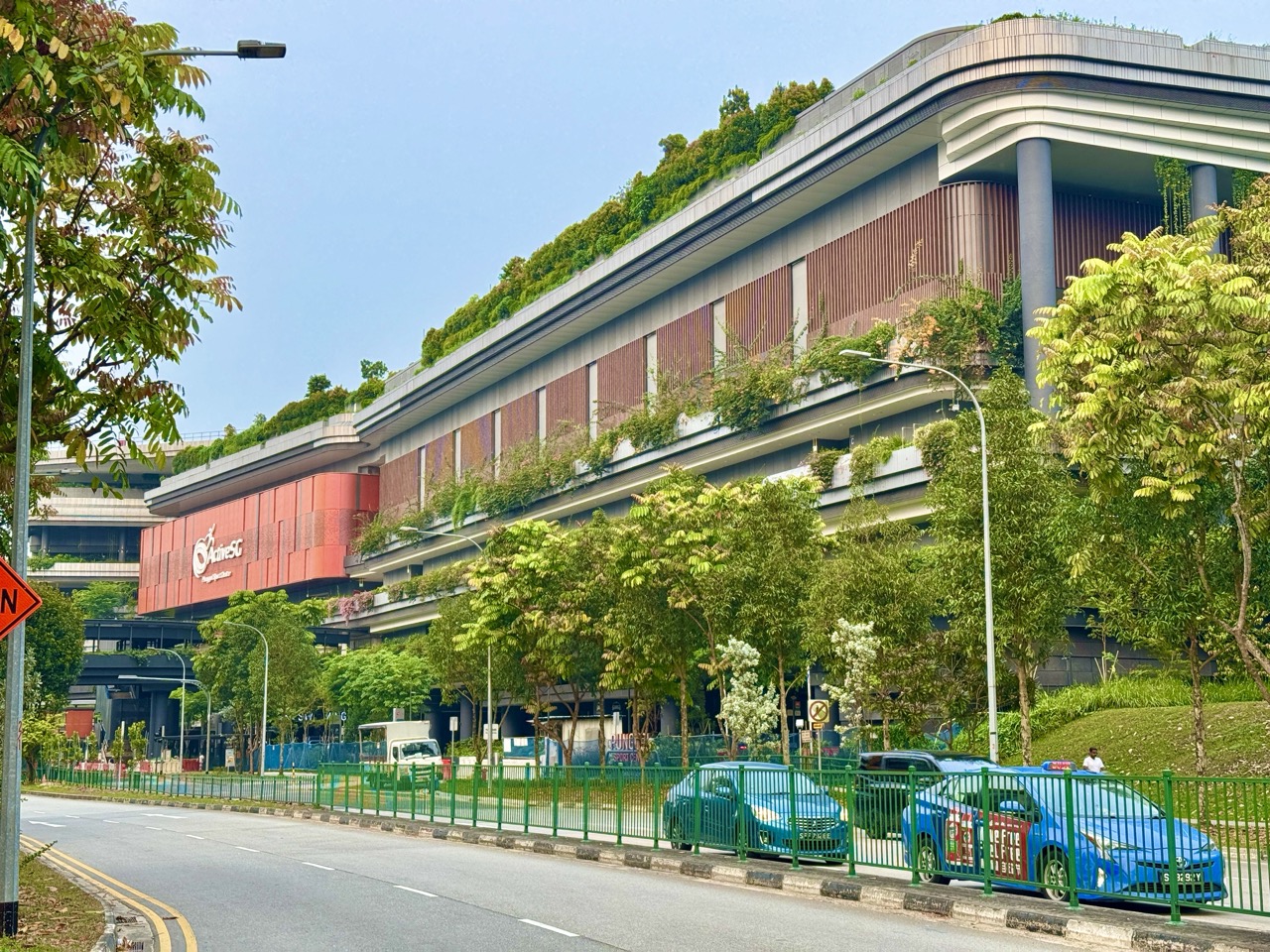
First time visiting ActiveSG Punggol? Start with the precise activity, real booking or admission, right equipment and safe journey to 11 Sentul Crescent, Singapore 828656. Punggol Sport Centre is near Sam Kee LRT, but a short walk to the building does not mean every court, pool, gym room or stadium area is open for unrestricted use. The most common mistakes are easy to prevent: confusing the booking with a ballot, packing for the wrong sport, assuming a court is free because it is empty, or relying on a one-day promotion as a permanent offer.
As of 6 November 2026, Punggol Sport Centre has been operating in phases following its late-October soft launch. SportSG’s formal opening is scheduled for 22 November 2026, with special free gym and swimming-pool entry announced for that date only. It is not a guarantee of all-day free courts, access to restricted facilities or a publicly operating swimming lane on any earlier day. Check MyActiveSG+, the exact venue listing and current closure notices before travelling.
- Where: ActiveSG Punggol Sport Centre, 11 Sentul Crescent, Singapore 828656.
- Rail: Sam Kee LRT (PW1), Punggol West Loop; check the current exit and route.
- Before booking: confirm sport, named venue, date, time, fee and personal eligibility.
- Before arriving: check equipment, correct player count, weather, accessibility and return travel.
- For children: under-twelves are excluded from ActiveSG public gyms; other sports have their own age and supervision rules.
- Do not assume: empty courts are free, a ballot is confirmed, or the pool and stadium are open.
- Day-specific offer: 22 November 2026 free gym/pool entry is part of the official opening event.
- Guide checked: 6 November 2026; current operator rules and staff instructions take priority.
1. Treating the entire building as one free attraction
Punggol Sport Centre has been described as a major sports complex with halls, courts, gym, pools, stadium and specialised facilities. A newcomer may imagine that admission through one public doorway gives access to all of them. In reality, each may require a pass, court reservation, organised programme, event ticket or specific permission. The presence of a facility in a brochure says what the development contains, not whether a visitor may use it at the chosen time.
Choose one named activity first, and check its official access product. If the plan is only to explore the outside, stay on lawful public paths. Do not enter an indoor training room, roof terrace or pitch simply because it appears empty. This distinction protects the visitor from a wasted journey and respects legitimate bookings.
2. Going to SAFRA Punggol instead of ActiveSG Punggol
ActiveSG Punggol Sport Centre, SAFRA Punggol and One Punggol community hub are separate destinations, even though they are near one another. They have different memberships, bookings, commercial outlets and facilities. A parent who types only ‘Punggol sports’ into a map may reach a different operator from the one shown in their booking.
Read the complete address on the actual confirmation. ActiveSG Punggol Sport Centre is at 11 Sentul Crescent. Share the exact venue name with friends, not simply ‘meet at the pool’. If you intend to visit a café, library or SAFRA attraction afterwards, treat it as a separate stop with independent opening hours and costs.
3. Arriving at Sam Kee at the moment your slot begins
Sam Kee LRT is a commonly recommended approach to the new sport centre, but getting off the train is not the same as standing ready on court. You may need to navigate crossings, the correct entrance and floor, check in or change shoes. For a short paid reservation, those minutes matter. A family with a stroller, a grandparent or children carrying sports bags may need longer than a single adult commuter.
Work backwards from the booking start time and allow a comfortable arrival margin. Follow current signs and safe crossings rather than an improvised shortcut. If the journey cannot fit the group’s schedule, select another legitimate time. An overly ambitious plan can turn a pleasant game into a frantic race.
4. Assuming an empty court belongs to whoever enters first
A court that appears vacant might be reserved for a user who has not arrived yet, temporarily closed, undergoing maintenance or allocated to an event. A passer-by cannot establish entitlement simply by seeing no players. Sports facilities rely on predictable reservations so that groups can organise equipment, travel and time together.
Check the official booking and any on-site check-in instructions before play. If uncertain, ask staff rather than confronting another visitor. Do not use neighbouring courts to warm up without permission. Treat the next group as you would want to be treated when your own time begins: clear the facility promptly and leave equipment tidy.
5. Confusing a pending ballot with a confirmed reservation
Some ActiveSG sports use ballots for popular times. Submitting an application or seeing a pending status does not guarantee the court has been awarded. In certain processes, successful applicants must complete a payment step before confirmation. A screenshot that shows only a date may not establish that the group can actually play.
Use the current MyActiveSG+ account to check the full result, booking holder, payment status and exact sport. Tell guests the slot is tentative until confirmed. If the ballot fails, choose a different date or activity rather than encouraging people to turn up anyway. This is particularly important for school-holiday groups and popular evening sessions.
6. Booking tennis when the group wants pickleball
Tennis and pickleball may be listed near one another because the new complex has sheltered courts, but they use different equipment, court markings and booking products. Badminton and table tennis have still different layouts. A friend can bring the correct paddle for pickleball and still be unable to play if the reservation is actually for Tennis.
Before paying, compare the sport name on the reservation with the players’ equipment and plans. An ordinary booking is not automatically transferable. If you realise the error, check the actual change or cancellation conditions rather than occupying a different court. A minute of verification is cheaper than buying unnecessary gear or losing a paid hour.
7. Packing for swimming without checking pool operation
SportSG has advertised a five-pool swimming complex as part of the new centre and a 22 November 2026 official opening. Neither statement proves that each specific pool is currently open to the public on 6 November, or that a swimming lesson accepts walk-ins. A photograph of a pool may show infrastructure rather than a live admission product.
Check the named Punggol Swimming Complex facility, operating status, correct pass and intended use. A learner area, lap pool and specialist water facility are not interchangeable. Young children need appropriate adult supervision and compliance with lifeguard instructions. If public swimming for the required ability is not confirmed, choose another activity instead of promising an unscheduled swim.
8. Bringing a child under twelve into the gym
ActiveSG’s published gym regulations prohibit entry for children under twelve. A parent with valid admission cannot take a toddler inside merely to sit on a bench or watch them exercise. Young teenagers have additional account and eligibility arrangements that should be checked separately. A gym is not a childcare room for visiting families.
If an adult wants to train, arrange appropriate supervision for the child elsewhere or visit separately. For a family outing, choose a legal public walk or a suitable age-appropriate programme where available. Never leave a young child unsupervised in the corridor, changing area or near the pool while somebody else works out.
9. Assuming the stadium is an open running track
The Punggol development includes a substantial football stadium. The presence of the structure and spectator seats does not establish that ordinary visitors may use the pitch, track or stands at will. Competition, training, public access and maintenance can involve different permissions. Specialised facilities such as archery training areas also have controlled purposes.
Look for an actual operator announcement if you want to attend a match or use a running facility. Otherwise choose a safe public path or genuinely bookable sport. An attractive photograph of the stadium is not a substitute for entry information. Avoid setting up a school or family activity that relies on stepping into restricted areas.
10. Believing sheltered courts cannot close in a storm
SportSG’s Punggol sheltered tennis and pickleball listing states that outdoor facilities may close during inclement weather. A roof can block ordinary rain but does not resolve lightning hazards, wet playing surfaces or wind-driven water. Paying for a slot does not grant permission to continue when the operator decides the area is unsafe.
Check the current weather warning and facility closure information before leaving. Follow staff directions and use the applicable booking support procedure when the venue closes. Do not assume every shower creates an automatic cash refund or that a different indoor hall becomes yours. Safe decisions and payment questions are related, but not interchangeable.
11. Treating the 22 November free offer as a permanent discount
The official opening on 22 November 2026 advertises free gym and pool entry for that date, alongside sport tryouts and carnival games. It is a particular event rather than a standing price for all future visits. Earlier soft-launch promotions also had their own dates and conditions. A search-result headline may omit this context.
Before sharing a free-entry claim, check its date, venue, age and event conditions. For ordinary court bookings, use the current charge shown by MyActiveSG+. A one-day pool promotion does not imply free badminton, free equipment rental or permission for children under twelve to enter the gym.
12. Forgetting equipment for the specific sport
A court reservation generally establishes the right to use the named playing space, not guaranteed free rackets, balls, shuttlecocks or footwear. Table-tennis bats are not pickleball paddles, and tennis balls are not suitable substitutes for shuttlecocks. Arriving with the wrong equipment can make a cheap booking unusable.
Use a short sport-specific packing list: booking confirmation, correct shoes, appropriate racket or paddle, suitable balls or shuttlecocks, water and towel where permitted. Inspect equipment for damage. Do not assume a new commercial tenant or on-site rental counter is operating until the provider confirms it. See our first-visit equipment checklist.
13. Booking for four players before checking attendance
An ordinary doubles match usually needs four players, while singles uses two. A group chat with ten interested friends may produce only two attendees on the day. Reserving several courts before confirming the real player count can create expense and confusion, and a large group may not have enough space for everyone to play safely.
Ask for real attendance before payment. For three suitable participants, consider fair singles rotations on the properly booked court; for a larger group, use legitimate capacity and event arrangements. Do not crowd several active players into a small court or assume that a paid court gives control of the surrounding hall. A realistic group is better than an impressive invitation list.
14. Planning a birthday party with cake inside a booked hall
A sports court is not automatically a private party venue. Commercial coaching, food service, decorations, amplified sound and other event arrangements may require separate permission or be restricted under the operator’s rules. A well-intentioned parent can create a problem by turning a normal badminton reservation into a large birthday celebration.
Keep ordinary sports play within its booking conditions, then arrange food and a party at a separately permitted location. Ask the venue directly if you want a formal private event. Do not block emergency routes or photograph unrelated children while setting up decorations. Our birthday sports-outing guide explains this distinction.
15. Leaving a younger sibling unattended while adults play
Adults can become fully absorbed in a match. A small child who is not participating still needs suitable supervision, and the presence of other court users or facility staff does not mean they are responsible for that child. A youngster may wander towards neighbouring games, wet floors or public circulation areas.
Plan who supervises each child before the session. If everyone available would otherwise need to be on court, consider a different group arrangement or a short family walk instead. Do not leave children alone near pools, changing areas, gym equipment or the waterway. Supervision is part of the visit, not an optional detail after the booking.
16. Assuming the whole route is step-free
Being near Sam Kee does not guarantee that the exact journey from a station lift, bus stop or car park to a particular court is continuously step-free. Temporary works, a closed lift, a changed entrance or a crowded route can matter to a wheelchair user, someone with a stroller or an older visitor who walks slowly.
Check the actual transport lifts, crossings, approved entrance, floor access and accessible facilities required for the activity. Ask the operator about current arrangements where necessary. Allow extra time rather than rushing. A family should select a route the participants can genuinely use, not merely the shortest line on a map.
17. Filming other users without permission
Public sports venues contain children, coaches, swimmers and gym users whose privacy matters. An adult taking a family photo is not automatically entitled to record an entire neighbouring game or capture strangers in a changing area. SportSG’s regulations and local venue instructions can restrict unauthorised photography and filming.
Read posted rules, seek necessary consent and choose an unobtrusive permitted viewpoint. Never film in private areas, block access or use a court booking as permission for a commercial shoot. A good sports memory can be documented without treating other people as background performers. Consider the privacy of your own children before posting images online.
18. Assuming nearby restaurants are part of the booking
One Punggol community hub and SAFRA Punggol are separate destinations with independent operating conditions. An ActiveSG court reservation does not provide free meals or access to those venues. Similarly, the fact that a new sports complex has commercial spaces does not mean every planned shop is open today.
Confirm the particular outlet and its actual hours if the group wants to eat afterwards. Keep meals optional when the participants may be tired. Do not bring food into sports areas in breach of posted rules. A simple confirmed food stop is more useful than a long hunt based on an outdated photo or an unverified tenant list.
19. Forgetting how the group will get home
An evening court slot can look attractive while conflicting with the last stage of a family’s travel, school pickup or other obligations. Some people count only the playing time and forget changing, collecting equipment and reaching Sam Kee. There is no universally reliable last LRT time to quote without checking the real service, date and destination.
Before making payment, plan the whole door-to-door outing. Agree on a safe public meeting and pick-up point, especially for teenagers. Avoid rushing across roads or entering poorly lit, restricted paths because a booking is ending. A calm return journey is part of the value of an evening sports session.
20. Trying to use every facility in one first visit
A new regional sport centre creates understandable excitement. But badminton, gym, pools, tennis, stadium events and specialist training areas have different eligibility, opening and payment arrangements. A first-time family that schedules all of them may spend more time searching for access than enjoying any one activity.
Choose one primary experience and perhaps one simple optional ending. A confirmed table-tennis hour and return home can be enough; so can a suitable public waterway walk. After the visit, ask what each participant enjoyed and whether they want to repeat it. A modest, successful outing builds familiarity without turning recreation into another stressful checklist.
A five-minute decision method before buying anything
Start with the outcome rather than the building. Do you want to meet friends, play a particular sport, move after a long day, introduce a child to racket games or simply explore Punggol? Each of those purposes suggests a different activity and a different booking. Decide who is coming before choosing the sport. A person alone may prefer an eligible gym visit or a safe public walk; two can play singles; four can play normal doubles. A preschooler and a grandparent may prefer a short neighbourhood outing that does not depend on a court.
Once the purpose and participants are clear, check the actual product. Read the named sport, venue, date, time, fee, eligibility and conditions on the official platform. If the session requires equipment, confirm that you have it before payment. If a ballot is pending, wait for the appropriate outcome and confirmation. If no suitable access is available, change the plan instead of assuming the complex will make an exception.
The actual route from Punggol MRT should be part of the plan
For visitors coming on the North East Line, Punggol MRT connects to Punggol LRT. Sam Kee (PW1) is on the West Loop near the sports centre. Pay attention to the correct loop service and the actual station signs. A first-time visitor may be unfamiliar with the interchange or the appropriate exit. When a parent is carrying rackets and managing a small child, these details are more important than an optimistic walking-time estimate.
Allow a realistic margin for checking the correct floor and court. Do not take a shortcut through restricted areas merely because a path looks shorter. If a participant uses a wheelchair or walking aid, check the full current step-free route and necessary accessible amenities. For wider transport choices, our Sam Kee LRT, bus, bicycle and car guide gives a separate local explanation.
What a normal court booking should look like
A normal booking identifies a particular sport, facility, date and time. It may involve an account, booking limits, payment and an electronic confirmation. It does not automatically include commercial coaching, an extra hour if you arrived late, storage of equipment, private use of hall corridors or priority over another group’s slot. Check whether the operator asks you to show the confirmation or follow a particular check-in process.
Arrive with enough time to prepare. Warm up safely, observe the boundaries, share the space fairly and collect equipment before the reservation ends. If a problem occurs, ask staff courteously and preserve your official transaction record. Do not post full booking details or personal identifiers in a public group. The most useful habit is treating the reservation as a specific agreement rather than a general licence to use the whole venue.
What to do if the booking disappears or payment looks wrong
Sometimes an account display, booking status or payment appears inconsistent. Check the exact date, sport, venue and current transaction record. A pending ballot, an unsuccessful attempt or a different account can create apparent confusion. Do not immediately pay a stranger who claims to recover your booking. Use MyActiveSG+ and the operator’s official support process to clarify the record.
If payment was taken without a clear reservation, preserve the relevant non-sensitive transaction evidence and ask the provider for the appropriate guidance. Do not use an apparently vacant court while waiting for an answer unless authorised staff confirm that it is permitted. A family can choose a safe alternative or return home rather than turning an administrative problem into a dispute with other users.
Three first-visit scenarios
Family with a Primary 3 child: A parent confirms a badminton booking, packs serviceable rackets and shuttlecocks, reaches the correct hall before the start and begins with gentle cooperative returns. The adult keeps responsibility for supervision and ends on time. There is no attempt to make the child play a demanding match simply because the court has been paid for.
Two adults after work: The pair checks a genuine table-tennis or tennis reservation, brings sport-appropriate equipment and agrees on an easy journey home. If the court is unavailable, they choose another legitimate date instead of entering an unused-looking hall. Their outing can still be enjoyable without resolving every sports booking problem that evening.
Grandparents and young grandchildren: The group chooses a short permitted public waterway walk with safe crossings and rests. No one promises pool entry or gym access to a young child. The visit can conclude with a separately confirmed open food destination, or the family can return home if someone becomes tired.
A four-week way to become a confident regular visitor
Week one: check the precise venue, available public activities and correct journey. A brief legal public exterior visit may be enough to learn where to go. Do not purchase several sports passes before the family has tried anything.
Week two: choose one genuinely available court or eligible admission product. Prepare the necessary equipment and try a manageable activity. Note whether arriving, checking in and leaving was straightforward.
Week three: adjust one difficulty rather than replacing the whole plan. A different court time, smaller group, easier game or shorter walk may work better. Recheck the booking and closure notices for the new date.
Week four: decide whether the experience is enjoyable, repeatable and affordable. If yes, keep a realistic routine. If not, the family can choose a different sport, public route or venue without treating the first visit as a failure.
Frequently asked questions
What is the address of ActiveSG Punggol Sport Centre? 11 Sentul Crescent, Singapore 828656.
Which LRT station is commonly used? Sam Kee (PW1) on the Punggol West LRT Loop.
Is the whole sports centre open? Do not assume so. Check the specific facility and current operating status during the phased launch.
Can I enter an empty badminton court? Not without an appropriate booking or operator-authorised arrangement.
Can an under-twelve enter the gym? No. Published ActiveSG rules exclude children under twelve.
Does the 22 November promotion cover every sport? The published event announcement specifically advertises free gym and swimming-pool entry on that day, subject to its rules; it is not universal free court booking.
Are sheltered courts always safe in rain? No. Follow SportSG weather closures, lightning instructions and staff directions.
Can we swim now? Verify the named pool’s public operating status, admission and suitability first.
What if a booking ballot fails? Choose another legitimate date or suitable activity. A failed ballot is not a reservation.
Where can I check actual court charges? MyActiveSG+ for the real transaction, with the official SportSG rates page providing general context.
Official information and related eduKate guides
Use MyActiveSG+ for real bookings, SportSG facility closures, Punggol sheltered courts, and the official 22 November opening event for the dated promotion.
For more, see our free and no-booking guide, what to do if courts are full, and equipment checklist. This independent article was checked on 6 November 2026 and does not promise current availability, facility admission or unrestricted access.
A one-minute checklist at the sports-centre entrance
Before going through the entrance for a booked activity, stop somewhere safe and check five things: the exact facility name, the booked sport, the correct floor or court, the start and end time, and whether every participant has appropriate attire and legitimate access. If any item is uncertain, ask authorised staff rather than rushing through a door. This small habit can prevent a wrong-venue dispute or the loss of a large portion of a short booking.
Keep corridors clear while checking the phone, especially when the group includes children or people using mobility aids. Do not block lifts, emergency routes or another sports group’s entrance. Arriving early enough to make this check is part of proper planning. The goal is to begin the session calmly and leave other visitors free to use the shared space.
What to do if the original plan has to change
If the court is closed or the booking is missing, do not improvise access to a different facility. Determine whether the issue is an operator closure, failed ballot, incorrect date or personal change of plans. Check the applicable official support process before making another payment. A group can still choose a legal public waterfront walk where conditions permit, or agree to return on another day.
For families, state the change simply: the intended activity cannot proceed, so the group will use a suitable backup or go home. Children benefit from seeing adults respond to uncertainty without blaming staff or other users. A first visit that includes a sensible safety decision can still be a positive experience even if no competitive sport takes place.


