
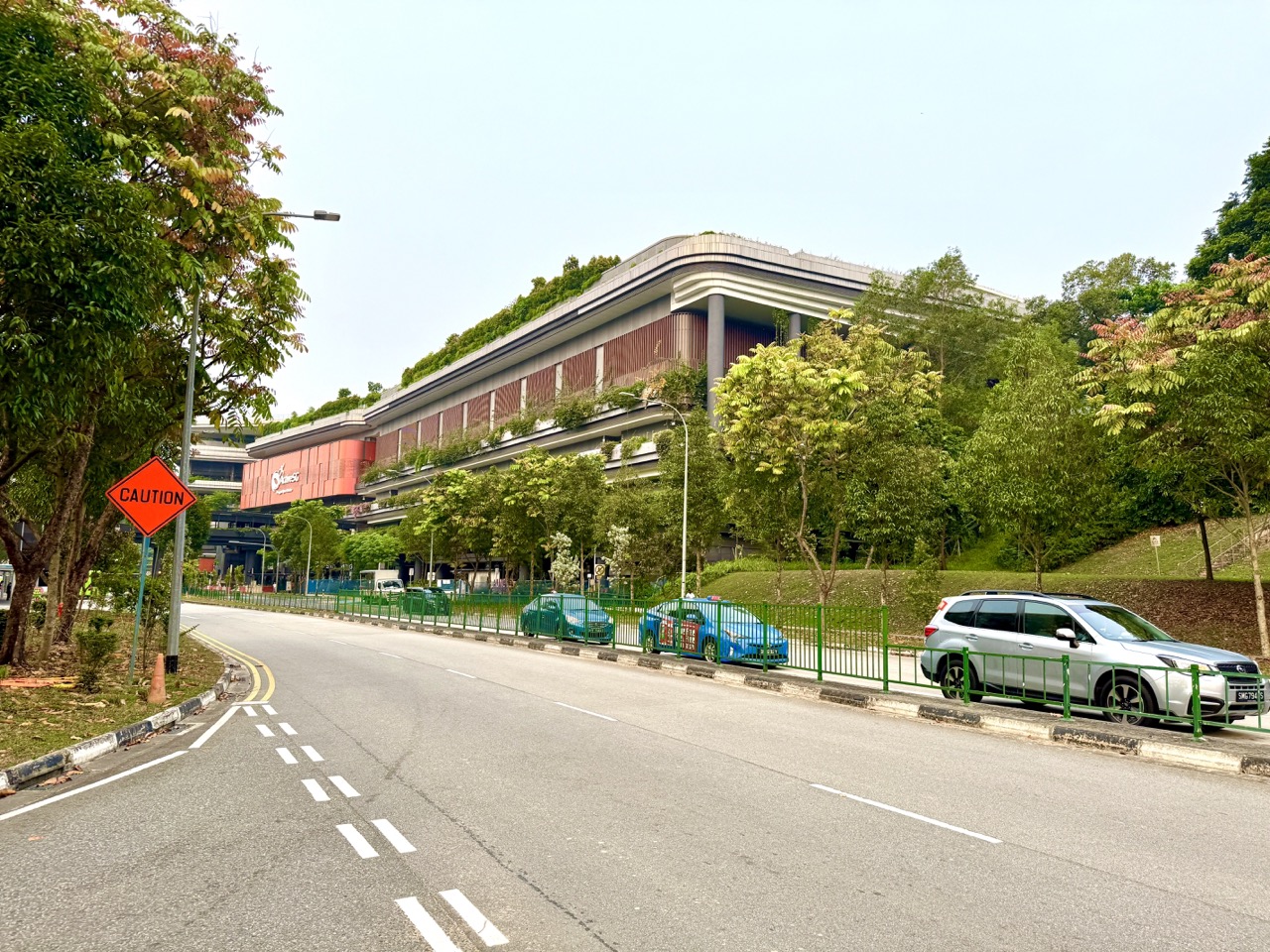
What should you bring to ActiveSG Punggol for badminton, table tennis, tennis, pickleball, gym or swimming? Begin with the one activity you have actually confirmed. For a racket-court visit, bring the right sport-specific equipment and footwear, your genuine booking confirmation, a personal towel and drinking water where permitted. For the gym, check valid admission and attire rules. For swimming, verify that the specific Punggol pool is publicly operating and prepare suitable swimwear. Punggol Sport Centre is at 11 Sentul Crescent, Singapore 828656, near Sam Kee LRT; it is not an equipment-rental shop where every visitor is guaranteed a racket, paddle or pair of shoes.
As checked on 6 November 2026, the sports centre has been opening in phases since 27 October. Selected racket facilities and the public gym have been reported operating, but individual pools, programmes and other areas must be verified separately. SportSG has announced its official opening for 22 November 2026, with a one-day free gym and swimming-pool entry offer. A promotional admission offer does not automatically provide equipment, coaching, private court bookings or access to age-restricted facilities. Use MyActiveSG+ and the current venue rules before packing or purchasing anything.
- Sport centre: ActiveSG Punggol Sport Centre, 11 Sentul Crescent, Singapore 828656.
- Confirmation first: check sport, venue, date, time, price and any check-in instructions; save the real booking or admission information.
- Badminton: suitable indoor shoes, correct racket and shuttlecocks unless the operator specifically provides equipment.
- Table tennis: an appropriate table-tennis bat and ball, subject to the actual booked table and equipment policy.
- Tennis: tennis racket, balls and appropriate sports footwear for a confirmed tennis court.
- Pickleball: pickleball paddle and suitable perforated balls, not a tennis racket or table-tennis bat.
- Gym: appropriate sports attire, footwear, personal towel and valid entry; under-twelves are excluded under published rules.
- Swimming: suitable swimwear, towel and relevant personal items after confirming that the desired pool is publicly operating.
- Public walk: comfortable walking footwear, water, safe route and weather check; no sports court booking needed for a lawful public path.
- Children: bring an adult supervision plan, not merely extra equipment.
- No rentals assumed: check directly before relying on an on-site rental counter or gear supplied by a class.
- Editorial check: 6 November 2026. Live operator rules take priority.
Why the right bag begins with the right booking
A family that packs badminton rackets and discovers the reservation is for pickleball has not solved its problem by bringing extra sports equipment. The game, court and booking product must match. A person might also bring swimming clothes because a new pool appears in photographs, only to find that the particular public swimming facility is not operating for that session. The first item on the checklist is therefore not a racket. It is the confirmed plan.
Open the official booking system and read the exact venue, sport, date, start and finish, fee and other conditions. If the session is part of a programme, read its organiser, age limits and equipment notes as well. Do not assume the sports centre has a general front desk that can turn one reservation into another. A few minutes of checking can save a long journey and unnecessary purchases.
The difference between general sportswear and court-specific footwear
Comfortable shoes are useful, but footwear requirements can differ between indoor sports halls, tennis courts, gym equipment and outdoor public paths. An ordinary office shoe or worn slipper may be unsuitable for indoor court movement. A shoe designed for one surface should not automatically be assumed permitted on another, especially where flooring can be marked or damaged. Look at the current venue rules and the sport’s practical demands.
For a badminton hall, consider clean, appropriate court shoes with reliable grip and lateral support. For a public walk, comfortable walking footwear may be sufficient. A gym visitor should wear appropriate sports shoes and avoid bare feet or unsuitable sandals. Do not buy an expensive new pair simply because a guide uses the phrase “sports shoes”; check the activity and budget first.
Badminton: racket, shuttlecocks, shoes and a plan
For a booked badminton session, the essential sporting equipment is a suitable racket and shuttlecocks, with footwear appropriate for the court and clothing that permits comfortable movement. The organiser should decide how many rackets are actually required by the group. Two people playing singles need two functioning rackets. Four playing doubles generally need four. Carry a few suitable shuttlecocks so that a damaged one does not end the outing.
Do not assume the operator provides free equipment. A class may have separate arrangements from ordinary court rental, and the existence of a shop in a different sports complex does not prove there is a shop at Punggol. Bring a personal towel and water subject to the venue’s restrictions, and arrive early enough to find the correct hall. Respect the next booking by collecting shuttlecocks promptly before your slot ends.
What is different about a badminton doubles bag?
A doubles game uses four participants, so a pair of rackets is not enough unless the other players bring theirs. Agree on equipment responsibilities before the session. One person can check the court booking, another can bring spare shuttlecocks, and each player should bring suitable footwear. Avoid making a single friend responsible for buying expensive gear for everyone at the last minute.
If some players are beginners, the group need not invest in premium competition rackets or strings immediately. Equipment that is safe, serviceable and appropriate for the game is a better starting point. Use the first few sessions to decide whether the sport is enjoyable enough to justify more spending. The total cost of a social match includes much more than the court fee displayed on a booking screen.
Table tennis: the bat is not a pickleball paddle
A table-tennis bat is small and designed for striking a lightweight table-tennis ball across a table and net. It is not interchangeable with the larger solid paddle used in pickleball. A beginner arriving with the wrong equipment may not be able to participate meaningfully. Check the actual Punggol table-tennis facility and booking notes, then bring an appropriate bat and balls unless the operator clearly states that equipment is available.
When travelling with children, use a secure case so bats and small balls are not lost in the LRT. The group should collect balls from its own playing area without running into adjacent bookings. A first session can focus on ordinary gentle returns rather than complicated spin. Our table-tennis grip guide explains the beginner racket hold separately.
Tennis: bring the right balls as well as the right racket
Tennis generally uses a strung racket and tennis balls suited to the session. For a confirmed tennis booking, verify the number of players, duration, current court conditions and sport-specific rules. Beginners may prefer slower practice balls if appropriate for their actual lesson or game, but that choice should reflect the organiser’s plan, not a blanket rule for every public court.
Appropriate shoes matter because tennis involves side-to-side movement and sudden changes of direction. Never assume that a sheltered tennis court can be used during lightning or when the operator has closed it for safety. The Punggol sheltered court listing describes the venue’s ordinary hours and warns that outdoor facilities can close in inclement weather. A full bag of gear is no reason to ignore that warning.
Pickleball: a paddle and the correct ball
Pickleball uses a paddle and a perforated ball rather than a tennis racket and ordinary tennis ball. The wrong ball may not behave as intended and may be inappropriate for the booked court. Check whether your intended activity is singles or doubles and how many people will attend. If the group is new to the sport, agree on a simple service and rally practice before competitive scoring.
Bring the equipment required for the actual session and appropriate footwear, but do not presume the venue supplies paddles. A separately advertised organised course may include equipment, while an ordinary court booking may not. Check the product description rather than guessing. If cost is a concern, use properly owned or legitimately borrowed serviceable equipment before deciding to buy a full set.
Why shoes with damaged soles can be a problem
Shoes worn down by months of outdoor use may no longer provide predictable grip. Sport movements often require braking and turning, so unsuitable or damaged footwear can make a simple beginner rally uncomfortable. Inspect your shoes for obvious wear, loose parts and the ability to move securely. This is an everyday safety check, not a claim that every visitor needs new specialist shoes.
Different courts can have different footwear instructions. Follow the posted rules. If you do not have suitable footwear, it is more sensible to choose a public walk or postpone the court booking than to borrow shoes that do not fit and could cause discomfort. The goal is enjoyable sport that respects the playing surface and the user.
Gym: what belongs in the bag?
An eligible ActiveSG gym visitor should check the current admission product, bring appropriate sports clothing, clean suitable footwear, water under the current rules and a personal towel. The published gym regulations specifically call for towel use and proper sports attire. Some users may wish to have a small lock or other personal item, but never assume locker availability or locker conditions without checking the named venue.
Do not bring a large picnic, loud speaker or unattended equipment into the exercise area. Keep valuables secure, share machines and follow staff instructions. A short first gym visit may be more about orientation than a demanding workout. Our Punggol gym rules and locker guide covers those details more specifically.
An adult’s gym bag is not a child’s gym admission
A family may arrive together with sports bags, but gym admission rules still apply to individuals. ActiveSG public gyms exclude children younger than twelve. An adult’s valid pass and an extra towel do not change that. For younger teenagers, SportSG’s MyActiveSG+ system can have account linking and admission requirements that must be satisfied separately.
If a parent wants to exercise while caring for a young child, arrange appropriate childcare or choose a shared family activity instead. Do not leave children unattended in corridors or changing areas. A bag checklist is no substitute for an actual supervision plan, and staff are not automatically responsible for a visitor’s child.
Swimwear does not create a swimming booking or pass
The Punggol swimming complex is a major advertised part of the new facility, but public pool operation must be checked separately during the phased opening. A family that arrives in swimwear before the intended pool opens cannot solve the problem by asking to enter another water area. Verify the exact pool, pass, appropriate depth, opening status and lifeguard instructions before leaving home.
Bring suitable swimwear, towel and personal care items only when a genuine swimming plan exists. Swimming caps, goggles and other equipment may be useful depending on the participant and programme, but should be chosen according to actual instructions. A non-swimmer should not use a pool designed for experienced lap swimming merely because it looks attractive in promotional images.
Pool hygiene and where to change
Swimming facilities typically have hygiene, shower and changing-area expectations. Follow the current posted requirements rather than relying on general assumptions about another pool. Parents should check arrangements for young children, privacy and any accessibility needs. Do not photograph inside changing rooms or assume a friend can enter a restricted area without the appropriate admission.
Pack a dry bag for wet clothing so the return journey is manageable. If a swimmer needs supervision or assistance, plan who provides it before arriving. Do not leave a child near water while an adult retrieves forgotten belongings. The correct pool access and safety preparation matter more than carrying a long list of accessories.
What to bring for a free public waterway walk
A lawful public walk near Punggol Waterway does not require a racket or sports-court reservation. Comfortable footwear, appropriate weather protection, drinking water and a phone or other practical communication arrangement may be sufficient. Choose a route that is suitable for your ability and leave time to return. Do not let a fitness target pressure you into an exposed path during lightning or very uncomfortable conditions.
If the family has a toddler, bring the child’s normal care items and plan rests. If someone needs a mobility aid, verify current route accessibility and lifts. A simple walk is not less valuable because it uses fewer items. It can be the most repeatable option on a busy weekday.
Is there an equipment-rental counter at ActiveSG Punggol?
Do not assume one exists or is operating. The presence of a sports centre, commercial units or a general Singapore-wide equipment service does not guarantee on-site rental for every racket sport. Search the specific facility’s official information or ask the operator before relying on a rental. This is particularly important when several friends plan to arrive empty-handed.
If the needed equipment is not provided, buy or borrow appropriate items through legitimate arrangements or change the activity. Avoid giving deposits or account details to unverified third parties advertising guaranteed equipment and court slots. An honest plan acknowledges what has not been confirmed instead of inventing a convenient shop.
Buying a beginner racket without overpaying
A new player does not need to start with the most expensive equipment in a shop. Ask which sport the family will actually play, whether the racket is suitable for the player’s hand size and ability, and whether it is safe and serviceable. Tennis, pickleball, badminton and table tennis have different requirements. A retailer’s promotional label is not proof that one racket is ideal for every beginner.
If you are uncertain, try the sport through a legitimate beginner programme with clearly stated equipment arrangements or borrow appropriate gear through an authorised source. Do not invest heavily until the person wants to continue. A child’s interests can change quickly, and a family may discover that public walking or a different sport is more enjoyable.
Borrowing equipment: what to check first
Borrowing a racket or paddle from a friend can reduce initial costs, but the equipment should still suit the sport and be in usable condition. Check for obvious damage, loose handles, sharp edges or heavily worn grips. Agree on how and when it will be returned. Avoid borrowing ill-fitting footwear or gear that compromises comfort, and do not assume the public operator is responsible for personal loan arrangements.
If several friends are sharing equipment, plan fair rotations. A group of four cannot play conventional doubles simultaneously if only two safe rackets are available. Adjust the game format or bring the right number of items. The cheapest option is not useful if it prevents the activity from working.
What should a parent pack for a child’s first sports session?
For a child attending an actual age-appropriate programme, begin with the provider’s instructions. Check the exact venue, age eligibility, clothing and footwear, whether equipment is supplied and who is responsible for arrival and collection. Include water and personal items as appropriate, and explain the plan to the child in calm, simple language.
Do not pack an adult’s gym equipment and assume the child can use the gym. Under-twelves cannot enter ActiveSG gyms. Nor should a child be left alone while adults change or make bookings. A first sports visit should be simple enough that the child understands where they are going and who will supervise them.
A sports bag for a teenager meeting friends
Teenagers may arrange their own friendly court games, but they still need accurate booking details and relevant account eligibility. Encourage one organiser to check the official reservation and share the actual time and venue. Each participant can pack appropriate shoes and sport-specific gear, while the group agrees on responsibility for balls or shuttlecocks.
Parents or guardians may need to help with younger teenagers’ MyActiveSG+ accounts and travel arrangements. A proper reservation does not waive age restrictions or justify risky travel late in the evening. Keep the planned finish and return route clear so a fun sports session does not become a problem at home.
What should a person using a wheelchair or walking aid bring?
Individual needs differ, so the first task is to verify the route and particular facility, rather than prescribing a universal bag. Confirm station lifts, safe crossings, the approved entrance, accessible toilets and the activity’s relevant equipment or assistance arrangements. A modern building may have accessibility features, but phased operations and temporary works can change how visitors move between areas.
Bring any usual personal items needed for the journey and activity, with help from the visitor’s regular carers or professionals where appropriate. If the programme offers adaptive equipment or assistance, confirm it directly. Do not assume every public court provides specialised gear on demand. The correct plan makes the visit possible without imposing unnecessary physical stress.
Towels, lockers and bags: what not to assume
A public sports facility may provide changing and storage arrangements, but the type, availability and conditions can differ by level and activity. Do not promise that every court has a secure locker beside it or that a towel can be rented on arrival. Read the particular venue’s guidance. Keep bags out of playing boundaries, doorways, ramps and emergency routes.
Take responsibility for valuables and retrieve possessions at the end of the booking. If something is lost, use the operator’s proper lost-property procedure instead of relying on an informal announcement in a crowded hall. A well-organised bag makes the visit less stressful, but does not create storage rights beyond the facility’s rules.
Why food does not belong on a sports court
Families sometimes pack birthday cake, a picnic and sports equipment into one enormous bag. However, shared sports facilities can restrict eating and drinking to specified areas. Food, spills and packaging may damage courts, create hygiene problems or obstruct other users. The current venue instructions matter more than a general assumption that families may eat wherever they sit.
If the group wants a meal, arrange a separate legitimate destination. One Punggol and SAFRA Punggol are nearby but are distinct operators with their own food outlets and hours. Check the particular outlet before relying on it. A court booking should be used for sport, not treated as a private event space or dining room.
The cost of buying gear versus the cost of one session
A low court rental may become an expensive first outing when four participants buy new rackets, shoes and accessories. Count the real total: court fee, necessary equipment, transport and any optional meal. Compare that with the possibility of borrowing suitable gear, selecting a simpler sport or walking for free on a permitted public path.
Do not calculate the budget using a promotional free gym or pool offer from an earlier date. SportSG’s official 22 November 2026 opening includes a special day of free gym and pool entry, but this does not mean ordinary racket-court bookings or equipment are always free. Use the actual transaction amount shown by the current official system.
What to do if equipment breaks during play
If a racket string snaps, a paddle develops a dangerous loose edge or a shoe comes apart, stop using the unsafe item. Do not continue a rally with damaged equipment merely because the court is paid for. Check whether someone in the group has a suitable spare, or change to a safe activity that does not require the defective item.
Do not attempt repairs on public court fixtures or use tape and tools in a way that damages the venue. Personal equipment can be dealt with properly after the session. If venue equipment is damaged or hazardous, report it to staff. A calm safety decision is more important than trying to finish a game at any cost.
A checklist for a session with friends
Before the day: confirm the booking holder, named sport, location, time, participating players, cost-sharing arrangement and who brings shared equipment. The night before: inspect your personal items and check whether weather or closure notices affect the facility. On the day: allow time for Sam Kee travel, finding the correct hall and changing shoes.
During play: respect the booking, share space fairly and avoid leaving equipment across walkways. Afterwards: collect balls, shuttlecocks and personal items, leave the area clean and finish on time. These are small habits, but they make repeat group sessions smoother and less stressful.
A four-week gear-light sport experiment
Week one: choose one activity that needs little or no equipment, such as a permitted public walk. Learn the route and decide what you genuinely enjoy before buying a membership or multiple sets of rackets.
Week two: if a friend is available, book an appropriate court and use safe suitable equipment that you already own or can legitimately borrow. Focus on trying the sport rather than buying the most expensive accessories.
Week three: review which items were actually necessary and whether the sport deserves a repeat visit. If someone did not enjoy it, avoid purchasing more gear. If the activity was comfortable, research an appropriate beginner purchase using the real requirements.
Week four: keep a short reusable checklist for your chosen sport. It should include the booking, shoes, necessary equipment, water and travel plan. A simple routine is better than packing an enormous multi-sport bag for every outing.
What if a friend forgets their racket or footwear?
A group game is easier to organise when participants understand equipment responsibilities before leaving home. If somebody forgets a badminton racket or arrives in unsuitable court shoes, do not assume another guest can give up their equipment without changing the game. Ask whether there is a safe, legitimate spare among the group, then consider short cooperative rotations that suit the available equipment and the booked court. If no appropriate alternative exists, it is better for the person to watch from a permitted area or reschedule than to play unsafely.
Parents and teenagers can reduce this problem by sending a short equipment reminder before each session: exact sport, number of players, required shoes, rackets or paddles, balls or shuttlecocks, water, and the correct booking details. Such reminders need not be demanding. They simply make a social activity easier. A new sports centre is not guaranteed to sell or lend the missing item, and the booking holder should not promise otherwise. If the group decides to purchase a replacement, compare the real total cost rather than making a hurried, expensive decision because the court time has started.
Changing plans without wasting your sports bag
If rain, lightning or an official closure makes the chosen sport unavailable, follow the operator’s current instructions. Do not convert a tennis reservation into pickleball, enter an indoor hall without permission or assume the pool is a free substitute. Keep any equipment secure and use the actual cancellation or support process. A suitable nearby public indoor destination or a different date may be more practical than carrying several sports bags around in search of an open court.
A small checklist should help people adapt: confirm the closure; protect children and any older or less mobile participants; agree where to meet; check the return route; and decide whether to reschedule or choose a legitimate alternative. The bag can be packed for next time. Bringing equipment gives you the means to play, but the current booking and the venue’s permission still determine whether the activity may take place.
Frequently asked questions
Does ActiveSG Punggol provide badminton rackets? Do not assume free equipment is included. Check the particular booking or programme with the operator.
What do I bring for badminton? Suitable shoes, rackets and shuttlecocks, plus required personal items and a genuine reservation.
Are table-tennis bats and pickleball paddles the same? No. They are different equipment for different sports.
Can I use a tennis racket on a pickleball court? Do not assume so. Choose the correct sport and appropriate equipment under the venue’s rules.
Do I need a towel for the gym? ActiveSG’s published gym regulations require a personal towel and suitable attire.
Is a gym pass enough for my child? Gym age rules still apply. Children under twelve are not allowed in ActiveSG public gyms.
Should I bring swimming gear before 22 November 2026? Only after confirming a publicly operating pool and the relevant admission or programme.
Can I rent sports shoes at the centre? Do not rely on unverified rental availability. Confirm directly with the operator if your visit depends on it.
Can I bring food onto a badminton court? Follow the venue’s eating and drinking restrictions and use a separately appropriate food venue.
What is the one item I should check first? The correct activity and its valid booking or admission, because equipment does not establish access.
Official information and further reading
Use MyActiveSG+ for actual reservations and passes, SportSG’s closure notices for live restrictions, the Punggol sheltered courts page for tennis and pickleball venue details, and the official 22 November opening announcement for that day’s limited offer. Confirm facility-specific equipment policies before spending money.
Our related guides include care for rackets, paddles and shoes, sports by group size, what requires a booking, and first visits with small children. This independent article was checked on 6 November 2026. It does not guarantee rental equipment, admission, court availability or pool operations.


