
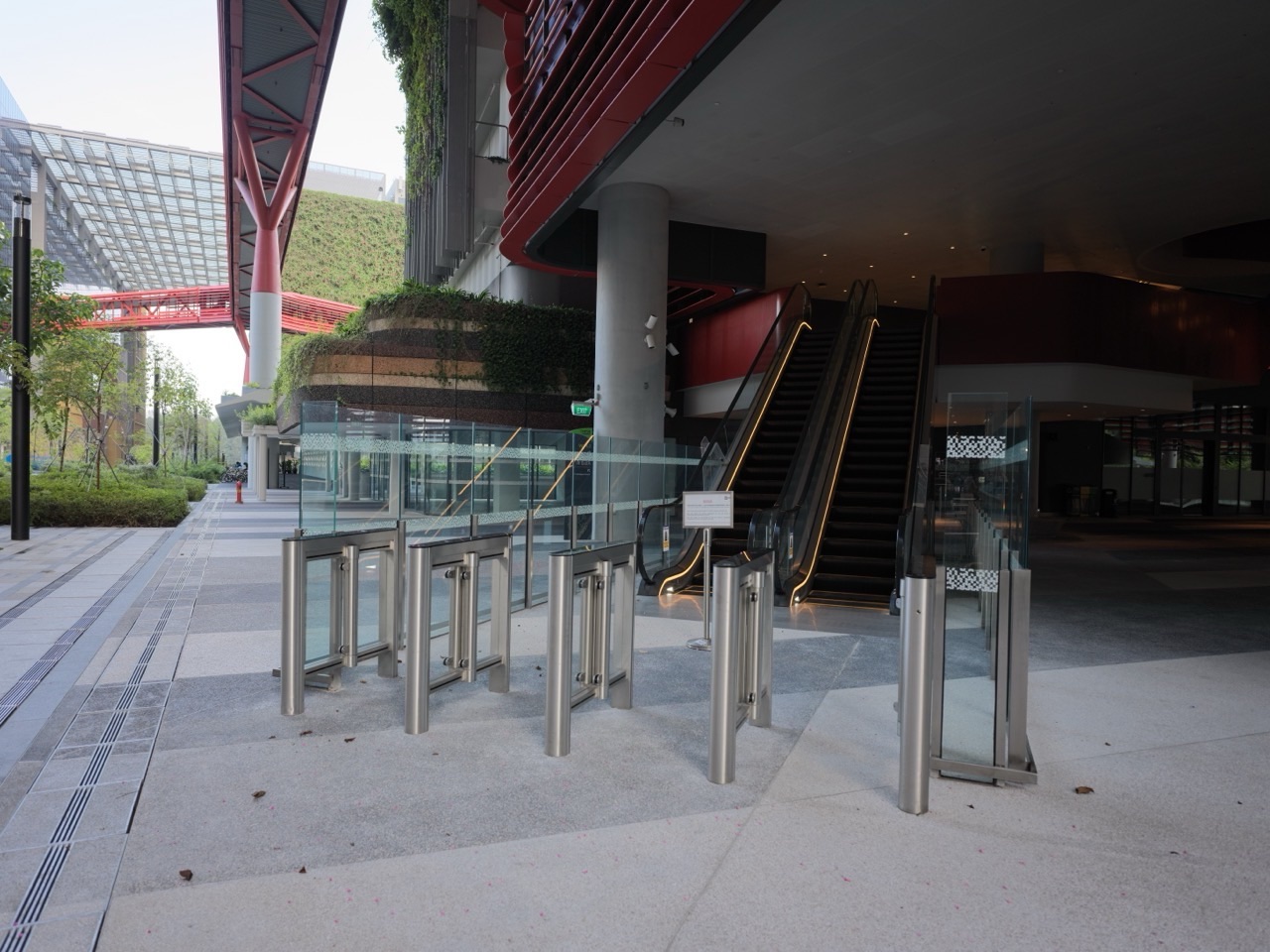
To get to Singapore Institute of Technology’s Punggol Campus by MRT, take the North East Line to Punggol Coast (NE18) and use Exit 1. SIT’s address is 1 Punggol Coast Road, Singapore 828608. Once you reach the district, use the university’s Campus Wayfinder for your building and room. Allow time for this last stretch if you are coming for an interview, open house or first class.
If you are deciding whether the journey works for you, try it once from your own doorstep and finish at a specific campus destination. Then try a lunch stop at Punggol Coast Mall or Punggol Coast Hawker Centre and find your route back to the train. The first trip gives you a better sense of what an ordinary day at SIT would feel like.
- MRT: use Punggol Coast (NE18), Exit 1, for direct campus access.
- From the LRT: SIT identifies a covered linkway from Teck Lee and a route via Campus Boulevard.
- Save your exact campus building and room as well as the university address.
- Use public paths and spaces. Follow event instructions for access to rooms, labs and other teaching spaces.
- Measure the walk from the fare gates to your destination and the time it takes to get back.
EDUKATE PUNGGOL · PUNGGOL COAST AND SIT
Find the part you need
All 6 sections

From the North East Line
Ride to Punggol Coast and follow the signs for Exit 1. Punggol (NE17) is the preceding station when you are travelling north, and it serves a different part of the town. If your family is meeting after the campus visit, name the station in full. “See you at Punggol” can lead one person to wait by Waterway Point while another waits at Punggol Coast Mall. Both destinations are easy to reach by rail once you know which is intended.
If you are estimating a daily commute, start timing before you get to the first station. Walk from home as you ordinarily would. Allow for the first lift, escalator or bus wait and any interchange along the way. At Punggol Coast, keep timing until you reach the campus landmark you picked. A journey planner provides an estimate between transport points. Your test includes the parts you will actually have to walk and the waits you will have to allow for.
From a neighbourhood on the Punggol LRT
For some residents, Teck Lee is a useful alternative. SIT’s directions describe a covered linkway and a walk through Campus Boulevard. Before you leave, check the LRT service direction and which part of the campus you need. The more useful comparison is the time from your home to the same campus building using two routes. A shorter railway ride can be offset by a longer wait for a feeder service or a different walk after alighting.
If you live near a bus route, check the district’s transport page for current services to Punggol Coast Bus Interchange and campus-area stops. Use an arrival app for the day of your visit. A route you can explain in three steps is a useful backup, particularly if you have a timed appointment. Write down the stop name and number and the direction of travel, as stops with nearly identical names can be on different sides of a road.
Getting dropped off or driving
SIT describes Punggol Digital District as car-lite and encourages public transport. If somebody offers to drive you, check your appointment instructions for the recommended drop-off and give the driver a building or named access point. If you are meeting in public space, agree on a landmark you can reach easily on foot. An address saved as a navigation favourite can be useful for the general area. The event organiser’s arrival instructions will usually be more helpful for the last few minutes.
To check the university’s official directions and open the map, use SIT Campus Locations. For district buses and connections, use Punggol Digital District’s transport page.
SECTION 2 OF 6 · FINDING YOUR BUILDING
Turn an address into a route to the right room
Back to contentsRead the destination in the right order
The most useful set of directions contains four pieces of information: the campus area, the building, the level and the room. Look for these in the latest email or event page. If the invitation only gives a room code, put it into SIT’s Campus Wayfinder before travel. For an event, find the registration or check-in point as well. An activity may take place in one room while visitors first report to a different public entrance.
Campus Heart and Campus Court are the two parts of SIT’s Punggol Campus. It is possible to be at the correct university and still have more walking to do. Look at the destination on the map before choosing the first turn after Exit 1. Save the route and your host’s contact details in a form you can retrieve if a page loads slowly. If the host sends a revised entrance on the morning itself, follow the updated instructions.
Learn one way in and one way out
On a practice day, choose a public landmark near your destination as the end of the test. Find a point where you can read the building name or directory without blocking a doorway. Then turn back and check the direction signs to the MRT. Returning often feels different because signs, stairs and turns are seen from another angle. Note which landmark tells you that you are on the right route back.
If the main route uses an escalator and someone in your group needs a lift, do a separate check for the lift route. Also think about bags. A short connection can feel longer when you have a laptop, project materials or wet-weather gear. If your prospective course involves carrying equipment, bring a normal school bag on the trial and pay attention to lift access, exposure to rain and places where the flow of people slows down.
Understand public and hosted access
SIT describes public spaces such as its Community Park and Visitor Gallery in its campus information. Check any posted access or event information before entering a space. Teaching rooms, workshops and other facilities can have access controls or be reserved for a class. For an interview, lab tour or open-house demonstration, follow the organiser’s instructions and ask your host which parts are included. If you are simply timing a trip, a public point near the destination is enough.
Families can look at SIT’s Punggol Campus information or the Campus Heart and Campus Court guide before picking a landmark.
Contents · Previous section · Next section
SECTION 3 OF 6 · PUNGGOL COAST MALL AND THE HAWKER CENTRE
Find a lunch stop you can actually use between classes
Back to contents
Compare the mall and hawker centre by the time you have
JTC lists Punggol Coast Mall and Punggol Coast Hawker Centre as separate amenities within the Digital District. The mall is an easy place to start when you are using the station. The hawker centre is another meal option to locate on the district map. Decide which destination to try according to your schedule, budget and how far you want to walk. If you are counting a class break, include the time to order and return to your next room.
For a short break, the difference between a good lunch plan and a rushed one is often the queue. Look for one food option you would use when you have time to sit and another you could use when the break is short. See where you can wait, whether you can order within the time you have and how you will find your way back. There is no need to choose a favourite stall on your first trip. Identifying two workable stops is enough.
Plan for different opening times
If you are arriving early for an interview, a mall’s existence tells you little about which business is serving food at that hour. Check the current hours of the outlet you want, particularly on a weekend or holiday. If you are visiting after classes, check last orders when the timing matters. For someone who needs a particular diet, visit the stall or outlet and ask about ingredients and preparation. That question is worth allowing time for when you can choose calmly.
A packed snack or an earlier meal before leaving home gives you more room to handle a changed interview time. If a parent is accompanying you, the parent can wait at a named public landmark or choose somewhere to sit while you go to check-in. Agree whether you will meet after the appointment or message when you finish. This works better than asking the host to estimate how long the queue or conversation will take.
Use the district map to see the relationship
The station, mall, university and businesses sit within the same wider district. On the ground, each has its own entrances and destinations. Find the public route from the campus side to the meal stop you are considering and walk it once. Campus Boulevard is a useful reference point for orienting yourself. If you want to extend the visit onto the Heritage Trail, check the current JTC community page for which section is available. Treat a trail visit as its own activity when you have time.
For a fuller picture of retail and food options, see our Punggol Coast Mall guide.
Contents · Previous section · Next section
SECTION 4 OF 6 · A PRACTICAL REHEARSAL
Run the trial as if you had a real appointment
Back to contentsThe first visit for an interview or open house
Choose an arrival target that leaves room to check in and settle. Work backward from that target. If you have never been to the building, allow a larger gap for the final walk and changes to entrances. Write down the train direction, exit, campus landmark and check-in level. On the practice run, record where you naturally pause to read signs. Those are the points to remember on the real day, especially if your hands are full or the station is busy.
For an open house, you may also want to prioritise the session for the course you are considering. If two talks clash, find out which one you need to attend and see if the other topic can be covered by a programme representative or current information from SIT. Campus access on event day can include routes or rooms that differ from an ordinary weekday. Follow event instructions on both days, and use the trial to learn the part of the journey you can repeat.
The route a student might use every week
Try the outward leg at a time you are likely to travel regularly. A Saturday visit is useful for learning where to go. A weekday trial gives more relevant information about station and bus waits for a weekday timetable. Add a typical meal stop or look for where you might wait before a group meeting. Keep a record of two times, the ordinary journey and the longer version you would allow on an important day.
For example, suppose your outward trial takes 50 minutes from home to your campus landmark. If ten of those minutes were spent reading the signs and you now know the route, the next trip may feel easier. If the same trip includes a feeder bus that comes at uneven intervals, a single trial cannot tell you how long you will always wait. Keep the time you measured as one observation. Decide on a buffer using what would happen if you missed that bus or had to use another route.
Review what matters before making a decision
After the visit, separate questions about the journey from questions about the course. You can judge the commute using your own timing, ease of transfer and confidence reaching campus. For class schedules, the content of a degree or industry placements, ask the relevant programme team and use the current official course information. A student could have a convenient journey to a programme that needs more investigation, or decide that a longer journey is manageable for a programme they want. The trial gives you one concrete part of that decision.
If you are visiting with a parent, compare notes after the student has led the return trip. Parents may notice waiting areas and travel alternatives. The student may care more about finishing a late group project and finding the quickest route home. Agree on the parts of the plan that are useful to both, such as where to meet and whom to contact if the appointment location changes.
Contents · Previous section · Next section
SECTION 5 OF 6 · A SECOND ROUTE TEST
Compare the commute on a rainy day and on a late day
Back to contentsCheck what is sheltered along your actual route
A line on a map shows where you can go. It cannot tell you how the route feels when rain is coming in from the side or when you have to wait for a lift. On your trial, notice the parts you can reach by a covered path and the parts that require you to go outside. A route that suits one building can still leave an exposed stretch if the destination is in a different campus area. Carry what you would ordinarily use for wet weather and pay attention to where you would pause to put it away.
If rain changes your plans during a timed visit, look for current pedestrian signs before improvising a shortcut. The mall can be a useful public place to wait if you are between appointments and it is open. Check your route back to the university before settling in. For an interview or a first lecture, it may be simpler to go straight to the building and take a break after check-in.
Try the return trip at a relevant time
An open house tells you something about the outward route on an event day. If you expect to leave campus after evening project work, check the return connections for the time you expect to finish. Look at the final leg as well as the MRT. A student may be able to get back to Punggol easily and then wait longer for an LRT or local bus. Write down a second connection you understand well enough to use without a fresh search.
If you are comparing options with family, decide which facts would change your choice. A second route may be worthwhile if it leaves you with a reliable way home on a day when the usual transfer is difficult. If your backup is a lift from a relative, agree on where that person can pick you up and when they are actually available. A map pin for the district is only a starting point for arranging that pickup.
Make a useful note after the test
Keep a short record with your first station or bus stop, the transfer, the Punggol Coast exit and the destination. Add the time you measured, the date and any conditions that affected it. If your last walk took longer because you searched for the wrong building, record the correction in your own words. The useful result is a route you can repeat and explain to someone else.
Once your timetable is available, repeat the test for the earliest class or the latest regular finish if either one would be difficult. You may discover that you want to leave earlier for one day of the week or use a different meal stop on days with a short break. A university journey becomes easier when you know where small delays occur and which part of the route you can change.
Contents · Previous section · Next section
Which MRT exit is best for SIT Punggol Campus?
SIT directs visitors to Exit 1 at Punggol Coast MRT (NE18). From there, follow the current signs and Campus Wayfinder to the specific building. If you have received an event map with a check-in location, save that as well.
Can I use the LRT instead?
Yes, depending on where you are coming from. SIT identifies Teck Lee LRT and the route via its covered connection and Campus Boulevard. If your starting point is elsewhere on the North East Line, compare that option with staying on the MRT to Punggol Coast.
Is Punggol Coast Mall the same as Waterway Point?
Punggol Coast Mall is in Punggol Digital District by Punggol Coast MRT. Waterway Point is beside Punggol MRT at Punggol Central. Use the full venue name and station code in a meetup message to avoid taking the wrong stop.
Can I walk through campus before deciding whether to apply?
Use spaces SIT identifies for the public and follow posted access rules. To see teaching facilities or ask programme-specific questions, look for an official open house, event or appointment. Start with SIT’s campus information and the university’s current event information.
How long should I allow?
Plan from your own door to the building, including connections, the final walk and check-in. For a timed appointment, give yourself a separate margin after the travel time. If you want a quick comparison with another campus, time both trips in the same way.
More local reading
For the station itself, see the Punggol Coast MRT guide. For a public campus destination to use on an untimed visit, see the SIT Community Park guide.


