
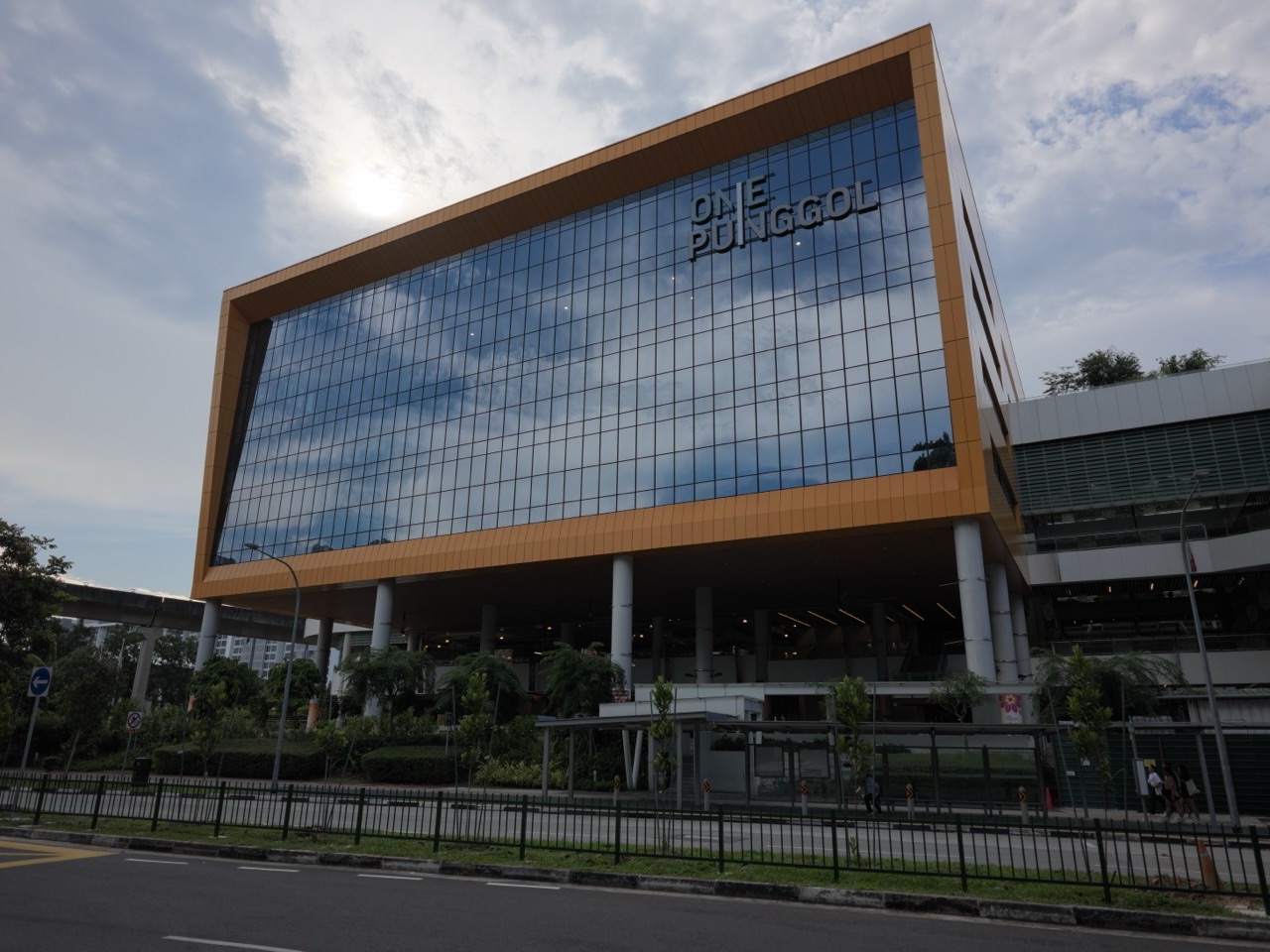
One Punggol is a practical place to take grandparents and children for a library visit and lunch under one roof. Start at the community hub at 1 Punggol Drive, Singapore 828629. The main entrance to Punggol Regional Library is on Level 1, and One Punggol Hawker Centre is on Level 2. If you are coming by train, Sam Kee LRT (PW1) is the adjacent station. Use Punggol MRT (NE17) if you need to transfer to the LRT.
The simplest plan is to meet in the Level 1 foyer, spend time in one part of the library and then go upstairs for food. If someone needs a seat sooner, reverse the order. A family with a pushchair or a grandparent who prefers lifts can use the same plan, allowing a little extra time between stops. The point of the outing is for people of different ages to enjoy the same morning, even when they want to do different things.
- Choose Sam Kee LRT for the closest rail stop, or start from Punggol MRT and decide whether to transfer or walk.
- Send a message with the venue name, level and meeting point before anyone leaves home.
- Use Level 1 for the main library entrance and Level 2 for lunch.
- If you need help from library staff, plan for regular service hours and check the branch schedule.
- Keep one stop optional so you can leave comfortably if someone gets tired.
EDUKATE PUNGGOL · ONE PUNGGOL
Find the part you need
All 6 sections
SECTION 1 OF 6 · THE ARRIVAL ROUTE
Getting to One Punggol and choosing a meeting point
Back to contents
Which station should the family use?
The People’s Association identifies Sam Kee LRT (PW1) as the stop next to One Punggol. If you are on the North East Line, get off at Punggol MRT (NE17) to transfer to the Punggol LRT. Punggol Coast (NE18) is a different station farther north. A trip planner may show several stops with Punggol in their names, so enter One Punggol or its street address before you choose a route. A map pin called Punggol can land you at the station or somewhere in the estate.
Someone arriving alone may choose to walk from Punggol MRT instead of waiting for the LRT. That is a different decision when a child is asleep in a pushchair or someone is comfortable walking only short stretches. For those trips, compare the distance from the platform to the actual entrance, with transfers, crossings and lift waits included. If two branches of the family choose different routes, both can still meet at the same point inside the hub.
Where to wait after you arrive
The Level 1 foyer makes a useful starting point because the group can gather before deciding who wants books, food or a short rest. The foyer is large, so make the meeting point specific. Once the first person arrives, they can send a photo of a permanent sign and say which side of it they are standing on. A sign is easier to find again than a temporary event booth. If anyone is being dropped off, ask them to come inside and meet you at the agreed point instead of trying to time everyone to the same minute at the kerb.
A sample message is “One Punggol, 1 Punggol Drive. Meet inside on Level 1, near the main library entrance. If the entrance area is busy, wait beside the directory and call me.” Two relatives can read that message and take different trains without losing track of each other. If someone needs a chair soon after arriving, let that person choose where to wait and send the updated landmark once they are settled.
Plan the return while the group is together
Take a moment to locate the route back to the train, pickup point or bus stop that you will actually use. A family who arrived in two cars may be leaving as three groups if a teenager is taking the LRT home. Decide where to say goodbye before walking out in different directions. If someone is relying on a lift, the route back to the lift matters just as much as the route into the building. Check the signs on arrival and leave time for the return rather than relying on a memory of whichever door you happened to use.
For current directions and contact information, check the People’s Association listing for One Punggol.
Give each person one thing to do
Punggol Regional Library occupies Levels 1 to 5 of One Punggol. Start at the main entrance on Level 1 and check the directory for the collection or service you want. A preschooler might choose one picture book to read together. A primary school child could look for a book about a subject they asked about on the way over. A grandparent could browse independently or join the child for the first story. Giving everyone one idea keeps the visit manageable even if you spend the whole time on the first floor you visit.
A useful first library trip has a clear end. Agree to read a story or find a book before discussing a second floor. With a child who likes to pick up several books, invite them to choose one to open first and one to show the rest of the family. An older child can look up a title or subject in the catalogue and explain where they think it will be shelved. If a book is unavailable, browse nearby shelves for a related title. The search itself can make a good first visit.
Early access and staff-assisted service
Punggol Regional Library introduced earlier access from 9 am in October 2026. The reported arrangement requires an accepted identification card or NLB app eCard at the gantry during the early window, while regular staff-assisted services begin from 10 am. Check current branch arrangements and holiday notices before depending on either time. In particular, if you need someone to help with a membership question or accessibility arrangements, plan the visit around staffed hours and confirm the service you need. See reporting on NLB’s early-access arrangements.
A family that arrives early can split the plan sensibly. An adult who already uses the library might browse while another adult stays with a relative who prefers to go in when staff are available. If everyone wants to stay together, choose a single later meeting time. A separate study area or book return can have different access arrangements, so follow the signs and instructions for the service you are actually using. If the aim is to attend a programme, confirm registration, the time and the room in the programme notice.
Use the spaces at the right pace
If the group needs lift access, find the lift route before committing to an upper-floor activity. For someone sensitive to noise or crowds, a quick look from the entrance can help the group decide whether to browse immediately or return later. If one person wants to look at an inclusive collection or an accessibility feature, put that first and ask staff which options fit the visit. The People’s Association describes the library as providing inclusive spaces and features, and staff can point readers to the relevant arrangements.
After a library visit, allow time to check that library cards, phones and loose belongings are back in bags. The transition to lunch is easier when everyone is ready to move together and a child is able to carry the one book they have chosen. If you are borrowing, check the loan record before heading upstairs. If you are reading in the building, return items to the location indicated by the library rather than trying to work out where every book belongs while the rest of the group is waiting.
For a broader overview of the collections, see our Punggol Regional Library guide.
Contents · Previous section · Next section
SECTION 3 OF 6 · HAWKER CENTRE
Lunch upstairs without sending everyone into the queue
Back to contents
Choose where to sit before ordering
One Punggol Hawker Centre is on Level 2. If you need a lift, find the lift signs in the public part of the hub. The best family meeting point upstairs is a specific sign or row that another person can find independently. “At the hawker centre” is enough to identify the destination but too broad when one person is holding a tray and looking for the group. It helps if one adult remains with the children and any relative who would like to sit while another checks the stalls.
Walk a short section of the stalls and see what is open and what the queues look like. Individual traders set their own hours and can finish selling a dish earlier than expected. If a particular stall is the main reason for the visit, verify its trading hours and pick a nearby second option. If your group has food allergies or particular dietary needs, ask the stall directly about the relevant ingredients and preparation. A dish name or a picture on the menu gives only part of that information.
Order in an order that suits the family
If a toddler is hungry, deal with that first. One person can get the child’s meal or something suitable to share while the other adults decide what they want. A relative who would rather point to a dish in person can have a look while a second adult stays at the agreed table. This small division of work is easier than moving the entire group past every stall. If there is only one adult, choose a manageable order and consider buying from fewer stalls so there are fewer collection points to watch.
A group of six has different seating needs from a group of two. If a large table is unavailable and the family is comfortable splitting, look for two nearby tables where everyone can see the agreed landmark. Ask the group before doing this. A grandparent who came to sit next to a particular child may prefer to wait a little for a table together. Seating affects the visit, so treat it as a decision and build time for it instead of assuming everyone can sit immediately.
Adjust the sequence when the meal matters most
The lunch-first version is useful when the family arrives later than planned or after another appointment. Have the meal, then offer a short library browse to people who still want it. An adult who needs a rest can wait at an agreed meeting point while another takes the children in. Give the group an exact return time and agree who is accompanying each child. Check the return or pickup route before anyone heads off alone.
For general stall and meal planning, see the One Punggol Hawker Centre guide. The People’s Association’s hub directory explains how the community club, library and hawker centre fit into the building.
Contents · Previous section · Next section
SECTION 4 OF 6 · THREE SAMPLE PLANS
Choose an outing that matches the family’s energy
Back to contentsA short visit after another errand
Meet on Level 1, return or borrow a book and have a drink or a simple bite if the group wants one. Make the book the only thing that has to happen. Keep the bags light and have the return route in mind before heading in. This version is especially useful on a day when a grandparent has already been out for several hours or a child has another commitment. You can spend longer if everyone is enjoying it. Set a natural point to stop, such as after the chosen book is borrowed or the snack is finished.
Imagine a child who wants to show a grandparent their favourite kind of book. The child finds it, opens one page and reads or describes something from it. The grandparent gets to take part without being asked to explore the entire library. If the family has a little time left, the child can choose a book for the journey home. The outing has a clear memory attached to it even when it is brief.
A library-and-lunch morning
Arrive with enough time to browse before anyone becomes hungry. Start with the part of the library that suits the youngest reader, then decide whether to explore a second section. Set a meeting time for any older children or adults browsing separately. After the library stop, go to Level 2 for lunch and make that the last scheduled part of the visit. The rest of the day stays flexible if the meal takes longer than expected.
A rough sequence might be fifteen minutes for arrival and finding the group, forty minutes for browsing and reading, then lunch with a gap for lift waits and food queues. These are planning allowances, and a busy day can change them. For someone who walks slowly, give more of the available time to the transitions and cut the extra library floor first. If a family member is tired after lunch, going home at that point leaves the library visit and meal as two complete experiences.
A split visit for different ages
If a teen wants quiet reading and the youngest child wants a story with an adult, make the first library stop together, then agree to split. Decide which adult is responsible for which child, choose a fixed meeting point and agree what to do if a phone is out of charge. Give the teen a time that allows meaningful reading. Give the adult with the young child permission to finish earlier and wait in the agreed place. Everyone can then regroup for the meal without having to do exactly the same thing for the same length of time.
Where you have an older adult who would rather be seated, ask whether they want to join the book search or meet the group after it. A grandparent who cannot hear clearly in a busy hawker centre may enjoy conversation more during a quieter pause before the meal. The best sequence for this group could be arrival, time together with a book, lunch and home. Leave any optional playground or outdoor stop until you see how people feel and what the weather is doing.
Contents · Previous section · Next section
SECTION 5 OF 6 · AN APPOINTMENT-FIRST PLAN
Fit a scheduled activity or service into the same trip
Back to contentsDecide which part of the day has a fixed time
A family may be going to One Punggol mainly for a community club class, a library programme or a service appointment. Put that commitment first on the calendar and work out which of the other stops can fit around it. Save the organiser’s instructions and tell the person accompanying the participant where to go. A general invitation to meet at One Punggol is too broad when one person needs to check in at a particular room.
Suppose the youngest child has a booked activity while a sibling and grandparent are free for an hour. Meet in the foyer first, then walk to the scheduled activity together if time allows. The accompanying adult can check where the group should wait, then arrange for the others to browse or sit nearby. Give them a clear return time. If the class or appointment runs late, message the waiting group while they still have time to choose whether to stay or go for food.
Bring only what the scheduled stop requires
Check whether you need a confirmation message, membership card, equipment or documents. Put the relevant things in one place in your bag. A family coming from another appointment might already have several bags, so consider whether a bulky extra item is useful for the whole morning. If someone will have trouble standing in a queue, ask the organiser in advance what the check-in and waiting arrangements are. The general hub directory gives locations. The organiser can explain how that session runs.
If you are going to a service counter, confirm that the agency is at the hub and that the service can be handled there on the day. A counter’s hours may differ from those of the building. Check whether an appointment is needed and what information you will need to bring. This is especially useful if you are accompanying an older relative who would find a second trip inconvenient. Keep documents with the person who needs them if the group plans to split.
Leave a gap between the commitment and the next stop
Avoid booking two activities back-to-back at opposite ends of the hub. You may have to wait for a lift, return something, find a toilet or collect a child before walking upstairs. If the next activity is simply browsing books or looking for lunch, the gap can be as long as the family needs. If you have a second appointment, build in time for the slowest person and look at the route between the rooms in advance.
A reliable pattern is to choose one purpose, one place to wait and one place to regroup. That works for a library programme followed by food, a visit to a service counter while children read, or a community club class followed by a quick visit to the library. Once you know how to move through the hub, it is easier to vary the visit without needing to work out a new meeting plan every time.
Contents · Previous section · Next section
Is One Punggol the same place as Waterway Point?
One Punggol is the community hub at 1 Punggol Drive. Waterway Point is the mall at 83 Punggol Central beside Punggol MRT. If you want the library and the One Punggol hawker centre, pin One Punggol. If you are meeting someone at the mall, include the wing, level and shop or landmark in your message. You can visit both in a day, but plan the transfer as a separate step.
Is the hawker centre inside the library?
The library and hawker centre share the community hub. The main library entrance is on Level 1 and the hawker centre is on Level 2. Leave the library and follow the hub directory to the food area. If you are coming for lunch only, head directly for the hawker centre.
Which route is easiest with a wheelchair or pushchair?
Sam Kee LRT is next to the hub, so it is a useful arrival option if the train and lift route suit your group. Check the current station and building route, then follow the hub’s lift signs rather than assuming the first staircase or escalator is the only way up. Someone arranging a visit with specific access needs can contact One Punggol through the People’s Association before departure.
Can I fit in a community club activity?
Yes, if the activity is available to your group and you have checked how to take part. Confirm the session, room and registration requirements with the organiser. Make the booked activity the fixed point of the day and fit library browsing or lunch around it. A room booking or class may have arrival instructions that differ from the directions to the general hub.
What is the easiest plan if we have never been there?
Meet at the main library entrance on Level 1, visit one library section, then go to Level 2 for lunch. Give the person who is least familiar with the area a written address and the name of the meeting point. On the way out, notice which route worked best for the group so the next visit is easier to arrange.
More local reading
Use the full One Punggol hub guide when you need to find the community club or a specific service. For a separate outing with visitors from outside the estate, see things to do in Punggol for first-time visitors.


