
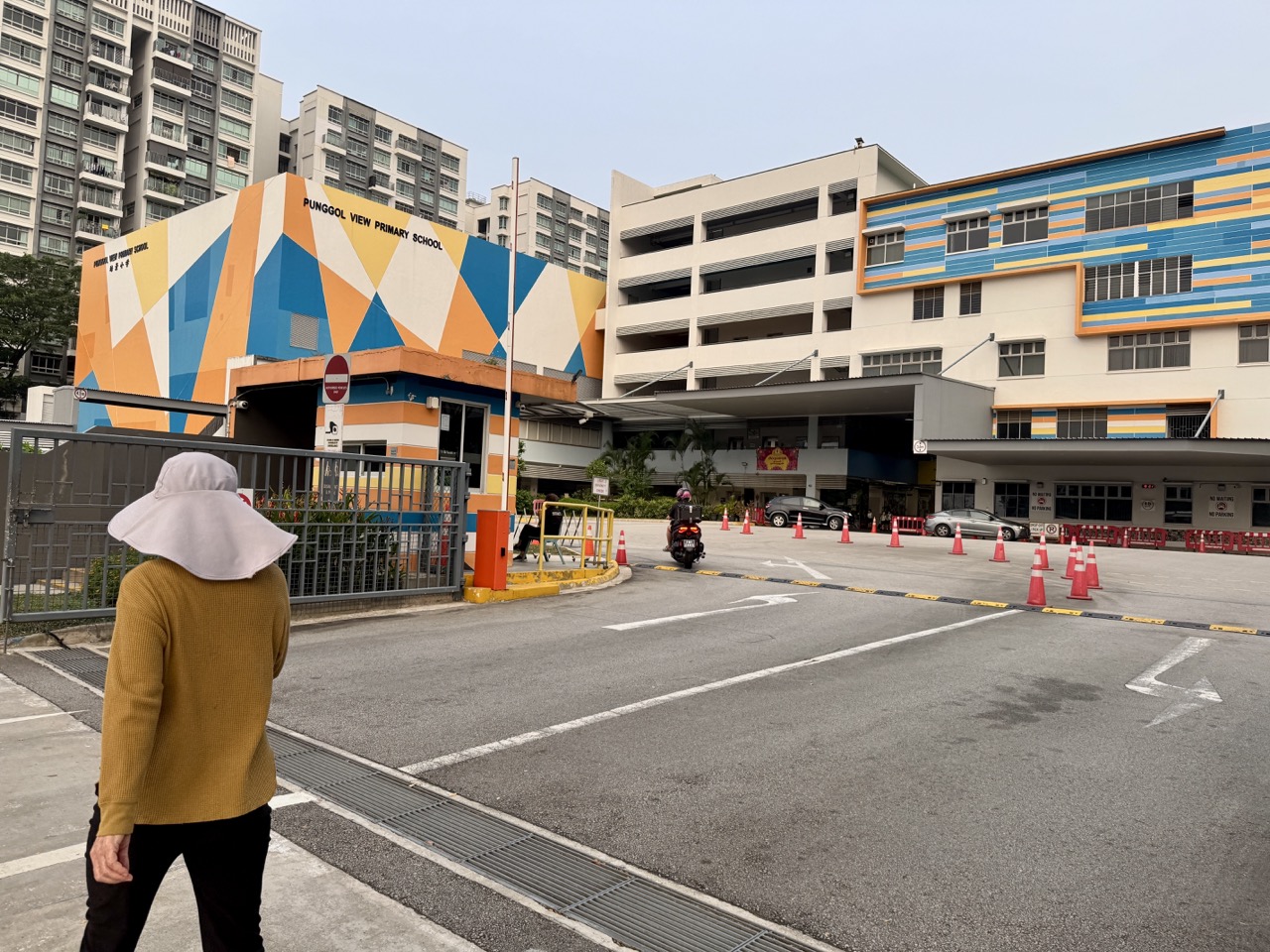
Schools and education at Punggol include four National Education commemorative days: Total Defence Day, International Friendship Day, Racial Harmony Day and National Day. MOE uses these events to help pupils understand Singapore’s history, relationships, identity and shared responsibilities. Punggol View Primary and Punggol Green Primary both identify the four commemorations in their Character and Citizenship Education programmes. The learning should extend beyond an assembly or costume into respect, source-checking, appropriate help-seeking and meaningful participation.
This guide explains the history and purpose of the four days, the six pillars of Total Defence, and how Punggol primary families can support thoughtful discussion without inventing activities or stereotyping classmates. Total Defence Day is 15 February, Racial Harmony Day is 21 July and National Day is 9 August; International Friendship Day follows schools’ current commemoration arrangements. The exact assembly, attire, consent and event schedule should be checked with the child’s school for 2027 rather than assumed from a past celebration.
- MOE identifies four National Education days, each with a distinct purpose.
- Total Defence Day: 15 February, linked to Singapore’s fall in 1942.
- Six Total Defence pillars: Military, Civil, Economic, Social, Digital and Psychological.
- International Friendship Day explores Singapore’s connections and respectful cooperation.
- Racial Harmony Day: 21 July, linked to the importance of mutual trust and history.
- National Day: 9 August, celebrating Singapore’s independence in 1965.
- Punggol View’s 2026 CCE framework includes Identity, Relationships and Choices.
- Punggol Green integrates the four days with Values in Action and citizenship learning.
- Culture, clothing and student performances require respect and current school guidance.
- A useful result is an informed and responsible decision beyond the commemoration.
Definition lock: National Education, CCE and commemorative days
National Education is part of Singapore’s broader Character and Citizenship Education and helps students understand their national identity, shared past, current realities and responsibilities as members of society. Commemorative days are scheduled educational opportunities linked to particular historical and civic themes. Values in Action provides suitable practical contexts for contributing to family, school and community. A day of celebration is not a substitute for year-round learning, nor an automatic test of a pupil’s loyalty or character.
Four days, four questions to ask at home
- **Total Defence Day:** How can people prepare, verify information and support one another responsibly?
- **International Friendship Day:** How do we cooperate respectfully with people from different countries and backgrounds?
- **Racial Harmony Day:** How do we resist stereotyping and protect trust across communities?
- **National Day:** What does Singapore’s history mean for our responsibilities and future?
- **All four:** What is the original source, and what action fits the child’s age and role?

1. National Education involves four commemorative days and everyday citizenship
Singapore’s schools recognise four National Education commemorative days: Total Defence Day, International Friendship Day, Racial Harmony Day and National Day. The dates link learning to important parts of Singapore’s history and its relationships with people at home and abroad. MOE’s Character and Citizenship Education framework treats the days as opportunities to deepen citizenship knowledge, reflect on values and consider responsible action. A celebration is therefore more than the opportunity to wear a costume or attend a concert.
Punggol View Primary School’s 2026 Character and Citizenship Education page names all four commemorative events as part of its National Education work. Punggol Green Primary similarly describes the four dates alongside school-based Values in Action and other citizenship experiences. These are real local examples of how schools communicate their aims, though the specific activity, assembly and attire instructions may vary by campus and year. The school’s current notice remains authoritative for families.
A meaningful school or family learning decision
National Education should help pupils develop a sense of belonging, hope and reality about Singapore. Belonging concerns identity and shared values; hope concerns the ability to contribute to the country’s future; reality concerns understanding its constraints and challenges. A pupil can feel proud of their home while still asking careful questions about history, social differences and the responsibilities citizens share. Genuine understanding does not require pretending that difficult events never occurred.
Children may enjoy a performance while remembering little about its historical meaning. Parents can ask what the day commemorates, how the activity connected to it and which action the child might take in everyday life. A response can be short and age-appropriate. A Primary 2 pupil might talk about helping a classmate; an older student could examine how trustworthy information helps during a crisis. These are different but valuable forms of engagement.
Avoid the stereotype or unsupported claim
Some adults reduce citizenship education to memorising a list of dates and slogans. Facts are important, but the educational purpose also includes reasoning, empathy and constructive participation. A child who knows that Racial Harmony Day is associated with 21 July may still need support understanding why mutual respect and careful language matter in ordinary peer relationships. The day offers a starting point, not a finished measure of character.
For transfer, give a pupil an unfamiliar community event that celebrates cooperation but has no obvious connection to the four named days. Can the learner identify a value worth practising without pretending the event is itself an official National Education commemoration? That distinguishes the national framework from the wider behaviours it encourages.
2. Total Defence Day asks how Singapore responds to different kinds of threat
Total Defence Day is commemorated on 15 February and recalls Singapore’s fall during World War II in 1942. The day encourages reflection on vulnerability, preparation and collective responsibility. The official Total Defence website describes six pillars: Military, Civil, Economic, Social, Digital and Psychological Defence. These categories show that national resilience involves more than armed forces or emergency equipment. People and institutions contribute through everyday decisions appropriate to their roles.
Military Defence concerns the defence force and national service, while Civil Defence concerns preparing for and responding to crises. Economic Defence supports the ability of society and the economy to withstand disruptions. Social Defence concerns trust and relationships among communities; Digital Defence concerns secure and responsible use of technology; Psychological Defence concerns shared resolve and the willingness to overcome difficulties together. These are distinct areas that can reinforce one another.
A meaningful school or family learning decision
A Primary 3 child need not be trained as an emergency responder to understand Total Defence. A suitable school exercise might ask how students can follow an official announcement, avoid sharing an unverified rumour or help maintain a respectful classroom. The child’s actions should remain within age-appropriate limits. Adults and professional authorities remain responsible for specialist emergency decisions; encouraging children to independently handle hazardous situations is not the purpose of the lesson.
The six-pillar framework can support careful reasoning. If a fictional phishing message impersonates a school, Digital Defence is relevant because verification and protecting credentials matter. Social Defence is also relevant when the message tries to spread distrust. A pupil can recognise more than one connected pillar without claiming that every activity fits every category equally. A precise example gives the concepts meaning beyond a list of six names.
Avoid the stereotype or unsupported claim
Some parents assume that a school assembly on Total Defence Day certifies a child as prepared for every natural disaster or national emergency. That conclusion is unsupported. Understanding a concept is one step; practical emergency response depends on appropriate training, official procedures and responsible adults. The school may conduct drills or awareness activities, but those are not substitutes for an actual professionally managed safety plan.
For transfer, imagine a fictional power disruption that affects a classroom and generates misleading online messages. Can the pupil identify the importance of following staff instructions, checking information and looking after classmates without attempting to fix electrical equipment? That combines responsible Digital, Civil and Social Defence within safe boundaries.
3. International Friendship Day connects school life to the region and world
International Friendship Day in Singapore schools encourages students to understand the value of friendship, cooperation and mutual understanding across national boundaries. Singapore is connected to neighbouring countries through trade, culture, travel, families and shared environmental issues. The school commemoration can therefore help pupils see that global relationships involve real people and institutions rather than only flags or a list of capitals.
Punggol View Primary’s older published school newsletters describe International Friendship Day activities exploring Singapore’s relationship with Asia and the importance of regional cooperation. Such material shows the school’s educational direction for those years, not a guaranteed 2027 activity or theme. MOE’s National Education framework allows schools to customise their lessons according to learning needs and current issues. Parents should wait for the actual notice before promising that a particular performance or country showcase will take place.
A meaningful school or family learning decision
An age-appropriate question could ask how students in Singapore might work with a class in another country to learn about water conservation. The pupils would need respectful communication, accurate information and an understanding that people may have different resources or experiences. Cooperation should not require making stereotypes about entire populations. One friend’s story is valuable but does not represent every person who shares their nationality.
Families can explore the difference between an observation and a generalisation. A fictional pupil visits a country and sees one school using a particular uniform. It would be inaccurate to conclude that every school in that country dresses identically. The learner can describe what they actually saw and ask questions before drawing wider conclusions. That is intercultural respect supported by critical thinking rather than shallow tokenism.
Avoid the stereotype or unsupported claim
International cooperation also includes disagreement and different interests. A mature conversation can explain that countries work together while sometimes having competing priorities. Primary pupils need not master diplomatic negotiations, but they can practise listening, identifying a common goal and discussing a difference respectfully. School role-play should be age-appropriate and should not pressure children to speak for an entire nationality.
For transfer, give a fictional pupil a video claiming that people in one neighbouring country all share the same opinion. Can the learner question the source and recognise diverse experiences within that country? That is a more meaningful outcome of International Friendship Day than memorising a national symbol.
4. Racial Harmony Day is linked to 21 July and the responsibility to respect differences
Racial Harmony Day is commemorated annually on 21 July in Singapore schools, reflecting the importance of understanding the racial tensions and violence of the past and the work required to maintain harmony. The date is associated with the communal riots of 1964. A sensitive school lesson should approach this history accurately and age-appropriately rather than turn serious events into a colourful display without context. The educational purpose concerns trust, mutual respect and the choices people make within a diverse society.
Schools sometimes offer cultural learning activities, attire or food experiences, but parents should follow the actual school’s instructions. A traditional outfit may help a pupil appreciate cultural expression when handled respectfully; it does not make the wearer an expert on an entire community. Costumes should not become an opportunity to caricature religious or ethnic practices. A child should be encouraged to ask suitable questions without expecting a classmate to provide an unsolicited explanation of their family identity.
A meaningful school or family learning decision
A fictional classroom task might compare two families celebrating different traditions and ask what respectful curiosity looks like. The pupil can listen, avoid assumptions and recognise that people within one group may have different practices. A single photograph or anecdote does not define everyone. This is relevant beyond one day because stereotyping can affect friendships, online communication and school belonging throughout the year.
Racial harmony also requires responding when an insensitive remark causes harm. A child should know they can seek a trusted adult and that school procedures address serious concerns. The purpose is not to make pupils investigate classmates or publicly accuse someone without evidence. Respectful intervention can include refusing to repeat a hurtful stereotype and asking for guidance. Adults remain responsible for safeguarding and appropriate disciplinary processes.
Avoid the stereotype or unsupported claim
One mistake is treating harmony as the absence of any disagreement. People can differ in language, food, religion or opinion while remaining respectful. The educational challenge is learning to discuss differences fairly and recognise shared rights and responsibilities. A school that teaches pupils to listen through a disagreement may be building a more durable skill than one that relies only on a one-day performance.
For transfer, give a fictional class conversation where one pupil makes an unsupported generalisation about a cultural group. Can the learner identify why the claim is unfair and seek a respectful correction without humiliating a classmate? That demonstrates how the lesson should affect everyday conduct.
5. National Day connects history, shared identity and responsible future choices
Singapore’s National Day falls on 9 August, marking the country’s independence in 1965. Schools commonly hold suitable educational activities or celebrations before the public holiday, though each campus sets its current programme. In 2027, National Day falls on Monday, 9 August, with the MOE school calendar scheduling the Day after National Day as a school holiday on Tuesday, 10 August. Families should distinguish the national public holiday from school-specific events and the separate observed school holiday.
National Day learning can include historical knowledge, understanding national symbols and reflecting on the society students wish to build. Singing a familiar song can create belonging, but the deeper educational question is why a national community values cooperation, fairness and responsibility. Children can participate with different interests and communication styles. A pupil who prefers quiet reflection is not automatically less committed than one who enjoys a large celebration.
A meaningful school or family learning decision
Parents can ask a child about a part of Singapore’s history that interests them and help verify the relevant source. A statement about independence should be dated accurately and not confused with other milestones such as the 1963 formation of Malaysia or earlier colonial history. Age-appropriate historical explanation can recognise that national identity developed through choices and challenges over time. A single triumphant slogan cannot substitute for chronological understanding.
The school celebration may involve flags, performances or class projects. Parents should not infer that every child must purchase a new costume or participate in one format. Official instructions govern attire, permission and accessibility. Families with different backgrounds can support the child’s school learning while respecting how the institution approaches national symbols and civic education.
Avoid the stereotype or unsupported claim
National Day should also invite forward-looking thought. A pupil might ask how to make a school greener, help a neighbour or become a more careful digital citizen. These actions do not require claiming to solve a national problem instantly. They encourage the child to see themselves as part of a continuing community. The question ‘What can I contribute?’ can be as meaningful as recalling a historical date.
For transfer, imagine a child who knows National Day is 9 August but cannot explain one value connected to civic responsibility. A family can discuss an ordinary action such as keeping a shared place clean or helping someone fairly. The historical date becomes a starting point for practical citizenship.
6. Punggol View Primary publishes a whole-school National Education approach
Punggol View Primary School’s 2026 Character and Citizenship Education page explicitly lists National Education commemorative events as a key part of its curriculum. It connects CCE with the big ideas of Identity, Relationships and Choices, and describes the development of character, social-emotional competencies and citizenship dispositions. The page also names school platforms such as CCE lessons, Form Teacher Guidance Period, assemblies, learning journeys and Values in Action. These are concrete examples of how one local school intends to make citizenship more than an annual celebration.
The school describes National Education as developing students’ sense of belonging, hope and reality in relation to Singapore. This framework can help families ask better questions. Belonging might involve recognising shared responsibilities, hope might concern a constructive contribution and reality might involve understanding a practical challenge Singapore faces. A child should be able to make sense of these concepts through suitable examples instead of merely reciting the three words.
A meaningful school or family learning decision
Punggol View also publishes its Living Our Values Everyday programme and the R3ICH values of Respect, Responsibility, Resilience, Integrity, Care and Harmony. The connection with National Education is understandable: pupils practise values through ordinary conduct, not only national events. A student who returns a lost object responsibly or treats someone fairly can demonstrate a relevant behaviour without needing a themed assembly first.
The school mentions experiences such as Values in Action, cohort learning journeys and school-based activities. These can provide practical settings for citizenship learning, but a generic article should not promise that every P1–P6 pupil completes the same project in 2027. Programmes and schedules may change. Parents can read current level-specific notices to understand the child’s actual opportunities and any consent or practical arrangements.
Avoid the stereotype or unsupported claim
Some families see a school website displaying badges or student recognition and assume that every child who behaves kindly receives an identical award. That is not necessarily how recognition systems operate. The educational goal is learning appropriate behaviour consistently, not collecting a trophy for every helpful action. Families can affirm a child’s good decision privately even without a formal school certificate.
For transfer, present a fictional pupil who helps a new classmate understand a routine without seeking public credit. Which values does that demonstrate, and why might the action matter more than a photograph of a badge? This shows how a local school values framework can guide ordinary choices.
7. Punggol Green Primary links commemorations with Values in Action
Punggol Green Primary School’s 2026 Character and Citizenship Education page also lists Total Defence Day, International Friendship Day, Racial Harmony Day and National Day as school commemorations. The school describes learning through National Education together with other CCE and Values in Action experiences. This gives families a second local example of the four-day framework while preserving the fact that the actual activities belong to the particular school and cohort.
The school’s published examples of student contribution include care for the environment, school-wide cleaning, food donation and social enterprise activities. These are illustrations of how civic values may be enacted through safe supervised tasks. A parent should not imply that every pupil personally took part in each event or that every project had a measured city-wide impact. The right response is to ask what the child actually did and learned.
A meaningful school or family learning decision
A fictional school recycling activity can teach responsibility, but it should not automatically be described as an environmental rescue success. Students need a relevant goal and evidence of what changed. A class might learn to sort materials correctly or identify an unnecessary waste source. Even if the activity did not reduce waste noticeably, an honest reflection can reveal useful understanding. Citizenship education benefits from accurate claims just as Science does.
Community service also requires dignity. A pupil helping with an approved donation drive should not photograph recipients or discuss private family circumstances to prove generosity. The activity can be meaningful through appropriate preparation and reflection. Teachers and community partners manage safeguarding and permission. Children should not be sent independently to meet strangers or handle sensitive records for the sake of a citizenship project.
Avoid the stereotype or unsupported claim
Parents can connect the school’s values work with ordinary home responsibilities. Sharing a household task, treating a neighbour respectfully or verifying an unusual digital message can illustrate care and responsibility. These actions should be age-appropriate, and families should avoid converting every kindness into a scored contest. A child may learn more from one authentic helpful action than from an elaborate poster about helping others.
For transfer, consider a fictional pupil who makes a confident speech about Social Defence but spreads an unverified hurtful message online the next day. What learning remains? The student needs to connect words with digital conduct and respect, not simply memorise the pillar’s name.
8. National Education depends on accurate history and thoughtful sources
Schools use National Education to discuss history and contemporary issues, which makes source evaluation important. A child may see a short video, a historical photograph, a monument or an online timeline. Each provides information with limits. A photograph shows selected people and a particular moment, while a later commentary interprets the event. Pupils should learn to distinguish evidence, interpretation and personal opinion without assuming every confident voice describes history correctly.
The four commemorative days are connected to different historical and civic topics. Total Defence Day is linked to 1942, Racial Harmony Day to the importance of social harmony following past conflict, and National Day to independence in 1965. International Friendship Day addresses Singapore’s connections with the world. Students should not collapse them into one generic celebration of Singapore. Each calls for different knowledge and appropriate reflection.
A meaningful school or family learning decision
An age-appropriate timeline can help pupils locate events without overwhelming them with unrelated details. A fictional exercise may give three dated cards and ask the child to place them in chronological order. Then ask which additional information is needed to explain causes and consequences. Knowing the sequence is useful but not the same as understanding everything about the historical event. Teachers can build the analysis gradually.
Digital content can be misleading. AI-generated footage may appear to depict a historic speech that never occurred, while an authentic photo might be captioned with the wrong date. Children can practise checking the original source and publication date before forwarding. This connects National Education with Digital Defence and cyber wellness in a way that is more rigorous than simply telling pupils to distrust every online image.
Avoid the stereotype or unsupported claim
Parents should also be fair when discussing contested historical interpretations. Evidence, context and appropriate sources matter. A child may ask difficult questions about conflicts or policy decisions; adults can explain what is known and acknowledge uncertainty without dismissing the curiosity. Respectful critical thinking is compatible with national belonging. It helps the next generation form informed views rather than repeat unsupported myths.
For transfer, give a fictional social-media post claiming that a particular commemorative day was created last year, despite an older official document discussing it. What should the pupil do? Compare authoritative sources and dates before accepting or rejecting the claim, rather than rely on the post’s polished design.
9. Student participation should be respectful and not limited to costumes or ceremonies
School commemorations may involve assemblies, storytelling, cultural activities, class discussion, student presentations or supervised service. The exact experience depends on the school and pupils’ ages. A parent should check current instructions for dress, materials and participation rather than assume that a particular cultural outfit is compulsory for every child. A thematic day should not become a burden of expensive purchases or public comparison among families.
Respect for differences is central to Racial Harmony and International Friendship learning. Students should not imitate religious practices without understanding or permission, reduce an ethnic community to a single food or costume, or require a classmate to speak for an entire group. A good activity can invite genuine questions, accurate information and respectful listening. A pupil who recognises the limits of a stereotype has learned something meaningful even without a dramatic performance.
A meaningful school or family learning decision
Children may contribute through different roles. Some enjoy public speaking, others can research, draw, organise materials or help ensure fair participation. Schools can offer suitable age-appropriate opportunities where possible, but no article should claim that every pupil receives a formal leadership appointment. The values involved should be visible in responsible actions, not merely the title printed on an event badge.
School photography and online posting require privacy. An assembly audience may contain identifiable pupils and staff who have not consented to public sharing. Parents and volunteers should follow the school’s current media and safeguarding instructions. A child should not be encouraged to collect classmates’ identity information or record private conversations to make a presentation more authentic.
Avoid the stereotype or unsupported claim
Not every commemorative activity is equivalent to a formal examination or graded assignment. The school may use reflection to observe learning and encourage discussion, but the relevant instructions determine whether any work is submitted or assessed. Parents should not create an elaborate private worksheet after every celebration simply because the day has an official name. A short honest conversation can be a meaningful extension.
For transfer, imagine a pupil who cannot attend a public performance due to an individual access need but can contribute to a suitable reflection or project. Can the family recognise an appropriate form of participation without demanding that every child perform identically? That aligns citizenship learning with dignity.
10. A family can connect the four days to ordinary, age-appropriate decisions
National Education becomes more meaningful when a child can apply a principle outside the day itself. A family need not organise an elaborate historical reenactment or paid workshop to do this. Short discussions about a trustworthy source, a respectful interaction or a shared responsibility can provide useful opportunities. The adult should match the question to the child’s age and actual school learning, rather than expect a primary pupil to solve international policy problems.
For Total Defence, ask what the family would do if a suspicious message claimed the school had changed its reporting time. The appropriate response includes checking the official channel and not spreading the message unverified. For International Friendship, ask how to learn respectfully about someone from a different country without relying on stereotypes. These are safe paper-based examples that connect big concepts with everyday judgement.
A meaningful school or family learning decision
For Racial Harmony, a conversation can consider what to do when a classmate makes an unkind generalisation. The child can identify why it may harm someone and seek suitable adult guidance. For National Day, the family might discuss an ordinary action that contributes to a shared space, such as following public rules or supporting a community activity. None of these examples requires the child to investigate a stranger or perform a hazardous task.
Parents should allow thoughtful disagreement. A child may wonder why a rule exists or whether a particular solution is fair. Asking for evidence and considering another person’s needs can strengthen citizenship reasoning. A family that demands instant agreement with every adult opinion may lose the opportunity for genuine reflection. The adult can explain relevant facts and set appropriate boundaries while inviting age-appropriate questions.
Avoid the stereotype or unsupported claim
The focus should remain on behaviour rather than competitive identity. A pupil does not need to be the loudest pledge-taker or the most elaborately dressed participant to show concern for others. Small genuine actions may illustrate understanding more reliably than memorised slogans. Parents can recognise progress without declaring that one child is more patriotic than classmates.
For the final transfer task, give the pupil a new fictional school situation involving inaccurate information and unfair treatment of another student. Can they connect source verification, respect and responsible help-seeking to the appropriate National Education ideas? That shows the concepts can travel beyond a one-day event.
Worked classroom case: a digital rumour and the Total Defence principles
Imagine a wholly fictional class chat forwarding a message that falsely claims a school will close tomorrow. A pupil can notice that the source is unknown and ask a trusted adult to check the official school communication. This is relevant to Digital Defence through verification and Social Defence through avoiding the spread of distrust. If the notice concerns a real hazard, responsible school and emergency procedures still control action. The exercise does not require pupils to investigate strangers or share private class details, and it shows how a commemorative-day lesson can support ordinary safety.
Four-week family National Education reflection cycle
Week one: read the official purpose of one commemorative day and place it correctly in history. Week two: examine one safe fictional example involving trust, community or preparedness. Week three: ask the child to distinguish a confirmed fact from an unsupported generalisation about people or countries. Week four: select one age-appropriate helpful action within the family or school community and reflect on what was actually done. These are optional conversations, not claims about a particular Punggol school’s 2027 activities.
Frequently asked questions
What are Singapore’s four National Education commemorative days?
Total Defence Day, International Friendship Day, Racial Harmony Day and National Day, as identified by MOE’s National Education framework.
When is Total Defence Day?
It is commemorated on 15 February and recalls the fall of Singapore in 1942, alongside present-day preparedness and collective resilience.
What are the six pillars of Total Defence?
Military, Civil, Economic, Social, Digital and Psychological Defence, according to the official Total Defence framework.
What does International Friendship Day teach?
It encourages understanding of international relationships, diversity, cooperation and Singapore’s connections with the region and world.
When is Racial Harmony Day?
It is observed on 21 July and provides opportunities to learn about Singapore’s history, mutual respect and maintaining social harmony.
When is National Day in 2027?
National Day is 9 August. MOE’s 2027 school calendar schedules Tuesday 10 August as the Day after National Day school holiday.
Do Punggol View and Punggol Green primary schools teach these events?
Both schools’ official Character and Citizenship Education pages identify the four commemorations, though actual year-level activities are school-specific.
Must every pupil wear a particular cultural costume?
No universal attire requirement should be assumed. Follow the actual school’s instructions and treat cultures respectfully rather than using costumes as stereotypes.
Do the days replace everyday Citizenship Education?
No. CCE, assemblies, learning journeys, Values in Action and ordinary responsible conduct reinforce the learning beyond the four dates.
Your Next Step
Use the child’s current school National Education and CCE notices to learn which commemoration is approaching and what participation is expected. Ask one practical question about the historical meaning and one about a respectful everyday action. For uncertain facts, use MOE, Total Defence or another appropriate official source instead of a forwarded photo or rumour. Citizenship learning should help children make thoughtful choices, not simply compete in costumes or slogans.
Official sources and connected Punggol guides
- Punggol View Primary: CCE, Four National Education Days and Values
- Punggol Green Primary: National Education and Values in Action
- MOE Primary CCE Syllabus: National Education and Four Commemorations
- MOE National Education Review: Commemorative Days, Learning Journeys and Citizenship
- Official Total Defence: Six Pillars and National Resilience
- Official Total Defence: Digital Defence and Information Integrity
- MOE 2027 School Calendar and National Day Observance
- Schools and Education at Punggol | Social Studies and Civic Thinking
- Schools and Education at Punggol | Fire Drills and Emergency Readiness
- Schools and Education at Punggol | Digital Information Literacy
Editorial review: 6 November 2026. Official school and National Education sources describe the framework and historical context; specific 2027 activities and school timetables require current school confirmation. All examples and pupil dialogues are fictional. No political opinion, cultural practice or student identity is attributed to real children.


