
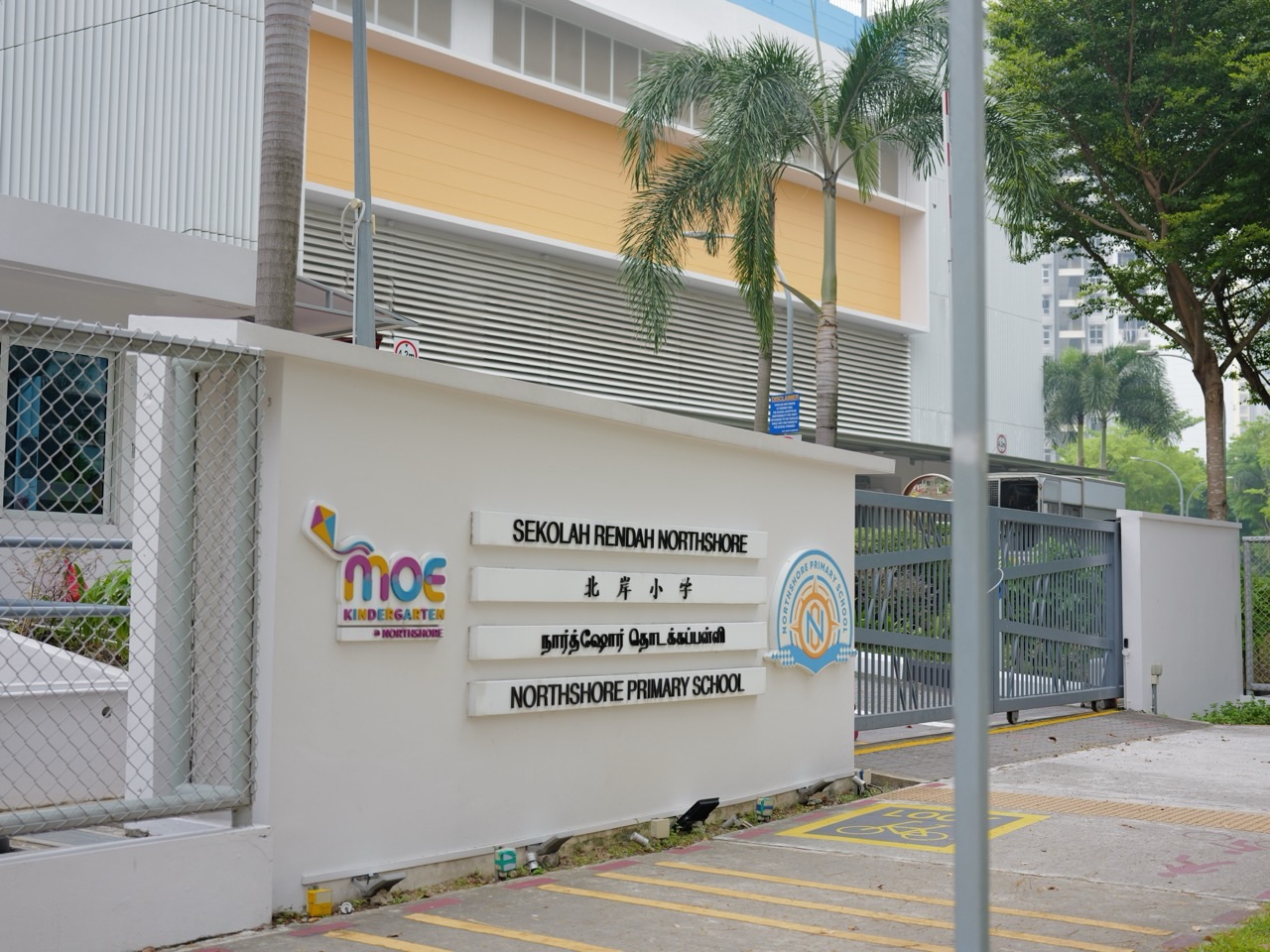
Schools and education at Punggol include fire drills and emergency-preparedness learning that help children practise attention, orderly movement and responsible response to official instructions. Singapore Civil Defence Force (SCDF) publishes school fire-safety resources and educational materials, while each school’s actual emergency plan is controlled by its responsible staff. A pupil should not improvise exits, race classmates or return for possessions because they assume an alarm is only a rehearsal. The purpose is coordinated safety, not a dramatic performance.
This parent guide explains alarms, authorised instructions, evacuation practice, assembly-area accountability, Total Defence education, family communication and the difference between fire and weather disruptions. It also identifies SCDF’s public Fire Station Open House programme, which includes Punggol subject to current arrangements. The scenarios are fictional and do not reveal or guess any named school’s confidential route or assembly location. For an actual incident, always follow responsible staff, emergency services and current official guidance.
- School fire drills rehearse institution-specific procedures under staff supervision.
- Respond to official alarms and directions without assuming every signal is a practice.
- Orderly movement and staying with the supervised group matter more than being first.
- Do not independently return for items or use unauthorised routes.
- Assembly locations support accounting for people; follow the current school’s directions.
- SCDF provides school fire-safety and Total Defence education resources.
- Professional firefighting equipment should not be handled independently by children.
- Public Punggol Fire Station Open House visits require current SCDF verification.
- Haze, storms, construction and fire may require different official responses.
- Parents should maintain accurate emergency contacts and discuss access needs privately.
Definition lock: school drill, evacuation and emergency preparedness
A fire drill is a supervised practice of a school’s emergency procedures; a real emergency requires actions based on the actual incident and official directions. Evacuation is the coordinated movement of people from a potentially hazardous area according to an authorised plan. An assembly point allows responsible personnel to account for people after movement. Emergency preparedness involves knowledge, planning and appropriate role-based responses, not simply memorising one exit or collecting safety equipment.
What a pupil can reasonably practise
- Listen for official instructions and identify the responsible adult.
- Stop ordinary work when safety directions require it.
- Move calmly and avoid pushing, delays or unauthorised shortcuts.
- Remain with the supervised group for accounting and further guidance.
- Report a genuine hazard or concern to appropriate staff.
- Do not investigate dangerous conditions or operate emergency equipment independently.
- Ask questions afterward through the school when something was unclear.

1. Fire drills are supervised rehearsals of school procedures
A school fire drill gives pupils and staff an opportunity to practise responding to an alarm and following the institution’s emergency arrangements. Its purpose is not to create fear or measure which child can move fastest. A useful drill can familiarise a learner with the need to listen, move appropriately, avoid distractions and remain with the responsible group. Parents can help children understand these general principles without inventing evacuation routes or overriding instructions from school staff.
The Singapore Civil Defence Force provides school and student emergency-preparedness resources and guidance on fire evacuation. Its public information explains the role of a school’s operations manager in conducting evacuation drills and refers schools to the appropriate emergency-planning documents. The actual plan for a Punggol campus belongs to the responsible institution, which considers its buildings, pupils and staff. A general article must not claim that every school has identical exits, evacuation locations or meeting points.
A teachable safety decision
Children may experience an alarm as loud or confusing. A calm explanation at home can distinguish a planned practice from a genuine emergency without telling the pupil to ignore alarms they think might be drills. Students should always follow the actual instructions given by responsible school personnel. A child should not decide independently that the signal is merely a rehearsal because the timing resembles a previous practice.
Parents can teach the core idea using an ordinary classroom scenario. Imagine a teacher calmly instructs pupils to stop a task and move according to the school’s plan. What should the pupil focus on first: finishing the drawing, collecting every item or understanding the teacher’s safety instruction? The educational answer involves attention and timely compliance with the responsible adult, not personal improvisation of a shortcut.
What to avoid and how to apply the principle elsewhere
Some parents ask children to describe their entire evacuation route, including details of doors and assembly locations, as if memorising a hidden map at home guarantees safety. A school’s current instructions are the better source, and the child should not be encouraged to publish sensitive campus arrangements or roam the building to investigate exits. General confidence should come from participating in official practice and knowing how to seek help.
For transfer, use a fictional building where a classroom changes location before a scheduled practice. Can the child explain why the current teacher’s instructions and the posted official safety information take priority over an old remembered route? That shows adaptable safety judgement rather than rote recitation.
2. Understand the difference between an alarm, an announcement and a decision
Safety information can arrive in several forms: an audible alarm, a public-address announcement, a teacher’s direct instruction or an official notice after an incident. Each has a different role, but all demand careful attention. Children should not treat every sound as an invitation to run or every online message as authoritative. A well-taught pupil understands that the responsible adults and official signals guide the next action, especially when a situation is unfamiliar.
In a fictional classroom, the alarm sounds while pupils are working on an art project. One pupil starts gathering materials while another looks toward the teacher. The teaching question is how to respond to the designated safety instruction, not which child is more courageous. Returning to collect a phone or artwork could delay safe movement. Actual actions must follow the school’s emergency procedure and staff direction.
A teachable safety decision
An announcement may provide additional information such as an instruction to remain in a particular supervised area or use a school-approved alternative. Families should not teach one universal response to every possible alarm because emergency procedures depend on the situation and premises. The child should learn to listen, recognise the responsible school adult and avoid sharing unverified claims about what has happened.
Children sometimes confuse a general statement such as ‘fire drills are safe practice’ with permission to treat them casually. A rehearsal is valuable only when people participate responsibly. Running, pushing or deliberately ignoring staff instructions can create hazards even when no real fire is present. Explain that cooperation protects the individual and the group, and that one pupil’s speed is not the main objective.
What to avoid and how to apply the principle elsewhere
Anxiety may arise when the child hears an unfamiliar signal. Parents can discuss what the school has already taught, ask whether a particular concern should be raised with the teacher and avoid frightening imaginary disaster stories. A child with sensory or other access needs may require specific school-planned support. Those arrangements should be discussed privately with qualified staff rather than guessed from a generic guide.
For transfer, present two fictional signals with different instructions announced by authorised staff. Can the learner explain why they should follow the applicable instruction and seek clarification from the teacher when uncertain? The aim is disciplined attention, not confidence based on predicting every possible emergency.
3. Orderly movement protects pupils and adults
During an evacuation, movement should follow the school’s designated procedures under the direction of trained staff. Children benefit from understanding why pushing, running against a flow or returning for forgotten objects can make a crowded situation less safe. A school’s chosen paths and assembly arrangements are designed around its actual premises and circumstances. Parents should avoid telling pupils to take a personally preferred exit instead of following staff instructions.
Imagine a fictional corridor where a group is moving toward an authorised route. A pupil notices a friend struggling with a bag. A responsible response is to alert the nearby teacher or supervising adult rather than block the corridor or independently lead the class elsewhere. Caring for another person includes recognising one’s limits. A young child should not be expected to assume an adult emergency-response role.
A teachable safety decision
School corridors, staircases and gates can become busy even during normal dismissal. Practising orderly movement therefore offers learning beyond the drill itself. A pupil can learn to keep hands and belongings controlled, avoid pushing ahead and pay attention to the next instruction. These habits are relevant to assemblies, excursions and daily class changes as well as emergencies.
Do not teach pupils that a fixed time limit matters more than safety. An emergency exercise may record evacuation times, but that operational measurement is for responsible staff and should not be turned into a race among young children. Different mobility and access needs can affect how people move. Appropriate plans should account for those requirements without publicly identifying or judging individual pupils.
What to avoid and how to apply the principle elsewhere
Another misconception is that emergency instructions need no explanation. At an age-appropriate level, teachers can explain why an orderly line and clear passage help everyone. Parents can reinforce the reasoning through simple hypothetical scenes while still making clear that the school’s live directions take precedence when an alarm occurs. Understanding can support cooperation more effectively than fear alone.
For transfer, ask the learner what they would do if a fictional group were rushing and the teacher instructed everyone to slow down and use a different authorised path. The correct answer does not rely on being first outside. It follows the responsible adult and avoids creating additional hazards.
4. Assembly points support accounting for people, not socialising
An emergency assembly location serves an important supervision purpose: responsible personnel can account for groups and determine whether further assistance is needed. It should not be confused with the place where families ordinarily collect children after dismissal or where a class gathers for a performance. The exact site-specific arrangements must come from the school. A blog should not publish a detailed supposed emergency point for a named campus without official authorisation.
A child arriving at the designated area may feel that the difficult part is over and want to wander, call friends or look for a parent. The educational habit is to remain with the assigned group and follow the next instruction. Staff may need to account for pupils or receive updates before any movement is permitted. A premature departure could create unnecessary uncertainty about whether someone is safe.
A teachable safety decision
Parents sometimes interpret the word assembly as meaning that children should independently head to a familiar hall. In a fire evacuation, however, an indoor school hall may or may not be suitable, and the current plan could differ from an ordinary morning assembly. The same word can refer to different contexts. Children should rely on the actual emergency instructions rather than a generic assumption about school gatherings.
One useful fictional exercise uses coloured paper groups rather than a realistic school floor plan. After a pretend instruction, each group moves its token to a labelled safe area, and the adult checks that all tokens are present. The lesson is accountability and waiting for a further decision, not the precise location of a real school’s emergency meeting place. Avoid turning this into an unsupervised physical evacuation drill at home.
What to avoid and how to apply the principle elsewhere
Respectful conduct also includes not spreading rumours about who may be missing. A pupil may not know whether another classmate was absent, receiving support elsewhere or accounted for through a different arrangement. Such information belongs with the responsible adults. Children should be encouraged to share a genuine safety concern privately with the teacher rather than speculate in a public group.
For transfer, present a fictional school trip where pupils gather at an agreed meeting point for a headcount. Can the child explain why remaining available to the supervising adult matters, even when no alarm is involved? The principle of accountability transfers beyond fire safety.
5. Emergency preparation can be discussed without frightening children
Children should understand the existence of emergency procedures without carrying an unrealistic responsibility for protecting an entire school. A calm, factual explanation of what a drill means can build confidence: adults have plans, staff give directions and pupils have simple roles within those arrangements. Avoid graphic disaster stories, alarming videos or quizzes that imply a child must independently solve every crisis. Preparation should support safety and trust rather than ongoing fear.
The SCDF’s Civil Defence Resource Pack for schools is intended to teach young people about civil-defence preparedness, fire safety, the Public Warning System and basic life-saving awareness in an age-appropriate way. These resources can help schools communicate why preparedness matters. Their availability does not mean every primary pupil has completed specialist first-aid or firefighting training, and families should not represent a lesson as a professional qualification.
A teachable safety decision
Parents can ask what the child learned during a school safety activity. Perhaps the pupil understood how to recognise an official instruction or why an assembly point is used. A short reflection is sufficient: what was the purpose, which action was responsible and what remains uncertain? Adults can correct any misconceptions without requiring the pupil to describe every alarm sound or evacuation step in detail.
Some children may have experienced a real emergency or may find alarms distressing. Parents should not pressure them to reenact the event or provide public accounts. Instead, communicate appropriate concerns with the school, consider suitable support and seek qualified help when needed. A general safety article is not mental-health treatment or an individual emergency plan.
What to avoid and how to apply the principle elsewhere
Families may also benefit from ordinary home preparedness: knowing how to contact the responsible adults, keeping essential contact information available and checking official SCDF guidance relevant to the household. This should be planned by caregivers; a child can learn age-appropriate responsibilities without being expected to manage emergency supplies or medical decisions alone.
For transfer, give a hypothetical community event where an official organiser asks participants to leave an area calmly. Can the pupil recognise which directions come from responsible staff, what information should be verified and why private rumours are not useful? That is practical preparedness beyond one school drill.
6. Total Defence connects preparedness with civic responsibility
Singapore commemorates Total Defence Day each year on 15 February. The commemoration recalls the fall of Singapore in 1942 and encourages understanding of how people contribute to resilience and security. SCDF’s school educational resources connect civil defence with Character and Citizenship Education. A school may use talks, demonstrations or other age-appropriate activities to explore preparedness, but the precise programme depends on the institution and year.
Children should learn that public preparedness is a shared responsibility involving professional services, institutions, families and individuals. The role of a young pupil is limited but meaningful: listening to official information, respecting safety rules and telling a trusted adult about a genuine concern. It is not appropriate to encourage children to enter hazardous areas or perform rescue tasks beyond their training because a lesson praised courage.
A teachable safety decision
SCDF also provides public information about the Public Warning System and related alert messages. Families should use official resources to understand the meanings and responses rather than rely on a short forwarded audio clip. A demonstration siren and an actual emergency signal must be understood in their stated context. If a child hears an unfamiliar sound, they should seek reliable instructions from responsible adults, not guess its significance from one social-media video.
An educational question could ask how emergency services, safe infrastructure and individual behaviour support one another. For example, a clear evacuation plan helps only when people know how to follow it; professional responders still need access and accurate information. This demonstrates systems thinking while respecting the difference between school civic learning and specialist emergency operations.
What to avoid and how to apply the principle elsewhere
Some families turn Total Defence into a competition to recite the pillars as quickly as possible. Knowledge matters, but application matters too. Ask how the child can behave responsibly during an assembly, avoid spreading misinformation or support a classmate through appropriate help-seeking. Such examples make civic learning concrete without demanding dramatic acts.
For transfer, provide a new hypothetical community warning and ask the pupil to identify a trustworthy official source, the role of caregivers and what action a child should avoid taking independently. Responsible citizenship combines awareness with appropriate limits.
7. Fire-safety awareness is different from operating emergency equipment
Children may enjoy looking at fire engines, protective clothing and rescue equipment. Learning what professional responders do can increase respect for emergency services, but seeing an item does not authorise a pupil to handle it independently. Fire extinguishers, alarms, hose systems and other emergency equipment have particular purposes and safety requirements. A primary-school activity should be supervised and age-appropriate, with no expectation that children perform professional firefighting tasks.
SCDF’s public Fire Safety and Emergency Advisories include materials for schools on fire evacuation and fire safety. These materials can help adults explain general safety principles, while actual premises procedures remain the responsibility of school operators and staff. A family guide should not try to supply a universal technical sequence for using emergency equipment. An inappropriate improvised demonstration could create risk or teach an unsafe response.
A teachable safety decision
One fictional scenario involves a child discovering a damaged safety sign in a corridor. The appropriate educational response is to tell a teacher or responsible staff member, not remove the sign, attempt a repair or alter the school’s emergency route information. The child can identify a concern within their capability and direct it to someone authorised to act. This models constructive initiative without crossing a safety boundary.
Parents should distinguish everyday fire prevention from response to an active incident. Age-appropriate habits might include reporting an unfamiliar hazard or not playing with ignition sources, while professional intervention belongs to trained responders. The child should not be left to decide whether a small fire is safe to fight. It is more responsible to emphasise alerting adults and following the actual emergency instructions.
What to avoid and how to apply the principle elsewhere
Online demonstrations of flames or homemade smoke devices can look educational. They may involve hazards not visible in the video or equipment unavailable at home. Avoid recreating such effects to make a school article more exciting. A paper diagram about cause and prevention or a verified SCDF educational activity can teach the relevant principle without introducing dangerous materials.
For transfer, ask the pupil to distinguish three fictional actions: report a damaged fire-safety sign, handle an unknown extinguisher, and follow a teacher’s evacuation instruction. Which belongs within a child’s role? The answer should recognise reporting and compliance without independent equipment use.
8. Punggol Fire Station can be a public education reference, not an open invitation at any time
SCDF’s official list of Fire Station Open House locations includes Punggol Fire Station among the participating stations. Its published programme describes Saturday morning guided visits at specified time slots, with possible demonstrations and education about vehicles, protective gear, first aid and fire safety. Operating arrangements and participating locations can change, so families should consult the current official SCDF page before visiting rather than assume that a station is always open for public access.
A family visit to an authorised public education event can help children see how professional responders work and why community preparedness involves planning, training and teamwork. The educational value comes from age-appropriate explanations and reflective questions. A child may enjoy seeing an appliance without needing to understand every technical detail. Ask what purpose the equipment serves and why only trained personnel should operate it in real emergencies.
A teachable safety decision
Parents should follow booking instructions, entry rules, safety boundaries and the guidance of station staff. An open-house listing is not permission to enter operational areas at other times. Children should not approach vehicles or equipment independently for photographs. If the event is unavailable or unsuitable, official SCDF materials offer alternatives for learning about civil defence without visiting a station.
A simple follow-up question could be, ‘What did the firefighter explain about preparation before responding to an emergency?’ The child may recognise that professionals practise procedures and check equipment. Another useful question is how ordinary citizens can help by following official directions and keeping access clear. This links a public visit to responsible behaviour without encouraging unsafe imitation.
What to avoid and how to apply the principle elsewhere
Some parents assume visiting a fire station is equivalent to completing a school’s required emergency drill. It is not. The station visit is public education; the school drill practises a specific institution’s plan and supervision arrangements. They can complement one another but cannot replace their distinct purposes. Do not suggest that a school will waive its official safety activity because the family attended a public event.
For transfer, compare a public fire-station visit with a school fire drill. Which teaches understanding of emergency services, and which tests how a school follows its own procedures? A learner who can explain the difference has understood two legitimate but separate educational experiences.
9. Haze, heavy rain and other disruptions need different plans
Not every school safety situation is a fire. Heavy rain, lightning, haze, local infrastructure problems and transport disruptions may require different decisions about lessons, outdoor activities, movement or dismissal. A parent should not teach one rigid response and apply it to every hazard. The school, relevant authorities and current conditions determine appropriate actions. A child’s main responsibility is to follow the authorised instructions and seek help when the situation is uncertain.
Punggol’s outdoor paths and waterfront environment may influence how families think about travel during weather changes. An ordinary journey can become less suitable during lightning or heavy rain, but a general article cannot predict the condition outside a particular school tomorrow. Use current authoritative weather information and the school’s notices. Avoid demanding that children walk through flooded paths or unfamiliar diversions merely to maintain punctuality.
A teachable safety decision
Air quality presents different considerations from an evacuation. A school may adjust outdoor activities according to applicable official health and environmental guidance. Children should not independently decide whether a particular air-quality reading makes a building safe or unsafe. Parents can explain that different hazards require different sources of information, and that the school’s current arrangements should be respected.
A common digital mistake is forwarding an image of a school announcement from a previous year as if it described today’s situation. The notice may concern another campus, date or type of hazard. Check its source and time before changing collection plans. Parents should not tell children that a school is closed or evacuated based on an unverified class-chat rumour.
What to avoid and how to apply the principle elsewhere
Children also need a calm communication plan. If a disruption changes dismissal or a school event, the responsible adults should use official school and transport channels to coordinate. The child should know where to seek supervised assistance rather than attempt an unknown route. Avoid publishing the child’s live pickup location or identifying information in open groups.
For transfer, present a fictional school notice about a temporary indoor-activity arrangement during heavy rain. Ask why it should not be treated as a fire evacuation instruction, which institution is responsible and how the family can verify a change. That is flexible safety literacy.
10. A school–home follow-up should make emergency learning useful without creating alarm
After a school drill, the family can ask what the child learned about attention, group responsibility and seeking help. A long interrogation about every imagined hazard is unnecessary. For many primary pupils, one meaningful example is enough: a pupil listened to a teacher, kept with their group or understood why a headcount matters. Reflection helps connect the practice to responsible behaviour while preserving the child’s sense of safety.
Parents can check whether any official school communication requires action, such as an updated emergency contact or a change to the pickup procedure. Keep those details accurate and confidential. An ordinary drill may require no special parent response at all. The absence of a dramatic update is not proof that the school neglected safety. Operational details belong to the institution and may not be appropriate for public circulation.
A teachable safety decision
If a child reports a genuine concern, such as difficulty hearing announcements or being unable to move with the group, discuss it privately with school staff. Do not publish the child’s medical or access needs in a parent chat. The school can consider appropriate support under its own plan. An online article cannot devise a safe personalised evacuation arrangement for a particular building or pupil.
Some parents may want proof that every drill meets an exact evacuation-time target. A single number can be misleading without the campus plan, participant needs and operational context. The school and responsible authorities evaluate compliance and effectiveness. A parent can reasonably ask how their own child’s safety needs are addressed, but should not attempt to audit the entire emergency plan through speculation about classmates’ movements.
What to avoid and how to apply the principle elsewhere
The broader educational habit is recognising where one’s authority ends. A child can follow instructions and report concerns; teachers and appointed staff manage school procedures; emergency responders handle specialist incidents; and parents maintain contact and pickup arrangements. Preparedness does not require everyone to become a professional responder. It requires people to act reliably within their roles.
For a final changed-context task, give the pupil an unfamiliar safety notice and ask three questions: who issued it, what action applies to me, and who can clarify uncertainty? If the child can answer without inventing details or disregarding the school, the learning has become useful beyond one drill.
A fictional school drill followed by a useful family conversation
Imagine a supervised Primary 4 class receives a practice alarm while pupils are working. The teacher gives the applicable instruction, the pupils stop the ordinary task and move under staff supervision without retrieving unnecessary belongings. At the designated area, the group remains available for accounting until authorised staff give the next direction. At home, the parent asks what the pupil was responsible for and why the group remained together. The family does not recreate a real evacuation route, publish the assembly location or pretend the child should manage the school’s emergency plan. The lesson is listening, safe participation and appropriate limits.
Four-week age-appropriate preparedness learning cycle
Week one: discuss the difference between a school drill and a genuine emergency, using school or SCDF educational materials. Week two: practise identifying the authorised adult and what a child should do when instructed. Week three: use a fictional scenario to explain group accountability and why rumours are not helpful. Week four: compare a fire warning with a different weather or transport disruption and discuss which official source applies. All family exercises should remain safe and paper-based where appropriate; actual school drills must remain under school supervision.
Frequently asked questions
Do Singapore schools conduct fire evacuation drills?
Schools have emergency arrangements and drills under relevant SCDF guidance and institutional requirements. The current campus-specific procedures belong to school management.
Can parents tell children to use a preferred exit instead of the school’s directions?
No. Pupils should follow the responsible school staff and official emergency instructions rather than improvise a route from a generic article.
Should pupils return to collect belongings when an evacuation begins?
Pupils should follow official school directions, avoid delaying safe movement and not independently return for possessions during an emergency.
What is the purpose of an assembly point?
It helps responsible personnel keep groups together and account for participants. The real location and process must be confirmed by the school.
Can children operate fire extinguishers after watching a video?
A video does not authorise independent use. Firefighting equipment and specialised response activities require appropriate training and supervision.
Does Total Defence Day involve civil-defence education?
Yes. SCDF supplies educational materials to help schools teach public warnings, emergency preparedness and age-appropriate civil-defence awareness.
Can families visit Punggol Fire Station for learning?
SCDF lists Punggol in its Fire Station Open House programme, subject to current participating locations, times and visitor instructions. Verify before visiting.
What if a child is distressed by an alarm or has an access need?
Communicate the specific concern privately to the school for an appropriate plan and seek qualified support where necessary.
Your Next Step
Ask your child what the school taught about following emergency instructions, then check whether any actual school notice requires an updated contact or support arrangement. Keep the discussion calm and age-appropriate. If your family wants additional public education, consult SCDF’s official resources or current Punggol Fire Station Open House information rather than attempting a homemade emergency demonstration.
Official SCDF sources and related Punggol guides
- SCDF: School and Student Resources and Fire Emergency Plan Education
- SCDF: Fire Safety and Emergency Advisories for Schools
- SCDF: Emergency Response Plan overview and responsibilities
- SCDF: Total Defence Day and Civil Defence Resource Pack
- SCDF: Fire Station Open House, including Punggol
- MOE SchoolFinder
- Schools and Education at Punggol | Safe School Journeys and Crossings
- Schools and Education at Punggol | School Assemblies and Shared Values
Editorial reviewed 1 November 2026. All emergency examples are fictional and are not live operational instructions for a named Punggol school. This article does not replace current SCDF guidance, the school’s site-specific plan or trained emergency personnel.


