
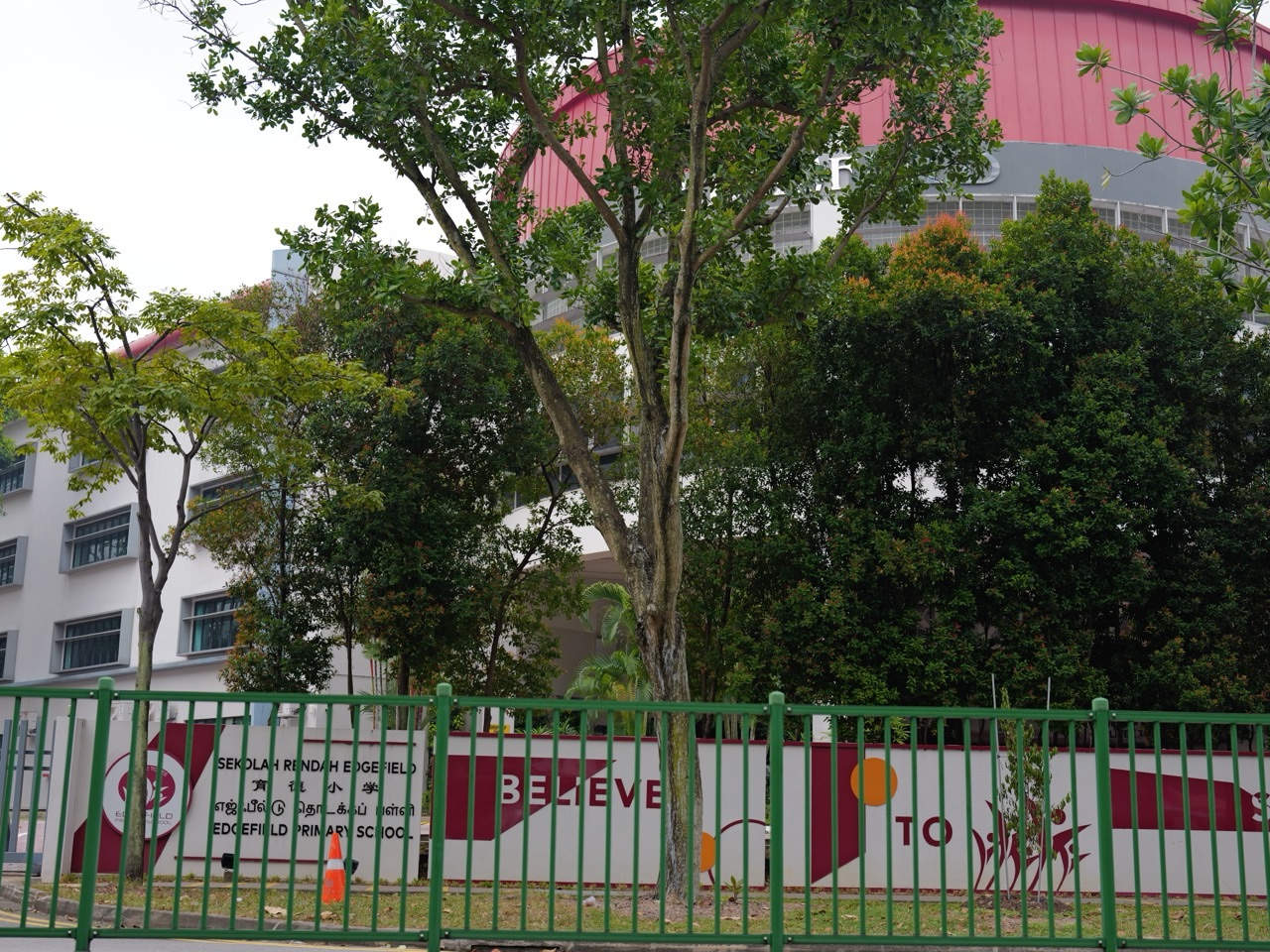
Schools and education at Punggol benefit from Parent Support Groups (PSGs) that bring caregivers and schools together for appropriate reading activities, school events, parent education and community support. Punggol Primary, Punggol Green Primary, Punggol View Primary and Edgefield Primary publish their own PSG invitations or activities. These opportunities are school-specific, and joining a PSG does not automatically provide admission priority, access to classroom records or authority over teachers. Families can support learning meaningfully even when they cannot volunteer during working hours.
This guide explains how parent volunteering works, which local school pages to consult, what roles may be suitable, and how to protect children’s privacy and safety. It distinguishes PSG participation from the separate parent-volunteer conditions used in some Primary 1 registration circumstances. The objective is responsible, manageable home–school partnership rather than a competition in committee titles or photographs. Parents should follow their child’s school’s current registration, volunteer approval and communication rules.
- PSGs support school–home partnership, not private teaching or admissions favours.
- Punggol Primary invites parents and caregivers through its 2026 PSG page.
- Punggol Green describes volunteers supporting learning journeys and commemorations.
- Punggol View publishes a caring-school partnership and official registration.
- Edgefield describes Buddy Reading, Mother Tongue Fortnight and school events.
- Joining one PSG does not enrol a caregiver in every Punggol school’s activities.
- Volunteers follow teacher direction, safeguarding and confidentiality requirements.
- Families unable to volunteer physically can still support children’s learning.
- Primary 1 registration phase eligibility must be checked separately with MOE.
- A good contribution is realistic, respectful and specific to a student-learning purpose.
Definition lock: Parent Support Group, school volunteering and official roles
A Parent Support Group is a school-related community of caregivers who partner with staff to support suitable learning and student development activities. School volunteering means carrying out an approved task within an institution’s permissions and safety procedures. An official role does not transfer a teacher’s authority or grant access to private student data. Primary 1 registration eligibility is an independent administrative matter governed by MOE’s current rules, not a benefit automatically attached to PSG membership.
Five questions before joining a Punggol school PSG
- Which school’s current PSG is being considered?
- What is the precise activity, educational purpose and time commitment?
- What application, approval and safeguarding arrangements apply?
- Who coordinates the volunteers and protects student information?
- Can the family participate sustainably without neglecting other responsibilities?

1. A Parent Support Group is a school partnership, not a private admissions service
A Parent Support Group, often shortened to PSG, brings caregivers and school personnel together to support children’s learning, wellbeing and participation in school life. Its activities may include events, reading support, community outreach or parent workshops. The school defines the actual opportunities and safeguards. A PSG is not a private tuition provider or a mechanism that automatically gives members authority over classrooms. The educational value comes from appropriate cooperation between families and school staff rather than from a volunteer’s title.
In Punggol, several schools have published dedicated PSG pages. Punggol Primary, Punggol Green Primary, Punggol View Primary and Edgefield Primary describe parent participation and the contributions they hope families will make. These pages show genuine local school-home partnerships, but their arrangements are not interchangeable. A family must use its actual school’s current joining process rather than assume that one Punggol-wide PSG operates across all campuses.
A practical volunteer choice
Parents have different amounts of time and different responsibilities outside school. A caregiver who works shifts or supports several children may contribute through ordinary home communication without joining an organising committee. A parent who has time to volunteer should understand what the role requires and whether it is suitable. School involvement should not become a prestige contest in which families are ranked by the number of event photographs they appear in.
One useful distinction is between volunteering for a school where the child is enrolled and qualifying for a Primary 1 registration phase that involves parent-volunteer criteria. Those are separate processes. An enthusiastic parent joining a PSG after their child has entered school should not assume that membership retrospectively confers admission priority or affects the next child’s eligibility. MOE’s current registration rules govern specific phases, dates, service conditions and eligibility.
Boundaries and a changed-context check
For a practical first step, ask the school which current parent-volunteer opportunities exist and what the educational purpose of each is. A reading session, event logistics or parent dialogue may require different preparation and permissions. The adult can then decide whether the commitment suits the family while respecting that teachers, not volunteers, retain responsibility for instruction and pupils’ safety.
For transfer, consider two fictional parents: one wants to contribute to a school literacy event, while another hopes PSG membership will guarantee a sibling’s future admission. Which question should each ask, and which official authority supplies the answer? The first concerns the school’s volunteer programme; the second concerns MOE’s registration rules.
2. Punggol Primary’s 2026 PSG invitation includes a broad understanding of caregivers
Punggol Primary School’s official Parent Support Group page, updated on 19 August 2026, invites parents and caregivers to join activities that support school life. Its introduction recognises the roles of parents, grandparents, extended family members and other reliable caregivers. This broader approach matters in a community where family arrangements differ. Participation should not be assumed to belong only to a parent who can be physically present during every weekday morning.
The invitation highlights a partnership between home and school. A parent who understands what a school is trying to teach can reinforce a related habit at home without duplicating the lesson. For example, a literacy event may encourage shared reading, while a school community day may help families appreciate how children participate in groups. Neither activity replaces the teacher’s professional judgement about an individual pupil’s needs.
A practical volunteer choice
The published school page establishes a route to explore PSG membership but does not guarantee that every applicant will be assigned a specific role or that all activities run every term. Families should check the current volunteer form, programme dates, approval conditions and any preparation needed. A title or archived photograph is useful context, not a promise of a new place in the organising team.
Parents who cannot attend may still support the school’s aims by reading official communications, keeping pickup arrangements accurate and maintaining a respectful dialogue with teachers. A partnership is not limited to physical event participation. Ordinary follow-through at home—helping the child prepare materials or reflect on one learning experience—can matter greatly without becoming visible in a volunteer roster.
Boundaries and a changed-context check
A common error is believing that joining an organised PSG grants access to private school decisions or student records. Volunteers operate within the permissions they receive; they are not entitled to classmates’ academic results, disciplinary details or healthcare information. A caregiver can contribute to a caring environment while maintaining appropriate professional and privacy boundaries.
For transfer, compare the school’s stated PSG invitation with a fictional event that requests a specific weekday commitment. Can the caregiver distinguish general membership from being approved for that particular activity? The school should clarify the latter rather than the parent infer authority from joining the group.
3. Punggol Green Primary shows how volunteers can support learning journeys and celebrations
Punggol Green Primary School’s Parent Support Group page, updated 31 July 2026, describes parents contributing time and talents to a nurturing home-school partnership. The school mentions activities such as Learning Journeys and festive and commemorative celebrations. These are examples of volunteer participation under school direction, not evidence that every parent will travel with a class or organise the same event.
A Learning Journey can involve school supervision, itinerary decisions and child-safety responsibilities. A parent volunteer may help with an approved supporting role but should not independently change a route, communicate private pupil details or decide which child can leave a group. The school will have procedures specific to the activity. Good intentions cannot replace training or authorisation. A parent can ask what the role covers and when a teacher must be consulted.
A practical volunteer choice
Commemorative celebrations may involve preparing materials, sharing cultural experiences or supporting logistics. Such activities can enrich the school community when they present different traditions respectfully and accurately. Volunteers should avoid treating one person’s custom as the only authentic version of a community. A school can help frame contributions in a way that supports its educational goals and respects diversity.
Public PSG photographs can show participation but cannot establish a causal effect on every child. A successful event may foster belonging or provide interesting experiences, yet it does not prove a guaranteed improvement in examination scores. Parents should think about what the activity invited pupils to learn, not only how many guests attended or how impressive the final group photograph looks.
Boundaries and a changed-context check
The school’s 2026 PSG page also describes leadership roles within the group. A parent considering a committee role should examine its administrative responsibilities, time requirements and communication expectations before volunteering. Coordination is useful when it helps the school and families, but a committee title does not grant authority to dictate classroom teaching or access confidential records.
For transfer, imagine a proposed heritage celebration where a parent wants to share a family experience. Which details should be checked with the teacher, and how can the presentation avoid making unsupported claims about everyone from that culture? The answer combines partnership, evidence and respect.
4. Punggol View Primary uses a PSG model focused on shared care
Punggol View Primary School’s Parents Support Group page, updated June 2026, invites families to register through the school’s official route. Its public explanation describes a partnership that seeks to create a caring environment, with the child’s development as the central focus. That is a useful reminder that the PSG exists to support pupils rather than to supply status or exclusive opportunities to adults.
A school’s PSG mission statement can be encouraging, but parents should also ask about the actual work. Does the group support reading activities, event logistics, parent education or communications? Which opportunities are open this term, and who coordinates them? The answers should come from the institution. Different schools may offer similar kinds of support while organising them differently.
A practical volunteer choice
Some families believe membership requires taking on a leadership role immediately. In practice, the school may offer several forms of engagement, and the family can consider what they can sustain. It is more useful to commit reliably to a small approved task than promise extensive help and repeatedly cancel at short notice. A clear understanding of the role protects both the child’s programme and the volunteer’s family time.
Parents should treat official sign-up links and QR codes carefully. A webpage may contain a legitimate registration route, but forwarded images can become outdated. Open the actual school page or approved communication before submitting names and contact information. Volunteers may need safeguarding declarations or administrative approvals that differ by school and activity. The school can explain those requirements.
Boundaries and a changed-context check
A child whose parent volunteers often may feel proud, indifferent or uncomfortable with the attention. Adults can let the pupil’s school experience remain their own. Avoid assuming that the parent will be assigned to the child’s class or can intervene in peer conflicts because they are a PSG member. The child deserves normal boundaries and independent relationships at school.
For transfer, present a fictional PSG registration message that requests a child’s detailed medical history on a public form. Which details would need verification and why? School volunteering should not be used as an excuse to collect unrelated sensitive pupil information.
5. Edgefield Primary’s Buddy Reading and Mother Tongue activities illustrate purposeful contributions
Edgefield Primary School’s official PSG page, updated August 2026, describes volunteers contributing to school programmes, national events and festive celebrations. Specific examples include Buddy Reading and Mother Tongue Fortnight. These activities show how school-home partnerships can support literacy and culture, but they do not establish that volunteers independently teach formal curriculum or assess individual pupils.
A Buddy Reading session may involve an adult reading with children, listening to an age-appropriate passage or encouraging a respectful conversation under school guidance. The activity should preserve the child’s opportunity to think and respond. A volunteer who supplies every answer or publicly ranks children may undermine the goal. Parents should ask which reading support methods and confidentiality conditions the school expects.
A practical volunteer choice
Mother Tongue Fortnight can provide opportunities to connect language with culture, storytelling or everyday expression. A parent may contribute authentic family experiences, but should avoid presenting one dialect, festival or tradition as the universal practice of every speaker. Teachers can align the contribution with appropriate learning aims, ensuring that students from different backgrounds can participate respectfully.
The school also recognises parents’ contributions to community events. Volunteering can involve preparation and coordination rather than direct work with children. Some roles may require less specialised knowledge but still depend on punctuality and compliance with school rules. A caregiver should know who supervises the task, which supplies are authorised and whether photographs or other records may be shared.
Boundaries and a changed-context check
An error occurs when a parent interprets participation in a reading event as permission to review the private reading levels of all children afterward. Academic information belongs to authorised school staff and the pupils concerned. Volunteers can reflect on the activity’s broad educational purpose without naming which students needed help or forwarding photographs of their work.
For transfer, imagine a volunteer is asked to support a bilingual storytelling session. Can the caregiver plan one age-appropriate story, seek teacher approval and prepare one thoughtful question without turning the experience into a test? That illustrates a constructive school partnership.
6. Volunteering must protect pupils’ safety, privacy and dignity
Schools are responsible for the safety and wellbeing of pupils during organised activities. Parent volunteers support programmes within the instructions and authority given by staff. A volunteer should know the boundaries before beginning: which rooms may be entered, who supervises pupils, what should happen if a child becomes distressed and whether the adult is authorised to photograph or accompany a particular group. The answer depends on the actual activity rather than a general PSG membership card.
An illustrative library event may have a teacher directing groups while a volunteer hands out books. If a child becomes upset, the appropriate action is to notify the teacher or designated school adult rather than take the pupil away independently. Similarly, an adult should not promise to keep an unsafe situation secret because they want the child to trust them. A helpful volunteer respects safeguarding procedures rather than improvising authority.
A practical volunteer choice
Privacy extends to conversations. During school activities, adults may notice a child receiving learning support or struggling with a task. Such information should not become a story told at dinner or circulated in a parent group. A volunteer’s opportunity to observe school life is not a licence to publish individual performance. Confidentiality supports trust and protects pupils whose families may never have joined the PSG.
Digital communication also needs boundaries. Photos of identifiable children, class timetables, gate arrangements or student contact details should not be published without the required permission. A parent volunteer should use the school’s official communication route for activity information rather than maintain an unofficial private pupil list. Even a joyful event can carry privacy implications when photographs are shared widely.
Boundaries and a changed-context check
A common mistake is believing that safeguarding rules are a sign the school distrusts parents. Clear roles can make volunteering safer and more effective for everyone. The school knows its building, pupils and activities; the family volunteer brings useful time, skills and community connection. Cooperation depends on knowing where each responsibility begins and ends.
For transfer, give a fictional situation in which a parent volunteer receives an unverified screenshot about a pupil’s disciplinary issue. Should they share it in the PSG chat? No. A responsible response protects privacy and redirects any genuine safety concern to the authorised staff.
7. Home–school partnership includes honest feedback without public confrontation
Parents need ways to raise questions about curriculum, wellbeing or programmes, and schools benefit from useful feedback. A PSG may offer community dialogue, while individual matters should follow the school’s confidential communication channel. A complaint about one child’s learning support should not be resolved through public discussion of the child’s records at a large meeting. The correct forum depends on the subject and the people affected.
An effective question names what the parent observed and what information is missing. ‘My child cannot tell which part of the homework is required’ is more actionable than ‘The school never communicates properly’. The school can clarify the task or point the family to a current official notice. A respectful tone does not mean avoiding difficult questions; it means making the issue specific enough to address.
A practical volunteer choice
Some school policies affect many families, and a PSG may help surface broad concerns. Yet a public group should distinguish evidence from speculation. Several parents repeating a rumour do not make it official. The responsible school can explain the actual rule, rationale and available feedback route. A group discussion can be useful when it preserves the dignity of staff and pupils and does not demand private information.
Parents should also model how to disagree respectfully. A child who sees adults attack teachers on social media may learn that an unexpected decision justifies public humiliation. A more constructive model is to ask for clarification, describe the practical effect and propose a reasonable solution. This demonstrates communication and civic responsibility without requiring a parent to abandon a legitimate concern.
Boundaries and a changed-context check
A PSG should not become a substitute for professional assessment or safeguarding action. When a child experiences persistent distress, serious bullying or a health issue, follow the appropriate school or professional route promptly. General parent discussion can offer community support but cannot diagnose a pupil or guarantee a remedial plan.
For transfer, compare two invented questions: one concerns the timing of a school-wide family event, and the other concerns a pupil’s confidential learning report. Which might be suitable for a general PSG dialogue, and which belongs to a private parent–teacher conversation? The distinction is essential.
8. Parents who work shifts or cannot volunteer still belong in the partnership
A family’s capacity to volunteer depends on employment, caregiving, health, transport and other circumstances. A parent who cannot attend weekday events is not less invested in their child. Home–school partnership can include reading official notices, responding to relevant consent forms, maintaining safe pickup arrangements and supporting learning routines. The school should not interpret physical attendance at a volunteer event as a universal measure of family commitment.
Grandparents and other caregivers may play important roles, but they also need to understand which actions require the legal parent’s authorisation. A caregiver can help the child prepare school materials or attend a permitted school activity, while sensitive government accounts and consent decisions may have specific rules. Families should follow the school’s access and safeguarding processes rather than share credentials informally.
A practical volunteer choice
An adult with limited time may contribute through one short event, a resource-sharing session or home-based preparation if the school offers such roles. Do not assume every PSG provides remote opportunities. The family can simply ask what commitments are available and decline politely when the task cannot be done reliably. Sustainable participation is more useful than an unrealistic promise of constant attendance.
Children may compare how often their parents appear at school. Adults can explain that families help in different ways without implying that one parent loves their child more. A pupil’s wellbeing benefits from consistent, respectful home involvement, which can occur without public recognition. The child should not be made responsible for persuading a busy caregiver to join every committee.
Boundaries and a changed-context check
Parent workshops or official resources can be valuable even for families who never volunteer directly. MOE’s Parenting for Wellness initiative includes parent resources and conversation tools, some distributed through school Parent Support Groups. These can prompt suitable discussions about emotional resilience, digital habits and family communication. They are not individual medical treatment or a requirement for proving good parenting.
For transfer, ask a fictional caregiver working rotating shifts to choose between an event they cannot reliably attend and a permitted short home task they can complete. A thoughtful answer values realistic contribution and clear communication, not an impressive title.
9. A fair PSG does not use awards, contacts or influence to rank families
Parent involvement can bring a sense of community, but it should not create the impression that volunteers receive privileged access to individual teachers, classmates’ records or admissions decisions. Volunteers should be able to support school activities without treating participation as a transaction for private advantages. A child’s educational opportunities must follow relevant school and MOE rules, not the number of people their family knows in a committee.
The Primary 1 registration system has distinct eligibility rules for specific phases. Parents who volunteer in an attempt to qualify for a future application must check the official criteria, required service and dates. Ordinary PSG membership and participation in the child’s existing school should not be represented as automatically satisfying those conditions. The responsible school or MOE can explain what applies to a particular registration situation.
A practical volunteer choice
Public celebration of volunteer contributions can be appropriate, but it should not become a scoreboard that embarrasses families who cannot participate. A parent who helped arrange one reading event may have made a real contribution. Another who supports the child at home every evening may be invisible to the PSG photographer. Both can matter to education, and neither guarantees a higher examination result.
An activity report should use accurate evidence. ‘Twenty volunteers helped with an event’ is a quantitative claim that should be verified before publication; ‘our PSG makes every student happier’ is a broad outcome statement requiring a different kind of evidence. Adults can model responsible communication by describing what happened and what they hope to improve without inventing metrics.
Boundaries and a changed-context check
Some caregivers volunteer because they genuinely enjoy meeting other parents or building relationships in the community. That is legitimate when school boundaries are respected. A good group can help families share general information, but should not become a source of gossip about children or a competition to influence the school. Trust grows when members recognise that their authority is limited and their purpose is shared.
For transfer, present a fictional PSG announcement claiming that all volunteer parents’ children will receive priority for a special school activity. What needs checking? A responsible parent consults the official criteria rather than relying on a forwarded promise.
10. A four-week volunteering decision can be simple, specific and reversible
Families considering PSG participation can start by identifying why they want to help. Is the goal supporting children’s reading, meeting other caregivers, assisting cultural programmes or understanding school operations better? A specific purpose makes it easier to select an appropriate opportunity and assess whether the commitment is realistic. The decision should not require the family to take on a leadership role immediately.
Next, read the school’s official PSG page and current communication. Check the joining process, role expectations, safeguarding conditions and event schedule. Where the page contains a registration link, verify that it belongs to the institution before submitting personal information. A public photograph of an earlier group does not prove that the same volunteer role is available this term.
A practical volunteer choice
During a first approved activity, follow the teacher’s and organiser’s instructions and observe where help is genuinely useful. A volunteer does not need to control every detail. Sometimes a small task—preparing materials accurately or greeting families at an appropriate point—makes the larger programme run more smoothly. That contribution can be meaningful without becoming a public claim about transforming the school.
Afterward, reflect on what was learned, what the adult could do reliably and whether another commitment would fit the family. Avoid posting private pupil information while describing the experience. A useful personal reflection may concern how much planning a school event requires or how the child responded to a general theme, without identifying another learner’s difficulties.
Boundaries and a changed-context check
Participation should remain subject to change when family responsibilities or wellbeing demand it. A reliable volunteer can give notice of an unavoidable absence and help the organiser adjust, rather than disappear or feel obliged to neglect urgent caregiving needs. School partnerships are meant to support family and student wellbeing, not undermine them through unrealistic expectations.
For the final transfer check, ask the parent to compare two new volunteer roles with different time requirements and safeguarding responsibilities. Can they choose one for a clear reason, identify what school approval is required and recognise what must remain private? That is a successful community decision.
Four-week family PSG decision sequence
Week one: read the actual school’s current PSG page and identify one purpose that interests the family. Week two: check time, permissions, child-safety conditions and the current school sign-up route. Week three: participate in an approved small task or use a suitable home-school resource. Week four: review whether the commitment was helpful and sustainable, without sharing identifiable pupil details. The sequence is an optional family planning example, not a promise of a PSG place or Primary 1 admissions eligibility.
Frequently asked questions
What is a school Parent Support Group?
A PSG is a school-home partnership through which parents and caregivers can support appropriate school activities, community relationships and family education under school guidance.
Does every Punggol school use the same PSG registration?
No. Punggol Primary, Punggol View, Punggol Green and Edgefield Primary publish their own participation routes and activities.
Can grandparents or other caregivers join?
Punggol Primary’s official 2026 invitation recognises a broad caregiver community. Individual volunteer eligibility and safeguarding conditions are set by each school.
Will joining a PSG guarantee Phase 2B Primary 1 admission priority?
No. MOE’s registration phases have distinct official rules. PSG membership should never be assumed to satisfy specific parent-volunteer requirements.
What types of events may volunteers support?
Schools describe opportunities including learning journeys, Buddy Reading, Mother Tongue activities, cultural celebrations and logistics, subject to current approval.
Can a PSG member see other pupils’ marks or medical records?
No ordinary volunteer entitlement should be assumed. Student information and school safeguarding rules must be respected.
Is volunteering compulsory for a good school-home relationship?
No. Caregivers can support learning through private communication, safe routines and appropriate participation without attending every event.
What should a parent do with a concern about a specific child?
Use the school’s confidential teacher or safeguarding channel instead of discussing another child’s personal details in a public PSG group.
Your Next Step
Open your own child’s school PSG page, choose one opportunity that fits your family’s time and strengths, and ask the school what approval and responsibilities it involves. If you cannot volunteer, remain involved through constructive parent–teacher communication and ordinary home learning. Protect student privacy and check MOE separately before making any claim about future admissions priority.
Official sources and related Punggol articles
- Punggol Primary School PSG, updated August 2026
- Punggol Green Primary PSG, updated July 2026
- Punggol View Primary PSG, updated June 2026
- Edgefield Primary Parent Support Group, updated August 2026
- MOE Primary 1 Registration Phases and Current Parent Volunteer Eligibility
- MOE Parenting for Wellness and Parent Support Resources
- Schools and Education at Punggol | Assemblies and Shared Values
- Schools and Education at Punggol | Learning Journeys and Reflection
- Schools and Education at Punggol | School Library Lessons
Editorial reference: 4 November 2026. Specific school PSG programmes and roles are attributed to official pages. All example scenarios are fictional. No role, admission priority or individual student outcome is promised.


