
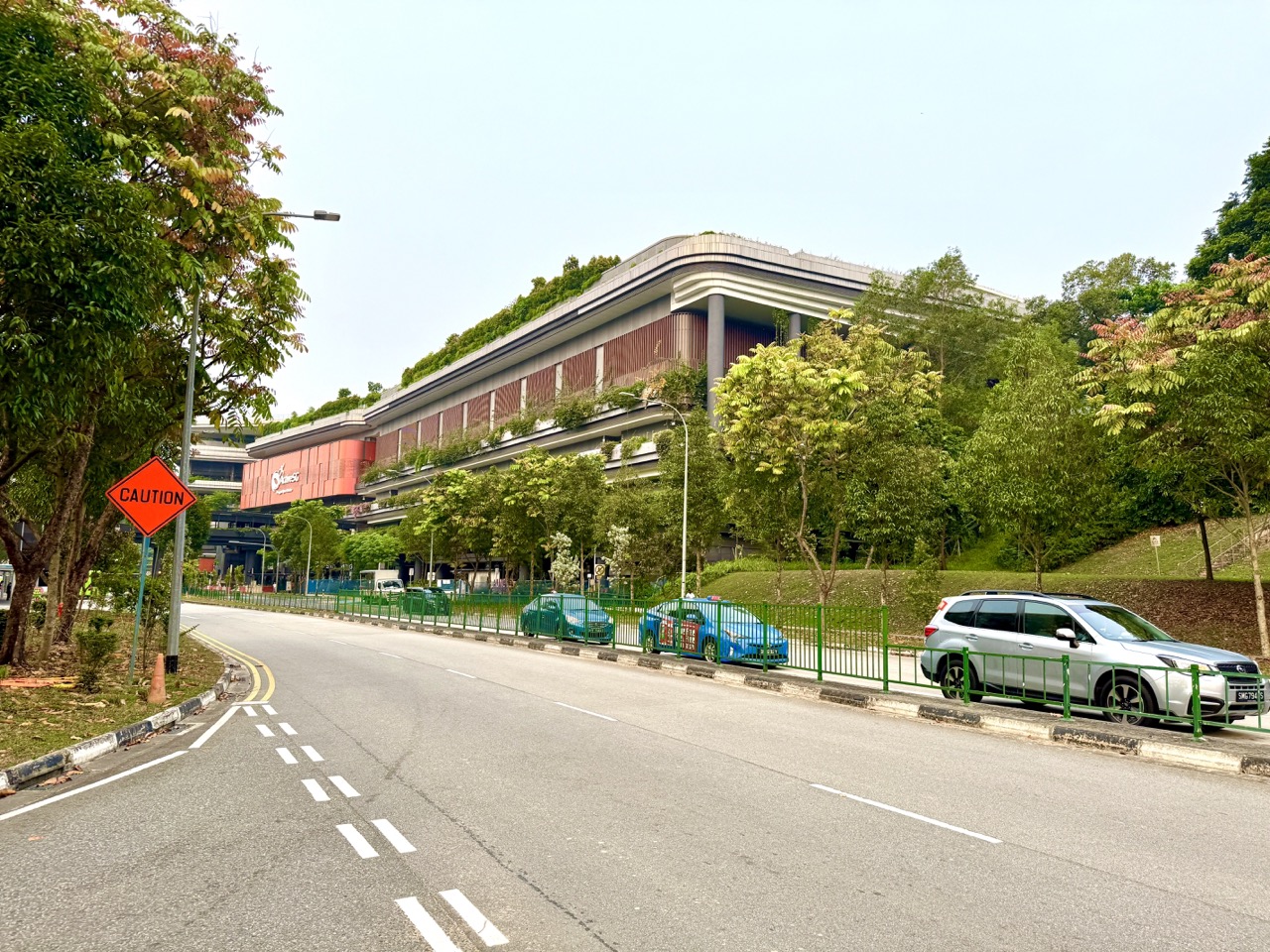
Punggol ActiveSG Gym is operating at Punggol Sport Centre, 11 Sentul Crescent, Singapore 828656, with published hours of 7am to 10pm daily. The new centre began a soft launch on 27 October 2026, and the introductory free-gym offer ended on 31 October. From 1 November, check the applicable regular admission or pass in MyActiveSG+ before visiting; the centre’s full official opening has been reported for 22 November 2026. A first gym session is therefore something residents can plan now, without waiting for the swimming complex to open.
For a useful first visit, arrive with one modest aim: learn where the cardio and strength equipment is, perform a manageable warm-up, practise a few controlled movements and leave feeling capable of returning. This guide explains the gym experience rather than promising a particular fitness result. It separates what is confirmed about the Punggol facility from general exercise guidance, and it does not assume that a photographed or planned part of the wider sport centre is already open for public use.
- Place: Punggol ActiveSG Gym, Punggol Sport Centre, 11 Sentul Crescent, Singapore 828656.
- Published gym hours: 7am–10pm daily, subject to closure announcements and operator changes.
- Status on 1 November 2026: gym soft-launched; the free-entry promotion ended 31 October; reported full centre opening is 22 November.
- Starting point: view the official gym page, check crowd information and confirm the applicable entrance pass on MyActiveSG+.
- Bring: suitable sportswear, covered sports shoes, water, towel, payment/account access and any prescribed necessities.
- First workout: easy warm-up, a few beginner-friendly exercises, comfortable cardio and a calm finish.
- Keep separate: the swimming complex, stadium and specialist facilities have their own public-opening and booking conditions.
- Official links: https://www.activesgcircle.gov.sg/facilities/punggol-activesg-gym and https://activesg.gov.sg/.

A new neighbourhood gym, and the important difference between a gym and the whole complex
The name Punggol Sport Centre covers much more than one workout room. Public reports describe indoor halls, sheltered courts, a football stadium, a swimming complex, fitness studios and water-sport facilities around the regional development. That scale is exciting, but it also creates an avoidable mistake: people may hear that the centre has begun operating and assume every part has started admitting visitors. The gym has its own official facility page with current operating hours; the first-time gym visitor should use that page rather than a general artist’s impression or an older construction update. A gym pass is not a swimming reservation, and a sports-hall booking is not permission to use fitness equipment. Treat each activity as a separate service with a separate operator listing.
The distinction matters for families organising a weekend. Imagine a parent tells the children, ‘We’re going to the new sports centre; you can swim while I exercise.’ The adult may arrive to find that the gym is operational but the pool has no public session available. A small piece of verification prevents that disappointment. Confirm the gym’s availability, check any closure notice, then decide what the rest of the family can actually do. If the day includes a walk along the public waterway, make that an independent part of the outing rather than assuming access to the sports centre’s controlled areas. An honest plan contains one confirmed activity and a flexible second choice.
The first question is not which machine looks impressive
A successful first workout is not a demonstration of strength. It is a small lesson in using a shared fitness environment. Before going, choose a measurable but gentle objective: perhaps walk comfortably for ten minutes, learn two basic machine settings, practise how to adjust the seat safely, or find a movement that feels pleasant enough to repeat next week. The goal should tell you what to do when you reach the gym, but it should not require you to compete with the people already there. The regulars may lift heavier weights or move much faster because their bodies and routines are different. Your first session should answer, ‘Could I return and do this again?’ rather than, ‘Did I make everyone notice me?’
For people returning after years of inactivity, the first win can be learning the layout. For someone who already cycles along Punggol Waterway, it may be discovering strength training to complement cycling. A secondary-school student may need to learn safe form, age-appropriate supervision and patience more than the latest exercise trend. A senior may want improved confidence when standing, walking and carrying groceries. These are different jobs. The shared mistake is treating every visitor as though they arrived to build maximum muscle. Define the personal job first, and the machine choices become much less mysterious.
Check admission and crowd levels before leaving home
The official ActiveSG Circle listing identifies the Punggol gym and its daily operating hours. MyActiveSG+ is the platform for passes, bookings and member transactions. The free 27–31 October introductory offer should not be treated as an ongoing entitlement on 1 November. Reported ordinary rates for Singapore citizens and permanent residents start at S$2.50 per adult entry and S$1.50 for eligible students or seniors, with concessions and pass schemes subject to current official terms. Do not make a long journey based solely on a screenshot of a temporary promotion. Read the live price and eligibility information in your own account before paying.
Crowding can change the character of a session. A newcomer may prefer quieter periods because equipment is easier to inspect, staff questions may be simpler and there is less pressure to hurry between exercises. That does not mean a quiet gym is guaranteed at any particular hour; early-morning and after-work habits vary. Consult the ActiveSG gym capacity information, then choose a time with some margin for an ordinary queue. Remember that a displayed crowd estimate is a snapshot, not a personal booking for a treadmill. If the cardio equipment is busy, use a different safe movement or make your session shorter. Flexibility prevents a full gym from turning into a failed workout.
What to pack for an uncomplicated visit
You need fewer items than sports advertising might suggest. Covered training shoes, comfortable clothes, a bottle of water and a small towel cover much of the practical preparation. Have the account or admission method required for entry ready, and keep your belongings secure according to the facility’s posted rules. Bring any inhaler or other medication that has been prescribed for you, and follow your own healthcare guidance. Avoid valuable jewellery and loose accessories that can catch on equipment. If you use glasses, hearing aids or other supports, plan a sensible way to keep them safe rather than trying to exercise without what helps you navigate confidently.
A simple pack also helps with consistency. Place a clean shirt and socks in the bag if you are returning to work or school; include a small plastic bag for damp clothing if needed. Do not carry large meals or leave food on machines. Hydrate normally rather than forcing yourself to drink an arbitrary quantity. If you have young children accompanying you on the journey, check the gym’s age and supervision rules before assuming they may enter. A public gym is a working exercise environment, not a childcare space. The easiest bag is one that supports the session without requiring constant attention.
The first ten minutes: arrive, orientate, observe
At the entrance, check the signs for lockers, changing areas, machine rules and any staff instructions. Make sure you are at the gym rather than a sport hall or studio, because the larger Punggol centre contains multiple facilities. Instead of heading immediately for a weight machine, walk through the usable areas without obstructing anyone. Identify the cardio equipment, resistance machines, free-weight area, space for stretching if provided, and where cleaning materials are kept. Notice how people queue and how they signal that a machine is in use. If a control or setting is unclear, ask facility staff for guidance within the scope of their role.
The orientation changes your emotional experience of the gym. Much of a beginner’s anxiety comes from not knowing the unspoken rules. Which seat moves? Where should a bag go? Is it acceptable to wait beside a machine? Can two people alternate? These are ordinary questions, not signs of incompetence. Take time to read the instruction diagram attached to equipment and understand the path of movement. Avoid copying a stranger’s routine because you cannot see their training history or health constraints. Your first ten minutes should make the next thirty minutes safer, not simply consume calories.
Warm up without exhausting yourself
A warm-up is preparation, not a secret competition. Begin with several minutes of comfortable walking or cycling, then practise gentle movements through a range you can control. The purpose is to increase comfort, notice how your body feels that day and prepare for the exercises you selected. You do not need complicated stretches or impressive speed. A warm-up that leaves you panting can make the next task harder, especially if you are new. Keep your breathing steady and stop for unexpected dizziness, chest discomfort or unusual breathlessness. Such symptoms require appropriate medical attention rather than determination to finish the workout.
Use the warm-up as a check-in. Did you sleep poorly? Are you recovering from illness? Do your knees or shoulders feel different from usual? An answer may call for a lighter plan or no workout. The gym does not award extra credit for ignoring a warning. If everything feels normal, move into the main session with confidence. If one movement feels uncomfortable, do not force it because your schedule lists it. Preparation is also a decision-making skill. You are learning how to choose effort based on the body you brought today, not the routine you imagined yesterday.
Start strength work with control instead of load
Resistance training can involve selectorised machines, bodyweight movements or free weights. For a novice, a machine with an understandable path may make it easier to learn one joint action at a time, although good setup still matters. Adjust the seat and range according to the instructions, select a manageable resistance and rehearse the movement slowly. If the exercise demands that you jerk, twist or hold your breath simply to move the weight, it is not the right starting load. Use a range you can control, with enough energy left to stop deliberately rather than dropping the handle at the end.
Think about movement patterns rather than collecting fashionable exercise names. A pushing movement, a pulling movement, a lower-body movement and a safe trunk-stability exercise may provide a useful foundation when appropriate for the person. But every exercise is optional: an injury, disability, age-related need or medical recommendation can change the plan. A qualified professional may help design adaptations. Do not turn general article advice into a personal medical prescription. What matters in the first session is learning to make a movement repeatable, recognising the difference between normal effort and pain, and leaving room for tomorrow’s ordinary activities.
The difference between tired and injured
Muscles can feel challenged during moderate exercise, and fatigue is one reason people need recovery. Sharp pain, sudden joint pain, numbness, faintness, severe breathlessness or chest symptoms are not targets to chase. Stop, make the area safe and seek suitable assistance. A fitness article cannot diagnose the cause of symptoms, and a new venue does not change that limitation. Even familiar exercises can become problematic if a person increases intensity too rapidly, ignores technique or tries to train through illness. The ability to stop responsibly is part of competence in the gym.
A practical beginner uses a simple internal test: can I breathe normally enough to stay aware, keep a controlled movement and stop without losing balance? That test is not a substitute for clinical advice, but it encourages restraint. You might finish a set feeling you could have completed a few more correct repetitions. That is often a more sustainable first experience than struggling through the final movement. Record what felt easy and what needs clarification. Progress is not simply adding kilograms. It also includes smoother technique, better awareness, more consistent attendance and an increased ability to judge your own limits.
A thirty-minute first visit that has a clear beginning and end
A short visit can be highly productive when its purpose is sensible. Spend the opening five to seven minutes on easy movement and orientation. Use ten to twelve minutes for two or three carefully selected resistance exercises, with deliberate rests and time to adjust equipment correctly. Spend the next eight to ten minutes on comfortable cardio, then finish by allowing your breathing and pace to settle. These times are examples, not mandatory exercise prescriptions. Anyone with relevant health concerns should follow individual advice, and a person who feels unwell should shorten or stop the session.
The point of a thirty-minute plan is that it fits real life. A parent can train between errands; a worker can avoid turning one visit into an entire evening; a student can gain familiarity without exhausting themselves before homework. When you finish, wipe down equipment according to the facility’s rules, return any movable items and clear the space. Write down one thing you learned. Perhaps you adjusted the bike correctly, found a comfortable treadmill setting or discovered that you need help with a particular weight machine. That note gives your next visit a direction instead of making every session feel like starting over.
A forty-five-minute session for someone who already exercises
People who have been walking, cycling or doing home workouts regularly may want a little more practice. A reasonable structure might contain a longer easy warm-up, a small group of pushing, pulling and lower-body patterns, comfortable aerobic work and a brief finish. Keep the number of exercises manageable. More movements are not necessarily better if you rush setup or abandon form. Where appropriate, vary the sequence across visits so that a single machine being occupied does not derail the whole routine. A longer visit should increase useful practice, not inflate the workout with unnecessary complexity.
The person who arrives from an established running or cycling habit may already have cardiovascular endurance but little familiarity with resistance equipment. That difference is worth respecting. Strong cycling legs do not automatically guarantee correct squat or hinge mechanics, and a confident runner may still be uncertain about a rowing machine or a lat-pulldown. Practise unfamiliar movement slowly. Compare your progress with your own baseline. A good first month could mean understanding three machines, using them comfortably and learning what loads remain controllable. That is real progress even if nothing about it looks dramatic in a photograph.
Using cardio machines without getting trapped by numbers
Treadmills, stationary bikes and other aerobic machines can support different activities, but a displayed calorie number is usually an estimate. It is not a judgement of your worth or a promise about body composition. Choose a pace that suits your present ability, keep awareness of the stop control and avoid unsafe distractions. On a treadmill, start at an easy speed and let your balance settle before changing pace. On a bike, adjust the seat so the pedalling action feels controlled. On other machines, read the operating diagram and ask for help with unfamiliar controls.
A beginner can use time and comfort as practical guides. Five comfortable minutes followed by a short rest may be more useful than attempting twenty hurried minutes. If you are returning from a long break, a regular short visit can build confidence without making the day after exercise miserable. A person who likes music may listen at a volume that still allows awareness of staff instructions and surroundings. Avoid filming other gym users. A machine is part of a shared public place, not a private stage. Treat other people’s exercise and privacy with the same respect you would want for your own.
Learn the etiquette that makes shared facilities pleasant
Return weights and accessories to their proper positions, avoid occupying equipment while browsing a phone and clean contact surfaces in line with posted instructions. If someone asks whether you have finished a machine, answer clearly. If two visitors want to alternate, first check that changing the equipment is safe and that both understand the arrangement. Do not leave dumbbells or bags in walkways. Avoid standing in another person’s lifting space because they need room to move and put equipment down safely. These habits protect both the visitor and the equipment.
Good etiquette includes recognising that people exercise for many reasons. A senior working carefully on balance, a young adult learning a movement and an experienced athlete doing a demanding set all belong in the same public environment. Do not offer unsolicited technical corrections to strangers, especially when you do not know their history. Do not take photographs that include identifiable people without their consent. The newness of the Punggol facility may attract visitors who simply wish to look around; they should not obstruct users. The centre becomes a better neighbourhood asset when its daily users practise quiet cooperation.
The busy-hour plan: what if your chosen machine is taken?
A full gym rewards flexible planning. Rather than guarding a particular machine, write down the movement you intended. If you wanted easy cardio and every treadmill is occupied, another appropriate aerobic option may serve the same purpose. If a resistance machine is unavailable, use the waiting time for a light recovery period or move to a different planned exercise. Do not improvise with unfamiliar heavy free weights simply because they are free. A replacement should match your ability and training objective, not just an empty patch of floor.
For a family trying to fit exercise into a crowded schedule, a backup is especially helpful. Decide beforehand that your visit can end after thirty useful minutes even if some equipment is unavailable. A shorter successful session is preferable to an hour of irritation. If crowding repeatedly makes the gym unsuitable at your preferred time, compare another slot or consider a safe home exercise routine for that day. The new centre offers choice, not an obligation to be there whenever everyone else wants to attend. Consistency often depends on avoiding unnecessary friction.
How Punggol students can think about gym fitness
A student may associate gym training with sport performance, appearance or social-media transformations. These motivations deserve careful discussion. The first purpose should be safe movement and sustainable habits rather than comparison with adults. Check the operator’s age and supervision rules, and do not assume that a younger child may enter the gym simply because an adult is present. Where strength exercise is appropriate, technique, sensible loads and appropriate coaching matter more than maximal lifts. School PE, sleep, meals and recovery remain important parts of a healthy routine.
A student who has an upcoming examination may also need a small, realistic time budget. Exercise can provide a positive break, but a complicated workout schedule can create its own stress if it competes with study and rest. A short, planned visit after school may be easier to sustain than a late-night session that reduces sleep. Parents can help by asking what the student learned about safety and consistency rather than asking how much weight they lifted. A sports centre should support a young person’s overall development, not replace it with a narrow pressure to perform.
Training as an older adult: preserve independence, not bravado
Many older residents are interested in feeling steadier on stairs, carrying shopping comfortably or being able to enjoy a long walk with family. These everyday activities can make movement training meaningful. An older beginner might benefit from comfortable cardiovascular activity, supervised strength work and balance practice selected for their ability. But age is not a single fitness category: people differ in experience, medication, health and confidence. For someone living with a relevant medical condition or a recent change in symptoms, professional advice can help determine safe activities.
Do not assume that every exercise is appropriate simply because the gym provides the equipment. A seat that is hard to reach, a movement that requires precarious balance or an unfamiliar load can be unsuitable. Ask about appropriate accessibility and support rather than forcing the body into a configuration it cannot manage safely. A successful visit may mean a gentle session that leaves plenty of energy for the rest of the day. The objective is independence across months and years, not applause for an unusually hard afternoon. When a plan is sustainable, the gym becomes part of normal neighbourhood life.
A gym visit is not the same as a personal coaching appointment
A public gym supplies space and equipment, while a qualified exercise professional can help assess training technique and programme design. These services should not be confused. General operating staff can clarify facility rules or the location of resources, but they should not automatically be assumed to provide a tailored medical or coaching assessment. If you have never learned an exercise, consider an appropriate introductory session or verified coach rather than copying random demonstrations. Check the current programme listing because classes may have their own registration process and may not be included in ordinary gym admission.
The distinction also matters when travelling with a friend. Someone who trains regularly can offer encouragement, but their programme is not necessarily suitable for you. If they invite you to match their weights, decline politely and choose your own load. A useful training partner respects the other person’s pace and objectives. The best support may be as simple as sharing transport, reminding each other to arrive and keeping sessions pleasant. Your first visit is an opportunity to learn how to choose, not to surrender your judgement to someone who appears more experienced.
What a practical four-week beginner progression might look like
The first week can be about learning the entrance process, gym layout and a small set of easy movements. In the second week, repeat those same basics and notice whether setup takes less time. In the third, consider a modest increase in duration or controlled repetitions only if the existing work feels comfortable. In the fourth, review consistency, technique and recovery before deciding whether to change anything. This is an example of a reflective process rather than a prescribed frequency or progression. Individuals with medical considerations should take guidance appropriate to their circumstances.
A training diary can be extremely simple. Record the date, the exercise, the setting or resistance, whether it felt comfortable and one adjustment for next time. You do not need a paid app or a complex performance graph. The diary protects against two common problems: forgetting what you did and increasing effort only because you are impatient. If the same small routine becomes easier, that is useful evidence. If a movement repeatedly produces discomfort, stop and obtain suitable guidance. A four-week plan works when it encourages better decisions, not when it forces every visitor to progress on an identical timetable.
The difference between exercise and a fitness sales pitch
A new facility often attracts excitement, photography and ambitious plans. There is nothing wrong with enthusiasm. The problem begins when the venue’s appearance turns into an implied guarantee of faster results. A large building and new machines cannot eliminate the need for sleep, gradual adaptation, sensible nutrition and consistency. A one-off hard workout is not a substitute for a manageable routine. Neither a smart watch nor a gym machine can decide every question about health or training for you. Use readings as context, not as an infallible authority.
Beware of claims that a particular machine can melt fat from one body part, that a beginner must train daily or that painful exhaustion is the only effective session. Those claims oversimplify a complex process. More important is learning an appropriate range of exercise, building confidence and returning safely. The gym’s greatest value to Punggol may be that it lowers the practical friction of activity: residents can train near home rather than adding a long journey. But even that benefit matters only when people feel welcome and understand how to use the space responsibly.
Choose a route from Punggol without confusing nearby destinations
Punggol Sport Centre is at 11 Sentul Crescent, beside the Punggol Waterway area and close to SAFRA Punggol. Sam Kee LRT and the broader Punggol MRT/LRT network help people plan the public-transport journey; the exact path depends on the entrance and accessibility route being used. Check an up-to-date map rather than assuming that the same entrance serves the community hub, SAFRA and the sport centre. A route to SAFRA Splash @ Kidz Amaze is not necessarily a route to the gym reception. Carry the full venue name and postcode when meeting friends.
Allow extra time for the first arrival because unfamiliar multi-use buildings can require several direction changes. Look for signs marked Punggol ActiveSG Gym; public reporting places it on Level 2, but onsite signs should govern. If you cycle to the area, use designated bicycle parking and secure the bicycle without blocking the public path. If arriving with someone who needs an accessible route, inspect the operator’s available accessibility information and choose lifts or step-free paths where provided. The journey is part of the exercise habit: an accessible, low-stress route makes a repeated visit more realistic.
The family schedule: a gym session should fit the household
One adult may want to exercise while another supervises children elsewhere, but this requires two confirmed plans. Never assume children can wait unattended in the gym or beside a pool that has not opened. If the household is visiting the nearby waterway or community hub, agree on a safe meeting point and a practical time before separating. Think about toilets, weather, food and the trip home. The gym session should not create a childcare problem or leave another family member responsible for an outing they did not agree to manage.
Family fitness can also involve activities outside the gym. A walk along a legal public route, a gentle cycle on designated paths or a community sports session may be more suitable for some family members. That does not reduce the value of the gym; it simply recognises different ages and needs. An excellent family day might involve one adult’s short gym visit and a separate shared outdoor walk afterward. The key is not to claim all the sports-centre facilities are interchangeable. Choose the venue for the activity, then choose the activity for the people.
Rain, haze and sudden schedule changes
An indoor gym can be an option when rain interrupts outdoor plans, but it is not completely independent of weather or operating conditions. The centre may announce closures, and journeys through outdoor connectors can still involve heavy rain. Haze can affect general exercise decisions, particularly for vulnerable groups; follow current public-health guidance and personal medical advice. Do not assume that moving indoors automatically makes vigorous exercise appropriate for everyone on a poor-air day. A safer change of plan may be lower intensity, a different day or rest.
The other variable is daily life. If work runs late or the child needs attention, it can be sensible to shorten a session instead of abandoning the whole week’s exercise habit. Five or ten minutes of comfortable movement may still have value. Equally, a person who is unwell should not treat the monthly pass as a reason to attend. The gym is available to support life; life does not need to be reorganised around a payment already made. Flexibility, when guided by safety and realistic goals, is what keeps a new routine going after the opening-week excitement.
What to do after your first workout
Give yourself a brief review before leaving. What equipment did you understand? Which movement was uncomfortable or confusing? Would a different arrival time make the next session easier? Check that your personal belongings are with you and that any equipment is left tidy. Plan a suitable recovery period, hydration and ordinary food rather than reaching for miracle supplements. You do not need to publish workout photographs or statistics to prove the session happened. A private note and a decision about the next safe step are enough.
A good return plan is specific but forgiving: choose another feasible day, keep one familiar part of the routine and identify one new thing to learn. If a machine felt difficult to adjust, read its instructions again or seek suitable help. If the gym felt crowded, investigate a different time. If the visit was enjoyable, remember what made it enjoyable. The first session is not the foundation because it is hard. It is the foundation because it teaches you how to return. That is the most valuable thing a neighbourhood gym can offer a beginner.
Real Punggol situations: choosing the right workout for the day
A parent with only half an hour
A parent leaves home with a short window between school pick-up and an evening obligation. Trying to complete a full social-media routine would create unnecessary stress. A better visit starts with admission arranged in advance and a small plan: warm up, practise two familiar movements, complete easy cardio and finish on time. The parent checks the crowd tracker before leaving, carries the essentials and has a backup if the chosen equipment is occupied. Success means the workout fitted the household without leaving another person scrambling to collect a child. It is a repeatable local routine, not an exceptional event.
A polytechnic or university student who has never lifted weights
The student is curious about the new Punggol gym but does not know how to select a training load. A sensible first visit focuses on learning setup and control. They observe machine diagrams, choose easy settings and avoid copying advanced barbell demonstrations. They check relevant age, membership and pricing conditions rather than assuming student status guarantees a particular concession. A qualified introductory coaching session may be worthwhile if technique remains unclear. The student’s progress is recorded as comfort with basic patterns, not as a single impressive weight. Consistency matters more than a dramatic opening-week photograph.
Two friends at different fitness levels
One friend runs regularly while the other has barely exercised for months. They can arrive together and encourage each other without doing identical workouts. The runner might use comfortable cardio and familiar strength work; the beginner might spend more time orientating and using lighter resistance. They agree not to shame or rush each other. If equipment is busy, they adapt independently. Afterward they compare what each learned rather than who burned more calories. Sharing a trip can make attendance easier, but friendship should improve safety and motivation rather than create pressure to keep up.
A senior returning after a long break
A resident wants to feel more confident with everyday movement but worries that the gym may be full of young, experienced people. The visit can begin at a quiet time with an orientation and very modest objectives. Appropriate professional advice may be needed because existing health conditions and medications can affect exercise choices. The resident considers accessibility, rest and control rather than machine count. The achievement might simply be a comfortable short walk on suitable equipment and a clear understanding of where to ask a question. Having a feasible next step is more valuable than leaving exhausted.
An office worker who arrives during a busy period
The worker has forty minutes before dinner and finds a queue for the treadmill. Instead of insisting that the entire workout depends on one device, they begin with a controlled alternative suited to their goals or wait without blocking other users. They have already prepared a short list of movements and can skip an occupied station without improvising something unsafe. They keep phone use brief and do not occupy a machine between long messages. If the session becomes too crowded, they finish early and revisit the timing next week. A good plan survives ordinary operational friction.
A resident who cycles the waterway
The cyclist already has a pleasant aerobic habit but wants to learn resistance training. They avoid treating cycling endurance as proof they can handle demanding strength exercises. They choose simple movement patterns, learn setup and start with light resistance. The gym is not competing with the waterway: it is another way to be active, especially when outdoor weather is poor. The resident records how the two activities fit together and preserves recovery time. There is no need for two exhausting sessions on the same day to make either count. A more varied week can still be a simpler week.
A beginner who feels embarrassed
The visitor sees experienced lifters and assumes everyone is watching. They shift attention to concrete tasks: find a machine, read its adjustment instructions, rehearse a light movement and put everything back neatly. Nobody needs to know the visitor’s personal goals. If a question is necessary, they ask politely rather than pretending to understand a control. They avoid filming others and expect the same respect for their own privacy. A short, calm session with three things learned is a stronger first experience than a long one spent worrying about appearance. Confidence often develops through repeated familiarity.
Someone returning after illness
A resident has recovered enough to think about exercise but still feels uncertain about energy and symptoms. The gym’s availability does not settle medical readiness. They consider professional advice where appropriate and choose rest or a very cautious return instead of trying to recover lost training time in one visit. Any concerning symptoms mean stopping. They do not view a paid pass as a reason to ignore warning signs. When returning is appropriate, the early objective may be comfortable movement and observing the body’s response. Fitness is a long-term relationship, not a debt that must be repaid after time off.
A neighbour who wants to build a routine
This resident has bought gym passes in the past but seldom used them. Instead of making an ambitious seven-day schedule, they pick a realistic arrival window, pack the bag ahead of time and use the same two or three familiar movements initially. They record each visit and adjust obstacles one by one: the first week it may be traffic; the second, crowded machines; the third, uncertainty about technique. They treat the solutions as part of training. The nearby Punggol location can reduce transport friction, but consistency is built by a reliable plan rather than the novelty of the building.
A family tempted by the new pool photographs
Parents see images of the infinity-style pool and assume a gym visit can be paired with immediate public swimming. They verify that the swimming complex has its own opening and ticketing status before telling the children. They distinguish published architectural features from public access. They may schedule an adult gym session now and save the swimming trip until the operator confirms pool entry. This small distinction protects trust: children learn that a building can be physically ready in some areas and still be opening other areas in phases. A reliable family outing is based on current access, not an attractive picture.
Someone managing a very tight budget
A visitor wants to know whether a per-entry pass or a recurring gym scheme is better. Rather than buying the longest available product, they estimate realistic attendance. A low-frequency beginner might prefer single visits, while a frequent user can compare official pass terms and validity. They check concessions and eligibility without assuming every listed rate applies to them. The choice also depends on transport cost and time; even a low entry fee is wasteful if the plan is difficult to use. The cheapest realistic routine is one the person can maintain and benefit from, not necessarily the largest advertised discount.
A visitor with an accessibility concern
The visitor wants to know whether the route and equipment arrangement suit their mobility needs. They check official accessibility details, choose a suitable approach and consider speaking to the centre about practical support. A building being new does not guarantee that every exercise station will work for every body. They do not force an unsafe transfer or attempt a machine whose adjustments are unsuitable. If a particular movement is inaccessible, an alternative activity or qualified support may help. The decision is based on independence and safety, not on proving that they can use every device. The visit remains worthwhile even when the final plan is different from the original.
Frequently asked questions about Punggol ActiveSG Gym
Is Punggol ActiveSG Gym already open on 1 November 2026?
Yes. SportSG lists the gym at 11 Sentul Crescent as operating daily from 7am to 10pm, subject to current closures. The centre began a soft launch on 27 October. Its reported full official opening on 22 November concerns the broader centre and should not be confused with the gym’s existing availability.
Is entry still free?
The advertised introductory free-gym period was 27–31 October 2026. That offer has ended as of 1 November. Check the current entry pass and any applicable concessions on the official MyActiveSG+ service rather than relying on opening-week social posts.
Do I need to book a treadmill?
Ordinary gym admission is not the same as booking an individual machine. Users share equipment subject to gym rules and capacity. Check the operator’s current entry process and capacity information before your visit.
What if I have never used strength machines?
Begin with orientation, low resistance and controlled movement. Read instructions and seek qualified guidance where necessary. Avoid copying someone else’s weights or attempting unfamiliar advanced lifts.
Can I bring children inside?
Check the gym’s current minimum-age, supervision and entry rules directly with ActiveSG. Do not assume a ticket permits children to wait in the workout area unsupervised.
Is the swimming pool also available?
The swimming complex has a separate operational status. Reports during the late-October soft launch indicated that the public pools were not yet available. Verify the official pool listing before promising a swim.
Is a longer session always better?
No. A short session with a manageable goal and safe execution can be more useful than an exhausting visit that is difficult to repeat. The correct duration depends on the visitor’s ability and circumstances.
What should I do if all the equipment I want is occupied?
Use a safe equivalent aligned with your purpose, wait politely, or shorten the session. Do not borrow an unfamiliar heavy exercise merely because it is available. Respect other users’ booked or occupied space.
What if exercising causes pain or unusual symptoms?
Stop the activity. Concerning symptoms such as chest pain, faintness, severe breathlessness or unusual neurological symptoms require appropriate medical attention. General online advice is not a substitute for clinical assessment.
How do I make a gym habit stick?
Start with a feasible arrival time, a short routine and a simple record of what you learned. Adjust one obstacle at a time and prioritise rest, comfort and consistency over dramatic promises.
Sources, updates and your next step
This guide is written for 1 November 2026. Check the official Punggol ActiveSG Gym facility page for address, hours and closures, the MyActiveSG+ booking and pass platform for live admission terms, and the ActiveSG guide to the platform for how the service works. The 27–31 October 2026 soft-launch promotion and 22 November official-opening announcement were reported by AsiaOne on 29 October 2026. For wider estate context, see eduKate Punggol’s regional sport centre guide, bearing in mind that its September opening-status snapshot predates the late-October soft launch.
Your next step is deliberately simple: check the official listing, select an affordable admission option, choose an achievable short workout and visit with enough spare time to learn the space. Enjoy the new facility. Then make your second visit easier than your first.


