
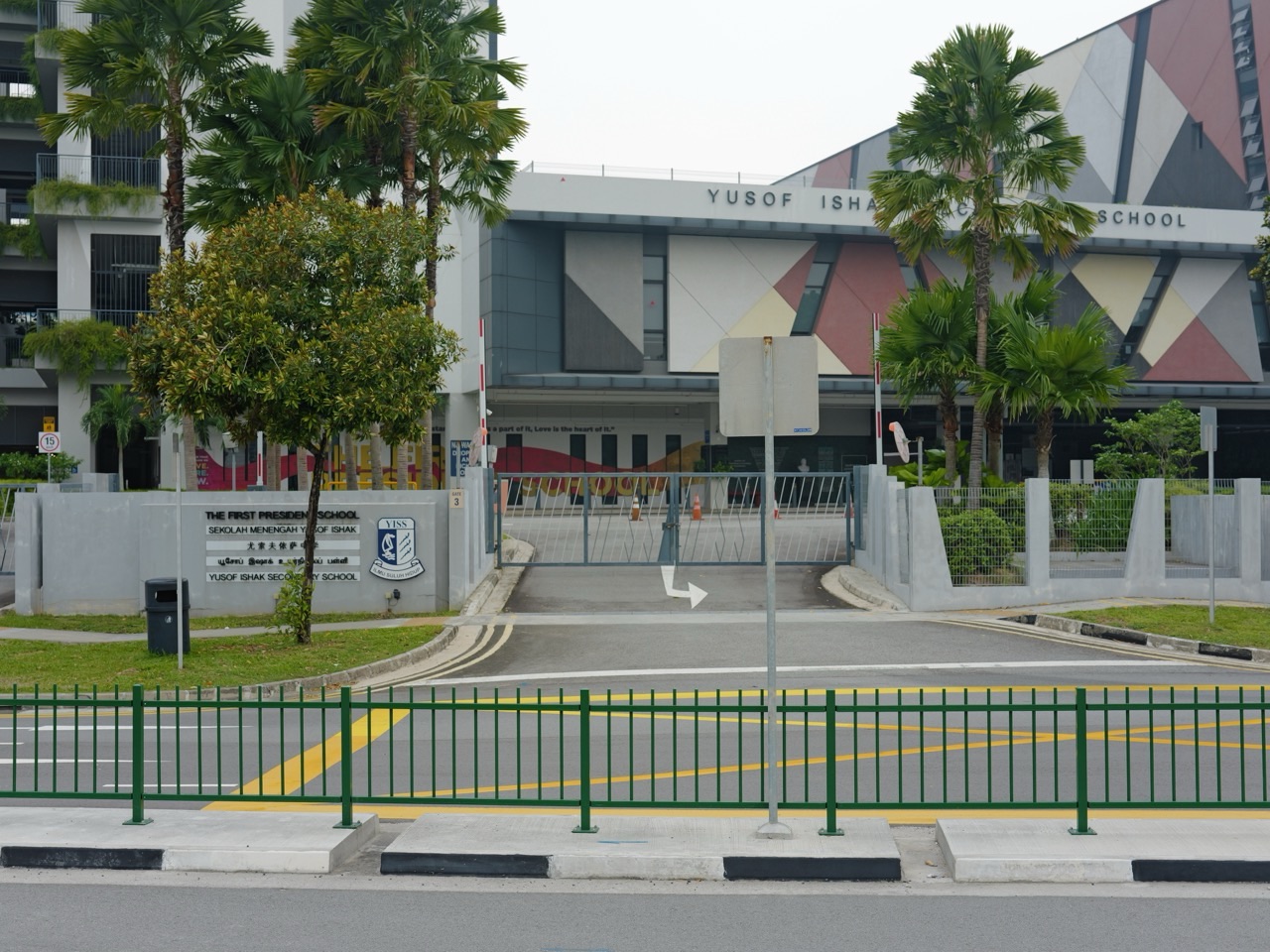
A Punggol student entering Secondary 1 through PG3 usually studies G3 subjects initially, but the Posting Group does not decide which Co-Curricular Activity (CCA) the child should join. CCAs help teenagers develop teamwork, commitment, physical and creative abilities, service and leadership. Schools organise their own CCA options, trials and allocations, while Singapore’s LEAPS 2.0 framework recognises holistic development through four domains: Leadership, Achievement, Participation and Service. A sensible family decision starts with what the child wants to learn and can realistically sustain, not merely how many future bonus points an activity might produce.
For families considering Edgefield, Greendale, Punggol or Yusof Ishak secondary schools, the practical questions are whether a chosen activity is available for the cohort, what selection requirements apply, how often it meets and how it fits G3 schoolwork, transport and rest. Edgefield’s published Learning for Life Programme includes character education through sport and Taekwondo; Greendale highlights outdoor adventure; Yusof Ishak offers STEM-related clubs among its enrichment options. These school programmes and their related CCAs should be researched individually rather than assumed to be identical or automatically available to every student.
- PG3 is an admission group, not a CCA selection level; G3 academic work and CCAs can coexist.
- CCA choices should reflect real interests, individual readiness, available school offerings, actual selection and schedule.
- LEAPS 2.0 stands for Leadership, Achievement, Participation and Service, four domains of holistic development.
- One school-based CCA is central to sustained participation; current school policy governs attendance and allocation.
- Bonus points may be available for Excellent or Good co-curricular attainment under the applicable post-secondary rules, but outcomes are not automatic.
- Representation and achievement are not limited to winning gold medals; consult MOE definitions and school records.
- Service includes meaningful Values-in-Action learning; leadership is broader than holding a title.
- Ask how school CCA attendance, events and approved external activities are recorded.
- Do not confuse DSA-Sec talent commitments with ordinary CCA selection; DSA can carry additional programme obligations.
- Plan G3 homework, CCA travel, meals and recovery around the actual weekly timetable.
- Start with current CCA notices for Edgefield, Greendale, Punggol or Yusof Ishak rather than an old list.

A PG3 parent’s guide to CCA choices, LEAPS and student development
1. Definition lock: PG3 and CCA answer different questions
Posting Group 3 is the administrative admission arrangement through which a student enters Secondary 1 under Full Subject-Based Banding. G3 is the academic level of a subject. A Co-Curricular Activity is a structured school activity that helps the student develop abilities and character outside ordinary subject lessons. These ideas interact in a teenager’s week, but one does not logically determine the others.
A learner who enters PG3 may enjoy basketball, an ensemble, a uniformed group, design projects or performing arts. Another may want to try something entirely unfamiliar. The parent should avoid assuming that high academic attainment requires choosing a prestigious academic club. Developing a different set of strengths can enrich the student and provide balance during a demanding school year.
The role of a CCA is also more substantial than entertainment. Many activities require sustained attendance, practice, teamwork and responsibility. The child may learn how to handle criticism, cope with losing and work alongside classmates whose subject levels differ. Those are real educational experiences that can complement English, Mathematics, Science and Humanities.
Start the family conversation with a simple distinction: the posting group helped determine admission; the CCA is one of the ways the child participates in school life. Ask what the student hopes to learn, then check what the assigned school actually offers for that intake.
2. How school CCA selection usually becomes real
Each secondary school has a current CCA system that families must learn from official notices. It may include orientation demonstrations, information sessions, preference forms, trials, selection or allocation based on available places. The process is not automatically identical across Punggol schools. A CCA listed in a school brochure does not establish that every new student can join without a trial or capacity constraint.
Encourage the teenager to explore a manageable range of activities before ranking choices. Ask what an ordinary practice session involves, not only what the activity looks like during a concert or competition. A school team may train regularly even when no tournament is imminent. An arts group may spend long sessions refining small details. A uniformed group may have specific conduct and attendance expectations.
Parents should check official submission deadlines and any instructions about medical suitability, equipment or prior experience. Do not guess that a CCA requires previous medals or that beginners will always be accepted. Schools can explain what is assessed, whether a trial is involved and what happens if the first choice is unavailable.
Keep the student’s own preference visible. Adults can guide safety and practical considerations, but a young person who participates willingly is more likely to build a sustained habit. The family should finish the process knowing the allocation, timetable and appropriate staff contact rather than relying on another parent’s account of last year’s selections.
3. LEAPS 2.0: four domains, one wider education
LEAPS 2.0 recognises holistic development through Leadership, Achievement, Participation and Service. The framework is designed to acknowledge different ways students contribute and grow through co-curricular experiences. It does not reduce everything to a medal count or a single classroom mark. Families should read the official MOE framework for precise attainment levels and how eligible activities are recorded.
Participation focuses on sustained engagement in a school-based CCA. Achievement recognises appropriate representation and accomplishment beyond the classroom. Leadership includes responsibility and development within class, school, CCA and qualifying activities. Service recognises contribution to the community, including Values-in-Action involvement. These domains can overlap in a child’s experience without being the same measure.
Imagine a student who attends a robotics CCA reliably, helps organise a team project, represents the school at an approved event and joins a meaningful community service activity. The experiences touch several domains, but the formal levels depend on the framework and school records. Parents should not award themselves points by estimating how impressive an activity seems.
The educational aim is a student who develops commitment and contribution over time. LEAPS can also affect later recognition or admissions under applicable rules, but that should not replace the intrinsic reasons for participating. A child who genuinely learns to cooperate, persevere and serve has gained something important even before a co-curricular grade is calculated.
4. Participation is more than showing up once
Consistency matters in school-based CCAs. The LEAPS framework recognises sustained participation, and schools have their own attendance and conduct procedures. Parents should verify which sessions count and what the child must do when absent. A single open-house visit or holiday workshop is not equivalent to a year’s commitment to a chosen school CCA.
A practical participation habit begins with a reliable timetable. The child records practice days, required attire and equipment, and the correct reporting location. On heavy CCA days, the family plans a workable route home and a lighter study schedule where appropriate. This reduces avoidable absences caused by forgotten instructions or last-minute transport confusion.
At the same time, participation should not become mindless attendance. Encourage the student to set a skill goal, such as improving a musical passage, understanding team strategy or learning how to document a technical experiment. Sustained practice becomes more meaningful when the teenager notices progress and takes increasing responsibility.
If illness, injury or family circumstances affect attendance, use the school’s official notification process. Do not invent a rule that an absence will automatically erase all achievement. The relevant staff can explain the current policy and what support or adjustments are available.
5. Achievement means representation and learning, not just trophies
Families sometimes assume that only competition winners can receive recognition under the Achievement domain. The MOE framework distinguishes representation from accomplishment and describes various endorsed opportunities. The details depend on the current rules and school verification. An activity may be educationally important even without a prize, and a medal alone does not automatically explain the student’s full co-curricular record.
A competition can teach preparation, fairness, problem-solving and recovery from disappointment. An arts performance can require practice, listening and courage. A science exhibition can teach a teenager how to explain a project to people unfamiliar with it. These experiences help students transfer classroom skills into public situations.
Ask the child to keep brief reflections after meaningful events. What responsibility did they have? What went well? What would they change? The purpose is not to manufacture a portfolio of exaggerated claims. It is to make the learning visible so the student can recognise developing capabilities and discuss them accurately.
Parents should check with the school what counts formally for LEAPS and which supporting evidence is needed. An externally organised activity may not automatically qualify. The safest approach is to seek confirmation before planning an entire strategy around assumed points.
6. Leadership is not reserved for the loudest teenager
Leadership includes formal appointments, but the LEAPS framework also recognises development through appropriate modules, responsibilities and endorsed experiences. A student who listens carefully, helps a team coordinate or takes responsibility for a task can be practising leadership even without a prominent title. The school decides how those experiences are recognised within the official framework.
A quiet PG3 learner may be excellent at keeping a group organised or helping a new classmate understand instructions. Another may enjoy presenting to a crowd. Both can build useful leadership abilities, but they may need different opportunities and coaching. Parents should avoid telling a teenager that leadership means being the most outspoken person in the room.
Encourage honest responsibility. Ask whether the student followed through on a commitment, addressed a disagreement respectfully and reflected on the effect of their decisions. A badge may be meaningful, but the underlying character is built through repeated choices. Leadership that exists only for a certificate is unlikely to serve the student well beyond school.
Schools may offer class committees, CCA roles, peer support, service projects or other development opportunities. Confirm the actual routes and criteria. A pupil should participate because they have something useful to contribute and are willing to learn, not because a parent has calculated a speculative advantage several years in advance.
7. Service can begin with the community around Punggol
The Service domain recognises meaningful contribution to others, often through Values-in-Action learning. Punggol provides many opportunities for students to observe real community needs, but approved activities and formal LEAPS recognition must follow school guidance. Families should not assume that every informal volunteer hour automatically counts toward an official attainment level.
Service might involve understanding the needs of older residents, environmental stewardship, inclusion or helping a community organisation. Good projects begin with listening. If a student designs an initiative without asking who needs it, the result may be energetic but ineffective. Encourage the teenager to define the problem, work respectfully with partners and consider unintended consequences.
Reflection matters as much as attendance. Ask whom the activity benefited and how the child knows. What would they change if given another opportunity? What did they learn about people whose experiences differ from their own? These questions connect service with citizenship and critical thinking rather than merely producing a timesheet.
If the school runs a VIA project, follow its rules and staff supervision. Families can also encourage kindness in everyday life, even where it does not count toward formal recognition. A teenager who helps a classmate or takes responsibility at home is building habits that should matter beyond any certificate.
8. Sports CCAs and the difference between fun and commitment
Sport can develop resilience, physical confidence and teamwork, but a school sports CCA is not always identical to casual recreation. The child may have scheduled training, selection conditions, competitions and performance expectations. Parents should ask about frequency, equipment, supervision and progression. Different sports and schools make different demands.
Edgefield Secondary’s published Learning for Life Programme centres on character education through sports and Taekwondo in curriculum-related experiences. This is a notable aspect of the school’s identity, but it does not imply that all students are automatically admitted to every sports CCA or DSA team. Curriculum exposure, CCA allocation and DSA-Sec selection are distinct processes.
A student who enjoys physical activity may find that an organised sport teaches patience with repetition. Another may discover that they prefer a recreational activity without a competition schedule. Both discoveries are useful. Help the child distinguish the pleasure of watching a sport from the commitment to attend training and practise difficult skills.
Discuss rest and recovery sensibly. A G3 learner who trains after school still needs time for meals, homework and sleep. If an activity becomes physically or emotionally overwhelming, speak to the appropriate school staff rather than hiding the problem to preserve attendance statistics.
9. Performing arts require the same seriousness as athletics
Music, dance, drama and other performing arts can be demanding and educationally rich. Students may practise technique repeatedly, learn to respond to criticism and coordinate with an ensemble. A rehearsal that seems enjoyable from the audience may require substantial preparation. Parents should ask what a normal week looks like before making a preference.
Performing arts also teach communication beyond words. A child learns timing, attentive listening, interpretation and respect for collaborators. The ability to practise a small passage until it improves resembles the disciplined revision required in Mathematics or English writing. These connections are worth noticing because they help students understand that learning habits transfer.
Some CCAs may have auditions or selection criteria, while others may welcome beginners. The answer depends on the school and activity. Families should not assume prior certification is always necessary or always sufficient. The child’s desire to learn and the actual school selection process are both relevant.
Support practice without turning it into a parental performance review. Ask what changed between rehearsals, encourage attendance and make sure the student has appropriate rest. The goal is confident participation and growth, not the appearance of a flawless child at every event.
10. Clubs and societies can nurture technical curiosity
Clubs related to robotics, STEM, media, debate or design may attract academically curious PG3 learners, but they should not be treated as compulsory extensions of G3 subject lessons. A well-run club offers projects, peer learning and opportunities to apply ideas in unfamiliar contexts. Its value depends on what students actually do, not simply whether the club name sounds relevant to a future career.
Yusof Ishak Secondary’s Applied Learning Programme describes STEM experiences involving sustainability, coding and urban farming, with opportunities including STEM and Robotics Clubs. These examples illustrate the possibility of combining technical interests with community questions. They are published school descriptions, not a promise that every incoming child will receive a particular role or project.
Ask the student to explain a project in ordinary language. What problem was being solved? Which design decision mattered? How was the result tested? An activity that builds such reasoning can strengthen Science explanations and mathematical problem-solving, even when the specific content is different from the examination syllabus.
Parents should distinguish a general school ALP from an optional CCA. Some learning experiences are school-wide; others require separate participation or selection. Check the current timetable and eligibility rules before treating every advertised opportunity as automatically available.
11. Uniformed groups and character development
Uniformed groups can provide structured opportunities for teamwork, responsibility, service, physical skill and leadership. The experiences vary widely between activities, and a prospective student should learn about training, attendance, events and the culture of the actual group. A formal uniform can be appealing, but the everyday routine matters more than appearances.
Some teenagers thrive when expectations are explicit and responsibilities increase gradually. Others may prefer a different structure or a creative activity. Parents should discuss suitability without belittling any option. There is no universal CCA that proves a PG3 student is more mature or academically serious.
Ask how new members are supported and how leaders treat mistakes. Strong character education should teach accountability with respect, not fear. A child who can own an error, help a teammate and prepare independently is developing habits useful in school and later work.
If special attire, camps or activities involve cost or scheduling concerns, speak to school staff. Families can investigate assistance and practical arrangements without assuming that every requirement is identical across schools. The goal is an activity the student can participate in fully and safely.
12. LEAPS points should not become the only reason to choose
Co-curricular attainment can have implications for relevant post-secondary admissions, subject to the rules for the student’s application year. MOE’s LEAPS framework sets out the conditions for Excellent, Good and Fair levels. Yet the family should not promise that joining a particular CCA guarantees two bonus points or any particular college, diploma or other place.
The framework considers several domains, which means years of participation alone may not satisfy every recognition condition. Parents must examine the latest official attainment rules, school recording procedures and any admissions changes that apply to the child’s future cohort. Students entering Secondary 1 in 2027 will apply to post-secondary education later, so rules should be rechecked at the relevant time.
A narrow points strategy can also damage motivation. If a child chooses an activity only because someone claims it is easy to score, they may struggle to participate meaningfully over several years. Genuine interest makes attendance, practice and reflection more sustainable. It can also lead to achievements that the family did not predict.
Use bonus-point information as context rather than as the sole goal. A balanced approach encourages contribution and growth while allowing the student to pursue academics responsibly. The teenager should understand that character, friendship and skills are not reducible to an admissions arithmetic exercise.
13. DSA students have an additional commitment question
A student admitted through DSA-Sec may have promised to develop and participate in a specific talent area. That commitment is separate from the ordinary CCA preference process. Schools may expect successful applicants to participate in relevant activities over the programme years, as their published DSA rules describe. A family should clarify how the particular talent commitment connects to the actual CCA allocation.
For example, a sport-based DSA entrant should not presume that they can immediately switch to an unrelated activity because a different option looks easier. Likewise, a child selected for leadership or technical talent should understand what sustained contribution means. The actual school’s DSA offer and commitment conditions take priority over general advice.
If health, motivation or family circumstances change, ask the school about the appropriate support and procedure. A parent should not invent an exemption or promise a transfer. Schools can explain the rules, opportunities and any legitimate considerations for the specific case.
Children who enter through mainstream S1 posting should not feel that they are second-class participants. CCAs provide meaningful learning opportunities beyond DSA and can help students discover talents they did not have a chance to demonstrate in Primary 6.
14. Build a CCA week that leaves room for G3 learning
A good CCA plan does not treat all evenings as interchangeable. The child may have a short school day followed by a long practice, or a heavy lesson day without CCA. Build the weekly schedule from the actual school timetable and travel conditions. Place meals, homework and rest before deciding whether another optional lesson can fit.
On a CCA afternoon, the student might complete urgent assignments and a brief review before taking a longer rest. On a lighter day, they can tackle more demanding Mathematics practice or an extended English writing task. This is not lowering academic standards. It is using attention and energy sensibly across different days.
Watch for persistent signs that the plan is not working: repeated late-night copying, exhaustion, lost assignments or growing reluctance to attend school. Ask what can be improved before deciding that the child simply needs more discipline. Sometimes one scheduling change has more effect than another hour of tuition.
The ideal result is a child who participates meaningfully, learns effectively and maintains enough recovery to do both. A CCA that becomes a permanent source of conflict may need a school conversation. Full participation and responsible academics are compatible when the family plans realistically.
15. How to support a child disappointed by CCA allocation
Not every student receives the first CCA choice. Trials, availability, school priorities or personal suitability can affect the result. A child may feel rejected even when the process has been fair. Parents should listen without immediately disparaging the school or promising a change. Ask what the student had hoped to experience and what alternatives the allocated activity may offer.
Explore the new activity with curiosity. What skills can the teenager learn? Are there peers or mentors they enjoy? Could the activity reveal an unexpected interest? A student who wanted a sports team might discover leadership in a different group. Another who expected a technical club may learn creative discipline through performance.
If there is a formal review or appeal route, follow the school’s actual instructions respectfully. Do not assume that every CCA can be swapped at will or that a parent’s preference overrides selection criteria. A constructive conversation can clarify the reasons and possibilities.
Help the student preserve their broader interests outside the formal CCA where appropriate. A child can continue reading, coding, drawing or exercising even when the school timetable does not assign that specific activity. The educational aim is a growing person, not perfect alignment between every preference and every school allocation.
16. A four-year reflection habit
In Secondary 1, focus on finding an activity the child can join consistently and enjoy learning. Establish attendance, equipment and travel routines. Encourage the student to explain one new skill and one difficulty each term. Avoid making early competitions or awards the only measure of success.
In Secondary 2, look for deeper participation. Can the student practise independently, contribute to peers or take on a small responsibility? Are they managing G3 academic demands without sacrificing sleep? Recognise improvement in effort connected to specific methods, rather than praising only visible awards.
In Secondary 3, the school week may become more demanding as subject combinations change. Review the CCA commitment and any leadership or service opportunities. Ask what the student is learning about cooperation, preparation and ethical contribution. Keep the current LEAPS record accurate, but do not encourage activities solely to inflate a portfolio.
In the graduating year, follow official guidance on co-curricular attainment and applicable post-secondary admissions. Celebrate the wider growth: a student who has learned perseverance, learned to care for others and developed a meaningful interest. PG3 was the way the child entered school; participation is part of how they become capable and thoughtful.
Frequently asked questions about CCA and LEAPS
Does PG3 determine the CCA a child must join?
No. The school’s available CCAs, allocation process, eligibility and the student’s interests are the relevant factors. PG3 refers to admission, not an assigned CCA.
What does LEAPS 2.0 stand for?
Leadership, Achievement, Participation and Service. The framework recognises holistic co-curricular development using official attainment rules that schools apply.
Does joining one CCA guarantee two bonus points?
No. Formal recognition depends on attainment across the relevant domains and the applicable admission framework. Attendance alone does not establish the entire result.
Can an unsuccessful trial student still have a good CCA experience?
Yes. Other activities can develop significant skills and friendships. The family should understand the school’s allocation rules and encourage genuine participation in a realistic option.
Are Edgefield’s Taekwondo lessons the same as a sports CCA place?
Not necessarily. The school’s published LLP describes curriculum-related character education through Taekwondo, while individual CCA allocation and DSA sports pathways may have separate procedures.
Is a STEM Applied Learning Programme identical to the Robotics Club?
No. A school-wide ALP and an optional CCA can intersect but are distinct programme structures. Confirm actual curriculum participation, club selection and project access with the school.
How should parents balance CCA and G3 homework?
Use the real timetable, plan lighter study after demanding CCA sessions, protect meals and sleep, and review persistent learning difficulties with teachers when needed.
What is the best first step?
Read the school’s current CCA list, attend orientation if possible, learn about trials and commitments and let the student rank activities based on interest and a sustainable weekly routine.
Your next step
Read the allocated school’s current CCA preferences, selection and attendance notices. Compare activities on genuine interest, skill development, travel, equipment and weekly commitment. Keep the MOE LEAPS 2.0 framework as a reference for holistic development, but encourage the child to participate for meaningful learning and service rather than treating bonus points as the entire purpose of school life.
Official sources and Punggol reading
MOE LEAPS 2.0 official framework · Edgefield LLP and Taekwondo · Greendale programmes and CCAs · Yusof Ishak STEM ALP and clubs · PG3 study and CCA timetable guide · PG3 DSA-Sec commitment guide. Check current offerings and future admissions rules with official sources.
Independent eduKate Punggol education guide, reviewed 1 November 2026. Formal CCA allocation, LEAPS levels and admission benefits are determined by the relevant school and official policies.


