
PG3 means Posting Group 3, the Secondary 1 entry group under Singapore’s Full Subject-Based Banding system; it is not the same thing as the G3 level of an individual subject. For a Punggol child entering secondary school, however, the most immediate challenge is often not understanding the label. It is learning how to manage several teachers, a new timetable, more demanding English and Mathematics, Science explanations, homework deadlines, Co-Curricular Activities (CCAs), friends and a longer school day without depending on a parent to organise every minute.
This guide offers a realistic Secondary 1 routine for families considering or attending Edgefield, Greendale, Punggol or Yusof Ishak secondary schools. PG3 entrants normally begin with G3-level subjects, but every child has different strengths and adjustment needs. A strong first term is therefore built around clear systems: knowing what to do, noticing why an answer is wrong, recovering from a difficult day, protecting sleep and asking for help early. Specific school timetables, reporting times and CCA schedules must be obtained from the current school notices.
- PG3 is a posting group; G3 is a subject standard, not the child’s identity.
- Set up a visible weekly timetable covering school, travel, CCA, homework, meals and sleep.
- Keep one clear folder and assignment tracking method rather than several overlapping systems.
- Bridge Primary 6 to G3 English evidence-based answers, algebraic Mathematics and causal Science explanations.
- Use a short after-school reset before beginning a manageable sequence of tasks.
- Learn to review marked work by identifying specific misconception, accuracy and pacing errors.
- Plan for CCA and friendships as essential parts of the week, not obstacles to academic work.
- Seek teacher support when repeated patterns persist; use tuition only for a defined need.
- Compare the child’s progress with their own starting point over the first twelve weeks.
- Check school-specific rules and the latest MOE Full SBB information before subject-level decisions.
In this guide
- A Secondary 1 routine for Punggol families
- 1. The first-year learning priorities
- 2. Build the Punggol school week before filling it with tuition
- 3. The first morning: give responsibility in manageable pieces
- 4. Homework tracking: one trusted place for every assignment
- 5. G3 English: read questions before hunting for answers
- 6. G3 Mathematics: protect the bridge from arithmetic to algebra
- 7. G3 Science: teach explanations as connected reasoning
- 8. Mother Tongue and Humanities deserve a place in the timetable
- 9. Why CCA belongs inside the study plan
- 10. Sleep, meals and rest are operating conditions for learning
- 11. The first test: diagnose rather than dramatise
- 12. The parent’s role changes after Primary 6
- 13. When to talk to the form teacher or subject teacher
- 14. A twelve-week PG3 transition plan
- 15. What Punggol families should check locally
- 16. What independent progress looks like at the end of Secondary 1
- Frequently asked questions about PG3 daily routines
- Your next step
- Official sources and useful reading

A Secondary 1 routine for Punggol families
1. The first-year learning priorities
PG3 tells a family the Secondary 1 posting route; G3 tells the learner the level of a subject. Under Full SBB, classmates can share mixed form classes while studying some academic subjects at different levels. That is the national framework. Once the child begins Secondary 1, the day is much more concrete: a bus to catch, a book to bring, a worksheet to submit and a teacher’s explanation to understand.
A student may arrive with strong PSLE results and still feel unsteady. Primary school often had familiar teachers and predictable classroom routines; secondary school introduces more movement and independent responsibility. A small organisational error can become an academic problem when the student cannot find the instructions needed to finish a task. It is therefore wise to treat organisation as a learnable skill rather than assume that being in PG3 guarantees it.
Ask three questions at the end of the first week. Can the child explain the timetable? Can they find tomorrow’s assignment without a parent searching through messages? Do they know whom to ask when a subject becomes confusing? Those questions sound ordinary because they are ordinary. They also determine whether classroom teaching can turn into independent work at home.
Parents should resist turning every early mistake into a lecture about PSLE achievement. The better response is to identify what system failed, make one reasonable adjustment and check it again. A student who learns to repair an imperfect routine is preparing for more demanding school years far more effectively than a student who appears perfect only while someone else manages everything.
2. Build the Punggol school week before filling it with tuition
Start with the timetable supplied by the actual secondary school. Add realistic travel time from the home, classroom arrival, CCA days and homework commitments. Then mark meals, sleep and unstructured time. Only after the basic week is visible should the household decide whether additional classes can be accommodated. A timetable already at capacity cannot be fixed by adding more appointments.
Punggol’s MRT, LRT and bus links can make several school journeys possible, but there is no single route that works equally well for every family. Test the route from the child’s actual starting point and consider how a later CCA dismissal changes it. A child arriving home late and hungry may need a short reset before tackling algebra, not an immediate demand to sit at a desk.
Write the week in blocks that make sense to a twelve-year-old: travel, school, snack and rest, short work periods, dinner, a final bag check and bedtime. Leave some flexible space because schools sometimes change activities or allocate additional work. A schedule with no slack quickly becomes an argument every time the unexpected happens.
Review the pattern after two weeks. Did the child consistently complete the priority tasks? Were there evenings with too much work? Which day became difficult after CCA? Adjust the schedule using evidence. The goal is an operating rhythm that a teenager can increasingly manage, not a colourful wall chart that depends on constant adult enforcement.
Work backwards from two different return-home times
Take a fictional pupil with one short school day and a second day that includes CCA. On the short day, the child expects to reach home at 3.20pm. On the CCA day, the school activity ends at 5.45pm and the trip home takes another forty minutes. The journey times are examples for planning. Use the actual dismissal notice and trial journey for your child. If the parent gives both evenings a homework start time of 4pm, the second evening fails before it begins. Write the return-home time first and then mark the first practical time the child can sit down to work.
The pupil can use the short day to begin work that will otherwise collide with the later CCA return. Suppose the teacher has assigned a reading note for Thursday and Mathematics for tomorrow. On Tuesday, the pupil completes the Mathematics and begins the reading note. On Wednesday after CCA, they can finish the note they already started, check tomorrow’s requirements and prepare the bag. Their exact work will change from week to week. The useful habit is to look one or two days ahead when the school timetable is especially busy.
Punggol Secondary School’s 2026 intake booklet describes an individual timetable issued during the first school week and gives its CCA days and ending time for that intake. Greendale Secondary publishes a CCA schedule separately. Treat each as an example of the school information to obtain when planning the 2027 week. Check your child’s allocated activity, current session dates and any additional event notice. Punggol Secondary School 2026 intake booklet · Greendale Secondary CCA schedule
Put the journey to work in the timetable too
A parent doing evening shifts may only see the child briefly before leaving. Agree when the child should give a short account of the homework plan and what information they should leave if the adult is unavailable. The child can write the first task, the task due next and one question for the teacher. A parent checking later can see what is underway without asking the student to retell the entire day. A second adult collecting the child after CCA needs the actual finish time and meeting point so the pupil can spend that evening using the plan they made.
3. The first morning: give responsibility in manageable pieces
Independence does not appear because parents suddenly stop helping. It grows when responsibility is transferred in small, visible steps. During the first few mornings, the adult may help confirm the transport arrangement and bag contents. Soon the child should read the timetable and make the check independently. A quiet check at the door can replace repeated instructions throughout the morning.
Create a two-minute sequence: identify the first lesson, confirm the required books or device, check whether there is a form to submit, make sure the water bottle is filled and leave with enough travel margin. Avoid creating twenty rules. A routine must be short enough for a sleepy teenager to remember. If the child uses a digital reminder, it should support the routine rather than create a new distraction.
Suppose a learner forgets a workbook on Wednesday. Ask how the mistake happened. Did the timetable change? Was the book left in another bag? Did the student check the wrong day? The correction might be an evening reminder or a dedicated folder. Shouting ‘be responsible’ does not tell the child what behaviour to change.
By the end of the first month, the household should aim for fewer emergency rescues. That does not mean refusing to help a child in real difficulty. It means choosing help that teaches the next independent step. A student who can prepare for the school day calmly has more mental room for challenging subject work.
Let the pupil run the final check
A child can place their timetable beside the open bag and read the next day’s lessons in order. They identify which items are already in the bag, which stay in school under the teacher’s instructions and which need to be found. When they find a missing workbook, ask them to put it in the bag immediately and mark that lesson as checked. The adult can listen to the sequence for the first few days. Gradually ask the pupil to report only the unresolved item, such as a book left in a classroom, and what they will do about it.
A morning can still go wrong after a careful evening. The child may discover a different assembly venue or a late notice about attire. Read the new instruction together and ask which step changes. If it affects the journey, let the person taking the child know the new meeting point. If it affects materials, help the pupil identify the item while they still have time to find it. Record the practical change so the next morning begins with the right information.
4. Homework tracking: one trusted place for every assignment
Many families find that the hardest part of homework is not the question itself but remembering what exists. A student hears an instruction, records it incompletely, leaves a worksheet somewhere and starts a different task at home. The evening then becomes a search for missing information. One trusted assignment system can interrupt this chain.
Whether the school uses digital platforms, physical planners or classroom notices, ask the student to record the task, subject, deadline and materials in one place they can check. The record should distinguish work due tomorrow from long projects. A simple status such as not started, in progress, submitted or awaiting correction is enough. Multiplying apps and notebooks makes the system harder rather than more advanced.
At the beginning of homework time, ask the child to choose a sensible order. Some learners begin with one short task to build momentum; others tackle the most demanding work while still fresh. There is no universal perfect sequence. The important features are knowing the task, reducing interruptions, estimating the time and checking whether the required work was actually completed.
At the end, the student marks completed tasks and puts the materials in the right place. The parent may look at the planner once, not hover over every answer. Over several weeks, this creates a useful loop: capture, prioritise, attempt, verify and submit. The same loop can support later project work, examinations and adult responsibilities.
Copy enough detail to begin without reconstructing the lesson
A record reading “Science Friday” tells the pupil the subject and a day but leaves most of the task unknown. A more useful entry says which worksheet, which questions, whether a diagram is required and where the pupil should hand it in. Let the child use the words in their own teacher’s instruction. If a deadline is announced as “next lesson”, have them find that lesson in their actual timetable and write the date. This matters when odd- and even-week schedules or a different subject group change when they see a teacher.
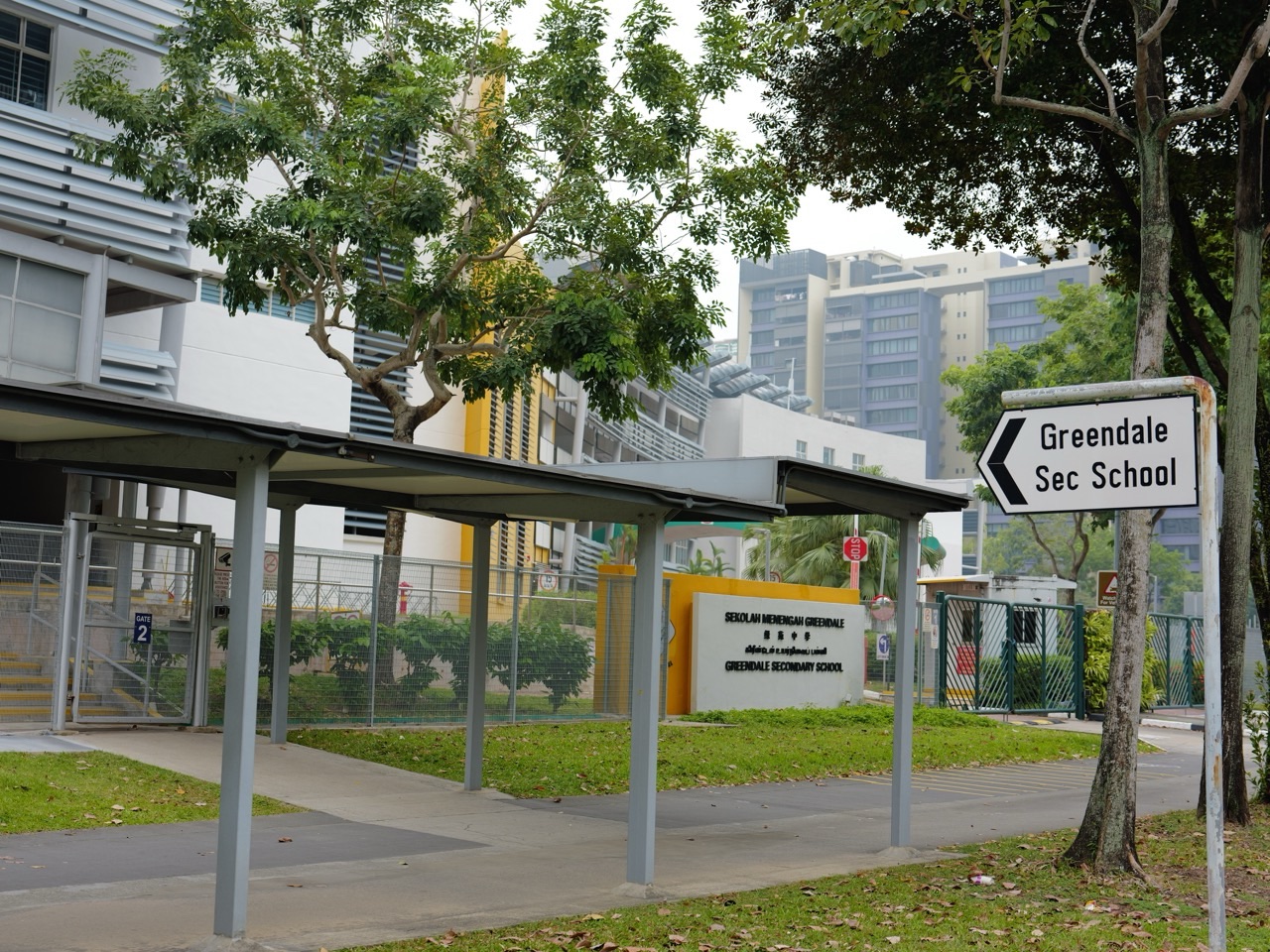
Greendale Secondary’s homework policy, updated in July 2026, expects pupils to record the daily homework list in their handbook and describes coordination between teachers over workload. The school gives a lower-secondary guideline of two hours a day and explains that homework or deadlines should be moderated during class-test and major CCA periods. That is a published school policy for those pupils. Ask the assigned school about its current expectations and follow up with actual task records when the child repeatedly struggles to complete the work. Greendale Secondary homework policy
Choose a first task using its deadline and what it depends on
Here is an invented Thursday evening. English is due tomorrow, Mathematics is due Monday, and an Art journal is due Tuesday. The English task requires a school text the pupil left in the classroom. Mathematics and the journal can be started with materials at home. The child first checks the teacher’s instructions or permitted way to clarify the English task, then starts an available item while waiting. If a classroom resource remains unavailable, they tell the teacher what has happened and ask how to proceed. Waiting for one answer should be visible in the plan, so the rest of the evening can still move forward.
When every task is available, ask the child to make the choice. They might start the piece due first, choose a short task that clears space for a larger one or begin a difficult explanation while they are fresh. Ask what result they expect from the first session. “Find two pieces of evidence and write my first explanation” can be completed and checked. “Catch up on English” gives neither the child nor the parent a way to judge where to stop.
5. G3 English: read questions before hunting for answers
A PG3 child normally begins with G3 English, where careful interpretation becomes increasingly important. Students need to distinguish literal meaning, inference, writer’s intention and evidence. An early mistake is to recognise familiar vocabulary, jump to a conclusion and write an answer without considering what the question specifically asks. The solution is not always more reading volume; it may be more disciplined reading.
Use a short passage from schoolwork. Ask the learner to underline the task word and explain what type of answer is required. If the question asks for a reason, the response should supply a reason supported by relevant text. If it asks how the writer creates an effect, the student must connect language choice with that effect. The answer should not simply copy a sentence that contains similar words.
Try a ten-minute routine twice a week: read, identify the question demand, mark the evidence, draft a concise response and explain why the evidence fits. Then compare the response with school feedback. A student who learns to explain the connection between text and answer gains a reusable skill rather than a memorised trick.
Do not assume that an articulate child automatically writes precise comprehension answers. Speaking confidence and written reasoning differ. Likewise, a child who needs more time to speak may still produce thoughtful written work. Diagnose the actual English difficulty before deciding which support is worth the child’s limited after-school time.
6. G3 Mathematics: protect the bridge from arithmetic to algebra
The biggest shock in lower-secondary Mathematics is often the shift from computing known numbers to representing relationships with symbols. A student may know that three groups of seven make twenty-one but hesitate when the relationship appears as 3x = 21. They need to understand the unknown, the equality and the valid operation, not only recall a sequence of steps.
Ask the student to write an explanation alongside the answer. Why can both sides be divided by three? How can the result be checked? What changes when a negative number appears or when brackets need expansion? Good working makes reasoning visible, which helps teachers locate mistakes. It also gives the student a method for self-correction later.
During the weekly review, collect two or three representative errors rather than repeating every question. Label each one accurately: an incorrect sign, a confused algebraic operation, a misread graph or an omitted unit. Then ask for a fresh related example without the solution beside it. If the child still cannot perform the method, the underlying idea needs further teaching.
G3 Mathematics demands fluency, but speed without understanding is fragile. A student who can explain a method and reproduce it after several days is building a stronger base than one who completes twenty familiar exercises immediately after watching a worked solution. Give the learner time to make the transition properly.
7. G3 Science: teach explanations as connected reasoning
Science questions frequently ask students to connect observations with concepts. Many mistakes occur when the child has memorised a keyword but cannot explain what it does in that situation. The student writes a scientifically relevant phrase yet fails to answer the question. An effective routine asks what changed, what happened, why the principle applies and whether the conclusion follows from the evidence.
Imagine an investigation comparing different materials. A clear answer identifies the measured outcome and explains the relationship between the material’s property and the observed result. If a condition was not controlled, the child should be cautious about claiming a single cause. This habit is more valuable than collecting long lists of impressive scientific vocabulary.
Use diagrams and short oral explanations as preparation for written answers. A child can point to a labelled process and talk through each stage before composing a precise sentence. If the written response remains vague, compare it with the marking feedback and identify which link in the chain is missing. Corrections should make reasoning stronger, not merely lengthen the answer.
Parents should also recognise that lower-secondary Science is a foundation for later choices. It is too early to assume every PG3 learner will automatically pursue the same upper-secondary subject combination. Interest, ability, official school offerings and future requirements all matter. For now, help the learner understand causes and evidence well.
8. Mother Tongue and Humanities deserve a place in the timetable
A common planning error is to treat English, Mathematics and Science as the only subjects that need sustained attention. Mother Tongue can require vocabulary, oral confidence and written control. Humanities demand reading, interpretation and evidence-based explanation. If those subjects are squeezed into the final exhausted minutes of the day, difficulties may accumulate even when the child is generally hardworking.
Give each subject a modest repeatable habit. Mother Tongue might involve reading a short article and discussing one useful phrase. Humanities might involve interpreting a map, source or claim and asking what supports it. The point is not to imitate a full examination every night. Small, well-chosen repetitions help the learner remember and transfer knowledge.
Suppose a student writes a History paragraph that merely repeats a source. Ask what the source suggests about the question and what specific line supports that reading. If a Geography graph is misinterpreted, ask whether the axis scale or unit was read correctly. These are teachable thinking habits rather than signs of a child being unsuited to Humanities.
When planning subject support, use the school’s actual syllabus and feedback. Avoid buying a workbook purely because it carries the G3 label when its content or assessment style does not match the learner’s current needs. A small amount of aligned work is more useful than a large amount of irrelevant practice.
Start a reading task early enough to ask a question
A pupil sees a History source task due next Tuesday and assumes it can wait until Monday evening. On Thursday, they could instead read the question and source once, note a useful line and identify an unfamiliar word. If they cannot tell what the question is asking, Friday’s lesson may provide a chance to ask. An early look can change the task from a long uncertain Monday session into an explanation the student already knows how to begin. The pupil can put the source aside after that small first step.
A Mother Tongue task might also have a small preparation stage. If the pupil needs to speak about a school activity, they can choose the activity and note two relevant details on a quieter evening. During a later practice they can use the actual language requirements from class and add a follow-up response. Use the work the teacher has assigned to choose the habit. This gives those subjects time in the week without automatically adding another workbook or full practice paper.
9. Why CCA belongs inside the study plan
Co-Curricular Activities are part of the secondary-school experience, not simply an obstacle between lessons and homework. They can offer teamwork, discipline, friendship, leadership and opportunities for a student to discover an interest that is not visible in an examination paper. The practical challenge is energy management. A demanding CCA afternoon should not automatically be followed by an identical homework plan to a short school day.
Ask the child what the CCA requires and what they enjoy about it. Some activities need regular training or rehearsal; others include projects, competitions or special events. The family should understand the school’s current schedule, attendance rules and any selection requirements. A programme description on a website does not establish the actual commitment of every new student.
Use two types of evenings. On lighter days, schedule the more demanding independent practice. On heavier CCA days, prioritise essential assignments, a brief review and adequate rest. The schedule can be adjusted as the child builds capacity. Consistency is not identical daily workload; it is reliable preparation that respects what happened earlier in the day.
Notice what CCA contributes. A quiet child may become more confident speaking in a team. A mathematically strong child may learn humility when a practical skill takes practice. These gains matter. A PG3 family should support academic standards without making the child believe that examinations are the only activities worthy of serious effort.
Add a second plan for an event week
A student who usually rehearses once or twice a week may receive an additional session ahead of a performance or competition. Read the new notice with the child and mark the days affected. Ask the teacher in charge how the updated arrival and dismissal arrangements will work. Then have the pupil inspect school assignments due during the same period. A weekend preparation task, a project draft or an equipment check might be possible before that period becomes busy. A task that has yet to be assigned can remain blank until the school provides it.
If several deadlines clash with an official school commitment, have the pupil approach the relevant teacher with the actual dates and tasks. Greendale’s published homework policy gives a local example of teachers taking heavier CCA commitments into account during competitions or Singapore Youth Festival periods. The individual teacher will explain the instruction that applies to the child’s work. Record any agreed change on the same page as the original assignment. Greendale Secondary workload coordination
Let the child reflect on one thing the CCA asks them to manage. They might need to remember a change of attire, speak to a team member about their role or bring back a consent response. The family can help the pupil find the date and instruction, then let them complete the action. MOE’s secondary transition Parent Kit describes the wider schedule and encourages pupils to seek help from school staff, friends and trusted adults when needed. MOE Parent Kit on easing into secondary school
10. Sleep, meals and rest are operating conditions for learning
When a student reaches home late, a parent may see unfinished homework and immediately ask for more effort. Yet tiredness changes how well the child reads, remembers and regulates frustration. A plan that repeatedly pushes study late into the night can create the very mistakes it is supposed to prevent. Sleep and rest therefore belong on the timetable before tuition and enrichment are added.
Give the student a short transition after school: wash up, eat, drink water and disengage briefly from school demands. The precise duration will depend on the day and the household. The aim is to arrive at work with enough attention to think. An exhausted child copying answers for another hour may look busy while learning very little.
Parents can observe patterns without making medical conclusions. Is the child consistently sleepy at dinner? Are they repeatedly unable to start a task after very long days? Does concentration improve when the schedule is less crowded? Those observations may suggest that the week needs adjustment. Persistent health or emotional concerns should be discussed with appropriate professionals or school support staff.
A healthy routine is not an indulgence reserved for children with easy work. It helps demanding learners perform more reliably. The family should protect room for sleep, physical activity and ordinary conversation. A high academic level is not a reason to erase every part of being thirteen.
11. The first test: diagnose rather than dramatise
A disappointing Secondary 1 result can feel especially alarming to a child who did well at PSLE. The family should explain that school tests sample particular knowledge and methods at a point in time. A score does not reveal by itself whether the student misunderstood a concept, read the question incorrectly, ran out of time or simply needed more adjustment to an unfamiliar format.
Sit beside the child and sort errors into categories. Concept means the idea was not understood. Execution means the idea was understood but applied incorrectly. Reading means a requirement or detail was missed. Timing means the student could not complete the paper. Presentation means necessary working or evidence was not shown. The plan becomes clearer when the diagnosis is precise.
Choose the two most important patterns and work on them over the following week. For a conceptual mistake, reteach from an accessible example. For timing, practise with a sensible time limit after accuracy is stable. For English evidence problems, locate the supporting text and justify the interpretation. Finally, try a new question without looking at the corrected answer.
Parents should ask what changed, not demand a guaranteed score increase by the next assessment. Progress may first appear as clearer working, fewer repeated errors and a calmer approach. Those improvements can matter even when the grade has not yet caught up. Keep communication with the school open when uncertainty persists.
12. The parent’s role changes after Primary 6
Primary-school parents often monitor homework closely because children are still learning to plan. Secondary school requires gradually increasing ownership. A parent should remain interested and available, but the student needs chances to remember an assignment, contact a teacher, ask for clarification and correct a mistake. Constant adult rescue can preserve a clean record while delaying the development of competence.
Replace broad questions with useful ones. Instead of asking ‘Have you finished everything?’ ask ‘Which task is due first, and how will you check that it is submitted?’ Instead of ‘Why are your marks so low?’ ask ‘Which question type went wrong more than once?’ These questions teach the teenager to inspect their own work and make practical decisions.
Give feedback on controllable actions. Praise the child for checking an equation, seeking clarification or trying a harder passage again. Avoid describing the child as naturally clever or permanently weak. Those labels can make struggle feel threatening and improvement feel impossible. An effort is valuable when it is connected to a sound method and useful feedback.
Parents also model how to deal with mistakes. When a route is wrong or a timetable is misread, show how you check the evidence and repair the plan. The message is that capable people do not avoid every error; they notice, explain and correct it. That is a transferable habit worth building throughout Secondary 1.
Give the pupil a decision and a way to review it
For one week, let the child choose the order of two assignments while the adult asks only for the deadline and planned finish point. At the end of the session, ask what happened. The child may discover that a short calculation task took longer because they needed to revisit an example. They can decide to leave a little more time next week or open the instructions earlier. Keep one change and see what happens. A pupil who can describe why their estimate was wrong has information they can use on the next task.
If the adult finds the child has written “finished” against work still on the desk, ask them to trace the final step. Was it meant to be in a workbook for class, in a folder to give the teacher or submitted through a school route? The child can complete that step and revise the planner entry so that the same mistake is easier to spot next time. This places responsibility on an action the pupil can learn to perform.
13. When to talk to the form teacher or subject teacher
Contacting the school is most effective when the family can describe a repeated pattern. ‘The child is lazy’ gives little to work with. ‘For three weeks, they have not recorded Science assignments correctly and cannot explain the instructions’ is a more useful starting point. Teachers can then clarify the expected workflow and help distinguish academic misunderstanding from an organisational problem.
Keep communication respectful and concise. State the observation, provide one or two examples, ask what the school has noticed and agree on a practical next step. Avoid treating every small mistake as an emergency. Equally, do not ignore a persistent concern simply because the child is admitted through PG3 and is assumed to be capable of coping alone.
If the student is struggling socially or emotionally, use the school’s appropriate support routes. A sudden change in behaviour, withdrawal or repeated distress should not automatically be interpreted as poor study discipline. The family can ask the school how support works while keeping the child’s privacy and dignity in mind.
Follow up by checking whether the agreed change helped. Did the assignment instructions become clearer? Can the learner find the right materials? Is the student more willing to ask questions? A successful conversation produces observable progress rather than a long exchange of blame. The parent and school are partners in helping the teenager learn.
Take a week of task records to a workload conversation
Imagine that the child spends most of three evenings on homework and still arrives with incomplete work. Make a short record of each task, what was required, when it was started and the point that caused difficulty. The subject teacher can look at a task where the pupil needed much more time than expected. The form teacher can help interpret a pattern across the week. Ask which change would help first and when to check whether it is working. A record drawn from ordinary schoolwork gives the conversation a concrete starting point.
A student can participate by choosing an example. “I spent a long time finding the evidence because I was unsure what the question meant” gives a teacher something specific to teach. A different student might say, “I knew how to do this, but I put all three deadlines on the wrong day.” The second issue calls for a planning fix. Where both occur, decide which action the pupil will try this week and what the teacher would like to see next.
14. A twelve-week PG3 transition plan
Weeks one and two are for orientation. Learn the real commute, read the timetable, find the right digital and physical materials, establish a simple bedtime and build an assignment list. Do not use the first days as evidence that the child must immediately attend several extra classes. Observe the actual demands before expanding the schedule.
Weeks three and four are for identifying early subject gaps. In Mathematics, inspect algebra and sign control. In English, check whether answers use relevant evidence. In Science, ask whether explanations identify causes rather than list terms. Record one useful correction for each subject. Keep CCA commitments on the same sheet, so the plan reflects the whole week.
Weeks five to eight are for testing which routines work. Does the child begin homework independently? Do errors recur after they have been corrected? Is there a day when work consistently accumulates? Adjust a specific part of the system, ask teachers for guidance when needed and consider outside support only when a defined problem remains.
Weeks nine to twelve are for reflection. Invite the student to explain what they now manage more confidently and which task still feels difficult. Compare actual behaviour with the starting point. The objective is not perfect marks in a single term. It is a foundation of predictable routines, genuine understanding, healthier independence and a growing sense of belonging.
Measure one ordinary action across several weeks
In the first fortnight, note how the pupil finds tomorrow’s instructions and what they need help locating. In the following fortnight, choose one recurring problem. A child who leaves a reading task until late can try checking long assignments soon after receiving them. A child who forgets a workbook can check the actual timetable beside the bag at a regular time. Keep the task small enough that the child can see whether they did it. Ask about the pattern again when the timetable changes or CCA sessions begin.
By the middle of the term, review an ordinary week instead of the best or worst day alone. Did the pupil manage the short and long days differently? Was one teacher’s question easier to ask once they had marked their attempt? Did they know where the folder went after completing it? Progress can be visible through fewer missing materials, clearer questions and more accurate decisions about when to begin. Bring persistent problems to the school with examples, and use its feedback to decide the next habit.
15. What Punggol families should check locally
Edgefield, Greendale, Punggol and Yusof Ishak secondary schools provide different local contexts for the national system. Their campus locations, CCAs and distinctive programmes matter, but so do the actual reporting time, chosen bus or LRT route and communication process. The family should gather current information from the assigned school rather than construct an imagined timetable from a generic online article.
Walk the route with the student and plan for rainy mornings. Ask where the child will store books, how late CCA ends on applicable days and whether a practical after-school meal is available. These details are not glamorous, yet they determine how the teenager feels when evening study begins. A workable week is a competitive advantage for learning.
Compare the local programmes without promising participation. A design or STEM programme may suit a curious child; an environmental or leadership programme may appeal to another. But school choice should remain grounded in the whole experience, including peer culture and support. A school’s name does not determine whether a particular child will thrive there.
Once posted, focus on what the actual school has told the family. Follow official notices, attend the appropriate meetings and keep a reasonable communication channel open. This guide is a planning aid, not a substitute for the school’s changing rules or an individual teacher’s instructions.
16. What independent progress looks like at the end of Secondary 1
By the end of the year, a student should be more capable of explaining the school week, tracking assignments, identifying common errors and seeking help without waiting for a crisis. Some children will be academically ahead; others will still need focused support. Progress is not uniform. The useful question is whether the learner has become more competent and self-directed compared with the start of the year.
A child who can explain why an algebraic operation works, support an English inference with evidence and connect a Science observation to a principle is building a sturdy foundation. A child who can handle a missed bus calmly and prepare for the next day is building another. Both matter. They allow learning to continue when the immediate environment changes.
Families should celebrate real achievements without pretending that difficulties vanish. Keep the correction habits, protect time for friendship and CCA and update the timetable when school demands change. If a support arrangement is no longer needed, consider reducing it so the student has room to practise independently. An education plan should evolve rather than become permanent by habit.
PG3 remains the group through which the child entered. It does not describe everything the child can do or who they may become. The best Secondary 1 outcome is a learner who has begun to manage harder work with clearer methods and a steady sense that asking questions is part of learning.
Frequently asked questions about PG3 daily routines
Should PG3 children study for hours every evening?
There is no universal number that works for every child. Workload depends on the actual school, subject tasks, CCA and individual needs. Plan for completion of important schoolwork, focused practice, sleep, physical activity and normal family life. If the week repeatedly fails, inspect the schedule and the learning problem before increasing hours.
What is the first subject to revise after PSLE?
There is no automatic first subject for everyone. A useful transition check covers reading comprehension and clear English answers, Primary-to-Secondary algebra foundations, and scientific explanations. Select the first target from the child’s actual work, not from a general claim that PG3 students must always study ahead.
Can my child have friends from other Posting Groups?
Yes. Full SBB uses mixed form classes and shared school experiences, while subject lessons may differ by level. Students can learn and participate together across a range of activities. Parents can help by avoiding status comparisons and speaking respectfully about individual strengths.
What if the child keeps forgetting books?
Look for the failed step: timetable reading, storage, bag preparation or an unclear instruction. Install a short repeatable evening check. Practise it for several days and see whether the error recurs. If significant disorganisation persists, ask the school for practical guidance rather than defaulting to punishment.
When is a tutor useful?
A tutor can be useful when specific errors persist despite reasonable school support and independent practice, or when appropriate extension is needed. Ask for a diagnosis, a focused plan and evidence of independent improvement. Tuition should fit the student’s existing schedule; PG3 admission alone is not a reason.
Should I worry after one weak Secondary 1 test?
Treat one test as information rather than a verdict. Examine repeated error patterns, clarify misunderstandings and monitor subsequent work. Seek school advice if difficulties continue or affect well-being. The transition from Primary 6 can require time even for previously strong learners.
How can parents support CCA and academics together?
Place the real CCA schedule on the weekly timetable before adding other appointments. Use lighter study tasks after long CCA days and reserve focused practice for more suitable periods. Review the child’s energy and enjoyment. A good CCA experience can support confidence and social learning.
What is the strongest sign the routine is working?
The student can describe the next tasks, start them with less prompting, notice mistakes and explain a correction. They are also able to maintain reasonable rest and participation in school life. Independence, accuracy and recovery are stronger evidence than a perfectly tidy desk or an impressive amount of homework time.
Your next step
Make the child’s actual school week visible. Build one trusted homework list, a two-minute bag check, three small subject review habits and realistic CCA and rest blocks. After two weeks, ask the student what has become easier and where help is genuinely needed. Good tuition and good schooling should move the learner toward independent competence, not endless supervision.
Official sources and useful reading
For Full Subject-Based Banding and Posting Groups, use MOE Full Subject-Based Banding guidance. For Singapore’s current school guidance, use MOE SchoolFinder. For local secondary schools, see Punggol secondary school guide. For the national SEC and Full SBB framework, refer to MOE SEC and Full Subject-Based Banding framework. School-specific CCAs, reporting times and routines must be checked directly with the school.
Independent educational guide written for Punggol families, national policy context reviewed 1 November 2026. Properly taught kids shine a bright light into the future.
More Punggol Posting Group 3 guides
- PSLE scores and Posting Group 3 eligibility
- How to choose and rank six secondary schools
- G3 subjects and Full Subject-Based Banding
- From the PSLE syllabuses to Secondary 1
- Taking One Subject at G2
- Choosing Seven or Eight Subjects in Secondary 3
- Reporting Bullying and Cyberleadership and Following Up


