
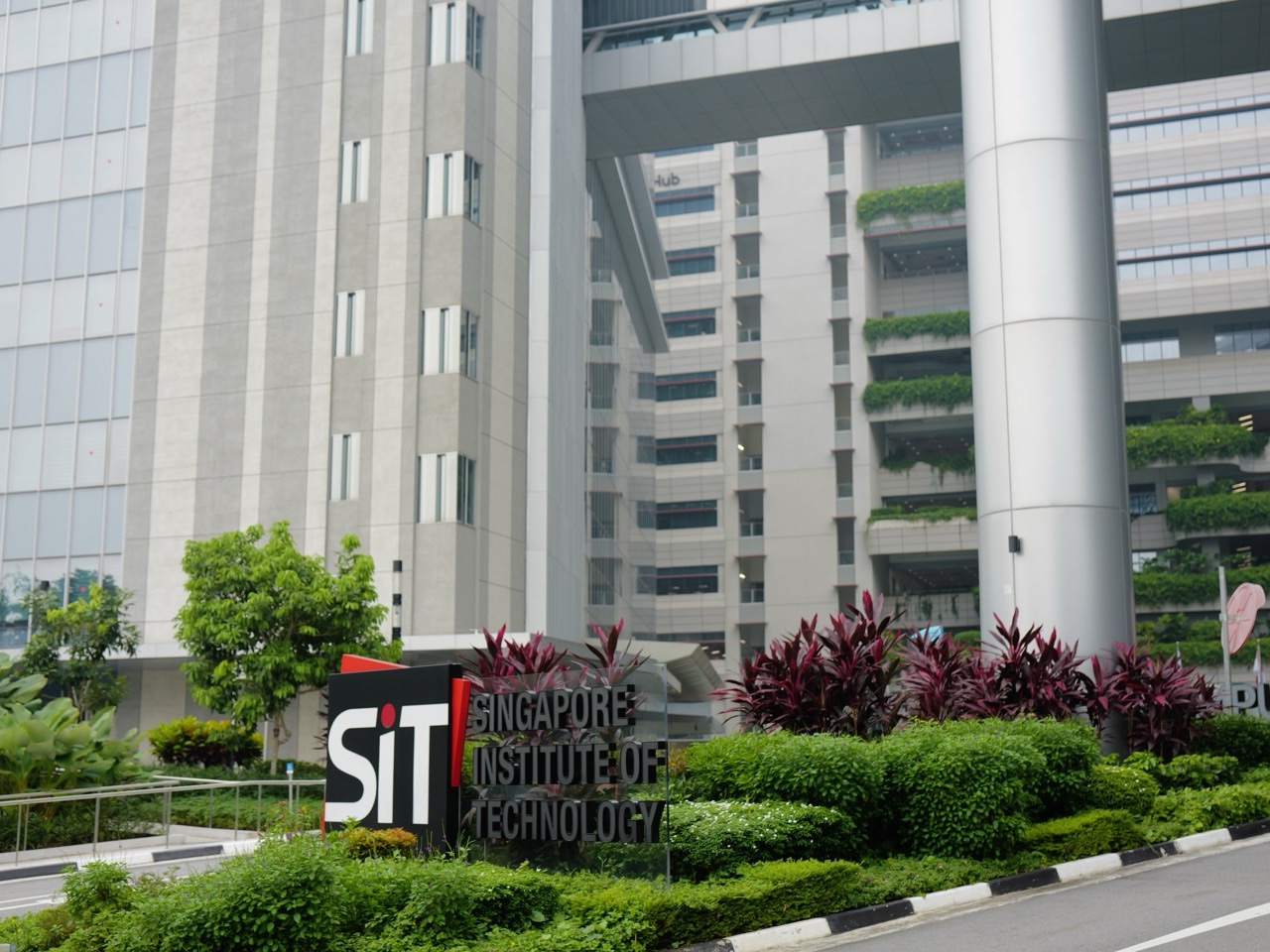
SIT Process Hazard Analysis (CHE6011N02) is officially scheduled for 18–19 March 2027, 9am–6pm on both days. The Singapore Institute of Technology (SITLEARN) describes it as a two-day workshop on hazard identification and assessment, including HAZOP and what-if/checklist methods for professional use at major hazard installations. It is a two-credit module in SIT’s Graduate Certificate in Process Safety Operations. The university’s official individual course page and 2027 pathway calendar publish the dates.
Did you know? Unlike several other process-safety modules, the individual 2027 Process Hazard Analysis page does not currently display a Fee Structure or a 2027 payable amount. An archived SIT booking catalogue lists an older historical full course fee of S$1,600 for 2025–2026 entries, but that does not prove the 2027 fee or approved subsidy. This article deliberately does not invent a S$1,744 price by copying other modules. The correct next step is to ask SITLEARN for a current GST-inclusive quotation and a funding eligibility decision.
The separate Course Runs panel also says “There are no upcoming course runs at the moment.” So the March dates are real published planning information, not confirmation of an immediately available class or registration deadline. The current page does not independently establish a teaching-room address; SIT’s institutional contact campus is at 1 Punggol Coast Road. This Punggol Events 2027 guide was verified 29 October 2026 and explains HAZOP, course suitability, professional assessment, and what employers should check before arranging training.
2027 HAZOP dates, missing fee and booking status
- Course: CHE6011N02 Process Hazard Analysis
- University: Singapore Institute of Technology, SITLEARN
- Official course dates: Thursday–Friday, 18–19 March 2027
- Advertised hours: 9am–6pm, two full training days
- Pathway position: One of eight modules in Process Safety Operations
- Academic credits: Two of eighteen credits in the full graduate certificate
- Key methods: HAZOP and what-if/checklist Process Hazard Analysis
- Practice: Interactive cases and planning/facilitation of a HAZOP study
- Fee structure for the 2027 course: Not shown on the individual SIT page checked
- Legacy historical listing: S$1,600 for prior-year editions; not a 2027 quote
- Funding: The overall pathway says eligible modules may receive up to 90% funding; individual quote required
- Live registration: Course Runs panel currently says no upcoming course runs
- Application closing date: Not confirmed for March 2027
- Location: Confirm actual room with SIT; institutional address is 1 Punggol Coast Road
- Audience: Managers, engineers, operators, safety advisers and risk practitioners
- Assessment: Credit-bearing assessment and post-course written portfolio
- Certificate: 75% attendance and passing assessment
- Portfolio timing inconsistency: Individual page one month; general pathway two weeks
- Authoritative module page: SIT CHE6011N02
The 50-second summary for Punggol residents
SIT has published 18–19 March 2027 as a two-day Process Hazard Analysis workshop. Its focus is HAZOP and what-if/checklist methods used by qualified industrial teams to identify potential hazards, review safeguards and follow up findings. The individual page currently shows no open course run, no verified registration deadline, no course-specific 2027 price and no confirmed classroom. The broader pathway suggests potential funding eligibility, but not a payable amount for this particular intake. Ask SIT before arranging leave or payment. The workshop teaches professional analysis, not permission to operate or modify hazardous systems without authorisation.
Why a missing fee is important news
Parents, residents and working adults use event guides partly to assess what an opportunity will cost. A dated university course may still be difficult to budget when the public page lacks its fee table. Other Process Safety Operations modules list S$1,744 including GST, but that does not establish the same amount for CHE6011N02. A historical SIT catalogue shows S$1,600 for an earlier edition, which cannot settle the 2027 amount either. The honest answer is price not publicly confirmed for the intended intake, followed by a practical instruction to obtain a current quote.
Why an old S$1,600 catalogue amount is not definitive
Legacy enrolment pages can preserve prices from earlier years. Different editions, tax treatments, funding categories and administrative arrangements may change an applicant’s actual payment. Even when a code matches, a price from a 2025 or 2026 course run does not guarantee a 2027 invoice. Applicants should avoid taking an archived number from a search result and multiplying by a guessed subsidy percentage. SIT, not the neighbourhood article, controls the real course price and eligible funding after an application is considered.
An available timetable is not an available ticket
The detailed CHE6011N02 schedule lists 18–19 March 2027. Its separate Course Runs panel says no upcoming runs. These statements can coexist when an institution publishes planned dates before admission opens or when a previously planned run has not been activated for booking. This guide does not claim which administrative situation applies. Residents should ask whether the March session is proceeding, when applications are accepted, how places are confirmed and what the final room will be. Do not pay an unofficial intermediary.
Why Punggol residents may care about process hazard analysis
Many working adults live in Punggol and work in engineering, operations or risk roles elsewhere in Singapore. SIT is based in Punggol Digital District and offers training relevant to those careers. The event does not imply that Punggol housing estates are major hazard installations or that a local chemical incident has been reported. Its relevance is the professional learning opportunity. A general resident can appreciate the value of careful hazard analysis without needing to attend a specialist industrial workshop.
What is a process hazard?
A hazard is something that has the potential to cause harm under relevant circumstances. In industrial process safety, the hazards considered may involve equipment, substances, operations, controls and interactions. Identifying a hazard is not the same as quantifying every possible risk or proving an incident will occur. A disciplined assessment explains what the system is intended to do, which deviations matter and what evidence supports concern. Such work requires technical knowledge and the right authorised information.
Why a design review may not be enough
SIT includes the limitations of design review in its learning outcomes. A design can appear complete on paper while assumptions about use, maintenance, interactions or abnormal conditions remain untested. A hazard-analysis session can ask structured questions beyond whether drawings look consistent. This does not mean ordinary design review is useless; it means different methods can uncover different kinds of issues. Competent professionals select and combine methods appropriate to the actual project and stage.
What is a HAZOP study?
HAZOP stands for Hazard and Operability Study. It is a structured, team-based approach to examining how a designed system might depart from its intended operating conditions and what those departures could mean. The method is used in suitable professional contexts with relevant drawings, process knowledge and qualified participants. This article does not provide a practical hazardous-process HAZOP worksheet with operating deviations or equipment settings. The useful public concept is systematic questioning rather than relying on one person’s intuition.
The difference between hazard and operability
A hazardous deviation can pose potential harm; an operability concern may interfere with a system’s intended function or reliability. Some problems have elements of both, but they should not be treated as identical. The professional team needs to understand the purpose and consequences of the relevant equipment and process. SIT’s course aims to teach learners to recognise issues that extend beyond a safe design operating envelope and consider their impact. A generic blog example cannot establish any real plant’s approved envelope.
Why HAZOP needs multiple perspectives
A process designer may understand original assumptions, while an operator knows how work is actually performed and a maintenance specialist understands equipment history. A safety adviser may bring knowledge of applicable controls and risk documentation. Team discussion can reveal gaps that a single discipline misses. This is one reason process-hazard analysis is not just a checklist completed privately by someone unfamiliar with the installation. The appropriate team and facilitator should be selected through the organisation’s professional procedures.
The facilitator’s role
SIT includes planning, preparing and facilitating a comprehensive HAZOP study. A facilitator helps ensure that the right questions are considered, evidence is recorded and discussion stays focused. They do not replace the technical knowledge of every specialist involved. A strong facilitator can also identify when an issue needs further data rather than force the group to agree prematurely. This is a professional skill requiring preparation; the two-day course does not guarantee that every attendee is immediately competent to lead all complex studies independently.
Why preparation matters before a workshop
A team-based analysis is less effective if drawings, relevant operating descriptions or responsibilities are unclear. Participants need to understand what information may legitimately be reviewed and which sources are current. The specific technical preparation varies by installation, and some material can be confidential. A learner should not assume they may bring proprietary employer diagrams to a public classroom simply because the SIT listing encourages participants to discuss case studies. Obtain permission and, where appropriate, use synthetic or safely anonymised examples.
What-if analysis in ordinary language
A what-if approach uses structured questions to examine whether a planned process could encounter unexpected conditions and how the organisation would respond. In a public, nonindustrial analogy, an event organiser might ask what happens if the advertised meeting room becomes unavailable or a participant needs accessibility assistance. The purpose is to anticipate decisions before an issue occurs. Industrial what-if assessments involve different technical evidence and professional requirements, so the simple event analogy must not be used as a substitute for them.
Checklists are helpful, but not complete answers
A checklist can make a review more consistent, especially when it captures lessons from earlier work. But a checklist cannot know every unique condition in a new installation. A team may tick all boxes while misunderstanding one critical assumption. SIT teaches what-if/checklist methods alongside HAZOP so learners can compare their strengths and limitations. The objective is structured reasoning and follow-through, not compliance theatre. An unexamined tick is not proof that a safety control functions.
How the two methods differ
HAZOP is a more formalised examination of relevant deviations, while what-if/checklist methods can structure broader questions and known concerns. The best choice may depend on system complexity, available documentation, stage of work and regulatory or organisational requirements. SIT specifically covers comparison of the methods. A professional should not describe one as always superior or freely interchangeable with the other. Real decisions need competent judgement and evidence about what the study is intended to establish.
Why scope must be defined clearly
Before analysis begins, participants need to know what equipment, process, project stage and interfaces are within scope. A narrow scope might overlook a critical dependency, while a scope that is far too broad can produce vague discussion. Qualified leaders should document what is being examined and identify related matters that require separate review. The course’s planning and preparation content addresses this professional challenge. A neighbourhood guide should not attempt to define a real industrial study boundary without authorised site information.
What happens when a team disagrees?
Different specialists may assess a concern differently. A useful analysis records the reason for disagreement and identifies which facts would resolve it instead of hiding uncertainty behind a unanimous-looking report. Some questions require a separate engineering calculation, inspection or review by an authority. The facilitator can help assign follow-up responsibility. In industrial safety, the goal is not to finish the meeting fastest; it is to create a defensible record that supports the correct next action.
Why design assumptions need to be recorded
A safeguard may have been selected under assumptions about operating conditions, equipment availability or human response. If those assumptions are lost, later teams may apply the design in ways that were not assessed. A hazard study can help make dependencies and limitations visible. The correct technical details belong to the organisation’s controlled records. The public lesson is that safe operations rely on traceable reasoning, not only on one completed engineering drawing or an expert’s memory.
Understanding possible consequences
The SIT syllabus discusses the impact of identified hazards on the facility and surrounding areas. Such assessment must use qualified professional methods and reliable case-specific information. It would be irresponsible to conclude that any nearby housing block faces a hazard simply because a university teaches consequence assessment. The course is about professional prevention and mitigation skills. It does not publish an assessment of an actual Punggol site or a prediction of where an industrial incident will occur.
Safeguards should have a defined purpose
A hazard review may identify a control intended to prevent a particular event or reduce its consequences. But merely naming an alarm, procedure or protective device does not demonstrate effectiveness. The team should ask what function it serves and what evidence supports that claim. SIT’s PHA module examines necessary safeguards as part of the hazard-analysis process. Its separate Layer of Protection Analysis module later provides more structured thinking about independent barriers. Learners should distinguish identification from full validation.
The relationship between causes and safeguards
A safeguarding measure needs to be relevant to the scenario under discussion. Otherwise a long list of controls can create reassurance without actually addressing the possible failure. Good professional analysis links what could happen, what is known about its causes and which protective measures are applicable. The details cannot be supplied from generic internet assumptions. This is why real HAZOP work requires access to authorised engineering documents and a knowledgeable cross-functional team.
A safe example using event logistics
Imagine a community organiser planning an indoor workshop. A simple what-if review asks what happens if the room is unavailable, a registration list is inaccurate or a participant needs additional access support. For each, the team identifies an appropriate responsible person and communication pathway. This fictional analogy does not analyse dangerous industrial processes. It illustrates the general logic of asking systematic questions, assigning owners and checking that proposed actions address the actual issue rather than just producing a list.
The danger of treating a meeting as the final product
A hazard workshop can produce many observations. Its value depends on whether those observations are recorded accurately, reviewed and followed up by authorised people. An unresolved recommendation should not quietly disappear because the meeting has ended. SIT includes study wrap-up, reporting and follow-up in its learning outcomes. The final report should distinguish what has been decided from what remains uncertain. A signed attendance sheet is not evidence that every identified hazard has been adequately resolved.
Who owns an action after HAZOP?
A useful corrective action needs a clear owner, appropriate authority, realistic completion criteria and a way to verify closure. If a report merely says “team to review,” nobody may know who is responsible. But the facilitator should not decide technical changes outside the organisation’s process. Assignments and verification belong to the relevant professionals and management system. The general lesson is that organisational accountability should connect the hazard-study discussion with actual operational decisions.
Why follow-up evidence matters
A team can mark a recommendation completed without showing that the underlying issue was addressed. Responsible follow-up asks what action was actually taken, whether it met the agreed objective and whether further review is necessary. Some findings may require a design revision; others might need information rather than a hardware change. The appropriate evidence depends on the case. The course’s reporting content helps learners understand that administrative closure and genuine risk reduction are not identical.
What is HAZOP revalidation?
Revalidation means revisiting a prior analysis when appropriate rather than assuming it remains correct forever. A plant, its equipment, materials or operating circumstances may change over time. New evidence or regulatory expectations may also become relevant. SIT names HAZOP revalidation as a learning outcome. The correct timing and process for a real facility depend on its applicable legal and technical requirements. This guide does not invent a universal revalidation interval for all Singapore industries.
Why the date of a study is not enough
A HAZOP report may be only a few years old yet fail to reflect major changes made since it was completed. Conversely, a carefully maintained analysis may remain valuable within its valid scope. The important questions are what the report covers, which assumptions apply and what changes have occurred. Version control, documented review and competent professional judgement matter more than a simple “recent” label. Learners should practise recognising those distinctions when interpreting the records of a real workplace.
HAZOP and management of change
When equipment, operations or materials are changed, qualified teams may need to consider whether earlier assessments remain applicable. Management of change provides the authorised pathway for that review. A person who attends this two-day course should not then independently approve a plant modification based on a remembered example. The training is useful if it helps the participant identify the need for consultation and good evidence. Real changes remain subject to site-specific engineering, regulatory and management controls.
“Time saving” in a hazard study is not skipping critical questions
The SIT syllabus explicitly names HAZOP time-saving considerations. Efficiency can matter when a complex review involves many specialists. Good preparation, clear records and purposeful facilitation may reduce avoidable repetition. But shortening the meeting by omitting relevant scenarios or assuming unresolved questions are harmless would not be a defensible saving. A useful process balances quality and effort within the applicable methodology. The objective is an accurate, actionable safety review, not the smallest number of meeting hours.
Why confidentiality belongs in a classroom case discussion
SIT encourages participants to bring their own case studies. Such an invitation should be interpreted responsibly. Real industrial documents may reveal proprietary engineering information, security-sensitive details or personal information. Do not bring them without the necessary authorisation and a clear understanding of how the training session handles confidential material. Synthetic or approved high-level examples may allow meaningful learning while avoiding inappropriate disclosure. The university can clarify its classroom rules before participants prepare case material.
The teaching team’s experience
SIT identifies Associate Professor Lim Kok Hwa and Thia Cheong Meng, a principal risk consultant experienced in industrial risk studies, within the course’s published teaching team. Their backgrounds help explain why the syllabus includes real-world examples and facilitation. That does not guarantee a private assessment of any participant’s actual plant or that the instructors will personally approve employer designs. Training arrangements can change, and the university controls the materials and assessment process.
Who is the intended learner?
The public page names managers, engineers, operators, safety advisers and risk management practitioners. Those professionals may encounter process hazard studies as team members, facilitators, reviewers or decision-makers. An operator can bring practical knowledge, while a design engineer can explain assumptions and a manager can approve resources for follow-up. The course can improve common understanding, but does not grant the same authority to everyone. Actual role and competence remain important for participating in real industrial hazard assessment.
Why it is not a public safety exhibition
A two-day HAZOP training course is different from a public fire-safety demonstration or a family workshop. It is intended for technically prepared professionals and uses applied industry case studies. The article explains the educational content for residents but does not invite visitors to enter restricted industrial sites, observe hazardous operations or practise technical procedures independently. Local families seeking ordinary emergency readiness should use suitable official public guidance. The existence of specialist training is not evidence that a new local hazard has been found.
The 18–19 March 2027 training days
SIT’s module schedule states Thursday 18 March and Friday 19 March 2027, 9am–6pm. That is two weekday commitments for working participants. Employer permission, shift coverage and possible written assignments may require additional planning. The current Course Runs panel says no upcoming runs, so the course date is not a confirmed paid place. Ask when enrolment will open, whether dates remain unchanged, and what venue is intended. The current page does not supply a complete new-registrant timetable beyond the published days.
Why the Punggol venue needs verification
SIT’s institutional contact address is 1 Punggol Coast Road, Singapore 828608, which establishes its presence in the town. But the specific CHE6011N02 page currently does not list an active course run with a room or venue. A reader must not assume the workshop is held in any particular SIT building or partner site. The university should provide exact joining instructions after confirmation. An event page can be genuinely relevant to Punggol without claiming unverified campus access for this individual session.
What is the real 2027 fee?
It is not confirmed on the individual official page reviewed. That is the material fact. SIT’s wider pathway says the modules are eligible for up to 90% SkillsFuture Funding, but funding eligibility does not establish the underlying 2027 price or a personalised subsidy. A legacy booking catalogue lists S$1,600 for historical Process Hazard Analysis runs; that is context, not a reliable invoice for March 2027. Applicants should obtain an updated GST-inclusive amount and eligible funding decision directly from SITLEARN.
What to ask for in a fee quotation
Ask whether the amount includes GST, whether any separate registration or assessment charges apply, which subsidy category you are eligible for, and how payment is collected. A professional training budget should also consider travel, work coverage and portfolio preparation time. Never assume the cheapest displayed price from a different module automatically applies here. If a company is sponsoring multiple employees, obtain the actual group or individual quotation rather than multiply an unrelated advertised rate.
A conditional budget example without an invented course fee
Suppose a team plans to send two people and knows that each will need two working days away from their normal responsibilities. It can budget four staff-days of attendance, plus travel and portfolio work, while leaving tuition as an unknown amount pending SIT’s quote. This is more accurate than inserting a convenient S$1,744 number without evidence. Once a real fee is supplied, the organisation can calculate the total and assess the training benefit against its actual needs.
Professional development recognition and funding
The general Process Safety Operations pathway indicates potential funding, but the individual PHA page does not currently publish a 2027 fee schedule or detailed approval for every applicant. Relevant continuing professional education schemes may also have separate eligibility rules. A person should not claim that attending automatically awards a particular number of SDUs or PDUs unless the relevant provider and professional body confirm it. Funding, academic credits and statutory authority are distinct matters, even when they appear on the same training website.
Certificate of Attainment requirements
The official module says participants need at least 75% attendance, must undertake and pass a credit-bearing assessment and submit a written portfolio. A learner meeting attendance without passing may receive a Certificate of Participation under the published terms. This is not a law or engineering licence. The result records learning under SIT’s requirements. A person whose work involves leading real HAZOP studies still needs appropriate experience, organisational authorisation and any relevant regulatory qualifications.
The portfolio deadline conflict
The individual CHE6011N02 page says written portfolios should be submitted within one month of the module. The overall Process Safety Operations pathway says within two weeks. Both are current SIT sources, and the difference matters for a working adult. This guide does not select the more generous period without evidence. Ask SIT for the correct deadline for the March 2027 cohort, ideally in a joining or assessment notice, and plan accordingly.
The two credits and eight-module qualification
CHE6011N02 carries two credits under the eighteen-credit Graduate Certificate in Process Safety Operations. The full programme requires successful completion of eight named modules, not simply attendance at this workshop. The courses may also be taken individually under the university’s rules. An employee may need HAZOP training for a specific work role without pursuing the full qualification. Another may plan the entire January–May sequence. Both choices should follow actual professional needs and verified admissions.
What separates PHA from Process Safety Concepts?
The Process Safety Concepts guide covers the 8 January 2027 introductory module on industrial hazards, controls and management systems. Process Hazard Analysis is more focused on structured study methods such as HAZOP and what-if/checklist. Knowing the general ideas of hazard management can support later analysis, but a place in one course is not a booking for the other. Their assessments, fees and dates require separate confirmation.
What separates PHA from Layer of Protection Analysis?
The Layer of Protection Analysis module is scheduled for 8–9 April 2027. PHA asks systematic questions to identify and describe potential hazards and existing controls. LOPA then examines selected scenarios and the independence of protective layers within its own defined method. One is not a shortcut for the other. The two subjects can reinforce one another, but genuine safety decisions require professional evidence and compliance with applicable procedures.
What separates PHA from Quantitative Risk Analysis?
The SIT QRA course guide covers 10–12 May 2027 and focuses on numerical likelihood, consequences and risk criteria. A HAZOP can help identify scenarios to examine, while QRA can provide quantitative analysis in appropriate circumstances. Neither should be described as an automatic replacement for the other. The choice and combination of methods depend on the risk, project and professional requirements.
The best use of case studies in professional development
A carefully chosen case can illustrate how unclear assumptions, fragmented responsibilities or missing safeguards create risk. Its learning value depends on whether participants identify what evidence is available and what remains uncertain. A participant should avoid using a famous incident to label every similar-looking piece of equipment unsafe. The course invites learners to examine practical scenarios, but each actual installation requires its own evidence. Historical understanding should improve questions and methods, not generate unsupported conclusions about a local site.
A manager’s useful outcome after the class
A manager may come away better able to ask whether a proposed HAZOP has a defined scope, qualified team, current documents, action owners and a credible follow-up process. That does not mean the manager can personally approve every technical finding. The organisation must maintain the correct separation between managerial responsibility, expert analysis and regulatory authority. A valuable training result is stronger oversight and clearer requests for evidence, not simply a certificate displayed in an office.
Frequently asked questions
Dates? 18–19 March 2027, 9am–6pm. Fee? The current detailed SIT page does not publish a 2027 fee; older S$1,600 catalogue values should not be assumed current. Bookable now? The Course Runs panel says no upcoming runs. Venue? Confirm with SIT. What is HAZOP? A structured professional hazard and operability study. Assessment? Credit-bearing assessment plus written portfolio. Portfolio deadline? One month on module page versus two weeks on pathway page. Credits? Two of eighteen. Does the course confer authority to approve an industrial plant? No automatic licence or sign-off is promised.
Practical applicant checklist
Open SIT CHE6011N02 and the Process Safety Operations pathway. Ask whether the March course is proceeding and accepting applications, request the registration deadline, correct training venue and a current 2027 fee quotation. Confirm individual funding rather than reuse another module’s numbers. Clarify the portfolio deadline, academic expectations and rules for bringing workplace cases. Seek authorisation before discussing confidential technical documents. Treat the course as development of professional skills, not permission to bypass an employer’s hazard-management procedures.
Sources and connected Punggol coverage
Primary source: SIT Process Hazard Analysis CHE6011N02, supporting the dates, HAZOP and what-if content, assessment and current no-upcoming-runs notice; importantly, it has no Fee Structure displayed. Certificate architecture: SIT Graduate Certificate in Process Safety Operations, supporting eight modules, eighteen credits and potential funding. Historical fee context: Older SIT course catalogue entries list S$1,600 for previous PHA runs but are not a 2027 quote. Local guides: Punggol Events, Process Safety Concepts, and QRA May 2027. Verified 29 October 2026.
Final thought: good analysis exposes uncertainty rather than hiding it
The 18–19 March 2027 Process Hazard Analysis module is a verified scheduled SIT offering with a clear technical purpose: helping competent teams identify possible industrial hazards and organise responsible follow-up. However, its current website does not confirm a 2027 course price, open registration, teaching room or consistent portfolio deadline. Those gaps are facts that applicants deserve to know. Ask SIT to resolve them before committing, then use the training to make assumptions visible, support professional challenge and ensure findings lead to accountable decisions. That is more valuable than a polished but unfounded safety claim.


