
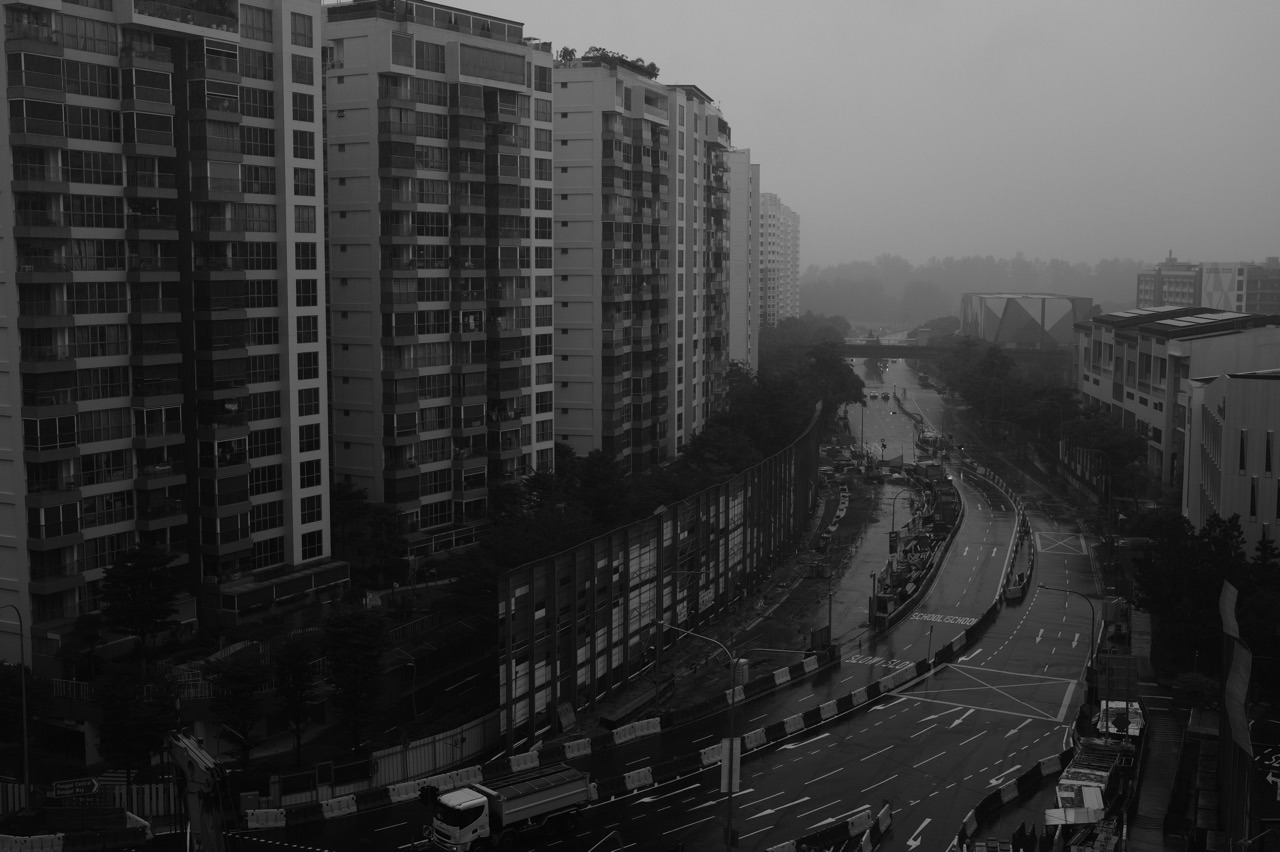
Life in Punggol | Rainy-Day Movement at Home. Try quiet, low-impact activity indoors during wet weather without disturbing HDB neighbours or pushing unsafe exercise. Did you know that a useful local activity does not have to be long, expensive or competitive? This guide gives Punggol households a clear starting point, an achievable progression and safety checks. It is an original practical companion to the Life in Punggol master guide.
Quick answers
- Where? Start in a suitable space at home or on a permitted neighbourhood path.
- Who? Adapt to children, working adults, older residents and mobility needs.
- How long? Choose a comfortable duration and shorten it when needed.
- What does it cost? A self-guided activity need not require paid admission.
- What about bad weather? Follow MSS lightning, heat-stress and haze advice.
1. Safe floor space
For safe floor space, start with the simplest real-world decision. Consider the person’s ability, the exact environment and how to stop safely. A Punggol household may be balancing school, shifts, caregiving and transport. There is no reason to copy a strenuous routine intended for someone else. A suitable activity is one that the participants understand and genuinely want to repeat.
The first-principles approach is to establish a safe foundation before increasing complexity. Ask whether the space is appropriate, whether everyone has a comfortable alternative and whether the activity interferes with other people. On public park connectors, give pedestrians, cyclists and wheelchair users room. Indoors, avoid unsafe clutter and unnecessary noise. A clear decision today is more valuable than an ambitious plan that cannot be maintained.
A useful reflection is to notice what happened rather than invent a success story. Did someone enjoy the experience? Was the time practical? Were there concerns about weather, fatigue or access? Make one small adjustment next time. If someone develops concerning symptoms, stop and seek suitable professional advice. Generic lifestyle information cannot assess individual medical readiness.
2. Quiet movements
For quiet movements, start with the simplest real-world decision. Consider the person’s ability, the exact environment and how to stop safely. A Punggol household may be balancing school, shifts, caregiving and transport. There is no reason to copy a strenuous routine intended for someone else. A suitable activity is one that the participants understand and genuinely want to repeat.
The first-principles approach is to establish a safe foundation before increasing complexity. Ask whether the space is appropriate, whether everyone has a comfortable alternative and whether the activity interferes with other people. On public park connectors, give pedestrians, cyclists and wheelchair users room. Indoors, avoid unsafe clutter and unnecessary noise. A clear decision today is more valuable than an ambitious plan that cannot be maintained.
A useful reflection is to notice what happened rather than invent a success story. Did someone enjoy the experience? Was the time practical? Were there concerns about weather, fatigue or access? Make one small adjustment next time. If someone develops concerning symptoms, stop and seek suitable professional advice. Generic lifestyle information cannot assess individual medical readiness.
3. Children’s games
For children’s games, start with the simplest real-world decision. Consider the person’s ability, the exact environment and how to stop safely. A Punggol household may be balancing school, shifts, caregiving and transport. There is no reason to copy a strenuous routine intended for someone else. A suitable activity is one that the participants understand and genuinely want to repeat.
The first-principles approach is to establish a safe foundation before increasing complexity. Ask whether the space is appropriate, whether everyone has a comfortable alternative and whether the activity interferes with other people. On public park connectors, give pedestrians, cyclists and wheelchair users room. Indoors, avoid unsafe clutter and unnecessary noise. A clear decision today is more valuable than an ambitious plan that cannot be maintained.
A useful reflection is to notice what happened rather than invent a success story. Did someone enjoy the experience? Was the time practical? Were there concerns about weather, fatigue or access? Make one small adjustment next time. If someone develops concerning symptoms, stop and seek suitable professional advice. Generic lifestyle information cannot assess individual medical readiness.
4. Chair-based options
For chair-based options, start with the simplest real-world decision. Consider the person’s ability, the exact environment and how to stop safely. A Punggol household may be balancing school, shifts, caregiving and transport. There is no reason to copy a strenuous routine intended for someone else. A suitable activity is one that the participants understand and genuinely want to repeat.
The first-principles approach is to establish a safe foundation before increasing complexity. Ask whether the space is appropriate, whether everyone has a comfortable alternative and whether the activity interferes with other people. On public park connectors, give pedestrians, cyclists and wheelchair users room. Indoors, avoid unsafe clutter and unnecessary noise. A clear decision today is more valuable than an ambitious plan that cannot be maintained.
A useful reflection is to notice what happened rather than invent a success story. Did someone enjoy the experience? Was the time practical? Were there concerns about weather, fatigue or access? Make one small adjustment next time. If someone develops concerning symptoms, stop and seek suitable professional advice. Generic lifestyle information cannot assess individual medical readiness.
5. Neighbour consideration
For neighbour consideration, start with the simplest real-world decision. Consider the person’s ability, the exact environment and how to stop safely. A Punggol household may be balancing school, shifts, caregiving and transport. There is no reason to copy a strenuous routine intended for someone else. A suitable activity is one that the participants understand and genuinely want to repeat.
The first-principles approach is to establish a safe foundation before increasing complexity. Ask whether the space is appropriate, whether everyone has a comfortable alternative and whether the activity interferes with other people. On public park connectors, give pedestrians, cyclists and wheelchair users room. Indoors, avoid unsafe clutter and unnecessary noise. A clear decision today is more valuable than an ambitious plan that cannot be maintained.
A useful reflection is to notice what happened rather than invent a success story. Did someone enjoy the experience? Was the time practical? Were there concerns about weather, fatigue or access? Make one small adjustment next time. If someone develops concerning symptoms, stop and seek suitable professional advice. Generic lifestyle information cannot assess individual medical readiness.
6. Ventilation and haze
For ventilation and haze, start with the simplest real-world decision. Consider the person’s ability, the exact environment and how to stop safely. A Punggol household may be balancing school, shifts, caregiving and transport. There is no reason to copy a strenuous routine intended for someone else. A suitable activity is one that the participants understand and genuinely want to repeat.
The first-principles approach is to establish a safe foundation before increasing complexity. Ask whether the space is appropriate, whether everyone has a comfortable alternative and whether the activity interferes with other people. On public park connectors, give pedestrians, cyclists and wheelchair users room. Indoors, avoid unsafe clutter and unnecessary noise. A clear decision today is more valuable than an ambitious plan that cannot be maintained.
A useful reflection is to notice what happened rather than invent a success story. Did someone enjoy the experience? Was the time practical? Were there concerns about weather, fatigue or access? Make one small adjustment next time. If someone develops concerning symptoms, stop and seek suitable professional advice. Generic lifestyle information cannot assess individual medical readiness.
7. Short study breaks
For short study breaks, start with the simplest real-world decision. Consider the person’s ability, the exact environment and how to stop safely. A Punggol household may be balancing school, shifts, caregiving and transport. There is no reason to copy a strenuous routine intended for someone else. A suitable activity is one that the participants understand and genuinely want to repeat.
The first-principles approach is to establish a safe foundation before increasing complexity. Ask whether the space is appropriate, whether everyone has a comfortable alternative and whether the activity interferes with other people. On public park connectors, give pedestrians, cyclists and wheelchair users room. Indoors, avoid unsafe clutter and unnecessary noise. A clear decision today is more valuable than an ambitious plan that cannot be maintained.
A useful reflection is to notice what happened rather than invent a success story. Did someone enjoy the experience? Was the time practical? Were there concerns about weather, fatigue or access? Make one small adjustment next time. If someone develops concerning symptoms, stop and seek suitable professional advice. Generic lifestyle information cannot assess individual medical readiness.
A flexible seven-day example
- Day 1: Explore safe floor space through a short, suitable activity. Keep it optional, observe comfort and avoid compulsory performance targets.
- Day 2: Explore quiet movements through a short, suitable activity. Keep it optional, observe comfort and avoid compulsory performance targets.
- Day 3: Explore children’s games through a short, suitable activity. Keep it optional, observe comfort and avoid compulsory performance targets.
- Day 4: Explore chair-based options through a short, suitable activity. Keep it optional, observe comfort and avoid compulsory performance targets.
- Day 5: Explore neighbour consideration through a short, suitable activity. Keep it optional, observe comfort and avoid compulsory performance targets.
- Day 6: Explore ventilation and haze through a short, suitable activity. Keep it optional, observe comfort and avoid compulsory performance targets.
- Day 7: Explore short study breaks through a short, suitable activity. Keep it optional, observe comfort and avoid compulsory performance targets.
Three everyday Punggol examples
A family with a young child
Imagine a family with a young child trying rainy-day movement. They choose a safe and manageable setting, discuss what each person wants and identify a convenient stopping point. Nobody is required to achieve a specific number or distance. The activity can be shortened, postponed or replaced when conditions change. This is a fictional planning illustration rather than a booked class or guaranteed outcome.
Afterwards, they ask whether the experience fits normal life and what they would adjust. The lesson is not to fill every hour with another activity. It is to find small opportunities for enjoyment, learning and suitable movement while respecting rest, accessibility and the people sharing the space.
A student after school or CCA
Imagine a student after school or cca trying rainy-day movement. They choose a safe and manageable setting, discuss what each person wants and identify a convenient stopping point. Nobody is required to achieve a specific number or distance. The activity can be shortened, postponed or replaced when conditions change. This is a fictional planning illustration rather than a booked class or guaranteed outcome.
Afterwards, they ask whether the experience fits normal life and what they would adjust. The lesson is not to fill every hour with another activity. It is to find small opportunities for enjoyment, learning and suitable movement while respecting rest, accessibility and the people sharing the space.
An older resident planning a quieter day
Imagine an older resident planning a quieter day trying rainy-day movement. They choose a safe and manageable setting, discuss what each person wants and identify a convenient stopping point. Nobody is required to achieve a specific number or distance. The activity can be shortened, postponed or replaced when conditions change. This is a fictional planning illustration rather than a booked class or guaranteed outcome.
Afterwards, they ask whether the experience fits normal life and what they would adjust. The lesson is not to fill every hour with another activity. It is to find small opportunities for enjoyment, learning and suitable movement while respecting rest, accessibility and the people sharing the space.
Safety and responsible participation
Punggol’s parks and residential spaces serve many people. Check official access notices and use designated paths. Protect plants and wildlife; do not enter restricted areas or disclose sensitive nesting locations. At home, maintain clear floor space and consider noise and ventilation. Anyone with recent injury, significant health concerns or unusual symptoms should seek individual advice before demanding physical activity. Haze, lightning and excessive heat are reasons to change plans.
Frequently asked questions
Can complete beginners participate?
Choose an appropriate activity and setting for the individual. There is no universal time target or guarantee of health or educational improvement. Start gently, follow applicable venue rules, and adjust for personal needs. Use the official references and related guides below to check details rather than assuming a programme or facility is available.
Is equipment required?
Choose an appropriate activity and setting for the individual. There is no universal time target or guarantee of health or educational improvement. Start gently, follow applicable venue rules, and adjust for personal needs. Use the official references and related guides below to check details rather than assuming a programme or facility is available.
Can young children join?
Choose an appropriate activity and setting for the individual. There is no universal time target or guarantee of health or educational improvement. Start gently, follow applicable venue rules, and adjust for personal needs. Use the official references and related guides below to check details rather than assuming a programme or facility is available.
What about older adults?
Choose an appropriate activity and setting for the individual. There is no universal time target or guarantee of health or educational improvement. Start gently, follow applicable venue rules, and adjust for personal needs. Use the official references and related guides below to check details rather than assuming a programme or facility is available.
Is this a free activity?
Choose an appropriate activity and setting for the individual. There is no universal time target or guarantee of health or educational improvement. Start gently, follow applicable venue rules, and adjust for personal needs. Use the official references and related guides below to check details rather than assuming a programme or facility is available.
How much time should we allow?
Choose an appropriate activity and setting for the individual. There is no universal time target or guarantee of health or educational improvement. Start gently, follow applicable venue rules, and adjust for personal needs. Use the official references and related guides below to check details rather than assuming a programme or facility is available.
What if it rains?
Choose an appropriate activity and setting for the individual. There is no universal time target or guarantee of health or educational improvement. Start gently, follow applicable venue rules, and adjust for personal needs. Use the official references and related guides below to check details rather than assuming a programme or facility is available.
Does this replace a full fitness plan?
Choose an appropriate activity and setting for the individual. There is no universal time target or guarantee of health or educational improvement. Start gently, follow applicable venue rules, and adjust for personal needs. Use the official references and related guides below to check details rather than assuming a programme or facility is available.
How can we make it a habit?
Choose an appropriate activity and setting for the individual. There is no universal time target or guarantee of health or educational improvement. Start gently, follow applicable venue rules, and adjust for personal needs. Use the official references and related guides below to check details rather than assuming a programme or facility is available.
What if someone feels unwell?
Choose an appropriate activity and setting for the individual. There is no universal time target or guarantee of health or educational improvement. Start gently, follow applicable venue rules, and adjust for personal needs. Use the official references and related guides below to check details rather than assuming a programme or facility is available.
Can this support school learning?
Choose an appropriate activity and setting for the individual. There is no universal time target or guarantee of health or educational improvement. Start gently, follow applicable venue rules, and adjust for personal needs. Use the official references and related guides below to check details rather than assuming a programme or facility is available.
Where can I find more Punggol information?
Choose an appropriate activity and setting for the individual. There is no universal time target or guarantee of health or educational improvement. Start gently, follow applicable venue rules, and adjust for personal needs. Use the official references and related guides below to check details rather than assuming a programme or facility is available.
Connected eduKate reading
- Life in Punggol hub
- Waterway Park guide
- Movement Microbreaks
- Warm-up and Cool-down
- Screen-free family activities
- Clementi learning reference
- Life in Punggol | A 7-Day Family Walking Challenge
- Life in Punggol | Nature Journaling Along the Waterway
- Life in Punggol | Weekend Recovery and Gentle Mobility
Official guidance
Home movement: neighbours, safety and alternatives
Indoor movement in an HDB flat should respect neighbours below and beside the home. Quiet mobility, gentle balance practice with appropriate support and controlled movement may be preferable to jumping, stomping or dragging heavy furniture. Clear the floor, avoid slippery socks on smooth tiles and leave sufficient space around doors and furnishings.
A child needs adult supervision and age-appropriate activities. An older adult with falls concerns may require a professionally assessed balance programme rather than copying exercises online. The aim is movement that fits the home and the people living there, not the loudest or most strenuous workout.
Continue through the connected series: Life in Punggol master hub, beginner exercise plan, and eduKate’s Clementi learning reference.
Reviewed 25 October 2026. General lifestyle education, not medical clearance or a confirmed booking. Check current local access and official safety guidance.


