
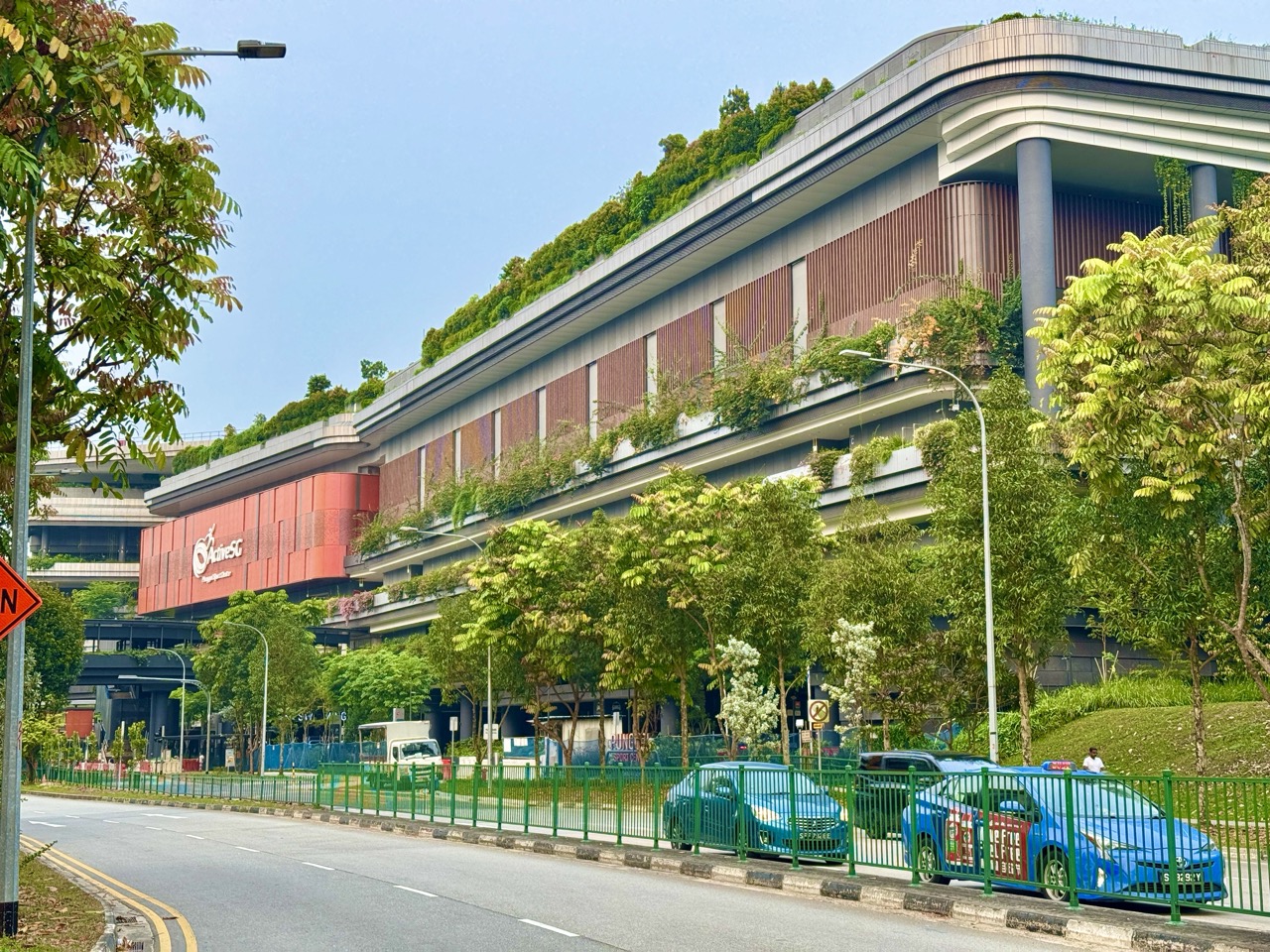
The top 10 things to do in Punggol for Public Health students are to map health-related services at One Punggol, locate the actual Punggol Polyclinic at Oasis Terraces, study Healthier SG enrolment, explain the eligibility of preventive screening, learn the role of Bloodbank@One Punggol, practise NEA’s weekly dengue prevention, interpret regional air-quality information responsibly, plan inclusive park activity, create non-judgemental healthy-food messages and prepare a fact-checked public-health information sheet.
Two locations to get right: SingHealth Punggol Polyclinic is at 681 Punggol Drive, Oasis Terraces #02-01, near Oasis LRT. Bloodbank@One Punggol is a separate HSA facility at One Punggol, 1 Punggol Drive #02-38, collecting whole blood. Neither is an educational walk-in attraction, and real screening, clinical care or blood donation requires the correct provider’s eligibility and appointment instructions.
This October 2026 guide is a learning resource about prevention, public health systems, risk communication and population-level reasoning. It is not a medical diagnostic questionnaire. Government advice, service eligibility and location records are sourced; individual health decisions require appropriate professionals. Students can complete every exercise using public sources and fictional scenarios without collecting medical data or disturbing patients.
Which public-health question should you study?
- Healthcare access: how do real service locations and transport links affect everyday navigation?
- Preventive policy: what does Healthier SG offer, and who can enrol or receive screening?
- Community supply: how does HSA organise safe voluntary whole-blood donation?
- Communicable disease: why is removing stagnant water a repeated vector-control activity?
- Environmental health: how do PSI, PM2.5 and current advisories inform decisions?
- Built environment: what makes an activity path practical for different users?
- Nutrition communication: how can accurate advice avoid stigma or false promises?
- Research integrity: how should a leaflet show source, timing, eligibility and uncertainty?
The distinction between one person’s care and population prevention
Public health often studies the conditions in which people live and how collective services can help prevent illness. That is different from diagnosing a person or choosing a treatment for an individual. A service map may show that a bloodbank operates near a community library, but it does not tell us whether an individual is eligible to donate. A screening programme may recommend certain tests for a defined population, but a family doctor’s assessment still matters for a particular patient’s needs.
Students should begin with the correct denominator and scope. A Punggol clinic’s address is a factual service detail. The number of people waiting in one photograph is not a credible townwide demand estimate. An NEA reporting-region pollutant value is not a sensor outside someone’s flat. A public programme’s eligibility condition cannot be discarded simply because its purpose is broadly beneficial. These source distinctions are central to good population-health analysis.
Public health also requires care for privacy and dignity. Research into medical use, chronic conditions, vaccination status or donor eligibility can reveal sensitive information. A beginner need not approach patients, visit treatment rooms or collect anyone’s records. Authorised aggregated public data, original guidance and clearly fictional case scenarios can teach screening logic, communication and prevention without avoidable intrusions.
Ten Punggol public-health learning activities
1. Map the community health services co-located at One Punggol
Where: One Punggol, 1 Punggol Drive; People’s Association public hub description.
Public-health significance
PA describes One Punggol as a hub with nine co-location partners, including the regional library, community club, senior-care services, a blood-collection centre, renal dialysis facilities and other resident services. Public health considers how service location, accessibility and daily routines can influence whether preventive or ongoing care is practical. The building’s facility directory does not reveal actual appointment availability or the health status of people using its services. A student should read it as a resource map, not a patient database.
Source-led learning method
Open the PA hub information and identify three genuinely documented service categories: information and learning, community social participation and health-related services. Draw a schematic of how a fictional resident might combine a public library visit with an ordinary enquiry about a service. Mark ‘public information’ separately from treatment areas with restricted access. Ask whether co-location could reduce the need for separate trips, then note which data—real route times, wait times, individual needs—would be needed to test the benefit. Keep the map conceptual rather than a supposed clinical floor plan.
Worked local example
A student writes ‘Because One Punggol contains eldercare, all older residents receive adequate care there’. The facility’s existence proves neither universal eligibility nor the adequacy of care for an entire population. The revised statement says PA lists an eldercare centre and identifies accessibility and service capacity as separate research questions. The student has shifted from assumption to a testable public-health inquiry.
More advanced question
Create an access matrix showing hypothetical resident needs, transport and public information. Discuss how a venue’s multi-generation design objective may differ from an individual caregiver’s experience. A formal access evaluation would require appropriate ethics and agency cooperation; anonymous desktop analysis is a suitable first step.
Clinical, ethical and access boundaries
Do not enter medical rooms, observe patients or interview care users without institutional permission and genuine consent. General hub opening does not mean any individual treatment service is a walk-in attraction.
Official source: Map the community health services co-located at One Punggol. Always confirm current service and eligibility information directly.
2. Locate Punggol Polyclinic correctly before analysing primary care
Where: SingHealth Polyclinics – Punggol at Oasis Terraces, 681 Punggol Drive, #02-01.
Public-health significance
SingHealth identifies Punggol Polyclinic inside Oasis Terraces, with Oasis LRT as the nearest LRT station. It is distinct from the bloodbank and other medical facilities in One Punggol. This is a public-health access lesson: clinic selection involves the correct address, provider, transport, appointment process and actual eligible services. A student cannot infer medical demand, waiting time or quality from the clinic’s proximity to a station alone.
Source-led learning method
Use SingHealth’s current Punggol Polyclinic page to record the official address and ordinary appointment enquiry route. Compare it with PA’s One Punggol location in a two-place table. On a map, identify the general LRT-to-facility relation without promising that every path is step-free or that a particular appointment is available. Draft a fictional resident information card explaining which provider to contact and why calling ahead for service arrangements matters. Include no individual’s medical records or bookings.
Worked local example
A learner tells a family that the polyclinic is on the second floor of One Punggol because both places provide health services. The official SingHealth address instead places Punggol Polyclinic at Oasis Terraces. The student corrects the venue, recognises the potential real harm of a wrong travel recommendation and adds a source date. This demonstrates that accurate service navigation is itself part of health communication.
More advanced question
Ask which features of access matter beyond distance: eligibility, language, operating hours, cost, physical access, appointment availability and continuity of care. Do not claim to measure any of these from one directory page. A more advanced class can write a responsible information-needs brief rather than posing as patients for observation.
Clinical, ethical and access boundaries
Do not visit clinical areas for sightseeing, record patients in waiting rooms or imply a student project can book or alter treatment. Clinic hours and procedures must be verified through SingHealth before genuine care journeys.
Official source: Locate Punggol Polyclinic correctly before analysing primary care. Always confirm current service and eligibility information directly.
3. Explain Healthier SG as preventive primary care, not a free-for-all event
Where: Healthier SG official guidance and HealthHub enrolment information.
Public-health significance
MOH’s Healthier SG programme is built around preventive care and a continuing relationship with an enrolled family doctor. Official eligibility currently covers eligible Singapore Citizens and Permanent Residents aged 40 and above, with enrolment through HealthHub and support routes. This is an opportunity to learn the difference between a general public health policy, individual eligibility and a specific patient’s personal plan. A student should not promise every service is free or that any named clinic has live appointments.
Source-led learning method
Read the official Healthier SG enrolment page and identify who can enrol, how to choose a participating clinic and what the first Health Plan consultation is intended to achieve. Write a hypothetical resident’s decision tree with branches for eligibility, current invitation or assisted enrolment, and questions to confirm with the actual provider. Keep age and nationality as conditions rather than asking classmates to disclose their health or citizenship details. Mark the scheme’s benefits as subject to the published terms.
Worked local example
A fictional 28-year-old student reads that Healthier SG starts at age 40 and claims the programme must enrol every adult instantly because its goal is prevention. A policy’s purpose does not erase its eligibility conditions. A corrected leaflet states the current age and residency rules and suggests checking HealthHub or the official hotline for actual eligibility instead of inventing admission.
More advanced question
Compare population-level encouragement with voluntary individual preventive-care decisions. What does continuity with a family doctor mean in policy design? Which outcomes would require long-term programme evaluation rather than a single patient’s experience? Keep programme descriptions and outcome claims in separate columns.
Clinical, ethical and access boundaries
Do not enrol somebody without their authorisation, request their Singpass credentials or provide medical recommendations based on hypothetical eligibility. Benefits and subsidies can change; refer readers to official Healthier SG terms.
Official source: Explain Healthier SG as preventive primary care, not a free-for-all event. Always confirm current service and eligibility information directly.
4. Design a screening eligibility explainer that does not oversimplify
Where: HealthHub’s official Healthier SG Screening programme.
Public-health significance
HealthHub documents a national screening programme with eligibility dependent on age, sex, existing health conditions and timing of the last screening. A test being useful for one age and risk group does not imply that everybody should undergo the same test every year. Public-health communication can help people understand how to check eligibility without turning a student handout into an individual diagnosis or a substitute for their doctor’s clinical judgement.
Source-led learning method
Read the official screening overview and its current FAQ. Select two harmless fictional residents with clearly stated ages but no invented medical history. Create a decision card with ‘check current eligibility’, ‘confirm whether screening is due’ and ‘discuss individual circumstances with an appropriate healthcare professional’. Keep details about cervical, breast, colorectal or cardiovascular tests linked to their published eligibility rather than converting guidelines into universal commands. Do not store actual people’s screening results or identities.
Worked local example
A student publishes ‘everyone aged 30 should get every listed cancer screening annually’. HealthHub’s programme has different age, sex and interval rules, as well as risk-based circumstances. The corrected chart directs users to the genuine eligibility tool and clearly says a screening plan must follow current recommendations and individual professional guidance. The revision avoids both overtesting claims and false reassurance.
More advanced question
Explain screening sensitivity, specificity and the possibility of false positives or false negatives using an invented numerical example, if appropriate for advanced learners. Ask why even a population-level useful test may not suit every subgroup equally. A sound class report names the target population, outcome and uncertainties.
Clinical, ethical and access boundaries
Never present a screening worksheet as a medical assessment, request private test results or guarantee a subsidised appointment price. Any real decision about symptoms or recommended tests should involve the actual healthcare provider.
Official source: Design a screening eligibility explainer that does not oversimplify. Always confirm current service and eligibility information directly.
5. Use Bloodbank@One Punggol to learn eligibility and the public blood supply
Where: Bloodbank@One Punggol, 1 Punggol Drive #02-38.
Public-health significance
The Health Sciences Authority lists Bloodbank@One Punggol among five bloodbanks and specifies that this site collects whole blood only, unlike facilities that offer apheresis. Blood donation connects individual volunteer action to a shared national supply, eligibility screening, safety and clinical logistics. For a public-health student, the important exercise is to explain the service accurately and distinguish donation from access to medical treatment. An operating bloodbank does not mean every visitor is eligible to donate.
Source-led learning method
Read HSA’s current location page and donor eligibility information. Write a service card with the correct unit, site, kind of donation offered and direction to current hours or appointments. Identify the final eligibility assessment as belonging to trained medical personnel. On a paper decision tree, use ‘read official criteria’, ‘consider whether to enquire’ and ‘staff assessment’, with no collection of actual donors’ health or travel histories. If preparing an outreach flyer, check any dated travel-deferral rules from the official page rather than copying older information.
Worked local example
A student confidently lists plasma donation as available at the One Punggol site. HSA’s current page says only whole blood donation is available there. The corrected guide names the site accurately and refers readers to other authorised HSA bloodbank information for different types of donation. A small factual error can materially affect someone’s travel, so local precision matters.
More advanced question
Discuss the roles of donor eligibility, screening, supply planning and transport access without creating a fictitious stockpile statistic. A public-health report could analyse how reliable location information supports voluntary donation, with actual outcomes requiring HSA data. Contrast awareness campaigns with medical assessment performed on site.
Clinical, ethical and access boundaries
Do not attempt donation as a classroom requirement, pressure an ineligible person or enter clinical collection spaces without legitimate purpose. HSA medical staff make the final eligibility decision; check live hours and conditions before visiting.
Official source: Use Bloodbank@One Punggol to learn eligibility and the public blood supply. Always confirm current service and eligibility information directly.
6. Use NEA’s weekly Mozzie Wipeout as a vector-prevention case study
Where: A Punggol home and authorised shared spaces, without collecting mosquitoes.
Public-health significance
NEA explains that Aedes mosquitoes can breed in very small amounts of clean stagnant water and recommends a Mozzie Wipeout at least once a week. Vector prevention is a classic public-health intervention because changing a breeding environment can reduce opportunities for transmission without waiting for illness to appear. A student must distinguish removing water-collecting sites from claiming that an individual mosquito or household is definitely infected with dengue.
Source-led learning method
Read NEA’s current B-L-O-C-K guidance. Make a safe checklist of containers and plant saucers the household is authorised to manage. Empty stagnant water and store items appropriately, with adult supervision and without chemicals. Keep a dated record of prevention tasks done, not medical diagnoses or guesses about neighbours. Compare weekly prevention with an occasional one-time cleanup. If a site belongs to building management, use the appropriate reporting channel rather than entering restricted areas.
Worked local example
A family discovers rainwater in an unused watering can and empties it. The student’s original report states ‘we eliminated all dengue risk for our block’. That conclusion is not supported. The accurate note records one breeding-site prevention action and explains that mosquitoes and disease transmission are managed through repeated individual and community efforts. This precision strengthens the public-health lesson.
More advanced question
Create an imaginary cohort model showing how exposure opportunities might differ between two scenarios, making it explicit that the numbers are not live dengue statistics. Introduce the idea that disease requires a transmission chain and that identifying the vector is different from diagnosing infection. Cite NEA instead of inventing neighbourhood outbreak figures.
Clinical, ethical and access boundaries
Never breed larvae, collect mosquitoes, use insecticides without the proper guidance or enter a neighbour’s property for an assignment. Suspected illness belongs with healthcare professionals.
Official source: Use NEA’s weekly Mozzie Wipeout as a vector-prevention case study. Always confirm current service and eligibility information directly.
7. Translate NEA’s air quality information into a safe outdoor-activity message
Where: myENV official environmental information; Waterway Park as a planning context.
Public-health significance
NEA publishes 24-hour PSI and one-hour PM2.5 information for different environmental decisions. A regional metric cannot be used as though it were a calibrated reading outside a particular student’s home. Public health includes risk communication: people need to know what a number measures, which group it applies to, what time period it covers and which agency advice to follow. A scientifically accurate number may still mislead if its time and geographical scope disappear from the headline.
Source-led learning method
Read myENV’s measurement descriptions. Build a blank communication card with fields for source, pollutant metric, region, timestamp, public advice and last updated time. Fill it with a clearly fictional example rather than inventing Punggol’s actual current PSI. Ask a reader whether the card makes clear what is known and which questions remain open. For a real walk, check the current NEA advisory, local weather and personal circumstances through appropriate professional advice if needed.
Worked local example
An invented worksheet displays ‘PM2.5: 30µg/m³’ and the headline ‘Punggol residents face PSI 30 right now’. PM2.5 concentration and PSI are different metrics, and the region and timestamp are missing. The corrected card names the exact measurement type, its unit and its illustrative status. Students learn that interpreting a dataset is not optional editorial decoration.
More advanced question
Discuss why the same environmental reading may lead to different advice for groups with different health circumstances, without making a personalised recommendation. Explain how information quality, access to indoor shelter and clear language affect risk communication. Avoid substituting a dramatic colour scheme for a dated official advisory.
Clinical, ethical and access boundaries
Do not ask people to exercise in haze or severe heat to create data. For real-time activity decisions follow the current authoritative guidance, and do not claim an uncalibrated phone app measures exact exposure.
Official source: Translate NEA’s air quality information into a safe outdoor-activity message. Always confirm current service and eligibility information directly.
8. Plan an inclusive, ordinary activity route rather than a fitness trial
Where: A short public section of Punggol Waterway Park Connector.
Public-health significance
NParks identifies the Waterway Park Connector as an 8.4km named route with wheelchair-friendly public sections. Public health considers whether environments support movement for people with different ages, abilities and daily obligations. The purpose is not a ‘one distance fits all’ endurance challenge. A short route with clear access, rest opportunities and safe return can be more inclusive than a longer scenic route that some users cannot complete comfortably.
Source-led learning method
From NParks’ current connector map, select a short hypothetical out-and-back section and mark its public entrance, optional rest point and turnaround. Make separate plans for a stroller user, someone with limited stamina and an ordinary commuter without assuming they have identical needs. Avoid setting calorie or speed targets. If visiting, follow current paths and return safely. An access audit based on a desk map must be labelled provisional until the actual crossing and lift conditions are verified.
Worked local example
A student writes that the best public-health activity is to make every resident complete the full 8.4km connector. That excludes residents whose health, time or mobility differs. The revised proposal offers flexible short and longer routes and explains why choice and safety support participation. It does not promise measured health outcomes or tell an individual how much exertion is medically safe.
More advanced question
Discuss built-environment determinants of physical activity such as shade, safe crossings, rest points and last-mile transport. A formal population study would need appropriate data on actual use and barriers, not just an attractive park map. Consider how public space policies can help those who do not want or cannot afford a paid fitness class.
Clinical, ethical and access boundaries
Do not organise medical exertion tests, survey strangers’ disabilities or pressure vulnerable people to exercise. Follow weather warnings and actual path closures. Individual activity needs should be discussed with qualified professionals as appropriate.
Official source: Plan an inclusive, ordinary activity route rather than a fitness trial. Always confirm current service and eligibility information directly.
9. Use a family hawker meal to study healthy-food communication without food policing
Where: One Punggol Hawker Centre on Level 2 of One Punggol.
Public-health significance
Health Promotion Board’s My Healthy Plate presents a Quarter-Quarter-Half framework for planning balanced meals: roughly a quarter wholegrains, a quarter protein foods and half vegetables or fruit where practical. One Punggol has an actual public hawker centre, making the message easy to discuss in the context of meals people already buy. Public health does not mean guessing a stranger’s diet, assigning moral value to body size or assuming that one meal determines long-term outcomes.
Source-led learning method
Read HPB’s official My Healthy Plate guide and ask how it explains balance at the meal level. Invent three fictional hawker combinations using generic foods rather than claiming particular stalls sell them. Compare how a person could add a vegetable, choose water or balance food groups over different meals according to their needs. When eating out, use currently displayed actual options and respect allergies, appetite and dietary restrictions. Have students rewrite a judgemental nutrition slogan as an informative and non-shaming message.
Worked local example
A learner posts ‘Anyone ordering rice and noodles together is unhealthy’. That is a broad moral judgement unsupported by the person’s full diet or needs. The corrected classroom message says HPB encourages balance across wholegrains, protein and vegetables or fruit, and practical choices depend on available food and individual circumstances. The learner communicates a resource rather than diagnosing a passer-by.
More advanced question
Ask what factors can affect access to healthier meals: pricing, working hours, dietary requirements, transport and culturally familiar foods. Design a brief inclusive leaflet that uses plain language and avoids a single idealised plate as proof of every meal’s quality. Evaluate whether another reader can understand the message without being judged.
Clinical, ethical and access boundaries
Do not collect others’ meal or medical data, issue personalised diets, shame body sizes or recommend food that may be unsafe for a specific allergy or condition. Clinical nutrition advice belongs with appropriate professionals.
Official source: Use a family hawker meal to study healthy-food communication without food policing. Always confirm current service and eligibility information directly.
10. Design a public-health information sheet that survives fact-checking
Where: An ordinary student desk at home or library, using NEA, HPB, HSA and SCDF original resources.
Public-health significance
The final public-health skill is producing information that people can actually use. A well-intentioned infographic can become harmful if it confuses two clinics, removes the eligibility condition on a preventive-care programme or quotes an ambulance hotline that is about to change. SCDF has announced that 1777, the non-emergency ambulance hotline, will cease from 1 January 2027, while 995 continues for life-threatening emergencies. These are not decorative footnotes; they determine whether a public handout remains accurate over time.
Source-led learning method
Choose one small question such as where Bloodbank@One Punggol is located, how to find the actual Punggol Polyclinic or what NEA recommends for weekly mosquito prevention. Build a source table with authority, last-reviewed date and exact claim. Write a short accessible leaflet giving the useful fact first, its condition and an official link. Ask another student to identify one possible misunderstanding and revise it. Include a conspicuous review date for information likely to change, and never collect actual patients’ private records.
Worked local example
A draft leaflet says ‘For a non-emergency ambulance in any future year, phone 1777’. SCDF has announced the line’s cessation from January 2027. The corrected leaflet avoids presenting it as permanent and points to the current SCDF page for non-emergency transport and advice, while keeping 995 for genuine emergencies. The editor records what changed and why. This is a concrete demonstration of time-sensitive health communication.
More advanced question
Use a source-quality rubric: primary authority, time window, target population, eligibility, plain-language clarity and appropriate privacy. Discuss why an official source can be correctly quoted yet still misapplied to a different service or person. Ask whether the infographic is useful for a reader with low digital confidence or language differences, without asserting that one design works for every user.
Clinical, ethical and access boundaries
Do not impersonate a healthcare provider, circulate fabricated warnings, diagnose neighbours or place posters in public without permission. Emergency numbers and actual health decisions should follow the official current services and qualified professional guidance.
Official source: Design a public-health information sheet that survives fact-checking. Always confirm current service and eligibility information directly.
Three realistic public-health learning itineraries
An hour of clinic-location and service literacy
From home or a suitable study desk, compare SingHealth’s Punggol Polyclinic page with HSA’s Bloodbank@One Punggol listing and PA’s hub directory. Identify addresses, nearest useful transport, service categories and contact methods. Create a two-column public information sheet that cannot confuse the two sites. Ask a reader unfamiliar with Punggol to locate the appropriate official provider. No clinical visit is required, and no patient should be approached.
A prevention and environment morning
Read NEA’s Mozzie Wipeout and current myENV guidance. Prepare two small exercises: a fictional dengue breeding-site checklist and a data card distinguishing 24-hour PSI from one-hour PM2.5. In the household, complete only safe water-collection prevention tasks in authorised areas. If weather allows, consider a short pleasant public waterway walk without mandatory fitness targets. The lesson is prevention and communication, not proving a health outcome.
A source-verified community-health poster
Choose one practical question such as ‘Where is the Punggol Polyclinic?’ or ‘Where can eligible people donate whole blood in Punggol?’ Use the exact official primary source and the latest page date. Write a plain-language answer, eligibility or access qualification and contact route. Give the poster to a peer for misunderstanding checks, update it and keep it private as coursework unless a real responsible institution authorises publication.
What to avoid when working with public-health data
- Do not describe a clinic-location page as evidence of treatment outcomes or appointment availability.
- Do not collect private medical records, images of patients, personal donor eligibility data or others’ screening results.
- Do not treat a health screening recommendation as an individual diagnosis.
- Do not state that all preventive services are free regardless of eligibility, date or provider.
- Do not confuse Punggol Polyclinic with HSA’s separate Bloodbank@One Punggol.
- Do not calculate disease prevalence from a casual observation or small self-selected group.
- Do not treat an NEA regional reading as an exact home or bedside measurement.
- Do not pressure people to exercise or donate blood for a class project.
- Do not use stigmatising language about eating habits, body sizes or health conditions.
- Date every source that may change, especially programme benefits, clinic hours and emergency-service contact guidance.
Frequently asked questions
Where is Punggol Polyclinic?
SingHealth identifies it at Oasis Terraces, 681 Punggol Drive #02-01, near Oasis LRT.
Is Punggol Polyclinic at One Punggol?
No. One Punggol contains other health-related services; the SingHealth Punggol Polyclinic is at Oasis Terraces.
Where is Bloodbank@One Punggol?
HSA lists it at 1 Punggol Drive #02-38, inside One Punggol.
Can people donate plasma at Bloodbank@One Punggol?
HSA specifies that this particular site offers whole-blood donation only.
Can any visitor donate blood during a study visit?
No. Eligibility is assessed by bloodbank professionals, and donation should always be voluntary.
What is Healthier SG?
MOH’s preventive-care programme connecting eligible residents with a participating family doctor and a personal health plan.
Who can enrol in Healthier SG in 2026?
Official guidance identifies eligible Singapore Citizens and Permanent Residents aged 40 and above, subject to programme conditions.
Does Healthier SG mean all treatment is free?
No. Benefits, subsidised services and out-of-scope fees follow the current terms and eligibility rules.
What is Healthier SG Screening?
HPB’s national programme offering eligible screening based on age, sex, past screening and relevant risk criteria.
Does every 30-year-old need every cancer screening?
No. The appropriate recommended tests differ by individual eligibility and circumstances; consult official guidance and a healthcare professional.
Why is dengue prevention relevant to Punggol households?
NEA explains that Aedes mosquitoes can breed in small amounts of stagnant water, making repeated prevention useful anywhere in Singapore.
How often should Mozzie Wipeout be done?
NEA recommends inspecting and removing stagnant water at least weekly.
Can students breed mosquito larvae to study them?
No. Use official life-cycle material and prevention exercises, not deliberate vector breeding.
Is PSI the same as PM2.5?
No. They are different air-quality measures with their own units, averaging periods and advisories.
Can a regional pollution figure tell me the air quality in my own bedroom?
No. Regional measurements cannot substitute for a private indoor sensor or individual clinical advice.
How can public parks support preventive health?
Accessible, safe and convenient routes can support voluntary everyday activity, although individuals’ needs and actual outcomes vary.
What is My Healthy Plate?
HPB’s communication guide for balanced food groups, commonly using the Quarter-Quarter-Half approach.
Should students tell strangers their meals are unhealthy?
No. Public health communication should be accurate, respectful and non-stigmatising.
Is 995 still the emergency medical number?
Yes. SCDF identifies 995 for life-threatening emergencies; the cessation of non-emergency hotline 1777 from January 2027 does not change 995.
Does this guide provide medical advice?
No. It supports public-health literacy; real symptoms, screening choices and care require appropriate healthcare services.
Primary health authorities and related Punggol guides
- Map the community health services co-located at One Punggol
- Locate Punggol Polyclinic correctly before analysing primary care
- Explain Healthier SG as preventive primary care, not a free-for-all event
- Design a screening eligibility explainer that does not oversimplify
- Use Bloodbank@One Punggol to learn eligibility and the public blood supply
- Use NEA’s weekly Mozzie Wipeout as a vector-prevention case study
- Translate NEA’s air quality information into a safe outdoor-activity message
- Plan an inclusive, ordinary activity route rather than a fitness trial
- Use a family hawker meal to study healthy-food communication without food policing
- Design a public-health information sheet that survives fact-checking
- HSA donor-eligibility guidance and September 2026 updates
- Healthier SG Screening eligibility and intervals
- Healthier SG updated programme terms
- Punggol home emergency prevention
- Punggol Biology and mosquito prevention
- Safe physical-activity learning in Punggol
- Public services and social studies fieldwork
- eduKateSG structured teaching and worked-example reference
Public health depends on clear information and respectful prevention
Punggol’s polyclinic, bloodbank, integrated hub, hawker centre, public paths and official environmental information give students many real examples of prevention and access. The most useful learning is not to inspect patients or guess outcomes; it is to identify the correct service, understand population eligibility, communicate risks accurately and protect private information. Careful public-health work begins by stating exactly whom a claim applies to and which source supports it.


