
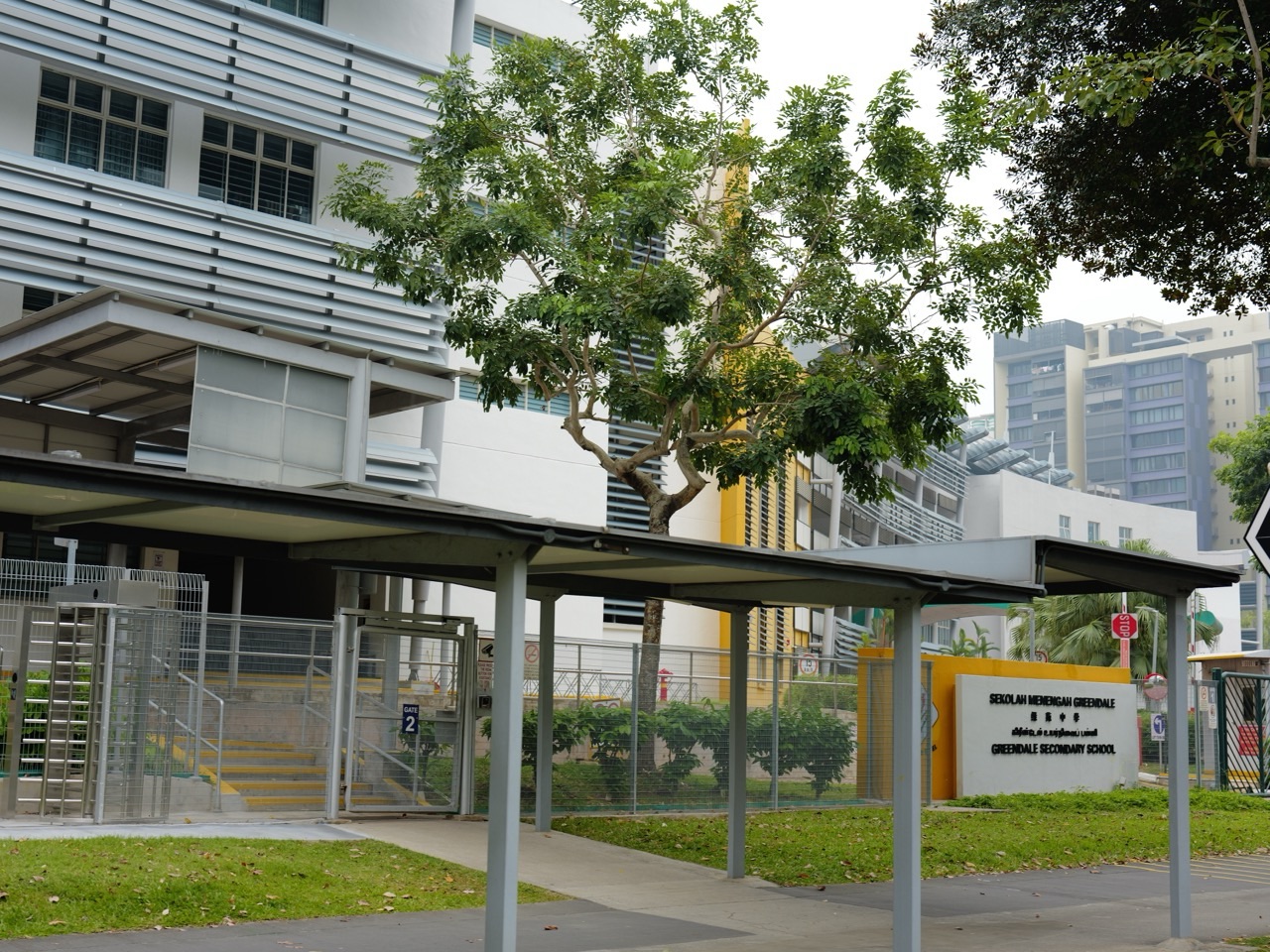
Quick answer. When a Punggol school collects a pupil’s name, address, grades, learning-support information, photos or parent contact details, the family should know who is handling that information, why it is needed, who may receive it, and how to raise a concern. Not every school is regulated through precisely the same legal framework. Government schools and MOE as public agencies are subject to Singapore’s public-sector data governance and security regime. Government-aided, independent, specialised independent and private education institutions can be subject to the Personal Data Protection Act (PDPA) because they are not government public agencies. The PDPC–MOE education-sector advisory expressly explains this distinction.
Photo consent is not one simple universal yes/no button. Schools may take photos or videos during lessons, CCAs, camps, concerts and events for appropriate school purposes, and published notices commonly explain intended use in school publications or websites. A parent with a genuine objection should contact the actual school using its published process. The PDPC’s education-sector guidance discusses consent and specific examples, but it does not mean a parent can automatically demand that every incidental image of a child in every setting disappear from every school document.
The practical risks are wider than formal school photography. A parent can reveal another child’s marks by forwarding a screenshot, share a pupil’s medical information in a class chat, circulate a school bus passenger list or publish a photograph with names and exact routines. Children’s information deserves careful handling even where sharing feels convenient. Parents Gateway, school portals and external tuition services have different functions and should not be assumed to give everyone permission to republish student information.
This 2026 guide explains the public-versus-private legal frameworks, image consent, student work, attendance and assessment records, parent-chat boundaries, data-sharing questions, cyber incidents, AI tools and practical school enquiries. It includes original disclosure and anonymisation examples, a step-by-step family checklist, 26 FAQs and government sources. Reviewed 22 October 2026; this is educational information, not a legal ruling for any particular incident.
Which legal framework applies?
| Institution or service | General framework | What parents should do |
|---|---|---|
| Government schools, MOE | Public-sector data laws and security policy | Contact school/MOE via authorised channels |
| Government-aided, independent, specialised non-government schools | Potential PDPA obligations under applicable circumstances | Read actual privacy notice and contact school |
| Private tuition, private education and preschool providers | PDPA where applicable | Ask about purpose, consent and retention |
| Parent chat groups and family social media | Context and applicable obligations differ | Minimise disclosure and respect pupils’ privacy |
Find the specific privacy issue
- Government versus private data rules
- School photos and consent
- Parent chat and transport lists
- Student reports, grades and AI tools
- What to do about a suspected disclosure
- FAQ and source documents
1. What counts as student personal data?
Personal data can include information that identifies a pupil directly or in combination with other information. Names, identity numbers, addresses, school contact details, photos and individual examination results can qualify, depending on the circumstances.
A class timetable might appear harmless but can become identifying when paired with a pupil’s full name, specific health condition or home pickup routine. A parent should think about the combination of information, not only one isolated field.
The relevant question is whether another person could identify the child or learn private facts about them from what is being shared. A safe discussion should avoid unnecessary detail about other pupils.
2. Government schools operate under public-sector rules
Singapore’s Ministry of Digital Development and Information explains that government-held information is governed by public-sector legal and security arrangements, including the Public Sector (Governance) Act and government instruction manuals on ICT and data security. The PDPA is principally the private-sector data-protection framework.
A government primary school is part of the public education system; one should not mechanically tell the school that every private-sector PDPA provision applies to it in the same way as a commercial tuition centre.
This is not a claim that public schools may do whatever they want with data. They have public-sector protection and accountability obligations. Parents should ask the school or MOE about its actual policy and concerns.
3. Government-aided and independent schools differ
The PDPC and MOE jointly issued education-sector advisory guidelines explaining that the PDPA can apply to institutions within the MOE education system that are not government-owned public agencies. Examples given include government-aided schools, independent schools, specialised independent schools and other relevant providers.
A parent comparing a government school and government-aided school should therefore distinguish institution type before quoting a legal duty. The practical expectation of careful data handling remains important in both.
Where the institution’s precise legal status is uncertain, seek its official privacy notice or data-protection contact rather than rely on an online assertion about the word “school”.
4. Commercial tuition and enrichment providers have their own duties
A private tuition centre that collects parents’ names, child details, test scores or contact numbers may be covered by the PDPA as a private-sector organisation, subject to its actual legal circumstances and applicable rules.
A family should not assume that sending a child’s school report to a tutor makes the document the tutor’s property or grants a right to publish it as marketing material. Ask what information is needed, where it is stored and whether it will be shared further.
A good educational provider uses student data for a defined learning purpose with appropriate controls. Promoting a result publicly is a separate question from helping the pupil understand a difficult worksheet.
5. Why 2026 legal updates deserve careful wording
Singapore’s Public Sector (Governance) Act was amended in 2026 to strengthen and clarify authorised public-sector data sharing with trusted external partners for public purposes, alongside safeguards. That does not mean every third party may freely obtain MOE student records.
The government’s January 2026 explanation emphasised specific authorisation, purposes and security requirements. Families should not use the term “data sharing” to imply a blanket release of sensitive pupil information.
For an actual disclosure issue, the institution and responsible authority should explain what law and policy applies. A blog should not invent a legal entitlement or accusation from an incomplete factual description.
6. The student-data lifecycle begins at enrolment
School enrolment can require a pupil’s identity, parent/guardian details, address, citizenship and suitable contact information. Those data support the institution’s administrative and safeguarding functions.
Parents should supply accurate information through official channels and update genuine changes. A wrong emergency contact can create a practical risk even when the school’s academic teaching is excellent.
Avoid submitting extra sensitive material that was not requested through an unsecured chat. If a medical or developmental report is needed, ask the authorised staff how it should be sent and who will use it.
7. Academic marks deserve controlled access
A pupil’s marked test may be shared with the pupil and appropriate school staff, and teachers can communicate results to the authorised family. That does not make the entire class’s individual scores available for unrestricted circulation.
A parent asking why their child received a mark should bring the relevant work and seek a specific explanation. Demanding the names and marks of other pupils is usually unnecessary for understanding the student’s own learning.
Teachers can explain an assessment rubric or average where appropriate without disclosing individual classmates’ information. Educational transparency and privacy need not be opposites.
8. Student work can reveal more than a grade
A composition, Science project or art portfolio may contain a pupil’s name, ideas, personal experiences, family information and photographs. It may also include classmates’ contributions.
Before uploading student work to a public website or external AI service, ask whether identifying information can be removed and whether the school or relevant creator has permitted publication. A parent’s desire to celebrate achievement does not erase others’ privacy or copyright interests.
Original work can be discussed without showing the full front page and school identifiers. The educational goal is to understand what the learner did, not expose unrelated information.
9. Photos taken at school events have different purposes
Official school notices commonly describe taking photographs during lessons, CCAs, camps, parent conferences and concerts for publications, websites, social media or newsletters. For example, Peicai Secondary’s August 2026 personal-data notice names these uses and gives families a contact route for objections or enquiries.
A parent should read the actual school’s notice rather than assume every school uses identical wording or consent arrangements. The notification may distinguish ordinary documentation from broader publicity.
If a family has concerns, explain the particular image, context and proposed publication calmly to the school’s responsible office. An objection should be handled through the applicable policy, not by publicising more personal data.
10. What the PDPC–MOE education advisory says about consent
The education-sector advisory includes an example of consent implied from participation in a class photograph after the publication purpose was explained, and describes how a pupil’s objection should be accommodated. It illustrates why the facts of notice, consent and objection matter.
This does not mean every school photograph has unlimited permission for every future commercial use. Nor does it mean every photo requires the same fresh written signature under all circumstances.
Families and organisations should consult the current legal framework, institutional notice and particular intended use. A blog cannot adjudicate disputed consent from a short social-media description.
11. A class photograph is not automatically a marketing licence
A graduating class photo may be created for a school memento. A private business wanting to use the same image to advertise paid classes has a different purpose and should not assume the original school permission covers the new use.
Parents and schools can ask who took the photograph, who owns or licences it, whose faces are identifiable and what permission exists for the intended publication.
This careful separation of purpose supports both privacy and responsible recognition of pupils’ achievements. It avoids treating “photo already exists” as sufficient reason to republish it anywhere.
12. What to do when a parent objects to a photo
Identify the exact photo or intended event, the platform where it might appear and the family concern. Contact the school’s official privacy or general-office channel, following any published objection procedure. Avoid making a broad legal accusation before the school has clarified the purpose and arrangements.
Schools can explain whether the image can be omitted, cropped, masked or handled in another appropriate manner under their obligations and policy. The suitable response depends on the facts.
Parents should keep correspondence private and specific. Posting the disputed photograph publicly to complain could unintentionally spread the same identifying content further.
13. A child’s work may contain sensitive family details
A student might write about a household move, illness, financial pressure or family disagreement in a school assignment. Those details can be educationally relevant in context but inappropriate to circulate beyond those who need them.
Adults should avoid reading the assignment aloud in unrelated groups or using it as an anecdote without the child’s understanding and suitable permission. When sharing a learning example, replace names and unnecessary identifying facts.
Children deserve opportunities to develop literacy and self-expression without assuming every private story becomes a public case study.
14. Parent chat groups are not official student-record repositories
Class groups can help coordinate lost items or general activities, but the fact that a chat includes parents does not make every participant an authorised recipient of all pupils’ academic or health records.
Forward a general school notice through the platform the school permits, but avoid sharing full personal contact lists, transport rosters, results screenshots or photographs of other pupils without appropriate consent or authority.
A parent who needs help with an individual child should contact the school directly. This is safer and usually more effective than inviting a large informal group to interpret private records.
15. Avoid identifying another pupil in a complaint
Suppose a parent needs to discuss a classroom incident. The school may require relevant facts to investigate, but a public message naming a child and accusing them of misconduct can unfairly expose that pupil and complicate the response.
Use the school’s official channel and describe the events observed, including relevant dates, without speculation. Let authorised staff investigate what happened.
A parent can advocate firmly for their own child while protecting the privacy and dignity of another learner. Public accusation is not a necessary first step in solving a school problem.
16. The school bus passenger list is sensitive
A school bus roster can combine children’s names, school, pickup locations and recurring times. Sharing that entire list publicly may reveal where younger pupils regularly wait, creating unnecessary safety risks.
Parents can coordinate their own child’s pickup through the operator’s authorised contact. The operator and school should determine who needs access to the full list for legitimate transport purposes.
A parent who photographs a posted roster should check whether the image includes other families’ addresses or numbers before forwarding it. Even useful logistical information can be sensitive in combination.
17. Medical and learning-support records need particular care
A pupil’s health condition, allergy, medication or learning-support report may be required by staff responsible for safe care and educational accommodations. That does not make it appropriate for unrestricted dissemination among classmates or parent volunteers.
Share the information with the authorised school, centre or healthcare professional through a suitable channel. Ask how it will be used and who needs access for the actual purpose.
A school’s legitimate need for emergency information should be balanced with the child’s dignity and confidentiality. Publicly labelling the child based on an unseen report is neither necessary nor responsible.
18. Photos and names can be combined to identify routines
A picture of pupils at a school gate may look ordinary. A caption containing full names, class, exact bus route and daily collection time can create much more identifying information than the image alone.
Parents posting to social media should consider whether a child needs to be named or tagged and whether other pupils are visible. It is often possible to celebrate the event without revealing routine location information.
A safe publishing habit asks what the audience genuinely needs to know. Most public readers do not require detailed school schedules or the identity of every child in the picture.
19. Parents Gateway is a communication service, not a public gallery
Parents Gateway provides an official school–home communication route for relevant parents and schools. Access to a notice through an authenticated service does not make the notice suitable to upload in full to a public social-media page.
Some messages may include dates, school links or arrangements intended for a particular cohort. Other notifications can contain information that should stay within the family.
Use the application as the school intends and ask the sender if wider distribution is unclear. A screenshot is not automatically a permission statement.
20. SLS learning logs should not be posted for comparison
Student Learning Space activities can involve the child’s work, responses and feedback. Parents or pupils may use them for appropriate school learning, but uploading identifiable results to compare classmates can expose information and damage trust.
A student can ask a teacher about one feedback comment without sharing the entire class’s response dashboard. Where a digital error occurs, report the specific problem to authorised technical support.
Learning analytics should help instruction, not become an unofficial public ranking exercise. Focus on what the pupil can now understand independently.
21. Using AI tools with identifiable student material
A family may want to paste a school report into a chatbot to obtain a study plan. Before doing so, remove unnecessary identifiers and sensitive information and check the school’s rules and the platform’s privacy controls. Do not upload other pupils’ work or confidential staff comments without authority.
A useful diagnostic often needs the mathematical question and anonymised attempted working—not the child’s full name, school ID, address and medical history.
A learning assistant can help explain a concept, but it cannot grant consent for data use or determine the legality of disclosing an entire school file.
22. Original anonymisation exercise: exam feedback
Imagine a fictional pupil whose marked Mathematics paper includes their full name, class, NRIC-like identifier and a mistaken solution to 3(x − 2) = 15. A parent wants help understanding the error.
The useful information is the question and attempted method. It can be restated as: “A Secondary 1 learner divided by three and stopped at x − 2 = 5. What is missing?” The answer is x = 7, verified through substitution.
Removing identifying details makes the discussion focused and reduces unnecessary data sharing. This example shows how educational usefulness and privacy can reinforce one another.
23. Original statistics exercise: averages without exposing pupils
Suppose a fictional class of four has marks 60, 70, 80 and 90. Their mean is (60 + 70 + 80 + 90) ÷ 4 = 75. A teacher might discuss what the assessment revealed about common errors without distributing each pupil’s name and score.
Averages are not automatically anonymous in every small group. If everyone knows three pupils’ exact marks, the remaining value might be inferred. Context matters.
Responsible reporting avoids identifying individuals unnecessarily, especially for small subgroups or sensitive outcomes. A statistical summary should not be treated as a universal privacy guarantee.
24. Data minimisation makes school forms more manageable
For every request, consider which details are actually needed for its educational or safety purpose. A field-trip organiser may need an emergency contact, but not necessarily a full copy of every parent’s employment contract.
The institution decides the appropriate required data under its lawful duties. Families can ask why an unusual field is requested and how it will be protected rather than provide unrelated documents casually.
Accurate, proportionate information supports efficient school administration while reducing the number of places private family details can be exposed.
25. Private tutors should explain retention and deletion
A tuition provider may retain learning reports to plan lessons and track improvement. Parents can ask how long records remain, who can access them, whether the provider uses cloud storage and how requests about data are handled under applicable law.
A parent withdrawing a child should not assume every legal record must disappear immediately; legitimate retention obligations or exceptions may apply. Equally, a business should not use old pupil records indefinitely for unrelated advertising without a valid basis.
Clear communication and reasonable access controls are better than making unverifiable blanket promises that nothing is stored anywhere.
26. Recognise that consent may have limits and exceptions
Consent is important but the legal framework is not reducible to “every use always needs written consent” or “consent is never needed”. PDPA guidance includes provisions for implied, deemed or other permitted use in appropriate circumstances, and public agencies operate under their own rules.
A family should ask about the actual use and recipient rather than rely on an oversimplified internet checklist. Emergency or lawful administrative disclosures may differ from marketing publication.
Individual legal disputes require advice from the responsible authority or a qualified professional. This guide explains good questions, not a binding interpretation for a specific case.
27. Incorrect school record entries should be raised precisely
A parent may notice a misspelt name, incorrect address or wrong emergency phone number in a school system. Provide the specific correction through the authorised portal or General Office rather than repost the entire student profile publicly.
Keep supporting identity documents secure and submit only what the school requires. A small data-entry correction can matter greatly for exam registration, transport and emergency contact.
Timely accurate updates help schools serve families effectively. The purpose of data governance includes maintaining useful records, not simply restricting access.
28. Report-card and transcript requests follow official channels
A pupil may need an education record for transfer or future admissions. The family should use the current school’s or relevant examination authority’s official process to obtain an authenticated copy.
Photographs of another student’s report card or an unofficial file shared by a parent chat do not serve as authoritative evidence of an applicant’s qualifications. Formal records should be accurate and attributable.
Avoid altering PDFs or screenshots in ways that change grades, names or dates. Document integrity is part of responsible educational data use.
29. When a child changes schools
A transfer can require the appropriate school records and support information to follow the learner through lawful channels. The receiving school needs enough information to place and assist the student, but private records should not be treated as public assets.
Ask the school which records it will communicate, what parents need to supply and whom to contact about errors. A family should not invent a private substitute for official national assessment records.
A proper handover supports continuity of teaching while respecting the child’s ongoing confidentiality and dignity.
30. A photo posted without checking other families’ wishes
Imagine a fictional parent posts a CCA group photo with full names and claims that everyone agreed. Another family had objected to publicity through the school’s process. The appropriate response is to discuss the concern privately and review the original use and sharing permissions.
A parent can crop, mask or avoid reposting where suitable, while following the school’s guidance. An interpersonal disagreement does not require a public debate that spreads the image further.
This is a hypothetical situation illustrating thoughtful conduct, not a claim about any Punggol school or its legal obligations.
31. A student makes a privacy mistake
A secondary pupil may forward a class results screenshot or share a friend’s private message without considering the consequences. The school can treat this as a learning opportunity in cyber wellness, with proportionate correction under its actual discipline and safeguarding policy.
Explain why a detail was private, ask whom it reached and stop unnecessary further forwarding. Adults should avoid humiliating the child publicly while trying to teach privacy.
The goal is a reliable habit: seek permission, limit unnecessary identifiers and think about how a message might spread beyond the intended group.
32. A school’s privacy notice is worth reading
A school can publish notices explaining how photos, student work or personal information may be used for school-related purposes. Peicai Secondary’s 2026 notice is a concrete example that lists typical events and provides an enquiry route.
The parent should read the actual child’s school notice rather than assume another institution’s terms are identical. A school may have different procedures for parents, students or public communications.
If there is an objection, give the school a specific request and an opportunity to explain the applicable arrangement. Precision supports a constructive response.
33. Recognise a genuine data incident
A lost student list, unauthorised publication or suspicious portal message may raise a data-security concern. Start by protecting affected accounts where appropriate and reporting the facts through the responsible school or organisation’s official channel.
Do not announce a legal breach before checking the facts and applicable framework. An internal message sent to the wrong parent and a deliberate public disclosure may require different responses.
Keep relevant evidence, dates and legitimate contact details without posting children’s sensitive data publicly. The goal is containment, correction and appropriate accountability.
34. Do not disclose more while reporting a problem
A family trying to report a privacy issue can unintentionally worsen it by forwarding the entire file to dozens of parents, tagging the pupil or repeating sensitive claims in public comments.
Report only the information needed for authorised staff to locate and evaluate the incident. Use a secure or private channel; ask how supporting files should be provided.
This is a practical form of data minimisation. A carefully focused report can be more effective than a broad public campaign that creates additional copies of the information.
35. The relationship to cyber wellness education
Singapore schools teach responsible online behaviour through Character and Citizenship Education and cyber wellness guidance. Understanding consent, secure accounts and respectful communication has value far beyond school administration.
Parents can practise with children using age-appropriate situations: whether to forward a friend’s photo, how to recognise a fake school payment link and what to do if they receive private class information accidentally.
A child who can reason about the affected person and the possible audience has learned more than merely memorising “do not share passwords”.
36. A four-week family data-hygiene plan
Week 1: identify which official school portals and contact channels the family uses, update legitimate emergency details and check the school’s published privacy/photo notice.
Week 2: review what is shared in parent chats or cloud folders. Remove unnecessary child identifiers from documents used for ordinary homework discussions.
Week 3: teach the pupil two realistic examples of consent and safe forwarding. Use anonymised learning work when requesting external explanation.
Week 4: save correct reporting contacts for inaccurate records, photo objections or possible data incidents. Keep the plan simple enough for authorised caregivers to follow.
37. Four questions before uploading student information
Ask who will see the file, what purpose the upload serves, whether the recipient has authority to use the information, and how much identifying detail is genuinely necessary. If the same educational question can be answered without names or personal health data, use the narrower version.
For example, a tutor often needs the problem and the attempted reasoning, not the student’s entire medical report. A general school schedule may be shareable without publishing a bus passenger list.
The aim is deliberate, proportional information use—not an unrealistic demand that a school never stores any student record.
38. Why education and privacy support each other
Accurate school records help teachers identify learning gaps, maintain safety contacts and support appropriate student needs. Privacy controls make families more comfortable sharing information that genuinely matters for those purposes.
When pupils trust adults to handle their work and personal circumstances responsibly, they can focus on learning instead of fearing that every mistake will be publicised.
The best practical standard is clear purpose, correct institution, minimum necessary disclosure and respectful action when concerns arise.
Frequently asked questions
Does the PDPA apply identically to every Singapore school?
No. Government public agencies operate under public-sector data governance, while non-government-owned education institutions can be subject to the PDPA.
Does that mean government schools have no data duties?
No. Public-sector laws, policies and information-security obligations apply.
Can government-aided schools be subject to the PDPA?
Yes. The PDPC–MOE education advisory identifies government-aided and certain independent/specialised schools among relevant non-public-agency institutions.
Is a private tuition centre automatically a government school?
No. It is a different provider category with its own applicable legal duties.
Are examination grades personal data?
Individual identifiable grades can be personal data; sharing depends on the purpose and applicable rules.
Is a student photograph always public information?
No. The image, identification, intended use and applicable permissions or legal bases matter.
Can schools take photos during CCAs and concerts?
Schools may document activities for legitimate purposes under their policies; parents should read the actual school notice.
Is every photo legally required to have a new written signature?
Not necessarily. The legal rules include different forms of consent and permitted uses; circumstances matter.
Can a parent object to school publicity images?
Use the actual institution’s published objection or enquiry process and give a specific concern.
Can a class photo be reused automatically in paid advertising?
No blanket permission should be assumed; the new use, rights and consents must be assessed separately.
Should a parent forward a class results spreadsheet?
Avoid sharing identifiable classmates’ grades without proper authority.
Can a bus passenger roster create a privacy risk?
Yes. Names linked to exact pickup times and places may expose sensitive routines.
Is Parents Gateway a public social-media feed?
No. School–home messages should be handled according to their intended recipients and content.
Can families paste full named school reports into AI tools?
Prefer a minimal anonymised question when possible and check school, platform and privacy rules.
Can a tutor publish a child’s progress chart as marketing?
Do not assume ordinary teaching access authorises public marketing; seek the appropriate legal basis and permissions.
Does removing a pupil’s name always anonymise a file?
Not necessarily. Class size, other context or visible details can still identify them.
Should schools share a child’s allergies with every parent?
Necessary care information should be handled through appropriate authorised staff rather than indiscriminate public sharing.
What if a school’s address record is wrong?
Use official school correction channels and provide the necessary evidence securely.
How are transfer records handled?
Schools and relevant authorities use formal procedures; ask the institution what records are required.
Does a school report-card screenshot replace an official transcript?
No. Formal examinations and admissions require authentic records under applicable rules.
Where can parents find the public-sector data framework?
MDDI explains government data governance under the PSGA and security policies.
Does the 2026 PSGA amendment permit unrestricted access to pupil data?
No. Authorisation, purposes and safeguards still govern sharing.
What if a parent accidentally shares someone else’s information?
Stop further forwarding, limit the spread where possible and inform the appropriate authorised contact.
Is a public complaint always the first response?
No. A private factual report to the institution usually reduces unnecessary disclosure.
Can cyber wellness help pupils learn privacy?
Yes. Students can practise respectful sharing, permission and recognising suspicious digital messages.
What is the first practical privacy step?
Read the child’s actual school notice and keep sensitive records off broad group chats unless sharing is appropriate and authorised.
Official sources and Punggol companion articles
- MDDI government data protection laws and policies
- Gov.sg 2026 Public Sector (Governance) amendments
- Singapore Statutes Online: current Public Sector (Governance) Act
- PDPC/MOE Education Sector Advisory Guidelines (2024)
- Peicai Secondary 2026 student personal data notice
- Ai Tong School 2026 photography and video consent notice
- MOE Parents Gateway
- MOE Student Learning Space
- PDPC personal data protection resources
- MOE SchoolFinder and institution type
- Punggol government and government-aided school types
- Punggol parents and school communication
- Punggol cyber wellness and citizenship education
- Punggol student care and authorised pickup
- Immutable Clementi detailed teaching standard
Editorial verification — 22 October 2026. Public-sector versus PDPA applicability is grounded in MDDI and PDPC/MOE guidance; photo practices use attributed official school notices. Examples are hypothetical, not reports about identified students. Institutional duties depend on legal status, current policy and facts; obtain qualified advice for an actual dispute.


