
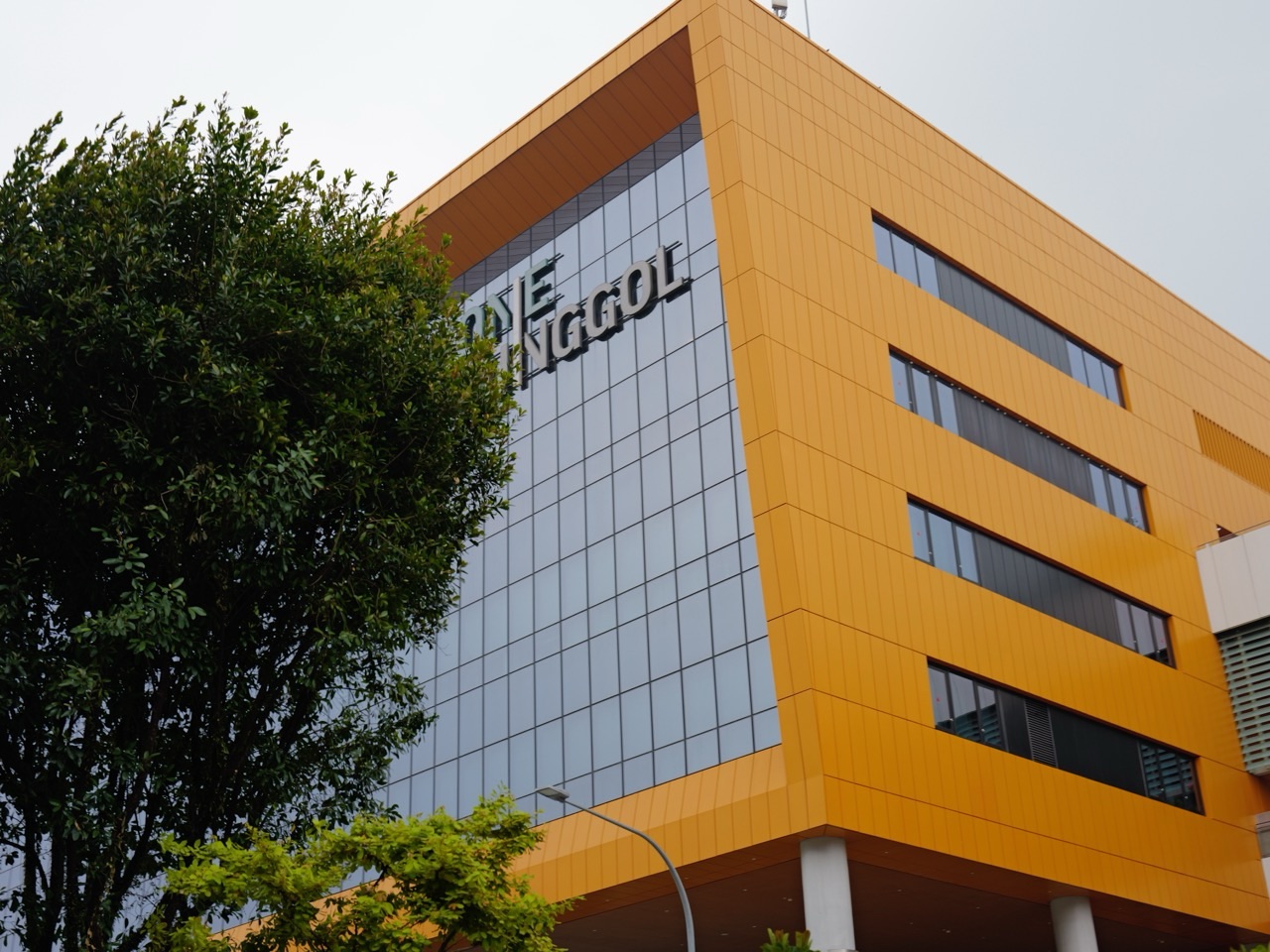
The top 10 things to do in Punggol for Tourism and Hospitality students are to design a clear Punggol MRT welcome guide, create visitor profiles without stereotyping, plan an itinerary around the operating Punggol Coast facilities, practise heritage interpretation at Punggol Stories, map the customer journey at One Punggol Hawker Centre, understand Singapore’s 2026 SAFE food-establishment framework, check inclusive wayfinding at Punggol Regional Library, prepare weather-resilient itinerary alternatives, plan responsible park tourism and evaluate visitor-service quality using accurate sources and feedback.
Best starting project: create a visitor itinerary using just two genuinely open Punggol places. JTC currently lists Punggol Coast Mall, Punggol Coast Hawker Centre and the first 400 metres of Punggol Heritage Trail as open; its hotel or serviced-residence development is still described as upcoming. Plan only from operating amenities, check actual transport, and keep unverified bookings out of the brochure.
This October 2026 guide teaches hospitality through how visitors experience a place: arrival, accurate information, comfort, food, accessibility, cultural interpretation, weather decisions and a safe departure. It differs from a general ‘Top 10 Attractions’ article because each activity produces a service-design decision, example or test. Singapore Tourism Board’s 2026 Experience Excellence framework provides the professional context, while local agencies establish the operational facts.
Choose a tourism or hospitality learning focus
- Welcome and transport: help a first-time traveller use the correct Punggol MRT, LRT or Punggol Coast station.
- Visitor needs: choose activities based on voluntarily stated interests, time and access preferences.
- Heritage: interpret Punggol’s changing landscape using attributed NLB material.
- Food service: consider real menus, queues, hygiene status, diet and truthful information.
- Accessibility and comfort: verify the whole route rather than assuming a lift icon solves every difficulty.
- Weather and sustainable tourism: protect visitors, residents, wildlife and public space.
- Service quality: test the information the visitor actually needs, not merely decorative page design.
Why two well-matched stops are better than a long unreliable brochure
A visitor experience is a sequence, not a catalogue. It begins with choosing the right station and ends with an understandable way home. Each stop adds dependencies: an opening hour, ticket, public path, food option, visitor preference or weather constraint. When these are unverified, the itinerary becomes fragile. Students should therefore build a small reliable journey before trying to promise every attraction Punggol offers.
The word ‘best’ also needs a criterion. A short library visit may be best for someone escaping the heat; a Punggol Point coastline visit may be best for sea views; a booked attraction may fit a family seeking structured play. No one place is universally best. Guest needs should be asked about respectfully rather than guessed from age or appearance. A visitor’s preferences and access needs are not data to publish.
Use a simple service-design table: visitor goal, actual destination, responsible source, current opening status, transport connection, access constraints, possible fallback and unresolved question. If the venue description does not confirm real-time availability, do not label it confirmed. A clear ‘please check the provider’ is more useful than a false booking promise.
Ten Punggol tourism and hospitality learning activities
1. Write a useful first-arrival guide for Punggol MRT visitors
Where: Punggol MRT/LRT interchange, NE17, using current LTA and PA directions.
The visitor-service lesson
A tourism experience begins before the guest reaches an attraction. A visitor arriving at Punggol MRT may need to distinguish the North East Line from the two Punggol LRT loops, locate a library or food stop and understand how to return. Singapore Tourism Board’s Experience Excellence criteria discuss adapting service to visitor needs. For students this means replacing vague welcome phrases with accurate wayfinding and sensible choices, especially for people unfamiliar with Singapore.
How to design or observe responsibly
Begin with LTA’s current rail information and PA’s One Punggol facilities. Write a short arrival script naming the station, the difference between MRT and LRT, the approximate direction toward the intended public venue and where the visitor should verify the final exit. Include a first question: ‘Are you here for food, the library, a waterway walk or the newer district?’ Then offer only destinations with a verified public route, without claiming a specific walking time if none was checked.
Worked Punggol service example
A fictional visitor asks, ‘Is Punggol Coast station next to the town-centre library?’ The student explains that Punggol Coast (NE18) is the newer North East Line terminal for the Digital District, whereas Punggol (NE17) is the interchange for the town centre and its community hub. The guest can now choose the right stop instead of following a misleading similar name.
An advanced hospitality question
Test the guide on a desk with a consenting adult who is unfamiliar with the route. Ask which instruction is ambiguous, then revise. Compare the needs of a person with a pram, someone carrying luggage and a visitor with limited time. The right answer may involve a more direct exit or a rest stop, not just fewer metres on the map.
Accuracy, access and ethics
Do not station yourself at fare gates to solicit passengers or present yourself as an official transport guide. Rail service changes, lift access and pedestrian works require current operator checks. A worksheet is not permission to enter railway staff areas.
Primary official reference: Write a useful first-arrival guide for Punggol MRT visitors. Verify current operations and booking conditions separately.
2. Design a visitor profile without stereotyping the guest
Where: A desktop itinerary-design exercise based on genuine Punggol public destinations.
The visitor-service lesson
Tourism service must adapt to different goals. A family travelling with toddlers, a person interested in heritage, an older visitor who prefers short walks and a solo student researching technology may each benefit from a different outing. Singapore Tourism Board emphasises evolving consumer needs and differentiated experiences, but that does not mean a visitor’s age or appearance can substitute for asking what they actually want. A useful guest profile contains needs, time and access preferences, not assumptions about personality.
How to design or observe responsibly
Create four explicitly fictional profiles containing only practical planning details: number of people, approximate time available, interest, dietary or access requirements voluntarily supplied, and whether they prefer indoor or outdoor activity. Match each with one or two official Punggol attractions. For example, pair library and food for a short indoor family visit, or a public Digital District walk with Punggol Coast transport for a technology student. Ask what information is still needed before a real booking or visit.
Worked Punggol service example
Profile A is a fictional family with a pram and ninety minutes. An initial plan sends them on a long rustic Coney Island route. The revised plan centres on One Punggol’s public library and accessible food options after checking the actual path. The improvement comes from matching the stated needs, not from assuming children never enjoy nature.
An advanced hospitality question
Distinguish a persona from a real customer record. An invented profile is useful for design testing, while personal accessibility, health or contact information must not be collected unnecessarily. A professional would ask appropriate questions privately, give alternatives and avoid public disclosure of sensitive circumstances.
Accuracy, access and ethics
Do not profile visitors based on race, accent, clothing or presumed income. A fictional persona is not a statistical description of Punggol’s visitors and cannot justify claims about real booking demand.
Primary official reference: Design a visitor profile without stereotyping the guest. Verify current operations and booking conditions separately.
3. Plan a two-stop Punggol Coast itinerary using only operating facilities
Where: Punggol Coast MRT, Punggol Coast Mall, Punggol Coast Hawker Centre and the opened Heritage Trail section.
The visitor-service lesson
JTC’s current community page confirms that Punggol Coast Mall and the Hawker Centre are operating and that the first 400 metres of the Heritage Trail are open. The same official information describes an upcoming hotel or serviced residence and childcare centres. This distinction is crucial for hospitality accuracy: a future hospitality development is not a room a visitor can reserve today, and a planned 1.3-kilometre trail cannot be sold as entirely walkable from a historic announcement.
How to design or observe responsibly
Use JTC’s official public directions to start at Punggol Coast MRT. Select one real operating food stop and one currently opened public heritage component. Check weather, individual tenant operating hours and the available pedestrian route. Make a two-hour sample itinerary with generous unallocated time rather than inventing exact transfer minutes. Clearly label future development information separately from public facilities that are confirmed open.
Worked Punggol service example
A student’s first brochure says, ‘Stay overnight at the new Digital District hotel and walk the completed 1.3km heritage trail’. JTC still describes the hotel as upcoming and the first 400m of the trail as open in its current page. The corrected itinerary offers a daytime public mall-and-heritage visit and leaves lodging as an independently verified future question.
An advanced hospitality question
Create a status field for every stop: confirmed operating, official scheduled but not yet confirmed, temporarily unavailable or unknown. Ask what kind of evidence would allow a status to change. This prevents glossy brochures from outliving the facts and makes future revisions easier for readers to trust.
Accuracy, access and ethics
Do not enter private SIT teaching areas, hotel construction zones or fenced heritage-trail works. JTC community listings are not live restaurant seat availability or bookable hotel inventory.
Primary official reference: Plan a two-stop Punggol Coast itinerary using only operating facilities. Verify current operations and booking conditions separately.
4. Turn Punggol Stories into responsible heritage interpretation
Where: Punggol Regional Library’s Punggol Stories exhibition at One Punggol.
The visitor-service lesson
Heritage interpretation can enrich a visitor’s experience when it is grounded in credible records and presented respectfully. NLB’s Punggol Stories introduces older settlements, seaside recreation, agriculture and changing urban landscapes through exhibits, resident memory and literary material. Tourism students can practise creating a short explanation that helps a visitor understand the place without making a historical storyteller’s voice a fictional quotation from an actual resident.
How to design or observe responsibly
Visit permitted exhibition areas during their applicable hours or study NLB’s online materials. Select one documented theme and write a ninety-second guided explanation with three components: an attention-grabbing question, a fact with its attributed source, and a reason the history matters for the town today. Explain when an item is an oral recollection versus an archival record. Practise the script at home or in a permitted quiet area instead of leading an unauthorised noisy tour among library readers.
Worked Punggol service example
A student tells a visitor, ‘Punggol was always a technology town’. NLB’s historical material documents agricultural and seaside uses well before the current district. The revised script begins, ‘How did an area associated with farms and seaside visits become part of a modern waterfront town?’ and gives accurate historical context. The engaging question is not permission to invent a villager’s memories.
An advanced hospitality question
Write two interpretations for different visit lengths: one under one minute and another under three minutes. Both must retain the same core facts and source. Discuss where a multilingual explanation would help, and seek competent translation rather than using uncertain cultural phrases as decoration.
Accuracy, access and ethics
NLB exhibition opening and specific installations can have different times. Do not reproduce entire copyrighted poems or photos without permission, impersonate official guides or organise unsanctioned tour groups in library spaces.
Primary official reference: Turn Punggol Stories into responsible heritage interpretation. Verify current operations and booking conditions separately.
5. Design a complete food-stop experience at One Punggol Hawker Centre
Where: One Punggol Hawker Centre, Level 2 of the integrated community hub.
The visitor-service lesson
Hospitality includes wayfinding, queue management, food preferences, seating, hygiene and a welcoming interaction. PA describes the Level 2 hawker centre as part of One Punggol’s public facilities. The student should not treat good service as the exclusive duty of one stallholder or assume a whole hawker centre has a single menu. Actual stall hours, prices, dietary information and seating availability vary; a responsible visitor plan respects all of them.
How to design or observe responsibly
During an ordinary meal, note your own customer journey from locating the Level 2 dining area to viewing real menus, joining a queue, paying and returning trays under current arrangements. Use the experience to identify one clear service element and one possible friction point, such as uncertain wayfinding. Do not question workers during rush periods or film other diners. At home draw a simple customer journey map: arriving, choosing, ordering, eating, clearing and departing.
Worked Punggol service example
A fictional visitor has a food allergy and needs to know whether a dish contains a particular ingredient. A poor guide guesses from the dish’s appearance. A responsible student instead advises checking the actual stall’s ingredient information and speaking to the operator, while recognising that serious allergy decisions require special care. The quality of service depends partly on telling the truth about what is not known.
An advanced hospitality question
Distinguish the overall hub’s directions from a particular stall’s real-time queue or menu. Propose a simple signage improvement that a visitor could understand without causing an obstruction. Explain why a student should not score food workers’ personalities or produce an unauthorised hygiene ranking based on one meal.
Accuracy, access and ethics
The hawker centre is a shared public facility, not an exclusive tutorial venue. Respect queue, tray-return, dietary and food-safety requirements. An actual restaurant reservation must be checked with the provider rather than inferred from an online directory.
Primary official reference: Design a complete food-stop experience at One Punggol Hawker Centre. Verify current operations and booking conditions separately.
6. Use Singapore’s 2026 SAFE food-establishment framework correctly
Where: SFA’s licensing guidance applied to genuine Punggol food establishments.
The visitor-service lesson
Singapore Food Agency introduced the Safety Assurance for Food Establishments framework from 19 January 2026, using applicable grades A, B, C and NEW under a track-record-based system. A tourism or hospitality learner must understand that an old review using a former A-to-D grading framework may not describe current licensing or safety status. A customer star rating is also not equivalent to SFA’s inspection and track-record classification. Accurate advice about food is part of responsible visitor service.
How to design or observe responsibly
Read SFA’s current SAFE framework and identify what the categories mean for the relevant type of licensed establishment. If evaluating a real food venue for a visitor, look for its correct actual licence or permitted QR reference rather than assigning an imaginary grade. Record the date and source. Explain the difference among an official safety grade, a customer’s personal satisfaction rating and nutritional or dietary suitability. Do not convert the existence of a hawker centre into one blanket SFA grade for every stall.
Worked Punggol service example
A student brochure assigns the entire One Punggol Hawker Centre an old D rating from an unverified screenshot. The revised brochure removes the unsupported claim, explains that individual establishments need verification under the current 2026 SAFE framework and directs users to SFA’s official information. The correction improves the visitor’s ability to make informed decisions without unfairly accusing operators.
An advanced hospitality question
Discuss why a NEW classification cannot simply be read as evidence of poor food hygiene. A new operator’s track record differs from that of a long-running establishment. Examine how trustworthy hospitality communication identifies the particular entity and avoids misleading shortcuts.
Accuracy, access and ethics
Do not circulate rumours naming food businesses without corroboration. Food allergies, recalls and illness reports have separate official processes and require careful handling beyond a general dining guide.
Primary official reference: Use Singapore’s 2026 SAFE food-establishment framework correctly. Verify current operations and booking conditions separately.
7. Build an inclusive route to Punggol Regional Library
Where: One Punggol public approaches and Punggol Regional Library, Levels 1–5.
The visitor-service lesson
A truly usable visitor experience accounts for travel from the arrival point through the public building to the intended service. PA describes the regional library as inclusive, with facilities intended for patrons with varying abilities. A student should consider lifts, signage, route certainty, seating, sensory comfort and how a staff member can help. An official inclusion statement is useful context but not proof that every side path, every machine and every room is always available.
How to design or observe responsibly
Choose one lawful public starting point and one confirmed public destination, such as the library’s general collection. Trace the route using official directions and observe only public wayfinding. Sketch the relevant decision points without blocking people. Develop a version for a visitor who wants fewer steps, and another for someone who values the shortest route, without assuming these visitors share identical needs. Include a fallback instruction to ask appropriate staff or check current lift service where necessary.
Worked Punggol service example
An inexperienced guide tells a visitor using a stroller, ‘There are lifts in the building, so every room is accessible’. The observation does not support that blanket guarantee. The corrected guide identifies the known public library route and explicitly checks for the required lift, entrance and destination access. A precise but qualified direction is better than a confident guess.
An advanced hospitality question
Test a paper map with a consenting family member and record where instructions are unclear. Compare a plan using abbreviations alone with one using full destination names and floor numbers. Explain that signage and alternative paths should be designed for a wide range of user preferences, not by treating one person’s mobility aid as a teaching prop.
Accuracy, access and ethics
Do not observe or profile disabled patrons without consent, interfere with specialised equipment or enter childcare, health or staff spaces. Professional accessibility compliance requires more evidence than an informal student walk.
Primary official reference: Build an inclusive route to Punggol Regional Library. Verify current operations and booking conditions separately.
8. Design a weather-resilient Punggol visitor itinerary
Where: Punggol Waterway Park, One Punggol, Waterway Point and verified indoor fallbacks.
The visitor-service lesson
Weather can disrupt a waterfront itinerary even when the attractions themselves are appealing. NParks lists Waterway Park as a public open-24-hours park, but an open park is not automatically safe during lightning, heavy rain or high heat. NEA’s current advisories must guide the decision. Hospitality planning includes guest comfort, real contingency options and a safe return; an attractive itinerary with no backup can become a poor experience quickly.
How to design or observe responsibly
Start with an outdoor plan of one short waterway viewpoint and a meal or library stop. Create explicit triggers for change: lightning warning, heavy rain, unsuitable heat, a tired participant or temporary path closure. Identify an indoor alternative whose general existence is confirmed, such as Punggol Regional Library or Waterway Point, while verifying individual hours, ticketing and available seats separately. Tell the guest when the route changes and why, without treating the new plan as a failure.
Worked Punggol service example
A family plans two hours outside but encounters a severe weather warning before leaving. The guide moves the focus to an ordinary library-and-meal option. They do not promise entry to a paid water attraction or cinema screening without confirming availability. The visitor still receives a meaningful experience because the route matches current conditions instead of forcing the original schedule.
An advanced hospitality question
Create a service-recovery script: acknowledge the changed conditions, state the practical consequence, present two safe options and ask which the visitor prefers. Explain why the exact hour of a storm cannot be guaranteed from an evergreen article. A robust plan must allow adjustment and should communicate uncertainty honestly.
Accuracy, access and ethics
Do not encourage visitors to walk on exposed bridges or coastline during lightning. Use current NEA information rather than screenshots and follow actual venue operating notices.
Primary official reference: Design a weather-resilient Punggol visitor itinerary. Verify current operations and booking conditions separately.
9. Keep a nature itinerary sustainable and within real park rules
Where: Punggol Waterway Park, Punggol Point Park and Coney Island Park, as separate options.
The visitor-service lesson
Sustainable tourism balances the quality of visitor experience with the needs of residents and the environment. NParks manages Coney Island as a rustic habitat-rich park with 7am–7pm opening and a different character from the more developed Waterway Park. A guide that promises a night-time Coney Island shortcut or encourages wildlife feeding is neither environmentally responsible nor a useful visitor product. Students should explain trade-offs between access, nature protection and visitor expectations.
How to design or observe responsibly
Choose a single public park experience suited to the visitor, check its specific NParks hours, and identify the actual entrance and likely level of physical effort. Design simple etiquette reminders: keep to paths, take litter away, avoid feeding wildlife, respect shared cyclists and walkers, and cancel or shorten the visit during unsuitable weather. Avoid promoting fragile wildlife spots as photo targets. If comparing parks, keep an accurate distinction between what a rustic trail offers and what a town-centre paved path offers.
Worked Punggol service example
A visitor with a limited mobility range is handed a plan that assumes Coney Island’s rustic path is equivalent to Waterway Park’s wheelchair-friendly connector. The student revises the plan after checking NParks’ separate descriptions and asks the visitor’s actual preference. A less adventurous-looking route can be a much better visitor experience if it is appropriate and honestly described.
An advanced hospitality question
Use a fictional impact table: visitor convenience, ecological sensitivity, weather risk, transport and ease of restoration if a path closes. Discuss why adding more stops to a tour can increase transport and fatigue without increasing understanding. High-quality sustainable tourism can mean a shorter itinerary.
Accuracy, access and ethics
Coney Island’s gate hours are 7am–7pm, and habitat protections apply. Do not enter restricted nature areas, encourage unauthorised events or collect plants as souvenirs.
Primary official reference: Keep a nature itinerary sustainable and within real park rules. Verify current operations and booking conditions separately.
10. Create a service-quality report with truthful availability and useful feedback
Where: A desk case based on permitted public Punggol activities, using STB’s visitor-experience criteria.
The visitor-service lesson
Singapore Tourism Board’s Experience Excellence criteria focus on changing visitor needs, service innovation and differentiated offerings. An introductory hospitality report should ask whether information helped a guest make a sound decision, not merely whether an itinerary photograph looks attractive. A service promise such as a reserved attraction, open trail or hotel room must be supported by real provider confirmation. Quality also includes correcting outdated information when facilities change.
How to design or observe responsibly
Choose a fictional visitor journey involving one public transport arrival, one open attraction and one food stop. Map the touchpoints: information before departure, entry, navigation, interaction, return and follow-up. Make a checklist of the source and last-reviewed date for each operational claim. Write a short feedback form for a consenting classroom test, asking whether instructions were clear and which part was confusing. Do not present invented review scores as an actual public visitor survey.
Worked Punggol service example
A sample itinerary scores high in a student-made rubric but includes an upcoming Digital District hotel labelled ‘ready for booking’. The error is material despite the attractive layout. The correction removes the unverified hotel claim, keeps JTC’s operating mall and hawker centre, and adds a later recheck for future development. A trustworthy service guide can make a smaller promise and deliver it accurately.
An advanced hospitality question
Differentiate process metrics from outcomes. A one-page information card might be easy to read yet fail to identify an accessible path. A few positive classroom comments do not prove townwide visitor satisfaction. Document sample size and respondent context, and choose actionable improvements rather than invented rankings or sensational superlatives.
Accuracy, access and ethics
Do not impersonate an official tourism operator, publish private feedback without consent or invent real-time ticket, dining, hotel or class availability. A student exercise is not an accredited tourism-quality audit.
Primary official reference: Create a service-quality report with truthful availability and useful feedback. Verify current operations and booking conditions separately.
Three example visitor journeys
A short first-time visitor afternoon
Use Punggol MRT as the arrival anchor, check a genuine public path to One Punggol and choose a library browse and ordinary hawker meal when their current opening suits. The tourism student writes a brief welcome, identifies where a guest needs directions and leaves enough time for rest. If weather is pleasant, a short Waterway Park walk can be optional rather than compulsory. All activity and stall details need a current check.
A growing-town and heritage experience
Arrive at Punggol Coast MRT and use JTC’s public district guidance to plan a brief visit to currently operating mall or hawker facilities and the first open Heritage Trail section, if the route is accessible on the day. Do not include uncompleted sections or the upcoming hotel as if available. The learner explains the difference between historic features, new public spaces and construction-stage plans.
A family choice with a weather contingency
Offer two routes: a short outdoor Waterway Park or Punggol Point view and a compatible indoor library or shopping alternative. Use current NEA advisories to decide, and check venue hours if the plan changes. Ask the visitor which kind of outing they prefer without imposing a long rustic walk or an unbooked paid attraction. The objective is a pleasant realistic experience under changing conditions.
A guest-journey checklist students can actually use
- Confirm the visitor’s purpose and the size of the party.
- Check actual station and public arrival route.
- Use a current official source for every named stop.
- Distinguish operating, planned, temporarily closed and unknown.
- Confirm individual meal, programme or attraction conditions when needed.
- Offer accessible alternatives where appropriate, without making assumptions.
- Check rain, lightning, heat and public-path safety.
- Respect local residents, operators and wildlife.
- Record any uncertainty rather than inventing a booking or price.
- Provide a clear return route and a way to check updated information.
A simple improvement rubric for hospitality students
For a paper visitor guide, score only the work you can actually inspect: factual accuracy of operating venues, clarity of directions, relevance to the fictional visitor, completeness of alternative plans, and transparency about limitations. An attractive photo without a confirmed destination should not earn a high information-accuracy score. The rubric should explicitly reward useful corrections and handling unknowns, because that is what makes a guide dependable.
Ask a consenting reader to test the itinerary without travelling. Can they identify where to get off the train, what they might do next and what to check before leaving home? If they cannot, revise the text before adding more attractions. For a real user test, avoid collecting unnecessary identifiers or private accessibility information. The feedback should describe a task and confusion, not a personality judgement about the reader.
Frequently asked questions
What can Tourism and Hospitality students learn in Punggol?
They can learn visitor route planning, service design, heritage interpretation, food-service literacy, accessibility and accurate itinerary communication.
Where should a first-time Punggol visitor arrive?
It depends on the destination. Punggol MRT (NE17) is the interchange near the older town centre, while Punggol Coast MRT (NE18) serves the newer Digital District.
Can I book a hotel inside Punggol Digital District now?
JTC’s current community page describes the hotel or serviced-residence development as upcoming. Do not represent it as open unless a genuine provider confirms current operations.
Is Punggol Coast Hawker Centre open?
JTC currently lists it as operating with 40 stalls, while individual stall hours and offerings vary.
How much of Punggol Heritage Trail is confirmed open?
JTC confirms the first 400 metres of the planned 1.3km trail as open, subject to current site conditions.
What is Punggol Stories?
An NLB exhibition at Punggol Regional Library about Punggol’s communities, seaside life, farming and changing landscape.
Can I lead an unbooked history tour in the library?
Do not assume permission. Organised guiding and public programming need to follow NLB’s applicable rules.
Where is One Punggol Hawker Centre?
PA lists the hawker centre on Level 2 of One Punggol, 1 Punggol Drive.
Is a customer star rating the same as an SFA SAFE grade?
No. Personal customer reviews and SFA’s food-safety framework address different questions.
What food hygiene grades apply in 2026?
SFA introduced the SAFE framework on 19 January 2026, with relevant grades A, B, C and NEW.
Can I give a guaranteed menu price in a Punggol itinerary?
Only when a provider has established that price for the relevant item and date. Menus and promotions change.
What does inclusive tourism mean?
Designing experiences and accurate information that take different access, communication, comfort and mobility needs seriously.
Does One Punggol have an inclusive library?
PA and NLB describe Punggol Regional Library as designed with inclusive public spaces and technologies, subject to actual facility availability.
Is Coney Island an appropriate late-night attraction?
No. NParks lists Coney Island Park as opening from 7am to 7pm.
Is Punggol Waterway Park open around the clock?
NParks lists the park as open 24 hours, but current weather, closures and the suitability of an outing still matter.
How should an itinerary handle a lightning warning?
Follow NEA’s current advice, postpone unsafe outdoor activity and use a genuinely open indoor alternative if suitable.
Can I assume a cinema screening or paid play session is available?
No. Check actual dated showtimes, tickets, venue capacity and booking requirements.
What is a visitor persona?
A fictional planning profile describing stated interests and practical needs, not a claim about all people of a particular age or background.
Can I survey real visitors for a school project?
Follow the school’s research and privacy requirements, obtain appropriate consent and avoid collecting unnecessary personal information.
How does a hospitality student improve a visitor brochure?
Check the factual claims, test the directions, match the plan to the user’s goals and explain uncertainty where availability is not confirmed.
Are the STB Tourism Awards a live directory of Punggol availability?
No. The awards describe experience excellence criteria; real venue bookings must be established with actual providers.
What is the most important thing to verify before publication?
That named locations, operating status, routes, age or access restrictions and any prices are correct for the intended date.
Official sources and connected Punggol guides
- Write a useful first-arrival guide for Punggol MRT visitors
- Design a visitor profile without stereotyping the guest
- Plan a two-stop Punggol Coast itinerary using only operating facilities
- Turn Punggol Stories into responsible heritage interpretation
- Design a complete food-stop experience at One Punggol Hawker Centre
- Use Singapore’s 2026 SAFE food-establishment framework correctly
- Build an inclusive route to Punggol Regional Library
- Design a weather-resilient Punggol visitor itinerary
- Keep a nature itinerary sustainable and within real park rules
- Create a service-quality report with truthful availability and useful feedback
- Current Punggol Digital District transport and contact information
- NParks Punggol Point Park
- NParks Punggol Waterway Park
- First-time Punggol attractions guide
- Punggol accessibility design learning
- Punggol urban planning and district fieldwork
- Punggol hospitality source and booking accuracy
- eduKateSG clear, worked-example learning reference
A reliable welcome is one that keeps its promises
Punggol offers an appealing combination of waterway landscapes, local food, inclusive public learning, modern transport and heritage. For Tourism and Hospitality students, its value lies in learning how to connect those elements into a journey that genuinely works for the person taking it. Verify what is open, ask what the visitor needs, respect local people and places, and make any future or uncertain feature explicit. That is how a welcoming experience becomes a trustworthy one.


