
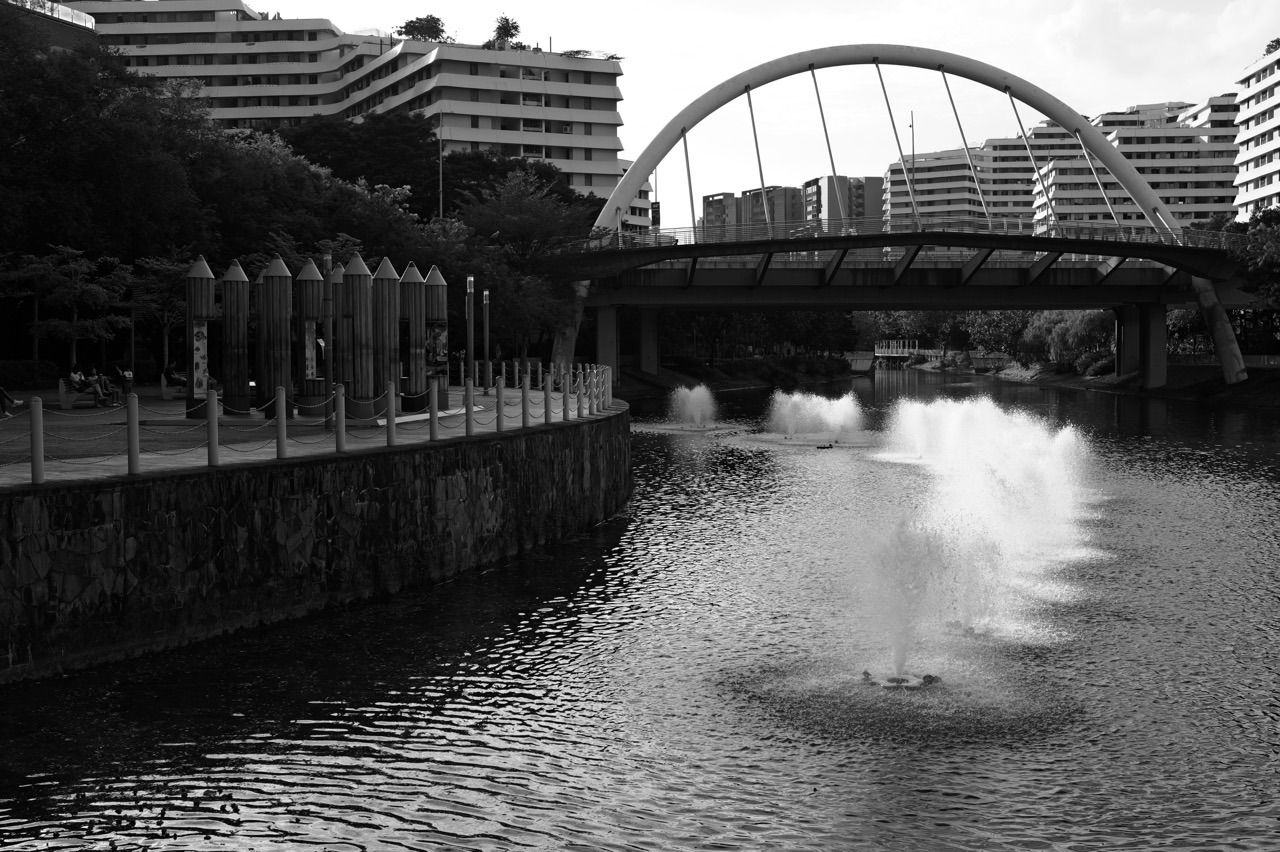
The top 10 things to do in Punggol for sustainable families are to borrow books at Punggol Regional Library, repair and reuse household items, recycle correctly in blue bins, use an appropriate e-waste collection point, return eligible marked drink containers through Return Right, choose a lower-waste hawker meal, pack a responsible waterway picnic, learn about authorised community gardening, explore Lorong Halus Wetland’s water-treatment role and study the sustainability design of Punggol Digital District.
Start with the easiest habit: borrow rather than purchase when possible, and make a shopping list that reflects what your household actually needs. If you already have clean recyclables, check NEA’s item guide before using a blue bin. If you have electronics, find the correct designated e-waste collection system. In October 2026, eligible drink containers with the BCRS Deposit Mark can be returned for the 10-cent deposit at an operating Return Right point.
Sustainability is more useful as a series of repeatable choices than a competitive ‘zero-waste’ badge. The family does not need to buy new glass containers, travel far to one photogenic facility or calculate invented carbon savings. The most defensible results are things you can observe: a longer-used schoolbag, a returned library book, clean recyclable material in the right stream and less edible food thrown away.
A practical Punggol green weekend at a glance
- One hour indoors: browse books at Punggol Regional Library, then discuss one borrow-or-buy decision.
- At home: sort safe, clean recyclables and choose one useful item to repair or reuse.
- One errands trip: check the NEA map for the right e-waste point or current Return Right machine.
- Food and outdoors: order a manageable hawker meal or take a modest reusable-container picnic to a permitted public park area.
- Learning and nature: observe Lorong Halus’s engineered wetland or authorised community gardens without taking living specimens.
- Urban sustainability: visit public parts of Punggol Digital District and distinguish documented project design from measured performance.
Three rules make the effort meaningful
Reduce and reuse come before sorting a full recycling bag
Buying unnecessary products simply because their packaging is recyclable does not solve the original consumption problem. NEA’s household guidance recommends planning shopping, borrowing occasionally used items and using durable, reusable goods. The family can start by keeping one existing possession useful for longer and avoiding over-ordering food.
Use the collection system for the specific material
Blue bins, e-waste bins and Return Right machines have different acceptance rules. E-waste batteries do not go in a blue bin. Return Right requires an eligible deposit-marked metal or plastic drink container with a scan-readable label. Bulky appliances follow designated collection arrangements. Check the operator’s live map rather than guessing that a bin takes everything.
Do not damage public nature in the name of nature care
Community gardening requires permission. Lorong Halus Wetland has engineered treatment infrastructure, and Punggol Waterway Park has public paths and landscaping. Picking living plants, entering ponds or inventing unofficial clean-up operations can cause harm. Family care for the environment begins with respecting the actual rules for a shared space.
Ten sustainable family activities in Punggol
1. Borrow a book instead of buying another short-lived item
Where: Punggol Regional Library, One Punggol at 1 Punggol Drive.
Why this is a useful habit
NEA recommends borrowing, sharing or hiring items used only occasionally as a practical way to reduce consumption. A library visit turns that recommendation into a pleasant family activity. Punggol Regional Library gives parents and children the chance to choose stories and learning resources without needing to own every book that interests them.
What to do with the family
Each family member chooses one public book to browse. Check its condition and borrowing status, and discuss whether you need to buy a similar item or can borrow it again. Create a list of books that are worth returning to, and follow NLB’s membership and return rules. Pair the outing with a short conversation about the difference between enjoying an item and owning it.
A realistic Punggol example
A child wants a new illustrated nature book. The family browses a library copy first, learns two facts, and later decides whether repeated borrowing will meet their needs. They avoid a purchase only when borrowing is genuinely sufficient, not by making guilt the centre of reading.
Important checks and limits
NLB books and specialist activities have their own borrowing and opening rules. Return materials properly, do not crowd public reading areas or assume the Toy Library works like ordinary book loans.
Official reference: Borrow a book instead of buying another short-lived item. Check current operating arrangements where relevant.
2. Organise a safe household repair-and-reuse afternoon
Where: At home in Punggol, using things your family already owns.
Why this is a useful habit
The simplest sustainable activity may be the one that does not require a journey or a purchase. NEA’s reduce-and-reuse advice encourages finding another use for items and choosing goods that last. Repairing a loose book cover, replacing a missing button or reusing a clean container can offer children problem-solving practice while keeping serviceable things useful.
What to do with the family
Choose three items: one that simply needs cleaning, one that can be safely repaired using ordinary non-powered tools, and one still usable item that someone else may need. Create a simple assessment card: condition, what is wrong, safe action, and whether it should be donated, reused, recycled or disposed of responsibly. Adults handle sharp objects and risky repairs.
A realistic Punggol example
A family cleans a backpack, fixes a loose strap using appropriate materials and labels a clean reusable box for craft supplies. Their real result is a longer-used item, not an invented claim that they have saved a precise mass of emissions.
Important checks and limits
Never attempt electrical, battery, gas or structural repairs without appropriate qualified help. Do not pass on unsafe toys, helmets, damaged batteries or hygiene-sensitive goods simply because you want to avoid throwing them away.
Official reference: Organise a safe household repair-and-reuse afternoon. Check current operating arrangements where relevant.
3. Learn how to use Punggol’s blue recycling bins correctly
Where: Your HDB estate or other authorised public recycling collection point in Punggol.
Why this is a useful habit
Singapore’s blue bins are useful only when items match accepted material streams and are not contaminated. NEA’s recycling guide distinguishes clean recyclable paper, metal, plastic and glass from items that should not be placed in the bin. Teaching a child to check the material is a practical household skill and more effective than guessing from a green-looking package.
What to do with the family
Use NEA’s current item guide and sort a small clean household sample at home. Flatten cardboard when appropriate, empty containers and follow the accepted-item conditions. Check the local bin sign before disposal. Discuss why a food-soiled tissue or other non-recyclable does not become recyclable simply because it is paper-based.
A realistic Punggol example
Two children compare a clean empty bottle with a food-soiled wrapper. The family reads the authoritative instructions, then sorts them into appropriate streams rather than dropping everything labelled plastic into one bin.
Important checks and limits
Do not enter rubbish rooms outside permitted public access, open communal bin machinery or leave bags outside a full recycling point. Batteries and electronics do not belong in a blue bin and need separate collection.
Official reference: Learn how to use Punggol’s blue recycling bins correctly. Check current operating arrangements where relevant.
4. Take old electronics to the right e-waste collection point
Where: An official e-waste collection point found through NEA’s current map, near your actual Punggol address.
Why this is a useful habit
NEA documents separate collection systems for information-and-communications equipment, batteries, light bulbs and certain appliances. ALBA’s 3-in-1 bins do not take every item, and different outlets or drives accept different material types. This makes finding the correct bin an investigative task that helps a family avoid hazardous disposal and unnecessary travel.
What to do with the family
List the exact unwanted item before leaving—perhaps a phone, power bank, small lamp or household battery. Use the NEA locator, inspect accepted items at the chosen point and prepare the item safely. For appropriate batteries, NEA advises taping the ends or wires of rechargeable batteries to reduce short-circuit risks. For bulky appliances, use an authorised collection arrangement rather than leaving them beside a bin.
A realistic Punggol example
A teenager wants to dispose of a broken computer accessory. The family checks whether it fits the listed ICT category and the collection point’s opening, then delivers it through the accepted route. They remove personal data when relevant before recycling a device.
Important checks and limits
Never put batteries into normal or blue recycling bins. Leaking or swollen batteries may require special handling; follow current safety guidance rather than packing them with everyday waste. Bulky items must not be abandoned outside collection points.
Official reference: Take old electronics to the right e-waste collection point. Check current operating arrangements where relevant.
5. Try Singapore’s Return Right system for eligible drink containers
Where: A live Return Right reverse vending machine found through the official return-point locator.
Why this is a useful habit
From October 2026, Singapore’s Beverage Container Return Scheme applies its 10-cent refundable deposit to regulated pre-packaged drinks in plastic or metal containers of 150ml to 3 litres bearing the BCRS Deposit Mark. It offers a good lesson in how a deposit can encourage the return of a clean recycling material stream. The family’s first step is checking the label, not claiming that every bottle qualifies.
What to do with the family
If you already have an eligible empty container, check its Deposit Mark and intact barcode. Do not crush it. Find a current Return Right return point before making a journey, then follow the machine instructions for the available electronic refund method. Parents can help a child calculate the refund: five eligible marked containers return fifty cents in deposits, not a profit from buying more drinks.
A realistic Punggol example
A family notices two different packaging types after a picnic. Only the eligible marked metal or plastic drink container can be claimed through Return Right; a glass bottle, fresh bubble-tea cup or unmarked container should not be inserted as if it were eligible.
Important checks and limits
The scheme has exclusions and special arrangements for participating F&B outlets. Do not buy unnecessary drinks to obtain deposits. Check current official return-point status, and do not leave rejected containers beside a vending machine.
Official reference: Try Singapore’s Return Right system for eligible drink containers. Check current operating arrangements where relevant.
6. Practise a lower-waste meal at One Punggol Hawker Centre
Where: One Punggol Hawker Centre, Level 2, 1 Punggol Drive.
Why this is a useful habit
NEA’s advice for dining out is straightforward: order what you can finish, request less food when appropriate and reduce avoidable disposables where food-hygiene and stall policies allow. One Punggol’s operating hawker centre makes the activity convenient for families who want a modest meal while practising an everyday habit. It is not necessary to police another diner’s choices.
What to do with the family
Before ordering, ask family members how hungry they are and choose appropriate portions. If the stall offers flexibility, decline sides that will not be eaten. Bring a reusable carrier or container only when suitable and accepted by the vendor. Afterwards, discuss which choice made the meal more manageable. Focus on reducing waste, not forcing children to eat after they are full.
A realistic Punggol example
A family of three chooses a shared dish plus two individual meals instead of ordering five mains for variety, adjusting if appetites genuinely differ. The takeaway is portion planning, not a rule that every person must finish all food regardless of comfort.
Important checks and limits
Actual stall sizes, menus and policies vary. Observe food hygiene and do not hold leftovers for too long without appropriate safe storage. Return Right F&B arrangements differ by participating outlet; check marked containers and rules rather than guessing.
Official reference: Practise a lower-waste meal at One Punggol Hawker Centre. Check current operating arrangements where relevant.
7. Pack a reusable, low-waste picnic at Punggol Waterway Park
Where: A permitted public area of Punggol Waterway Park.
Why this is a useful habit
A picnic is an opportunity to choose reusable food boxes, bottles and mats instead of automatically relying on single-use packaging. NParks identifies Punggol Waterway Park as a 24-hour public park, but that does not make every lawn an exclusive event venue or allow open-flame cooking. A small family picnic works best when the food is simple and the route has shade and a clear return.
What to do with the family
Prepare only what the household is likely to eat. Use clean, suitable reusable containers, carry drinking water and plan temperature-appropriate food handling. Pick a lawfully accessible spot without blocking shared paths, then return all litter and leftover supplies home. If a suitable outdoor area is crowded or weather becomes unsafe, choose a different activity rather than occupying unsuitable space.
A realistic Punggol example
Two adults and a child bring sandwiches, cut fruit and a reusable water bottle. They photograph one waterway bridge and leave the site as clean as they found it. The family later notes which portions were excessive so the next outing can be planned more accurately.
Important checks and limits
A picnic does not authorise barbecue equipment, generators, candles, tents or reserved seating. Follow NParks rules and weather advisories; never feed wildlife with leftovers, and avoid carrying food that cannot be kept safely at the required temperature.
Official reference: Pack a reusable, low-waste picnic at Punggol Waterway Park. Check current operating arrangements where relevant.
8. Learn about community gardening without taking public plants
Where: Existing authorised community gardens near Punggol, or an approved gardening group.
Why this is a useful habit
NParks’ Community in Bloom programme supports community gardening through guidance about site selection, design and management. Gardening offers a chance to learn about soil, plant growth, cooperation and shared responsibility. It is not permission to start an unsanctioned plot in common land or collect cuttings from public landscaping.
What to do with the family
Find a legitimate existing community garden or enquiry channel, contact its organisers and ask whether new members or a suitable public activity are welcomed. If no opportunity is available, practise safe container gardening at home with legally obtained plants. Keep watering and drainage appropriate so standing water does not encourage mosquito breeding.
A realistic Punggol example
A child plants a legally purchased herb in a well-drained home pot and records watering and leaf growth for two weeks. The family discusses why permission matters in shared gardens and why dumping soil, watering cans and discarded plant pots around HDB common areas is unsuitable.
Important checks and limits
Do not assume a Punggol garden is open for casual harvesting, planting or volunteering. Observe local permission rules and the latest dengue prevention guidance, and never take plants from nature reserves or parks.
Official reference: Learn about community gardening without taking public plants. Check current operating arrangements where relevant.
9. See the water-management story at Lorong Halus Wetland
Where: Lorong Halus Wetland, along the eastern bank of Serangoon Reservoir.
Why this is a useful habit
PUB explains that Lorong Halus Wetland collects and treats water passing through a former landfill before it reaches the reservoir. It demonstrates a different side of sustainability from household sorting: engineering and environmental systems also protect the water supply. The public learning trail makes this an educational outing with a clear reason to visit.
What to do with the family
Use an open, lawful path and read PUB’s self-guided learning material. Explain the system in a three-box diagram: water from the landfill area, engineered treatment wetland and reservoir. Ask what measurements engineers would need to confirm treatment performance. Distinguish PUB’s documented function from what you can personally observe from a path.
A realistic Punggol example
A Primary school pupil draws the three-box diagram and labels which facts were learned from PUB. They notice vegetation beside the water but do not claim that a particular plant has removed a particular amount of pollution on that date.
Important checks and limits
Treatment infrastructure is not a public swimming or sampling area. Do not enter ponds, collect water without permission or assume the water is safe to drink or touch. Weather and access restrictions can override the itinerary.
Official reference: See the water-management story at Lorong Halus Wetland. Check current operating arrangements where relevant.
10. Study real sustainability design around Punggol Digital District
Where: Publicly open areas reached from Punggol Coast MRT near Punggol Digital District.
Why this is a useful habit
JTC describes a district designed with passive shading, ventilation, smart-grid integration, rooftop solar and green spaces. These are examples of sustainability planned at neighbourhood scale rather than just household level. JTC’s sustainability page includes expected energy and carbon benefits; those published expectations should not be rewritten as independently measured achievements on the day of a family visit.
What to do with the family
Take the North East Line to Punggol Coast if convenient, follow signed public routes and compare visible building shading, walkways or landscaping with JTC’s design descriptions. List one visible feature, one behind-the-scenes system documented by JTC and one question that would require engineering data. Use current JTC community information to locate truly operating public spaces.
A realistic Punggol example
A Secondary student compares a building’s shaded exterior with a smart grid described in the official project information. The first can be observed; the second is described by the developer and not directly proven by a photograph. The student learns to separate design evidence from performance claims.
Important checks and limits
Do not enter plant rooms, rooftops, offices, SIT teaching spaces or restricted work areas. The longer Heritage Trail alignment and upcoming tenants must not be represented as fully open solely on the basis of project plans.
Official reference: Study real sustainability design around Punggol Digital District. Check current operating arrangements where relevant.
Plan a complete sustainable day without extra purchases
A budget-friendly indoor morning
Start at Punggol Regional Library and browse materials already available to the family through normal borrowing rules. Visit One Punggol’s hawker centre for an appropriately sized lunch if you want to eat there. Carry your own useful existing supplies where suitable. The goal is not buying a newly branded sustainability kit but making ordinary decisions more deliberate.
A home-and-errands afternoon
At home, identify one safe repair, one reusable item, one accepted blue-bin recyclable and one item needing special e-waste disposal. Consult the correct NEA lists. Travel to a designated collection point only if the item is accepted and the trip makes sense. If you have Return Right drink containers, keep them intact and labelled, and locate a participating return machine rather than depositing them in the wrong stream.
A learning-focused outdoor visit
Choose a short, safe Waterway Park walk, a self-guided public visit to Lorong Halus Wetland or the open public areas of Punggol Digital District. Ask the family what can be directly observed, what the authority documents, and what measurements would still be needed. A good environmental outing produces curiosity and careful reasoning, not unsupported claims about kilograms of emissions saved.
Frequently asked questions
What are the easiest sustainable things to do in Punggol?
Borrow a library book, repair a useful item safely, plan food portions, use the correct recycling stream and enjoy public green spaces without damaging them.
What goes in a blue recycling bin in Singapore?
NEA’s item guide specifies acceptable clean materials such as certain paper, metal, plastic and glass items. Check the current guide and local bin signs; do not place food-soiled or prohibited items inside.
Do batteries belong in blue recycling bins?
No. NEA says batteries require appropriate e-waste collection, with safety preparation according to the battery type.
Where can Punggol residents recycle electronics?
Use NEA’s current e-waste point map or an authorised operator’s locator, selecting a collection point that accepts the exact item.
Can bulky appliances go beside an e-waste bin?
No. Arrange an authorised collection, retailer takeback or accepted bulky-item service rather than abandoning appliances beside a bin.
What is Return Right in October 2026?
Singapore’s Beverage Container Return Scheme returns a 10-cent deposit for eligible marked plastic or metal pre-packaged beverage containers when they are returned via an approved scheme point.
Which drink containers qualify for the 10-cent return?
NEA specifies qualifying plastic or metal pre-packaged beverage containers between 150ml and 3 litres bearing the BCRS Deposit Mark, with exclusions for some drink formats and products.
Should I crush Return Right bottles?
No. They must remain empty but intact so machines can read the barcode and process the eligible deposit.
Can I return takeaway coffee cups for a deposit?
Ordinary freshly prepared drinks and their cups are excluded from the scheme. Check NEA’s item-specific rules rather than treating all drink packaging as eligible.
Is community gardening allowed anywhere in Punggol?
No. Join or seek approval through an authorised community garden or use suitable home gardening arrangements; do not start cultivating public land unilaterally.
Can we pick plants at Punggol Waterway Park?
Do not remove plants or damage public landscaping. Observe, draw or photograph from lawful paths instead.
Does Lorong Halus Wetland really treat water?
Yes. PUB documents its engineered function for water connected with the former landfill before reaching Serangoon Reservoir.
Does a clear wetland pool mean it is safe to drink?
No. Visual appearance cannot prove water quality or safety, and treatment facilities have restrictions.
Are Punggol Digital District’s solar savings guaranteed?
No exact individual saving should be invented. JTC describes design targets and estimated benefits; actual system performance requires measurements and the appropriate evidence.
How can families reduce food waste when eating out?
Order manageable portions, decline unwanted sides where possible and follow safe food-handling rules. NEA encourages preventing waste in the first place.
Do I need to buy new reusable supplies?
Not necessarily. Use safe, durable things already at home where they meet your needs; reducing unnecessary buying is part of the point.
Official sources and related Punggol guides
- Borrow a book instead of buying another short-lived item
- Organise a safe household repair-and-reuse afternoon
- Learn how to use Punggol’s blue recycling bins correctly
- Take old electronics to the right e-waste collection point
- Try Singapore’s Return Right system for eligible drink containers
- Practise a lower-waste meal at One Punggol Hawker Centre
- Pack a reusable, low-waste picnic at Punggol Waterway Park
- Learn about community gardening without taking public plants
- See the water-management story at Lorong Halus Wetland
- Study real sustainability design around Punggol Digital District
- NEA Return Right eligibility and October 2026 implementation
- Singapore recycling point locator
- Eco-friendly Punggol weekend guide
- Where to recycle e-waste in Punggol
- Punggol plant-lovers guide
- School holiday Punggol activities
One useful habit, repeated every week
Choose one low-waste habit your household can sustain without inconvenience or unsafe shortcuts. Make it part of the next library visit, meal, repair session or outing. A sustainable Punggol weekend is not defined by how many eco labels you collect; it is defined by practical actions that respect resources, people and public places.


