
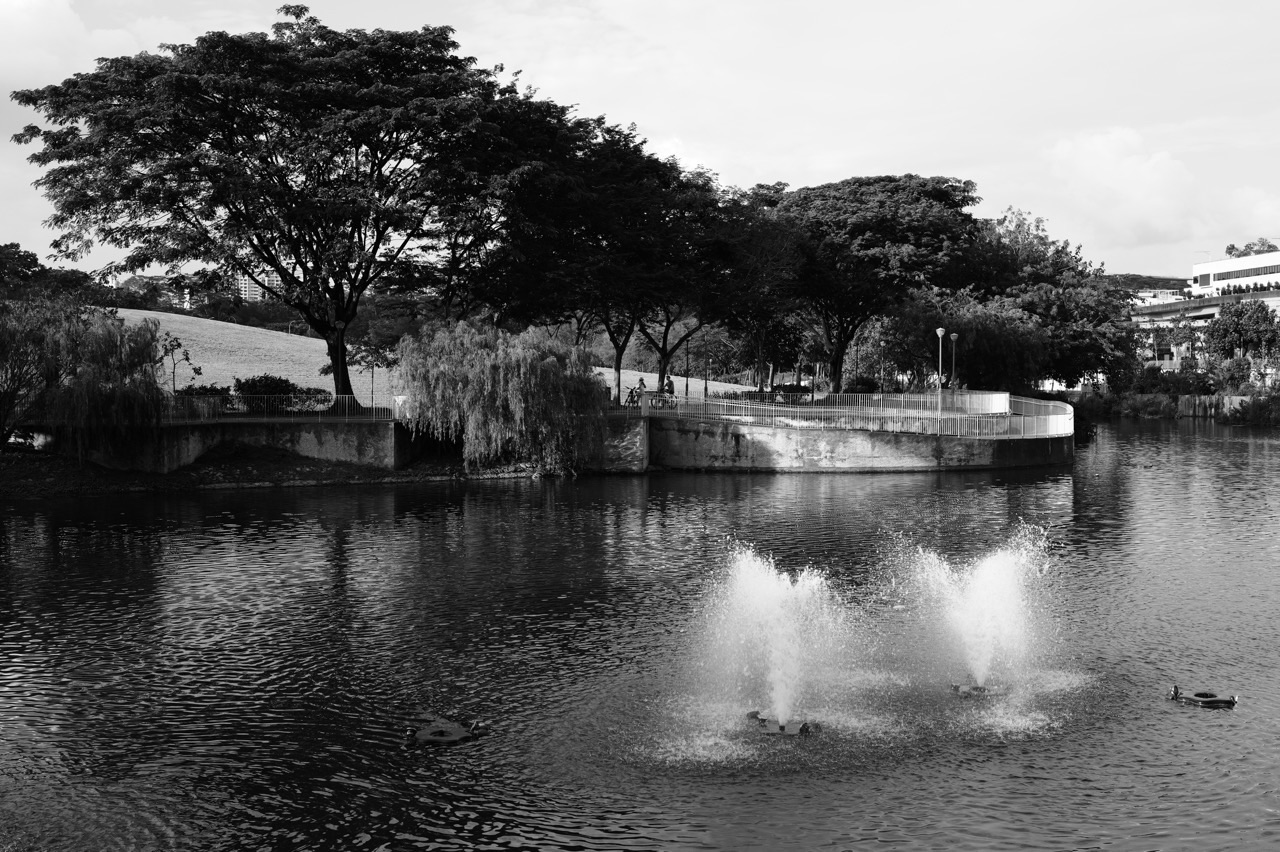
The most useful eco-friendly activities in Punggol are small things you can do correctly and repeat: sort clean recyclables at a lawful neighbourhood collection point, use the new 2026 Return Right beverage-container scheme where applicable, drop off e-waste at an accepted collection point, and choose a public-transport-linked neighbourhood outing rather than unnecessary journeys. Punggol also has genuine green learning settings—Punggol Waterway Park, Community in Bloom gardens and Punggol Digital District—but environmental enthusiasm should not become an excuse to exaggerate a technology’s results.
**The ten activities in this guide** are: try the beverage container deposit-return system; practise accurate blue-bin sorting; deliver accepted electronic waste through the regulated scheme; repair one safe household item instead of replacing it; rehome usable possessions responsibly; organise a lower-waste grocery-and-picnic routine; join a managed Community in Bloom garden or a Grow and Share event; observe Waterway Park’s ecological planting from public paths; plan a genuine car-lite trip around Punggol’s rail anchors; and study Punggol Digital District’s environmental design without claiming access to operational plant rooms. These are ten distinct practical reader jobs, not ten green-themed commercial attractions.
**October 2026 matters.** NEA states Singapore’s Beverage Container Return Scheme began on 1 April 2026 and moved from its six-month transition to full implementation on 1 October. Eligible marked metal and plastic beverage containers carry a **10-cent deposit**, refundable when empty, uncrushed, scan-readable containers are returned to an authorised Return Right reverse vending machine. This is not a universal refund for every bottle: a container without the deposit mark does not qualify, and freshly prepared drinks have exclusions. Verify the present machine location through the official scheme map rather than assuming every Punggol mall has an operating unit.
Eco-consciousness means recognising limits. NEA says batteries belong in appropriate e-waste channels rather than ordinary blue recycling bins; clean accepted recyclables belong in the blue system, while contaminated packaging and textiles need other routes. NParks restricts removing plants and feeding wildlife, and JTC’s smart-district energy estimates cannot be verified from a single street photograph. Practical environmental value comes from correct action, not from an impressive slogan or an unsupported kilogram-of-carbon claim.
Quick selection: ten real greener activities in Punggol
- Use the October 2026 Return Right 10-cent deposit system correctly — An official Return Right reverse vending machine serving a convenient Punggol shopping or community route, verified on the current map.
- Learn exactly what your neighbourhood blue recycling bin accepts — A legitimate residential blue recycling bin or designated recycling chute in the resident’s Punggol block or estate.
- Find a current authorised e-waste collection route for Punggol devices — An NEA/ALBA scheme e-waste collection point located through the current official map; Punggol CC and RN areas are possible past examples.
- Repair or maintain one suitable item instead of replacing it immediately — At home in Punggol or through a reputable authorised repair channel located using NEA’s repair resources.
- Rehome usable books, clothes or household items responsibly — A lawful Punggol handover with a known recipient, approved donation service or suitable exchange group.
- Plan a lower-waste shopping trip and packed meal at One Punggol — One Punggol Hawker Centre or another actual operating food venue, combined with a short legal public route.
- Join a managed Community in Bloom garden or Grow and Share activity — A confirmed registered Punggol neighbourhood, school or organisational community garden.
- See why Punggol Waterway’s planted banks have environmental roles — Suitable public viewpoints within Punggol Waterway Park along Sentul Crescent.
- Plan one genuinely car-lite Punggol outing by MRT, LRT and walking — A selected journey between the public Punggol MRT or Punggol Coast MRT cluster and its destination.
- Study Punggol Digital District’s real sustainability systems from public space — Public walkways around Punggol Digital District near Punggol Coast MRT.
The list is intentionally not a claim that Punggol contains ten eco-themed attractions. Some are daily household systems, some require current collection maps, some are authorised community activities and others are evidence-based walks. Choose one action that can fit into a genuine routine before planning a distant special trip.
How to make an eco outing accurate and practical
Reduce, reuse and then recycle correctly
Use the waste hierarchy deliberately. Reducing an unnecessary purchase and keeping a useful item longer can prevent waste before recycling becomes relevant. When a product reaches end-of-life, the correct destination depends on material, contamination and the collection programme. Never assume one bin accepts all packaging simply because it is blue or carries a recycling-looking symbol.
Check today’s actual collection route
Check the actual collection scheme before a special trip. NEA provides maps of current e-waste recycling points, while the Return Right system has a separate network of machines for eligible deposit-marked containers. The old published PDF of e-waste bins can illustrate the kinds of Punggol locations that have hosted them, but present availability should come from the current map. A map reference is more dependable than an undated screenshot of a bin.
Keep transport and destination together
Make a realistic, geographically compact route. Punggol MRT serves Waterway Point, One Punggol, the LRT and nearby park paths; Punggol Coast MRT serves the Digital District and newer public amenities. Do not spend a long day carrying a single small item across several districts in the name of recycling when a legitimate closer collection route exists. Combine a return with an ordinary errand where practical.
Distinguish learning from environmental measurement
Distinguish environmental learning from experiments. Waterway Park’s aquatic plants and Lorong Halus Wetland have documented water-management roles, but their performance requires proper measurements. Punggol Digital District’s solar, cooling and smart-grid systems have JTC operator descriptions, some expressed as plans or estimates. A casual visitor can learn about these systems without entering sensitive infrastructure or inventing pollution reductions.
Respect managed gardens and public spaces
Community projects have owners and rules. Community in Bloom gardens are managed by registered groups and their landowners. The plants are not free to harvest, propagate or rearrange without agreement. Organised litter collections and public space activities may have different PHC or NParks permissions; ordinary environmental care must protect both people and biodiversity.
Keep safety, food hygiene and inclusion central
Keep the habit affordable, healthy and inclusive. A reusable food container is not environmentally beneficial if unsafe storage makes somebody sick. SFA’s temperature advice still applies to packed meals. Participants with limited mobility, small children or restricted time can choose indoor sorting, library research, appropriate drop-off routes and simple lower-waste shopping instead of an exposed trek.
The ten Punggol eco-conscious experiences
Use the October 2026 Return Right 10-cent deposit system correctly
Local setting or service: An official Return Right reverse vending machine serving a convenient Punggol shopping or community route, verified on the current map.
What the current authority says
NEA’s Beverage Container Return Scheme page states that the transition ended on 30 September 2026 and full implementation started on 1 October. Regulated eligible beverage containers sold in Singapore must carry the BCRS Deposit Mark and incur a 10-cent deposit. The empty, uncrushed container with readable barcode and mark can be returned at an authorised machine for a refund; an unmarked container is not eligible.
Step-by-step low-impact plan
Keep a qualifying marked container after drinking, empty it without crushing and check its barcode. Search the official current Return Right machine map, then combine the drop-off with a trip you already intend to make. Follow the instructions for the accepted refund method. If the scanner rejects a container, check the eligibility rather than forcing it into the machine.
Worked Punggol example
A family returns three bottles and expects every plastic bottle to earn 10 cents. One bottle lacks the deposit mark from a previous purchase. They receive the relevant refund only for eligible containers, and recycle the unmarked clean bottle through the correct ordinary channel. The lesson is about identification, not accumulating a large cash return.
Rules, safety and evidence limits
Freshly prepared drinks and some other products are excluded from the scheme. Do not insert glass or unrelated waste into a Return Right machine or invent a location based on an old list. The 10 cents is the deposit return, not a reward for every reusable container.
Who gets the most practical value?
Best for residents who regularly buy covered packaged drinks and want a new sustainable routine. For a child, checking the mark provides an accessible lesson in how producer schemes work without promising a large financial gain.
A useful result to record
Create a two-column household guide: ‘deposit-marked and eligible’ versus ‘other clean accepted recyclable’, with official checks for borderline containers.
A more sustainable habit should be something the participant can actually maintain. Do not buy a new specialised kit or travel far simply to demonstrate concern for the environment. The value comes from avoiding unnecessary waste, choosing the correct end-of-life route, learning how the public system functions or acting with permission in a managed community project. Record what happened rather than claiming a carbon figure you did not calculate from credible data.
Read the relevant official recycling, environment or visitor guidance before doing this activity. Current machine locations, programme opportunities and public access can change; published systems information does not guarantee a specific service will be operating when you arrive.
Learn exactly what your neighbourhood blue recycling bin accepts
Local setting or service: A legitimate residential blue recycling bin or designated recycling chute in the resident’s Punggol block or estate.
What the current authority says
NEA’s National Recycling Programme collects accepted clean paper, plastic, glass and metal recyclables through blue bins and chutes, with materials later sent for sorting. Not all items carrying a plastic appearance belong inside: food-contaminated packaging, textiles, Styrofoam and certain hygiene waste do not belong in the ordinary blue stream. Cleanliness matters because contamination can undermine recovery.
Step-by-step low-impact plan
Start at home with five common items—clean paper, a glass jar, a clean metal can, a food-stained packet and an old shirt. Use the official Recycle Right item checker to decide which go into the blue bin. Empty and clean acceptable containers as needed, keep them dry, and use appropriate separate routes for the others. Do not rummage through public bins to demonstrate a sorting error.
Worked Punggol example
A teenager believes every plastic item is recyclable and places an oily takeaway box in the blue chute. After reading NEA’s guidance, the family identifies contamination as a key issue and separates waste correctly. They set up a compact dry collection bag at home rather than letting food residue spoil paper.
Rules, safety and evidence limits
Recycling symbols do not guarantee local acceptance. Hazardous waste, batteries and electronic devices should not go into blue bins. Chute openings have size limits and must not be blocked or used for bulky furniture. The purpose is correct household sorting, not a staged inspection of neighbours’ rubbish.
Who gets the most practical value?
Best for families building an everyday low-cost environmental habit. It is more useful than collecting rare recycling trivia because the household can repeat the correct action every week.
A useful result to record
Build a simple household sorter sign using current NEA accepted-item examples, and review it whenever the official guidance changes.
A more sustainable habit should be something the participant can actually maintain. Do not buy a new specialised kit or travel far simply to demonstrate concern for the environment. The value comes from avoiding unnecessary waste, choosing the correct end-of-life route, learning how the public system functions or acting with permission in a managed community project. Record what happened rather than claiming a carbon figure you did not calculate from credible data.
Read the relevant official recycling, environment or visitor guidance before doing this activity. Current machine locations, programme opportunities and public access can change; published systems information does not guarantee a specific service will be operating when you arrive.
Find a current authorised e-waste collection route for Punggol devices
Local setting or service: An NEA/ALBA scheme e-waste collection point located through the current official map; Punggol CC and RN areas are possible past examples.
What the current authority says
NEA operates an extended producer responsibility system for regulated consumer e-waste, with ALBA as the national appointed scheme operator. Its public instructions distinguish bin types accepting smaller ICT equipment, batteries and lamps from other bulky collection options. A historical NEA point list includes Punggol 21 CC and other Punggol neighbourhood sites, but bin placement and acceptance must be confirmed on the current collection map.
Step-by-step low-impact plan
Identify the device and whether it contains a battery or personal information. Back up and securely remove your data where feasible before surrendering electronics. Find the closest current e-waste point that accepts the exact category, then deliver the item without leaving anything outside a full or incompatible bin. Tape relevant battery terminals as NEA instructs to reduce fire risks.
Worked Punggol example
A resident plans to put an old phone, AA batteries and a large computer monitor into one small blue bin. The NEA guide shows different e-waste categories and collection avenues. The resident checks accepted dimensions, secures batteries appropriately and uses the correct scheme rather than leaving equipment beside a public bin.
Rules, safety and evidence limits
Do not place batteries into general or blue recycling bins. Damaged or leaking batteries need the specific safety treatment described by NEA. Do not break devices apart without suitable expertise or give away a device with sensitive data still accessible. The map is more reliable than a 2022 PDF address list for today.
Who gets the most practical value?
Best for households replacing a device or clearing a small electronic drawer. It is a practical system for safety as much as waste reduction.
A useful result to record
Make a dated device inventory: item, data-wiping status, accepted e-waste category and actual current drop-off point verified.
A more sustainable habit should be something the participant can actually maintain. Do not buy a new specialised kit or travel far simply to demonstrate concern for the environment. The value comes from avoiding unnecessary waste, choosing the correct end-of-life route, learning how the public system functions or acting with permission in a managed community project. Record what happened rather than claiming a carbon figure you did not calculate from credible data.
Read the relevant official recycling, environment or visitor guidance before doing this activity. Current machine locations, programme opportunities and public access can change; published systems information does not guarantee a specific service will be operating when you arrive.
Repair or maintain one suitable item instead of replacing it immediately
Local setting or service: At home in Punggol or through a reputable authorised repair channel located using NEA’s repair resources.
What the current authority says
NEA’s Donation, Resale and Repair Channels guidance encourages extending the useful life of items through repair or redistribution when appropriate. Repair can prevent unnecessary replacement, but many electrical devices and appliances involve shock, fire or warranty risks. The existence of repair options does not justify opening hazardous equipment without competence.
Step-by-step low-impact plan
Choose a small, low-risk issue such as replacing a damaged non-electrical fastener, cleaning a reusable container, repairing clothing or checking whether a device is eligible for a professional service. Compare repair practicality with replacement, considering safety and durability. If the item is electrical or requires specialist tools, seek qualified help rather than copying an unverified online procedure.
Worked Punggol example
A Punggol household considers throwing away a sturdy bag because one stitch has come loose. A family member repairs the seam with suitable thread and checks that the bag remains usable. The result extends useful life without claiming an exact carbon saving or creating an electrical hazard.
Rules, safety and evidence limits
Avoid unsafe DIY electrical repairs, opening lithium batteries, damaging housing systems or voiding essential warranties. Not every item is worth repairing, and dangerous objects should be disposed of through the appropriate safe route. Recycling is the next option only when reuse or repair is unsuitable.
Who gets the most practical value?
Best for residents seeking a practical low-spend activity that teaches care rather than consumption. A beginner should start with safe simple repairs rather than appliances or structural equipment.
A useful result to record
Record the problem, lawful repair method, time, result and whether the item remains safe to use. Do not invent kilograms of waste avoided without a sound measurement.
A more sustainable habit should be something the participant can actually maintain. Do not buy a new specialised kit or travel far simply to demonstrate concern for the environment. The value comes from avoiding unnecessary waste, choosing the correct end-of-life route, learning how the public system functions or acting with permission in a managed community project. Record what happened rather than claiming a carbon figure you did not calculate from credible data.
Read the relevant official recycling, environment or visitor guidance before doing this activity. Current machine locations, programme opportunities and public access can change; published systems information does not guarantee a specific service will be operating when you arrive.
Rehome usable books, clothes or household items responsibly
Local setting or service: A lawful Punggol handover with a known recipient, approved donation service or suitable exchange group.
What the current authority says
NEA’s zero-waste and donation guidance distinguishes good-condition items that can be donated, sold or reused from waste that needs disposal. Old clothes and other textiles should not simply be thrown into ordinary blue bins. A library’s collection is also not a blanket public donation shelf; each organisation decides whether it accepts a category and condition of goods.
Step-by-step low-impact plan
Choose a clean, functioning item with genuine potential to be used. Confirm the recipient or official organisation will accept it before travelling, and agree on a safe public handover if dealing with another resident. For books, protect personal information or handwritten notes; for clothes, wash them appropriately and describe any defects truthfully. Do not leave donations at a closed charity door.
Worked Punggol example
A family wants to clear children’s books and clothing after a move. Rather than filling the blue recycling chute or leaving bags by the lift, they sort usable items by condition, contact an appropriate recipient and hand them over at an agreed time. Damaged or unsafe items go through the correct disposal route instead.
Rules, safety and evidence limits
Not everything is suitable to rehome: recalled or unsafe child equipment, expired consumables and faulty electrical items require special caution. A well-meaning donation becomes a burden when it ignores the recipient’s needs or organisation’s capacity. Protect home addresses and identity details.
Who gets the most practical value?
Best for households downsizing, families sharing children’s items and people who want to reduce unused possessions. The useful action is a real agreed transfer, not dumping items with a charitable label.
A useful result to record
Create a small log of items accepted for reuse, items still stored and items correctly disposed of, without claiming every donated item was ultimately used.
A more sustainable habit should be something the participant can actually maintain. Do not buy a new specialised kit or travel far simply to demonstrate concern for the environment. The value comes from avoiding unnecessary waste, choosing the correct end-of-life route, learning how the public system functions or acting with permission in a managed community project. Record what happened rather than claiming a carbon figure you did not calculate from credible data.
Read the relevant official recycling, environment or visitor guidance before doing this activity. Current machine locations, programme opportunities and public access can change; published systems information does not guarantee a specific service will be operating when you arrive.
Plan a lower-waste shopping trip and packed meal at One Punggol
Local setting or service: One Punggol Hawker Centre or another actual operating food venue, combined with a short legal public route.
What the current authority says
One Punggol contains a hawker centre and community amenities documented by the People’s Association. NEA encourages reducing disposables and using existing reusable bags or containers, with an emphasis on keeping materials in use. SFA separately requires safe handling of ready-to-eat food. A lower-waste meal needs both good packaging choices and food hygiene.
Step-by-step low-impact plan
Bring a clean reusable bag and any appropriate containers the stall actually accepts. Choose a realistic quantity of food, avoid unnecessary cutlery and consume prepared dishes promptly. If taking a packed meal to a park, bring secure storage and a return route without littering. Ask politely whether a stall can use a container; food operators may have hygiene or workflow reasons to decline.
Worked Punggol example
Two friends compare their usual takeaway purchases. They notice several disposable bags and utensils they did not need. On a later meal they bring a familiar bag, ask about container use and eat on-site when suitable. They also order less excess food instead of assuming recycling will solve every problem.
Rules, safety and evidence limits
Never pressure a vendor to break hygiene rules or accept an unclean container. Chilled and hot food still requires suitable temperature control. Do not leave packaging on a park bench or assume a compostable-looking cup belongs in the blue bin.
Who gets the most practical value?
Best for residents whose environmental action can be woven into everyday meals. It costs little if the household already owns usable containers and does not need new branded ‘green’ products.
A useful result to record
Track whether unnecessary packaging or food waste was actually avoided, using a simple count instead of unsupported life-cycle claims.
A more sustainable habit should be something the participant can actually maintain. Do not buy a new specialised kit or travel far simply to demonstrate concern for the environment. The value comes from avoiding unnecessary waste, choosing the correct end-of-life route, learning how the public system functions or acting with permission in a managed community project. Record what happened rather than claiming a carbon figure you did not calculate from credible data.
Read the relevant official recycling, environment or visitor guidance before doing this activity. Current machine locations, programme opportunities and public access can change; published systems information does not guarantee a specific service will be operating when you arrive.
Join a managed Community in Bloom garden or Grow and Share activity
Local setting or service: A confirmed registered Punggol neighbourhood, school or organisational community garden.
What the current authority says
NParks’ GardeningSG describes Community in Bloom as a nationwide programme supporting approved community garden groups and shared stewardship. Its 2026 Grow and Share initiative encourages registered groups with a managing body to organise gardening events. A ‘community garden’ is not an unrestricted plant-foraging space; it may be managed by an RN, RC, condominium MCST, school or organisation with its own entry and harvest rules.
Step-by-step low-impact plan
Use the official garden map and contact a Punggol managing group before visiting. Ask whether volunteer help, a workshop or a garden tour is currently available. Agree on appropriate gardening tasks, water use, food-safe practices and mosquito prevention. Do not introduce new plant species or prune existing ones without permission.
Worked Punggol example
A new resident sees a herb garden beside an HDB estate and assumes any neighbour may take cuttings. After enquiring through the group, they learn about supervised maintenance and an upcoming sharing session. The activity becomes an opportunity to learn and contribute rather than a conflict over community property.
Rules, safety and evidence limits
Garden activities can have membership, training, age or scheduling conditions. Public planting, private residential grounds and school premises are different access categories. Avoid standing water and unknown chemicals; do not claim a harvest is available merely because herbs appear mature.
Who gets the most practical value?
Best for people interested in repeated local gardening, biodiversity and neighbourhood collaboration. It differs from a simple Waterway Park plant observation because the group manages the plants under authorised rules.
A useful result to record
Write one gardening-action proposal with the relevant group’s permission and the specific environmental purpose, such as shade, biodiversity or food growing.
A more sustainable habit should be something the participant can actually maintain. Do not buy a new specialised kit or travel far simply to demonstrate concern for the environment. The value comes from avoiding unnecessary waste, choosing the correct end-of-life route, learning how the public system functions or acting with permission in a managed community project. Record what happened rather than claiming a carbon figure you did not calculate from credible data.
Read the relevant official recycling, environment or visitor guidance before doing this activity. Current machine locations, programme opportunities and public access can change; published systems information does not guarantee a specific service will be operating when you arrive.
See why Punggol Waterway’s planted banks have environmental roles
Local setting or service: Suitable public viewpoints within Punggol Waterway Park along Sentul Crescent.
What the current authority says
NParks describes Punggol Waterway Park’s Red Thalia, Bulrush and Swamp Cabbage as examples of aquatic plants used to help remove pollutants from the water environment. The park is designed for both ecology and recreation. A field visit can reveal the relationship between planting and water, but a visitor cannot determine actual treatment performance or the identity of every distant plant from a photo alone.
Step-by-step low-impact plan
Choose one safe legal public path and observe how vegetation is arranged on the canal bank. Draw a simple diagram and label what you see: water, planted zone, path and built structures. Then consult NParks for the documented purpose of selected aquatic planting. Leave plant names provisional where distinctive field marks are unclear.
Worked Punggol example
A student sees clear-looking water and says the plants must have removed all pollution. The family reads the NParks description and explains that planted species have a role in environmental design, while the actual pollution concentration was never measured. They retain the field sketch but correct the conclusion.
Rules, safety and evidence limits
Do not collect water or vegetation, climb over barriers, enter planting beds or release pets into the waterway. Park paths are shared with other people, and weather or temporary maintenance may prevent access to one viewpoint.
Who gets the most practical value?
Best for eco-conscious visitors who prefer to learn through observation rather than buy equipment. One short waterway stop can provide a meaningful question about nature-based urban design.
A useful result to record
Separate observed features from authority-stated functions and list one measurement needed to test actual water quality.
A more sustainable habit should be something the participant can actually maintain. Do not buy a new specialised kit or travel far simply to demonstrate concern for the environment. The value comes from avoiding unnecessary waste, choosing the correct end-of-life route, learning how the public system functions or acting with permission in a managed community project. Record what happened rather than claiming a carbon figure you did not calculate from credible data.
Read the relevant official recycling, environment or visitor guidance before doing this activity. Current machine locations, programme opportunities and public access can change; published systems information does not guarantee a specific service will be operating when you arrive.
Plan one genuinely car-lite Punggol outing by MRT, LRT and walking
Local setting or service: A selected journey between the public Punggol MRT or Punggol Coast MRT cluster and its destination.
What the current authority says
LTA’s rail information distinguishes the North East Line and Punggol’s LRT loops, while Punggol Coast MRT serves the newer Digital District. These are operating public transport choices that can reduce dependence on a car for suitable journeys. A visitor’s actual environmental impact depends on circumstances and transport choices; this guide does not invent a precise carbon saving from one railway ticket.
Step-by-step low-impact plan
Choose one ordinary destination, such as the library, a hawker centre or public mural, and use the current official trip planner to compare public transport and lawful walking routes. Record the real station or stop names, access paths and costs. Include strollers or mobility aids when relevant. Avoid driving to three distant ‘eco stops’ purely to take photographs.
Worked Punggol example
A resident plans to visit the Coast mural, then discovers it is near Punggol Coast MRT, not the central Punggol station. They change to a direct rail-and-walk approach and keep the rest of the afternoon in the same district. The action is practical car-lite routing without exaggerating emissions reduction.
Rules, safety and evidence limits
Not every household can avoid private transport due to access, mobility or care needs. LRT service patterns, fares and last-service arrangements can change. Do not invent journey times or use unofficial shortcuts through private campus buildings or closed park sections.
Who gets the most practical value?
Best for visitors already making local trips who want a realistic habitual change. One well-planned journey is more useful than a symbolic ‘car-free challenge’ that ignores comfort or actual transit availability.
A useful result to record
Create a route card with origin, mode, public exit, lawful walk, destination and an alternative that works in bad weather.
A more sustainable habit should be something the participant can actually maintain. Do not buy a new specialised kit or travel far simply to demonstrate concern for the environment. The value comes from avoiding unnecessary waste, choosing the correct end-of-life route, learning how the public system functions or acting with permission in a managed community project. Record what happened rather than claiming a carbon figure you did not calculate from credible data.
Read the relevant official recycling, environment or visitor guidance before doing this activity. Current machine locations, programme opportunities and public access can change; published systems information does not guarantee a specific service will be operating when you arrive.
Study Punggol Digital District’s real sustainability systems from public space
Local setting or service: Public walkways around Punggol Digital District near Punggol Coast MRT.
What the current authority says
JTC’s official sustainability information describes passive design, district cooling, a smart grid integrating solar generation and storage, and data-informed operations in Punggol Digital District. Some reports include projected or estimated benefits; they should be attributed to JTC and their publication context. A public street view cannot verify annual energy performance or grant access to plant rooms.
Step-by-step low-impact plan
Start at Punggol Coast MRT and use the signed public precinct paths. Find an architectural shade feature and compare it with JTC’s description of passive cooling. Read the operator’s district cooling and energy systems pages afterward to understand what is hidden from view. Keep a short list of claims that would require meter data or a technical operator interview to verify.
Worked Punggol example
A visitor assumes that the building’s tree planting proves it uses no carbon-intensive energy. Reading JTC’s materials, they separate greener urban design intentions from active cooling and grid systems. Their final note describes the systems with attribution rather than calling the whole district emissions-free.
Rules, safety and evidence limits
Do not enter university laboratories, electrical substations, cooling plants, service corridors or rooftops. Access can change with construction and tenancy. No company is obliged to provide data or a tour merely because sustainability technology is mentioned in a public article.
Who gets the most practical value?
Best for visitors interested in engineering and environmental policy who want to understand local infrastructure through public evidence. Pair it with a legitimate public mural or hawker stop rather than a fabricated private tour.
A useful result to record
Draw a three-part diagram identifying passive shade, active cooling and electricity management, each with the source and what remains unmeasured.
A more sustainable habit should be something the participant can actually maintain. Do not buy a new specialised kit or travel far simply to demonstrate concern for the environment. The value comes from avoiding unnecessary waste, choosing the correct end-of-life route, learning how the public system functions or acting with permission in a managed community project. Record what happened rather than claiming a carbon figure you did not calculate from credible data.
Read the relevant official recycling, environment or visitor guidance before doing this activity. Current machine locations, programme opportunities and public access can change; published systems information does not guarantee a specific service will be operating when you arrive.
Three short Punggol green-day itineraries
A one-hour household recycling-and-errand day
Sort a few clean accepted recyclables, identify any eligible deposit-marked containers and look up one official Return Right or ALBA collection point that fits an errand you already have. Carry only accepted material to its proper location. Do not turn the afternoon into a long cross-district tour of bins. A small correctly completed route is enough.
One Punggol low-waste food and book afternoon
Take public transport to One Punggol when that is a convenient route, browse NLB’s books or community information as appropriate and eat a meal with less unnecessary packaging. Check food safety and any permitted reusable-container arrangements. Finish without buying another product to prove the trip was eco-friendly.
Punggol Coast sustainable city-learning walk
Arrive at Punggol Coast MRT and use open public district streets. Observe shading or greenery, then read JTC’s description of passive design, district cooling and smart-grid energy management. Keep claims attributed and do not enter operational rooms. A short public walk combined with an accurate diagram is more useful than claiming an unseen system saved a precise amount of carbon.
A worked household comparison: four kinds of bottles
Imagine a household has a deposit-marked PET beverage bottle, an unmarked older PET bottle, a freshly prepared café cup and a small electronic device with a battery. They look similar enough to be confusing when all four are placed on the kitchen table, but they belong to different end-of-life rules.
The eligible marked beverage bottle may qualify for the Return Right 10-cent refund when emptied and returned correctly. The older unmarked clean bottle may enter an appropriate ordinary recycling channel. The freshly prepared cup depends on its material and contamination, and does not automatically receive the deposit refund. The electronic device belongs to a suitable e-waste scheme rather than the blue bin. Treating all four as one category would produce incorrect sorting and potentially unsafe disposal.
The lesson is to check the actual scheme, item marking, material and cleanliness before acting. A well-sorted household does not need to memorise every polymer; it needs a dependable way to consult NEA’s present instructions. Keep the guide near the place where waste is sorted rather than carrying confusion to public collection points.
Distinguishing lower-waste living from environmental performance claims
There are two kinds of useful eco evidence. Direct household evidence includes the number of containers returned, a verified receipt or refund, an item repaired and kept in use, or a reusable bag actually carried on a shopping trip. Environmental systems evidence includes operator reports of a wetland’s purpose, a smart district’s energy design or a recycling scheme’s collection method. These categories should not be mixed into a sensational headline.
Do not infer that returning one plastic bottle directly removes a specific kilogram amount of carbon dioxide without a method accounting for transport, manufacturing and recycling. Do not label a district ‘net zero’ just because JTC describes energy-saving systems. Clear, modest and source-backed statements better serve readers trying to make real decisions.
Avoid a common paradox: travelling a large distance to buy more products advertised as sustainable. An existing sturdy shopping bag, clean lunch container or borrowed book may serve the purpose already. When choosing a special outing such as an authorised garden workshop, make sure the learning and community value genuinely justify the trip and that the organiser has accepted the participant.
Ten-point eco-friendly departure checklist
- Choose one realistic activity that fits an existing route or household need.
- Check the current official collection-point map before carrying materials.
- Look for a valid Return Right deposit mark before expecting a refund.
- Keep batteries and electronics out of ordinary blue recycling bins.
- Wash and dry accepted recyclables and keep contaminated material separate.
- Check recipients before donating usable items.
- Repair only what can safely be repaired with appropriate expertise.
- Respect managed gardens, wildlife and public water edges.
- Use public transport and safe walking routes where suitable.
- Record the actual result without inventing environmental savings.
Five easy mistakes to avoid in Punggol’s green activities
First, recycling an item in the wrong channel can be worse than doing the right preparation. Batteries and lamps require their relevant programme, while food-soiled materials can contaminate the blue stream. Consult NEA’s current guidance rather than relying on a recycling symbol alone.
Second, the new 10-cent return scheme is not a blanket reward for all beverage containers. Eligibility depends on the mark and the type of covered product. A freshly brewed takeaway drink is not automatically part of Return Right. Check the container before carrying it to a machine.
Third, a ‘community’ garden is not unowned land. Community in Bloom plots have recognised managing bodies and volunteer arrangements. Do not take plants, cuttings or produce without permission, and avoid creating mosquito-breeding conditions.
Fourth, environmental infrastructure cannot be tested by casual trespass. Neither Lorong Halus’s wetland treatment system nor the Digital District’s cooling plant is a public laboratory. Observe from lawful paths and use primary descriptions to understand design, leaving performance claims appropriately qualified.
Fifth, reducing waste is not solely about purchasing eco-labelled replacements. Keeping a safe useful product longer, choosing appropriate portions and avoiding unnecessary disposables can be simpler and more repeatable. The guide should help readers act accurately, not market consumption as environmental responsibility.
Frequently asked questions
What is the easiest eco-friendly activity in Punggol?
Start with accurate household blue-bin recycling or a short car-lite trip to an existing local destination. Neither requires a ticket, but official item and route rules matter.
How does Return Right work in October 2026?
From 1 October 2026 full implementation applies to regulated marked beverage products. Eligible empty, uncrushed bottles and cans with the BCRS Deposit Mark can receive the 10-cent deposit refund at authorised machines.
Can I return every plastic bottle for 10 cents?
No. Only eligible covered containers with the BCRS Deposit Mark qualify. A container without the mark is not a refundable Return Right item.
Can I return a freshly prepared takeaway coffee cup for the deposit?
No. NEA excludes freshly prepared drinks in the relevant scheme definitions. Follow the actual cup’s appropriate disposal or reuse rules.
Where are e-waste bins in Punggol?
Use NEA’s current map of ALBA and other authorised collection locations. Older bin-address PDFs are historical references, not proof the bin still exists today.
Should batteries go into blue recycling bins?
No. NEA directs batteries to appropriate e-waste collection channels and gives precautions for terminal protection and leaking batteries.
Can I recycle a food-stained takeaway box?
Food-contaminated or otherwise unsuitable items may contaminate recyclables. Consult NEA’s current accepted-item guidance and keep the blue recycling stream clean.
Can I donate clothes in a residential blue bin?
No. Clothing and textiles are generally not suitable for ordinary blue-bin recycling. Rehome usable items through appropriate donation or resale channels, and dispose of damaged items correctly.
Can I take herbs from a Punggol community garden?
Not without the managing group’s permission. Community in Bloom gardens have registration, ownership and harvest rules; contact the relevant group first.
Do waterway plants make the canal completely clean?
NParks documents selected aquatic plants’ pollutant-removal role, but that does not establish specific performance without measurement. Do not infer water quality from appearance.
Can I tour Punggol Digital District’s cooling plant or smart-grid control room?
Not as an ordinary public visitor. Read JTC’s official explanations and use lawful public spaces; operational facilities need explicit permission.
Is an eco-friendly picnic the same as a no-waste outing?
Not necessarily. Good planning can reduce unnecessary packaging and food waste, but there may still be unavoidable waste. Measure realistically, keep food safe and take rubbish away.
Does Punggol have an official car-free route?
There are operating MRT, LRT and public walking links, but the best route depends on your origin, destination and current service. Use LTA’s trip planner rather than assuming every place is adjacent.
Should I buy new reusable items for every sustainable activity?
No. Use suitable clean reusable items you already own where practical, repair or borrow when safe, and avoid purchases that create more unnecessary consumption.
Official sustainability and recycling sources
The current NEA recycling, e-waste and Return Right pages are primary for container eligibility and disposal, with PA, NParks, LTA and JTC explaining the Punggol settings and infrastructure. Related local guides provide deeper background. Use current official locations and operating conditions for an actual visit.
- NEA Return Right consumer guidance October 2026
- NEA recycling and the 3Rs
- NEA blue-bin recycling scheme
- NEA authorised e-waste collection map
- NEA donation, resale and repair channels
- NEA reducing disposables
- SFA consumer food safety practices
- People’s Association One Punggol facilities
- NParks Community in Bloom gardens
- Community in Bloom Grow and Share 2026
- NParks Punggol Waterway Park planting
- LTA official rail network
- JTC Punggol Digital District sustainability
- Punggol recyclable and e-waste local guide
- Punggol Community Gardening beginners
- Punggol waterway science trail
- Punggol sustainability learning companion
- Punggol picnic lovers companion
Your next useful green action
Start with the item or trip already in front of you: return an eligible deposit-marked container, sort a clean recyclable correctly, arrange a safe e-waste drop-off, or plan a sensible public-transport outing. Choose one small habit, verify the correct process and repeat it. The Punggol parks and sustainable district remain there for deeper learning on another day.


