
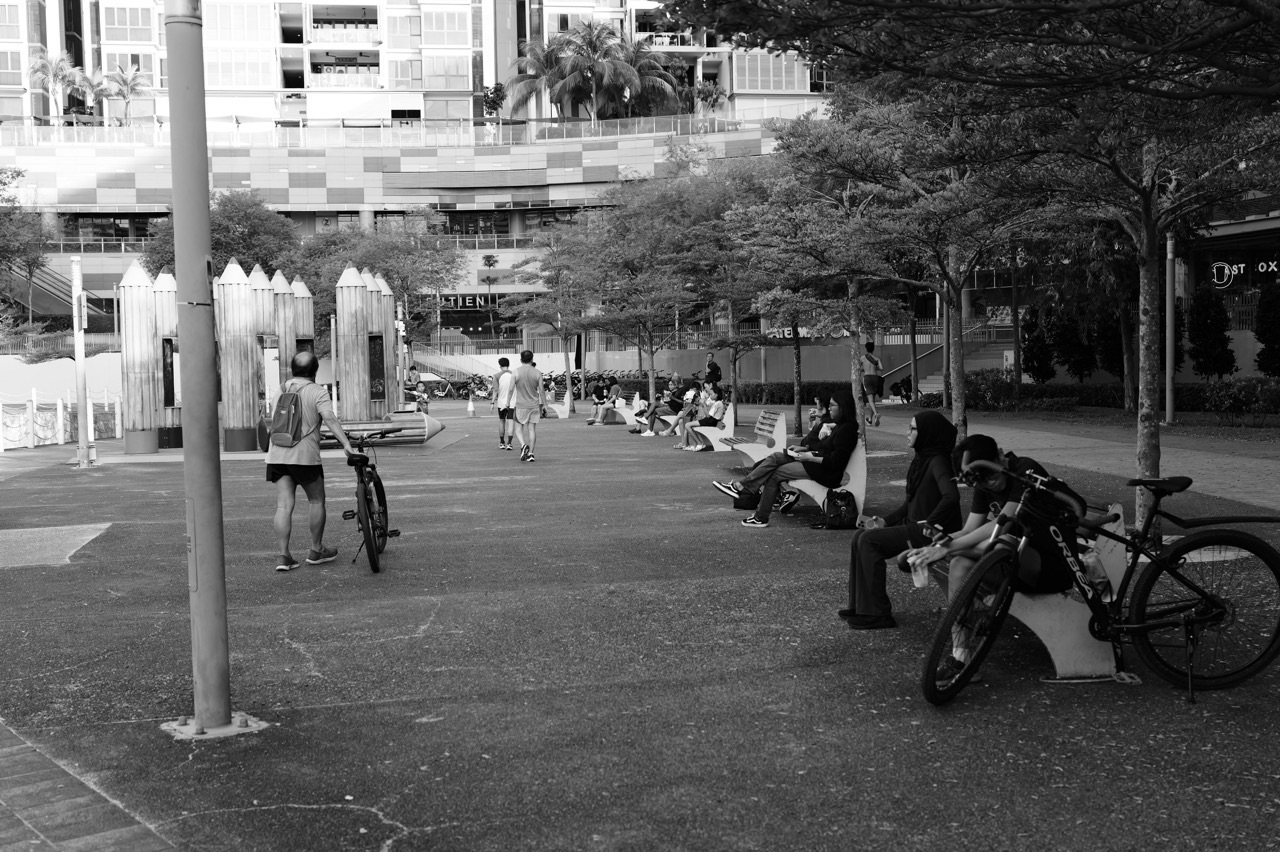
The best things to do in Punggol for seniors combine an enjoyable destination with practical freedom to rest, use a toilet, find a meal and return home without strain. Start with a short stretch of Punggol Waterway Park if you want a gentle outdoor walk; try the therapeutic garden near Carpark A for a more sensory nature stop; or spend an easy morning at Punggol Regional Library and One Punggol if sheltered access matters. This is a practical top-ten guide, not an assumption that every older person wants the same pace or type of activity.
Age alone says little about fitness, interests or transport preferences. Some older residents cycle confidently and love photography; others prefer literature, a social meal or a short route that can accommodate a mobility aid. We therefore compare ten activities using seating, shade, accessible approach, public transport, cost, and what can happen when the outing needs to end early. A destination does not become senior-friendly simply because its marketing includes a picture of older visitors.
For 2026 planning, Punggol’s main clusters are Waterway Park and the town centre near Punggol MRT, One Punggol with its library and community facilities, and the newer Punggol Coast area. The Punggol Point Park upgrading closure from 11 August 2026, expected to continue into late 2027, is a reason not to promise a northern park walk without checking current NParks notices. Punggol Waterway Park is listed by NParks as open 24 hours, but daylight and comfortable conditions remain better for many outings.
This guide puts decisions first. Check the summary, choose one principal stop, read its access and limitations, then match it to the people going. Every section includes a worked local example, a realistic alternative and an official source. The objective is a good day in a familiar neighbourhood, not completing a ten-stop challenge.
Top 10 at a glance: choose by need
- 1. Short scenic walk — Punggol Waterway Park near a convenient station. Free public park; choose a turnaround.
- 2. Sensory nature and benches — Therapeutic garden near Carpark A. Outdoor, open 24 hours.
- 3. Quiet indoor reading — Punggol Regional Library. One Punggol; accessible facilities.
- 4. Meet neighbours — One Punggol Community Club programme. Programme-specific registration.
- 5. Affordable meal with company — One Punggol Hawker Centre. Level 2; stall choice and seating vary.
- 6. Remember old Punggol — Old road and Kelong Bridge heritage sights. Short, accessible section only.
- 7. A few photographs — Waterway bridge photo mini-walk. Do not obstruct shared paths.
- 8. Try an easy new board game — Comics & Games Library. Punggol Coast; entry rules.
- 9. A comfortable errands-and-coffee outing — Waterway Point. Direct town-centre rail access.
- 10. Discover new shops and architecture — Punggol Coast Mall public areas. Separate district; check distance and lifts.
The rankings are decision choices rather than an objective scoring of which destination every older adult will enjoy. In particular, a venue’s overall size is not a measure of comfortable walking distance. Choose the lowest-friction option with the most appealing purpose. If one participant wants to stay indoors, that preference should guide the itinerary rather than be overridden by another person’s desire to cover a famous trail.
How to plan a genuinely senior-friendly Punggol day
Ask what is enjoyable, not what is age-labelled
Choose an activity by the individual’s own priorities, not by a generic ‘senior activity’ label. A lifelong gardener may enjoy plants; a reader may value a quiet public library; someone who previously worked in Punggol may want to discuss an old road alignment. Ask what they would enjoy and what would make the visit easy. Do not use a person’s age as a proxy for what they can or cannot do.
Measure the whole route, not just an entrance
Distinguish step-free access to a building from the accessibility of an entire itinerary. A ramp at an entrance does not guarantee that an outdoor extension has the same surface, that a toilet is near the far end, or that a crowded corridor is easy to negotiate. For wheelchairs or walking aids, confirm the exact path, lift, toilet and rest arrangements before deciding on a route.
Design a short successful visit
Start with a comfortable period, perhaps one hour for an exploratory visit, and make anything after the first stop optional. Allow more time for boarding public transport, walking across large buildings, and sitting down. The route should be completed while people still feel good rather than extending until discomfort forces the return. Agree privately about rest needs; nobody should have to justify needing to stop.
Verify programme registration separately
Treat programmes as distinct from venues. The People’s Association describes One Punggol as a community hub and runs active-ageing programmes nationally, but that does not establish that a particular dance, singing or exercise class has a seat this weekend. Check the current One Punggol Community Club or PA course schedule, suitability, fees and registration. A casual drop-in visit and a booked lesson are different plans.
Adjust for heat, haze, rain and lightning
Assess the weather as a participation constraint. Singapore’s heat, lightning and episodes of poorer air quality can change the comfort of a waterfront outing. NEA’s myENV provides rain, lightning, PSI, PM2.5 and heat information, while SportSG may post additional advisories relevant to outdoor exertion. Do not push through heat or haze merely to finish a planned walk, especially where health needs warrant extra caution.
Protect the right to finish comfortably
Plan a dignified return. Tell the group where the return train, bus or pickup point is before setting off and avoid giving anyone a surprise long walk to a station. Bring water and required personal items. Keep a comfortable food or toilet stop visible on the route. If a route feels too crowded or noisy, use the chosen alternative without treating it as an unfortunate failure.
The ten Punggol activities, with realistic plans
1. Walk a short scenic section of Punggol Waterway Park
Where: Punggol Waterway Park, along Sentul Crescent. Plan type: choose as one principal activity with nearby rest and a definite return route.
Why this activity is worthwhile
NParks describes Punggol Waterway Park as a 25.79-hectare park with Nature Cove, Recreation Zone, Heritage Zone and Green Gallery. Its accessible town-centre stretches offer water views, passing birdlife and a reason to move gently. The entire park is linear, however; a scenic route need not mean completing all four areas. Seniors can enjoy the changing light and neighbourhood activity even after only one bridge and a comfortable pause.
A useful way to evaluate this choice is to ask the visitor what they would like to do when they arrive. At Punggol Waterway Park, along Sentul Crescent, there are several possible outcomes: enjoying the surroundings, meeting another person, recalling an old memory, or simply leaving the house for a change of scene. No single outcome needs to be measured in steps, spending, photographs or the number of additional stops. That freedom is part of what makes local recreation valuable.
How to make the visit work
Pick an entrance near the actual transport route, find a public bench or agreed rest spot and mark a single bridge as the turnaround. Avoid setting a kilometre target before checking how the surface feels and how much shade is available. Morning or later daylight is often more pleasant than a hot noon start. Keep drinking water and a sheltered town-centre return nearby.
Before leaving, decide on the shortest enjoyable version and locate the point where you can turn back or end. If you are accompanying somebody with a walking aid, confirm the surface, lifts and restrooms on the actual route, not only on the venue’s promotional description. Agree where to wait if separated. If travelling by taxi or arranged pickup, verify the pickup point and allow enough time to reach it without rushing.
A worked Punggol example
A grandparent meets a neighbour for a walk, but both have appointments later. They spend ten minutes by the water, stroll to a bridge, sit and compare what has changed since their last visit. Rather than following the waterway far away from their original station, they turn back while both are comfortable and finish with tea near Punggol MRT.
Notice what makes the example effective: the activity has a clear beginning, a single worthwhile purpose and an end that is easy to explain. There is no need to keep adding stops to make the journey seem more impressive. If the company is enjoyable and the visitor feels comfortable, the outing is successful even when it finishes early.
What to check or avoid
A shared promenade may include faster cyclists. Stay on suitable pedestrian portions, avoid stopping in the middle of a path and step aside for photography. Heat and sudden rain matter even on a flat route. If somebody uses a wheelchair, check the exact entry and the condition of the chosen section; the general park being public is not proof that every scenic detour is step-free.
The distinction between generally available and available for this visit matters. Public spaces may have temporary access restrictions, programmes may require registration, and individual equipment or seats may be unavailable. For a time-sensitive visit, contact the operator or check an official notice. Do not promise particular conditions on the basis of a photograph or an older blog post.
Who should choose something different?
Choose this when the person values open air more than a specific programmed activity. If rain or seating uncertainty is a concern, choose the regional library instead. A short repeatable section is better for regular gentle outings than a grand route that is exhausting enough to discourage a second visit.
A small addition that makes the outing meaningful
Make a modest observation diary: one tree, one bird sound and one change in the water’s reflection. Revisit that same viewpoint in another season. The activity rewards attention and memory without competing with other visitors for distance or speed.
For venue-specific information, see the primary authority or operator reference. The link establishes the venue framework; it does not guarantee today’s weather, seating, programme attendance or unobstructed paths. If important information is missing, choosing a more familiar and comfortable alternative is good planning, not a compromise.
2. Experience the therapeutic garden at Punggol Waterway Park
Where: Near Carpark A, Punggol Waterway Park. Plan type: choose as one principal activity with nearby rest and a definite return route.
Why this activity is worthwhile
NParks states that its 900-square-metre therapeutic garden was launched in May 2020 and includes a wellness zone, sensory planting, communal planter and fitness features. It was designed to support well-being by making plants and greenery more accessible as an experience. For somebody who enjoys gardening or calm scenery, it offers a more specific goal than walking an unfamiliar length of waterfront.
A useful way to evaluate this choice is to ask the visitor what they would like to do when they arrive. At Near Carpark A, Punggol Waterway Park, there are several possible outcomes: enjoying the surroundings, meeting another person, recalling an old memory, or simply leaving the house for a change of scene. No single outcome needs to be measured in steps, spending, photographs or the number of additional stops. That freedom is part of what makes local recreation valuable.
How to make the visit work
Use NParks’ official garden location near Carpark A to find the correct approach. Agree on a brief visit around the plants, taking time to notice textures, leaf shapes or scents where appropriate. Read the signs, respect planting boundaries and decide whether to rest or visit a nearby sheltered stop afterward. Check conditions and do not assume a specialised horticultural programme runs simply because the garden itself is open.
Before leaving, decide on the shortest enjoyable version and locate the point where you can turn back or end. If you are accompanying somebody with a walking aid, confirm the surface, lifts and restrooms on the actual route, not only on the venue’s promotional description. Agree where to wait if separated. If travelling by taxi or arranged pickup, verify the pickup point and allow enough time to reach it without rushing.
A worked Punggol example
An older resident who once kept a large garden no longer has much outdoor space. A friend takes them to the therapeutic garden to observe several plant forms, listen to their stories about home gardening and sit together. They take one permitted photograph for family, then return comfortably rather than adding a long waterfront loop.
Notice what makes the example effective: the activity has a clear beginning, a single worthwhile purpose and an end that is easy to explain. There is no need to keep adding stops to make the journey seem more impressive. If the company is enjoyable and the visitor feels comfortable, the outing is successful even when it finishes early.
What to check or avoid
Therapeutic horticulture sessions conducted by trained staff have separate programme arrangements; ordinary visitors cannot treat the communal planter as theirs to harvest or alter. A visitor with fragrance sensitivity or mobility limitations may prefer to remain on the most comfortable path. Do not promise a health benefit or medical improvement merely from one visit.
The distinction between generally available and available for this visit matters. Public spaces may have temporary access restrictions, programmes may require registration, and individual equipment or seats may be unavailable. For a time-sensitive visit, contact the operator or check an official notice. Do not promise particular conditions on the basis of a photograph or an older blog post.
Who should choose something different?
Choose the garden instead of a general park circuit when a shorter, sensory stop is the actual appeal. Choose a PA programme when social interaction and repeated scheduled meetings are more important. The garden can also be a quiet accompaniment to an accessible walk, but it need not be turned into a fitness session.
A small addition that makes the outing meaningful
Invite the visitor to teach a younger family member the name of a familiar plant or the difference between two leaf patterns. A shared sensory conversation can preserve skills and knowledge across generations without taking samples or interfering with public planting.
For venue-specific information, see the primary authority or operator reference. The link establishes the venue framework; it does not guarantee today’s weather, seating, programme attendance or unobstructed paths. If important information is missing, choosing a more familiar and comfortable alternative is good planning, not a compromise.
3. Browse accessible books and collections at Punggol Regional Library
Where: Punggol Regional Library inside One Punggol, 1 Punggol Drive. Plan type: choose as one principal activity with nearby rest and a definite return route.
Why this activity is worthwhile
Punggol Regional Library is an unusually strong indoor option for an inclusive outing. SG Enable documents accessible collections, assistive technology, wheelchair-friendly borrowing arrangements and calm pods, while NLB manages general library access and current opening. The attraction is freedom of choice: an older reader can select a familiar author, explore an unfamiliar subject or simply enjoy a quiet public setting without needing to buy a ticket.
A useful way to evaluate this choice is to ask the visitor what they would like to do when they arrive. At Punggol Regional Library inside One Punggol, 1 Punggol Drive, there are several possible outcomes: enjoying the surroundings, meeting another person, recalling an old memory, or simply leaving the house for a change of scene. No single outcome needs to be measured in steps, spending, photographs or the number of additional stops. That freedom is part of what makes local recreation valuable.
How to make the visit work
Begin at the One Punggol entrance and follow the library’s current accessibility and visitor directions. Choose one topic before browsing; for example, Singapore history, food memories, travel or graphic nonfiction. Locate lifts and toilets near the intended floors, and avoid assuming that a different workshop or study zone follows general library hours. If using accessible technology, ask about availability rather than presuming every device is available on demand.
Before leaving, decide on the shortest enjoyable version and locate the point where you can turn back or end. If you are accompanying somebody with a walking aid, confirm the surface, lifts and restrooms on the actual route, not only on the venue’s promotional description. Agree where to wait if separated. If travelling by taxi or arranged pickup, verify the pickup point and allow enough time to reach it without rushing.
A worked Punggol example
A retired teacher enjoys local history but dislikes long hot walks. They browse photographs and books about Singapore, share a remembered story with a grandchild, and take a short break outside the reading area for conversation. The family can finish after thirty minutes or stay longer because the day’s success is independent of a rigid itinerary.
Notice what makes the example effective: the activity has a clear beginning, a single worthwhile purpose and an end that is easy to explain. There is no need to keep adding stops to make the journey seem more impressive. If the company is enjoyable and the visitor feels comfortable, the outing is successful even when it finishes early.
What to check or avoid
A library is not a café and does not automatically permit conversations or food in every area. Respect priority access and staff guidance. An accessible service may have its own conditions or require assistance. A visitor who needs a calm environment may still find peak weekends crowded; quieter hours or an alternative visit may be more comfortable.
The distinction between generally available and available for this visit matters. Public spaces may have temporary access restrictions, programmes may require registration, and individual equipment or seats may be unavailable. For a time-sensitive visit, contact the operator or check an official notice. Do not promise particular conditions on the basis of a photograph or an older blog post.
Who should choose something different?
Choose the library over a park when weather, temperature or energy makes an indoor activity more suitable. Choose the Comics & Games Library if the visitor specifically wants collaborative board games or illustrated stories. For accessibility needs, use each venue’s current information rather than assuming that all public libraries have identical facilities.
A small addition that makes the outing meaningful
Build an oral-history routine: choose a photograph or paragraph about old Singapore and ask the older reader what daily life was like during that period. Record only with their permission. The resulting family memory is more important than how many books were borrowed.
For venue-specific information, see the primary authority or operator reference. The link establishes the venue framework; it does not guarantee today’s weather, seating, programme attendance or unobstructed paths. If important information is missing, choosing a more familiar and comfortable alternative is good planning, not a compromise.
4. Join a suitable One Punggol community activity
Where: One Punggol Community Club, within the One Punggol integrated hub. Plan type: choose as one principal activity with nearby rest and a definite return route.
Why this activity is worthwhile
One Punggol is an official People’s Association community facility, and PA operates active-ageing and interest-group programmes for older adults. A scheduled group can be more rewarding than an occasional sightseeing trip because it creates repeated social connections. The most suitable activity may be exercise, music, art or a discussion group, depending on what current organisers actually offer and the person’s interests.
A useful way to evaluate this choice is to ask the visitor what they would like to do when they arrive. At One Punggol Community Club, within the One Punggol integrated hub, there are several possible outcomes: enjoying the surroundings, meeting another person, recalling an old memory, or simply leaving the house for a change of scene. No single outcome needs to be measured in steps, spending, photographs or the number of additional stops. That freedom is part of what makes local recreation valuable.
How to make the visit work
Check the current One Punggol Community Club listing or contact its staff for specific programmes, dates, registration, costs and accessibility. Ask what the session requires physically and whether newcomers can try an introductory lesson. Do not travel expecting a class merely because an old event photograph shows one. Make the first visit small: find the correct meeting room and learn how the programme runs.
Before leaving, decide on the shortest enjoyable version and locate the point where you can turn back or end. If you are accompanying somebody with a walking aid, confirm the surface, lifts and restrooms on the actual route, not only on the venue’s promotional description. Agree where to wait if separated. If travelling by taxi or arranged pickup, verify the pickup point and allow enough time to reach it without rushing.
A worked Punggol example
A senior who has recently moved to the estate misses a regular circle of friends. Rather than enrolling them in an arbitrary exercise class, a family member asks which activity they enjoyed previously. They check a current One Punggol programme, attend an appropriate session and decide together whether the timing and atmosphere feel welcoming.
Notice what makes the example effective: the activity has a clear beginning, a single worthwhile purpose and an end that is easy to explain. There is no need to keep adding stops to make the journey seem more impressive. If the company is enjoyable and the visitor feels comfortable, the outing is successful even when it finishes early.
What to check or avoid
Some programmes have membership, age, capacity or health requirements; others may be paused or fully booked. Never describe a programme as confirmed until the organiser provides a current schedule. Social participation should be voluntary and enjoyable; pushing somebody into an unfamiliar group can make a promising activity less appealing.
The distinction between generally available and available for this visit matters. Public spaces may have temporary access restrictions, programmes may require registration, and individual equipment or seats may be unavailable. For a time-sensitive visit, contact the operator or check an official notice. Do not promise particular conditions on the basis of a photograph or an older blog post.
Who should choose something different?
Choose a community activity if repeated meetings and shared interests matter more than one-day scenery. Choose a casual library or hawker outing when the person wants independence without registration. A worthwhile activity is the one they are likely to return to, not the one with the most ambitious timetable.
A small addition that makes the outing meaningful
Encourage a two-visit trial before making a long-term commitment. After each visit, ask whether the participant learned a name, felt comfortable and looked forward to returning. Those social cues are more informative than whether the activity sounded impressive in the brochure.
For venue-specific information, see the primary authority or operator reference. The link establishes the venue framework; it does not guarantee today’s weather, seating, programme attendance or unobstructed paths. If important information is missing, choosing a more familiar and comfortable alternative is good planning, not a compromise.
5. Enjoy an unhurried meal at One Punggol Hawker Centre
Where: Level 2, One Punggol, 1 Punggol Drive. Plan type: choose as one principal activity with nearby rest and a definite return route.
Why this activity is worthwhile
A familiar meal can be a destination in itself, especially when it is shared with neighbours or family. The One Punggol integrated hub combines a hawker centre with community and library facilities, allowing visitors to choose whether the meal is the beginning or end of a small outing. The advantage is flexibility: diners can select different dishes and price points without a compulsory set menu.
A useful way to evaluate this choice is to ask the visitor what they would like to do when they arrive. At Level 2, One Punggol, 1 Punggol Drive, there are several possible outcomes: enjoying the surroundings, meeting another person, recalling an old memory, or simply leaving the house for a change of scene. No single outcome needs to be measured in steps, spending, photographs or the number of additional stops. That freedom is part of what makes local recreation valuable.
How to make the visit work
Choose a non-peak period if quiet seating is important. Check lift access, the actual seating arrangement and stall opening rather than relying on the building’s overall schedule. Settle where everyone will meet before people disperse to order. Consider dietary needs or allergies at the individual stall, and keep a realistic time buffer for queues and payment.
Before leaving, decide on the shortest enjoyable version and locate the point where you can turn back or end. If you are accompanying somebody with a walking aid, confirm the surface, lifts and restrooms on the actual route, not only on the venue’s promotional description. Agree where to wait if separated. If travelling by taxi or arranged pickup, verify the pickup point and allow enough time to reach it without rushing.
A worked Punggol example
Two older neighbours agree to meet for a modest lunch every other week. They use a familiar table area, alternate choosing a dish to discuss and leave before the busiest crowd. Sometimes they pair the meal with a library visit; other times lunch is the entire plan because one has an afternoon appointment.
Notice what makes the example effective: the activity has a clear beginning, a single worthwhile purpose and an end that is easy to explain. There is no need to keep adding stops to make the journey seem more impressive. If the company is enjoyable and the visitor feels comfortable, the outing is successful even when it finishes early.
What to check or avoid
Noise and queues can be tiring at busy meal periods. A stall’s available dishes and prices are not guaranteed by the existence of the hawker centre. Do not assume every stall meets a particular dietary certification. For someone who is not confident with digital payments, bring an appropriate alternative and ask stall staff about accepted methods.
The distinction between generally available and available for this visit matters. Public spaces may have temporary access restrictions, programmes may require registration, and individual equipment or seats may be unavailable. For a time-sensitive visit, contact the operator or check an official notice. Do not promise particular conditions on the basis of a photograph or an older blog post.
Who should choose something different?
Choose this instead of a distant coastal restaurant when rail convenience, affordability and menu variety matter most. Choose the mall’s quieter restaurant when conversation requires a more controlled noise level and the group accepts the additional cost. A successful meal should fit the visitor’s routine, not create a complicated food pilgrimage.
A small addition that makes the outing meaningful
Create a gentle heritage-food conversation. Ask which hawker dish reminds someone of childhood and how its flavour or presentation has changed. Respect personal food memories without imposing a tasting challenge on anyone who simply wants a familiar lunch.
For venue-specific information, see the primary authority or operator reference. The link establishes the venue framework; it does not guarantee today’s weather, seating, programme attendance or unobstructed paths. If important information is missing, choosing a more familiar and comfortable alternative is good planning, not a compromise.
6. Take a small Punggol heritage-memory walk
Where: Public heritage features in Punggol Waterway Park, including the old bus stop and Kelong Bridge. Plan type: choose as one principal activity with nearby rest and a definite return route.
Why this activity is worthwhile
NParks identifies the retained old Punggol bus stop and Kelong Bridge as links to the estate’s past, and the National Heritage Board describes the original Old Punggol Road route and later preservation. For seniors who have family memories of farms, kampongs or the old coast, a brief public heritage stop can encourage conversation that is much richer than a generic sightseeing route.
A useful way to evaluate this choice is to ask the visitor what they would like to do when they arrive. At Public heritage features in Punggol Waterway Park, including the old bus stop and Kelong Bridge, there are several possible outcomes: enjoying the surroundings, meeting another person, recalling an old memory, or simply leaving the house for a change of scene. No single outcome needs to be measured in steps, spending, photographs or the number of additional stops. That freedom is part of what makes local recreation valuable.
How to make the visit work
Locate the actual public access points on a current map before choosing a heritage feature. If step-free travel is needed, do not assume that every possible route between landmarks is easy; select one comfortable sight and build the visit around it. Bring a historical question, such as what transport or daily shopping once felt like, but leave room for the visitor’s own memories.
Before leaving, decide on the shortest enjoyable version and locate the point where you can turn back or end. If you are accompanying somebody with a walking aid, confirm the surface, lifts and restrooms on the actual route, not only on the venue’s promotional description. Agree where to wait if separated. If travelling by taxi or arranged pickup, verify the pickup point and allow enough time to reach it without rushing.
A worked Punggol example
A grandparent tells a teenager about travelling through an older Punggol. They stop at a preserved feature, compare the site’s interpretation with family recollections and discuss which facts they can verify from official heritage material. The teenager takes notes with permission, making a short visit the basis for a treasured shared story.
Notice what makes the example effective: the activity has a clear beginning, a single worthwhile purpose and an end that is easy to explain. There is no need to keep adding stops to make the journey seem more impressive. If the company is enjoyable and the visitor feels comfortable, the outing is successful even when it finishes early.
What to check or avoid
Personal memory is valuable but does not always provide exact dates, map boundaries or building names. Keep reminiscence separate from verified historical chronology when telling readers or publishing photographs. Avoid closed construction sections near the Punggol Coast heritage works; the full planned trail is not necessarily open just because an early stage is accessible.
The distinction between generally available and available for this visit matters. Public spaces may have temporary access restrictions, programmes may require registration, and individual equipment or seats may be unavailable. For a time-sensitive visit, contact the operator or check an official notice. Do not promise particular conditions on the basis of a photograph or an older blog post.
Who should choose something different?
Choose this when personal stories and historical interest are central. Choose the library if walking or weather is the limiting factor; heritage material can be explored indoors as well. Someone who has no personal link to the old town may prefer a modern architecture or photography outing instead.
A small addition that makes the outing meaningful
Ask the visitor to choose one place name they used in the past and explain what happened there. Then compare that account with heritage plaques or NHB material, and record the contrast. You preserve memories without presenting every anecdote as established history.
For venue-specific information, see the primary authority or operator reference. The link establishes the venue framework; it does not guarantee today’s weather, seating, programme attendance or unobstructed paths. If important information is missing, choosing a more familiar and comfortable alternative is good planning, not a compromise.
7. Try a short bridge-and-bird photography outing
Where: Safe public pedestrian viewpoints on Punggol Waterway Park. Plan type: choose as one principal activity with nearby rest and a definite return route.
Why this activity is worthwhile
Photography can give a gentle walk a creative focus. The waterway’s bridges, planted banks and birds offer subjects that can be enjoyed from a comfortable position without chasing wildlife or carrying heavy gear. A smartphone is enough for a personal album; the value is noticing patterns and returning with one image the person enjoys.
A useful way to evaluate this choice is to ask the visitor what they would like to do when they arrive. At Safe public pedestrian viewpoints on Punggol Waterway Park, there are several possible outcomes: enjoying the surroundings, meeting another person, recalling an old memory, or simply leaving the house for a change of scene. No single outcome needs to be measured in steps, spending, photographs or the number of additional stops. That freedom is part of what makes local recreation valuable.
How to make the visit work
Choose a public viewpoint with a place to rest nearby and carry only equipment the visitor can comfortably manage. Photograph a wide view, a close architectural detail and a bird from a respectful distance. Step away from the shared path while framing each picture. Avoid planning for a precise bird species, since birds are free-ranging and may not appear on demand.
Before leaving, decide on the shortest enjoyable version and locate the point where you can turn back or end. If you are accompanying somebody with a walking aid, confirm the surface, lifts and restrooms on the actual route, not only on the venue’s promotional description. Agree where to wait if separated. If travelling by taxi or arranged pickup, verify the pickup point and allow enough time to reach it without rushing.
A worked Punggol example
An older photographer enjoys taking one picture during an afternoon waterway stop. Their companion carries no extra equipment and simply points out changes in light. The photographs are compared later over coffee. No one needs to cross an exposed bridge in a thunderstorm or climb for a better angle to make the activity worthwhile.
Notice what makes the example effective: the activity has a clear beginning, a single worthwhile purpose and an end that is easy to explain. There is no need to keep adding stops to make the journey seem more impressive. If the company is enjoyable and the visitor feels comfortable, the outing is successful even when it finishes early.
What to check or avoid
Birdwatching and photography should not disrupt wildlife or other path users. For somebody with visual or dexterity limitations, the meaningful participation might be choosing the subject or telling the story behind a picture rather than operating a phone. Avoid photographing strangers, especially children, in intrusive ways.
The distinction between generally available and available for this visit matters. Public spaces may have temporary access restrictions, programmes may require registration, and individual equipment or seats may be unavailable. For a time-sensitive visit, contact the operator or check an official notice. Do not promise particular conditions on the basis of a photograph or an older blog post.
Who should choose something different?
Choose this instead of a longer walk when an outdoor outing needs a clear purpose and a flexible turnaround. Choose a library photo-book session when there is excessive heat or rain. A small creative challenge can be rewarding for people who no longer enjoy strenuous exercise.
A small addition that makes the outing meaningful
Make a three-image monthly archive from the same bridge: a close-up, a reflection and an everyday scene. Add the date and a sentence about the weather. After several months, the images become a neighbourhood diary that is easy to share with family.
For venue-specific information, see the primary authority or operator reference. The link establishes the venue framework; it does not guarantee today’s weather, seating, programme attendance or unobstructed paths. If important information is missing, choosing a more familiar and comfortable alternative is good planning, not a compromise.
8. Enjoy a gentle board game or graphic novel at Punggol Coast
Where: NLB Comics & Games Library, Punggol Coast Mall, Tower 7, 88 Punggol Way. Plan type: choose as one principal activity with nearby rest and a definite return route.
Why this activity is worthwhile
NLB operates the Comics & Games Library with a collection of graphic novels, comics and board games. It is not reserved for teenagers. An older visitor who likes puzzles or illustrated stories may find it a sociable place to learn a simple game with family. The district offers nearby food and transport, allowing the outing to remain a small event.
A useful way to evaluate this choice is to ask the visitor what they would like to do when they arrive. At NLB Comics & Games Library, Punggol Coast Mall, Tower 7, 88 Punggol Way, there are several possible outcomes: enjoying the surroundings, meeting another person, recalling an old memory, or simply leaving the house for a change of scene. No single outcome needs to be measured in steps, spending, photographs or the number of additional stops. That freedom is part of what makes local recreation valuable.
How to make the visit work
Check NLB’s entry method, which uses a compliant ID, eCard or day-pass process, and confirm current operating hours. The advertised library opening is 10am–10pm daily, though available seating and individual board games depend on demand. Choose an easy game that all players can see, hear and understand, with a comfortable pause between rounds.
Before leaving, decide on the shortest enjoyable version and locate the point where you can turn back or end. If you are accompanying somebody with a walking aid, confirm the surface, lifts and restrooms on the actual route, not only on the venue’s promotional description. Agree where to wait if separated. If travelling by taxi or arranged pickup, verify the pickup point and allow enough time to reach it without rushing.
A worked Punggol example
A grandparent meets two grandchildren at Punggol Coast after lunch. Instead of letting the younger visitors choose a complicated fast game, they select a cooperative or familiar strategy activity. Everyone contributes one idea, then they browse a graphic novel together before returning home on the same train line.
Notice what makes the example effective: the activity has a clear beginning, a single worthwhile purpose and an end that is easy to explain. There is no need to keep adding stops to make the journey seem more impressive. If the company is enjoyable and the visitor feels comfortable, the outing is successful even when it finishes early.
What to check or avoid
The library area may be lively or crowded, and a specific game cannot be guaranteed. Respect tables, shared materials and library noise expectations. If reading small text or handling pieces is difficult, seek a more suitable game or change the activity entirely rather than pretending every board game is accessible to everyone.
The distinction between generally available and available for this visit matters. Public spaces may have temporary access restrictions, programmes may require registration, and individual equipment or seats may be unavailable. For a time-sensitive visit, contact the operator or check an official notice. Do not promise particular conditions on the basis of a photograph or an older blog post.
Who should choose something different?
Choose this over a quiet regional-library visit when conversation and shared play matter. Choose the regional library if a calmer environment or particular accessibility feature is the priority. Older visitors can enjoy new cultural experiences without being treated as spectators at a young person’s destination.
A small addition that makes the outing meaningful
Invite a senior to teach a favourite traditional game or play alongside a new board game, then compare the rules. The activity becomes a simple exchange of skills between generations rather than a test of digital knowledge or reflexes.
For venue-specific information, see the primary authority or operator reference. The link establishes the venue framework; it does not guarantee today’s weather, seating, programme attendance or unobstructed paths. If important information is missing, choosing a more familiar and comfortable alternative is good planning, not a compromise.
9. Make Waterway Point an easy indoor day with a comfortable pause
Where: Waterway Point, 83 Punggol Central. Plan type: choose as one principal activity with nearby rest and a definite return route.
Why this activity is worthwhile
Waterway Point is a transport-connected mall with dining, retail, entertainment, accessible circulation and indoor relief from the weather. It can be more useful than a remote scenic attraction when a senior wants to accomplish an errand, meet a friend and enjoy a small treat without a long walk outdoors. The practical value lies in combining several routine needs into a manageable visit.
A useful way to evaluate this choice is to ask the visitor what they would like to do when they arrive. At Waterway Point, 83 Punggol Central, there are several possible outcomes: enjoying the surroundings, meeting another person, recalling an old memory, or simply leaving the house for a change of scene. No single outcome needs to be measured in steps, spending, photographs or the number of additional stops. That freedom is part of what makes local recreation valuable.
How to make the visit work
Choose one errand and one optional leisure stop. Find a suitable station exit and the correct wing before walking through the mall; check the current location of lifts and toilets. At busy times, allow more space for crowds and escalator traffic. If a taxi or pickup is planned, consult the mall’s latest transport and pickup notice rather than using a familiar but possibly moved stop.
Before leaving, decide on the shortest enjoyable version and locate the point where you can turn back or end. If you are accompanying somebody with a walking aid, confirm the surface, lifts and restrooms on the actual route, not only on the venue’s promotional description. Agree where to wait if separated. If travelling by taxi or arranged pickup, verify the pickup point and allow enough time to reach it without rushing.
A worked Punggol example
Two friends meet for a household purchase and coffee. They visit one shop, find a comfortable table and talk for half an hour. When rain intensifies outside, they wait in a public indoor area and check travel conditions. They never need to improvise a difficult exposed route to fill time.
Notice what makes the example effective: the activity has a clear beginning, a single worthwhile purpose and an end that is easy to explain. There is no need to keep adding stops to make the journey seem more impressive. If the company is enjoyable and the visitor feels comfortable, the outing is successful even when it finishes early.
What to check or avoid
A mall is step-free in many areas but can still be crowded, loud and tiring. Seating availability cannot be reserved simply by arriving, and toilets or lifts may be temporarily unavailable. Do not equate promotional over-50 offers with permanent entitlements; confirm any benefit at the participating operator.
The distinction between generally available and available for this visit matters. Public spaces may have temporary access restrictions, programmes may require registration, and individual equipment or seats may be unavailable. For a time-sensitive visit, contact the operator or check an official notice. Do not promise particular conditions on the basis of a photograph or an older blog post.
Who should choose something different?
Choose this over Punggol Coast when central MRT access is simpler. Choose One Punggol when the library or community club is the real reason to go. A short mall outing is not less worthy because it is ordinary; predictability may be the most valuable feature for the visitor.
A small addition that makes the outing meaningful
Turn a routine errand into a monthly meet-up by keeping the destination and start time familiar. Familiarity reduces navigation effort and leaves more energy for social time. Use one rotating topic for conversation, such as a new book or memorable meal.
For venue-specific information, see the primary authority or operator reference. The link establishes the venue framework; it does not guarantee today’s weather, seating, programme attendance or unobstructed paths. If important information is missing, choosing a more familiar and comfortable alternative is good planning, not a compromise.
10. Explore Punggol Coast Mall and the public digital district at your own pace
Where: Punggol Coast Mall and publicly accessible Punggol Digital District spaces, near Punggol Coast MRT. Plan type: choose as one principal activity with nearby rest and a definite return route.
Why this activity is worthwhile
The newer Punggol Coast district offers a different experience from the central estate: new architecture, food options, connected public facilities and chances to watch how the town changes. For seniors interested in design or urban development, it is an outing with a clear theme. JTC presents the precinct as a mixed-use district, but its public access and active construction stages should be understood separately.
A useful way to evaluate this choice is to ask the visitor what they would like to do when they arrive. At Punggol Coast Mall and publicly accessible Punggol Digital District spaces, near Punggol Coast MRT, there are several possible outcomes: enjoying the surroundings, meeting another person, recalling an old memory, or simply leaving the house for a change of scene. No single outcome needs to be measured in steps, spending, photographs or the number of additional stops. That freedom is part of what makes local recreation valuable.
How to make the visit work
Start at Punggol Coast MRT, choose a mall food or seating anchor, then walk only the currently accessible public corridors that suit the group’s energy. Check lifts, benches and the exact path ahead of time. If visiting the heritage trail, JTC’s description of an opened first segment should not be mistaken for permission to use the full future route or privately controlled campus areas.
Before leaving, decide on the shortest enjoyable version and locate the point where you can turn back or end. If you are accompanying somebody with a walking aid, confirm the surface, lifts and restrooms on the actual route, not only on the venue’s promotional description. Agree where to wait if separated. If travelling by taxi or arranged pickup, verify the pickup point and allow enough time to reach it without rushing.
A worked Punggol example
An older resident who remembers the land before the digital district visits with a neighbour. They have lunch, admire public architecture and compare it with past scenes. When the next open section looks too exposed, they return to the mall rather than crossing an active works area for a photograph.
Notice what makes the example effective: the activity has a clear beginning, a single worthwhile purpose and an end that is easy to explain. There is no need to keep adding stops to make the journey seem more impressive. If the company is enjoyable and the visitor feels comfortable, the outing is successful even when it finishes early.
What to check or avoid
This district is not adjacent to every central Punggol venue. Travelling from Punggol Coast to the town-centre library and then the far northern seafront can be tiring. Avoid planning every landmark in the same afternoon. Operating shop lists change, and the closed Punggol Point Park is not an automatic add-on.
The distinction between generally available and available for this visit matters. Public spaces may have temporary access restrictions, programmes may require registration, and individual equipment or seats may be unavailable. For a time-sensitive visit, contact the operator or check an official notice. Do not promise particular conditions on the basis of a photograph or an older blog post.
Who should choose something different?
Choose this when discovery of newer Punggol is the specific goal. Choose Waterway Point or One Punggol for the most familiar and compact central route. A senior who enjoys change may value seeing a new district; another may prefer the comfort of a well-known destination. Both choices are equally sensible.
A small addition that makes the outing meaningful
Use two images—an old map or family photo and a current public view—to discuss how roads, workplaces and housing have changed. If photographs contain other people, share thoughtfully and ask permission where relevant. The activity makes town planning personal without needing a long guided tour.
For venue-specific information, see the primary authority or operator reference. The link establishes the venue framework; it does not guarantee today’s weather, seating, programme attendance or unobstructed paths. If important information is missing, choosing a more familiar and comfortable alternative is good planning, not a compromise.
Three low-stress sample itineraries
45–75 minutes, outdoors
Choose one Waterway Park entrance that works for the individual, walk only to a convenient bridge or the therapeutic garden, take a seated rest and return by the same path. Don’t extend the outing because the full park map looks attractive. If the sun or air quality becomes uncomfortable, use an indoor option instead.
Always include realistic door-to-door travel. Building entrances, escalators, lifts, bus stops and walking the last section may take more time than the attraction itself. If a participant wants a longer rest or an early return, remove the optional part without renegotiating the whole day. Leaving with pleasant memories is the purpose of the trip.
Two hours, indoor and social
Begin at One Punggol, browse Punggol Regional Library or attend a confirmed appropriate programme, then have a meal at One Punggol Hawker Centre. The library, food and a route home sit within the same neighbourhood cluster, reducing unnecessary transfers.
Always include realistic door-to-door travel. Building entrances, escalators, lifts, bus stops and walking the last section may take more time than the attraction itself. If a participant wants a longer rest or an early return, remove the optional part without renegotiating the whole day. Leaving with pleasant memories is the purpose of the trip.
A relaxed Punggol Coast morning
Arrive at Punggol Coast MRT, enjoy the Comics & Games Library or a brief public architecture walk, eat nearby and return before fatigue sets in. Do not combine the outing with Punggol Point Park while its upgrade closure remains in effect.
Always include realistic door-to-door travel. Building entrances, escalators, lifts, bus stops and walking the last section may take more time than the attraction itself. If a participant wants a longer rest or an early return, remove the optional part without renegotiating the whole day. Leaving with pleasant memories is the purpose of the trip.
A route and comfort checklist for families and groups
- Ask what the senior actually wants to do and what level of company they prefer.
- Check the correct MRT/LRT station, bus stop or pickup location.
- Choose one main activity and no more than one nearby optional extension.
- Confirm exact step-free routes, lifts, toilets and seating where needed.
- Check the venue operator’s current opening, temporary closures and event reservations.
- Look at Singapore weather, lightning, heat and air-quality information.
- Bring water, required personal items and any mobility equipment normally used.
- Allow time for queues, rest and transport changes.
- Keep money for transport, food and the return journey.
- Respect the visitor’s decision to leave, rest or choose another activity.
Common mistakes when choosing Punggol attractions for older adults
A frequent error is attempting to recreate a route enjoyed years earlier without checking what has changed. Roads, land use, facilities, public transport and northern park access have evolved. Some historical landmarks remain, but construction barriers and newly opened districts create new movement patterns. Use current operator information and a fresh map rather than relying solely on memory.
Another mistake is confusing a list of free public places with an accessible itinerary. A waterway section might be suitable for wheelchairs while a different side path is not. A building may have lifts but experience long waits during crowded events. One person may enjoy outdoor sun while another needs a sheltered approach. The relevant information is about the specific visitor on the specific day.
It is also easy to over-organise. Family members may mean well but unintentionally remove the older person’s choice by arranging every minute. Asking whether someone wants to browse books, see plants or share a meal is often a more respectful and useful starting point. Offer enough information to make the decision, then leave room for changing one’s mind.
Finally, avoid presenting informal visits as medical treatment. Therapeutic gardens and social activities may support enjoyment and connection, but an article about attractions should not promise improvements in dementia, balance, mood or mobility. Individuals with relevant medical needs should follow their own healthcare advice; the outing remains a leisure and community choice.
Frequently asked questions
What is the easiest Punggol outing for a senior with limited stamina?
One Punggol is useful because the community hub, regional library and hawker centre cluster together. Choose one activity and one nearby rest or food stop. Confirm exact lifts, toilets and the preferred route, especially if a mobility aid is used.
Is Punggol Waterway Park wheelchair accessible?
NParks’ Punggol Waterway park connector page describes the 8.4-kilometre route as wheelchair friendly. That does not guarantee every optional side path, restroom or construction-affected section is equally accessible. Check the specific start and turnaround.
Can a senior visit the therapeutic garden freely?
NParks lists the Punggol Waterway therapeutic garden near Carpark A as open 24 hours. Ordinary garden visiting is separate from therapeutic horticulture programmes, which have their own arrangements.
Do seniors have to join a class at One Punggol?
No. One Punggol contains community, library and food facilities. Classes are optional and depend on current programmes, space and registration; verify through One Punggol Community Club or the People’s Association.
What are some free activities?
General public park walking, public heritage viewing and library browsing are typically free. Food, transport, specific classes, workshop materials and commercial experiences may cost money. Do not assume programmes are free just because their venue is public.
Is Punggol Regional Library accessible?
SG Enable identifies accessible collections, assistive technology, calm pods and wheelchair-friendly borrowing arrangements at the regional library. Check current NLB availability and whether a particular facility or service requires assistance.
Can an older person use the Comics & Games Library?
Yes, the library is a public NLB node, not a teen-only venue. Visitors must follow its published ID, eCard or day-pass entry arrangement and communal game and conduct rules.
What if the weather is hot or hazy?
Use NEA’s myENV for heat, rain, air quality and lightning information, and prefer an appropriate indoor stop when conditions make outdoor activities uncomfortable or unsafe. People with relevant health concerns should follow their own professional guidance.
Should we visit Coney Island with a senior?
Only if the individual enjoys a rustic nature outing and the route suits their mobility and stamina. NParks warns of rugged terrain in parts of Coney Island; a short town-centre waterway walk is often easier to plan.
Is Punggol Point Park available in October 2026?
NParks-related closure notices say Punggol Point Park is closed for upgrading from 11 August 2026 until an expected 31 December 2027 completion. Do not treat nearby restaurant access as proof the park itself is open.
Where is the best place to meet friends in Punggol?
For a low-cost meal, choose One Punggol Hawker Centre; for a quiet meeting, Punggol Regional Library followed by a public conversation area; for an errands-and-coffee plan, Waterway Point. Choose according to transport and comfort.
How can family members help without taking over the outing?
Offer two or three practical options, explain the travel and rest arrangements, and let the senior decide what sounds enjoyable. Ask permission before photographing or recording memories. Preserving independence and choice is as important as organising logistics.
Official sources and related Punggol guides
Sources were checked against official NParks, NLB, PA, SG Enable, JTC and NEA descriptions in October 2026. Check current notices before travelling: daily weather, changing retail lists, special programmes and construction access are not permanent facts.
- NParks Punggol Waterway Park
- NParks Punggol Waterway Park Connector
- NParks therapeutic garden
- People’s Association One Punggol
- People’s Association active ageing
- SG Enable Punggol Regional Library accessibility
- NLB Comics & Games Library
- NEA myENV
- JTC Punggol Digital District
- Waterway Point official site
- Punggol for kids companion
- Punggol for nature lovers companion
The simplest decision for your next outing
Choose one purpose: gentle movement, a familiar meal, a book, a community group, heritage or a creative activity. Choose a destination near an easy return route. Then confirm the practical requirements and invite the person to decide what they prefer. Punggol has more than enough choices for many separate visits. There is no value in exhausting the list in one day.


