
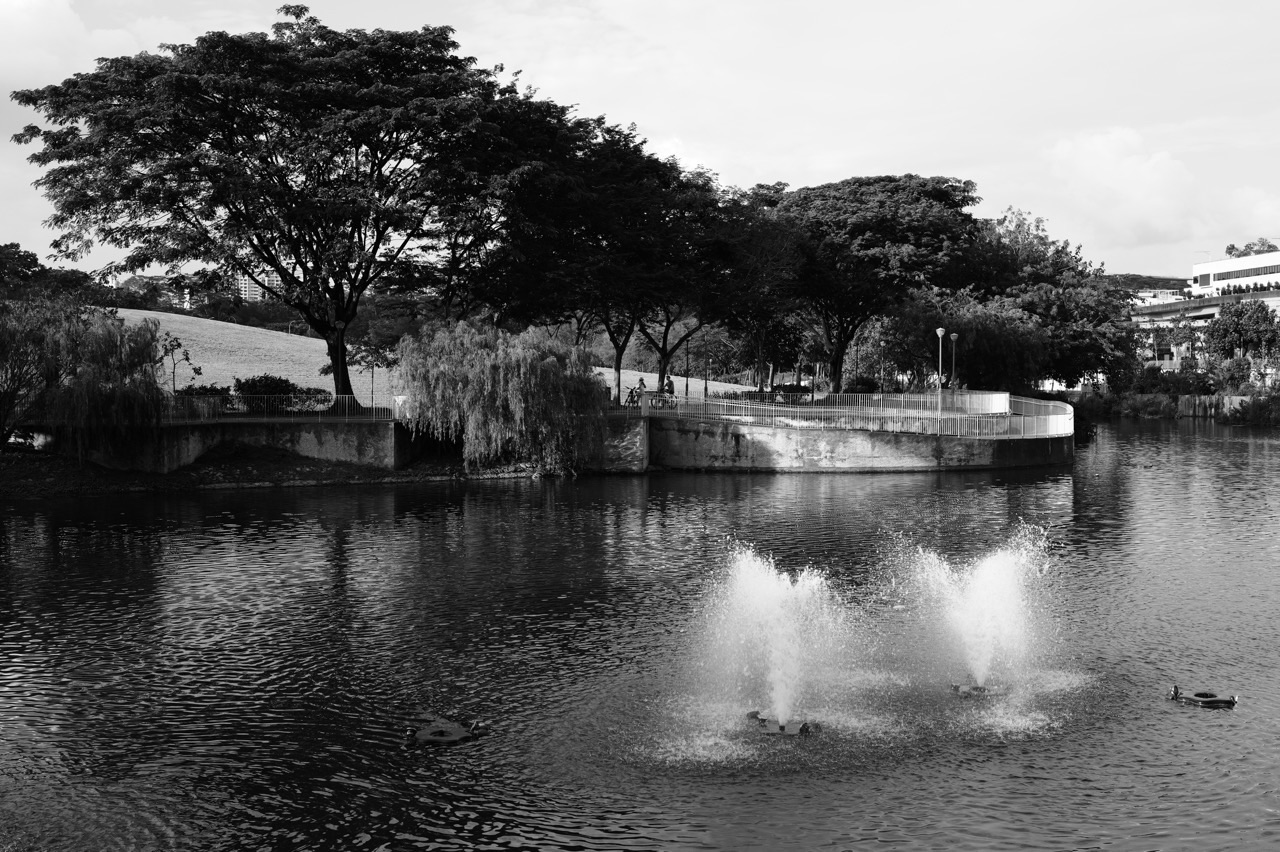
Planning a low-waste family day is one of the most satisfying eco-friendly things to do in Punggol during the school holidays: borrow instead of buying, sort the recycling properly, and give a little back to the parks and gardens.
Punggol is home to HDB’s very first eco-precinct, Treelodge@Punggol, designed with features such as rainwater harvesting. Most children walk past it without knowing.
This is idea #88 in eduKate Punggol’s Top 100 Things to Do in Punggol During the School Holidays. Here you will find a gentle eco day that costs almost nothing, the recycling rules children usually get wrong, green places to explore, a bee experience at One Punggol, and the right way for families to give back without causing more problems than they solve.
The point is not to buy anything green.
It is to notice how much good the family can do with what it already has.
The greenest bag is usually the one already in the cupboard.
This idea is perfect for families who want to:
- teach children to reduce and reuse, not just recycle;
- turn “saving the planet” into small jobs a child can actually do;
- explore Punggol’s eco-town features and green spaces;
- learn the real blue-bin, e-waste and bottle-return rules;
- give back through proper, authorised channels; or
- enjoy a calm, nearly free day close to home.
Quick look
- Best for: the whole family, from preschool to Secondary 4
- Time needed: half a day, or spread across a week
- Cost: nearly free; the honey and bee session at One Punggol is $20 per person
- Best time: mornings for outdoor parts; Saturday 28 November for the bee session
- Nearest MRT/LRT: Punggol MRT and Sam Kee LRT for One Punggol; Damai LRT for the Waterway
- Rain plan: the library, the home audit and the bean experiment are all indoors
See all 100 school-holiday ideas · Chat with eduKate Punggol on WhatsApp · Visit eduKate Punggol on Facebook
Eco-Friendly Things to Do in Punggol Are Bigger Than They First Appear
Ask a child how to help the environment and you will probably hear “recycle”.
It is a good start.
But our eco-friendly things to do guide puts it in a better order: reduce first, then reuse, then recycle. The bottle you never buy is better than the bottle you recycle. The book you borrow is better than the book you buy and forget.
That order changes the shape of the day.
Instead of a shopping trip for “eco” products, it becomes a treasure hunt through your own cupboards, a visit to the library, a walk among plants that clean and cool the town, and a careful look at what really belongs in the blue bin.
Punggol is a fitting place to learn this. HDB’s Explorer Trail describes Treelodge@Punggol as its first eco-precinct, and the stretch of My Waterway@Punggol on the trail features freshwater mangroves and furniture made from recycled materials. The town was designed with these ideas in mind. Children can see them for themselves.
The Hidden Lesson in One Dirty Yoghurt Cup
A seven-year-old finishes a yoghurt and heads proudly for the blue recycling bin, cup in hand, spoon still sticky.
“Wait,” says her brother. “Is it clean?”
They look it up together on NEA’s guidance. Blue bins are for clean, dry recyclables. Food and liquid contaminate the materials around them, so empty containers may need a quick rinse first, and very oily or uncleanable items do not belong at all.
“So one dirty cup can spoil the clean paper next to it?”
Exactly.
That small moment carries a big idea: actions have effects beyond themselves. One careless item can undo the effort of a whole household. One careful habit, repeated, can make a real difference.
It is the same thinking children use in Science when they ask how one part of a system affects another, and the same carefulness they need in Mathematics, where one wrong step early on changes the final answer.
Why Punggol Families Love an Eco Day
An eco day suits almost every family. It costs little, it can happen at home or outdoors, and children of different ages can each have a meaningful job.
The joys of an eco-friendly day
- Most of it is free
- Children get real responsibilities, such as sorting and recording
- Punggol has green spaces within walking distance of most homes
- The library turns “buy” into “borrow” for the whole family
- It mixes indoor and outdoor parts, so weather rarely spoils it
- Children see their own small actions add up
- A bee session at One Punggol adds a memorable treat
- New habits often stick long after the holidays end
What You’ll Find: Five Eco-Friendly Things to Do Around Punggol
Borrow, don’t buy: Punggol Regional Library
Punggol Regional Library (NLB also calls it Punggol Library) is inside One Punggol. NLB’s basic membership is free for Singaporeans, and members can borrow 16 physical items and 16 eBooks or eAudiobooks for 21 days. A family borrowing day replaces a lot of buying. If you have books to pass on, our book donation guide explains how to check that a recipient actually wants them.
Sort it right: blue bins, e-waste and bottle returns
NEA’s recycling-at-home guidance is the place to check items. Batteries and e-waste must not go into blue bins; NEA lists designated e-waste recycling points instead. Singapore’s beverage container return scheme began on 1 April 2026 and covers only eligible, marked containers, so check the label and the official locator before collecting. Our blue-bin guide has a Punggol-specific checklist.
Green spaces: plants that work for the town
Punggol Waterway Park is open 24 hours, and NParks lists aquatic plants such as Red Thalia and Swamp Cabbage grown along the Waterway. A slow plant walk, looking but never picking, shows children that greenery is not just decoration. The Waterway stops on HDB’s Explorer Trail add the freshwater mangroves and recycled-material furniture.
Gardens and growing
Community in Bloom gardens are run by volunteers, so contact the gardening group through NParks’ Community in Bloom page before visiting, and never pick crops or enter plots without permission. NParks’ Allotment Gardening Scheme lists Punggol Waterway Park among its locations, with a next application exercise in the fourth quarter of 2026; plots cost $65.40 a year including GST, for up to three years, and applicants must be 18 or older. PA also lists a community garden on the One Punggol rooftop; check access rules before going. Our community gardens guide has more detail.
A buzzing date: the honey and bee session at One Punggol
On Saturday 28 November 2026, from 10am to 11am, a onePA event called “Bee Amazed! – The Honey & Bee Experience” runs at One Punggol, Level 4, MPR 1 & 2. It is listed for all ages at $20 per person, and the listing describes an introduction to bees in Singapore, Sundowner’s bee rescue, a live bee display and a tasting of six honeys. Book early in case it fills up.
How to Plan a Brilliant Eco Day
1. Start with a 30-minute home audit
Walk through the kitchen and bedrooms together. What do we throw away most? What could be reused? Write three findings on the fridge.
2. Choose three missions
One “reduce” mission (borrow instead of buy), one “reuse” mission (make a notepad from one-sided scrap paper, with personal details removed), and one “recycle” mission (sort the blue-bin items properly).
3. Pack a low-waste kit
Water bottles, a reusable bag and a container you already own. Some vendors will not fill your own container, so ask politely and accept a “no”.
4. Check the rules before sorting
Look up any unsure item on NEA’s guidance. “When in doubt, check it out” is a good family motto.
5. Give back the proper way
Rather than organising your own park clean-up, join an authorised NParks or community role. Our nature volunteering guide lists routes, and idea #81 covers family volunteering.
6. Record and celebrate
Count what you saved, sorted or borrowed, and display the results. Children love seeing the numbers.
A Sample Holiday Day, Hour by Hour
This plan uses Saturday 28 November 2026, so it can include the bee session. On other days, simply skip that block.
8.30am: Breakfast and the home audit
Thirty minutes, clipboard in hand. Everyone finds one thing to reuse.
9.15am: The bee session (or a Waterway plant walk)
Head to One Punggol for the honey and bee session, starting at 10am. On another day, take a cool morning walk along Punggol Waterway Park instead, spotting aquatic plants.
11.15am: Borrowing hour
Downstairs at the library, each person borrows a book, including one about bees, plants or recycling.
12.15pm: A low-waste lunch
One Punggol Hawker Centre is on Level 2. Bring your own water bottles and say no to items you will not use.
2pm: Sorting and planting at home
Sort the week’s recycling with NEA’s guidance open. Then plant a bean in a clear cup so the roots will show.
4pm: Make a family pledge
Children design a poster with three promises for the rest of the holidays. Stick it by the bin.
Three Ways to Enjoy It
For little explorers (Primary 1–3)
Make it a sorting game: “Blue bin, rubbish bin or ask an adult?” Plant the bean and draw it every two days. Preschool siblings can wash and dry containers (supervised) and hunt for the colour green on the plant walk.
For big kids (Primary 4–6)
Run a week-long waste tally and turn it into a bar graph. Read HDB’s Explorer Trail page, then find two eco features along the Waterway. After the PSLE, Primary 6 children can lead the family audit and present findings.
For teens (Secondary 1–4)
Teens can research where the nearest e-waste point and eligible bottle-return points are, explain the rules to the family, and look into NParks volunteering (15- and 16-year-olds may take part individually with parental consent). A teen interested in growing food might help a parent prepare for the next allotment ballot, since applicants must be 18.
The Learning Bridge: Science and Mathematics Without the Worksheet
An eco day is full of real science and real numbers.
- Science: The bean in a clear cup links to the life cycles of plants in the Cycles theme of primary Science, and upper-primary children can explore the conditions seeds need to germinate. Talking about bees visiting flowers is a gentle way into how living things depend on one another.
- Mathematics: A week-long tally of household waste, shown as a bar graph, practises the Statistics children meet in primary Mathematics.
- English: A persuasive family poster or a short letter to a neighbour practises writing with a clear purpose and audience.
Keep it light and curious. For ideas on using the break well for Science, see our article on repairing, consolidating or preparing ahead in Science.
Little Hiccups and How to Dodge Them
“Wishcycling”
Putting the wrong things in the blue bin in the hope they will be recycled can contaminate a whole load. When unsure, check NEA’s guidance.
Batteries and broken electronics
Batteries and e-waste do not belong in blue bins. Children should never take apart lithium battery packs, electrical devices or damaged appliances. An adult takes them to a designated point.
Picking plants
Plants and fruit in public parks are for everyone. Look, photograph, sketch, but do not pick, and do not disturb wildlife.
DIY clean-ups
It is tempting to grab gloves and clean a park. Join an authorised programme instead, and never handle sharp or hazardous litter.
Haze, heat and lightning
October 2026 saw unhealthy haze readings. Check haze.gov.sg before outdoor parts, and use MSS’s lightning information and heat stress advisory. Our haze-day indoor ideas keep the day going indoors.
The eco shopping trap
New bamboo straws and fancy containers are not always greener than the ones you already have. Use what you own first.
What a Great Day Looks Like
You will know your eco day worked when:
- a child stops to check before putting something in the blue bin;
- the family borrows more books than it buys this month;
- someone remembers the reusable bag without a reminder;
- the bean sprouts, and everyone crowds round to look;
- a child explains why food spoils recycling; and
- the pledge poster is still on the wall a week later.
When to Go
The 2026 year-end school holidays for MOE primary and secondary schools run from Saturday 21 November to Thursday 31 December 2026, according to MOE. The bee session on Saturday 28 November makes a natural eco day early in the break.
The Northeast Monsoon usually arrives around the end of November, bringing afternoon showers, so plan outdoor parts for the morning. NParks expects its next allotment exercise in the fourth quarter of 2026, so families hoping to apply should watch for the dates. Remember the library closes at 5pm on 24 and 31 December and is closed on Christmas Day and New Year’s Day. MOE’s 2027 calendar offers more eco-day windows in March, June and September.
Getting There from Around Punggol
One Punggol, at 1 Punggol Drive, is served by Punggol MRT and Sam Kee LRT, according to NLB. Punggol Waterway Park runs along Sentul Crescent, and NParks lists Punggol MRT and Damai LRT as the nearest stations. Most Punggol families can walk to a stretch of the Waterway from home; plan the route on OneMap.
Location: One Punggol, 1 Punggol Drive, and Punggol Waterway Park, along Sentul Crescent
Nearest MRT/LRT: Punggol MRT, Sam Kee LRT and Damai LRT
Entry: free; the bee session is $20 per person
Quick Details
Activity: a low-waste family day of borrowing, sorting, growing and giving back
Where: home, Punggol Regional Library, One Punggol and Punggol Waterway Park
Best ages: all ages
Cost: nearly free; the bee session is $20 per person (checked October 2026)
Time needed: half a day
Booking: the bee session through onePA; nothing else needed
Accessibility: NParks lists Punggol Waterway Park as wheelchair accessible; the library and One Punggol are indoors
Status checked: October 2026, onePA bee session listing and NEA 3R resources (current at the time of checking)
What to Bring
- Reusable water bottles
- A reusable bag you already own
- A clean container for leftovers
- A clipboard or notebook for the audit and tally
- A clear cup, a bean and some cotton wool or soil
- NLB cards or the NLB app
- A hat and insect repellent for the Waterway walk
- A light umbrella
Frequently Asked Questions
What can go into the blue recycling bin?
Clean, dry recyclables. Food and liquids contaminate other materials, and batteries and e-waste must not go in. Check NEA’s guidance for specific items.
Where can we recycle batteries and old electronics?
At designated e-waste points. NEA’s e-waste page lists where to recycle.
What is the beverage container return scheme?
A scheme that began on 1 April 2026 for eligible, marked drink containers. Check the label and the official locator, as not every bottle or can qualifies.
Can we get an allotment plot in Punggol?
NParks lists Punggol Waterway Park among its allotment locations, with the next application exercise expected in the fourth quarter of 2026. Plots cost $65.40 a year including GST, one per household, and applicants must be 18 or older.
Is the honey and bee session suitable for young children?
The onePA listing says it is for all ages. It costs $20 per person and runs from 10am to 11am on Saturday 28 November 2026.
Can our family organise a park clean-up?
We recommend joining an authorised NParks or community programme instead, with proper briefings and safe handling.
Helpful Reading for Punggol Families
- Top 100 Things to Do in Punggol During the School Holidays
- Punggol School Holiday Guide: A Week-by-Week Plan for the Year-End Break
- Eco-Friendly Things to Do in Punggol
- Community Gardens and Allotment Plots in Punggol
- Punggol Blue-Bin Recycling: What to Put In
- E-Waste Recycling in Punggol
- Nature Volunteering for Punggol Residents
- School Holiday Science Plan: Repair, Consolidate or Prepare Ahead?
- NEA: 3R Programmes and Resources
- NParks: Community in Bloom
An Eco Day for Punggol Families
A cupboard becomes a treasure hunt.
A yoghurt cup becomes a Science lesson.
A bean becomes a daily reason to check the windowsill.
For little ones, it is sorting games, seeds and a first taste of honey.
For big kids, it is tallies, graphs and the pride of leading the family.
For teens, it is research, responsibility and a cause worth caring about.
And for parents, it is a reminder that looking after Punggol starts at our own front door.
Plan the Rest of Your School Holidays
There are plenty more ideas in the Top 100 Things to Do in Punggol During the School Holidays. If your teenager enjoyed the counting and the planning, idea #89, the teen money challenge, turns a day out into a real budgeting adventure.
And if a calm, small-group learning block is also on your holiday list, eduKate Punggol teaches English, Mathematics and Science in classes of three. Come find out more.
Book a consultation · Chat on WhatsApp
eduKate Punggol
Small-group English, Mathematics and Science
Primary and Secondary
By appointment · +65 8823 1234
Properly taught kids shine a bright light into the future.
← Previous: #87 Grandparents’ day out · All 100 ideas · Next: #89 Teen money challenge →
Checked October 2026. Opening hours, prices, programmes and closures change, so please confirm with the official source before you go.


