
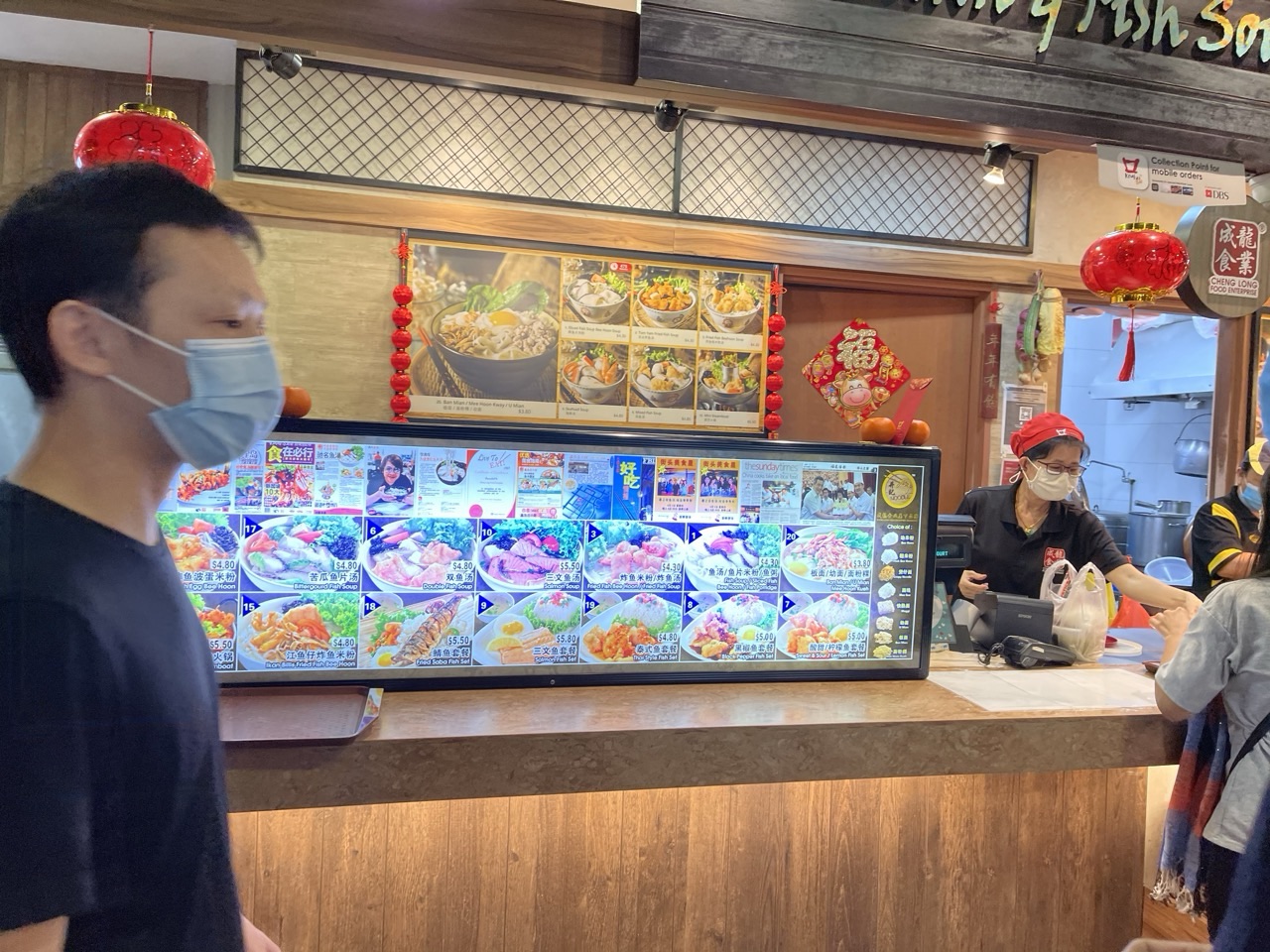
Cooking with kids in Punggol gets delicious when you recreate a hawker classic at home: one of the most hands-on things to do in Punggol during the school holidays, with a taste test, a shopping trip and a family lunch.
“Why does the hawker’s fried rice taste better than ours?”
This is idea #60 in eduKate Punggol’s Top 100 Things to Do in Punggol During the School Holidays. Below you will find three hawker classics matched to different ages, a step-by-step egg fried rice recipe children can lead, where to scout and shop in Punggol, a plan for the day, and the food-safety rules that matter most when small hands are near hot pans.
The point is not to beat the hawker.
It is to understand what the hawker does.
Once a child has cracked the eggs, measured the soy sauce and watched the rice turn golden in the pan, they will never look at a plate of fried rice the same way again.
This idea is perfect for families who want to:
- spend a happy, hands-on morning together in the kitchen;
- teach real cooking and food-safety skills;
- practise measuring, fractions and money with real food;
- help a fussy eater try something they helped to make;
- celebrate Singapore’s hawker food at home; or
- give an older child the pride of feeding the whole family.
Quick look
- Best for: Primary 1 to Secondary 4, with jobs for every age
- Time needed: a short shopping trip, plus about 2 hours to cook and eat
- Cost: the ingredients for one family meal
- Best time: late morning, so lunch is the reward
- Nearest MRT/LRT: Coral Edge LRT for Punggol Plaza’s market, or any station near your supermarket
- Rain plan: perfect for a rainy day: the cooking happens at home
See all 100 school-holiday ideas · Chat with eduKate Punggol on WhatsApp · Visit eduKate Punggol on Facebook
Cooking a Hawker Classic Is Bigger Than It First Appears
Most children eat hawker food every week. Chicken rice, fried rice, popiah: these are the flavours of growing up in Singapore.
But very few children know how those dishes are made.
When you cook a hawker classic together, food stops being something that simply appears and becomes something that is made, step by step, with skill and care. Children discover that a good dish needs planning, timing and patience, and that the hawker who serves hundreds of plates a day is doing something genuinely impressive.
Cooking also asks children to use almost everything they learn in school. They read a recipe, measure ingredients, follow steps in order, watch for changes, solve small problems (“It’s too dry!”) and work as a team. And unlike most school tasks, the result is lunch.
The Hidden Lesson in Yesterday’s Rice
Back to that question: why does the hawker’s fried rice taste better?
There are many reasons, including a very hot wok and years of practice. But one simple trick makes a big difference at home: use cooked rice that has been chilled overnight.
Freshly cooked rice is soft and moist. In a hot pan, it tends to clump and turn mushy. Rice that has been cooled and kept in the fridge is drier, so the grains separate and fry better.
When a child learns this, something clicks. Cooking is not magic. It is cause and effect. Change one thing, the rice, and the result changes.
That is exactly how a scientist thinks.
And there is a food-safety lesson hidden inside it too. The Singapore Food Agency advises putting cooked food into the fridge once it has cooled, rather than leaving it out. So the “secret ingredient” is also a lesson in looking after your family’s health.
Why Punggol Families Love Cooking with Kids in Punggol
Punggol makes this idea easy. You can taste the dish at a hawker centre, buy the ingredients at a market or supermarket near an LRT station, and be home cooking within the hour.
The joys of cooking a hawker classic
- It turns lunch into a family project
- Children learn a dish they can cook for the rest of their lives
- Measuring and scaling a recipe practises real Mathematics
- Watching food change in the pan is everyday Science
- Fussy eaters are more willing to try what they cooked
- It is a perfect plan for a stormy afternoon
- Older children feel proud feeding the family
- It deepens appreciation for the hawkers who cook every day
What to Expect: Three Classics for Three Ages
Choose one dish to start. Here are three that suit different ages and skills.
Popiah party (best for Primary 1–3)
Popiah, the fresh spring roll, is perfect for little hands because the children’s part is assembly, not cooking. An adult cooks a simple filling of shredded turnip (jicama) and carrot until soft. Children wash lettuce, lay out the fillings and roll their own popiah with a smear of sweet sauce. Look for fresh popiah skins at a market or supermarket; if you cannot find them, soft wraps work for practice. Crushed peanuts are a common topping, so check for nut allergies first.
Egg fried rice (best for Primary 4–6)
This is the dish children can lead, with an adult at the stove. It teaches measuring, timing and the day-old-rice trick, and it is very forgiving. The full recipe is below.
Hainanese-style chicken rice (best for Secondary 1–4)
For teens ready for a bigger challenge, chicken rice teaches poaching, cooking rice in stock with garlic and ginger, and making a simple chilli and ginger sauce. Raw chicken needs careful handling, so an adult should stay close throughout.
The recipe: family egg fried rice (serves 4)
- 4 bowls of cooked rice, chilled overnight in the fridge
- 3 eggs
- 2 tablespoons of cooking oil
- 2 cloves of garlic, finely chopped by an adult
- 1 cup of frozen mixed vegetables
- 1 to 2 tablespoons of light soy sauce
- 2 stalks of spring onion, sliced
- A pinch of white pepper
Method: Beat the eggs in a bowl (a child’s job). Heat the oil in a wok or large pan (adult). Add the garlic and stir for a few seconds until fragrant. Pour in the eggs and scramble until just set. Add the rice, breaking up any clumps with the spatula, and stir-fry until every grain is hot. Add the vegetables and cook until hot through. Season with soy sauce and pepper, tasting as you go. Finish with spring onion. Fry until the rice is steaming hot all the way through.
Where to scout and shop
Taste the dish first at a hawker centre: One Punggol Hawker Centre (beside Sam Kee LRT) and Punggol Coast Hawker Centre (at Punggol Coast MRT) both have many stalls to choose from, though line-ups change. Then shop. Punggol Plaza at Coral Edge LRT has a basement fresh market and a FairPrice on Level 3; our Market-to-Table Family Day guide explains how to plan the trip, and our supermarkets guide lists stores near other stations.
How to Plan a Brilliant Cook-at-Home Day
A little preparation keeps the kitchen calm. These steps take about fifteen minutes.
1. Choose the dish and the head chef
Let your child choose from the three classics and appoint them “head chef”. Adults are “safety officers”.
2. Taste it first
Buy the dish at a hawker centre the day before and eat it slowly. What can you taste? What colours do you see? What do you think is in it?
3. Write the shopping list and budget
Your child writes the list from the recipe and sets a budget. Older children can estimate the cost per plate.
4. Cook the rice the day before
If you are making fried rice, cook the rice the day before, let it cool, and put it in the fridge. SFA advises keeping fridges at 4°C and below.
5. Set up the kitchen
Clear the counter, tie back long hair, wash hands, and lay out separate chopping boards for raw and ready-to-eat food, as SFA recommends. Turn pan handles inwards.
6. Agree the safety rules
Adults handle knives, hot oil, the stove and raw meat. Children wash, measure, crack, stir cold ingredients, assemble and taste. Nobody runs in the kitchen.
A Sample Holiday Day, Hour by Hour
This plan spreads the work over two days, so nothing feels rushed.
The day before, 11.30am: The taste test
Lunch at a hawker centre, with your child tasting the dish you will cook. Take notes.
The day before, 2pm: Shopping
Buy the ingredients at a market or supermarket. Buy chilled and frozen items last and carry them home in an insulated bag, as SFA advises.
The day before, evening: The rice
Cook the rice, cool it and put it in the fridge.
Cooking day, 10am: Mise en place
A fancy French phrase for “get everything ready”. Children wash vegetables, measure the soy sauce and beat the eggs. Adults chop the garlic.
Cooking day, 11am: Cooking
The head chef reads each step aloud. Adults man the stove; children add ingredients and stir with supervision.
Cooking day, 11.45am: Plating and taste test
Plate up beautifully. Compare it with yesterday’s hawker version. What is the same? What is different?
Cooking day, 12pm: Lunch
Eat together. Toast the head chef.
Afternoon: Clean-up and recipe card
Everyone helps wash up. Then your child writes a recipe card with any changes they would make next time.
Three Ways to Enjoy It
Every age can cook, as long as the job matches the child.
For little explorers (Primary 1–3)
Popiah is ideal. They wash lettuce, crack eggs into a bowl, measure sauces with spoons, lay out fillings and roll their own popiah. Ask them to count how many each person can have. Preschool siblings can tear lettuce or arrange cucumber slices.
For big kids (Primary 4–6)
Let them lead the egg fried rice, with an adult at the stove. They read the recipe, measure everything, and scale it: what if six people are coming instead of four? They can also work out the cost per plate.
For teens (Secondary 1–4)
Chicken rice is a satisfying challenge. With an adult nearby, they can follow a recipe from start to finish. Then they compare the cost per plate with a hawker plate and write a short reflection on why hawker food is such good value, or not.
The Learning Bridge: Mathematics (and a Pinch of Science) Without the Worksheet
The kitchen is a quiet classroom with a delicious final exam.
- Measurement: lower-primary children meet mass in grams and kilograms and volume in millilitres and litres. Weighing rice and measuring soy sauce make those units real.
- Fractions and ratio: halving or doubling a recipe is fraction work. Scaling from four servings to six is ratio thinking, which upper-primary children meet.
- Money: working out the cost per plate, and comparing it with a hawker price, practises money and division.
- Science, gently: for Primary 3 to 6, try a fair test while the rice is cooking: does sugar dissolve faster in warm or cold water? Change only the temperature and keep everything else the same. It links to the fair-testing skills in primary Science.
Keep it playful. The goal is a happy kitchen and a confident cook. For more on holiday Mathematics, read our guide on repairing, consolidating or preparing ahead in Mathematics.
Little Hiccups and How to Dodge Them
Cooking with kids is wonderful and a little messy. Here is how to keep it safe and happy.
Hot oil and knives
These stay with adults. Children can use child-safe tools for soft foods only, depending on their age, training and supervision.
Raw chicken
SFA advises not washing raw meat, because its juices may splash bacteria around the kitchen. Use separate chopping boards and knives for raw and ready-to-eat food, wash utensils after cutting raw food, and cook poultry until the juices run clear, with no pink. SFA’s food safety tips recommend cooking food above 75°C.
Leftovers
Put leftovers in the fridge once they have cooled. SFA advises reheating stored cooked food to 75°C and above for at least two minutes, and not reheating more than once.
Allergies
Check every ingredient for allergens. Peanuts, eggs, soy and sesame often appear in hawker-style dishes.
Smoke on a haze day
During haze, many families keep windows closed, which can trap cooking smoke. Use a cooker hood and keep the frying short. Our article on indoor cooking smoke during haze explains more, and haze.gov.sg has the latest readings; October 2026 brought unhealthy haze readings.
“It doesn’t taste like the hawker’s”
That is fine, and expected. Hawkers have years of practice and very hot woks. Ask, “What would you change next time?” and write it on the recipe card.
Storms on shopping day
If you hear thunder or see lightning on the way to the shops, wait under proper cover and check the MSS lightning alert page.
What a Great Day Looks Like
You will know the day worked when your child:
- reads a recipe step and does it without being told twice;
- measures ingredients carefully and checks the amount;
- washes their hands and keeps raw and cooked food apart;
- tastes the dish and suggests one improvement;
- helps clean up without complaint; and
- asks, “Can we cook a different hawker dish next week?”
That question is the start of a lifelong skill.
When to Go
The 2026 year-end school holidays for MOE primary and secondary schools run from Saturday 21 November to Thursday 31 December 2026, according to MOE. In 2027, MOE’s calendar lists breaks from 13 to 21 March, 29 May to 27 June and 4 to 12 September, with the year-end break from 20 November 2027.
Any day works, but a rainy afternoon in the Northeast Monsoon, which usually begins around the end of November, is perfect. Weekday mornings are calmer for the shopping trip.
Getting There from Around Punggol
For ingredients: Punggol Plaza sits right in front of Coral Edge LRT (PE3) on the East Loop, with a basement fresh market and FairPrice on Level 3. Other supermarkets are near Punggol MRT/LRT, Oasis LRT, Samudera LRT and Punggol Coast MRT.
For the taste test: One Punggol Hawker Centre is beside Sam Kee LRT (PW1), and Punggol Coast Hawker Centre is at Punggol Coast MRT (NE18).
Location: Punggol Plaza, 168 Punggol Field, Singapore 820168
Nearest LRT: Coral Edge LRT (PE3)
Entry: free; market in the basement, FairPrice on Level 3
Quick Details
Activity: tasting, shopping for and cooking a hawker classic at home with your children
Where: your kitchen, with ingredients from a Punggol market or supermarket
Best ages: Primary 1 to Secondary 4, with age-appropriate jobs
Cost: the ingredients for one family meal
Time needed: a shopping trip, plus about 2 hours to cook and eat
Booking: none needed
Accessibility: set up a low, steady work surface for younger children
Status checked: October 2026, SFA food safety tips and our market and supermarket guides
What to Bring (and Have Ready)
- The recipe, printed or written out
- Ingredients from the shopping list
- Aprons for everyone
- Kitchen scale, measuring cups and spoons
- Separate chopping boards for raw and ready-to-eat food
- A wok or large pan, a spatula and bowls
- Oven mitts or a cloth for hot handles
- Clean tea towels and a cloth for spills
- Containers for leftovers
- A recipe card and pencil for the head chef’s notes
Frequently Asked Questions
What is the easiest hawker dish to cook with kids?
Popiah is easiest for young children, because their job is assembling, not cooking. Egg fried rice is a great next step.
At what age can my child use a knife?
It depends on the child, their training and the supervision available. Start with child-safe tools on soft foods, and keep sharp knives with adults.
Why use day-old rice for fried rice?
Rice that has been cooled and refrigerated is drier, so the grains separate and fry better. Put the cooked rice in the fridge once it has cooled.
Should we wash raw chicken?
No. SFA advises against washing raw meat, because the juices can splash bacteria around the kitchen.
Is it cheaper than buying from a hawker?
Work it out together. Divide the total ingredient cost by the number of plates and compare. The answer is a great conversation.
How should we store leftovers?
Put them in clean, covered containers in the fridge once cooled. SFA advises reheating to 75°C and above for at least two minutes, and reheating only once.
What if we need halal ingredients?
Choose halal-certified products, and check any outlet you buy from on the MUIS Halal e-Service.
Helpful Reading for Punggol Families
- Top 100 Things to Do in Punggol During the School Holidays
- Punggol School Holiday Guide: A Week-by-Week Plan for the Year-End Break
- Punggol Market-to-Table Family Day
- Punggol Plaza and Market Guide
- Supermarkets in Punggol
- Healthy Hawker and Grocery Choices in Punggol
- Punggol Hawker Centres and Coffee Shops Map
- School Holiday Mathematics Plan: Repair, Consolidate or Prepare Ahead?
- SFA: Food Safety Tips
Cooking with Kids in Punggol: A Taste of Home
A hawker classic tastes different when you made it yourself.
A recipe becomes a set of instructions to follow.
A measuring spoon becomes a lesson in fractions.
A hot pan becomes a lesson in patience and care.
For little ones, it is the joy of rolling their own popiah.
For big kids, it is leading the family’s fried rice from start to finish.
For teens, it is mastering a dish they will cook for friends one day.
And for parents, it is a kitchen full of laughter, a slightly messy counter, and a lunch everyone is proud of.
Plan the Rest of Your School Holidays
Dishes washed, recipe card written. Browse the full Top 100 Things to Do in Punggol During the School Holidays, or swap the kitchen for the bookshelves with idea #61, a morning at Punggol Regional Library.
And if a calm, small-group learning block is also on your holiday list, eduKate Punggol teaches English, Mathematics and Science in classes of three. Come find out more.
Book a consultation · Chat on WhatsApp
eduKate Punggol
Small-group English, Mathematics and Science
Primary and Secondary
By appointment · +65 8823 1234
Properly taught kids shine a bright light into the future.
← Previous: #59 Café afternoon with a book · All 100 ideas · Next: #61 A morning at Punggol Regional Library →
Checked October 2026. Opening hours, prices, programmes and closures change, so please confirm with the official source before you go.


