
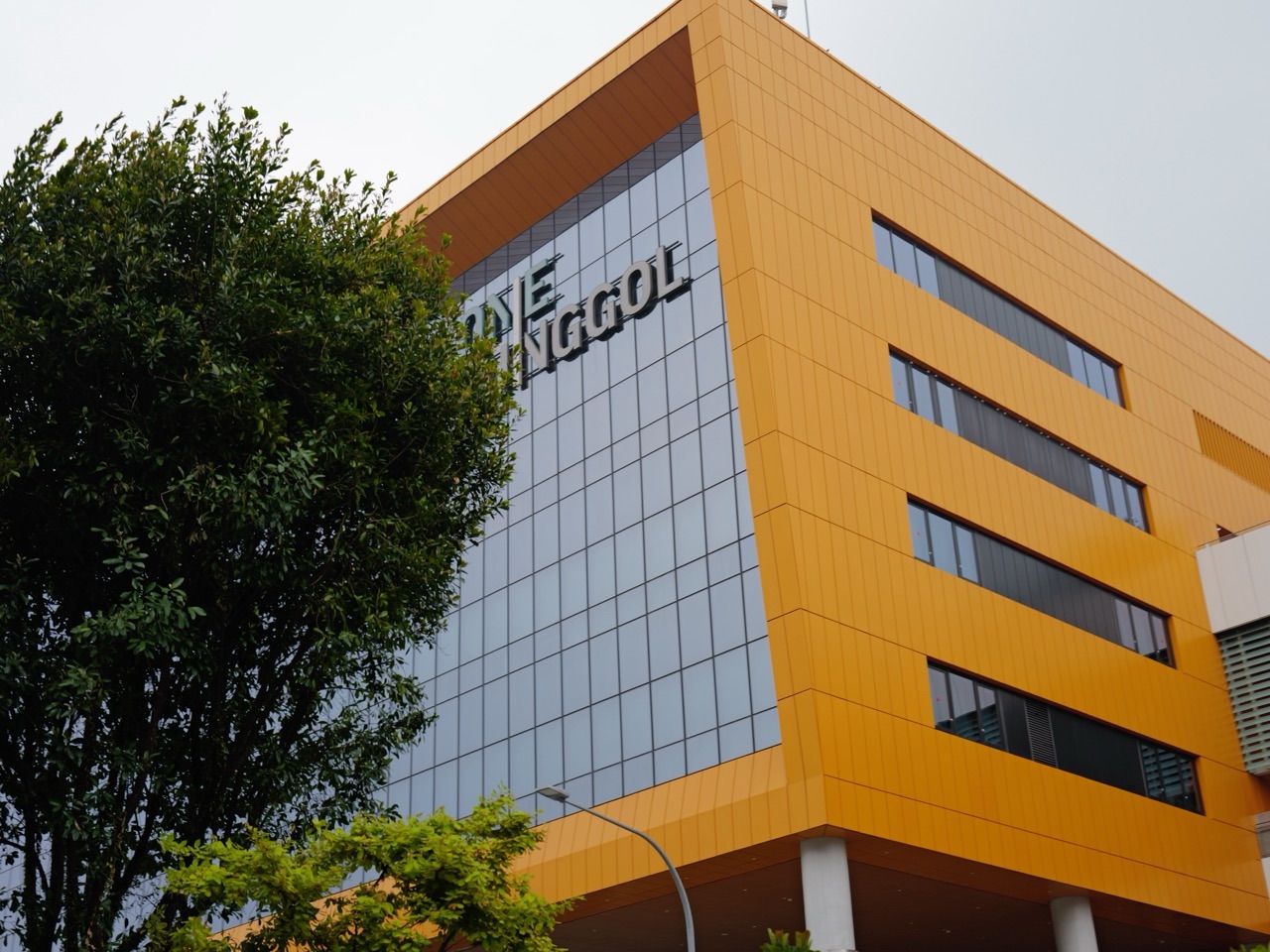
Storyteller Cove is a Level 2 children’s space at Punggol Library, inside One Punggol. NLB’s opening information identifies it for children aged seven to twelve and describes interactive ways to explore stories and create their own.
Families searching for story-making activities at Punggol Regional Library can use the cove as a starting point. Its original description includes story prompts, guided story crafting, prop-making and a mix of physical and digital experiences; follow the materials and instructions available during your visit.
Punggol Library is at 1 Punggol Drive, One Punggol #01-12, Singapore 828629. Main hours are 10am–9pm daily, with staff-assisted services from 10am. If you want a particular facilitated programme, check its current listing separately from the library’s general opening hours.

Find what you need
What Storyteller Cove is designed for · A simple way to start making a story · Helping without writing the story for the child · Choosing between nearby children’s spaces · Hours, programmes and continuing at home
What Storyteller Cove is designed for
The official NLB opening announcement describes the cove as a place to explore how stories are written and presented, including stories connected with different countries and cultures.
A child can begin with something small: a character, an image or a question. There is no need to arrive with a complete plot or a polished piece of writing.
Read the available instructions together and let the child choose a starting point. If you are looking for a specific activity mentioned in older coverage, ask staff whether it is available that day.
A simple way to start making a story
Try this family prompt: choose a character, give them something they want, then decide what makes it difficult. This is an optional writing idea, not an official Storyteller Cove worksheet.
For example, a character might want to deliver a message but cannot find the correct door. Ask what they try first, what happens and what changes in the next attempt.
Keep the ending connected to the problem. A sketch, a few spoken sentences or a short paragraph can be enough to capture the idea.
Helping without writing the story for the child
Ask one question at a time and wait for the child’s answer. Too many suggestions can make it harder to hear their own idea.
If a child gets stuck, offer a choice about the next event rather than dictating a whole storyline. Let them decide which direction fits their character.
Separate creating from checking. First find out what the child wants to say; a later conversation can help clarify a confusing sentence or add a detail.
Choosing between nearby children’s spaces
Our Spark!Lab guide describes another Level 2 option focused on tinkering. Choose the activity that interests your child.
The Stories Come Alive Room guide explains a separate Level 1 storytelling space. Check the venue name when reading a programme listing.
One main activity and some book browsing can be enough for a first outing. Leave time to continue an idea instead of rushing to every feature.
Hours, programmes and continuing at home
Check the official library page for current notices. The library closes on public holidays and at 5pm on the eves of Christmas, New Year and Chinese New Year.
Follow any programme-specific age guidance and registration instructions. General access to the library does not guarantee a place in a facilitated session.
After the visit, invite the child to tell someone their story or draw its most interesting moment. Keeping one idea alive can be more rewarding than requiring a long completed composition.
Independent eduKatePunggol guide. Official sources checked on 11 October 2026. Use current operator instructions for visits, applications and bookings.


