
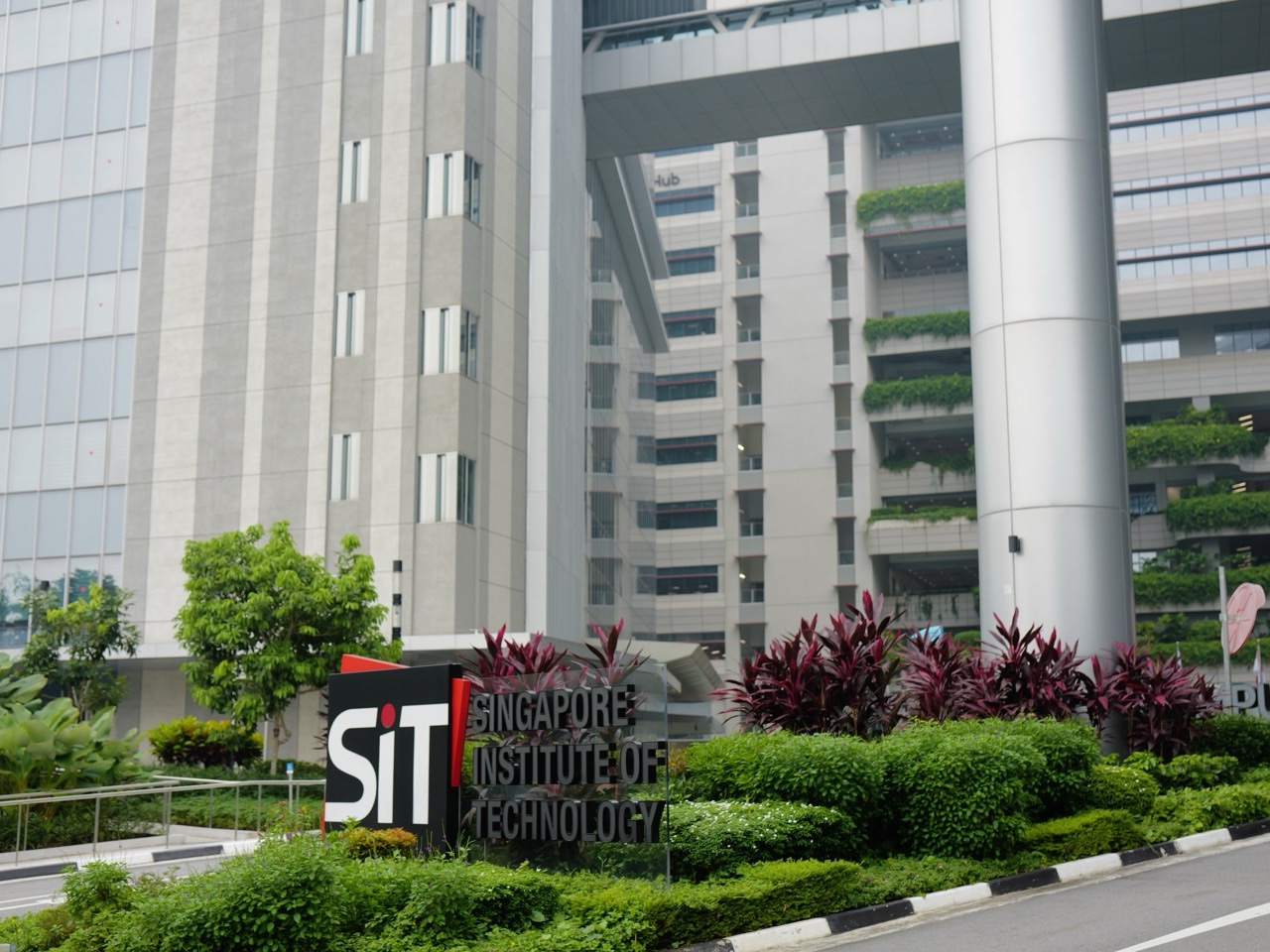
SIT’s Integrated Work Study Programme (IWSP) is degree-related workplace learning that connects university study with relevant work. The Singapore Institute of Technology’s current overview describes paid employment lasting eight to 12 months, with the structure tailored to the degree programme.
The SIT 2+2 model is a separate pilot announced on 3 September 2026. Its first intake is planned for September 2027 with selected companies and students from specified engineering and ICT programmes. The proposed workplace phase lasts one year and eight months while retaining the existing degree duration.
For a student studying at SIT Punggol Campus, confirm your own programme and cohort requirements before arranging transport, accommodation or a work schedule. The longer pilot does not mean that every SIT student has a two-year placement, and a placement does not guarantee a graduate job.

Find the information you need
What the standard IWSP involves · What changes in the 2+2 pilot · Applying and preparing · Pay, hours and study commitments · Does a placement guarantee a job? · Planning from Punggol
What the standard IWSP involves
SIT’s official IWSP overview describes relevant paid work, supported by university mentors and company supervisors. It states that IWSP is compulsory for SIT-conferred and SIT-joint degree programmes. Consult your programme for the applicable arrangements.
Think about the placement as both work and learning. Before starting, clarify responsibilities, reporting arrangements and the academic tasks you must complete. A clear agreement helps you understand how workplace duties and degree requirements fit together.
What changes in the 2+2 pilot
According to SIT’s 3 September 2026 announcement, the pilot includes Information Security, Software Engineering, Electrical and Electronic Engineering, and Mechanical Engineering degree programmes. Participation is selective; being enrolled in a named programme does not by itself establish that you will join the pilot.
The announcement describes selected learning components being integrated into the extended workplace phase. Students should obtain their own timetable and participation information from SIT rather than interpreting the name “2+2” as an exact timetable for every degree.
| Arrangement | How to interpret it |
|---|---|
| Standard IWSP | Follow the current degree and cohort structure |
| 2+2 pilot | Selected participation; first pilot planned for September 2027 |
| Placement location | Confirm the employer and actual work address |
| Graduate employment | A possibility, subject to an employer’s decision |
Applying and preparing
Prepare examples that show what you can do. A useful project summary states the problem, your contribution, the tools or methods used and the result. If a group built the project, identify your part honestly. You should be able to explain an error you encountered and how you corrected it.
Before an interview, read the role description closely. Separate the duties you can already perform from those you want to learn. Prepare questions about supervision and the work you would undertake. A careful question often gives more useful information than a general promise that you are enthusiastic.
Pay, hours and study commitments
Ask for the placement’s written terms. These should help you understand remuneration, working hours, leave arrangements and any responsibilities that affect your studies. Do not use another student’s experience as a substitute for your own offer.
Build a weekly plan only after you know the actual requirements. Include commuting, meals, academic deadlines and time to recover. If the arrangement includes returning to campus, confirm the days and location. Raise unclear expectations with the appropriate university and employer contacts before they become a scheduling problem.
Does a placement guarantee a job?
No individual student should plan on an automatic conversion to permanent employment. Ask whether the employer has a graduate hiring process and what a successful candidate would need to demonstrate. An encouraging conversation is different from a written employment offer.
Use the placement to develop evidence of your capabilities, not only a list of duties. Keep notes about work you are allowed to discuss, skills improved and feedback received. Follow the employer’s confidentiality requirements when creating portfolio material or describing a project at a later interview.
Planning from Punggol
Living near the campus can simplify university travel, but your placement may require a different route. Check the exact office or worksite, starting time and any need to travel between locations. Try the journey at the relevant time before assuming it will fit around other commitments.
Start with the official IWSP and pilot pages above, then ask SIT about your cohort. For university travel, see our SIT Punggol Campus directions. For the surrounding area, see the Punggol Digital District guide.
Independent eduKatePunggol guide. Information checked on 10 October 2026; follow the operator’s current announcements and booking or programme instructions.


