
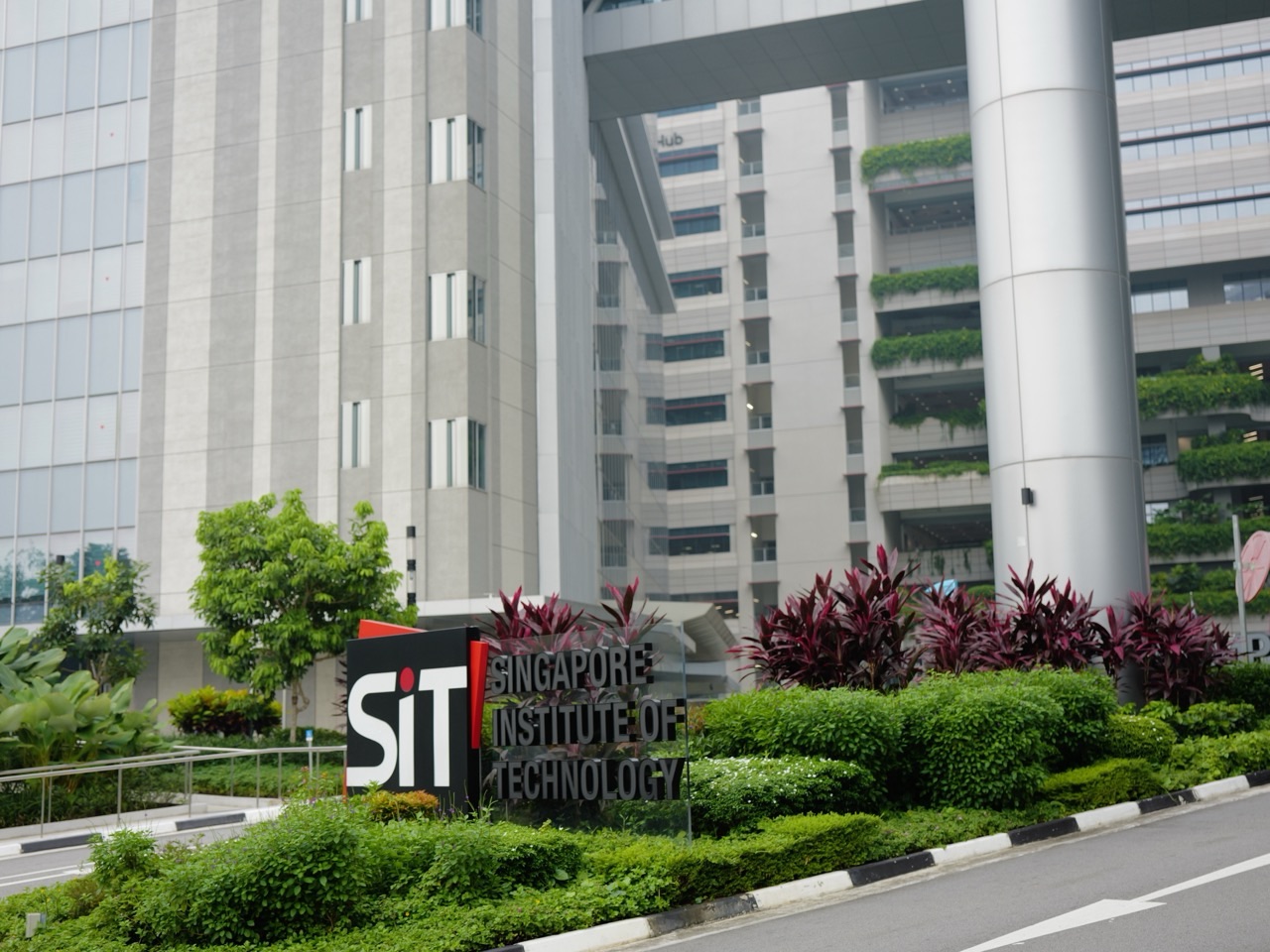
Applied learning at the Singapore Institute of Technology (SIT) connects academic knowledge with practical problems in industry and the community. For parents and students exploring SIT Punggol Campus, the useful question is how a chosen degree combines subject understanding, practical work and the ability to explain decisions.
SIT describes active learning approaches including practical experience, preparation before class and problems drawn from real situations. This means students should expect to participate and apply what they learn. Applied learning still needs careful reading, mathematics where relevant, accurate reasoning and independent study.
Start with the official page for the degree you are considering, then compare its modules, projects and work-study requirements. Living near SIT in Punggol Digital District can make the university easier to visit, but programme suitability depends on the student’s interests, preparation and the current entry requirements.

Find the information you need
What applied learning means · What to check in a degree · Why foundations still matter · Projects, teamwork and feedback · Where work-study fits · A useful next step for Punggol families
What applied learning means
SIT’s applied learning explanation connects academic study with use in industry and community settings. It also describes experiential learning, flipped classrooms and problem-based learning. These are teaching approaches; individual modules can use different combinations.
Consider an illustrative task: a team is asked to improve a simple service queue. Students would need to define the problem, gather evidence, choose a method and explain whether the proposed improvement works. The result matters, but so does the reasoning behind it. This example explains the approach rather than describing a specific SIT assignment.
What to check in a degree
Read the programme’s module descriptions with a pen nearby. Mark the subjects you enjoy, the foundations you may need to strengthen and the kinds of work you would like to try. A familiar course title can hide quite different demands across programmes.
Then ask practical questions: how much coding, mathematical analysis, laboratory work, writing or teamwork appears in the curriculum? Which activities are assessed? What does the programme say about professional recognition, where relevant? Use the current programme information rather than a general description of the university.
| Question | What to look for |
|---|---|
| Will the subject suit me? | Module content and examples of work |
| Am I prepared? | Entry requirements and assumed foundations |
| How will I learn? | Teaching, projects and assessment information |
| Where might it lead? | Relevant roles and any professional requirements |
Why foundations still matter
Practical work becomes easier when a student can understand instructions and check an answer. A spreadsheet model, a technical explanation or a research report can all fail if the underlying reasoning is weak. Applying knowledge adds another demand: the student must notice when a method does not fit the situation.
For a secondary school student, useful preparation is steady rather than dramatic. Explain a mathematics solution in words. Read an unfamiliar passage carefully. Record how an experiment was conducted. Practise giving a short, evidence-based presentation. These habits support later learning without asking a teenager to choose a final career immediately.
Projects, teamwork and feedback
Group work can reveal strengths that are less visible in a written test. A student may be good at organising tasks, checking calculations or communicating a difficult idea. It also requires reliability: agreeing a deadline, documenting changes and telling teammates when help is needed.
During any school or personal project, keep a simple record of the question, the first approach, the feedback received and the revision made. That record helps a student explain what they actually contributed. It is more useful than a polished final slide that hides the learning process.
Where work-study fits
SIT’s Integrated Work Study Programme brings relevant workplace experience into degree study. The programme page for your degree is the place to establish its exact structure and requirements.
Separate three questions when discussing a future placement: what work the student hopes to learn, where the employer is located and how academic work fits around the placement. A university’s address does not determine every student’s eventual workplace. Ask about the actual arrangement before planning a daily commute.
A useful next step for Punggol families
Choose two or three programmes to compare, rather than browsing every course at once. Write one paragraph about why each interests you and one question that remains unanswered. Bring those questions to an official admissions event or programme enquiry.
For a campus visit, use our SIT Punggol Campus guide and MRT, LRT and block directions. A walk around the campus can help a student imagine the environment; the curriculum and official programme answers should guide the degree decision.
Independent eduKatePunggol guide. Information checked on 10 October 2026; follow the operator’s current announcements and booking or programme instructions.


