
Verification is the habit that turns a completed solution into a trusted solution. Advanced Mathematics contains enough layers that one early mistake can travel through several lines of otherwise neat working. Checking therefore needs to be part of the method, not something added only if time remains.
For Punggol students, verification becomes even more important as calculators, graphing tools and AI make computation faster. Stronger tools increase the value of stronger judgement.
A correct-looking answer can still be impossible
A negative length, an angle outside the requested interval, a zero denominator or a graph that contradicts the equation are all signals that something has gone wrong.
Use more than one kind of check
- Substitute the answer into the original equation.
- Estimate the rough magnitude.
- Check the sign.
- Compare with the graph.
- Check units.
- Check domain and interval restrictions.
- Reverse the operation where possible.
Reasonableness is not only a Primary Mathematics skill
Advanced symbolic manipulation can produce an elegant answer that is still unreasonable. The more complicated the route, the more useful an independent sanity check becomes.
Graphical and algebraic checks should agree
If the algebra predicts two real roots, the graph should cross the axis twice. If a derivative is positive, the function should be increasing locally. If a supposed maximum sits where the graph is still rising, the interpretation needs repair.
Technology should be checked, not obeyed
A calculator can evaluate a wrongly entered expression perfectly. A graphing window can hide important behaviour. AI can produce fluent steps that the student still needs to inspect.
The Calculators, Graphing Tools and AI article develops the principle that tools should strengthen mathematical power without replacing judgement.
Build checkpoints into long solutions
- After translating the question, check that the equation matches the wording.
- After major algebra, check signs and factors.
- After solving, check restrictions.
- After interpreting a graph or derivative, check direction and behaviour.
- Before finishing, answer the exact quantity requested and include units where needed.
Error logs should record the missing check
Instead of writing only “careless”, students can record the checkpoint that would have caught the mistake: test the root in the original denominator, inspect the graph shape, verify the interval or reverse the operation.
That turns checking into a trainable system rather than a vague instruction to be more careful.
Verification improves independence
A student who can verify independently does not need to ask the tutor or answer key whether every line is right. They build internal evidence that the result deserves trust.
Punggol infrastructure offers a useful visual metaphor
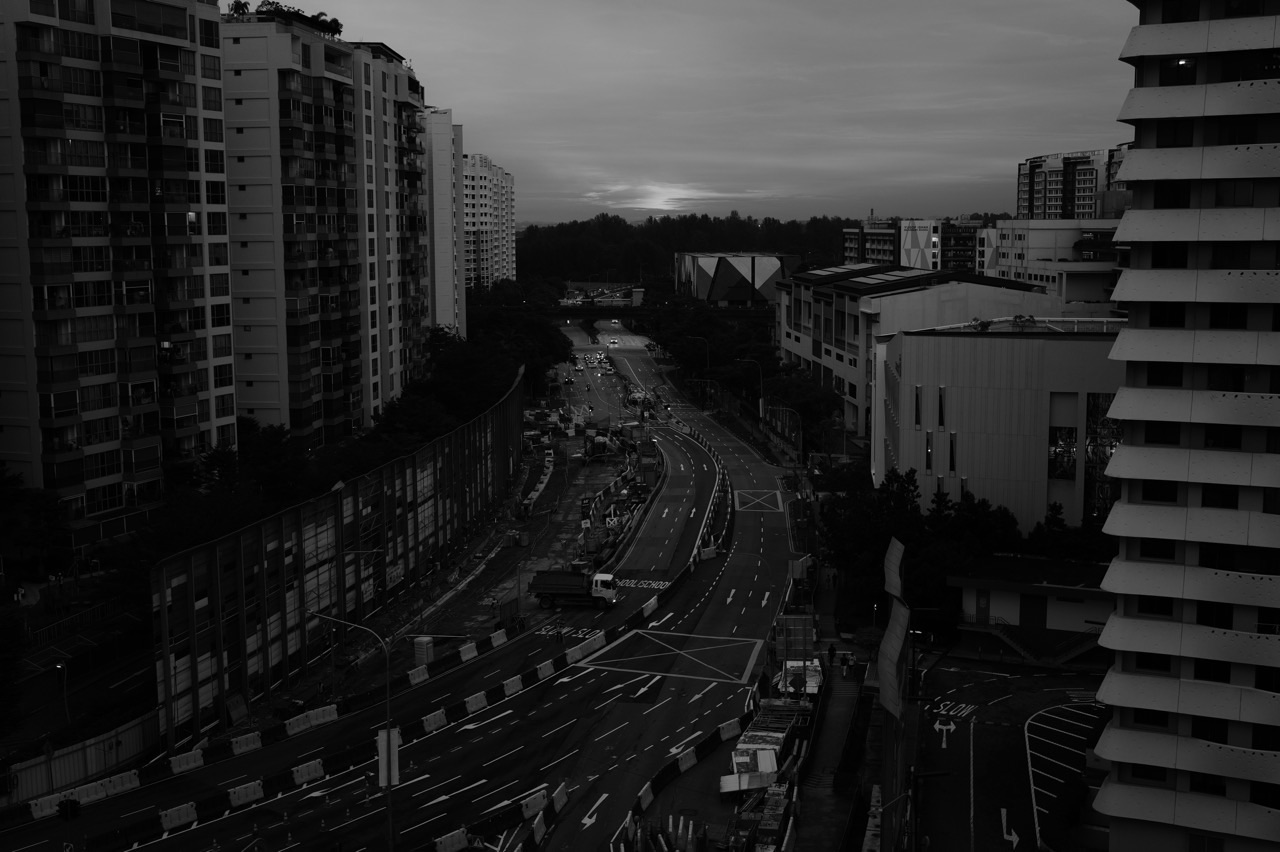
Transport, construction and public systems are reliable because checks are built into the process. A Punggol infrastructure photograph fits this topic naturally: dependable systems are not trusted simply because they usually work; they are tested at important points.
Continue the Punggol Advanced Mathematics journey
Continue through the wider eduKate Punggol ecosystem
- Mathematics Tuition at eduKatePunggol
- Punggol Mathematics Reading Library
- Additional Mathematics Tuition in Punggol
- eduKatePunggol Atlas
Advanced Mathematics is not finished when the pen stops. It is finished when the answer survives checking. Verification converts speed into reliability and knowledge into control.


