
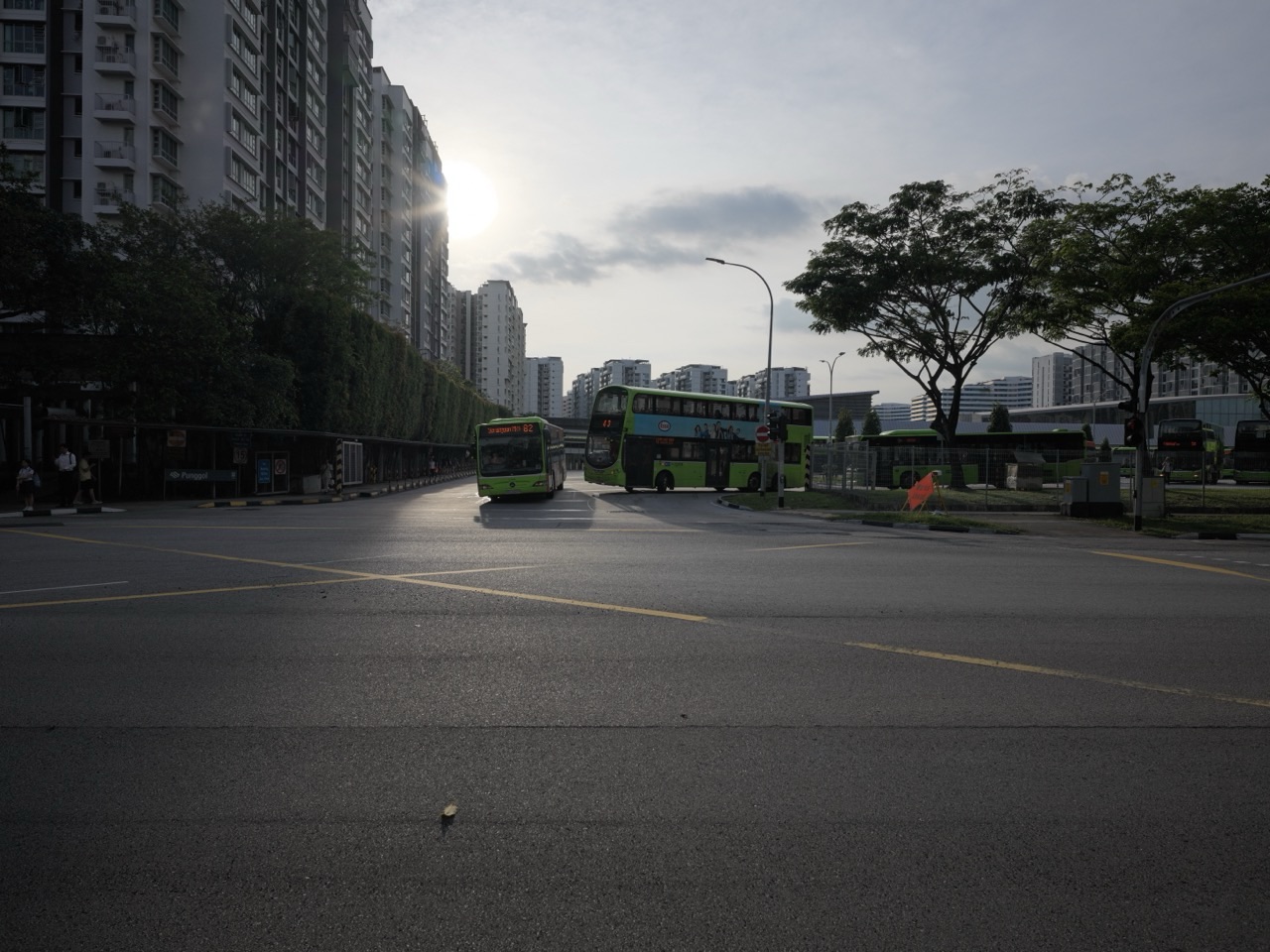
A late pickup is a small delay with the ability to move an entire afternoon.
The child waits. A parent checks the clock. Student care may need an update. A tuition lesson later becomes tighter. Dinner shifts. Another sibling’s pickup can be affected. What began as ten minutes becomes a chain.
For searches such as school bus Punggol, school pickup Punggol, late school bus, student care Punggol, school transport and Punggol family logistics, the useful principle is simple: the child should know what to do before the adult becomes late.
Waiting rules should be taught before waiting happens
Younger children need a fixed rule.
Where do you wait? Which adult or staff member do you approach? Do you remain at the school gate, student-care location or another agreed place?
The child should not improvise a new destination because an adult is late.
One clear message is better than eight anxious calls
When adults realise they are delayed, the instinct is to communicate repeatedly.
But the child or caregiver usually needs only the important information: who is coming, where to wait and the revised time.
Additional messages should change the plan, not merely repeat adult anxiety.
School-bus delay and parent-pickup delay are different problems
A school bus or contracted transport arrangement usually has its own communication and operational procedures.
A parent running late is a family coordination issue.
Families should understand which system they are dealing with and follow the relevant school or transport-provider process rather than treating every delay as the same event.
The child should have a fallback adult
Working households benefit from one named backup.
That might be another parent, grandparent, helper, trusted adult or student-care arrangement. The point is not to activate the backup every time. It is to prevent the child from becoming stranded between uncertain adults.
The wider family system is described in How Family Works | The Family Coordination System.
A late pickup should not automatically create a rushed tuition lesson
If the family loses twenty minutes, parents often try to recover the lost time by rushing every step afterwards.
The child eats faster, changes in the car, travels immediately to tuition and arrives stressed.
Sometimes the better decision is to notify the tutor, shorten the lesson if possible, arrive late without panic or reconsider the session depending on the circumstances.
A learning plan that cannot survive one transport delay is too tightly engineered.
Student care can absorb delay when the rules are clear
For families using student care, the relevant question is how late pickup and changed collection are handled.
Parents should understand operating hours, authorised pickup arrangements and communication expectations rather than discovering them on a difficult afternoon.
Use Student Care Centres in Punggol for the dedicated local guide.
Older students need increasing responsibility
A secondary student may be able to wait safely, travel home independently or switch to a known route.
The family should not keep the teenager artificially dependent simply because the old pickup habit still exists.
Responsibility can transfer gradually: wait independently, send an update, take the agreed bus or LRT route and return home.
The afternoon chain should be repaired at the first broken link
When pickup is late, parents often try to keep every later commitment unchanged.
That creates cascading stress.
Instead, repair the first downstream conflict. If dinner must move, decide it. If tuition timing changes, communicate it. If homework volume must be reduced to essentials, make that decision before the child reaches 10 PM.
A late-pickup plan
- Teach the child the fixed waiting place.
- Keep one fallback adult or care arrangement.
- Send one clear revised pickup message.
- Use the correct school or transport-provider procedure when applicable.
- Adjust the first affected downstream commitment.
- Do not recover lost minutes by making the child rush through the entire evening.


