
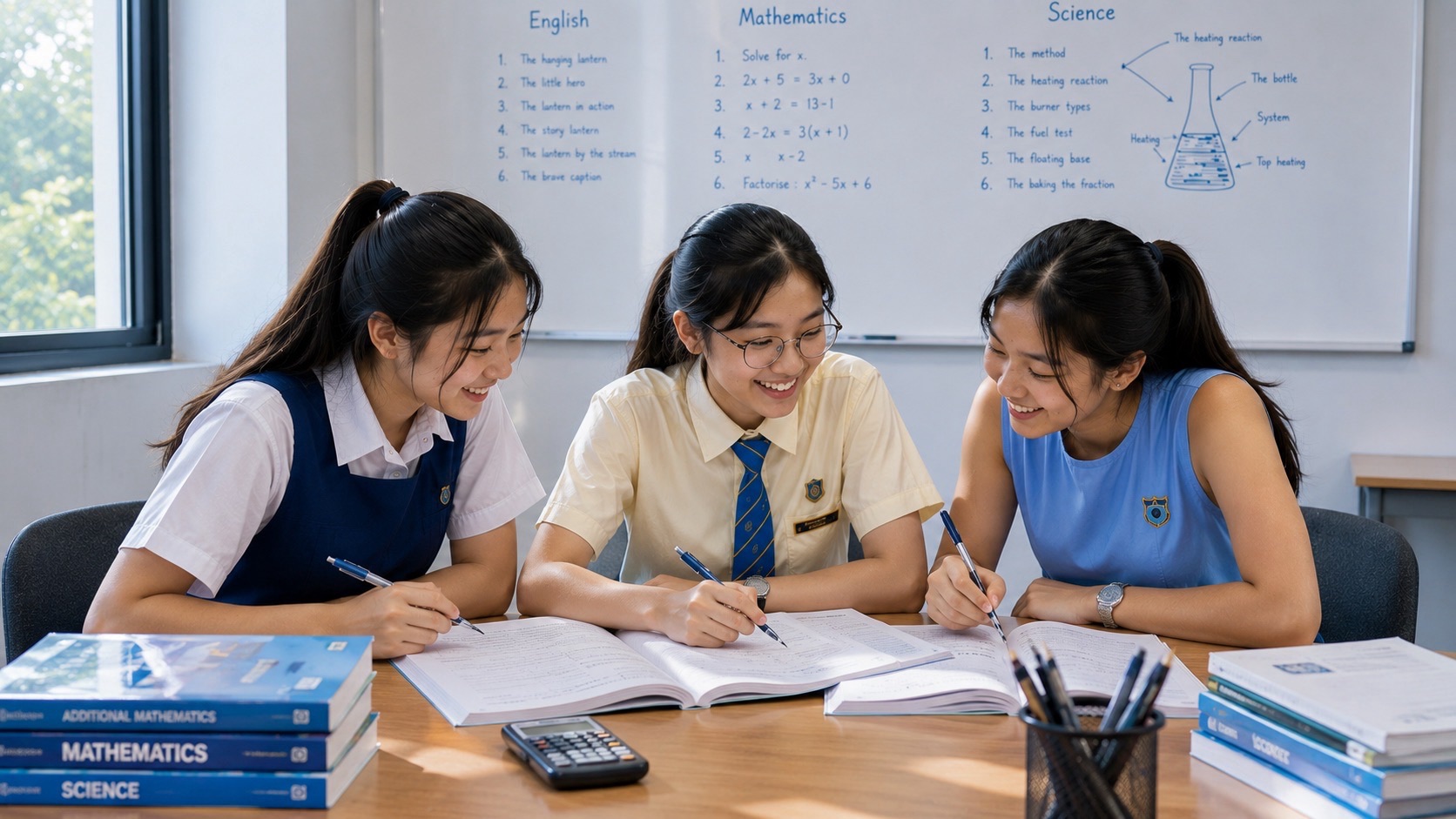
A school-holiday weekday in Punggol is longer than a school day.
Children are home when parents may still be working. Grandparents and caregivers become more important. Tuition can move into daytime. Libraries fill differently. Parks receive weekday family traffic. Meals shift. Screens become tempting. The day has fewer institutional boundaries, which means the family has to create some structure of its own.
For searches such as Punggol school holidays, things to do in Punggol with kids, Punggol tuition, Punggol library, holiday activities Punggol, kids activities Punggol and living in Punggol, the useful question is not how to fill every hour. It is how to let a child rest without allowing six weeks to dissolve.
For a week-by-week activity plan, use the Punggol School Holiday Guide. This article explains the family operating rhythm underneath it.
The first holiday problem is that adults and children may not share the holiday
A child finishes school. A parent does not necessarily finish work.
That creates the central school-holiday logistics problem. Where is the child during the weekday? Who is available? Which hours can remain unstructured? When does the family need external care, grandparents, a helper, a camp, student care, tuition or a shared arrangement?
The best answer is rarely one programme that covers everything. Most families build a patchwork. The useful goal is to make that patchwork predictable enough that the child knows what kind of day is coming.
Grandparents often become part of the town’s holiday infrastructure
During school term, grandparents may handle selected pickups, meals or afternoons. During holidays, their role can expand.
This can be valuable for children and families, but it should not be assumed to be effortless. A full day with energetic children is work. Transport, meals, medication, appointments and outdoor safety all matter.
A considerate family plan is explicit. Which days? What hours? What meals? What activities? Which responsibilities stay with the parents? Good intergenerational support works better when gratitude is accompanied by clear logistics.
The first week should not become a second school term
Children often reach the holiday tired.
That is especially true after assessment periods, PSLE preparation, SEC examination preparation or a long term of CCA and tuition. The impulse to begin enrichment immediately can waste the very thing the holiday first needs to provide: recovery.
Sleep can settle. Unfinished books can be read. Friends can be seen. The child can be bored long enough to decide what to do next.
Rest is not the absence of development. It is part of the system that makes further development possible.
A good holiday day needs one anchor, not twelve activities
Children often do well when the day has one predictable centre.
- A morning walk or cycle.
- A library visit.
- One tuition lesson.
- Lunch with grandparents.
- A sports session.
- A home project.
- An outing with friends.
The anchor gives the day shape. The remaining time can breathe.
Punggol Regional Library becomes unusually useful during holidays
The library offers something difficult to reproduce at home: a place where children can choose intellectual activity without the parent having to invent it.
Books, reading spaces, programmes and the simple experience of browsing can turn a loose afternoon into a meaningful one without making it feel like tuition.
For younger children, a library visit can become part of the family outing. For older students, it can become an independent study or reading destination.
Use the Punggol Regional Library Guide for the dedicated route.
Outdoor Punggol solves the holiday cabin-fever problem cheaply
Families do not need a ticketed attraction every day.
Punggol Waterway, park connectors, playgrounds, promenades and neighbourhood spaces allow children to move without turning exercise into a formal lesson. Morning is often the easiest time because heat and later commitments have not accumulated.
For activity routes, use Outdoor Things to Do in Punggol and Things to Do in Punggol With Kids.
Tuition during holidays should have a named job
Holiday tuition can be useful, but only when the family knows what it is for.
Is the child repairing a specific weakness? Consolidating the year? Preparing for the next level? Building examination technique? Catching up after an interruption? Or simply continuing a stable weekly class?
Those are different jobs. They require different amounts of time.
A holiday should not become a large empty container into which adults pour extra worksheets. If the teaching need is real, make it specific. When the work is done, return time to the child.
For the dedicated decision route, use Holiday Tuition in Punggol 2027.
Screens are easiest to manage when something else already exists
A child with no plan and a device has an extremely simple default.
That does not make screens inherently bad. Games, videos, communication and creative tools can all be part of a good holiday. The difficulty comes when the device becomes the only activity that requires no adult coordination.
The practical response is not endless negotiation. Put one or two other meaningful anchors into the day, agree on boundaries and leave some free time for the child to manage.
Teenagers need a different holiday from younger children
A teenager does not need to be entertained from breakfast to dinner.
Older students need increasing ownership of their time: meeting friends, travelling independently, exercising, reading, working on interests, revising when necessary and learning to return at an agreed time.
Punggol’s transport network, libraries, malls, public spaces and food options can support that growing independence when family rules are clear.
Use Things to Do in Punggol for Teenagers for the local discovery route.
The final week is for re-entry, not panic
Near the end of a long break, families begin feeling the school clock again.
Bedtimes can move earlier. School bags can be checked. Reading and light review can become more regular. Transport arrangements can be confirmed. The child can look at the coming timetable without spending the entire final week rehearsing anxiety.
The purpose is not to erase the holiday. It is to reduce the shock of Monday.
A strong Punggol holiday has contrast
- Some days are planned; some are not.
- Some learning is formal; some comes from the town.
- Some time is social; some is quiet.
- Some movement is organised sport; some is ordinary walking and cycling.
- Some tuition may be useful; some weeks may need none.
- Some family time is an outing; some is simply eating together.
That contrast is what makes a holiday feel like a different season of family life rather than school without the uniform.


