
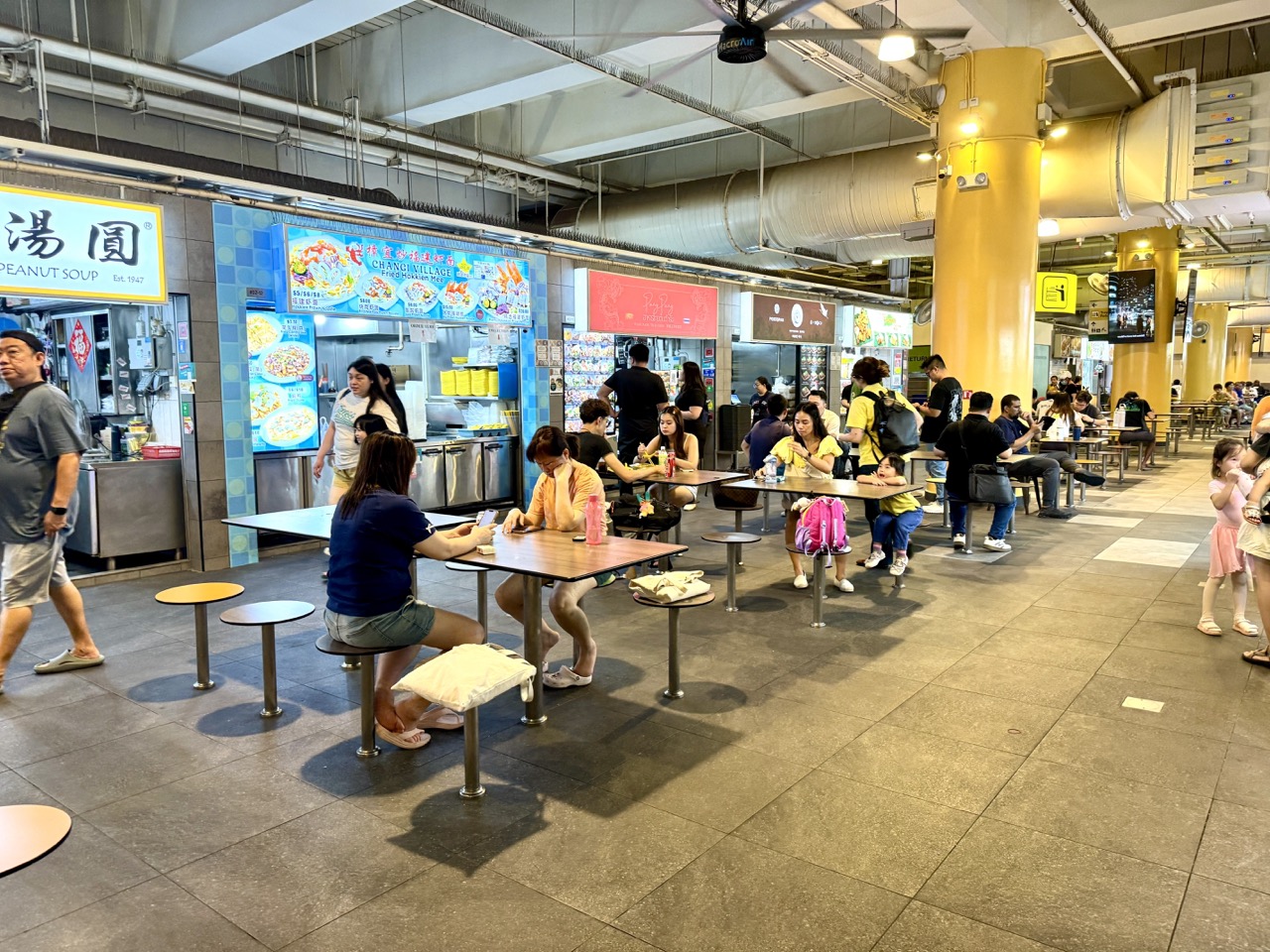
How can a Punggol family eat out safely when a child or adult has a food allergy? Identify the allergen clearly, check ingredients every time, and ask the food seller whether the dish and its preparation can avoid the ingredient and cross-contact with other foods. Singapore Food Agency (SFA) guidance covers allergens including cereals containing gluten, crustaceans, eggs, fish, peanuts, soybeans, milk, tree nuts and sulphites above the stated threshold. On prepacked food, known allergenic ingredients must be declared according to Singapore’s labelling rules. At a hawker stall, restaurant, bakery or food-delivery outlet, however, a written menu is not a guarantee that every ingredient, garnish, sauce or shared cooking utensil is free of the allergen. If the seller cannot verify a safe preparation, choose another meal rather than asking them to guess.
What if an allergic reaction occurs? Mild symptoms and severe anaphylaxis are different situations, and a reaction can worsen quickly. Signs of severe anaphylaxis can include difficulty breathing, persistent coughing, throat or tongue swelling, hoarse voice, faintness or collapse. Call 995 for a medical emergency in Singapore. If the person has been prescribed an adrenaline auto-injector for such emergencies, follow their individual medical action plan and device instructions promptly; the patient still needs urgent medical evaluation even if symptoms improve. A family should never use a restaurant’s reassurance, a medication from another person or a vague online allergy test as a replacement for clinical advice. This guide helps parents prepare everyday outings, birthday meals, school events and Punggol hawker visits without turning every meal into an emergency.
- First step: know the diagnosed or suspected allergen and any clinician-provided emergency action plan.
- Prepacked food: read the complete ingredient list, including allergen declarations, every time the product is bought.
- Precautionary labels: statements such as ‘may contain’ can signal cross-contact risk; do not ignore them without appropriate advice.
- Eating out: ask about the ingredients and preparation process; if the staff cannot confirm, select a safer alternative.
- Cross-contact: shared pans, tongs, fryers, counters, oils and utensils may transfer trace allergens.
- Halal, vegetarian, vegan: these labels address different criteria and do not automatically establish an allergen-free dish.
- Delivery: use the allergy note if provided, but obtain confirmation from the outlet rather than trusting a note alone.
- Children: inform responsible caregivers and teachers, and ensure they know the medically prescribed emergency procedure.
- Emergency: severe breathing, throat or circulation symptoms require urgent care; call 995 and use prescribed adrenaline as directed.
- Official guidance: SFA Food Allergy and Intolerance and HealthHub Adrenaline Auto-injector.
Allergy, intolerance and food preference are not the same
It helps to use precise words. A diagnosed food allergy involves an immune response to a substance and may be serious even when only a small amount is encountered. Food intolerance may cause uncomfortable symptoms through a different mechanism. A person may also avoid an ingredient for religious, ethical, medical or taste reasons. These are all legitimate dietary choices, but the steps needed to prevent anaphylaxis are not interchangeable with ordinary menu preferences. A food seller needs to know the relevant risk rather than simply hearing that a family ‘does not like nuts’.
Parents sometimes notice a rash or stomach ache after a meal and assume a particular ingredient is the cause. Several things can produce similar symptoms. Do not eliminate large food groups or make a permanent diagnosis based only on one incident without appropriate assessment. A qualified clinician can discuss the history, decide whether allergy testing is useful and explain what to avoid. Unverified home tests or social-media diagnosis lists can result in unnecessary restrictions or false reassurance.
For a child with a confirmed allergy, use the terms provided by the healthcare professional. If the diagnosis is peanut allergy, say ‘peanut’ rather than simply ‘nuts’ unless the clinician has advised broader avoidance. If several allergens must be avoided, write them down clearly. A stall assistant should not have to infer which foods are risky based on a parent’s vague statement that the child has a ‘sensitive stomach’. Clear communication improves the chance of a useful answer.
Respect the person’s autonomy and dignity. A teenager who knows their own allergy should be encouraged to ask sensible questions, but should not be expected to negotiate alone with an unfamiliar food stall when the risk is high. A grandparent may want to help by preparing traditional food; give them clear, respectful ingredient and cross-contact instructions instead of assuming their familiar recipes are either always safe or always unsafe. Families function better when everyone understands why the precautions matter.
Recognise the common allergen groups on Singapore food labels
Under Singapore Food Regulations, prepacked food manufacturers must declare ingredients used and specified ingredients that may cause hypersensitivity. SFA lists cereals containing gluten, crustaceans, eggs, fish, peanuts and soybeans, milk, tree nuts and sulphites at the relevant threshold among the groups requiring declaration. These categories have many ingredient names and derivatives. For example, a crustacean allergy may be relevant to prawn paste or shrimp ingredients in sauces, while egg may appear in mayonnaise or a bakery glaze.
Read the entire ingredient list, not just the product name on the front. A biscuit described as chocolate-flavoured may contain milk, soy or nuts. A savoury sauce may use fish, shrimp or a wheat-containing thickener. A plain-looking bakery item may contain butter, egg or shared-process traces. The exact risks depend on the diagnosed allergen. The household should learn the alternate names relevant to its medical guidance rather than memorise unrelated ingredient lists.
Manufacturers sometimes update formulations. Packaging colours can remain familiar while ingredients change. Check the label each purchase, including imported products and a new pack size of a favourite snack. A family member who bought the product safely several times is not a substitute for the current ingredient declaration. If the label is damaged or lacks sufficient information, do not assume that a harmless-looking product has no relevant allergen.
Distinguish ingredients from precautionary allergen labelling. A statement such as ‘may contain peanuts’ or ‘made in a facility that handles tree nuts’ warns of possible unintended contact during manufacturing. SFA explains the rationale and risk-assessment approach for these precautionary statements. They should not be interpreted casually as decoration, nor as a guarantee that every unlabelled product has zero cross-contact risk. Ask the relevant clinician for guidance that suits the person’s diagnosed severity and avoid improvising personal thresholds.
How to ask at a hawker centre without embarrassing anyone
One Punggol, Punggol Coast and other local food centres give families many choices, but they may contain shared spaces, busy counters and complex recipes. A parent should ask a specific question before ordering: ‘My child has a diagnosed prawn allergy. Does this dish contain prawns, dried shrimp, shrimp paste or a sauce made with them?’ Then ask whether shared utensils, oils or preparation areas create a cross-contact risk. A short, specific enquiry is more useful than demanding that a stall guarantee ‘no allergens whatsoever’.
Choose a time when staff can respond carefully if possible. During a rush, someone taking payment may not know all the ingredients. It is reasonable to request that the cook or person responsible for ingredients confirms the answer. If nobody is confident, thank them and choose elsewhere. The goal is safe information, not to pressure a small business to promise what it cannot know. A seller who says ‘I cannot guarantee it’ may be giving the most honest and helpful answer.
Watch for sauces and garnishes. A bowl can appear free of a trigger ingredient while a dressing, stock, topping or side sauce contains it. Examples include prawn-based condiments, peanut-containing sauces, eggs used for coating, dairy in desserts or a fish-based stock. Do not assume removing a visible garnish eliminates traces already present in the dish. If cross-contact could be important, a new plate or spoon alone may not address the shared preparation equipment.
Explain the situation calmly to an older child. They can learn to read menus and ask a question, but an adult should verify high-risk choices. A child embarrassed to mention an allergy may accept food from a friend without understanding the ingredients. Practise a simple sentence at home: ‘I cannot eat foods with [allergen]. Can you check with the cook?’ This creates confidence while preserving the rule that uncertain food should not be eaten.
Cross-contact: the risk that is not visible on the plate
Cross-contact happens when a small amount of an allergen reaches another food through equipment, hands, surfaces or cooking processes. A stall may prepare a nominally peanut-free meal but use the same spoon for a peanut sauce, or fry food in oil used for other allergen-containing ingredients. An ingredient list may be accurate for the intended recipe while the preparation environment is not suitable for a particular highly sensitive diner. This is why a restaurant’s recipe and its actual kitchen practice both matter.
In a home kitchen, manage cross-contact with properly cleaned tools, separate utensils where necessary, labelled ingredients and a sensible preparation order. SFA recommends keeping allergenic ingredients distinct and cleaning affected surfaces and equipment appropriately. A family does not necessarily need an entirely separate kitchen, but it should follow individual clinical advice and understand where ordinary practices are insufficient. A used spoon dipped into the wrong sauce should not be returned to a ‘safe’ dish.
Avoid assuming that scraping or washing an obvious nut off food will make it safe. The allergen may have touched the dish throughout preparation. Heating does not reliably make all allergens harmless. For severe allergy management, following a medically informed avoidance plan is safer than experimenting with how much cross-contact a person can tolerate. Do not test tolerance during a family outing or birthday party.
When buying shared snacks, consider packaging and communal bowls. A container of mixed snacks may transfer traces through hands and utensils. Individual sealed portions with verified ingredients can reduce some risks. An adult may also decide to provide a separate, clearly labelled snack for the allergic child. That is not exclusion; it is a practical way to allow the child to participate without relying on uncertain food.
A special caution about halal, vegetarian and vegan labels
Halal certification addresses religious food requirements, not the absence of every allergen. A halal-certified dish may still contain peanuts, eggs, dairy, fish or wheat. Vegetarian food may contain eggs or milk, while vegan food may use nuts, soy or wheat. A ‘plant-based’ label does not prove safety for a child allergic to tree nuts or soy. Ask about the actual relevant ingredients and cross-contact, even when the menu’s general dietary label sounds reassuring.
Likewise, a ‘gluten-free’ claim focuses on gluten-related content and does not establish that a product is free from milk, egg or peanut. A family should avoid relying on one label to answer a different dietary question. An establishment may sincerely comply with one dietary certification while lacking the ability to promise absence of an unrelated allergen. The important question is whether the relevant allergen and preparation risk have been assessed.
For children with multiple dietary restrictions, a simple written list can be useful when travelling or visiting relatives. Include the relevant ingredient names and what the family knows to be safe. Avoid handing a stall an entire medical history; only the information needed for food safety should be shared. If the list is complex, ask a dietitian or clinician how to maintain adequate nutrition while avoiding the required allergens.
Food delivery: a note in the app may not reach the cook
Delivery platforms often provide fields for special instructions. These can help, but they may be displayed differently to the restaurant and rider. A field that appears on the customer’s screen does not guarantee the kitchen acknowledged it. If an allergy requires a confirmed preparation process, contact the restaurant through its verified channel before placing an order. Choose another seller if it cannot give a reliable answer. A free-text note should never be treated as a legally or medically sufficient safety certificate.
Check whether ingredients and accompaniments are packaged separately. Sauces, side dishes, drinks and desserts can contain different allergens. If the order arrives with an unidentified item or a substitution, do not assume the replacement has the same ingredients. Contact the outlet instead of asking the child to take one bite and see. Refund eligibility and food safety are different issues; a customer may seek a refund while still needing to avoid consuming uncertain food.
When ordering food for a group, keep the allergic person’s meal identifiable. Bags may contain several similar boxes. Confirm the order name, receipt and packaging before distributing food. Do not let children swap dishes casually. The person opening the bags should know which items are for whom and whether the seller confirmed the allergen question. Clear labelling is especially important during family gatherings when several adults are helping.
Keep receipts and relevant communications if there is a serious safety concern. Provide factual information to the platform or SFA where appropriate rather than publishing unsupported accusations. If someone has a suspected allergic reaction, medical care takes priority over a complaint or refund. Preserve information about the food only insofar as it can be done safely without delaying care.
Birthday parties, school functions and family gatherings
Celebrations can be difficult because food is shared freely and ingredients are not always obvious. Speak with the host early and explain the specific allergy. Ask whether the child’s food can be prepared separately under suitable conditions, or offer to bring a verified alternative. A host who is uncertain about cross-contact should not be pushed to make guarantees. A child can still enjoy the event while eating a meal their caregivers have checked.
For birthday cakes, ask about nuts, dairy, egg, soy and other relevant ingredients, as well as the bakery’s shared equipment. Decorative sweets, toppings, fillings and frostings may contain additional allergens. A cake sold as ‘eggless’ is not automatically free of dairy or nuts. Where a bakery cannot reliably control the relevant risk, an alternative dessert or non-food activity may be safer. A family’s goal is to celebrate, not force a particular food tradition.
At school functions, coordinate with teachers and the school’s established health policies. Do not rely on an informal message in a class group as the only way to inform responsible adults about a serious allergy. Provide the medically prescribed action plan and any authorised emergency medicine arrangements through the proper school process. Check which staff members need to know, including those supervising excursions or CCA activities. A teenager can also practise explaining their needs to unfamiliar adults.
For intergenerational family gatherings, discuss ingredients respectfully. A grandparent may not realise that shrimp paste is present in a familiar dish or that a dessert uses nut meal. Rather than accusing the cook of carelessness, explain that a small amount may matter and ask the person to identify every relevant ingredient. If that cannot be done, provide another food. Clear boundaries can coexist with gratitude for the effort of cooking.
Children in preschool, primary and secondary school
A preschooler is too young to manage every allergy decision independently. Teachers and carers need the correct information, including safe snacks, medical contacts and authorised emergency procedures. Parents should not assume that a young child can reliably decline every offered sweet or meal. Use simple age-appropriate rules such as ‘only eat the food Mum, Dad or your teacher has checked for you’, together with consistent support from adults.
A primary pupil can learn to recognise ingredient labels, ask for help and avoid swapping food. Practise what to do when classmates offer unknown snacks. Emphasise that refusing food is not rude and that telling a teacher about a symptom is not causing trouble. An older child may worry about feeling different; listen to that feeling while maintaining safety. Provide a suitable treat for group celebrations so precautions do not always feel like exclusion.
Secondary students can take more responsibility for ordering and explaining their allergies, but new environments may introduce risk. Mixed classes, CCA training, camps, school outings and takeaway food after lessons involve adults who may not know the student well. Review the individual’s medical action plan when transitioning schools, and ensure the student knows how to access prescribed emergency medicine under school and healthcare arrangements. Independence grows with rehearsal and reliable support.
Food allergy management should never become bullying material. A classmate should not tease, expose, threaten or deliberately offer food containing an allergen. Teachers need appropriate information to respond to unsafe behaviour while respecting the affected child’s privacy. Serious incidents should be addressed according to school safeguarding procedures, not dismissed as ordinary jokes.
Know the emergency signs without trying to diagnose them yourself
A mild reaction may include local itching, skin changes or limited discomfort; however, severity can change quickly. Signs of potentially life-threatening anaphylaxis can include throat tightness, persistent cough, wheezing, breathing difficulty, a hoarse voice, faintness, collapse or a significant change in consciousness. These are emergencies requiring prompt professional response. A person may not exhibit every symptom or a visible rash. Do not wait for a perfect checklist before seeking help when the person is seriously unwell.
KK Women’s and Children’s Hospital’s Project SAFE teaching material directs caregivers of children with severe reactions to follow their prescribed adrenaline auto-injector plan, call 995 and avoid standing the child up during the emergency. Positioning should follow the medical action plan and emergency operator’s instructions, considering breathing and the person’s condition. A general article should not replace practical instruction from a clinician or trained professional.
HealthHub’s adrenaline auto-injector guide provides instructions for EpiPen and EpiPen Jr, including use at the outer thigh, checking the expiry and seeking urgent medical care afterward. The prescriber selects the appropriate strength for the patient. A family should obtain a demonstration, ensure relevant caregivers know where the device is and understand that an auto-injector is not an alternative to emergency evaluation. If a severe reaction occurs and the prescribed device is available, use it according to the individual’s action plan.
Do not use an antihistamine as a substitute for prescribed adrenaline during anaphylaxis or wait for a minor symptom to become unmistakable. Likewise, do not administer someone else’s prescription or repeat a dose without the applicable medical guidance. If the person collapses or stops breathing, follow emergency dispatcher instructions and obtain appropriate resuscitation help. First-aid training is worthwhile, particularly for adults responsible for children with a known severe allergy.
Store and carry prescribed emergency medicine properly
An adrenaline auto-injector must be available when needed, not left at home during the outing when the child eats with relatives. Store it according to the product’s instructions, protected from excess heat, moisture and inappropriate cold; HealthHub says not to refrigerate or freeze it. Check the viewing window and expiry date as directed. If it has changed appearance or expired, arrange timely replacement with the healthcare professional or pharmacy rather than waiting for an incident.
Agree who carries the device during different activities. For a younger child, a responsible adult should know exactly where it is. For an older student, school policy and the person’s abilities may shape the arrangement. A medical action plan should specify the circumstances for use and what happens afterward. Do not rely on a substitute caregiver recognising the device from a photograph without a proper handover.
When travelling, keep essential medicine accessible and follow manufacturer temperature requirements. A backpack left in a parked car under the sun may expose it to excessive heat. Ask a pharmacist how to transport the specific device for a long outing. Carry the appropriate written instructions where helpful. The household should not have to search several bags while somebody is having trouble breathing.
A used auto-injector is a sharp medical item. Follow the prescribed safe disposal procedure and pharmacy advice, and arrange replacement afterward. Do not put an exposed needle in ordinary loose rubbish. HealthHub explains how to use an appropriate puncture-resistant container and return the device to the supplying pharmacy where applicable.
A practical eating-out plan before leaving home
Before the outing: confirm the relevant allergen, bring any prescribed emergency medication and select possible places whose food can realistically be checked. Decide on an alternative if the first stall cannot confirm ingredients. For a young child, bring a safe snack so hunger does not pressure the family into a risky choice. Check that another adult knows the emergency action plan when the main caregiver is absent.
At the counter: explain the specific allergen and ask about ingredients, sauces, stocks and cross-contact. Do not assume the cashier knows the preparation; request clarification from a knowledgeable person if needed. If the reply is uncertain, decline that dish politely. Do not pressure staff into promising zero risk merely to complete a sale.
Before eating: verify that the correct food arrived and that there were no substitutions or unexpected sauces. Check packaging for prepacked additions. Remind a child not to sample a friend’s food or share a spoon. When hosting several children, let the adult responsible for the allergic child’s food verify it before distributing treats.
Afterward: watch for any concerning symptoms according to the medical plan, and seek urgent help for severe symptoms. If no problems occur, note which seller was able to answer questions clearly, but do not assume that the next visit will automatically use identical ingredients. Recipes and suppliers change. A short list of places that have previously handled an enquiry well can be useful starting points, not lifelong guarantees.
How to discuss allergy risk without making children frightened of food
Children need confidence, not constant panic. Explain that certain foods are unsafe for their body and that adults can help them choose safe alternatives. Practise the questions in a calm setting before a busy restaurant visit. Praise a child for asking rather than for simply avoiding every unfamiliar food. They can still enjoy a broad range of suitable meals, take part in celebrations and learn about nutrition with professional guidance where needed.
For a child with multiple restrictions, involve a qualified dietitian if recommended so nutritional adequacy is not overlooked. Families sometimes remove entire categories based on fear or ambiguous online tests. This can create stress and unnecessary dietary limitations. A proper diagnosis and management plan clarify which foods to avoid and which can remain in the child’s diet. Do not attempt deliberate allergen reintroduction without the clinician’s advice.
When relatives disagree, use an official source and the child’s care plan to explain the risk. An adult who says ‘we never had allergies in our day’ may not appreciate that a small exposure can trigger serious illness. Calmly set the rule that no one should secretly give the child an unapproved food. Family trust is improved by predictable boundaries rather than arguments at the dinner table.
Older children may want to eat with friends without an adult standing beside them. Teach them to check ingredient information, communicate with vendors, bring prescribed medicine as appropriate and contact trusted adults. Independence can be expanded when the person demonstrates readiness and understands the plan. A family should not withhold all social activities automatically, but neither should it ignore the seriousness of a known allergy.
Three Punggol family examples
Example one: a child with prawn allergy at a hawker centre. The parent asks whether a noodle dish contains fresh prawns, dried shrimp, shrimp paste or seafood stock. The stall is unsure about the stock. The family selects a different verified meal rather than asking the cook to scoop out visible prawns. This is a straightforward decision built on ingredient information rather than anxiety.
Example two: a birthday cake labelled egg-free. The child also has a dairy allergy. The family checks the full ingredients and bakery’s cross-contact arrangements rather than assuming egg-free also means dairy-free. If the bakery cannot verify the required controls, they arrange a different safe treat so the child can participate in the party without relying on an unsafe guess.
Example three: a teen orders dinner through an app. They enter the allergen in the notes but receive no confirmation. Instead of assuming the note was read, they contact the outlet or choose another food. They tell their parents about uncertainty and keep prescribed emergency medicine available. The household treats this as responsible independence, not unnecessary fuss.
Frequently asked questions
Does a halal or vegetarian label mean food is allergy-safe?
No. Halal, vegetarian and vegan labels address different criteria. Food may still contain nuts, soy, eggs, milk, wheat or other allergens, and preparation may involve cross-contact.
Do Singapore packaged foods need allergen declarations?
Specified allergenic ingredients must be declared under Singapore’s Food Regulations. Check the entire current ingredient list and precautionary statements relevant to the diagnosed allergy.
What does ‘may contain peanuts’ mean?
It is a precautionary statement about possible unintended allergen cross-contact. SFA describes its risk-assessment basis; families should follow individual clinical advice when deciding what can be consumed.
Can I ask a hawker stall to remove a dangerous ingredient?
You can ask, but removing visible pieces may not remove allergens already present in sauces, stocks or shared utensils. If the seller cannot confirm an appropriate preparation, choose another dish.
Is the same cooking oil always safe?
Not automatically. Shared fryers and oils can create cross-contact with other ingredients. Ask the kitchen about actual preparation where this matters for the allergy.
Is a delivery allergy note enough?
No guarantee. Seek direct confirmation from the outlet when necessary and check the delivered food for substitutions or unidentified sauces.
Should a child with allergy always avoid birthday parties?
Not necessarily. Plan safe food, communicate with responsible adults and follow the medical action plan. Social participation can be supported without taking avoidable food risks.
What signs suggest anaphylaxis?
Potentially serious signs include breathing difficulty, throat tightness, persistent cough, significant swelling, faintness or collapse. These require urgent medical help.
Should I call 995 after using an EpiPen?
Yes for a severe allergic emergency. Follow the prescribed plan and seek urgent medical assessment even if symptoms initially improve.
Can an antihistamine replace adrenaline for anaphylaxis?
No. Antihistamines are not a substitute for prescribed adrenaline during a life-threatening allergic reaction. Follow the clinician’s plan and emergency guidance.
Should an adrenaline auto-injector be kept in the fridge?
HealthHub says it should be protected from heat, cold, light and moisture and not refrigerated or frozen. Follow the actual product instructions.
Can a child grow out of a food allergy?
Some allergies change with age, but that cannot be determined by tasting the food at home. A qualified clinician should advise on reassessment and any supervised challenge.
How do I tell school staff about an allergy?
Use the school’s established health-information and action-plan process, including emergency contacts and prescribed medication arrangements. Inform adults responsible for outings and CCAs where relevant.
What if a restaurant cannot guarantee a safe dish?
Thank the staff for being clear and choose an alternative. An honest statement of uncertainty is more useful than an unsupported assurance.
Official sources and connected Punggol guides
- Singapore Food Agency: food allergy in individuals and retail enquiries
- Singapore Food Agency: allergen ingredients, labelling and cross-contact
- HealthHub: prescribed adrenaline auto-injector and emergency guidance
- HealthHub: emergencies in children, including anaphylaxis
- SCDF: medical emergency number 995 and first aid information
- eduKate: food safety at home and safe food handling
- eduKate: food delivery and consumer issues
- eduKate: complete Punggol Lifestyle hub
Reviewed November 2026 against SFA, HealthHub and Singapore emergency guidance. This is general information, not a diagnosis, treatment plan or guarantee of the safety of a specific restaurant. Follow personalised clinical advice, current food labels and the responsible outlet’s verified preparation information.


