
What should you do when a food delivery order is late, incomplete or missing in Punggol? Check the order’s actual status, compare the receipt with the items received, photograph a genuine error where appropriate and contact the same platform or restaurant through its official help process. A late delivery, an order never delivered, missing food, a wrong item and a customer who changes their mind after the restaurant accepts the order are not identical refund situations. Save the order number, payment record and time, and do not send your banking password or OTP to somebody claiming to be a rider or support agent.
Food safety matters as much as refund policy. The Singapore Food Agency (SFA) says delivery businesses must transport ready-to-eat meals without compromising food safety, following the relevant laws. Its guidance refers to Singapore Standard SS 672:2021, which emphasises clean packaging, separation from raw food and maintaining suitable hot or cold conditions. When your meal arrives, receive it promptly, inspect packaging and consume or refrigerate food as appropriate. A meal left unattended on a warm HDB corridor floor for a long time is not made safe by the fact that an app says ‘delivered’.
- First check: confirm the exact order, outlet, Punggol address, block, unit and delivery instructions.
- Late order: read the live delivery status and contact the platform or restaurant through its genuine help centre.
- Missing item: keep the receipt, identify precisely what is missing and provide suitable photographs if the platform requests them.
- Wrong delivery: do not consume another person’s meal or expose their personal order details publicly.
- Cancellation: rules may change after the restaurant accepts and starts preparing an order; check the actual platform terms.
- Fees: compare menu price, delivery, service fees, small-order charges and discounts before paying.
- Food safety: avoid unsafe temperature exposure, compromised packaging or prolonged doorstep storage.
- Rider access: give a lawful precise entrance and instructions without demanding riding on prohibited footpaths.
- Children and dietary needs: verify allergens, halal status or other important suitability with the actual provider.
- Account safety: use the official app and do not provide Singpass, bank details or one-time codes to a stranger.
Before placing a food order in Punggol: five details that matter
Begin with the genuine delivery address: the correct building, full postal code, block and unit, plus a legitimate contact method. Punggol Coast, Punggol Central, Punggol Field, Oasis, Northshore and Sumang are distinct precincts. Some developments have separate tower entrances, while a service provider may display a business name rather than its exact pickup unit. A small location mistake can cause a long delay or failed delivery.
Then verify the restaurant, the selected branch, the menu, quantity and any option such as spice level, sauce or packaging instructions. A restaurant operating from a mall or hawker centre may have different delivery availability from its walk-in opening hours. Do not assume a photo of a storefront from last year confirms that the current branch accepts orders at 11pm.
Choose a realistic delivery time. A person who will be in transit when the rider arrives may need to schedule differently, particularly if the meal contains raw seafood, chilled dairy or other temperature-sensitive items. Leaving it at a neighbour’s door or on an exposed floor is not an appropriate food-handling plan. The family should be able to receive and handle the meal safely.
| Order issue | What to check | Best next step |
|---|---|---|
| Wrong Punggol block or tower | Address, entrance, unit, postal code | Correct through genuine platform promptly |
| Late arrival estimate | Real-time status, restaurant acceptance, rider assignment | Contact app support and plan food safety |
| Missing side dish or drink | Itemised paid receipt | Official missing-item help process with evidence |
| Wrong meal delivered | Order labels and items | Contact provider without exposing another customer’s data |
| Unsafe packaging or temperature | Damage, leaks, handling and delay | Avoid unsafe consumption and report promptly |
| Unexpected checkout price | Service, delivery, packaging or small-order fees | Review before confirming payment |
One mistake is ordering from an outlet close to Waterway Point while giving instructions that refer to an entirely different landmark at Punggol Coast. The rider follows the address and the platform’s permitted route rather than a reader’s casual geographic nickname. A clear block and entry point are more useful than ‘near the playground’ when several similar spaces exist in the town.
Which Punggol food venues are relevant for delivery?
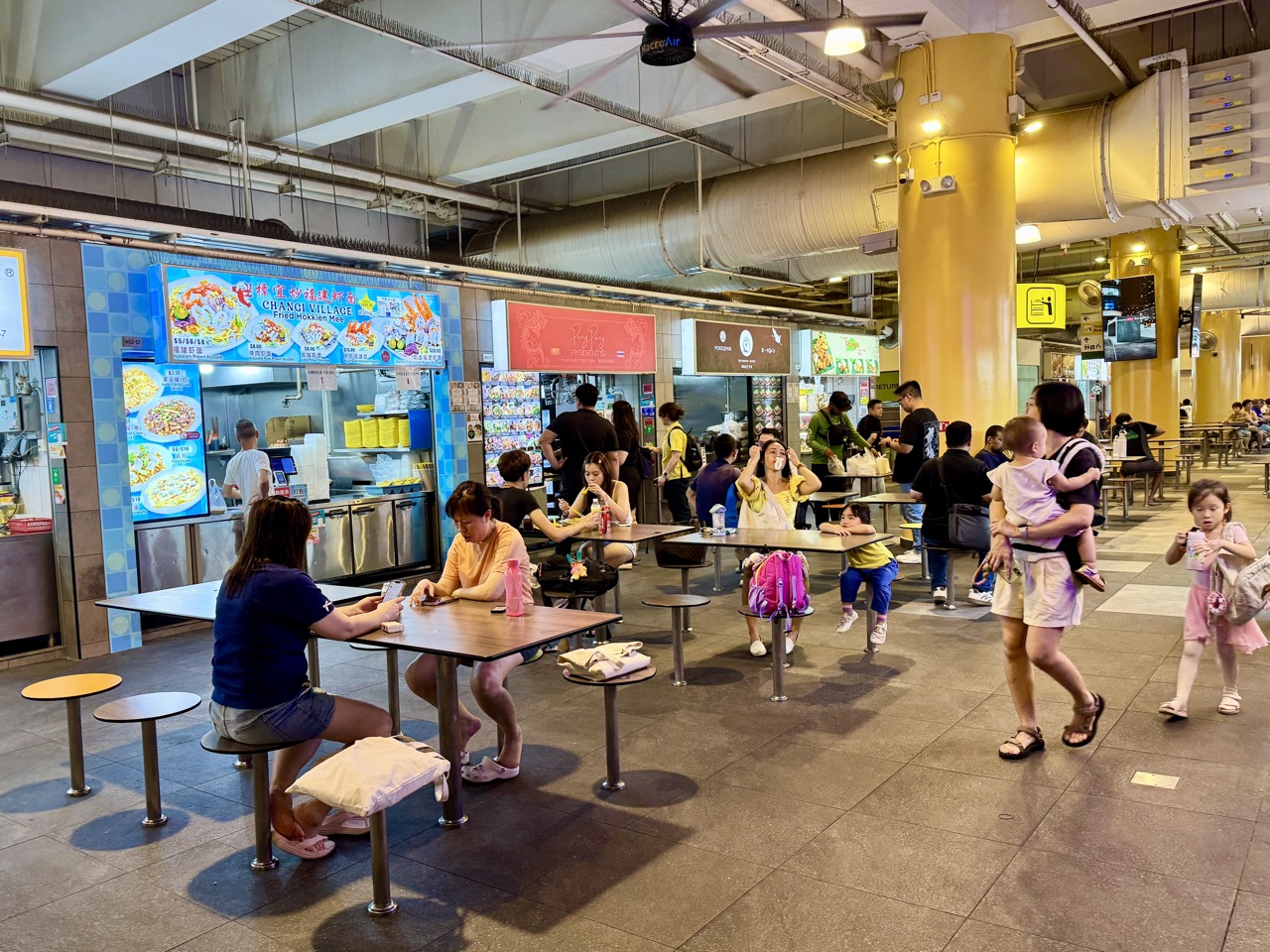
Residents may order from restaurants around Waterway Point, neighbourhood coffee shops, Punggol Plaza, Oasis Terraces, Northshore Plaza, One Punggol Hawker Centre and Punggol Coast Mall. Actual participation depends on the individual outlet and the delivery service at the time. A restaurant appearing in a general food guide is not evidence that it currently offers delivery to every HDB block.
For a direct order, check the business’s current website or legitimate contact. For a delivery platform, verify that the displayed branch and item are what you intend to buy. Some brands have multiple locations, and a wrong branch may change availability or fee. A nearby outlet on the map does not always mean the rider can travel in a straight line because roads, paths and access rules vary.
When a family needs a particular meal for cultural, medical or dietary reasons, the most important factor is whether the seller can confirm it, not whether the delivery app displays an appealing photograph. Ask about ingredients, allergens and halal certification where required. Packaging appearance alone cannot prove that a meal meets a serious dietary condition.
The real price of food delivery is more than the menu price
Delivery platforms may display a menu price, delivery fee, service fee, small-order surcharge, optional priority charge, packaging cost or subscription benefit. These are commercial terms that can change by account, time, merchant and promotion. The correct comparison is the total at checkout before the final confirmation, including any minimum spend and discount conditions.
Imagine two Punggol dinner choices. The first costs S$18 in food with S$5 in combined fees; the second costs S$20 with no extra fees. The first option’s headline meal is cheaper but the final total is S$23 versus S$20. This is a hypothetical arithmetic example, not a real price quote from a platform. Families should compare their actual checkout totals rather than assume a lower menu price guarantees a lower bill.
Promotions sometimes require a certain payment method, subscription, order size or limited group of merchants. A family should not purchase more meals than it can safely eat merely to cross a minimum spend threshold. A discount on unwanted food or an unused subscription can worsen the monthly budget instead of improving it.
Delivery subscription: when does it really save money?
A paid membership may reduce certain delivery or service charges, but the benefit depends on how frequently eligible orders are placed. Read the recurring price, trial expiry, participating merchants, minimum purchase and cancellation rules. A subscription may not cover all fees or all restaurants. Do not assume that a marketing label saying ‘free delivery’ removes every checkout charge.
A simple method is to compare three or four ordinary weeks of actual delivery expenses with what the same orders would have cost under a membership, including the subscription fee. If the household rarely orders, an ongoing membership may be unnecessary. If people order often for legitimate care or work reasons, it may be worthwhile under the actual conditions.
Set a calendar reminder to review a free trial before it renews. This is a practical step, not an accusation that subscriptions are bad. The goal is to make a deliberate decision rather than forget an expense that appears in the bank statement each month.
Delivery versus buying a meal nearby
A resident within a short accessible walk of One Punggol, Waterway Point or a neighbourhood coffee shop may save fees by collecting food personally. But that is not always the better choice. A parent caring for an ill child, a person with limited mobility or an adult working a late shift may value delivery enough to pay for the service.
The full comparison includes the person’s time, transport cost, weather, safety and energy. A long exposed walk during thunderstorms is not worth saving a small fee. Equally, ordering a single drink from a nearby retailer every evening can be expensive when a short walk is safe and practical. Neither behaviour is universally right.
Families can combine methods: home cooking most weekdays, takeaway collection when convenient and delivery on days when it genuinely helps. A sustainable food routine is one that fits work, care and financial constraints without relying on one expensive option every day.
SFA rules for delivering ready-to-eat meals
SFA explains that food delivery businesses must ensure transport does not compromise food safety. Its guidance refers to Singapore Standard SS 672:2021, which covers ready-to-eat packaging, handling during delivery, emergency preparation and traceability. This applies across relevant services, including restaurant self-delivery and platform delivery. A food delivery worker generally does not need the same WSQ food-handler course as staff who prepare meals, but this does not remove the operator’s food-transport responsibilities.
Meals should be packaged to reduce contamination and managed at suitable hot or cold temperatures during transport. Raw and ready-to-eat foods should be kept separate. Riders should use appropriate food-safe insulated bags and keep containers clean. A restaurant’s preparation practices and the delivery process are both important to the meal’s safety when it reaches the family.
MSE’s 2024 parliamentary reply emphasises that delivery platforms and food businesses are responsible for safe transport even in extreme weather. Consumers can help by checking and storing food properly on receipt. Heat, rain and delays can increase concerns, but the safety of a particular meal must be assessed from its handling and condition rather than assumed from a travel-time estimate alone.
What to check when a meal arrives
Check that the order and packaging appear correct and intact. Look for obvious spills, signs of contamination or unexpected food substitution. Where a concern is serious, do not consume the food merely because the order has already been paid. Photograph the relevant condition, contact the platform or restaurant promptly and follow appropriate food-safety advice.
Receive hot and chilled food as soon as practical. Avoid leaving a food bag at the door during a long video call or shopping trip. A meal on a warm HDB corridor can be exposed to temperature changes and dust. If no one can collect the delivery promptly, choose a suitable delivery time or collection arrangement instead of expecting the rider to supervise it.
For leftovers, use appropriate refrigeration and reheating practices. A takeaway container does not make food shelf-stable. The household should follow SFA’s guidance on storage temperatures and consumption, especially for young children, older relatives and anyone with increased health vulnerability.
Rain and hot weather: practical food-delivery adjustments
Punggol can experience heavy rain, lightning and hot humid weather. These conditions can delay riders and affect handling. A family should not demand that a rider speed through a thunderstorm or break traffic laws to meet an app’s earlier estimate. Check the live status and allow a realistic fallback meal where possible.
If a delay is significant, ask the seller or platform about the order’s condition and policy. A customer should not assume a meal remains safe simply because the app shows a green ‘completed’ label. If the food has been held unsafely, appropriate rejection and reporting may be needed. Equally, a short delay does not automatically prove contamination; the actual food condition and proper handling matter.
Where there is lightning, an exposed walkway or roof is not a safe shortcut for a rider or customer. A delivery instruction should point to the correct covered authorised entrance when available, not force someone onto a closed or unsafe path. Human safety takes precedence over rushing to eat five minutes earlier.
Contactless delivery and where the food can be left
Contactless handover may be useful for certain households, but it requires a safe and agreed location. A common HDB corridor is shared property. Food should not be placed where it blocks the door, lift, wheelchair route or a neighbour’s access. SFA’s food-safety guidance emphasises protecting ready-to-eat food from contamination during the process, including the handover.
If a door is inside a crowded public or commercial building, follow the legitimate building entry rules. Do not ask a rider to leave food inside a restricted office or somewhere staff have not authorised. A clear agreed pickup point can prevent repeated calls and preserve the privacy of both customer and worker.
After receiving an order, remove waste and packaging properly. An empty food container left outside a flat can attract pests and inconveniences neighbours. Households should use the correct refuse facilities and separate eligible clean packaging where local recycling rules permit.
Late food delivery: diagnose the stage before complaining
A delivery can be delayed before the restaurant accepts the order, during preparation, while waiting for a rider, or on the final journey. These stages may have different service and cancellation rules. Check the app’s actual status and whether the seller has confirmed preparation before requesting a remedy. A generic message saying ‘it is late’ without the order number may delay support.
Give the platform a clear factual account: order number, promised or displayed estimate, current time and whether the rider contacted you. Avoid making accusations about a worker’s intentions. A rider may be delayed by weather, a building entrance or another legitimate access issue. The platform and merchant are responsible for applying their policies to the real transaction.
If an urgent meal is needed for a child or someone with a medical condition, do not rely indefinitely on an uncertain delivery. Arrange a suitable safe backup as needed. Later use the official customer service process to resolve the order. A refund claim and the family’s immediate nutrition needs are separate problems.
Wrong order and missing items
Compare the bags and itemised receipt calmly. A missing sauce packet may have a different value and remedy from an entire missing main dish. Keep the order number, a photograph of what arrived and any clear packaging labels when appropriate. Do not include another customer’s full name or address in a public complaint.
Contact the platform or direct restaurant through its own official Help or Support screen. State exactly which paid item is missing or wrong, and ask for the applicable resolution. Some providers may offer a replacement, refund, credit or another remedy. A customer should not declare a specific outcome guaranteed before the actual terms and investigation are applied.
Do not eat another person’s meal while waiting for correction. If an order label clearly identifies a different customer, protect their privacy and report the error. A mistake in delivery does not make it acceptable to share personal order details to a neighbourhood chat group.
Cancellation and refunds: why timing matters
Foodpanda’s current Singapore terms distinguish cancellation before vendor acceptance from cancellation after acceptance. The terms describe circumstances under which an accepted order may not be refundable simply because the customer decides to cancel, subject to platform discretion and relevant law. Other platforms and direct restaurant orders have their own rules. Always check the actual contract rather than assume every order can be cancelled for free until delivery begins.
A genuine non-delivery, food-quality issue or incorrect item is not the same as an ordinary change of mind after food has been prepared. The support process should assess the actual problem. Keep evidence and communicate truthfully. A chargeback or bank dispute may be relevant in certain circumstances, but the household should follow legitimate bank and merchant processes rather than use a chargeback as an automatic first response to an inconvenient wait.
McDonald’s Singapore’s own refund guidance asks customers reporting missing or late McDelivery items to provide the purchase time, amount, order number and description, with the appropriate support route. This illustrates why the original seller or operator matters: a problem with direct McDelivery should not automatically be sent to a different delivery platform merely because both deliver meals.
What if the order is marked delivered but nothing arrived?
First check whether another household member received it, whether the instructions named a different entrance and whether a delivery photograph or message identifies the actual location. Do not enter another person’s flat or accuse a neighbour of theft solely because a bag is missing. Contact the platform immediately with a factual account and request the appropriate investigation.
For food that may have been taken by somebody else, the correct response depends on evidence and urgency. A platform support claim may be the immediate route for resolving the transaction. If there is genuine evidence of criminal theft or threats, a police report may be appropriate. Avoid publicly accusing a delivery worker without a fair opportunity to investigate a wrong-address or handover mistake.
After resolving the case, check whether the address was saved correctly in the app. If your HDB block has similar entrances or your household uses an uncommon tower label, a more precise lawful delivery note may reduce future failures. Do not share unnecessary personal security information or an unattended-home schedule.
Food allergies, halal meals and special diets
Important dietary needs must be verified with the actual restaurant or food provider. A platform’s category label, a photo or a previous customer review may not contain every current ingredient or preparation detail. For a severe allergy, ask about cross-contact risk and follow professional medical advice. If adequate information is unavailable, choose a safer suitable meal rather than assume the risk is acceptable.
Halal certification is specific to the relevant business and circumstances. A restaurant being inside a mall with halal options does not establish that every tenant or all food is certified. Check the named outlet’s current certification or appropriate confirmation. Vegetarian, vegan, religious and medically indicated diets may also have different requirements that cannot be resolved by one generic label.
When ordering for a group, identify restrictions in advance and keep separate items clear. A child should not be required to inspect all ingredients themselves. The adult organiser must ensure that ordering decisions are suitable and that any clinical care plan remains accessible.
Rider safety near Punggol MRT, One Punggol and HDB estates
Food-delivery riders may use ordinary bicycles, registered power-assisted bicycles or other lawful transport. These devices follow LTA’s active-mobility rules. An ordinary bicycle may use a normal footpath at an appropriate speed, while a PAB cannot ride on footpaths and must use roads or authorised cycling/shared paths. A customer should not demand a prohibited shortcut through a pedestrian-only area simply to save delivery time.
Near One Punggol Hawker Centre and Waterway Point, delivery pickup traffic can coincide with commuters, children and shoppers. Riders should dismount where instructed, keep clear of lifts and crossings and secure their vehicles in permitted spaces. Customers can support this by providing clear pickup or drop-off instructions rather than insisting that a rider enter restricted or crowded areas while mounted on a bike.
Do not park or leave delivery bags across an accessible HDB corridor. A person using a wheelchair or stroller may have no easy alternative. A few extra steps to a lawful authorised meeting point can make the handover safer for the entire neighbourhood.
Customer privacy and messages from supposed riders
A rider may need to call or message to find the block entrance. Keep communication within the authorised platform where available and share only information needed to complete delivery. Never provide banking passwords, Singpass OTPs or sensitive account recovery codes to someone claiming to be from delivery support. Payment verification should occur through the genuine service.
Be cautious if a person sends an external payment link, saying an extra S$1 redelivery charge is needed immediately. Check whether any legitimate fee appears in the official app and contact its help centre. Scammers can imitate platform branding and use urgency to obtain card details.
Do not reveal when the household will be empty or a child’s routine publicly in delivery notes. The correct block, unit and authorised entrance are normally enough. Protecting privacy does not require being unhelpful; it requires sharing the right information with the right party.
Group orders, office lunches and school events
Ordering for several people creates additional chances for errors. Record names, food choices, dietary restrictions and amounts before confirming the order. Check whether the merchant supports group ordering or separate labels. A large shared bag can make it difficult to identify which food is for a person with an allergy or special dietary requirement.
At a Punggol workplace or SIT Digital District office, identify the permitted delivery entrance and the actual receiving point. A security desk may not accept food on behalf of employees. Campus and workplace rules can differ from HDB delivery arrangements. A clear coordinator and agreed pickup time reduce congestion and lost meals.
For children, school events may have food policies, allergy protocols and authorised delivery rules. Do not send a rider directly to a school classroom without permission. Contact the teacher or appropriate school organiser and arrange the permitted handover.
Ordering groceries and ready-to-eat food: different handling needs
Some delivery services handle both supermarket groceries and prepared meals. Raw meat, frozen goods, fruit and hot food have different transport and storage requirements. A bag of chilled groceries should be unpacked and refrigerated promptly. A delivered ready-to-eat meal should be eaten or stored safely according to its condition and instructions.
If the order contains frozen food that has thawed during transport, do not simply return it to the freezer without assessing food-safety guidance. Similarly, a hot takeaway container that has sat in a warm corridor for an extended period may need to be discarded. The full handling history matters more than the packaging’s original label.
Delivery apps may substitute unavailable grocery items. Check the chosen substitution settings, especially for allergens, infant products or medically required diets. A cheaper replacement can be inappropriate even if the packaging is similar. Report unsuitable substitutions through the legitimate platform process.
Making food delivery part of a manageable Punggol budget
Many households do not need to eliminate delivery to save money; they need to know how frequently they use it. Track ordinary takeaways, subscription fees and delivery charges for one month. Compare this total with practical home cooking and nearby collection. A family with demanding shifts may choose a small number of planned delivery meals rather than several unplanned orders caused by empty cupboards.
Consider preparing a few easy safe meals and stocking ordinary groceries. This does not mean every parent must spend hours cooking after work. A combination of simple home meals, local hawker dining and occasional delivery may be more sustainable than a rigid rule. Food, time and the family’s wellbeing all count.
Set a delivery limit where useful, but allow real emergencies and caregiving needs. A person who is ill or unable to leave home may reasonably pay for safe delivery. Budgeting is meant to support sound choices, not shame people for using a service that helps them.
Four Punggol household scenarios
Scenario 1: a working parent receives the wrong dinner
The parent checks the itemised receipt, identifies the missing or incorrect main dish and uses the app’s proper support function, attaching appropriate proof. They arrange a suitable meal for the child rather than wait indefinitely for a resolution. Later they review whether the merchant or app offered a lawful credit, replacement or refund under its terms.
Scenario 2: a late rider cannot find a Northshore HDB block
The customer provides the complete block, unit and authorised entrance through the platform. They do not insist that the rider cross a pedestrian-only path illegally. Both parties agree on a safe handover point if the lift lobby or security arrangement requires it. The delivery is completed without creating a hazard for pedestrians.
Scenario 3: an older adult cannot collect an order promptly
The family schedules delivery when an authorised person is available or arranges an appropriate safe handover. Food is not left outside the flat for hours. A younger relative may help place the order with consent but should not take control of the person’s payment accounts or order unwanted meals.
Scenario 4: rain causes a very late hot meal
The household checks the live order status and considers whether the food remains suitable for consumption. It contacts support for a delayed or unsafe order and uses a backup meal if required. It avoids pressing the rider to take a dangerous shortcut in lightning. The outcome is handled through the operator’s policy, not assumptions about automatic compensation.
Common delivery mistakes in Punggol
- Entering a postal code for the wrong similarly named HDB block.
- Assuming an app’s estimated arrival time is an unconditional delivery guarantee.
- Ordering chilled food when nobody can receive it for several hours.
- Looking only at the menu price and overlooking service or small-order fees.
- Assuming a cancelled prepared order must always receive an automatic refund.
- Failing to record which paid item is actually missing from an order.
- Sharing a child’s medical allergy details with unnecessary strangers online.
- Asking a rider to break traffic or pedestrian-only path rules.
- Entering card details through a link outside the legitimate platform.
- Leaving packaging and food waste in a common corridor where it attracts pests.
Four-week food-delivery improvement plan
Week 1: check actual order costs
Review several past receipts and separate food price from delivery, service and subscription charges. Identify orders the household genuinely needed and ones made because no easy food plan existed. Do not change every habit at once. Understanding the real spending pattern is the first useful step.
Week 2: improve address, payment and safe handover
Check the saved Punggol address, delivery note and authorised entrance. Remove unnecessary personal information and verify payment methods. Choose a realistic receiving arrangement for hot meals and chilled groceries. A correct address and safe handover prevent many avoidable disputes.
Week 3: make one simple meal-planning improvement
Keep suitable basic ingredients at home or identify a reliable nearby meal option. Check which delivery subscriptions are worth their recurring fee. Learn the official help process before an urgent problem occurs. A little preparation can reduce both stress and waste.
Week 4: review outcomes and keep flexibility
Look at the total monthly cost and whether orders arrived safely and accurately. Adjust the balance among home meals, self-collection and delivery. Continue to use legitimate support when something goes wrong rather than treat every isolated error as a reason for household conflict.
Frequently asked questions about Punggol food delivery
What should I do if a food delivery order is late?
Check the live status and contact the actual platform or restaurant’s official support with the order number and timing.
Does a late order always mean an automatic full refund?
No. Actual platform terms, circumstances and applicable consumer law determine available remedies.
What if a side dish is missing?
Check the paid receipt and use the proper missing-item process with factual evidence.
What if the entire order is missing?
Check the delivery status and location, then contact the platform promptly through its legitimate support route.
Can I cancel after the restaurant accepts my order?
Cancellation and refunds can become restricted after acceptance. Review the specific service’s terms.
Should I eat a meal delivered to the wrong person?
No. Contact the provider and protect the other customer’s personal details.
Is food delivery regulated for safety in Singapore?
Yes. SFA says delivery operators must transport food without compromising safety under applicable law.
What is SS 672:2021?
Singapore’s guidelines for delivery of ready-to-eat food, covering hygiene, packaging, transport and safety practices.
Do food delivery workers need the same course as cooks?
SFA says workers who only deliver food are not required to take the WSQ Food Safety Course Level 1 intended for food handlers preparing food.
Should chilled food be refrigerated quickly after delivery?
Yes. Use appropriate storage promptly and avoid prolonged exposure to warm temperatures.
Can I ask the rider to leave food outside while I am away?
Consider safety and contamination. An unattended corridor delivery may not remain suitable for consumption.
Does Punggol weather affect delivery safety?
Heat and heavy rain can complicate transport; the operator remains responsible for appropriate food handling.
Is foodpanda cancellation always free?
No. Its current terms distinguish cancellation before and after merchant acceptance.
Where do I complain about a McDelivery issue?
Use McDonald’s own published support and refund process for a direct McDelivery order.
Can I demand that a rider cycle on a footpath?
No. PABs and motorised e-scooters have legal path restrictions; riders must follow LTA rules.
Do all Punggol hawker stalls offer delivery?
No. Availability depends on the outlet, service and time.
Does a mall directory guarantee a restaurant is available in a delivery app?
No. Individual merchants may not participate or may limit service hours and areas.
How do I compare delivery subscriptions?
Compare membership fees with the actual eligible orders and savings over several normal weeks.
What if delivery fees change during checkout?
Review the final itemised amount before confirming payment and contact genuine support for discrepancies.
Are online food prices always the same as dine-in?
Not necessarily. Check the actual merchant and platform menu and total.
Can I use a public corridor as a permanent food collection area?
Do not obstruct shared or emergency routes; use a lawful agreed handover point.
What if a food order contains an allergen?
Verify with the seller, avoid unsafe consumption and follow appropriate medical advice for any exposure.
Does a delivery app’s halal category guarantee every dish is halal certified?
Not by itself. Confirm the relevant outlet’s current certification and product suitability.
Is a delivery photo proof that the right person received the meal?
It may help investigate but may not establish receipt by the intended household.
Can riders ask for my bank OTP to confirm delivery?
No. Do not share OTPs or passwords; use the official platform.
Is food delivery better than collecting takeaway?
It depends on mobility, time, weather, price and household needs; compare actual options.
What should a family do if the delivery is too late for a child?
Arrange a suitable safe backup meal and resolve the transaction through the operator’s legitimate process.
Where can I read food safety rules for delivery?
SFA’s Requirements for Food Delivery Businesses and its consumer food-handling guidance are official starting points.
Official sources and more Punggol reading
- SFA: legal food-delivery responsibilities and SS 672:2021
- MSE: protecting food during hot and disrupted delivery
- Foodpanda: current order cancellation and refund terms
- McDonald’s: direct delivery problem and refund process
- LTA: lawful riding near homes and shared paths
- eduKate: One Punggol Hawker Centre rider pickup and queues
- Lifestyle in Punggol: where to eat
- Lifestyle in Punggol: weekly grocery planning
- Lifestyle in Punggol: cycling and rider safety
Checked against SFA, MSE, operator terms and current transport guidance in November 2026. Delivery pricing, participation, availability and refund policies change. Food-safety concerns should be handled appropriately, and legal remedies depend on the actual transaction and terms.


