
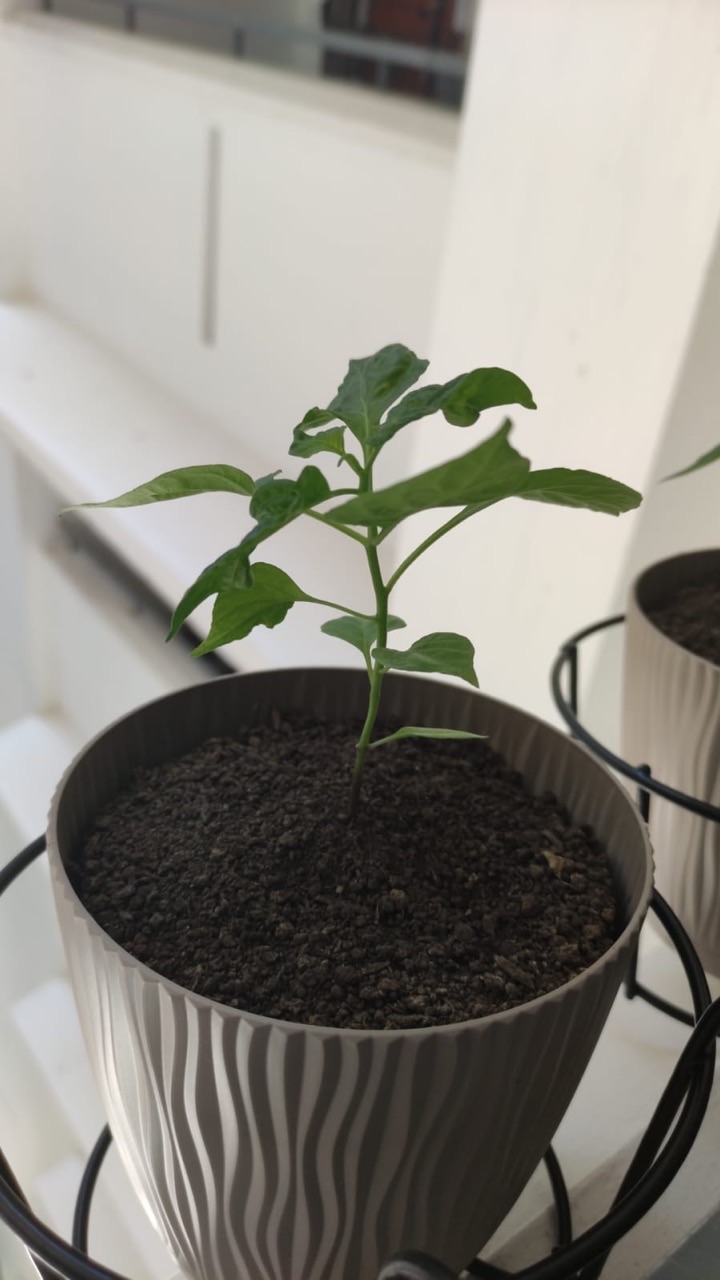
How can Punggol HDB residents prevent dengue and household pests? Check the NEA live dengue cluster map for your actual block, remove stagnant water at least weekly, keep food waste covered and report common-area pest conditions through the relevant managing agency. NEA’s current B-L-O-C-K Mozzie Wipeout advises breaking hardened soil, emptying flowerpot plates, overturning pails, changing vase water and keeping suitable gutters clear. It takes very little water for mosquitoes to breed; spraying a room is not a substitute for removing the breeding site.
What is the local dengue situation? NEA’s cluster map changes as new cases are investigated. Its publicly displayed listing was updated on 11 November 2026, but the presence or absence of a Punggol cluster on that date cannot be taken as a permanent risk rating for the estate. A Punggol resident should search the actual street and block using NEA or myENV, not rely on an article’s static cluster count. Rats, cockroaches and mosquitoes need different responses, and professional vector-control services must be provided by appropriately NEA-licensed operators.
- Check live risk: NEA Dengue Clusters map and myENV notifications for your actual address.
- Mozzie Wipeout: practise NEA’s B-L-O-C-K source-removal steps at least once a week.
- Plant pots: empty and scrub water-collecting trays and break up hardened soil.
- Pails and containers: overturn and wipe rims; don’t leave small pools of clean water.
- Vases: change water and scrub inner surfaces, not simply top up.
- HDB corridor drains: keep scupper drains clear; don’t place pots over them.
- Personal protection: NEA’s S-A-W advises spraying suitable insecticide in dark corners, applying repellent and wearing long sleeves/pants, with product safety rules.
- Rats: remove food access and clutter; report overflowing shared refuse areas.
- Cockroaches: address food crumbs, leaking taps, clutter and access gaps.
- Pest-control contractor: verify the operator’s current NEA VCO licence rather than choosing any unqualified seller.
How to check the current dengue cluster near your Punggol home
NEA’s official Dengue Clusters page provides an interactive map and a list of areas under active surveillance. The information displayed on 13 November 2026 was updated as at 11 November. A cluster is defined operationally when two or more cases have onset within fourteen days and are located within 150 metres of one another, based on residential or work addresses. The cluster boundary helps NEA target control operations; it is not a guarantee that mosquitoes outside the polygon cannot carry disease.
NEA uses colour-coded alerts: red for high-risk areas with ten or more cases, yellow for high-risk areas with fewer than ten, and green for areas with no new cases under surveillance for the next 21 days. The map is updated regularly and can change in a day. A family should use the latest official display or myENV when making a decision. A photo of the map shared weeks ago is not suitable for saying that a Punggol block currently has or lacks dengue.
Searching the exact address matters. Punggol contains Northshore, Punggol Coast, Sumang, Oasis, Punggol Field and many other precincts. A general claim that ‘Punggol is a dengue hotspot’ is neither specific nor fair without a current official locality. The responsible advice is to maintain prevention in every home, with greater attention to current local warnings where they apply.
What a green, yellow or red dengue alert actually means
NEA’s alerts relate to observed local transmission and surveillance. Yellow or red indicates a particular intervention area and degree of recent case activity; green indicates continued monitoring after no new cases. A colour is not an individual medical diagnosis or a reason for somebody to avoid all public movement indefinitely. The necessary actions are to protect against mosquito bites, eliminate breeding sites and follow the current public-health guidance.
Even if the map shows no active cluster near a block, mosquitoes may still breed there. The absence of reported cases does not prove zero risk. A household with a flowerpot saucer full of water needs to empty it regardless of the map. Routine prevention is a better foundation than waiting for a red alert before beginning.
If NEA conducts operations in the area, follow official notices and access arrangements. Do not obstruct authorised inspections or assume fogging will permanently fix every breeding site. Effective control requires the cooperation of residents, managing agents and trained vector-control professionals.
NEA’s B-L-O-C-K Mozzie Wipeout explained
NEA’s Stop Dengue Now page says Aedes mosquitoes can breed in a small amount of clean, stagnant water, even a volume comparable to a twenty-cent coin. The agency advises the B-L-O-C-K steps and regular household checks at least once a week. This is not a promise that doing a checklist eliminates every possible mosquito; it is a practical way to remove common sources of breeding.
B — Break up hardened soil
Hardened soil on the surface of a plant pot may trap water in small depressions. Loosening suitable soil can reduce pooling and improve observation. Do not dig up an entire public planter or disturb landscaping managed by the Town Council without permission. A resident should inspect their own plants and report shared-area concerns through the managing body.
L — Lift and empty flowerpot plates
Water collects beneath pots and is easy to overlook. NEA advises emptying and scrubbing these plates, often more frequently than once a week if water accumulates. Merely pouring some water out without cleaning may leave mosquito eggs attached. Where possible, avoid unnecessary water-holding saucers that remain wet for days.
O — Overturn pails and wipe their rims
Unused buckets, watering cans and containers can hold rainwater after a shower. Store them upside down and under suitable shelter, and wipe away residual water. During the inter-monsoon, frequent heavy showers can refill containers quickly. A household that cleans only once a month may overlook repeated water accumulation.
C — Change water in vases
Decorative vases and cut-flower arrangements can accumulate mosquito eggs along the sides. NEA recommends changing water, scrubbing inner surfaces and washing roots where applicable. A vase that looks clean can still hold suitable water for breeding. A family with pets or young children should also place vases safely, without creating glass-breakage hazards.
K — Keep roof gutters clear and use appropriate control where needed
Blocked gutters collect water, but access to an HDB rooftop is not a resident’s ordinary DIY task. The Town Council or responsible property manager handles common building gutters and drainage. NEA refers to appropriate Bti treatment in suitable gutters under its guidance. Do not climb onto a roof, pour unknown chemicals into shared drainage or dismantle a common structure yourself.
The weekly Punggol HDB mosquito-prevention walk-through
Start with the most accessible places inside the flat: plant saucers, vase bases, unused containers, air-cooler water compartments and any area showing repeated pooling. Look for small reservoirs rather than only large buckets. A family can complete this as a short housekeeping task while cleaning, without needing special equipment or chemical spray for every surface.
Then look at the corridor from a safe position. NEA’s Mozzie-Free Home checklist says to avoid blocking scupper drains with pots or other objects. Leaves can collect in these drains and trap water. Residents should keep their own items clear and report common drainage problems to the responsible manager rather than carry out unauthorised work.
Check bathrooms and utility spaces, including any rarely used gully traps where safe and appropriate. Follow NEA’s guidance on covering infrequently used traps or approved anti-mosquito valves, and seek a qualified plumber for regulated changes. Do not seal functioning drainage in a way that creates a flood or plumbing problem. Mosquito control must not compromise the building’s safe drainage.
Punggol gardening, allotments and container plants
Community gardening is popular in Punggol, including plants at home and approved public beds. The same pots that support herbs can accumulate stagnant water when watering or rain is poorly managed. A gardener should choose appropriate containers, inspect saucers and use a watering routine that avoids persistent pools. Outdoor grow trays, abandoned pots and plastic sheets can hold unexpected water.
A community garden has shared responsibilities and a managing organisation. Visitors should not rearrange other people’s pots or apply pesticide to a plot without permission. If breeding is suspected, alert the authorised garden coordinator or appropriate NEA channel. A simple, accurate report can help the group correct conditions without damaging plants or creating conflict.
Parents teaching children to garden can explain why water helps plants but stagnant pools can also support mosquitoes. Children may identify safe visible containers under supervision, while adults manage any chemicals, sharp objects or inaccessible areas. A home garden should remain enjoyable and responsible rather than a source of mosquito risk.
Do mosquitoes always breed in dirty water?
No. Aedes mosquitoes that spread dengue can breed in clean stagnant water. This is why ordinary decorative vases, planter saucers and a small puddle in a household container matter. A resident who carefully cleans the kitchen but leaves water sitting in a vase for a week may still create an attractive breeding site.
Do not assume the absence of foul smells or visible larvae means there is no risk. Water needs to be emptied and managed even when it looks clear. Mosquito eggs can be difficult to notice, and a small volume can be sufficient. The most effective approach is to remove standing water regularly.
Foul drains and refuse areas can attract other pests or indicate separate maintenance problems. Different sources require different responses. Avoid applying one generic spray to every problem without identifying the organism and source.
How to reduce mosquito bites safely
NEA recommends its S-A-W personal protection steps in dengue areas: Spray suitable insecticide in dark corners where mosquitoes may hide, Apply mosquito repellent regularly, and Wear long-sleeved tops and long pants. NEA identifies repellents using DEET, picaridin or IR3535 as effective options, but products have age, health and use directions that should be followed carefully.
More spraying is not automatically safer or better. Insecticides may have restrictions relating to children, pets, food and ventilation. Use registered products and label instructions and keep them stored out of reach. A household with an infant or someone with significant respiratory conditions should follow the relevant health guidance rather than improvise chemical treatment.
Aedes mosquitoes are often active in daytime, so a family should not assume protection is needed only after sunset. Screens, suitable clothing and avoiding breeding sites can complement a properly used repellent. A child should not apply unknown adult-strength products without the appropriate caregiver’s understanding and current label directions.
Dengue symptoms: when to seek medical advice
Dengue can cause fever and other symptoms such as headache, body aches, nausea or rash, but those symptoms also occur with other illnesses. An article cannot diagnose dengue from a description or photograph. Someone with a concerning fever or symptoms should obtain appropriate medical assessment, particularly if they have been in an area with active transmission. Follow the clinician’s instructions about testing, medication and monitoring.
Potential warning signs such as severe abdominal pain, persistent vomiting, bleeding, marked lethargy or other serious deterioration require prompt professional attention. Do not wait for the next scheduled mosquito-control operation before seeking care. For life-threatening emergencies, call 995. If dengue is suspected, follow medical guidance on reducing mosquito exposure to prevent further transmission.
A person should not change or combine medications based on a neighbour’s dengue experience. Appropriate treatment and monitoring depend on clinical assessment. Public NEA advice is valuable for prevention, while healthcare providers determine what the individual patient requires.
Rats around Punggol HDB bin centres and public spaces
Rats are encouraged by accessible food, poorly managed rubbish, shelter and possible entry gaps. NEA’s rat-prevention guidance recommends clean premises, secure storage, properly maintained refuse bins and removal of potential hiding places. Overflowing bins and discarded furniture near a refuse area can create both food and shelter opportunities.
A household can help by closing food packaging, using the appropriate chute, disposing of refuse promptly and avoiding loose food left in corridors. Do not put bags outside an overflowing bin hoping they will disappear overnight. Report the location and condition of a shared bin centre to the Town Council or responsible manager. That is usually more useful than placing a private trap without authorisation in a public walkway.
Residents should not handle live rats or carcasses without suitable training and protection. If pests are repeatedly seen, identify food sources and seek appropriately licensed vector-control assistance. A one-time chemical treatment without better waste handling may not solve the underlying conditions.
Rats are not evidence that every nearby resident is untidy
Rats can travel through a network of drains, bin centres and other accessible areas. An animal seen near one block does not prove a particular neighbour is responsible. A factual report should describe the exact location, time and observed conditions without accusing named residents. Photos should avoid identifying children or unrelated private information.
NEA’s 2026 cleanliness updates emphasise that poor refuse management and accessible food sources are important factors in rat conditions. Effective prevention depends on residents, property managers, food establishments and professional pest-control operators carrying out their respective responsibilities. Blaming one household in a public chat is rarely a substitute for systematic action.
People should avoid feeding stray animals or wildlife in ways that leave food scraps and attract rats. Responsible community behaviour supports animal welfare without creating public hygiene issues. If a recurring feeding practice causes litter, use the appropriate managing agency rather than escalating a personal dispute.
Cockroaches in kitchens, bathrooms and shared areas
Cockroaches may be attracted by food crumbs, leaking water, clutter and access through gaps or shared infrastructure. A family should first improve food storage, clear waste properly and repair relevant leaks. A recurring infestation may require suitable licensed treatment rather than repeatedly spraying one visible insect. The objective is to address the environment that supports the pest.
Keep dry food in appropriate sealed containers and remove crumbs behind reachable appliances. Do not let greasy food waste accumulate around the sink or rubbish chute. A clean, well-organised kitchen reduces attractants and makes it easier to see where insects are entering. Persistent leaks should be assessed and fixed by a suitable professional.
Where infestation is widespread or involves shared property, contact the relevant estate manager. A resident can report patterns without applying pesticide in common areas. Professional treatment may need coordinated access and follow-up to be effective.
What if pests appear in a child’s bedroom?
Keep the child away from unknown insecticides and traps. A parent may be tempted to spray heavily to remove all pests immediately, but products carry specific label restrictions and possible exposure risks. Remove accessible food sources, inspect for water leaks and seek a registered vector-control operator for suitable assessment when necessary. Do not use industrial pesticides inside an occupied bedroom without the required professional controls.
Children can help with ordinary tidying but should not handle rat poison, insect bait, sharp traps or contaminated carcasses. If a child becomes unwell after a possible exposure, seek appropriate professional medical advice. Safe pest control must protect residents as well as reduce the pest problem.
A family with pets needs additional precautions. Dogs and cats may explore baits or traps, so the operator should explain suitable preparation and safety restrictions. The presence of a pet does not mean every treatment is impossible, but safe planning and professional guidance are essential.
Hire an NEA-licensed vector-control operator
NEA’s vector-control licensing page says companies providing services against mosquitoes, rats, cockroaches, flies and rat fleas must be registered Vector Control Operators (VCOs), with appropriately licensed or certified staff for regulated work. A 20 April 2026 NEA circular reiterated this requirement even for services offered in private premises, vehicles or other locations. Do not hire somebody who merely advertises cheap fogging without verifying the relevant authorisation.
Ask for a written diagnosis, service scope, methods, products, preparation, safety measures and follow-up. An operator should explain what must be removed or repaired to prevent recurrence. NEA advises comparing trained technicians, experience, equipment and track record, with written reports of inspections and treatments.
NEA’s registered VCO list is the right reference for verification, but it is not an endorsement or ranking of quality. A company appearing in a registry may have changed details, so confirm current status directly. Avoid selecting a contractor based solely on social-media ratings or an unverified claim of government approval.
Fogging: when it helps and what it does not solve
Fogging can kill adult mosquitoes in suitable circumstances, but it does not permanently remove standing water or all eggs and larvae. NEA’s control approach includes source reduction, larviciding where appropriate, surveillance and targeted operations. A household should not assume that one fogging event makes the flat mosquito-free for the season.
Licensed VCOs have notification requirements for thermal fogging, including advance notification to NEA, clients and potentially affected surrounding premises. Operators should explain safety instructions such as moving or covering food, toys and pets when applicable. Residents should follow the official treatment notice rather than improvise chemical procedures at home.
Unannounced pesticide spraying in public corridors or near children’s play areas can create risk. Do not conduct public-area treatment without authorisation. If residents are concerned about a scheduled operation, contact the operator or the responsible managing agency to understand the purpose and precautions.
Whose responsibility is a pest problem in an HDB block?
Problems inside a private flat generally require the owner or appropriate tenant-landlord arrangement to address the source and treatment. Shared corridors, common bin centres, public drains and other common property fall under relevant managing-agency responsibilities, including the Town Council where applicable. NEA oversees vector-control regulatory and public-health matters. A single report may need to be routed according to the actual location and source.
A resident should provide the block, floor, location and factual observation: for example, standing water near a common drain, repeated rats around an overflowing bin centre or cockroaches near a shared refuse chute. Do not enter locked plant rooms, roofs or utility spaces without permission. The managing agency can arrange appropriate inspection and licensed treatment.
For private condominiums, the MCST or managing agent governs common property, while unit owners have their own responsibilities. It is not correct to assume the Punggol Town Council manages every building carrying a Punggol address. Check the actual property manager before reporting.
Using OneService and NEA feedback effectively
OneService provides a channel for municipal feedback, while NEA and the relevant Town Council have their own official contacts. The most useful report includes a precise location and current observations. If possible, include a safely taken photograph of the condition rather than a speculative description of which neighbour caused it.
A report does not guarantee the pest is eliminated within a fixed number of hours. Inspection, source removal and professional control can take time. Residents can continue keeping their own premises free of breeding conditions during the process. Avoid repeatedly handling suspect material or entering unsafe areas to obtain a better picture.
For an urgent public-health concern, follow the agency’s current guidance on suitable reporting and medical help. Do not use a general municipal feedback form as a replacement for emergency care when somebody is seriously ill.
Food outlets, hawker centres and shared hygiene
Punggol has hawker centres, food courts, coffee shops and supermarkets. Each food establishment has responsibilities for hygiene, waste management and pest prevention. A shopper noticing pests can provide factual feedback to the outlet or relevant authority. An isolated sighting does not by itself prove that every vendor in the same centre is unsafe or non-compliant.
Food should be stored and handled according to SFA guidance. Household leftovers should not be left uncovered on public tables or in corridors where pests can access them. A picnic near the waterway should end with all food waste removed and appropriate cleanup. Shared public cleanliness is part of keeping both pests and nuisance to a minimum.
Do not encourage children to feed birds, otters or other wildlife with leftover meals. Apart from the welfare risks, accessible scraps can attract rats and other unwanted animals. A neighbourhood can be wildlife-friendly while maintaining responsible hygiene.
Four-week Punggol pest-prevention plan
Week 1: inspect the obvious water and food sources
Check plant saucers, pails, vases, air-cooler compartments and accessible drainage. Remove stagnant water using NEA’s B-L-O-C-K steps. Inspect the kitchen for persistent spills, loose food and leaking taps. Record a recurring problem rather than spraying before you understand the source.
Week 2: improve storage and shared-area reporting
Store food securely, remove unnecessary clutter and learn the correct rubbish and recycling facilities in the HDB block. If a shared drain or bin centre is affected, report the exact location through the appropriate manager or OneService. Do not apply chemicals to common property without authorisation.
Week 3: seek qualified help where the problem persists
Check the NEA Vector Control Operator registry before hiring a provider. Ask about the diagnosis, treatment, safety restrictions, follow-up and cost. If a family member is unwell with possible dengue, seek healthcare separately; pest control is not medical treatment.
Week 4: maintain a realistic weekly routine
Repeat the mosquito checks, monitor whether pest conditions return and keep food waste secure. Review what is manageable for the household and who handles each task. A sustainable routine can protect the home more effectively than waiting for a neighbour’s complaint or the next dengue alert.
Frequently asked questions about Punggol dengue and pests
Where can I check whether my Punggol block is in a dengue cluster?
Use NEA’s live Dengue Clusters map and search the exact area or use myENV alerts.
How often does NEA update the cluster map?
NEA provides updated cluster information regularly; its map notes data refreshes at 1am, with the current listing dated separately.
Does no listed cluster mean no dengue risk?
No. Continue preventing mosquito breeding and following NEA’s current guidance.
What does a red dengue cluster mean?
NEA’s high-risk red category involves ten or more cases in a defined cluster.
What is B-L-O-C-K?
Break hardened soil, Lift and empty plates, Overturn pails, Change vase water, and Keep gutters clear with appropriate control.
Can Aedes mosquitoes breed in clean water?
Yes. Small amounts of clean stagnant water are common breeding conditions.
How much water does a mosquito need to breed?
NEA says a small volume comparable to a twenty-cent coin may be enough.
Should I scrub plant saucers?
Yes. NEA recommends emptying and scrubbing to remove eggs, not merely topping up or draining a little water.
Can I climb the HDB roof to clear gutters?
No. Shared rooftop drainage belongs to the authorised building manager and professionals.
What does S-A-W mean?
Spray suitable insecticide in dark corners, Apply repellent, and Wear protective long sleeves/pants under NEA’s guidance.
Do dengue mosquitoes bite only at night?
No. Aedes mosquitoes are predominantly day-biting, so daytime protection matters.
Should I use more mosquito spray if I have a baby?
Follow product labels and appropriate health advice; more chemical exposure is not automatically safer.
Can dengue be diagnosed from a rash photo?
No. Medical assessment is needed when dengue or another illness is suspected.
What if someone develops severe dengue warning signs?
Seek urgent professional care, and call 995 for life-threatening emergencies.
Does fogging permanently remove mosquitoes?
No. Eliminating breeding sites remains essential, alongside suitable targeted control.
Are all pest-control contractors in Singapore licensed?
Do not assume so. Verify registered VCO status through NEA before engaging services.
Do vector-control licences include rats and cockroaches?
Yes. NEA’s licensing framework covers defined vectors including mosquitoes, flies, cockroaches, rats and rat fleas.
Can I put rat poison in a common HDB corridor?
Do not conduct unauthorised treatment of common property. Contact the appropriate manager or licensed professional.
Who handles rats at a shared HDB bin centre?
Report the precise shared-area concern to the relevant Town Council or managing agency.
Why do cockroaches return after spraying?
Accessible food, water and shelter or untreated sources can sustain an infestation. Professional assessment may be needed.
Can I report mosquito breeding through OneService?
Yes, OneService supports suitable municipal feedback, with agency channels also available.
Can abandoned containers breed mosquitoes after rain?
Yes. Overturn unused pails, clear containers and check water-holding objects regularly.
What if a neighbour’s garden looks unhygienic?
Raise factual concerns respectfully and use appropriate management channels without trespassing or making unverified accusations.
Can children help check for mosquito breeding?
They can observe safe accessible areas under adult supervision; adults handle chemicals, sharp objects and professional work.
Is the National Environment Agency responsible for all private repairs?
No. Pest control regulation, private-home maintenance and common-property management have different responsibilities.
Official sources and further Punggol reading
- NEA: live dengue cluster map and alert levels
- NEA: B-L-O-C-K, S-A-W and dengue protection
- NEA: mosquito-free household checklist
- NEA: where mosquito breeding is most often found
- NEA: rat prevention through refuse and food management
- NEA: licensed vector-control operators and service requirements
- OneService: local municipal feedback
- eduKate: earlier Punggol dengue and pest-control reference
- Lifestyle in Punggol: gardening and water safety
- Lifestyle in Punggol: refuse and bulky waste
- Lifestyle in Punggol: finding healthcare
NEA dengue map and pest-control rules reviewed on 13 November 2026. Live clusters, medical risks and control operations can change. This is prevention and service-navigation information, not a diagnosis or substitute for qualified health or vector-control advice.


