
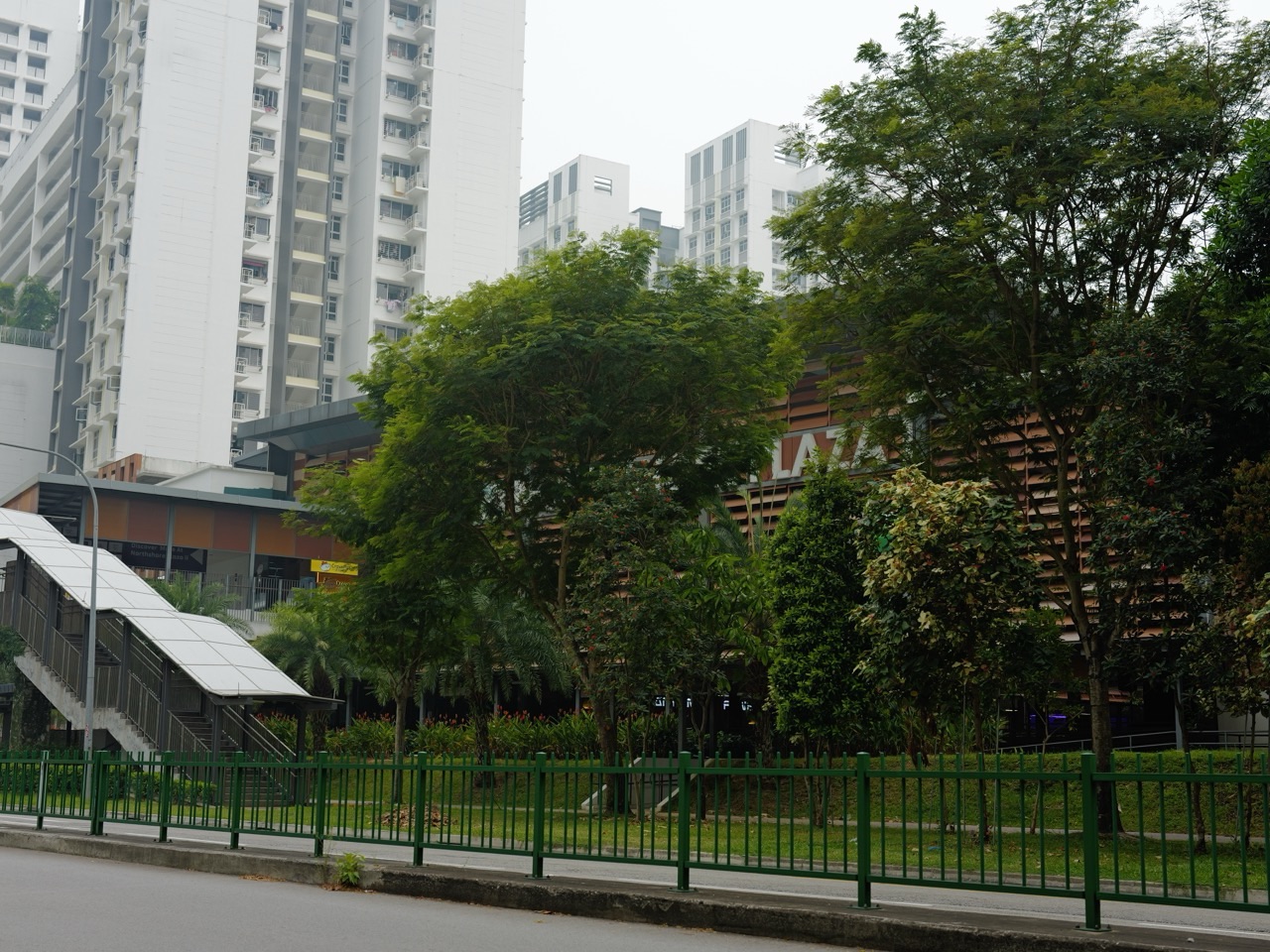
Where should Punggol residents go for medical care? Punggol Polyclinic is at 681 Punggol Drive, Oasis Terraces #02-01, Singapore 820681, near Oasis LRT. Residents can also visit suitable GP clinics around Punggol, including CHAS-participating clinics. Sengkang General Hospital, at 110 Sengkang East Way, provides hospital and emergency services. For life-threatening medical emergencies, call 995 rather than looking for a routine clinic appointment.
The appropriate care setting depends on the person’s condition, medical history and clinical urgency. A planned checkup, an ordinary non-emergency medical concern, a chronic-condition review and sudden collapse all require different responses. SingHealth recommends arranging polyclinic appointments; CHAS provides a current clinic locator; Healthier SG supports eligible adults in building a relationship with a family doctor. This guide explains how to navigate these services without pretending an article can diagnose symptoms or guarantee a live appointment.
- Punggol Polyclinic: 681 Punggol Drive, Oasis Terraces #02-01; general appointment line 6643 6969.
- Transport: Oasis LRT is the nearest rail station according to SingHealth; nearby bus routes include 50 and 386.
- Weekday polyclinic hours: listed as 8am–1pm and 2pm–4.30pm, subject to appointments and last-registration conditions.
- Saturday: 8am–12.30pm, mainly for special services; Sundays/public holidays closed.
- GP and CHAS clinics: use the official clinic locator, then call the provider about current hours and appointments.
- Healthier SG: eligible Singapore Citizens and PRs aged 40 and above may enrol with a participating family doctor.
- Hospital: Sengkang General Hospital, 110 Sengkang East Way, Singapore 544886, with a 24-hour Emergency Department.
- Emergency: call SCDF 995 for life-threatening illness or injury.
- Non-emergency care navigation: SCDF describes NurseFirst 6262 6262 as an advice option.
- 2027 change: SCDF says the 1777 non-emergency ambulance hotline will cease from 1 January 2027.
Which healthcare service should a Punggol resident use?
The first question is not ‘which clinic is nearest?’ It is ‘what care does this person need?’ A scheduled medical review may belong with the person’s regular doctor. A new common illness may be assessed by an appropriate GP or polyclinic when it is not an emergency. Specialist follow-ups should follow the appointment and referral arrangements of the treating team. Sudden serious warning signs require urgent care, not a shopping-centre clinic search.
This article cannot assess a patient. No online checklist can safely rule out an emergency based on a few words. If symptoms are severe, rapidly worsening or concerning, obtain prompt professional help. Emergency services exist because some conditions cannot wait for the next available clinic booking. Avoid delaying action while family members debate unverified medical opinions in a group chat.
| Need | Starting point | Important condition |
|---|---|---|
| Planned routine follow-up | Regular GP or booked polyclinic | Follow provider’s appointment instructions |
| Non-emergency new concern | Suitable GP or polyclinic | Professional assessment may identify a more urgent need |
| Preventive plan under Healthier SG | Enrolled participating family doctor | Eligibility and enrolment required |
| Known specialist review | Hospital / specialist appointment | Check referral, documents and location |
| Life-threatening emergency | SCDF via 995 | Do not delay for ordinary appointment booking |
| Non-emergency care-navigation uncertainty | NurseFirst or a licensed clinician | Not an emergency-response substitute |
A good family care plan recognises that people differ. A child with a known allergy may need specific emergency instructions. An older adult may require help navigating appointments. A healthy working adult may mainly want a regular doctor and preventive care. The same healthcare system can serve each person differently; the right answer is individual rather than based on a neighbourhood ranking.
Punggol Polyclinic at Oasis Terraces: where it is
SingHealth’s Punggol Polyclinic page gives the address as 681 Punggol Drive, Oasis Terraces #02-01, Singapore 820681. It names Oasis LRT as the nearest rail station and buses 50 and 386 as nearby connections. Drivers can use Oasis Terraces parking subject to current conditions. The clinic is on Level 2, so a first-time visitor should find its actual entrance instead of assuming it is among the ground-floor shops.
For a patient using a walker, wheelchair or stroller, the practical route includes the lift, crossing, registration area and consultation location. A route that seems short on a map may be slow when the patient needs rest or assistance. Find out whether a companion should attend and allow enough time. Do not rush somebody who is unwell simply because the bus arrived later than expected.
SingHealth lists 6643 6969 for general enquiries and appointments. New patients may have a one-time registration requirement. If a particular imaging test or service is needed, separate booking arrangements may apply. The clinician or clinic should explain whether a referral, fasting instruction, document or other preparation is necessary. Never improvise medical preparation by following a generic internet post.
For someone with repeated appointments, a local polyclinic may reduce travel time and make long-term care easier to manage. But the nearest facility is not automatically the right provider for every test or specialist need. Follow the medical team’s advice about where ongoing care should occur. A family’s goal is reliable, suitable care, not trying to keep every consultation within the town boundary.
Polyclinic opening hours and last registration: the difference matters
SingHealth’s official operating-hours page lists Monday to Friday morning sessions from 8am to 1pm by appointment, with last registration for patients without appointments at 11.30am. Afternoon sessions are listed from 2pm to 4.30pm, with last registration at 4pm. Saturday hours are 8am–12.30pm mainly for special services, with last registration at 10.30am. Sundays and public holidays are closed.
Those timings are not promises about the availability of immediate consultation. SingHealth says patients without appointments who register in the morning may receive afternoon time slots depending on urgency and capacity. A person who comes in shortly before the published last registration cannot assume all services remain available. For ordinary follow-up, booking ahead is usually the more manageable choice.
A caregiver should check whether the clinic has changed hours around a particular holiday or operational notice. A clinic that is generally open on Saturday may not provide the precise service a person needs on that day. Call when the service matters. If a patient is significantly unwell, seek appropriate care based on the medical situation rather than waiting for a convenient routine appointment.
How to book a Punggol Polyclinic appointment through HealthHub
HealthHub’s guide explains that a user can open Appointments, select a new polyclinic appointment, choose the facility, complete any pre-appointment questions and confirm a suitable available slot. The system may display different appointment types. Choosing the wrong service can lead to confusion about what can be done on the day.
HealthHub’s current FAQ says polyclinic doctor-consultation appointment slots become available at 10pm the previous evening, subject to each institution’s availability. If no slot appears, it does not mean the patient has been medically assessed or does not need care. HealthHub describes alternatives for non-emergency care, such as an appropriate CHAS GP clinic, a walk-in at a polyclinic with potentially longer waiting, or contacting the institution.
When a caregiver uses HealthHub for an older relative, use authorised caregiver access. Do not share a Singpass password or one-time code with an unknown individual who offers to book an appointment. Official digital access should make care easier while protecting personal information. A person who does not use a smartphone may call the SingHealth appointment centre instead.
Before the appointment, read the confirmation carefully. Record the date, clinic, check-in time and any instructions. For medication reviews, bring an accurate list of prescribed medicines and relevant allergies. For an investigation, follow the provider’s specific directions rather than assuming all blood tests require fasting. When uncertain, contact the healthcare professional rather than guessing.
GP clinics in Punggol: how to search without relying on an old listing
The official CHAS clinic locator supports searches by postal code, address and clinic name. It also warns that operating hours differ and some clinics require an appointment, so patients should call before visiting. This is preferable to treating a years-old list of ’24-hour clinics in Punggol’ as a guarantee that every named outlet is still operating overnight.
When choosing a GP, consider location, availability, suitability for the medical issue, communication and whether the person needs ongoing care. A clinic near Punggol MRT can be convenient for one household. A provider near Oasis, Northshore or another part of the estate may be easier for a resident who rarely travels through the town centre. The best location is usually the one that makes necessary care reliable.
A regular family doctor can be helpful for continuity. When a clinician knows relevant medical history and previous investigations, the patient may find it easier to discuss new concerns and preventive plans. Still, different family members can have different regular doctors, and some conditions require referral to a specialist or other service. The aim is clinically appropriate access, not forcing every medical visit into one provider.
A CHAS-participating clinic does not mean every person is entitled to the same subsidy, nor does it mean all treatments are covered. The patient’s eligibility, diagnosis, service and scheme conditions matter. Before a planned consultation, ask about expected charges where appropriate. A patient with serious symptoms should not delay urgent assessment simply to compare the cheapest provider.
How to choose a regular family doctor
First, identify a provider who can appropriately manage the care you expect. For chronic conditions, continuity and follow-up arrangements may matter more than one appointment’s convenience. For parents, whether the clinic can see children and how it handles scheduled immunisations may be relevant. For seniors, accessible transport, appointment communication and a clear medication review process may be important.
Ask about appointment options and how to get test results or referrals when necessary. A patient’s comfort asking questions is an important part of care. The practitioner should explain the purpose of treatment and how to obtain help if a condition changes. Do not judge the quality of medical care solely by waiting-room décor or online popularity.
Remember that a person’s chosen Healthier SG doctor and their other medical providers may have different roles. Discuss coordination with the healthcare team rather than assuming enrolment automatically transfers every specialist appointment. Good healthcare navigation is partly knowing who is responsible for follow-up and how information is communicated.
Healthier SG: who can enrol and why it matters in Punggol
Healthier SG’s enrolment instructions state that Singapore Citizens and Permanent Residents aged 40 and above can enrol in Healthier SG under the current rules, using HealthHub or supported assistance routes. The eligible person chooses a participating family-doctor clinic and books an initial fully subsidised Health Plan consultation. The programme is about preventive healthcare and ongoing doctor relationships, not unlimited free treatment.
Healthier SG describes a personalised health plan, guidance from a trusted family doctor and access to relevant healthy-lifestyle support. Specific subsidised services and medicines depend on the programme’s actual terms. Do not assume every blood test, consultation or prescription is free merely because the first Health Plan consultation is fully subsidised.
For a Punggol resident, the value of enrolling with an appropriate nearby clinic may include a familiar provider and a more workable routine for reviews. A person who has an established doctor elsewhere may prefer to consider continuity before switching. The correct clinic is the one that can support the person’s ongoing care and be reached reliably from home or work.
Caregivers can help eligible loved ones through authorised HealthHub access. People who need assisted enrolment can use official avenues described by the programme. Beware of unsolicited messages claiming that a family must share bank passwords or make an immediate private payment to activate Healthier SG. Verify such claims with the official programme.
Preventive care is different from emergency care
A health plan may include discussions of exercise, diet, appropriate screening and management of existing conditions with a clinician. Those are important, but a preventive programme does not replace emergency assessment when severe symptoms develop. A family should know both its regular medical contact and the emergency number.
Adults may also need to balance healthcare reviews with work and caregiving. Book necessary appointments with enough notice, arrange any relevant medical records and allow time for the journey. A regular checkup can be managed calmly; it does not need to become a rushed errand between childcare pickup and the last train.
For a household with mixed generations, preventive needs differ. The clinician can recommend appropriate care for the individual rather than following a social-media screening package designed for everyone. Avoid purchasing unnecessary tests solely because they are advertised near a mall or come with an attractive promotional price.
Where is Sengkang General Hospital?
Sengkang General Hospital is at 110 Sengkang East Way, Singapore 544886. The official hospital contact page lists general enquiries at 6930 5000 and a separate outpatient appointments number. The hospital serves the broader north-east region, including people from Punggol, but the right service depends on the patient’s needs and referral arrangements.
The hospital’s Emergency Department operates 24 hours, seven days a week. It prioritises patients based on clinical urgency, not simply the order of arrival. An ordinary medical checkup should not be planned through emergency admission, while a life-threatening condition should not be postponed in favour of a cheaper routine appointment.
For a planned hospital visit, find the named clinic, level, entrance and appointment date. A large hospital has different areas for outpatient services, emergency care, tests and admissions. Arriving at the right building without knowing the correct department may create unnecessary walking and delay. Patients with mobility needs should consider the appropriate drop-off and accessible route.
A family member can help with transport and documents while respecting the patient’s consent and privacy. If the patient needs a repeat appointment, ask how results and follow-up will be communicated and what to do if they become unwell before the next visit. Keep the written instructions in a private, retrievable place.
When to call 995 for emergency medical help
SCDF’s Emergency Medical Services guidance says to call 995 for life-threatening emergencies. Its examples include cardiac arrest, suspected stroke, severe breathlessness, unconsciousness, major trauma and excessive bleeding. SKH’s Emergency Department guidance also describes severe chest symptoms, uncontrolled bleeding, sudden collapse and stroke signs as reasons to seek emergency help. Do not waste critical time checking routine clinic hours in such situations.
When calling, give the exact location, describe the patient’s main signs and follow the call-taker’s instructions. In an HDB estate, tell responders the block, unit, road, access point and any relevant landmark. If another adult is present, they may help guide responders to the correct lift lobby when safe and appropriate. Do not hang up unless instructed by the emergency operator.
The examples above are not an exhaustive list of emergencies. An illness can be serious even if it does not appear in a short guide. If a person’s condition is concerning or rapidly worsening, seek urgent professional guidance. A website cannot examine a patient, determine severity or safely rule out an emergency.
The 1777 non-emergency ambulance hotline is changing in 2027
SCDF now states that the 1777 non-emergency ambulance hotline will cease from 1 January 2027. This date matters in November 2026 because residents may still see 1777 printed in older emergency-contact lists. For future non-emergency medical transportation, SCDF directs the public toward its listed private ambulance operators and other suitable transport options. Its 995 emergency ambulance service remains unchanged.
SCDF also identifies the NurseFirst helpline 6262 6262 as an option for non-emergency care-navigation questions. This is not a replacement for 995, nor does it guarantee that a GP has a same-day appointment. When transport rather than clinical advice is needed, ask the healthcare provider about appropriate arrangements and check the fees of any private operator.
For an older adult attending repeated hospital visits, do not assume that an old telephone number will work forever. Update the family contact list and any printed information before January 2027. The distinction between emergency response and planned patient transport helps protect both the person receiving care and the emergency resources needed by others.
What is NurseFirst for?
NurseFirst is presented by SCDF as a helpline for non-emergency medical guidance on appropriate care options. The household may use it when it needs help navigating routine care services, but the person on the phone will decide what advice can be given based on the information provided. A phone conversation does not replace an examination when one is necessary.
Families should not use a helpline as a way to avoid emergency response when clear danger signs are present. If the patient has severe symptoms or collapses, call 995. The simplest safe rule is to match the level of help to the urgency, while respecting that only a qualified clinical assessment can determine many medical questions.
CHAS, Healthier SG and healthcare bills: keep the schemes separate
CHAS, Healthier SG, MediSave and MediShield Life are different programmes with different eligibility and purposes. One helps with subsidised care at participating providers under conditions; another supports preventive family-doctor care; CPF and insurance arrangements apply to other relevant medical expenses. Describing them all as one universal healthcare discount misleads readers.
Before a routine procedure or test, ask the provider which charges may apply and what subsidy or insurance documentation is required. For a planned specialist visit, a referral and financial-counselling process may be relevant. If a family struggles with medical expenses, seek the appropriate institution’s social-work or official assistance services rather than assuming no help exists.
Some households will have predictable recurring costs from medicines, transport and reviews. Include those in the family budget without reducing essential care merely to achieve a neat monthly spending target. Health and financial planning interact, but medical decisions should follow appropriate professional advice rather than an arbitrary budget rule.
How parents can prepare for a child’s illness
A parent can prepare by knowing the child’s regular doctor, allergy history, relevant healthcare documents and how to reach help. When a child develops symptoms requiring assessment, consult an appropriate clinician. Do not infer a diagnosis from another family’s experience or the appearance of an online photograph. If a child is seriously unwell, the need for urgent care takes priority over school attendance.
Preschool and student-care providers may have exclusion or return-to-class requirements for infectious illnesses. Follow the provider’s current rules and medical advice. Keep emergency contacts and authorised caregiver information accurate. The care centre should know about any formal medical action plan and how to reach the parents when needed.
Teach age-appropriate safety: children should tell a trusted adult when feeling unwell, avoid taking medication without the proper adult’s instruction and ask for help when they are frightened or injured. As teenagers gain independence, they can learn how to contact their regular clinic and describe an issue clearly while still having reliable adult support.
Healthcare logistics for older adults in Punggol
A healthcare route that seems short to a healthy commuter may feel exhausting for someone with painful joints, reduced vision or a mobility aid. Check the actual lift, crossing, seating and drop-off arrangement at Oasis Terraces or the hospital. Leave enough time for rest and registration. Do not measure accessibility only by the distance between two icons on a map.
Some older people manage appointments independently and prefer to do so. Others benefit from help with transport, reminders and documents. Ask what support is wanted and use approved caregiver access rather than assuming the family has unrestricted rights to medical information. Respect for autonomy can coexist with practical assistance.
Keep a current medication list when appropriate and confirm it with the treating clinician or pharmacist. Never discontinue or alter prescribed medicine because an appointment was missed. Contact the healthcare provider about the correct next step. A clear care routine avoids confusion when several doctors or relatives are involved.
Teleconsultation versus going to a clinic
A licensed teleconsultation may be suitable for some non-emergency issues. It is not appropriate for every condition: a doctor may need to examine the patient or order a test. Follow the provider’s instructions about attending in person. Choose a legitimate service and understand fees, prescription delivery and follow-up arrangements.
Do not assume a video call automatically produces a medical certificate or prescription. Those are clinical decisions made by the attending practitioner under applicable rules. For severe or rapidly worsening symptoms, remote consultation may be inappropriate. Emergency care should not be delayed by trying to complete an online form.
Privacy also matters. Do not upload identification or sensitive medical records to an unfamiliar messaging contact claiming to represent a clinic. Confirm the provider’s identity through an official website and use approved platforms. Health data deserves the same care as banking information.
How to prepare for a medical appointment
Write down the main concern, when it began, relevant medications and allergies, and questions you want to ask. Bring the appointment information and necessary identification or referral documents under the provider’s instructions. You may need a trusted companion if there are mobility, communication or memory difficulties, but the patient’s consent and preferences should guide that decision.
For a recurring condition, knowing what changed since the last review can help the clinician. Do not arrive with an internet-generated treatment plan and expect the doctor to simply approve it. Explain what actually happened, what has been tried and what worries you. Clear information is more useful than a confident guess.
After the consultation, make sure you understand the follow-up steps. Ask about medication instructions, when to obtain test results, appointment booking and warning signs that require earlier assessment. If something is unclear, ask before leaving or contact the provider. Safe healthcare depends on understanding, not just attending an appointment.
What to do if the polyclinic has no available appointment
Do not repeatedly refresh an app without assessing the person’s clinical need. For a non-emergency concern, contact the polyclinic call centre or look for a suitable CHAS GP with current hours. HealthHub’s official guidance describes walk-ins as possible, but waiting times and allocated slots vary. The polyclinic may not be the best answer for every issue.
If the condition is severe or becomes more concerning, seek urgent professional help rather than waiting until the next appointment release. The absence of a booking slot is an administrative fact, not a medical diagnosis. A family should avoid letting a digital obstacle determine whether necessary care is delayed.
Medical travel during rain or transport disruption
Oasis LRT and local bus services make Punggol Polyclinic accessible by public transport, but a person who is ill may need a more comfortable journey. Check service advisories and allow extra time. An older adult who requires assistance may benefit from a suitable arranged ride or a caregiver rather than a complicated series of transfers.
For planned hospital care, identify the actual entrance before leaving. Sengkang General Hospital has different arrival points for medical-centre and main-hospital services. A person taking a taxi should give the appropriate drop-off location rather than simply the hospital name when the exact entrance matters.
During severe weather, do not ask a medically vulnerable person to hurry across exposed waterfront paths or slippery stairs to preserve a schedule. Contact the provider if an appointment may be missed. For a life-threatening event, call emergency services and follow their instructions rather than attempting an unsafe journey independently.
How to protect medical and digital privacy
Booking services and healthcare portals may use Singpass and authorised digital identities. A family should never share OTPs or passwords with strangers offering to ‘speed up’ a polyclinic appointment. Use the supported caregiver mechanism or official assisted routes. Verify suspicious payment requests through the institution’s genuine telephone number.
Do not post a child’s medical condition, unit number and daily schedule in public neighbourhood forums when seeking a clinic recommendation. Ask general questions without exposing unnecessary personal details. Medical records can be shared with appropriate providers using official or secure channels, not copied to unknown private chats.
Four weeks to build a calmer Punggol family healthcare routine
Week 1: identify regular and emergency contacts
Locate the regular clinic, polyclinic, hospital contact details and emergency number 995. Record the correct Punggol Polyclinic address. Check any relevant individual healthcare documents. The aim is not to self-diagnose but to know which official channels to use when professional care is needed.
Week 2: prepare the next real appointment
Confirm appointment type, time, building entrance, transport and necessary preparations. For an older relative, consider accessibility and rest. Keep a backup route, and review how a caregiver can assist legitimately. Arriving prepared can reduce the non-medical stress of a consultation.
Week 3: investigate preventive care and financial eligibility
Eligible adults can explore Healthier SG enrolment and appropriate family doctors. Check CHAS or other applicable schemes using official sources. Review expected costs for regular care without making treatment changes on your own. A clear plan supports continuity.
Week 4: update the household’s emergency and transport plan
Make sure relevant adults know when to call 995 and where emergency access is located. Update printed contact details about the planned 1777 cessation in January 2027. Revisit the process for informing another caregiver and make the information private but accessible.
Frequently asked questions about healthcare in Punggol
Where is Punggol Polyclinic?
At 681 Punggol Drive, Oasis Terraces #02-01, Singapore 820681.
Which LRT station is nearest Punggol Polyclinic?
SingHealth identifies Oasis LRT.
How do I contact Punggol Polyclinic?
The official appointment and general enquiry number is 6643 6969.
What are the polyclinic’s weekday hours?
SingHealth lists 8am–1pm and 2pm–4.30pm, subject to appointment conditions and last-registration times.
Is Punggol Polyclinic open on Saturday?
Published Saturday hours are 8am–12.30pm, mainly for special services, with last registration at 10.30am.
Is the polyclinic open on Sunday or public holidays?
SingHealth lists Sunday and public holiday closure.
Can I visit without an appointment?
SingHealth and HealthHub say walk-ins may be accepted but waiting times and allocation depend on urgency and capacity.
When are polyclinic doctor slots released?
HealthHub says 10pm the night before the intended visit, subject to live availability.
How do I find a Punggol CHAS GP?
Use the official CHAS clinic locator and contact the named clinic directly about hours and services.
Does CHAS mean all medical care is free?
No. Eligibility, services and subsidised amounts vary under current scheme rules.
Who is eligible to enrol in Healthier SG?
Official guidance says Singapore Citizens and Permanent Residents aged 40 and above, subject to programme conditions.
Is the first Healthier SG Health Plan consultation subsidised?
The programme describes a fully subsidised first Health Plan consultation for eligible enrollees.
Where is Sengkang General Hospital?
110 Sengkang East Way, Singapore 544886.
Does Sengkang General Hospital have a 24-hour Emergency Department?
Yes. The hospital’s official Emergency Department page lists 24/7 operation.
When should I call 995?
For life-threatening emergencies such as suspected stroke, severe breathlessness, collapse or major uncontrolled bleeding. Follow SCDF guidance.
What is NurseFirst?
A non-emergency healthcare-navigation helpline identified by SCDF at 6262 6262.
Will the 1777 non-emergency ambulance number remain available in 2027?
No. SCDF says the hotline will cease from 1 January 2027.
Can I use a teleconsultation for any medical concern?
No. A licensed clinician must assess suitability and may require an in-person examination.
Can a caregiver book through HealthHub?
Use the authorised caregiver-access route rather than sharing Singpass credentials informally.
What if no polyclinic appointment is available and I feel unwell?
Use appropriate professional care, such as a suitable GP or polyclinic contact centre, based on the medical need. Seek emergency help for serious signs.
Should I use a GP or a polyclinic for chronic-condition follow-up?
Discuss an appropriate ongoing plan with your treating professional. Continuity, medical needs and accessibility matter.
Does every family member need the same regular doctor?
No. People can have different clinically appropriate providers and still maintain organised family contacts.
Official sources and further Punggol reading
- SingHealth: Punggol Polyclinic directions and contacts
- SingHealth: clinic hours and last registration
- HealthHub: polyclinic appointment booking
- HealthHub: what to do when no appointment is available
- CHAS: official current clinic locator
- Healthier SG: enrolment and eligibility
- Healthier SG: benefits and Health Plan
- Sengkang General Hospital: address and contact
- Sengkang General Hospital: emergency care
- SCDF: emergency and non-emergency medical services
- Lifestyle in Punggol: budgeting for healthcare and other needs
- Lifestyle in Punggol: neighbourhood choice and access
Service details checked against SingHealth, HealthHub, CHAS, Healthier SG, SKH and SCDF in November 2026. This guide helps readers find services; it cannot diagnose a condition. For life-threatening medical emergencies call 995. Confirm current clinical and appointment information with the provider.


