
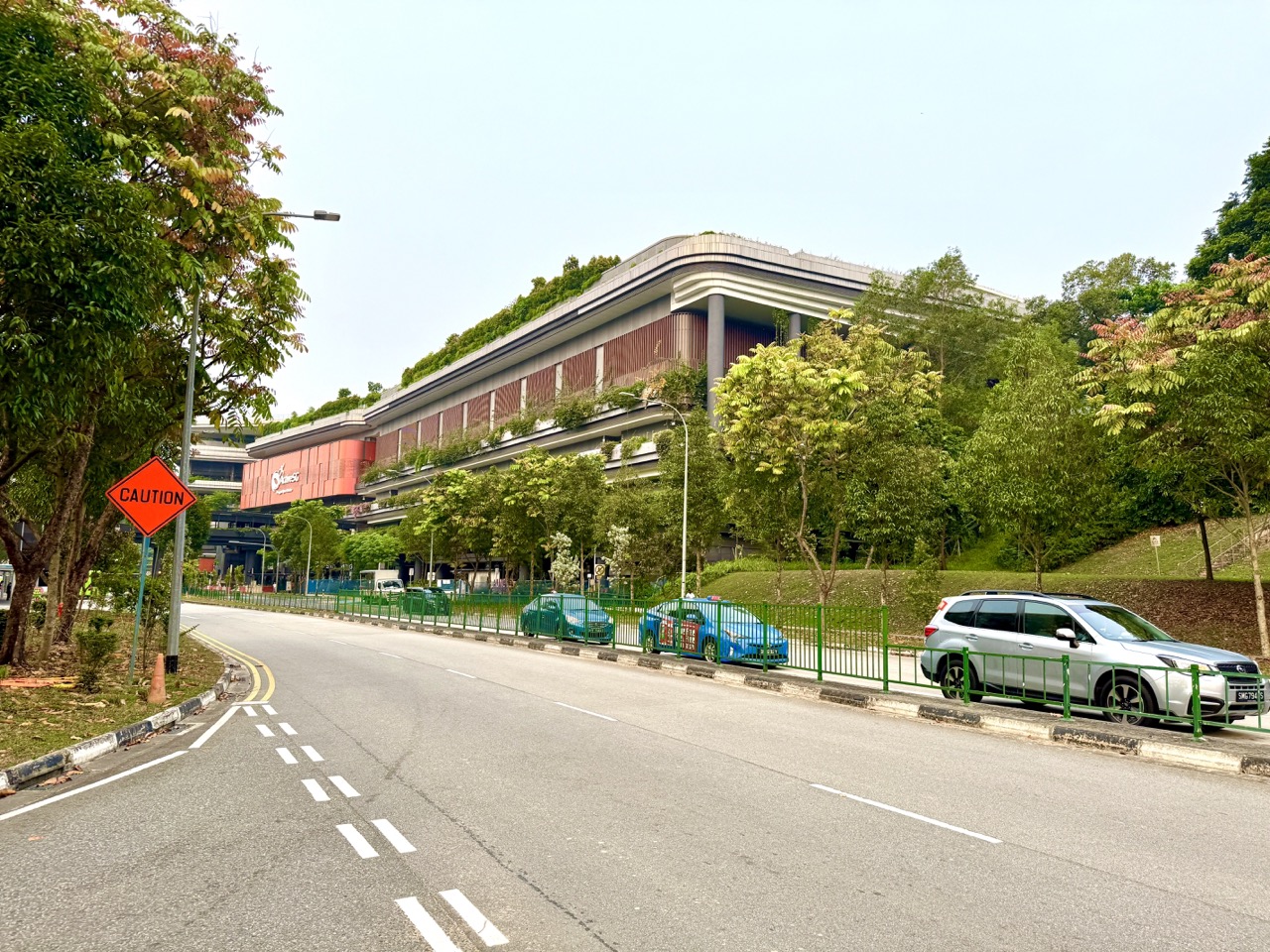
Basketball outlet passing and three-lane fast-break practice can be organised only during an authorised basketball session at ActiveSG Punggol Sport Centre’s Level 3 Team Sport Hall, 11 Sentul Crescent, Singapore 828656. SportSG’s November 2026 guide confirms that the multi-use Team Sport Hall can accommodate one basketball-court configuration alongside alternative volleyball layouts. This is a venue capability, not a guarantee of walk-in access, an available half-court, or coaching. Confirm a genuine basketball reservation or approved programme through MyActiveSG+, including the actual court allocation, price and participant rules, before arranging a group.
An outlet pass is the controlled first pass after a rebound or turnover that starts a team’s move from defence into attack. In a three-lane fast break, players may fill left, middle and right running channels, creating passing options while the basketball is advanced lawfully towards the attacking basket. The first receiving player should see the court and pass or dribble deliberately; teammates should run into useful open spaces instead of bunching around the ball. This guide connects rebounding, legal transition, safe passing angles, numerical advantage, finishing options and simple beginner drills. It differs from our Punggol forearm-free ball, basketball box-out, chest-pass, layup and half-court pick-and-roll guides by teaching the coordinated possession immediately after winning the ball.
- Venue: Level 3 Team Sport Hall, Punggol Sport Centre, 11 Sentul Crescent, Singapore 828656.
- Authorisation: check the actual basketball booking or event with MyActiveSG+; a multi-sport hall is not permanently available to everyone.
- Definition: an outlet is the first controlled pass after possession is recovered, commonly following a defensive rebound.
- Fast break: advance before defenders can organise, but never ignore legal dribbling, passing or contact rules.
- Three lanes: one runner left, one middle and one right; these are coaching roles, not a mandatory FIBA court rule.
- First receiver: make an available catching target, see the court, and keep enough space from the rebounder.
- Safety: avoid blind full-court throws, collisions under the basket and sprinting into another booked group.
- Beginner drill: rebound simulation, safe outlet, two short advance passes and a controlled layup or stop.
- FIBA context: ordinary travelling, backcourt and eight-second rules continue to govern formal games.
- Reference: https://about.fiba.basketball/en/wabc-documents and https://www.activesgcircle.gov.sg/read/inside-the-new-activesg-punggol-sport-centre-5-things-to-look-forward-to

Definition lock: the outlet starts the transition
An outlet pass is the first useful pass when a team has gained possession and wants to move the basketball away from the defensive basket. A rebounder may pass to a teammate who has moved towards an open side lane, allowing that receiver to face the attacking half. The value lies in control and decision-making, not necessarily in throwing the longest possible pass. A player who grabs a rebound and immediately sends the ball into a defender’s hands has not begun a useful fast break. A short clean outlet may create a better next pass.
The Punggol venue is multi-use
SportSG’s 11 November 2026 introduction describes a Level 3 Team Sport Hall capable of a basketball-court layout or volleyball configurations. A local first-look report in October also documented that arrangement. Those are useful facility facts, but there is no guarantee that any particular evening offers a casual basketball slot. Use MyActiveSG+ or an authorised organiser to verify access. A proper three-lane drill needs a safe continuous area within the actual reservation, not an improvised run through the building’s public walkways.
How this differs from a chest-pass drill
A chest pass develops the mechanics of sending the ball accurately to an available receiver. An outlet combines that individual skill with a change of possession, court awareness, movement towards the side and the timing of the team’s other runners. The receiving teammate might be moving into an open lane rather than standing still. Our separate Punggol passing article can help refine contact technique. This guide asks when, where and why the first pass should occur during a transition, then what the team does after that ball is caught.
How this differs from rebounding practice
Boxing out and securing a defensive rebound are the prerequisites for many outlets. The rebounder needs to gain legal control before choosing a passing option. This article begins at that moment: who receives, how the ball leaves the defensive area and which teammates run ahead. A successful rebound can still become a turnover if the outlet is forced through an opponent. A good practice connects the two fundamentals, while keeping the difficult physical rebounding contest separate from a beginner’s passing sequence.
First secure the possession
A rebounder who tries to pass before gaining reliable control may fumble, travel or lose the ball. The first habit should be a legal controlled catch, balanced landing and observation of defenders. Under ordinary FIBA rules, travelling and other possession violations still apply; a rebound does not permit a free series of uncontrolled steps. A beginner drill can start with a gentle ball tossed or shot towards a safe rebounder, followed by a pause and deliberate outlet. The goal is a reliable first decision rather than maximum speed.
Look up before passing
The rebounder should locate teammates and nearby defenders before choosing where to send the ball. A short outlet may be safer when a defender stands in the intended long passing lane. Looking only at the closest teammate can also overlook a genuinely open runner farther upcourt. During a first practice, give the rebounder two clear options and ask them to name which is available. A player who calmly makes the correct choice has progressed even if the entire fast break takes longer than a professional example.
Why an outlet often moves towards the sideline
A receiver who moves towards a clear side lane may be easier to see than one surrounded by players directly under the basket. The pass can help move the ball away from a congested rebound area and create a better court angle. But ‘always pass to the sideline’ is too rigid: the best option depends on defenders, teammate position and the next action. Practise an outlet towards each side, keeping the receiver within comfortable range and well away from another group’s allocated court.
Provide a visible catching target
An outlet receiver should not assume the rebounder knows exactly where they intend to run. Showing hands and maintaining eye contact can create a clear passing lane. A sudden turn away at the moment of delivery may cause a turnover or strike the receiver unexpectedly. Begin with one receiver standing in an agreed safe lane and asking for the ball, then add small movement. The objective is a pass that arrives where the person can catch in balance and see the court.
The receiver should face the next play
After catching, an outlet player may pivot legally or turn into a comfortable forward-facing position so they can observe teammates moving upcourt. Running blindly towards the attacking basket while looking only at the ball can create collisions or missed passing opportunities. A simple catch-and-scan drill teaches the receiver to locate one advancing teammate and one defensive obstacle. Strong transition basketball depends on seeing options early, not simply running quickly.
A long outlet is an option, not the default
Some teams use a long pass to a runner who is already ahead, but the pass has to cross an open legal lane and reach the intended player. A hard throw that travels out of bounds or is intercepted gives away the possession. For beginner training, start with short safe passes and build distance only when receivers are prepared. A long outlet is valuable because it fits the actual situation, not because it looks spectacular in highlights.
The three-lane concept is a teaching arrangement
A common transition pattern sends one player along the left wing, another through the middle and another along the right. This spreads defenders and provides the ball handler with several possible targets. The lanes are coaching references rather than painted compulsory areas under FIBA law. A team can temporarily use different spacing as the situation changes. The key principle is avoiding unnecessary crowding while allowing teammates to move into useful areas at the correct time.
The left lane runner needs awareness
A left-side runner may advance near the left wing with enough width to create a passing option. They should not drift into spectators, adjacent court space or another teammate’s path. If the ball handler is already moving on the left, the runner may need a different lane to preserve spacing. A shadow practice can mark the approximate route using existing court lines without placing trip hazards on the floor. The useful skill is seeing the ball while creating width.
The right lane runner complements the left
The right-side runner provides a separate option when defenders crowd the opposite wing or protect the middle. The player should not merely mirror another runner at the same location. A good formation gives the outlet receiver a reason to pass right rather than forcing everything towards one predetermined person. During practice, send an easy outlet and ask the runner to travel in a controlled right-side lane, remaining ready to catch without turning their back to the ball.
The middle lane offers a direct threat
The middle runner can move towards the basket or become the next receiver when a defender protects the wing. Their route should remain clear of the two outside runners. A rushed middle player who runs beneath the basket support or into a defender’s landing position creates unnecessary risk. In a gentle drill, assign a comfortable middle channel and let the runner stop at an agreed point. The first success is clear spacing and a safe catching target.
The ball handler may take a lane rather than the centre
A coach may use a three-lane arrangement with the basketball advancing through one of the outer lanes, while a middle runner threatens the rim. Other systems put the ball more centrally. There is no universal legal requirement to choose exactly one. A good team adapts to who secured the rebound, which side is open and the defence’s position. Beginners can try two slow versions and compare whether the ball remains easy to pass and receive.
Do not run three people into the same lane
Fast breaks fail when several players chase the basketball towards one side. The result can be overcrowding, awkward contact and easy defensive interception. A basic lane drill should assign each person a broad region and allow them to adjust without blocking teammates. Ask the group to stop after the outlet and inspect the spacing before finishing. A thoughtful pause can reveal more than several chaotic full-court runs.
The first advance pass should be manageable
The outlet receiver may quickly pass to an open teammate farther ahead, but the ball still needs to arrive at a comfortable catching point. A pass thrown too far ahead can cause a player to dive or cross the sideline. Begin with one gentle outlet and a second short pass into a broad target. Increase movement speed only when the group can maintain control. The goal is two connected legal actions rather than a record for the fastest ball travel.
Why the eight-second backcourt rule matters
Under standard FIBA basketball rules, a team must cause the ball to enter its frontcourt within eight seconds after meeting the relevant control conditions in its backcourt. That makes organised transition important, but the rule does not justify a dangerous rushed pass or stepping out of bounds. A beginner can first learn a controlled sequence without a clock, then practise with a clearly announced count under appropriate supervision. Actual officiating rules govern formal play, including technical situations such as timeouts or turnovers.
The shot clock continues to matter
A normal FIBA possession is also subject to shot-clock requirements. Securing a rebound or an offensive change of control can affect the clock according to specific rules. The outlet and fast break are part of that larger possession, not a free period without basketball regulations. A recreational beginner need not memorise every clock-reset exception during the first lesson. Understanding that legal play continues helps prevent the belief that a long outlet is automatically a scoring opportunity.
A pass can outrun a defender
An accurate pass can move the basketball downcourt more efficiently than one player dribbling every metre, particularly when an open teammate is already ahead. The tactical benefit comes from selecting a clear receiving lane. A poor pass can instead become an interception. During practice, compare a slow controlled dribble with a short pair of advance passes while teammates remain in safe channels. Observe which creates a comfortable scoring opportunity without sacrificing possession.
Dribbling is sometimes necessary
An outlet receiver may not have a safe passing target immediately. In that case, a controlled lawful dribble can move the ball away from pressure while teammates reorganise. The player must still observe defenders and avoid overdribbling into a crowded lane. A fast break does not require every contact to be a pass, nor does it require a pass when the angle is blocked. A useful drill lets the ball handler choose one short dribble or an easy pass based on a passive defender’s position.
Numerical advantage is the tactical opportunity
A fast break may create a two-on-one or three-on-two situation before all defenders recover. The offence then has more available passing or scoring options than the defence can cover simultaneously. But numerical advantage is useful only if attackers maintain spacing and make timely choices. A player who forces a difficult shot despite an open teammate may waste the opportunity. Begin with passive defenders and easy numerical examples rather than a full-speed match.
Two-on-one choices
In a two-on-one situation, the ball handler can watch whether the lone defender remains near the basket or steps towards the basketball. If the defender leaves an open teammate, a controlled pass may create a better finish; if the defender stays away and a safe lane is available, a controlled layup may be appropriate. Avoid teaching a fixed answer to every two-on-one. The useful skill is reading one defender and making a calm legal choice.
Three-on-two spacing
A three-on-two break adds a third offensive player, creating another passing angle but also another potential collision if spacing is poor. The ball handler should see which defender has taken the middle and which wing remains available. The runners need to avoid all arriving at the rim at the same instant. A gentle three-player drill with two passive defenders can make these options visible before game-speed contact. The first goal is maintaining clear passing lanes.
The defence may recover sooner than expected
An opponent who sprints or runs efficiently back on defence may erase the numerical advantage before the ball reaches the basket. A ball handler who continues forcing the fast break after the lane closes may commit a turnover. Good teams recognise when to slow and organise a half-court offence instead. A beginner drill can use a passive defender who moves into the lane at an agreed cue, requiring the ball handler to stop and choose a safe pass.
The layup is one possible finish
A controlled layup is a common fast-break finish when an offensive player reaches a comfortable path to the rim. The receiving player still needs correct footwork, balance and awareness of defenders. Our separate Punggol layup-from-both-sides guide covers the technical foot sequence. Here the relevant skill is choosing who should take the shot and delivering the ball to that player without unnecessary crowding. A successful break need not end with a hard contested basket attempt.
A short pull-up can be another option
When a defender protects the rim, a player may have a comfortable short shooting opportunity at another location. The best choice depends on skill, spacing and the actual defensive response. A recreational beginner should not be forced into a difficult jump shot because the planned layup is covered. A controlled stop and pass can be equally sound. Good transition basketball keeps options open instead of requiring one spectacular finish every time.
Transition should end in a usable possession
Not every fast break produces a score. If defenders recover, the attacking team should still be able to keep the basketball and begin its ordinary offence. A risky forced pass under the hoop can turn a good rebound into an immediate turnover. Teach players to recognise a closed lane and reorganise safely rather than treating an unfinished break as failure. The important outcome is retaining legal control and choosing a sensible next possession action.
A no-ball three-lane rehearsal
Three runners can begin near the defensive end and move at walking speed through broad left, middle and right channels, with no basketball. The coach calls a stop at the halfway region and the players inspect spacing. Each should remain able to see the ball’s imaginary position and avoid crossing another runner’s path. This simple drill shows why the lanes are useful and how quickly they become crowded when one participant follows the wrong teammate.
A rebounder and outlet shadow drill
One participant stands in a comfortable rebound area while another moves into an agreed outlet lane. The rebounder simulates collecting the basketball, turns to locate the receiver and passes gently or makes an imaginary release. Stop after the first action and ask whether the path was clear. A safe controlled first pass is more important than running the full length of the court during the first repetition.
A gentle rebound-outlet drill
A cooperative feeder sends a moderate ball to a rebounder, who secures it legally and delivers a simple outlet to a waiting receiver. The receiver catches, faces upcourt and stops. No defenders or long passes are required. Rotate roles after several attempts. This builds a repeatable connection between gaining the ball and creating the first advancing option. Do not deliberately throw uncatchable rebounds or force contact under the hoop.
Outlet followed by one advance pass
Once the first pass is controlled, add a third participant ahead in a broad lane. The outlet receiver catches and sends a second gentle pass towards the forward player, who stops in balance. The whole group then resets. This teaches two connected passes and a simple forward scan without overwhelming a beginner with running speed. If the receiver turns blindly, slow down and rehearse looking up before the second delivery.
Three-lane walking break
Four players can use one rebounder and three advancing lanes, moving at walking pace. The first outlet starts the sequence, and a second pass goes to a runner in a comfortable region. The exercise stops before the basket or ends with a gentle shot if the group is ready. The goal is clear width, timing and communication. A teaching drill may shorten the court to fit the actual permitted space, but should be identified as a modification rather than a full match.
Two-on-one passive defence
Assign one passive defender near the scoring area and two attackers advancing from a short safe distance. The ball handler sees whether the defender stays near the rim or approaches them, then chooses a controlled pass or finish. The defender must not make illegal contact or surprise the attackers with a hard collision. A useful first exercise ends after one decision. More realistic pressure belongs later under qualified coaching.
Three-on-two passive defence
Use three attackers in different broad lanes and two passive defenders who stand in announced positions. The attackers pass and move without running full speed. Stop at the point of advantage to identify the most available receiver. Then repeat with a different defensive arrangement. This exercise teaches spacing and observation rather than a predetermined winning pass. If participants crowd the same lane, return to a shadow layout.
An outlet denied by a defender
A passive defender may stand in the rebounder’s preferred outlet lane. The rebounder must then find a second legal receiving target rather than forcing the ball through the defender’s body. Begin with the alternative receiver clearly visible and at moderate distance. The learning goal is flexibility when the first pass is covered. A useful outlet plan includes a backup, especially for younger players who may become anxious when the original pattern fails.
The first receiver under pressure
An outlet receiver may catch while a defender approaches. The player should protect the basketball legally, establish a comfortable facing and choose a pass or dribble instead of panicking. A beginner drill can involve a passive defender walking towards the receiver without making contact. The receiver makes one simple legal decision and the group stops. This connects fast-break movement with the triple-threat skills developed in another Punggol article.
A fast break can start from a steal
Although a defensive rebound is the classic teaching example, a team that wins possession from a legal steal or opponent turnover may also move into a fast break. The starting position can differ because the ball may already be near the halfway line or on one wing. A good team adapts its lanes rather than insisting every possession begin beneath the defensive basket. Introduce this only after the basic rebound-outlet pattern is clear. Avoid unsafe reaching or grabbing during a first teaching drill.
Why a bounce pass may be useful
A controlled bounce pass can reach a runner through an available angle when a defender’s arms obstruct a direct chest pass. But its bounce point and speed matter, and a long bounce pass may be too slow or easily intercepted. A beginner should choose it for a clear reason rather than use it automatically on every break. Practise a gentle pass to a stationary receiver before adding movement. Our separate passing guide covers more precise technique.
Why overhead passing needs judgement
An overhead pass may send the ball beyond a nearby defender, but a long high pass can give opponents time to intercept or move underneath it. A player who throws while falling or without checking the target can also send it out of bounds. Use an overhead outlet only when an appropriate trained player has a clear lane and safe delivery. In beginner sessions, ordinary short passing provides a more reliable foundation. The tactical value is accuracy and timing, not raw throwing strength.
A pass ahead must not become a dangerous chase
A fast-break runner may be tempted to sprint after a ball that has been thrown too far. If the chase carries them towards a wall, neighbouring court or another athlete, the correct choice is to stop rather than risk a collision. A cooperative feeder should deliver reachable passes. Good passing creates a realistic contact point in the runner’s path, not a challenge to dive for an impossible throw. Safe teamwork is part of mastering transition.
The three lanes change with court geometry
On a full basketball court, players may use width to stretch the defence. On a restricted half-court booking or multipurpose configuration, a full-length three-lane transition may not be possible or authorised. Adapt the learning to a shorter shadow route or two-pass drill without entering other users’ space. Do not claim that every Punggol basketball allocation includes full-court running. Confirm actual use rights first. A shorter exercise can still teach spacing and outlet decisions effectively.
The importance of calling for the ball
A runner who has created a passing lane should show hands and use a clear call when appropriate. The ball handler should observe rather than throw at a teammate who is looking away. Too many simultaneous calls can be confusing, so the group can agree on simple language during practice. A useful team communicates early enough for a legal safe delivery. Shouting after the passer has already released the ball may be too late.
First ten minutes of practice
An introductory ten-minute block can include a warm-up, one rebound-outlet shadow sequence and a few gentle controlled passes to a stationary receiver. This is an illustrative segment within an authorised booking, not an ActiveSG course or a guaranteed skill timeline. A beginner who learns to catch, scan and deliver an accurate first pass has gained a meaningful transition skill. There is no need for full-court sprints immediately.
A thirty-minute small-group plan
Spend time on safe rebounds, short outlets and one advancing pass before adding a three-lane walking pattern. Rotate roles so nobody remains the permanent feeder. If participants are comfortable, introduce a passive defender for one decision near the scoring area. Leave time for rest, ball collection and court handover. A successful half-hour produces clearer spacing and fewer blind passes, not just more baskets scored.
An hour with six to eight friends
A larger group can alternate as rebounder, outlet receiver, left runner, middle runner, right runner and passive defenders in an authorised court allocation. Begin with cooperative slow passes, then add modest movement and one two-on-one situation. A short friendly game may help show whether the outlet habit appears naturally. Keep each player involved and avoid repeatedly sending full-power balls at beginners. A good sports outing is organised, safe and enjoyable.
Why children need shorter passes
Young basketball players may not have the throwing strength to send a long outlet across a full court, and forcing them to do so can create poor technique or frustration. A qualified youth coach can use age-appropriate balls, shorter distances and predictable targets where authorised. Parents should not assume ordinary public hall hire includes instruction or equipment. Celebrate a child who makes one controlled safe outlet and identifies an advancing teammate. Decision-making matters more than spectacular distance.
Teenagers can learn fast-break judgement
A secondary-school player may be comfortable with layups yet overdribble or throw risky passes after a rebound. A focused outlet drill can connect the technical rebound to the next team decision. Students should learn when to pass ahead, when to dribble safely and when to abandon the break because defenders have recovered. School CCA status does not automatically grant access to Punggol’s public Team Sport Hall. The practice should be authorised and suitable for students’ recovery.
Returning adults can begin without sprints
An adult returning to basketball may enjoy the court-reading aspect of outlet passing without wanting repeated full-speed runs. A short walking-speed three-lane drill and gentle two-on-one choice can provide useful social practice. The suitable intensity depends on mobility, balance and relevant health concerns. Age alone does not determine ability. A good session builds confidence with clear passes and legal movement, rather than demanding the pace of a competition highlight.
Shoe traction and loose balls matter
Fast-break practice can involve acceleration and sudden stops while players look downcourt. A loose basketball, wet patch or unsuitable shoes can create a fall. Inspect the permitted playing area, secure laces and keep spare balls and bags out of movement lanes. If the court is slippery or damaged, stop and notify staff. A paid booking is not a reason to continue through unsafe conditions. A controlled pass is useful only when participants can complete it without injury.
Respect the next court and other activities
The Team Sport Hall is multi-purpose, so the group’s basketball allocation may have boundaries. Do not run a full-court break through a volleyball layout or another group’s session. Pause if the ball rolls into occupied space and retrieve it only when safe. The practice should finish before the next booking. Good venue etiquette makes public sport more reliable for everyone and is part of the lesson in organised team play.
Stop for symptoms or repeated loss of control
Sharp joint pain, significant dizziness, faintness, chest discomfort or severe unusual breathlessness require stopping and appropriate assistance. A general article cannot diagnose a condition or decide when someone may return to training. Repeated missed passes that strike unprepared players or collisions between runners are practical reasons to simplify. Slow the drill, shorten the distance or end early as needed. A useful fast break is controlled, not physically reckless.
Recording should never obstruct running lanes
A camera may help a coach assess whether the three runners created width, but a tripod near the baseline or sideline can become an obstacle. Filming unrelated visitors or children without appropriate consent can intrude on privacy or violate venue rules. Ordinary hall hire is not blanket permission for commercial video production. A simple court diagram and a few practice notes can be sufficient for beginner feedback. Safety matters more than producing a dramatic highlight.
Four-week outlet and transition progression
Week one can establish safe rebound control and an accurate first outlet. Week two adds the outlet receiver’s scan and a second advancing pass. Week three introduces a slow three-lane formation and one passive defender. Week four connects a legal outlet to a two-on-one decision and a comfortable finish or half-court reset. This is an illustrative recreational plan, not an official ActiveSG course. Repeat earlier stages whenever the group loses spacing or ball control.
Five common fast-break errors
First, throwing before securing the rebound can create a turnover; settle possession. Second, three runners bunching together make the next pass difficult; spread into useful lanes. Third, staring at only one receiver makes the outlet predictable; scan alternatives. Fourth, a pass thrown too far ahead creates a dangerous chase; lead the runner realistically. Fifth, forcing a layup after defenders recover wastes control; slow down and organise ordinary offence. Each problem needs a specific correction, not a generic demand to run faster.
Frequently asked questions
Where can I practise outlet passing at ActiveSG Punggol? In the Level 3 Team Sport Hall during a legitimate basketball booking or programme. What is an outlet pass? The first controlled pass after winning possession, often after a defensive rebound. Must every fast break use three lanes? No, it is a teaching pattern. Does FIBA require a team to advance its backcourt ball within a time limit? The ordinary eight-second rule applies under its conditions. Should beginners throw full-court passes immediately? No, start with gentle close outlets. Does booking include coaching? Only if specifically advertised.
Sources and your next step
SportSG’s November 11, 2026 Punggol guide confirms the basketball-capable Team Sport Hall. The World Association of Basketball Coaches document library offers fast-break and transition coaching foundations, while FIBA’s rules hub governs legal play and timing. Reserve an appropriate session through MyActiveSG+. Begin with one gentle rebound and an outlet to a visible receiver; connect a second safe pass before adding runners. For initial possession, see our rebounding and box-out guide.


