
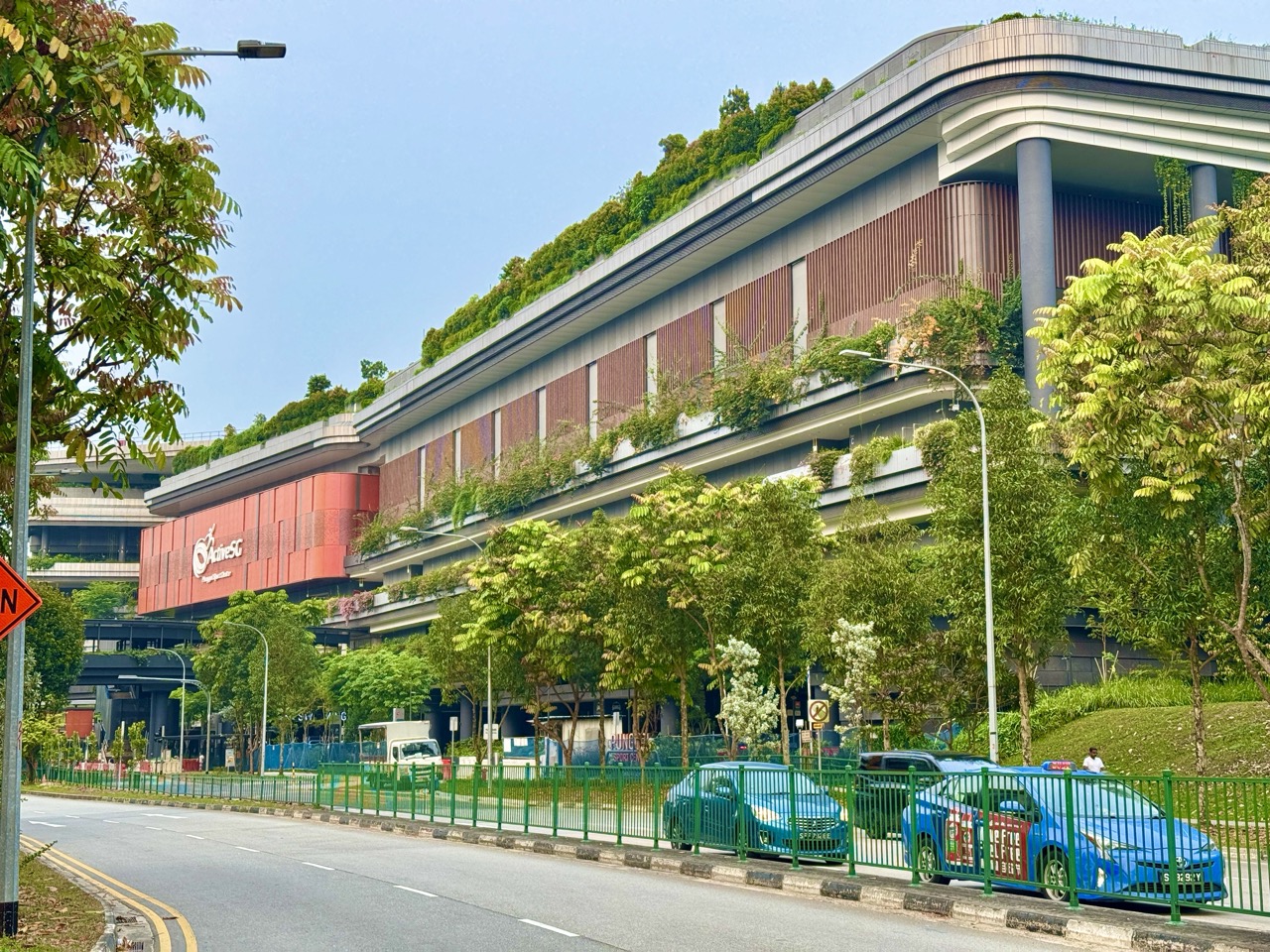
Basketball rebounding practice is an activity to plan for the Level 3 Team Sport Hall at Punggol Sport Centre, 11 Sentul Crescent, Singapore 828656, but only during a confirmed authorised basketball session. A firsthand walkthrough published 30 October 2026 identified a basketball-court configuration in the multi-use hall. SportSG’s ActiveSG Cup information separately names the same Punggol Team Sport Hall for November 2026 3×3 basketball competition sessions. Neither the court layout nor that event schedule means residents may walk in to practise at any time. Check MyActiveSG+ or a legitimate organiser for a real permitted session, venue conditions and any applicable charge.
Rebounding means gaining control of a basketball after a missed shot or other applicable unsuccessful attempt. A defensive box-out is the effort to establish lawful position between an opponent and the ball’s likely landing area, so that the defender can pursue it without being pushed out of position. Learning those actions can help a player contribute even when they do not score. This guide focuses on anticipation, footwork, safe contact, catching, protecting the ball and making an outlet pass after a defensive rebound. It does not repeat our Punggol free-throw, layup, chest-pass or defensive-closeout articles, which address different individual skills.
- Where: ActiveSG Punggol Sport Centre, Level 3 Team Sport Hall, 11 Sentul Crescent, Singapore 828656.
- Venue status: basketball court layout observed October 2026; confirm actual basketball access, booking or authorised programme before travelling.
- Skill: secure an offensive or defensive rebound when a shot misses and the ball remains live under the rules.
- Box-out: establish legal position between an opponent and the likely rebound area without pushing, holding or moving dangerously under a jumper.
- Anticipation: watch the shot’s direction and the ball’s possible rebound without claiming a fixed percentage prediction.
- Catching: use both hands when appropriate, maintain balance and protect the ball from an immediate turnover.
- After a defensive rebound: recognise whether to make a safe outlet pass or an appropriate next play.
- First drill: shadow box-out position, gentle toss against a permitted basket, controlled catch and simple pass.
- Safety: never undercut a jumping player, collide deliberately or allow multiple people to scramble over loose balls.
- Official learning: https://www.activesgcircle.gov.sg/learn/basketball/basketball-getting-the-rebound and https://about.fiba.basketball/en/services/resource-hub/downloads

Definition lock: a rebound begins after an unsuccessful shot
A rebound is the recovery of a live basketball following a missed shot or similar play that leaves the ball available under the rules. It can be defensive, when the team that was guarding the basket gains possession, or offensive, when the team that attempted the shot keeps the ball. The player’s task is not simply to jump higher than everyone else. It is to locate the ball, occupy a lawful position, react to the bounce or carom and secure possession.
A box-out is one possible preparation for a rebound. It involves establishing position between an opponent and the area where the ball may become available. The player still must respect the game’s rules on legal contact and movement. A defender who pushes someone from behind or knocks a jumping player off balance has not performed a good box-out simply because they eventually collect the ball.
What was actually confirmed at Punggol
A 30 October first-look at ActiveSG Punggol Sport Centre described a full basketball court layout inside the Level 3 Team Sport Hall, alongside volleyball configurations and retractable seating. That describes the intended facility, not an open-access community court. The centre began a phased soft launch in late October and was announced for wider official opening later in November.
SportSG’s ActiveSG Cup programme names Punggol Team Sport Hall for organised 3×3 competition activity. During an event the playing surface and spectator areas may have separate access restrictions. A family cannot use an empty-looking section of the basketball floor just because a tournament has not yet started. Verify a real eligible court booking or authorised session through the correct channel before organising drills.
Why rebounding deserves practice without a match
Some students associate basketball entirely with shooting and dribbling, then lose interest when they cannot score consistently. Rebounding offers another way to contribute. A player who finds a safe position, collects a missed ball and makes a useful next pass can change possession and help the team. Those actions require anticipation and judgment that can be learnt separately from shooting.
A focused session also reveals the difference between reacting to a ball and preparing for it. A beginner who waits for the ball to hit the floor before moving may arrive too late. Another may rush towards the basket without noticing a teammate. Learning where to stand and how to move can make future games more controlled and safer.
Offensive and defensive rebounds have different purposes
A defensive rebound typically ends the opponents’ immediate attempt and gives the defending team possession. The next action may involve protecting the ball and passing to a teammate who can begin an attack. An offensive rebound gives the shooting team another opportunity to score or reorganise. The rules and tactical options can vary between full-court five-on-five and official 3×3 formats.
Do not confuse an offensive rebound with a score. After collecting the ball, the player still needs to follow applicable movement and possession rules. A beginner should recognise which team has gained control before deciding what to do. The same catching action can lead to different next choices depending on the game context.
The first challenge is seeing a shot leave the hand
Rebounding starts before the ball arrives at the rim. The defender can observe the shooter preparing, recognise that a shot is being taken and prepare a lawful position. A player staring only at their assigned opponent may miss the ball’s trajectory. One staring only at the ball may lose track of where the opponent is moving. Learning to notice both is a useful basic skill.
Begin with a simple predictable shooting feed rather than a high-speed competitive scramble. Ask the learner to say when the shot is released and identify where the ball might land. Then move only within a safe agreed area. This exercise builds anticipation without encouraging a dangerous rush beneath the basket.
Why a shot’s direction is not a certain prediction
A basketball can rebound from the rim, backboard or other legal contact and travel at different angles. The direction depends on the shot’s speed, spin, point of contact and many other factors. SportSG’s rebounding lesson discusses anticipating likely caroms, but a casual percentage quoted in a teaching article should not be treated as a guaranteed physical law.
A practical rebounder watches the actual ball rather than assuming every missed shot from one side will land on the other. Use several gentle throws from different positions and compare what happens. The value is learning to update your prediction as the ball travels, not memorising a claim that a certain number of rebounds always fall in one direction.
Find position without holding an opponent
An effective box-out involves recognising an opponent’s path towards the basket and taking a lawful guarding or rebounding position. A beginner may hear ‘put your body between the player and hoop’ and interpret it as permission to shove or lean heavily into someone. That is incorrect. The 2026 FIBA rules on personal contact still govern blocking, pushing, holding and other illegal actions.
Start without an opponent, placing yourself in a useful position between an imaginary attacker and the basket. Then use a cooperative partner who stands at a safe distance. Do not turn the first lesson into a collision challenge. The goal is establishing and maintaining controlled position, not proving strength through physical impact.
A box-out uses feet as much as the torso
Footwork allows the rebounder to turn, maintain balance and stay near a likely landing area. A player who plants both feet rigidly and twists the upper body against another person may become unstable. A controlled stance with suitable foot spacing can make it easier to adjust. The exact movement depends on the player’s age, ability and the opponent’s path.
Use a slow shadow drill. The learner begins near an agreed position, pivots or turns as permitted and holds a stable posture briefly without forceful contact. Then relaxes and repeats. If the movement becomes painful or unsteady, simplify it. Technical control is more useful than creating the appearance of an aggressive box-out.
The legal-space principle matters
Basketball’s contact rules recognise that players occupy space and may establish legal positions, but they do not permit unnecessary force. A rebounder must not hold an opponent’s arms, hook a person around the waist or move into an airborne player’s landing path. A coach may describe creating width through a balanced stance, but that does not give the athlete unlimited rights to make contact.
Teach the distinction clearly before adding a defender. Use positioning games where one person moves slowly around a stationary marker while the rebounder adjusts to remain in the intended area without touching. This helps the learner experience how position changes an opponent’s route without encouraging dangerous contact.
Why undercutting is particularly dangerous
A player who moves underneath another person while they are airborne may make a safe landing impossible. Rebounding involves jumping and looking upwards, so participants can be vulnerable to losing spatial awareness. Beginners should never be told to take a position by charging beneath a jumping opponent. A rebound is not worth an injury.
Use non-contact drills first, with no contested jumping. If a group wants to introduce actual box-out contact, a qualified coach should teach legal positions, progressive intensity and safe stopping. The purpose is not to make competition physically timid; it is to build responsibility before adding unavoidable game pressure.
Use a comfortable stance, not a maximal squat
Being ready to rebound can involve knees flexed and a stable centre of mass, but an extremely low posture is not necessary for every person. A player must remain capable of reacting to the ball and moving to catch it. If the stance is so deep that the person cannot step or jump comfortably, it is not supporting the task.
Begin with a balanced position that the learner can maintain briefly. Ask whether they can turn without crossing feet awkwardly. Younger children, returning adults and people with mobility considerations may need different setups. Suitable instruction should adapt the task rather than demand an identical stance from everyone.
Boxing out does not secure the ball by itself
A player can establish an excellent position and still fail to rebound if they do not watch the ball or move to catch it. SportSG’s teaching separates boxing out, securing the ball and passing it out as distinct steps. That sequence is useful because it prevents learners from thinking body position is the entire objective.
After the imaginary box-out, the next practice task is locating a gentle high ball and moving to a safe catching position. The player should not keep pushing backwards indefinitely. Once the shot has missed, the focus shifts towards gaining possession. A controlled transition between tasks is more useful than simply staying in contact with an opponent.
Two hands can support a secure catch
When a rebound can be caught safely, using both hands may help secure possession and reduce the chance that the ball drops away. The player needs to track it and meet it at a comfortable point, without colliding with other rebounders. An inexperienced person should not be asked to dive into a crowded group or jump as high as possible on the first attempt.
Start with a gentle ball tossed towards a reachable height. The learner catches, stabilises and brings the ball into a secure position without swinging the elbows wildly. This can be practised without a rim before progressing to a real missed shot. The important achievement is controlled possession.
Why slapping the ball away may be less useful
An athlete may be able to reach a ball with one hand before the opponent, but an uncontrolled slap does not necessarily establish possession. It might send the ball to an opponent or into a dangerous area. In a beginner lesson the focus can remain on receiving a manageable ball securely with both hands, while advanced contested tips are introduced later if suitable.
Ask what happened after the first touch. Did the team gain clear possession, or did the ball remain loose? This question helps the learner understand that rebounding is complete only when the ball is controlled according to the rules. Exciting contact is not the same as a useful result.
Bring the ball to a safe protected position
After catching a rebound, a player may need to protect it from nearby defenders while deciding where to pass or dribble. That does not mean swinging elbows into other people’s faces. The ball can be held securely within a controlled body position, and the player should remain aware of surrounding teammates and opponents.
Practise securing a gentle catch and looking up before the next movement. A partner can stand at a safe distance as a passive defender without attempting aggressive steals. The aim is maintaining legal possession and making a deliberate next decision, not holding the ball indefinitely while other players collide around it.
The outlet pass links rebounding to transition
A defensive rebound can lead to an outlet pass to a teammate who is positioned to move the ball safely away from the basket and begin the next attack. SportSG identifies the outlet as a key part of rebounding. The receiver may be a guard or another appropriate teammate depending on the team’s plan. The important lesson is that controlling the rebound creates an immediate team decision.
During practice, place a willing partner in a clear target area. The rebounder makes a safe catch, turns towards the partner within the rules and sends a controlled pass. Do not force a long spectacular throw across the hall. A short accurate outlet can be more useful than an uncontrolled full-court pass.
A rebounder should look before passing
A player who catches a missed ball and immediately throws it towards a remembered location may find that the teammate has moved or a defender has entered the passing lane. Good rebounding includes scanning after possession. A useful outlet goes to a ready receiver through an available route. The same principle applies to an ordinary chest pass.
Practise a brief pause after a secure catch, then choose between two visible targets. Keep the pace gentle until the learner can turn and identify a safe option. The aim is not to delay indefinitely. It is to replace reflexive throwing with a decision that helps the team.
Pivoting after a rebound must remain legal
A player who secures a rebound may use a lawful pivot or other permitted movement to protect the ball and find a passing angle. The 2026 FIBA travelling rules determine which foot may pivot and how movement is counted after gaining control. It is incorrect to assume that a player holding a rebound can take arbitrary steps just because they have not yet dribbled.
Use a stationary catch-and-pivot teaching drill where the player understands which foot must remain appropriately fixed. Ask a qualified instructor when the legal details are uncertain. Learning the correct sequence prevents a rebound from becoming an immediate turnover.
Do not resume a dribble illegally
After a rebound, a player may be able to begin a legal dribble, but the ordinary rules on carrying, double dribbling and travelling still apply. A beginner who panics and takes several steps before bouncing the ball may commit a violation. Practise one clear next action at a time, such as a safe outlet pass, before adding a more complex dribble transition.
This makes rebounding practice different from an uncontrolled loose-ball scramble. The aim is useful possession followed by lawful play. A short exercise that finishes with a clean pass demonstrates more complete understanding than a catch followed by confusion over where to move.
An offensive rebound can create a second scoring chance
When the shooting team regains possession after its own missed shot, an offensive rebound may allow a new shot or another organised action. This is one reason offensive rebounding matters. But the rebounder may be surrounded by defenders, so immediately forcing a difficult close-range attempt is not always wise.
Practise a controlled catch and a deliberate choice: an appropriate nearby finish if safe, or a pass to a teammate with more space. Do not require a beginner to leap into contact for every rebound. Recognising the next option is a valuable tactical skill.
The defensive rebound starts a different sequence
After the defending team collects the missed shot, possession changes. The team may need to spread, move safely out of the congested area and find an available teammate. In full-court basketball, an outlet pass can begin transition towards the opposite basket. In 3×3, formal clearing rules may require the ball to be taken beyond the arc after a change of possession, depending on the competition’s rulebook.
Do not apply one competition’s next-action rule blindly to another format. This article uses general rebounding skills, while formal games require the relevant edition of FIBA or FIBA 3×3 rules. A coach or organiser should specify the format before training a complete sequence.
The first shadow box-out drill
Without a ball or direct opponent contact, a player identifies an imaginary attacker and the area between them and the basket. The learner turns into a balanced position, checks where the rim is and then relaxes. Repeat gently to both sides. The purpose is understanding the geometry of a box-out before adding live contact.
Keep the task slow enough to stop. A beginner who loses balance while turning needs a smaller movement, not a faster one. The group should remain within the authorised practice area and leave clear space for others. A good first exercise teaches position without an avoidable collision.
The partner positioning drill
One player acts as a slow-moving rebounder while another is an imaginary opponent. The learner practises finding a lawful position between the opponent and a probable rebound area, using footwork rather than pushing or holding. The partner moves at walking speed and does not jump. Switch roles after a few repetitions so both people understand the task.
An actual contact or competitive boxing drill should be introduced only with appropriate instruction and safety conditions. A beginner needs to know the difference between occupying space and using force illegally. Positive feedback can focus on balance and awareness rather than how far the opponent was moved.
Gentle ball toss for catching practice
A partner can gently toss a basketball into a clear space so the learner practises tracking it and making a secure two-handed catch. Begin without a hoop and without other people contesting the ball. Once the player can control the catch and land safely if any jump is involved, the drill can become more realistic.
The important measure is whether possession remains secure. A ball falling into a crowded area can cause a sudden scramble, so keep the practice organised. A simple catch is a real foundation for rebounding and can be easier to learn than a live missed shot.
A controlled shot-off-the-backboard drill
Where an authorised basketball court and suitable instructions permit it, a player may gently direct a ball towards the backboard and let the learner identify its likely rebound location. Use low intensity and an agreed single rebounder rather than asking several people to rush under the rim. The ball may fall in different directions, creating an opportunity to observe rather than memorise a fixed rebound percentage.
Keep everybody outside the active catching space until the rebound is complete. If the ball travels beyond comfortable reach, let it go. The first objective is awareness and safe control, not jumping into a teammate. A qualified instructor can refine the drill for a group’s actual level.
The shot–box-out–catch sequence
A more complete exercise combines one shooter, one designated rebounder and a passive opponent. The shooter takes a gentle permitted attempt; the rebounder practises an appropriate position, observes the missed ball and moves for a controlled catch. The passive opponent stays within clearly agreed non-contact behaviour. Stop after the catch.
Do not progress immediately to contested jumping. A beginner needs to demonstrate safe movement and understand legal boundaries. A successful sequence may involve only a few repetitions and a short discussion about where the ball travelled. Technical learning comes from clarity, not a crowded dramatic scramble.
Add the outlet only after the catch is reliable
Place a ready teammate in an appropriate open area. The rebounder catches a gentle ball, secures it, scans and passes towards that teammate. This links anticipation, controlled possession and team transition. Begin with a short comfortable pass rather than a full-court throw. The next player should be ready to receive safely.
If the rebounder loses balance or the ball becomes loose, pause and return to the simpler catching exercise. A clean outlet is useful only after possession is established. Separating the steps gives the learner a coherent foundation for later game decisions.
A three-person rebound rotation
Three participants can rotate among shooter, rebounder and outlet receiver. The shooter sends one gentle ball, the rebounder takes a suitable position and catches, then passes to the outlet. After a small group of attempts, rotate so everyone learns each role. This can be a complete cooperative drill with no defenders and no competitive scoring.
Agree on the order before beginning. Do not have the next shooter release a ball while the previous rebounder is still moving underneath the hoop. Predictability protects all participants and keeps the activity useful. The group can introduce greater realism only when the simple sequence runs safely.
A five-minute rebound introduction
A complete novice may use the first few minutes simply to identify where a missed ball could bounce and to practise a secure catch. No aggressive contact or maximal jumping is needed. A gentle shadow box-out and a predictable toss may be enough for a first interaction. This is an illustrative learning block, not an ActiveSG advertised session or a medical exercise prescription.
Ask one question afterward: did the learner know where the ball was, and did they secure it safely? Those are useful outcomes. A short successful drill can create better habits than an exhausting competition in which the player is repeatedly knocked off balance.
A fifteen-minute box-out lesson
With permitted court access, practise several balanced turns without a ball, then add a slow passive opponent and finish with gentle uncontested catches. Keep direct contact minimal and lawful, ideally under suitable instruction. Leave time for the participant to understand why a chosen position is useful instead of simply repeating a posture.
Do not treat the drill as an opportunity to demonstrate superior strength against a smaller partner. The learning goal is legal positioning and awareness. A group should be able to stop instantly if someone becomes uncomfortable or the playing space is obstructed.
A thirty-minute rebound-and-outlet session
An authorised session could begin with warm-up, then a small box-out footwork block, gentle rebounds off the board and controlled outlet passing. Allocate rest and a court-handover buffer. Do not use the whole session for contested contact before teaching basic catching. One secure rebound followed by a sensible outlet can represent more complete skill than a chaotic sequence of rebounds.
After each short block, discuss one observation. Was the rebounder watching both ball and opponent? Did they maintain a safe position? Was the outlet receiver ready? These questions connect the physical task with decision-making rather than turning practice into mere jumping.
An hour with four players
Four friends can rotate as shooter, rebounder, passive opponent and outlet receiver, subject to the permitted hall conditions. Begin with non-contact positioning and gentle catches. Only when all participants have suitable skills and guidance should the group consider a more contested exercise. Finish with a short game in which players consciously watch for and secure rebounds.
A shared hour needs clear roles so nobody stands under the rim unexpectedly. Do not overrun the next group’s court time, and keep spare balls and water bottles out of the active lane. A successful community session is enjoyable because people know what to expect and respect the boundaries.
The group should not all chase one missed ball
When several beginners rush towards the same rebound without communication, collisions become likely. A learning group can initially nominate one rebounder while others observe from safe positions. Later, a coach can introduce responsibility zones and cooperative team rebounding. The purpose is reading movement rather than maximising chaos.
A missed shot need not create an uncontrolled sprint. Players should also recognise when the ball is beyond safe reach. An appropriate pause or restart is better than diving beneath another player’s feet. Good habits established in practice can make actual games safer.
Shooting distance changes likely rebound behaviour
A short close-range attempt and a longer shot can arrive at the rim with different speeds, spins and angles. This may affect where misses land, but no simple universal rebound percentage can cover every situation. The player should observe the actual shot and its contact with the rim or board. An overconfident prediction may leave them standing in the wrong place.
A useful exercise compares several gentle attempts from different locations and asks the learner to record the landing area. This can develop visual anticipation without claiming scientific certainty from a tiny sample. The practice should remain safe, and balls should be retrieved only when the active lane is clear.
Height is not the whole rebounding skill
Taller and stronger athletes may have advantages in reaching some rebounds, but anticipation, positioning, timing and catching are also important. A shorter player can make useful contributions by recognising an open area and securing a ball that others misjudge. The lesson should not imply that rebounding is reserved for people of a certain height.
A family or school group can adapt drills so everyone participates meaningfully. Use gentle reachable feeds for less experienced players. The achievement is a controlled response within ability, not trying to win an unsafe jumping contest against a much larger participant.
Rebounding after free throws requires context
In a formal basketball match, free-throw rebounds involve specific lane positions and restrictions on when players may enter the lane. Those rules differ across competitions and situations. A free-throw line activity should therefore follow the event’s actual rules, not simply use a normal rebound scramble every time. The 2026 FIBA laws are the relevant general reference for five-on-five play.
This article does not duplicate our free-throw routine. Its focus is controlling a missed ball safely and choosing the next team action. A group that wants to combine both skills should verify lane restrictions and receive suitable instruction before playing a formal-style contested free-throw rebound.
Rebounding under 3×3 rules
Three-on-three basketball may use a half court, with special possession clearing and shot-clock requirements. SportSG has identified Punggol for an organised 3×3 event, so some users may be interested in how rebounding applies there. Defensive possession after a missed shot may need to be cleared beyond the arc before the team attacks according to the current FIBA 3×3 rules.
Do not assume a full-court outlet pass is always the correct next action in 3×3. The learner should know which game format is being played. Our introductory drills teach ball control and lawful positioning, while a sanctioned event follows its own relevant rulebook and officials.
What if a defender reaches for the ball during a catch?
A rebounder may feel immediate pressure after catching. The player should protect possession through legal body positioning and an appropriate next decision. Swinging elbows towards another person’s head, pushing a defender or taking illegal steps is not acceptable. Good technique involves keeping control and scanning for a safe outlet.
Use a passive defender in early drills rather than aggressive grabbing. Once the learner can protect the ball without panicking, more realistic pressure may be introduced under suitable supervision. The aim is being prepared, not teaching physical intimidation.
Rebounding calls are useful teamwork
Two teammates may both be in position for the same missed ball. A clear early call can help them avoid collisions and coordinate who will collect it. Communication also tells another teammate to be ready for an outlet pass. These decisions happen quickly in a game, so a cooperative drill can teach simple calls before high-speed play.
Do not encourage shouting solely for volume. The words should be clear and timely. A quieter player can still contribute by communicating at the right moment. Sport is often improved by small cooperative behaviours rather than a spectacular individual action.
For children, catching is more important than contesting
A young beginner may struggle with the weight and speed of a regulation basketball. A qualified youth coach may adapt equipment and practice distance when authorised. Parents should not force children into direct rebounding contact or repeated jumps against older participants. An easy toss-and-catch exercise can build useful hand-eye coordination and awareness.
Celebrate the child who watches the ball, catches safely and delivers a gentle pass. Those are the foundation skills. A positive experience matters more than winning a rebound by physically displacing someone. The public hall is not automatically a supervised youth programme, so confirm appropriate arrangements.
Teenagers and school basketball
A student who enjoys shooting may benefit from learning how to help the team when a shot misses. A practice can connect a balanced box-out to a secure catch and safe outlet. Such skills are useful in school CCA contexts but do not give the student automatic access to Punggol’s Team Sport Hall without a booking or authorised event.
Training should fit school responsibilities and recovery. Avoid using repeated maximal jumps as a punishment for missed shots. A technical lesson is more productive when the athlete understands what position accomplishes and can practise it safely. Specific feedback is better than shouting ‘get the rebound’ at every miss.
Older adults and returning players
An older adult or someone returning after years away may not want to jump repeatedly under a basket. Rebounding skills can still be explored through gentle ball tracking, controlled positioning and catches at a comfortable height. Present mobility and health matter more than past competition experience. Relevant conditions may require professional guidance before strenuous work.
A group should respect different capabilities and not treat declining a contested rebound as a lack of commitment. A short suitable basketball session can provide movement and social engagement. The best outcome is a habit that can be repeated comfortably.
Why landing is part of a rebound
Even when the ball is caught successfully, the player must land safely if they jumped. An uncontrolled landing can cause a fall or step onto another person’s foot. Beginners should practise reachable catches without excessive jumping first. When appropriate, they may add a modest controlled jump with enough space and suitable instruction.
Keep everyone else out of the landing area and remove loose balls. A successful catch followed by an injury is not a successful practice repetition. Safe rebounding includes the entire sequence from preparation to possession and the next move.
The floor needs to be dry and clear
Basketball rebounds often involve sudden turns and stops while looking upwards. A wet patch, loose equipment or ball underfoot can create serious risk. Use suitable court footwear, inspect the authorised area and report hazards rather than continuing. A recently opened sports centre can still have ordinary maintenance issues.
Do not pour water or other substances onto the court to simulate difficult conditions. Keep bags and bottles outside active lanes, and do not enter a neighbouring booked activity to retrieve a rebound. A safe environment allows players to concentrate on position and ball flight.
Privacy and cameras around the basket
A tripod or phone positioned beneath the hoop can obstruct a rebounder’s landing and create a tripping hazard. Photography of unrelated participants, especially children, also raises privacy concerns and may be restricted by the operator. Follow venue and event rules before recording. A public hall booking does not automatically authorise a commercial photo shoot.
A short training note may be enough: ‘I watched the shooter earlier’ or ‘I secured the ball before passing.’ If a coach needs footage, arrange it safely and with consent. The purpose of the session is learning sound basketball, not publishing every mistake online.
Weather and booked-hall operations
An indoor hall may offer shelter from ordinary rain, but sports-centre operation can still change because of events, maintenance or emergencies. Punggol’s phased opening makes it especially important to verify actual access rather than assume all levels share one timetable. Travelling to the venue may also be affected by storms or local route changes.
If the court is unavailable, use the actual organiser’s terms to reschedule. Do not occupy a neighbouring volleyball or badminton allocation. A flexible training plan is more realistic and respectful than insisting a visible basketball hoop proves permission to play.
A four-week rebounding progression
Week one can focus on understanding the ball’s flight and taking a balanced shadow box-out position without contact. Week two may practise gentle catches following predictable misses. Week three adds a controlled catch, pivot and outlet. Week four can connect those actions in short cooperative team drills, with carefully managed defensive pressure only if appropriate.
This is a suggested recreational learning progression, not an ActiveSG course or a universal prescription. Repeat earlier tasks whenever the learner is uncertain or loses balance. Progress can mean better anticipation and safer decision-making at the same physical intensity, not simply jumping higher.
Five common rebounding errors
First, watching only the ball and losing track of the opponent may leave a bad position. Second, shoving or holding instead of establishing legal space creates a foul risk. Third, jumping without clear landing space is unsafe. Fourth, tapping the ball randomly without securing possession may benefit the opponents. Fifth, catching and immediately throwing a blind outlet can become a turnover.
Each problem suggests a different practice: awareness, lawful positioning, controlled landing, catching or scanning. A supportive partner should identify the actual issue rather than just shouting for more aggression. Sound coaching helps players develop a useful, safe team skill.
Frequently asked questions
Where can I practise basketball rebounding at ActiveSG Punggol? The Level 3 Team Sport Hall has a reported basketball layout, but actual court access requires confirmation. What is a rebound? Gaining control of a live ball following a missed shot. What is a box-out? Establishing a lawful position between an opponent and an anticipated rebounding area. Can I push someone away with my body? Not in violation of the contact rules.
Is height the only important factor? No; anticipation, positioning and secure catching matter. What should happen after a defensive rebound? An appropriate next possession action, often an outlet in full-court play. Is 3×3 the same? No, clearing rules can change the next action. Must beginners jump high? No. Does a public sports hall booking include coaching? Not unless an authorised product specifically provides it.
Sources and Your Next Step
The Level 3 Team Sport Hall is described by https://www.activesgcircle.gov.sg/activesg-cup‘>SportSG’s ActiveSG Cup page. https://about.fiba.basketball/en/services/resource-hub/downloads‘>FIBA’s current rule resources explain legal contact, travelling and court play. Check real bookings at https://edukatepunggol.com/2026/11/01/things-to-do-at-activesg-punggol-basketball-chest-bounce-pass-drills/‘>our passing-lanes guide. This article describes Punggol’s status as known on 1 November 2026, subject to the operator’s later changes.


