
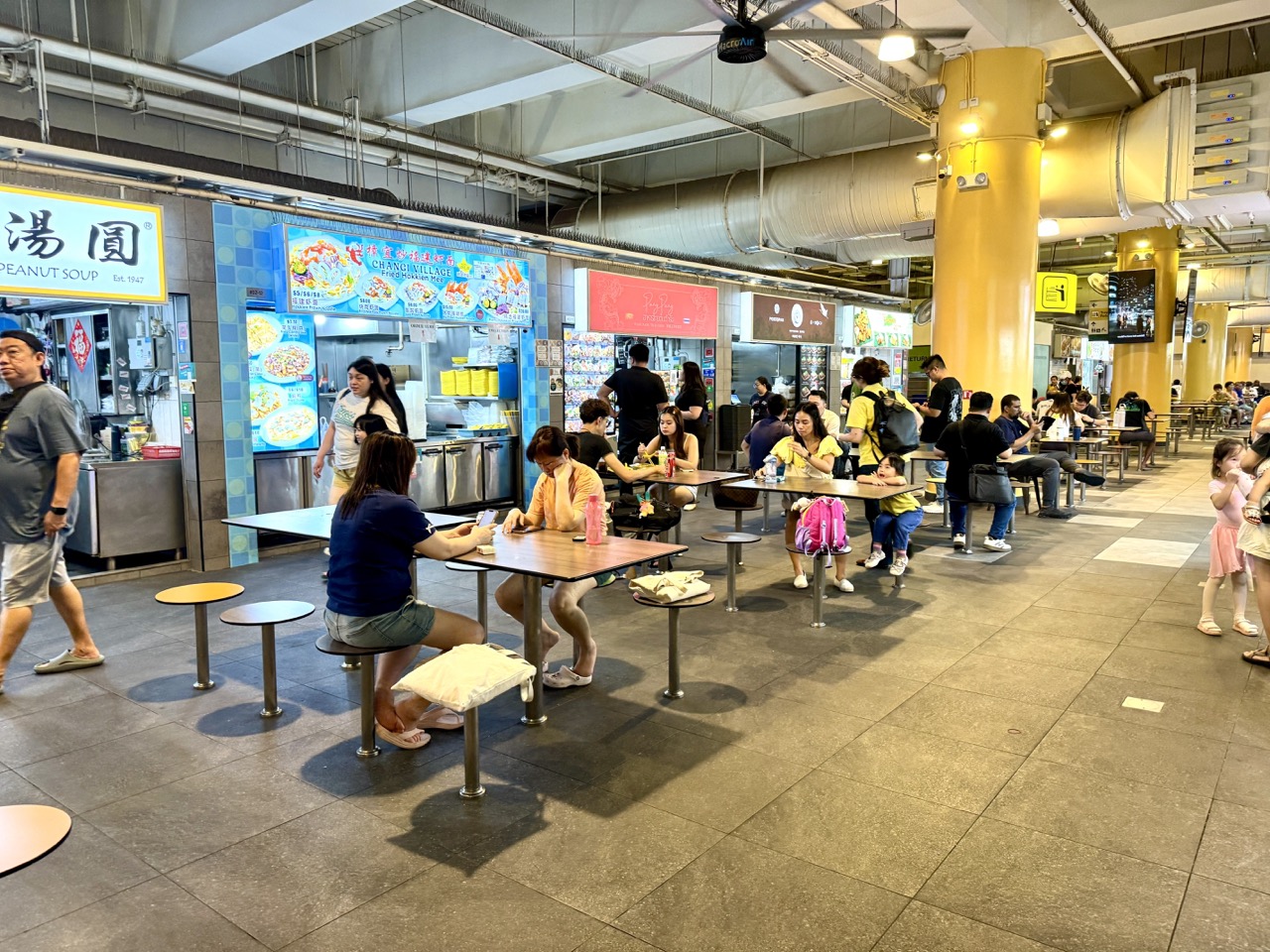
Choose One Punggol Hawker Centre if your day is around Punggol MRT, Punggol Library or One Punggol. Choose Punggol Coast Hawker Centre if you are already visiting Punggol Coast MRT, Punggol Coast Mall, SIT or the Digital District. The two centres are at different addresses and both are on Level 2. Pick the area first, then decide what to eat.
One Punggol Hawker Centre is at 1 Punggol Drive, Level 2, within the community hub. JTC lists Punggol Coast Hawker Centre at 84 Punggol Way, #02-55. Check the current centre and stall hours before travelling for a particular dish. A family with only an hour will usually have an easier lunch by staying near the activity or train station it already plans to use.
- One Punggol: use the community hub at 1 Punggol Drive and find Level 2.
- Punggol Coast: use the Digital District venue at 84 Punggol Way, #02-55.
- Punggol MRT and Punggol Coast MRT are separate stops.
- A centre’s opening hours can differ from those of a particular stall.
- Use the meal to support the rest of your day rather than crossing the estate for an unverified stall.
EDUKATE PUNGGOL · SINGAPORE 2027
Find the part you need
- Decide which hawker centre fits your day
- Get to One Punggol Hawker Centre
- Get to Punggol Coast Hawker Centre
- Choose a meeting and seating plan that works at lunch
- Frequently asked questions
First stops and visit planning
- Decide which hawker centre fits your day
- Get to One Punggol Hawker Centre
- Get to Punggol Coast Hawker Centre
- Compare addresses, access and hours before choosing a stall
- Choose a meeting and seating plan that works at lunch
- Three useful lunch plans
- Choose by where you are before lunch and where you need to be after
Activities, practical tips and FAQs
If you are going to the library or meeting someone at the community hub, One Punggol keeps lunch close to that plan. If your main stop is in Punggol Digital District, Punggol Coast Hawker Centre keeps the meal on that side. Compare the route to your next activity as well as the approach to lunch. The closest station to a meal may not be the best choice if you need to get back to a different part of Punggol afterwards.
A person arriving from elsewhere in Singapore can use the North East Line and select the correct station. Do not use the name “Punggol hawker centre” alone as a meeting point. Send the full centre name and address. Both venues being on Level 2 makes the level alone an unhelpful description. A good message includes the building, the floor and a place to meet within or near it.
Make the next activity the tie-breaker
Suppose one family is meeting at One Punggol to use the library and another is exploring the campus area near Punggol Coast. Each can find a practical meal nearby. If they are meeting each other, choose a centre that makes the onward journey easiest for most people. A family with a fixed event or a grandparent who needs a short walk may have less flexibility than someone coming just for lunch.
If neither centre is near anything else you want to do, compare the food options you can verify for your date. Choose one place and keep a backup nearby. Stall rosters, prices and hours can change. A particular dish can be a good reason to choose a centre when the stall is open. It is a weak basis for planning if the only information you have is an old menu or photograph.

Use One Punggol at 1 Punggol Drive as the venue pin. The People’s Association describes a walking approach from Punggol MRT and identifies Sam Kee LRT as adjacent to the hub. Choose the route that fits your starting point and check the current signs. Inside the hub, follow the signs to the hawker centre on Level 2. Leave time for the lift or escalator if relatives are arriving separately.
When your group is meeting at the hub, give them a named public point or the hawker centre entrance. The library and other services have their own entrances and hours. A person who arrives first can look at the options and tell the others where to meet. Avoid sending people to a busy aisle or stall queue as the only rendezvous. A clearer point gives everyone an easier arrival.
Pair lunch with one town-centre activity
One Punggol is useful when lunch is part of a library visit, a community activity or a short trip near the town centre. If you are going to the library, check the programme or exhibition time separately. Eat before or after it according to the schedule. A brief visit to the hub and lunch can be a complete outing for relatives who do not want a longer walk.
The Waterway Point area is a different nearby stop with its own dining and walking options. If your family already wants to see the waterway, decide whether to eat near the mall or use One Punggol first. Count the walk between the two. A short day can be easier when everyone knows which place is for the meal and which is an optional activity afterwards.
Contents · Previous section · Next section

JTC lists Punggol Coast Hawker Centre at 84 Punggol Way, #02-55, in the Digital District. Use Punggol Coast MRT and follow the current district or hawker-centre signs. Punggol Coast Mall is a useful nearby landmark but a mall pin is not the same as the hawker centre’s actual address. Save the exact destination and check the approach if you are arriving from the station, bus interchange or another district building.
A family meeting people from SIT or a workplace can share the centre address and agree when to arrive. A person already in the district may need a different public approach from someone coming off the train. Use the signs and the designated public routes. A shortcut through a campus or office area may be restricted even if it looks shorter on a map.
Make the meal work with a district outing
If you want a public architecture walk or a stop at Punggol Coast Mall, lunch can be the centre of a two-hour visit. Start with the outdoor part when conditions suit the group, then finish at the hawker centre. If it is raining or people are already hungry, go to lunch first. Use the exact centre and make the second activity optional.
A student or worker with a short lunch window should count the return to the actual building, including the floor change and the time to order. For a group that has longer, a meal can provide a comfortable point to meet before exploring another public route. Keep the next stop clear. Trying to do a long campus or coastal walk immediately after a rushed lunch can make the whole day feel tighter than necessary.
Contents · Previous section · Next section
The addresses answer where to go. Centre operating information answers when the wider venue is open. Stall information answers whether a particular dish or vendor is available. Check those separately. For a group that mainly wants a convenient lunch, an open centre and several suitable choices may be enough. For a visitor coming from across the island for a named stall, verify the stall’s own schedule first.
Use current centre information and notices rather than a launch roster. A published list of stalls can be useful for orientation, but it may not tell you what is available at a particular meal time. If a stall has moved, is closed for cleaning or has sold out, the rest of the centre can still be an option. Choose one backup dish or place so that the family can sit down without searching for another centre.
Check the actual dietary information you need
For dietary requirements or allergies, ask the vendor who will prepare the meal. A stall name, an earlier photo or a general centre guide may not answer ingredient or preparation questions. If the stall cannot give the information you need, use a suitable alternative. A family can agree on one place to eat together while individuals choose different dishes that work for them.
Check displayed prices and portions before ordering. A short lunch works well when each person knows what they want and where to meet after ordering. If you are choosing on the day, compare one or two suitable options and move on. You can return for a more leisurely browse if the current meal needs to fit between other activities.
Contents · Previous section · Next section

Agree on an easy place to regroup before people join different queues. Give children and relatives a clear idea of where they should wait. Look at the actual crowding and use the centre’s posted arrangements. A table near a useful public approach may be better for a mixed-age group than one beside the stall a single person wants. Give anyone who finds standing tiring a chance to sit when a suitable place is available.
If a stall has a long queue and you are on a short schedule, choose a fallback. For a family with a fixed library session, the earlier or simpler meal may be a better plan. For friends meeting mainly to talk, it can make sense to choose the first suitable set of seats and get food nearby. The right centre gives you the time to eat, not just the time to arrive.
Allow time for the end of the meal
Include the time to finish, clear up according to the centre’s arrangements and reach the next destination. Read the signs for tray and utensil return. A group leaving in different directions can regroup near the exit before splitting up. If children need a toilet stop, plan that before joining the return train or walking to another venue.
If the group arrived by car or needs a ride, use the venue’s current directions for the actual pickup point. Someone coming by train can take a different route from the same centre. Meet at a named point before taking separate exits. A simple return plan is particularly useful when visitors are unfamiliar with the area.
Contents · Previous section · Next section
An hour near Punggol MRT
Choose One Punggol if that is where your next activity or meeting is. Go straight to the hub and give yourself time to reach Level 2. Pick one meal, then return or continue to the next named venue. If you want a particular stall, verify it before the trip and have another choice ready.
Lunch during a Digital District visit
Use the Punggol Coast centre if your main activity is already in the district. Give the route, floor change and food queue enough time. Finish near the next public stop, or return to Punggol Coast MRT if the meal is the whole outing.
A family visit with grandparents
Choose the centre with the easier arrival and return for the group. Meet at a named point, give people time to find seating and keep the second activity optional. If conditions are busy, the first suitable meal choice can be better than a long comparison of stalls.
Contents · Previous section · Next section

A meal that looks close on a map may sit on the wrong side of the estate for your afternoon. If you are arriving for a programme at One Punggol, choose the hub unless a specific verified stall gives you a reason to travel farther. If your next activity is at SIT or another district venue, choose Punggol Coast unless you have enough time for an additional journey. The decision is about the whole route around lunch.
A useful comparison has three parts: the trip from your starting point, the time to reach Level 2 and order food, and the onward route. If one centre is easy on the first leg but inconvenient on the last, decide which leg has the tighter schedule. A group can make a better choice by checking a real meeting time or programme start than by relying on a general recommendation about which centre is better.
A worked example with two different groups
Suppose a family has a 1.30pm programme at One Punggol and another family wants to walk around Punggol Coast after eating. If they have a full afternoon, either centre might work with a planned transfer. If the first family has only an hour before the programme, the hub is the simpler choice. They can meet near the hawker centre, allow enough time to order and reach the programme without returning to the train.
In a second example, friends are coming from different parts of the island and will spend the afternoon near Punggol Coast Mall. Use the Coast centre as the lunch meeting point and send the correct address before they travel. Friends getting off at Punggol MRT instead will have to adjust their journey. The exact station name matters more than a general instruction to meet in Punggol.
Contents · Previous section · Next section
The People’s Association gives One Punggol’s location and public transport orientation. The hawker centre’s own information can help with food listings and venue notices. JTC gives the Coast centre’s address and district information. Use the current centre or stall details for daily service. An older list may tell you that a stall once operated there without establishing that it will be serving at your lunch time.
Check whether the source is describing a centre launch, a general listing or a live update. A launch article may mention food available when the centre opened. A current operator page may describe the whole centre. A notice may apply only to a particular day or activity. Read the date and scope before sending a recommendation to someone who plans to travel for it.
Verify the details at the level of your decision
For a casual family lunch, confirm the centre, its address and a time that suits the group. For a visitor coming for one specific dish, confirm the stall and service hours as well. For a person with an allergy or strict dietary requirement, speak with the actual vendor about what they can provide. Each step addresses a different level of uncertainty. Use the information that fits the decision you have to make.
With a school-age child, this can become a simple planning activity. Ask them to find the venue address and explain why the named station is the right one. Let them choose one stall within a budget, subject to what is actually open. An adult can check dietary information and the return. The child learns something useful about public transport and spending while the family still gets an ordinary lunch.
Contents · Previous section · Next section
Start with the amount the family wants to spend and check displayed prices before ordering. Add drinks and any shared food to the total. If one person wants a more expensive dish, decide whether to make that the shared item or choose another option. A budget works better when it helps the group compare actual choices rather than assuming a particular price for every stall.
If the meal is meant to be a short outing, choose how much browsing time you want before joining a queue. If the first options suit the group, there is no need to walk past every counter. If the first stall is unavailable, choose another suitable meal nearby rather than spending the rest of the lunch window in transit to another centre. A flexible food choice is easier to manage when the time or group is fixed.
Keep a shared meal simple with children
Decide whether children are choosing a full dish or sharing one with an adult. Tell them where to meet after ordering. Keep payment and any allergy checks with an adult where appropriate. If the group is large, avoid making all the children wait in the same queue when some can sit with a supervising adult. Use the actual space and centre arrangements when deciding what works.
After the meal, follow the current tray and utensil return signs. Let the child help if the task is appropriate for their age and the route is clear. Then regroup before going to the library, train or district walk. The finish can be as simple as one public meeting point near the exit and a clear direction for the next stop.
Contents · Previous section · Next section
A centre that suits your route can still be busy at the time you go. If your schedule allows, consider eating outside your own busiest window and check that the stalls you want will be serving. If the meal must happen at peak time, give it enough margin. A queue is easier to handle when no one is about to miss a programme or train. Choose a fallback stall before committing to a long wait.
A quiet meal with grandparents may benefit more from an easy seat and comfortable approach than a large selection of stalls. A group of students or co-workers may be mainly concerned with getting back on time. A family visiting on a weekend may want lunch and one nearby activity. Choose the timing and venue around those needs, then keep the exact dish flexible where possible.
Use the photographs to recognise One Punggol, not to predict every stall
The hawker centre photographs in this guide show One Punggol’s Level 2 setting at the time they were taken. Use them to recognise the type of space and entrance. The Punggol Coast photograph shows the nearby mall exterior as a district landmark, while the actual hawker centre address is given separately. A picture of a stall or seating area is useful context. It is not a guarantee of what will be operating on your visit.
If you take a photo of a dish or venue, record the correct centre and date. That makes it easier to share the recommendation later. If you want to recommend the stall, include a current way to check it. An old photo can remain a good record of the meal without being a reliable timetable for another person.
Contents · Previous section · Next section
It can make sense to eat at one centre and visit the other area later for a separate activity. For example, have lunch near the community hub, then take the train to Punggol Coast for a public district outing. It usually makes less sense to cross the estate because one unverified stall is closed. Choose the next area only when it gives the group something else it wants to do.
A food-focused group may enjoy comparing both over separate visits. Make each meal an ordinary outing with enough time to see the centre, choose food and return. This gives you a better sense of what each location is like than trying to order several meals in one afternoon. You can record what worked for your group and still check current conditions on a later visit.
Send a one-line decision before leaving
Use the full name, address and level, then add the next destination or station. For One Punggol, say “One Punggol Hawker Centre, Level 2, 1 Punggol Drive.” For the Coast centre, use “Punggol Coast Hawker Centre, 84 Punggol Way, #02-55.” Include the time and a place to regroup. If a relative has already reached the wrong station, use current transport directions rather than asking them to follow an improvised shortcut.
A meal becomes easier when the group agrees on where it is going and when it needs to leave. Check the actual venue, choose one suitable alternative dish and allow enough time to get to the next part of the day. The two centres both give visitors food options. Their locations and the activity you want to do afterwards are what make one more practical for a particular trip.
Contents · Previous section · Next section
A meal can look easy from a station map and still require finding the right lift or crossing. For One Punggol, use the current hub directions and go to the Level 2 centre. For Punggol Coast, use the exact district address and look for the designated public connection from your approach. Someone who uses a mobility aid may want more time to find the right route. Let them choose the entrance that works for them and give the whole group a clear time to meet.
With two households, consider sharing a public meeting point outside the busiest part of the hawker centre. One household can arrive early without standing in a queue or holding everyone at an entrance. If the venue is busy, agree to meet after ordering only when you have a suitable place to wait. This small decision matters more to a mixed-age group than choosing a particular stall in advance.
Make an early lunch or late lunch plan
If a group is eating early because of a library programme, confirm that its preferred stalls are serving then. If it is eating late after a public walk, confirm that the options it wants are still available. A centre can be open while the stall is between service periods or has sold out. A good backup is another suitable stall in the same centre or a confirmed venue nearby. It keeps the onward journey simple.
For a future visit, save the route that worked, including the station and the floor you used. Update the details each time instead of assuming your favourite stall will follow the same schedule. That gives you a useful starting point for planning lunch with different relatives, children or visitors.
Contents · Previous section · Next section
Which MRT should I use for One Punggol Hawker Centre?
Punggol MRT is a practical starting point. Sam Kee LRT is adjacent to the hub according to the People’s Association.
Which MRT should I use for Punggol Coast Hawker Centre?
Use Punggol Coast MRT and follow the current public signs towards the centre at 84 Punggol Way.
Are the two hawker centres in the same building?
They are separate destinations. One Punggol is at 1 Punggol Drive, while Punggol Coast Hawker Centre is at 84 Punggol Way.
Which one is better for a quick family lunch?
Choose the one closest to your next activity and the easier return. One Punggol suits the community hub area, and Punggol Coast suits the Digital District.
Are all stalls open whenever the centre is open?
Individual stalls can have their own service hours, rest days and availability. Check the stall if it is the reason you are going.
Can we visit both in one day?
You can, with a separate journey or a planned public route. Most families only need one centre for a single meal.
Contents · Previous section · Visitor information


