
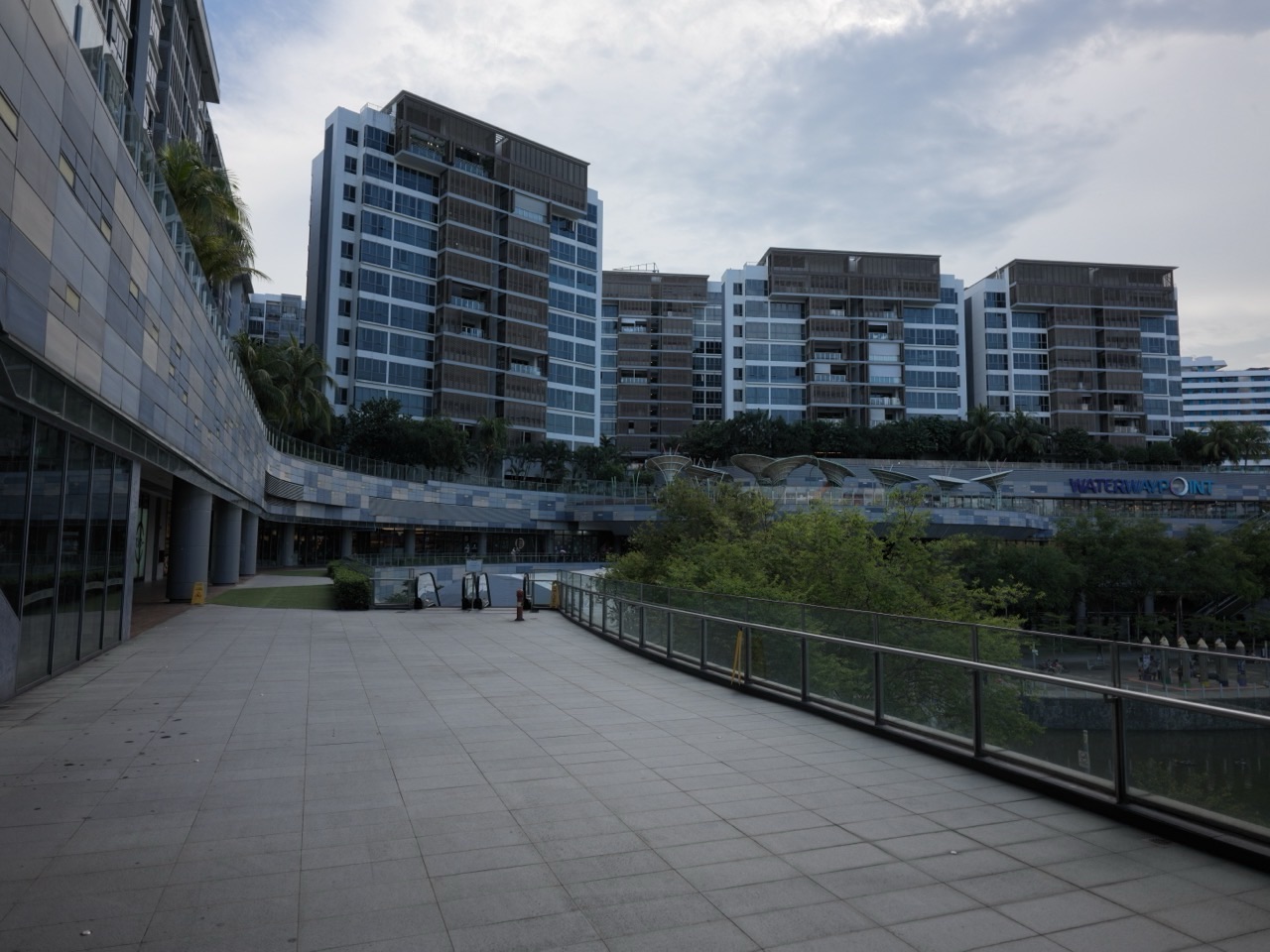
Watertown is the integrated residential development with Waterway Point beside Punggol MRT. Use it as a starting point when comparing condos near Punggol MRT, then walk from the exact apartment tower and resident gate to the platform. Nearby developments such as Parc Centros give you another way to compare how much convenience, space and privacy you get.
The MRT walk is only one part of the purchase. Check usable floor area, recent URA transactions, ongoing maintenance, legal possession and any purchase duties for your own circumstances. If a listing names Punggol Coast MRT, map it separately. It is a different station on the North East Line.
Quick Read
- Start the walk at the actual residential tower and use the gate you would use daily.
- Compare Watertown with at least one separately managed development on the same kind of trip.
- Check recent URA transactions and compare total cost as well as price per square foot.
- Confirm current maintenance, building work, tenure and possession arrangements before relying on your budget.
CHAPTER 1 OF 10
Start with the station your household actually uses
When an agent says a Punggol condo is near the MRT, ask which station and which gate. Punggol MRT serves the town centre beside Waterway Point and connects with the Punggol LRT. Punggol Coast MRT is another North East Line station. Both can be useful, depending on the address. A listing that mentions the Punggol area can also describe a walk to an LRT station followed by a transfer.
Plan an actual journey from the apartment door. Start with the lift down to the correct level, find the resident gate you would use, and follow the permitted pedestrian route to the station entrance. Include crossings, the lift or escalator to the concourse and the part of the trip that happens in rain. The road distance is one piece of a longer journey. A slightly longer covered walk can be the easier option for somebody collecting a child or carrying a laptop and groceries.
Repeat the route in both directions
At evening peak, the route home may run through a busier entrance or a different part of the mall than the morning route. If you commute before shops open or return after the mall closes, verify the route available at that hour with the relevant operator and the development’s management. A route through an area open during your viewing can have different access conditions later.
Try the return walk while holding the shopping you would normally carry. If you are deciding for a household with a stroller or an older relative, test the route with that person where possible. A station entrance reached by stairs may have an accessible route elsewhere. Record the entrance and the conditions you actually tested. That gives you a fair comparison with a project on another street.
CHAPTER 2 OF 10
Watertown and Waterway Point as a concrete starting point
Watertown is part of the integrated residential and retail development with Waterway Point. Frasers’ project information describes the connection between the housing, the mall and Punggol’s transport network. A buyer can use Watertown as a benchmark for what a home with very close access to the town centre might offer. The development is still a collection of individual units, with layouts and experiences that can differ substantially.
Identify the correct residential entrance and tower for the unit. Then check how you go from that tower to the public street, the mall and the station. A photograph showing the residences above the retail complex helps with orientation. For the purchase, the useful questions are where your access begins, whether it is convenient for your household and whether it works on the days and at the hours when you need it.
Check which convenience you would pay for
List the trips you currently make. A household that buys small amounts of food several times a week may get regular value from being close to the mall. A household that drives to a relative’s house most evenings may care more about car park access and peak-hour driving. Someone who works from home may give greater weight to light, quiet and room separation than to a faster rail connection.
On the same visit, stand in the rooms where you would sleep and take calls. Open and close windows with permission. Look out from a seated position if the view matters. A property with nearby public activity can still have a quiet interior, depending on position, glazing, level and time. Check those facts at the specific apartment before assigning a premium to the building name.
What the retail connection changes on a rainy day
A useful second viewing begins as close as possible to the time you normally arrive home. Start where you would leave the train and continue to the tower. If someone would also collect dinner or medication on the way, try that detour. Then find out where a taxi would drop a passenger who needs a step-free route. These are short tests, but they describe how the integrated location would work more clearly than a general claim about convenience.
If you prefer to avoid the retail traffic, identify the other usable way in and out of the property. A well-connected building can offer more than one suitable journey, depending on the tower and time. Record which option you would choose in rain, with shopping or with a visitor. Check access with the relevant management if a route depends on a controlled door.
CHAPTER 3 OF 10
Compare a separate nearby development
A standalone development such as Parc Centros gives you a different way to benchmark town-centre convenience. Instead of assuming how much walking the comparison involves, begin at the relevant resident gate and follow the route to the places you use. If a flat is marketed as close to Punggol MRT, the route can vary with tower, gate and crossing. Confirm the access arrangements for the exact unit you are viewing.
The separate site can change the balance of privacy, outdoor space, traffic and facilities. Spend time where a visitor would arrive and where residents would collect deliveries. Then ask about the rooms you will use most. Someone who regularly reads at a window may prefer a different aspect from a household that mainly uses the common outdoor facilities. Apply the same tests at both projects so that you can compare your notes.
Try the route people in your household will take
A parent who takes the MRT to work can time the morning rail route. A grandparent who uses a feeder bus can check seating and crossings around the nearest useful stop. A driver can ask how resident vehicle access, visitor parking and ride-hail pickups are handled. People going to different destinations may rank the same locations in different orders.
When you return home, mark which differences you observed and which you need to verify. An attractive feature that only works through a particular gate should be marked with the gate’s hours or access arrangements. If the walking route is less comfortable in rain, write down the alternate route and when it is usable. These details explain whether a shorter map distance translates into convenience you will use.
Ask the same arrival questions at each project
Where does a first-time visitor wait? Can a person carrying heavy bags reach the apartment without a change of level that is hard to manage? Where would a delivery driver stop and what part of the trip is the resident’s responsibility? A candidate can be stronger on station access and weaker on the route used by friends, relatives or services. The advantage depends on the trips you make.
Also check if there is a sheltered place to pause when waiting for a ride. For an older relative who seldom travels alone, that place may matter more than a second pedestrian gate. If there is a designated pickup or visitor entry, ask how it operates and try to find it yourself. Apply this at the integrated project and the standalone development so that differences arise from the visits, not from different questions.

CHAPTER 4 OF 10
Work out which unit layout fits your household
Keep the floor plan beside the viewing notes. Ask what is included in the stated area and where space is allocated across balconies, corridors and internal rooms. Two units that advertise comparable floor areas can leave a different amount of usable space for a dining table, a desk or a wheelchair route. Bedrooms can look generous in an unfurnished photograph and become difficult once wardrobe doors and room access are included.
Think through your busiest ordinary evening. Somebody might cook while another person works, a child studies and a visitor waits near the entry. Which rooms can work at the same time? Walk from the kitchen to the dining area. Try to imagine where school bags, shopping bags and laundry will go. A usable layout often reveals itself in the spaces between rooms, especially around doors and common corridors.
Bring the measurements you care about
Write down the dimensions of furniture you plan to keep. Measure the wall behind a proposed bed and the clearance around it. For a home office, check where the light enters relative to the screen and where power and network points are. If there is a long balcony, decide what you would use there in rain or strong afternoon sun. Discuss which space could change use as children grow or relatives visit.
A larger plan can feel easier while the unit is empty. Give an equal amount of attention to storage, awkward corners and the need to move objects between rooms. The decision may turn on whether one adult can take a call while the other cooks. If a household is paying extra for space, it should be able to identify what activity becomes easier and where it happens.
CHAPTER 5 OF 10
Use URA transactions to compare price and size
Start with URA’s private residential transaction search for the exact project. Compare recent resales of similar size and tenure where you can. Keep new sales and resales distinct when they reflect different circumstances, and note the contract dates and floor ranges shown. URA explains the coverage of its caveat and option data. Gaps in the records leave some transactions outside what you can see.
If only a few relevant transactions appear, add a second comparison group from a nearby development with a similar buyer use case. Label it separately. An integrated apartment and a nearby standalone apartment can both suit an MRT commuter, but that shared convenience does not make their floor plans, facilities or costs identical. Use the second group to test the width of your range.
A worked price-per-square-foot comparison
Imagine one unit of 850 square feet is asking S$1.36 million and another of 950 square feet is asking S$1.425 million. The hypothetical asking rates are S$1,600 and S$1,500 per square foot respectively. The second unit has the lower unit rate but costs S$65,000 more in total. If the extra space is mostly used in a way that suits the household, it may have value. If the family is paying for a feature it would seldom use, a lower rate per square foot tells only part of the story.
Do the calculation again using actual registered transactions for the units you think are comparable. Then return to what you know about the apartment you can purchase. Unknown orientation, work needed, available move date and tenure all affect your assessment. The narrower the sample, the more clearly you should state its limits.
| Measure | Example A | Example B |
|---|---|---|
| Area | 850 sq ft | 950 sq ft |
| Asking price | S$1,360,000 | S$1,425,000 |
| Asking price per sq ft | S$1,600 | S$1,500 |
| Practical question | Does the smaller plan work? | What would the extra space let you do? |
CHAPTER 6 OF 10
Check the ongoing cost and building records
Ask for the current maintenance contribution for the particular unit and confirm the billing period. Ask about known upcoming works, the latest available meeting records, and whether special levies or major expenditure have been discussed or approved. Request the records through the appropriate channel. A monthly figure from a different unit or old listing may not apply to your purchase.
Walk through the common areas you would actually use. Inspect lift access and ask about the route for furniture deliveries. If the advertised facilities matter to you, find out what is open, how booking works and whether there are times the household could use them. For a home with a child who swims, a pool’s operating rules may matter more than the number of facilities advertised.
Put recurring costs into the same time period
If one unit’s maintenance is quoted quarterly and the other’s monthly, convert both before comparing. Add any separately payable parking or other charges relevant to your household and use actual documents where possible. Ask which items you can reasonably estimate and which depend on a future management decision. Keep approved and proposed spending separate.
A high ongoing contribution might cover a set of services a buyer values, while a lower one can work well for a household that only needs basic shared space. Ask why charges differ and how the unit is assessed before treating the lower amount as a saving. For budgeting, distinguish predictable charges from works whose timing or amount still needs confirmation.
Use building records to ask narrower questions
If a major project is mentioned in available records, find out its stage. A maintenance issue being discussed differs from approved works with a timetable and confirmed funding. Ask whether the information applies to the building or section you are buying into and whether there are foreseeable disruptions to access. Follow up with the relevant professionals or management if an answer materially affects your plan.
Then distinguish inconvenience during works from how the building will function afterwards. If you depend on a particular lift or use a communal area frequently, timing may matter more than the headline cost. If you plan substantial work inside the unit, ask about management rules that could affect deliveries and contractor access. That information belongs on your move calendar even if it has little effect on the monthly maintenance comparison.
CHAPTER 7 OF 10
Check stamp duties, financing and transaction timing
Before relying on an asking price, confirm the full purchase budget. IRAS explains Buyer’s Stamp Duty and any Additional Buyer’s Stamp Duty that applies. Buyer’s Stamp Duty uses the higher of consideration or market value. Check the current official rules and your own buyer profile, especially with joint ownership, existing property or a planned sale. Your financing provider and conveyancing lawyer can confirm the milestones and documents relevant to the transaction.
Put each commitment on a timeline. The offer, any option, completion, renovations and move date are distinct points. If the apartment is tenanted, check what the legal and practical possession arrangement would mean for you. The buyer who wants to occupy and the buyer who can accept an existing tenancy have different timing needs. Confirm who will be in the property when, and what the contractual papers establish.
Plan a comparison that includes money needed early
Imagine a household intends to sell its current home and use the proceeds toward the new purchase. The household should identify when its funds become available and which new payments fall before then. A favourable sale price cannot help with a payment scheduled before the proceeds arrive unless the family has arranged an appropriate source of funds.
Add legal fees, duties, works, moving and a period of overlapping housing costs if those are relevant. Make a separate list for recurring costs after occupation. Use IRAS and the transaction professionals for current requirements and actual figures. You want to know whether both projects are feasible before spending time deciding which small features you prefer.
CHAPTER 8 OF 10
Visit at the hours when the area changes
A weekend visit gives you one view of an integrated shopping area. On a weekday, the balance of delivery traffic, commuters, school movement and food queues can feel different. Make the second visit specific. Stand outside the gate at the time you would normally travel. Check where a ride-hail driver would pick up a relative. Repeat the station route and make sure the return direction works.
Inside the unit, note likely sources of sound from the road, pool, common corridor and commercial areas where relevant. Ask permission to observe with windows in their normal positions. A few minutes of a quiet showing do not capture every hour. If a specific exposure matters to your household, use a second visit at the affected time to improve the comparison.
Keep future plans in a separate column
Use planning information to ask informed questions about what could change around the block. A development plot may affect future outlook, access or street conditions. Record the source date and what it actually says. Then make a second column for the route, view and public facilities you can observe now. A purchase that only works if a future connection arrives quickly deserves closer scrutiny.
You can walk along public sections of Punggol Waterway and test where the exit you would use takes you. Check whether the leisure route is the same as your weekday route or an entirely different trip. Some households value both. Others discover the view and the walk are occasional pleasures while the trip to school determines the better choice.
Put the same questions to both alternatives after dark
Make a note of how easy it is to find the gate and how exposed the last portion of the route feels. Compare access for a person moving slowly or carrying items rather than timing yourself at a brisk pace. If the street sounds different from inside the apartment, note the position of the windows and the room in which the sound matters. Check whether you can return for an appropriate second viewing. A nighttime walk on public streets can answer the route question even when access to the unit is unavailable.
CHAPTER 9 OF 10
Check the ownership and condition of the unit
Confirm tenure and the relevant dates from the documents for the property. If an alternative is an executive condominium, check its status and the buyer eligibility rules that apply to the specific transaction. The estate name is insufficient to establish eligibility. Ask the relevant professionals early if the property’s form, restrictions or ownership history changes which buyers can proceed.
Check the unit for significant works and ask for paperwork when a layout appears to have changed. A door, partition or enclosure can affect both usability and approvals. URA’s buyer guidance highlights checking unauthorised works and use. Bring questions about the actual alterations to your lawyer, agent or qualified professionals as appropriate, and ask what evidence is needed to resolve them.
Write a condition note you could hand to someone
Give each observation a location and the time you saw it. State whether an item was tested, described by the seller or merely seen in a photo. If the windows show signs of moisture around the frame, for example, ask about history and obtain an appropriate assessment before assuming a cause. Use the same standard for each property you compare.
Separate included items from furniture brought in for marketing. If a household needs appliances or built-in storage to remain, confirm the documented arrangement. Plan any work that must happen before moving in. The value of a unit in move-in condition depends on when you can enter, the state of the systems you need and how much of the existing layout you can actually use.
CHAPTER 10 OF 10
Make the premium earn its place
Put the two strongest candidates on one page. Write the practical door-to-platform route, the rooms that work for your household, the comparable transactions and the actual ongoing charges. If one unit costs more, give the difference a specific explanation. A parent may save a difficult crossing twice a day. A household may gain a second usable workspace. A preferred view may be worth an amount the family has agreed and can afford.
Rank your three least flexible requirements before making an offer. A household that needs step-free travel should be willing to rule out a route that fails the real-world check. A household that needs immediate possession should prioritise documented timing. A household with significant work demands may choose the space it can use reliably even if a project elsewhere offers more facilities.
Decide what to verify next
Each unresolved issue should have a source and an owner. Check the station route in person, retrieve registered project transactions from URA, request the relevant building documents, and have financial and legal questions checked for your own purchase. Choose whether the candidate is ready for the next step when those answers are in hand.
A choice between Watertown and a nearby condo can be close when both support the family’s daily trips. Bring the decision back to ordinary life. Think about the evening return, the people who use the home when you are out, and what will be easy to keep doing over several years. Those details give a practical meaning to being near Punggol MRT.
Put the same budget to one more use
Ask which features would remain valuable if the household’s rail commute changes. You might still use the mall daily, or the biggest benefit could disappear when a new workplace makes the commute different. Likewise, the extra room in another project might become useful as a child grows. A family can choose an advantage for the current stage of life while remaining clear about what it expects to value later. Use the actual numbers and property documents for the decision, with the longer-term use as a separate reason for choosing between feasible options.
Common questions
Which condo is connected to Waterway Point?
Watertown is the residential part of the integrated Waterway Point development. Check the actual residential tower access for the apartment you are considering.
Is Punggol Coast MRT the same station as Punggol MRT?
They are separate North East Line stations. Check the station code and walk the route from the actual property.
How do I find recent condo transactions?
Use URA’s Private Residential Property Transactions search and look for recent sales in the project of a similar size and tenure.
Should I choose the apartment with the lower price per square foot?
Compare the total purchase cost and the space you would use. A larger apartment can cost more overall at a lower rate per square foot.
Where do I verify stamp duty?
Use IRAS’s official Buyer’s Stamp Duty and Additional Buyer’s Stamp Duty guidance, then confirm the facts and deadlines for the purchase with your conveyancing lawyer.
Can I estimate condo maintenance by another owner’s bill?
Ask for the current contribution for the exact unit and confirm the billing period and any approved special levies.
What to do next
Walk from Watertown’s relevant tower and one alternative property to Punggol MRT. Compare actual sale records and the two layouts after the visit. The better choice is the one whose convenience, space and total costs fit the household that will live there.
Official sources and tools
- Frasers Property on Watertown and Waterway Point
- Waterway Point transport connections
- LTA on Punggol Coast MRT
- URA private residential transaction search
- URA guidance on buying private property
- IRAS Buyer’s Stamp Duty
- IRAS Additional Buyer’s Stamp Duty
- Parc Centros project information from Wee Hur


