
Start at the free Keppel Centre for Art Education if you are taking children to National Gallery Singapore in 2027. It is on Level 1 of the City Hall Wing and is designed primarily for ages four to twelve. Take the MRT to City Hall, allow time to reach the Gallery and check the Centre’s cleaning breaks before leaving home. The Gallery’s wider exhibition admission is a separate decision.
Give your family about 90 minutes to two hours for the approach, a visit to the Centre and one easy extra stop. Make the Centre the main activity if a child wants to make, play or explore. Add an exhibition only if the family wants a second activity and has checked its entry terms. A short look at the Padang side of the building or a seated break can be an easier finish.
- Find the Keppel Centre in the City Hall Wing, Level 1.
- Check current entry, cleaning and last-entry information before travelling.
- Use City Hall MRT and the Gallery’s Art Connector directions.
- Plan one or two activities that suit your child rather than trying every zone.
- Check exhibition admission separately if you want to visit other galleries.
EDUKATE PUNGGOL · SINGAPORE 2027
Find the part you need
- Choose the right Gallery visit for your child
- Check the Centre’s hours before you travel
- Walk from City Hall MRT to National Gallery Singapore
- Keep free Centre entry and gallery admission separate
- Frequently asked questions
First stops and visit planning
- Choose the right Gallery visit for your child
- Check the Centre’s hours before you travel
- Walk from City Hall MRT to National Gallery Singapore
- Start with one art activity instead of visiting every zone
- Keep free Centre entry and gallery admission separate
- Add a short look at the building or the Padang
- Fit the visit around siblings and adults
Activities, practical tips and FAQs
A family with a four-year-old and a family with an eleven-year-old may use the same Centre very differently. A younger child may want to try one activity slowly and return to it. An older child might compare two ways of making a picture or explore a different gallery with an adult. Decide how much change of pace your group wants before choosing what to do after the Centre.
The Centre is useful if your main goal is a child-focused art activity in the Civic District. A separate exhibition may suit a teenager who is interested in a specific artist, subject or period. The same building can support both kinds of visit. Choose which person’s activity is the priority and keep the rest of the outing flexible. This makes it easier to make a calm decision when you arrive and see the current crowding.
Give everyone one clear expectation
Tell a child what will happen first, what comes next if the Centre is busy and how the visit will finish. For instance, “We will go to the art activity area, look at the building if we have to wait and stop for lunch afterwards.” A short description makes the route easier to follow. It also gives the family a shared plan without committing to an exact number of activities.
An adult who wants to see an exhibition can use the same approach. Pick one room, one artist or one topic they would enjoy. Check the admission and current location before you go. If the family runs out of time, put that visit on a different day. The Centre is an outing in its own right and is worth the trip when it fits the child’s interests.
The Gallery currently lists two daily cleaning closures for the Keppel Centre, from 12.30pm to 1pm and from 3.30pm to 4pm, with last entry currently listed at 6.40pm. Check the current Centre page for your date. General Gallery opening hours and the Centre’s usable visiting windows are different checks. This matters when you only have a narrow window between another appointment and a meal.
The Centre can reach capacity. Follow the Gallery’s current advice for waiting and avoid crowding the entrance. A queue is a good reason to choose a nearby alternative first, rather than asking younger children to stand around without knowing when they can enter. A short building look or a rest at a suitable place can make the wait easier. Use the staff’s current guidance on how and when to return.
Work backwards from the break
Imagine a family wants to arrive close to lunchtime and has a meal planned at 1pm. If the Centre still has its 12.30pm closure on that date, an arrival just before it may leave too little time for the main activity. The family could start earlier and make lunch the finish, or eat first and try again during the afternoon opening. Work out the real time between entering the building and reaching the Centre before choosing your plan.
Similarly, a late afternoon visit should account for the 3.30pm cleaning break if it is still in effect. A family with only an hour may prefer a different arrival time. If you only have the time that overlaps a break, use the rest of the building or choose an activity with its own confirmed schedule. The key is to check the room you are going to, rather than relying on the hours printed for the building as a whole.
Contents · Previous section · Next section

The Gallery identifies City Hall as its nearest MRT station and describes an approximately seven-minute approach via the Art Connector. Use that as an orientation cue and allow extra time for traffic lights, lifts, a stroller or a group walking at different speeds. Save National Gallery Singapore as the destination. City Hall MRT and the Gallery’s City Hall Wing are different places, even though they share the name.
Find a convenient public entrance using the Gallery’s current visitor information. Then follow the signs inside to the City Hall Wing and Level 1. If someone arrives from a different direction, agree where you will meet by wing and level. A large building can have more than one entrance and several points with similar names. A precise meeting place saves time, especially when one person has the booking for another activity.
Choose a suitable route in heat or rain
Check the venue’s current accessibility and entrance guidance if you need a step-free approach. Allow for exposed stretches and use suitable indoor shelter if a storm is in progress. A longer approach can make sense if it is easier for a wheelchair or stroller. Once you are inside, take a minute to find the lift, toilet or return entrance you need before choosing the first activity.
If you are using a car or taxi, check the current drop-off and road directions rather than assuming the closest building entrance is the designated vehicle point. The Civic District can have temporary road changes for events or works. Meet the group after you have entered the building, or use a location where they can wait comfortably. Include the approach in the visit time so the child is still fresh when you reach the Centre.
Contents · Previous section · Next section
Choose an activity your child wants to try and give them time to look at how it works. Younger children may learn by repeating one movement or experimenting with a colour. Older children can compare how changing a shape or material affects what they are making. The Gallery’s current Centre information is the best guide to what is available. A particular zone can be busy, closed for cleaning or used differently on the day.
Try an open question such as “What do you want to make first?” or “What changed when you did that?” Let the child answer through the activity rather than needing to explain everything aloud. Some children will be more interested in looking before doing. Give them that choice. An enjoyable visit may consist of one meaningful activity and a short look at another one.
Use a simple drawing or colour game
Ask a child to choose one colour or shape they used and look for a similar one elsewhere on the family’s route, where looking is permitted. This gives the activity a small connection with the rest of the visit. A child may notice the same colour in a display, a sign or a building detail. If they want to draw what they saw, find a suitable place outside the busiest area or save it for home.
For an older child, ask which tool or material made the biggest difference to the result. A child who wants to compare can make a tiny drawing before and after changing one detail. The point is to notice the effect of one choice. You can talk about it on the way to lunch. This makes the outing an art experience even if you do not buy tickets for a separate exhibition.
Contents · Previous section · Next section
National Gallery Singapore lists the Keppel Centre as free. The Gallery’s other exhibition and general admission rules depend on the venue’s current terms, the visitor category and the exhibition. Check those rules if you are adding a gallery visit. Singapore citizens and permanent residents currently have free general admission arrangements, while special exhibitions and other visitor categories can have different conditions.
A ticket product may include selected rooms or exhibitions. Check the scope and any time restrictions before paying. If the Centre is your only objective, use its visitor information and current entry arrangements. If a special show is what older children or visiting relatives want, use the show’s own page. An all-ages outing can be planned around both, as long as each part has enough time and everyone understands the cost.
Plan for the wider Gallery’s temporary changes
The Gallery’s current visitor page says the UOB Southeast Asia Gallery is temporarily closed, with reopening expected in late 2027. It also notes that works from the National Collection are displayed elsewhere. Treat a reopening expectation as a planning note and check current Gallery information before travelling for a particular room or work. The Centre has its own access and remains a separate destination to check.
If a gallery room you wanted is unavailable, choose one currently listed exhibition or finish with a building look. Do not rely on an older floor map to settle what is open. A current map can show the route, while the latest visitor information explains changes. Together they help you choose a worthwhile second stop without making the first activity feel rushed.
Contents · Previous section · Next section

The Gallery occupies the former City Hall and Supreme Court buildings. After the Centre, pick one public architectural feature to notice. You might look at how the wings connect, find a named entrance or walk outside to see the building in relation to the Padang when conditions allow. Give the child a simple prompt, such as “Which part of the building would help you recognise it again?”
A look outside can be a useful change after an indoor activity. Keep it brief if the day is hot or the child is ready for a break. If a storm develops, stay in a suitable indoor place and use the Gallery’s current public route when you leave. The architecture stop does not need to turn into a longer Civic District walk. Save that for another visit if your group mainly came for the Centre.
Choose one nearby extension by interest
For a family that likes the river, the separate Civic District route past Empress Place and Victoria Theatre gives you a different outing. For a child who wants more making time, the better extension may be another currently available Gallery activity. For a group that needs lunch, choose the food stop and leave the walk optional. An extension is useful only when it fits the group’s remaining time and energy.
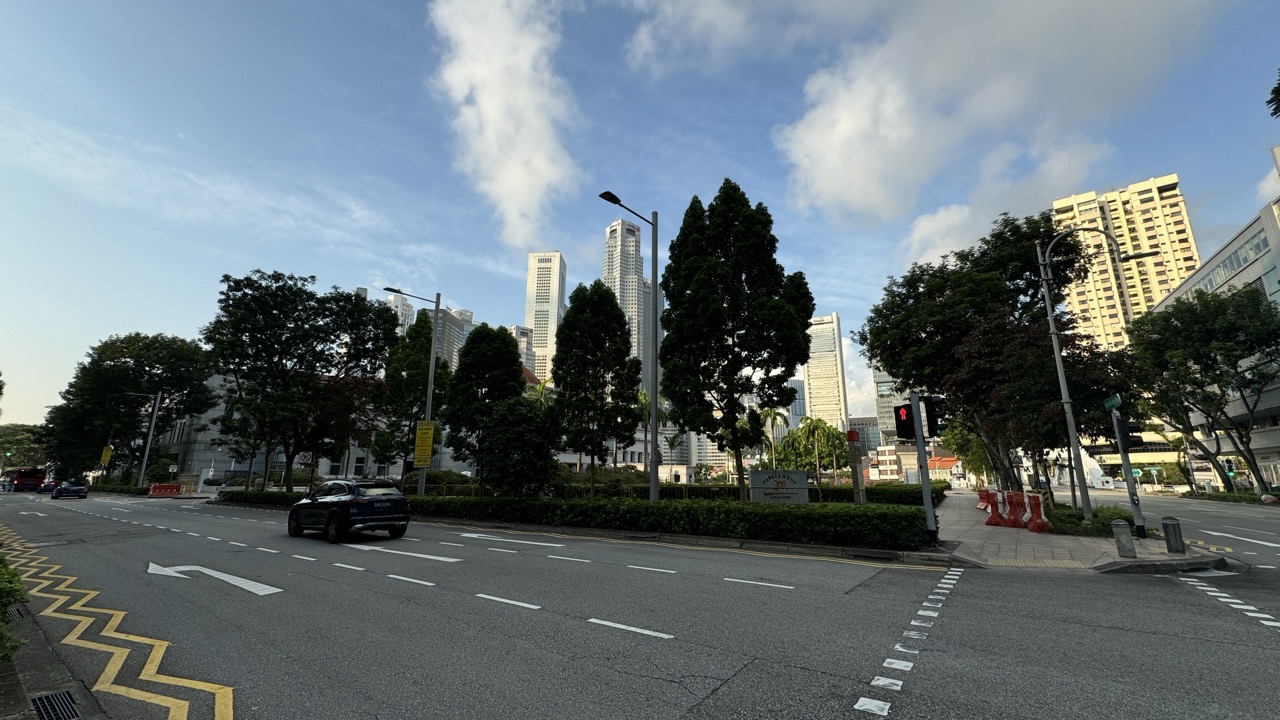
The archive photographs in this guide show nearby Civic District surroundings. Use the Gallery’s current map and signs to identify the Centre and entrances. A picture of Parliament Place or Victoria Theatre can help orient a broader visit. The Centre itself is inside National Gallery Singapore. Keep the venue’s name and floor in the directions you send to others.
Contents · Previous section · Next section
If an older sibling wants a gallery visit while a younger one wants the Centre, pick one shared first stop and decide when to split. Use the venue’s supervision and access rules. Set an exact place to meet afterwards. If you only have one adult, choose one activity everyone can do comfortably and save the other for another date. A shorter shared visit can be easier than trying to give two children separate routes at the same time.
Grandparents may enjoy the building, a shorter activity or a seated break. Ask what part they want to share. A member of the family who only wants lunch can meet you at the named venue. For a group using several transport routes, allow a little time to reach the right wing together. The physical distance between two points can feel longer when you have to find lifts or move through a busy entrance.
Plan the quieter version first
A child who dislikes crowding or sudden changes may do better with one planned activity and a clear fallback. Look at the Gallery’s current access information and ask staff about arrangements if needed. Tell the child that the Centre might be full when you first arrive and explain what you will do next. A predictable alternative helps keep the visit enjoyable.
If a child is absorbed in an activity and the space allows it, give them time to finish instead of moving on for the sake of a schedule. The extra stop is usually the flexible part. Let the outing end with a drawing, an observation or a conversation rather than trying to fit in the whole building. That gives younger children a strong memory of the visit.
Contents · Previous section · Next section
About an hour for the Centre
If you already know the approach and the Centre is available, focus the visit on one or two activities. Keep the final portion for a toilet stop and return. This is a useful version if you are in town for another reason or want to try the Centre without building an entire day around it.
About 90 minutes with the building as a second stop
Take City Hall MRT, use the signed approach and visit the Centre first. When everyone is ready, take a brief look at one public architectural feature. Finish near a clear return entrance or meal venue. If there is a wait, reverse the two stops when that makes sense and check how to return to the Centre.
About two hours with a meal or exhibition
Choose the Centre time and give yourself a second objective. A short meal or a small exhibition visit can both work. Check the exhibition terms before including it. If lunch is fixed, protect the time needed to get there. If the Centre is the main stop, spend the best part of the visit there and make the second stop optional.
Contents · Previous section · Next section
The Gallery’s Centre page is a better starting point than a list of attractions copied from an earlier school holiday. Look for the activity name, its description and any access advisory. A child who likes sound and movement may choose a different space from someone who prefers a slower tabletop activity. The Gallery warns that A Brush with Forest Fire has ambient sound and that some stations give audio feedback. Use the Centre’s access advisory to decide which spaces to try first.
If a younger child wants to look before joining, give them time to do that. An older child can read the instructions or describe how the installation responds. The same family can use one activity at two levels. Ask the younger child what they see and the older one what changed. Save a larger discussion for a quieter point after leaving. Children do not need to produce something they can carry home for the visit to count as an art experience.
Prepare a one-minute introduction at home
Tell the child that they are going to a place where they can explore how artists use colour, shape and materials. Show them the current Gallery page if a picture would help. Let them choose one feature they want to try, then give them a second choice in case the first is crowded. This sets a clear expectation without making a promise about how long you will spend in any room.
For a child who wants a creative challenge, choose one simple question. How many ways can a line move? What happens if you change the size of a shape? Which material would you use to make a picture feel rough or smooth? Ask the question once and let the activity supply the answer. A child who would rather look and describe can do that instead of trying to finish a particular object.
Contents · Previous section · Next section
The Gallery says waits can be longer when the Centre reaches capacity and asks visitors to keep the entrance clear. Treat the wait as a chance to use a public part of the building or a suitable rest stop. Follow staff instructions about what to do next. If you are coming near a cleaning break, check whether waiting will overlap the closure. That affects how much time you will have before your next plan.
A short fallback can be a look at the building, a snack where allowed or a stop to find a suitable place to sit. The Centre should stay the first priority if your child is ready and there is time. If there is a long wait and you have a fixed appointment, use the fallback and choose another day for the Centre. Make the decision while you can still reach the next stop comfortably.
Consider a concrete weekday and weekend plan
On a weekday, a family with a fixed midday appointment might choose an earlier visit and use the building only as an optional extra. On a weekend, another family might allow a little more margin and choose an indoor backup before travelling. Check the current opening windows in both cases. A popular school-holiday session can behave more like a busy weekend than a quiet weekday.
If relatives are joining for lunch, agree whether they will wait near a public point or go directly to the meal venue. Give them the exact entrance and level. A second person can guide a child to the toilet or a seated break while the rest of the group checks the next step. A family visit works better when waiting, eating and moving between wings have their own places in the itinerary.
Contents · Previous section · Next section
SECTION 11 OF 13
Connect one activity to the Gallery’s art without buying an extra ticket by default
After the Centre, ask the child to look for a shape, colour or material on the public route back. The building itself gives plenty to notice. Compare a large public space with a smaller area where people pause. Ask what makes the two spaces feel different. You can make a sketch after leaving or take an exterior photograph where appropriate.
If you do choose an exhibition, look for one work that relates to the activity the child enjoyed. An adult can read the label while the child describes one visible detail. You could compare two colours or ask where your eye goes first. A short conversation makes the extra ticketed or admitted visit useful. If the child has already had enough, you can read about the collection at home and save the exhibition for another day.
Compare this outing with other art activities
The Keppel Centre is a child-centred space within National Gallery Singapore, with free entry currently listed by the venue. A Future World visit at ArtScience Museum involves a different kind of interactive art and requires its own timed entry. A Civic District walk is a third option, useful when the group wants public architecture and the river. Choose the activity according to the child’s interest, the time available and what you want to pay for.
A family can combine the Centre with a short architecture stop on one visit and leave the other museum or river walk for a separate day. This gives children time to try an activity without spending the afternoon in transit between venues. When a visitor asks for a single indoor art outing with a younger child, the free Centre can be the main plan, with every other stop optional.
Contents · Previous section · Next section
Before leaving, ask the child to name one thing they made, noticed or tried. If they want, let them point to a colour or a shape in their own notes. A family member who was not there can understand a description such as “We changed one part of a picture and it looked different.” That is a more useful end to the visit than trying to remember the name of every zone.
Save the Gallery’s current access and Centre pages if you might return. On a second trip, choose the activity that was busy the first time or follow a new question. You can also go at a different time to see what suits your child better. The same visit can change as the child becomes more comfortable with the building and wants more time to explore.
Save the two pages that answer different questions
Use the Keppel Centre page for access, cleaning breaks and current activities. Use the wider Gallery visitor page for the route to the building, the entrance and any exhibition you decide to add. Checking both takes little time and helps you avoid relying on general building hours for a specific room.
Contents · Previous section · Next section
Is the Keppel Centre free?
The Gallery currently lists free admission to the Centre. Check the Centre page for current entry arrangements. Other galleries or exhibitions have separate terms.
Where is the Keppel Centre?
It is on Level 1 of the City Hall Wing at National Gallery Singapore. Follow the Gallery’s current signs and visitor map.
Which MRT should we use?
City Hall MRT is the nearest station listed by the Gallery. The Gallery describes an approach via the Art Connector.
Is it suitable for preschoolers?
The Centre is designed primarily for children aged four to twelve. Check the current activity descriptions and choose something that suits your child and the setting.
What if the Centre is full?
Follow the Gallery’s current waiting guidance and choose a nearby public area or activity while you wait. Check when and how to return.
Can we do the visit in the rain?
The Centre is indoors. Check the approach and use suitable shelter in a storm. Keep any Padang or river walk optional.
Contents · Previous section · Visitor information


