
For a first Coney Island ride, arrange a bicycle before entering the park, use the west gate near Punggol Point Walk and ride out and back along the open designated route. The Punggol Settlement lists bicycle rental at Jomando Adventure & Recreations, near the west-side approach. Confirm its hours, stock, rates and return terms before travelling in 2027. Punggol Coast MRT is the nearby MRT station listed by NParks.
NParks lists Coney Island Park as open from 7 am to 7 pm. Plan to be outside the gate well before closing and leave enough time to return a rental. A short out-and-back is easier to manage than crossing the island and working out the way back from the east gate. Bring your own bicycle if that suits the trip and check current park, path and wildlife notices before you go.
- Use the west entrance for a first ride if you are renting near The Punggol Settlement.
- Check rental availability, sizing, return location and latest return time in advance.
- NParks lists park hours of 7 am to 7 pm. Check current notices and leave a margin before closing.
- Use only open designated routes and follow signs if a section is reserved for pedestrians.
- Treat the east gate near Lorong Halus as a separate finish that needs its own transport and rental plan.
Choose a west-gate ride that fits your group
Start with a short out-and-back
The simplest first ride has one entrance, one turn point and the same way back. Use the west entrance and choose a turn based on the group’s comfort and the path you find. A beginner can ride for a short stretch, stop at an appropriate point and return before feeling tired. A longer loop is easier to plan after you know how the surface and crowds affect your pace.
Give every rider the name of the gate and a meeting place outside it. If one person needs to stop early, the rest of the group can decide whether to return together. A child who knows which way leads back can concentrate on riding rather than trying to remember several junctions. Keep the first visit focused on the route and a short look at the surroundings.
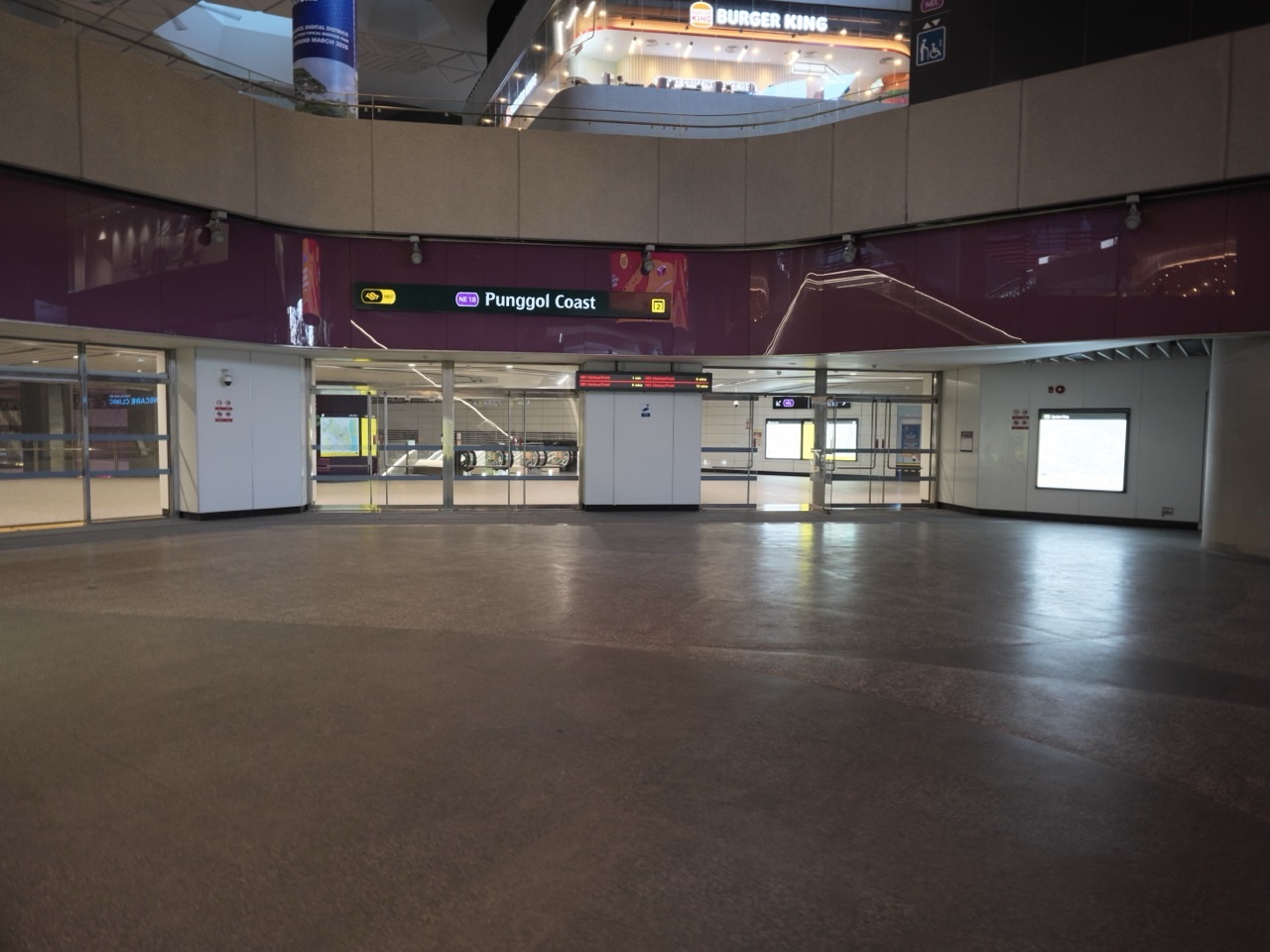
Punggol Coast MRT is a useful reference for people coming to the area by public transport. The main photo shows the station entrance, a mainland approach landmark. From there, use a current pedestrian route towards your rental point or the west gate. Check the actual walking distance, any diversions and the gate approach. The station and park entrance are separate stops.
Use the east gate only with a complete onward plan
NParks identifies the east entrance near Lorong Halus Wetland. It makes sense as an end point if your group has a route onward and the bicycles can go with you. A west-side rental may have to go back to the same shop. Confirm that before treating the east gate as the finish. A ride that looks short in one direction can become a much longer outing when you add the required return.
If you bring your own bicycle, think through where you will ride after leaving the island. The route to transport or a pickup point may be different from what you would choose on foot. Check the current route and the transport operator’s rules if you plan to carry the bicycle on a service. Give the group an alternative if a path is affected by works.
A family with different abilities can choose one common ride from the west entrance and let more experienced riders plan a separate longer trip later. Everyone can enjoy the first section without feeling committed to the full crossing. Set the turnaround early enough that the slowest rider can return comfortably.
Rent a bike or bring your own
Confirm the practical rental details
The Punggol Settlement’s tenant page lists Jomando Adventure & Recreations as a bicycle rental business. Call or check current information to confirm that it will be operating when you arrive. Ask about the type of bicycle you need, including a child’s size, and check the charges, deposit or identification requirements and return arrangements. A listing establishes that the business is advertised there. It cannot confirm the bike you need will be available.
Ask what equipment is included and bring anything your group needs that is not supplied. Give everyone time to test the fit, brakes and controls in an appropriate area before heading towards the gate. A child or new rider should be able to start, stop and steer confidently. If the group cannot get suitable equipment, change the trip to a walk or save the ride for another date.
Keep the rental return separate from park closing. The shop may have its own latest return time. Save both times and use the earlier practical limit when setting your turn. If a problem happens on the ride, use the contact or instructions from the rental shop. Ask about this before leaving, when it is easy to take a note.
Bring your own bike if it makes the day simpler
Check the bicycle before setting off and choose a realistic route from home or your starting point. If you are coming a long way along the mainland connector, count that distance before deciding how far to go on the island. The ride home is part of the outing. A beginner who uses all their energy getting to the gate may enjoy a short break and return more than a longer ride inside.
NParks lists bicycle parking at both the west and east entrances. That gives you a choice if you want to leave the bicycle secured at an appropriate place and walk a section. Check the current arrangements and bring a suitable lock if needed. There are no car parks on the island, so plan any car arrival or collection on the mainland.
If some members are walking, choose an agreed meeting place and time. Avoid expecting walkers and riders to keep the same pace across the park. For a family that wants to stay together, make the route short or choose one mode for everyone. Let a child practise on a familiar route before committing to a longer first outing.
The Punggol Settlement’s current address is 500 New Punggol Road. Save the tenant name and verify the shop’s location before travelling, especially if an older listing uses the former Punggol Point Road address.
What to expect on the paths

Use the main open route for a first ride
NParks describes a rustic park with designated cycling and walking routes, varied habitats and rougher terrain in some parts. Use the current park map and follow the signs at each junction. Start on the route your group can use comfortably. A side path or boardwalk can have different rules or surface conditions. Leave it for a walk if cycling is restricted or unsuitable.
Take the first few minutes to see how the path feels. A bike that is comfortable on a paved mainland route may feel different on a rougher section. Give the person at the back enough space and time. If one rider struggles with the surface, shorten the trip before the group becomes spread out. A beginner’s ride is useful when it ends with enough energy to return.
Stay on designated trails and keep speed suited to the conditions and other users. Use the current signs for shared or pedestrian-only segments. Slow down before bends and busy points, and stop only where others can pass. If children are riding, agree how they will signal that they need to slow or stop. A small group is easier to manage when everyone knows what happens at the next junction.
Make any nature stop separate from riding
Coney Island has coastal and mangrove habitats. At a suitable public stopping point, pause and look at the vegetation or water. Keep the bicycle clear of the path and follow any local directions. A short wildlife look gives children a reason to pause without asking them to ride and watch the surroundings at the same time.
NParks asks visitors to stay on designated trails and keep a safe distance from wildlife. Use its current guidance on monkeys, wild boars, dogs and other animals if relevant. Keep food and belongings stored as advised. If an animal is near the route, give it space and follow the park’s instructions rather than trying to get past it or take a closer photograph.
The Leica photo in this guide shows a shared path near Waterway Point, separate from the island itself. It is useful for understanding the mainland context. Expect island surfaces and access to differ. The current NParks map and signs are the best references for the ride you are about to take.
Give a beginner three clear checkpoints
At the rental shop or mainland start
Check fit and basic controls before you choose the route. Ask the rental provider how the brakes work on the bicycle you receive and make sure the rider can comfortably reach them. Check the tyres and the position of the seat with staff if needed. Ask where you can try starting and stopping without getting in the way of other users. If a child is uncomfortable or cannot control the bike reliably, switch to a different size or make the outing a walk.
Check the equipment and rental terms before you leave. Confirm the time at which charging begins, the latest return and where the shop expects the bicycle back. If you are planning to ride from the station or a different point on the mainland, count that approach separately from time on the island. A parent choosing a hire period should include fitting, breaks and the return, rather than paying for only the time they expect to be moving inside the park.
Write down the contact and agree on a mainland meeting point. Someone who is walking or joining after the ride can meet there without using the park. A simple group message can include the shop, west gate and expected time back. If a rider falls behind or decides to turn early, use the group plan and keep younger riders with the supervising adults.
At the west gate
Read the current park signs and decide which route the group can use. A published map is useful for orientation. Local signs give you the current rules and conditions at the point of entry. Keep the route within the open designated area. If the group wants to try a path that is signed for pedestrians or is unsuitable for riding, follow the instructions and choose a separate walking stop.
Use a short stretch to test the pace. An adult can lead at a speed the youngest confident rider can maintain, while another adult brings up the back if the group has one. Give each person room to stop. At a junction or change of surface, slow down and decide together which way to go. If anyone is unsure about the surface or control, go back while the gate is still nearby.
Set a turnaround rule the whole group can understand. You might decide on a suitable point on the open route, or turn after a particular amount of riding time. The rule should leave room for a pause and should suit the rental return. A child who knows there is a definite way back can pay attention to the ride instead of wondering how much farther the adults expect to go.
At the turnaround
Find an appropriate place clear of the main flow. Check that everyone is comfortable and decide whether to spend a few minutes looking at the setting. Then point out the way back before the group starts moving. On the return, the same bends and junctions can look different. Keep the group together and use the signed route.
If a child has less energy than expected, keep the return short and save any side path for another date. If a bicycle develops a problem, stop in a suitable place and follow the rental provider’s instructions. Leave a margin for that possibility when planning. A short first route is especially useful because it gives the family more choices if the ride takes longer than expected.
Once back on the mainland, return rentals before adding food or another stop. Confirm that the shop has checked the return and that you have collected anything left with it. Make the meal or walk a separate activity. This gives the ride a clear end and makes the remaining time easier to share with people who did not cycle.
Set a realistic timing and turnaround
Work backwards from the earlier deadline
Start with the park closing time and the rental return time if there is one. Allow time to leave the island, reach the shop and deal with the return. Then subtract the distance you plan to ride and leave a margin for slower movement, a break or a change in conditions. The same route can take longer when the group is tired or the path is busy.
For example, if you want to be back at a mainland rental point by 5.30 pm, set an earlier time to be out of the park. Add the ride from the gate to the shop and a margin for delays. Once inside, choose a turn time based on how long the first stretch took. If it took longer than expected, turn earlier. Use the actual shop and park terms for your date rather than treating these times as a schedule.
A short family outing may use more time for fitting bikes and taking breaks than for riding. Count those parts before choosing a lunch reservation. If the party is arriving separately, decide how long you will wait and what happens if someone is late. A person who arrives after the main group can meet at the shop or join the next part if that suits the plan.
Keep a simple backup for weather and fatigue
An outdoor route can feel different after rain or in strong heat. Check the weather and any closure notices. If the ride is unsuitable, use a shorter mainland option only if it is safe and appropriate, or choose a separate meal or indoor stop. Do not rely on the park as an all-weather venue.
If someone tires during the ride, make the nearest suitable public turn the end point. Check that the group can get back at its current pace. A child who wants another viewpoint can choose one closer to the entrance on a future visit. Keeping the return comfortable is part of learning which route the group can enjoy together.
NParks recommends long pants and covered shoes for protection from insects such as sandflies. Check its current visitor guidance for clothing, wildlife and route conditions. Keep what you need for the trip packed securely. Ask the rental provider about equipment and choose a ride your group is comfortable completing.
Make a west-side plan from Punggol Coast
Arrive by rail and rent near the approach
Use Punggol Coast MRT as your public transport reference, then follow a current route to the named rental location. Tell companions whether they are meeting at the station, the shop or the gate. Check the public path before setting off. An address, landmark and opening time are more useful together than a general instruction to meet at Coney Island.
At the shop, confirm the route back and the latest return time. Choose a bicycle that suits the rider, try the controls and agree on one short route. At the gate, check the park notices and select an appropriate turn point. Give the group a clear reason to pause, such as a public viewpoint or a suitable wide place where people can regroup.
When returning, leave the park early enough to handle any delay and take the bicycle directly to the agreed location. Then choose food or the train based on the group’s energy. A meal at the mainland finish can be a practical end to the trip. Check the particular outlet’s hours and plan the walk back to the station.
Decide what to do if you cannot get a suitable bicycle
Ask whether another size or time is available. If it does not work, use the west-side entrance for a short walk if it is open and your group wants one. A walk can still offer a look at the park without the riding distance or equipment. Use the walking route and current gate hours, and choose a turn point that suits the youngest or slowest visitor.
Someone with mobility needs should check the specific approach. NParks identifies the ends of the park as wheelchair accessible and stroller friendly while noting that rougher parts can be unsuitable for some visitors. Plan for the particular section you intend to use. A short outing around an accessible end can be a better fit than attempting a crossing.
Compare a rental ride, your own bike and a walk
A rental ride for a visitor arriving by MRT
Use Punggol Coast MRT and go to the confirmed shop. Set a short route from the west gate and return to the same location unless the provider confirms another arrangement. This option works when you want a bicycle without arranging to bring one on public transport. The tradeoff is the extra time for fitting, returning and any shop conditions. Use the current access route and give yourself time to walk back to the station.
Your own bike for a longer mainland trip
Choose this if the group is already comfortable riding to the area. Decide how much of the outing will be on the mainland and how much on the island. Look at the current connector notices and the routes around the park entrance. A visitor coming from another part of Punggol can end the mainland ride near the gate and still have a useful outing if the island path is crowded or conditions are unsuitable.
Make a route home before committing to the east gate. Ask whether that direction serves the place you want to reach and whether every rider is comfortable with the extra distance. Check current signs at the exit. If you are using a planned pickup or transport connection, verify the arrangements for carrying the bicycle rather than assuming it will fit.
Walk if the equipment or surface does not suit the group
Take the same basic west-side approach but choose a walking turn point. The gate hours and path notices still matter. A short walk can be better if there is no suitable rental size, the group wants to stop often or the rider is still learning to start and stop confidently. Keep the visit close to the entrance if someone needs a smoother or shorter route.
For two households, compare the plans before hiring. One can cycle a short out-and-back while the other walks near an entrance, with a named meeting point and time outside the park. Avoid asking both groups to cover the same route at the same speed. Use a short shared stop if spending time together matters more than distance.
At the end, note what would make a second visit easier: a better bike fit, an earlier start, more time at the gate or a shorter ride. That is more helpful than setting a longer target simply because the first trip went well. The ride can stay short and still offer a different view of the park from a walk.
Decide whether a longer ride is worth a second visit
Learn the route first
After the first ride, make a note of where you joined, how long it took to return and which part of the surface felt comfortable. Note the actual rental return process if you used one. These details can help you decide whether a longer trip is practical. They are especially useful when bringing a child who has never ridden in the area.
For a later visit, choose one change. Ride a little farther, start with your own bicycle from a mainland route or make the east gate the finish after arranging the return. Keep the other parts familiar. A new route feels easier when the group already knows how to handle the starting point, public path or timing.
A good trip can finish with a short description of what worked. Ask the child which point they would turn at next time and what they remember about the path. Adults can use that information to choose a suitable distance. With the return and equipment sorted, it is easier to spend time looking at the island rather than trying to complete a fixed route.
Frequently asked questions
Where can I rent a bicycle near the west gate?
The Punggol Settlement lists Jomando Adventure & Recreations. Confirm current hours, stock, rates and return terms before going.
When does Coney Island close?
NParks lists park hours of 7 am to 7 pm. Check current notices and leave a margin to exit.
Which MRT should I use?
NParks lists Punggol Coast as the nearby MRT station. Check the walking route to your rental or the west gate.
Can I return my bicycle at the east gate?
Ask the rental provider. Plan on the confirmed return location rather than assuming a one-way return is available.
Can I cycle every path?
Follow current signs and use only open designated routes where riding is permitted. Some sections may be unsuitable or restricted.
Do I have to cross the whole island?
No. An out-and-back from the west gate is a practical first ride.


