
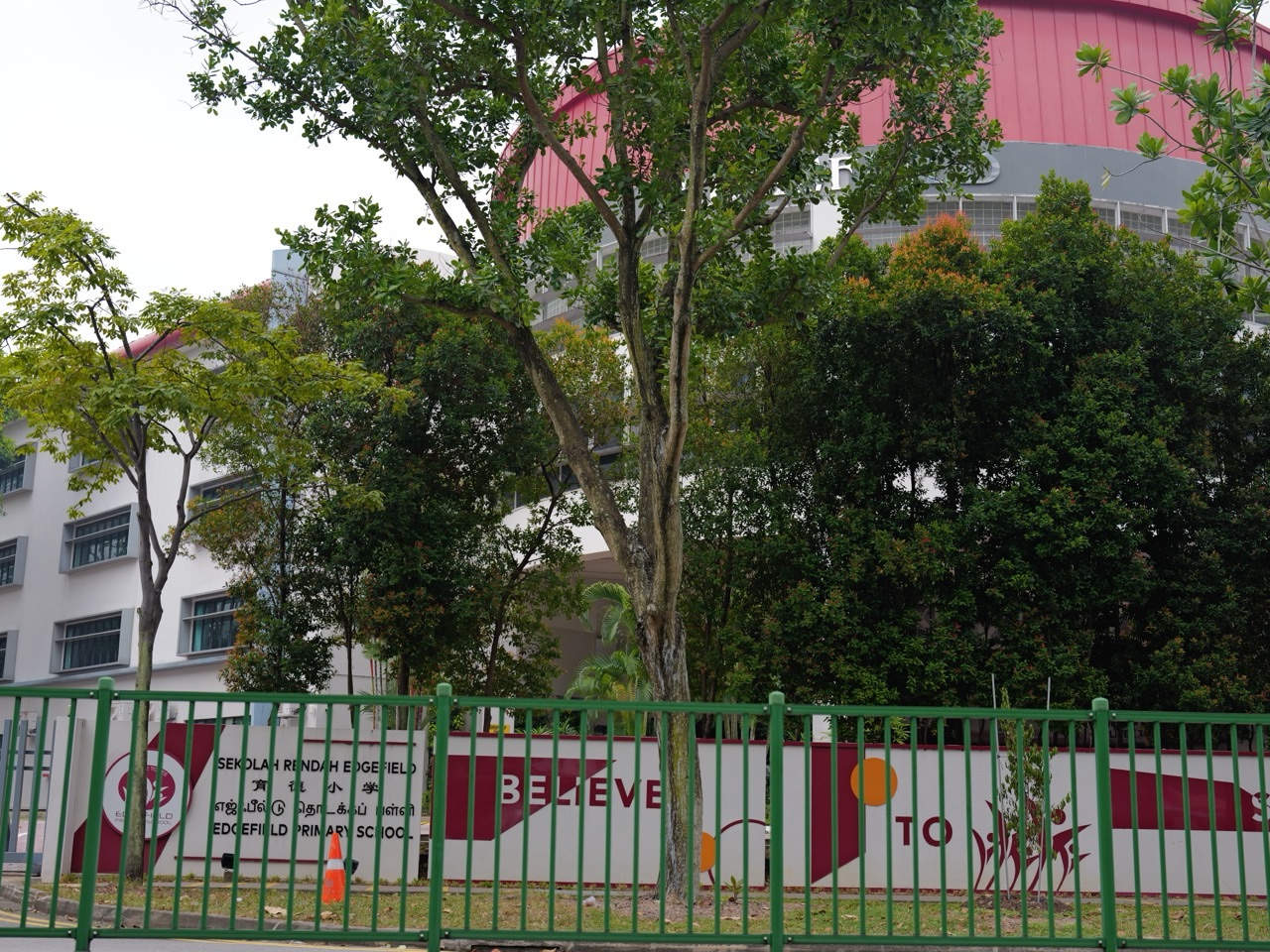
Schools and education at Punggol enter a new stage when Primary 6 pupils move into Secondary 1 in January 2027. Under Full Subject-Based Banding (Full SBB), students are admitted through Posting Groups 1, 2 and 3, then study individual subjects at appropriate G1, G2 or G3 levels. Posting Groups are not permanent academic streams, and pupils from different groups can share mixed form classes. The first day for secondary students is Monday, 4 January 2027, with actual reporting and orientation instructions issued by the receiving school.
This guide explains how the 2026 PSLE-to-Secondary-1 Posting process works for 2027 entry, the six school choices, the distinction between Posting Groups and subject levels, common curriculum lessons and practical first-term adjustment. It is separate from our Primary 6 revision guide and from the DSA application guide. Parents should verify current official posting dates, understand the binding nature of a successful DSA allocation, and support the child through real learning and school routines rather than a permanent label based on one score.
- MOE’s ordinary S1 Posting process uses six ranked school choices under current rules.
- Successfully allocated DSA-Sec students do not take part in ordinary S1 Posting.
- Posting Groups 1, 2 and 3 facilitate admission; they are not permanent class streams.
- G1, G2 and G3 describe subject-specific curricular levels.
- Students may take different subjects at different G levels.
- Mixed form classes allow pupils from different Posting Groups to learn together.
- Common lower-secondary experiences include Art, CCE, D&T, FCE, Music and PE.
- Actual secondary school reporting for 2027 starts Monday, 4 January.
- The first SEC examinations in 2027 apply to the relevant graduating cohort, not new S1 pupils.
- School choice, textbooks, travel, CCA and learning support must be checked after posting.
Definition lock: Full SBB, Posting Group, G-level and SEC
Full Subject-Based Banding is MOE’s secondary education system that supports subject-level flexibility and mixed form classes instead of the old permanent Express/Normal streams. Posting Groups 1, 2 and 3 facilitate secondary school admission and guide starting levels. G1, G2 and G3 are levels of individual subject study, with G standing for General. The Singapore-Cambridge Secondary Education Certificate (SEC) is a national secondary examination certificate being introduced from 2027 for the relevant graduating pupils. The concepts should not be collapsed into one hierarchy.
What Punggol families should confirm before the first week
- The actual MOE S1 Posting or DSA allocation result.
- The receiving school’s orientation and reporting instructions.
- Which academic subjects are studied at which G levels.
- The school’s class and subject timetable and current booklist.
- The authorised travel route and after-school arrangements.
- CCA selection procedures and expectations.
- The form teacher or appropriate support contact for questions.

1. Secondary 1 in 2027 begins with a new school and a new way of organising subjects
Students entering Secondary 1 in January 2027 are part of Singapore’s Full Subject-Based Banding system, often shortened to Full SBB. From the 2024 Secondary 1 cohort, the old Express, Normal (Academic) and Normal (Technical) stream labels were replaced by an approach using Posting Groups for admissions and G1, G2 and G3 for individual subject levels. This is more than a change in vocabulary. It affects how pupils are admitted, placed into form classes and given opportunities to take particular subjects at suitable levels.
MOE’s 2027 school calendar states that secondary students begin their school year on Monday, 4 January 2027. The actual posted secondary school controls the reporting location, orientation programme, approved materials and other first-day details. A child coming from a Punggol primary may attend a nearby secondary school or one farther away, depending on results and family choices. Families should therefore read the receiving institution’s current notice rather than assume every secondary school’s first week looks identical.
A relevant parent or student decision
Students may be excited about science laboratories, specialised classrooms and new CCAs while also uncertain about timetables and friendships. The first term involves academic and social transition. A pupil who cannot immediately remember a room number is not necessarily struggling with the curriculum. Families can support practical organisation and help-seeking alongside learning, avoiding the impression that every difficulty must be solved through additional tuition.
A child’s starting subject level is related to PSLE performance and the official posting framework, but it is not a fixed identity or a verdict on every subject. A pupil can have different levels and strengths across languages, Mathematics or Science. Under Full SBB, students have pathways to adjust subject levels at appropriate junctures, subject to the relevant requirements. Parents should focus on current learning needs rather than announcing that one group defines the child’s future.
What is often misunderstood, and a transfer question
This article explains the 2026 S1 Posting exercise leading to 2027 entry, the distinction between Posting Groups and G-level subjects, mixed form classes, timetable planning, school choice and the support a family can provide after the pupil reports to the new campus. It does not duplicate a full PSLE revision guide. The educational focus is what happens once the pupil moves from a primary-school environment into the new secondary structure.
For transfer, imagine two incoming Secondary 1 students admitted through different Posting Groups but attending the same form class. Could their English or Mathematics lessons be at different subject levels? Under Full SBB, that can happen. A pupil who understands this distinction is better prepared than one who assumes an entire class has one permanent academic stream.
2. The official six-choice S1 Posting process differs from Direct School Admission
Most eligible Primary 6 pupils receive their PSLE results before the Secondary 1 Posting exercise and then submit secondary school choices using the official MOE S1 Portal. The 2026 process for 2027 entry allows six school choices in order of preference, according to the applicable posting instructions. Schools consider PSLE Score, the selected Posting Group where relevant, choices, vacancies and official tie-break rules. Parents should use the current portal, not a privately maintained spreadsheet claiming to guarantee a school.
Successful Direct School Admission candidates are treated differently. A pupil successfully allocated to a DSA-Sec school must honour that commitment and is not allowed to submit ordinary S1 Posting choices. A DSA confirmed offer and a DSA successful allocation are not identical administrative stages, so families need to read their actual outcome carefully. The school-choice process should never be described as a way to escape a binding DSA allocation after seeing PSLE results.
A relevant parent or student decision
The order of six choices matters, but order cannot create a vacancy or override academic eligibility. A historical cut-off point shows what happened in an earlier posting round, not a guaranteed score threshold for the next cohort. Schools may have different demand and available places each year. Families should compare realistic options based on the actual score and current official information, avoiding all-six-prestige choices that leave little consideration for alternatives.
Parents can explore MOE SchoolFinder and official secondary open houses before results arrive, learning about subject offerings, distinctive programmes, transport, student support and CCAs. This exploration can be purposeful without predicting the pupil’s PSLE Score. The family should distinguish a school’s permanent features from a temporary open-house showcase and check whether a programme is general or selective. A school that offers an attractive activity does not guarantee that every incoming student can join it.
What is often misunderstood, and a transfer question
The 2026 PSLE results release and S1 Posting dates should be verified through current MOE and SEAB announcements. As of early November 2026, some published school information still labels November results dates and December posting outcomes tentative. Do not treat an unofficial day-and-time prediction as a confirmed deadline. Families should prepare the necessary login and school shortlist but submit only through the authorised portal when the official window opens.
For a changed-context example, imagine a family that lists six schools but learns the child was successfully allocated through DSA. What should happen next? The normal six-choice process no longer applies in the same way; the family follows the binding DSA allocation and receiving school’s instructions rather than attempting a second school selection.
3. Posting Groups 1, 2 and 3 are admission categories, not permanent classes
Posting Groups under Full SBB facilitate admission to secondary schools and guide starting subject levels. They should not be treated as replacements for three permanent social or academic streams. Students from different Posting Groups can belong to mixed form classes in the same school, participating in shared learning and activities. This helps pupils encounter classmates with different strengths and profiles. The grouping for entry is distinct from the actual level at which each individual subject is studied.
MOE’s current materials give ranges for the three Posting Groups. For example, PSLE Scores 4–20 generally fall in Posting Group 3, 23–24 in Posting Group 2 and 26–30 under specified conditions in Posting Group 1. Some scores at the boundaries, such as 21 or 22 and 25, permit relevant Posting Group choices. Families must read the complete official eligibility rules, including English and Mathematics conditions, rather than infer a posting group from a raw score alone.
A relevant parent or student decision
Where a pupil is eligible for two Posting Groups, MOE’s S1 Portal guidance explains that the selected Posting Group is used for all school choices in that submission. It should not be represented as a separate group choice for every named school. The decision can affect starting subject levels and available posting options, so parents should discuss it thoughtfully with the child and primary school. A general online ranking cannot make the decision on behalf of the family.
One misconception is that Posting Group 1 means a pupil can never take a G2 or G3 subject in the future. Under Full SBB, appropriately qualified students may offer subjects at more demanding levels or change levels at the permitted points. Another misconception is that Posting Group 3 means the child is uniformly strongest in every subject. Individual strengths and subsequent school performance still matter. Entry eligibility and current capability should be interpreted with precision.
What is often misunderstood, and a transfer question
Parents should avoid using the old Express, Normal Academic and Normal Technical labels as though they describe permanent form classes for new 2027 entrants. Those historical stream names are relevant to understanding the policy change, but they are not the current organisation of S1 education. The family can explain that classmates may study different subject levels while sharing common experiences and belonging to one school community.
For transfer, present a fictional pupil eligible to choose between Posting Groups 2 and 3. What is the important first question? The official consequences for initial subject levels and realistic schools, not whether a label sounds prestigious. This decision should use current MOE guidance and the actual child’s learning readiness.
4. G1, G2 and G3 refer to subject levels and can vary across a pupil’s timetable
The G in G1, G2 and G3 stands for General. The subject levels broadly map to the former Normal Technical, Normal Academic and Express curricular standards respectively, but the new system lets pupils take different subjects at suitable levels. It is possible for a student to offer English at one level and Mathematics at another, subject to the official entry and subsequent adjustment rules. The child does not have to interpret all academic learning through one single permanent stream label.
A Primary 6 pupil may enter secondary education with strong English comprehension but find challenging Mathematics unfamiliar, or vice versa. The starting subject combination reflects the national framework and actual performance, not a comprehensive prediction of future strengths. Teachers can help the pupil learn the relevant curriculum and provide feedback on readiness for more demanding work or needed support. A parent should know which subject is currently taught at which level before buying materials or arranging private lessons.
A relevant parent or student decision
Subject level affects texts, assessment demands and sometimes teaching groups. Families should not compare raw marks from two different levels as though the tasks were identical. A pupil producing a thoughtful G2 explanation may demonstrate meaningful learning even if another student is taking G3. Conversely, a student studying at G3 may still need help with a specific concept. Accurate interpretation begins with the actual syllabus and question.
Schools can review subject-level suitability at appropriate points under MOE’s rules. A student should understand that change depends on defined performance and readiness, not simply a parent demanding the highest level. The school can explain which subjects are eligible for more demanding or less demanding study and what evidence is used. Parents can support progress by identifying the prerequisite concept, not by asking the pupil to complete several years of advanced work overnight.
What is often misunderstood, and a transfer question
Some families fear that studying one subject at G1 or G2 removes the possibility of meaningful pathways. Full SBB aims to provide greater flexibility while ensuring suitable foundations. Post-secondary requirements remain real and must be checked for particular courses, but one starting level does not automatically define the whole student’s future. The family should avoid guarantees in either direction and focus on developing actual capabilities.
For transfer, give two invented timetables, each containing Mathematics and English at different G levels. Can the pupil read the subject-specific labels without declaring that both students are in different fixed social streams? The correct response treats each line as an individual curriculum level.
5. Mixed form classes build a shared school experience across different learners
Full SBB introduced mixed form classes for secondary students from different Posting Groups, with common curriculum experiences designed to strengthen belonging. MOE explains that students may take a set of common subjects at the lower-secondary level together, even while language, Mathematics or Science lessons are organised at suitable subject levels. The result is a more varied timetable than the old idea that one form class studies every academic subject identically.
The common curriculum includes areas such as Art, Character and Citizenship Education, Design and Technology, Food and Consumer Education, Music and Physical Education, according to the national framework. Students can learn together in those settings and encounter one another’s strengths beyond examination scores. A child who enjoys design or music may make a meaningful contribution in a common lesson without that contribution being predicted by PSLE results.
A relevant parent or student decision
Parents should recognise that a form class is not necessarily the same as every subject teaching group. A pupil may report to a common form classroom for daily routines, then move to another room or group for a subject at the appropriate level. This makes timetable-reading and safe navigation especially important during orientation. An unfamiliar lesson location is a practical problem to solve with school assistance rather than evidence that the pupil belongs in the wrong school.
Mixed classes can also create opportunities to question stereotypes. Children may hear peers use labels suggesting that one group is universally clever or weak. Teachers and parents can explain why such judgements are inaccurate and disrespectful. Students have different strengths and deserve dignity in common activities. A pupil need not know a classmate’s subject levels to collaborate respectfully on a design project.
What is often misunderstood, and a transfer question
An inclusive group task should give each participant a suitable role and a meaningful chance to contribute. The fact that the pupils have different academic levels does not automatically ensure collaboration; the teacher still designs and guides the activity. Parents can support the principle by asking how the child worked with others and what they learned rather than treating a form class as a league table of scores.
For transfer, imagine a common Food and Consumer Education project with students taking different Mathematics subject levels. Can they still plan, communicate and share responsibilities appropriately? Yes. The learning objective of that shared subject is not identical to each student’s Mathematics assessment level.
6. The first Secondary 1 timetable requires practical organisation and safe movement
Many incoming Secondary 1 pupils encounter subject classrooms, laboratory spaces, specialist rooms and different teachers. That creates logistical demands beyond primary-school timetables. A useful first-week plan involves understanding where to report, which books or devices are authorised, whom to ask about room changes and how to reach school safely. These practical habits help free attention for learning rather than turning every day into an anxious search for materials.
The receiving school should provide current reporting instructions and orientation information. A family living in Punggol may travel by LRT, MRT, school bus, public bus or supervised walking, depending on the destination. The shortest route in a navigation app is not necessarily appropriate for a young teenager at every time of day. Parents can discuss crossings, transport changes and a safe fallback for delays while respecting the student’s growing independence.
A relevant parent or student decision
Class changes may require the pupil to recognise subject-level labels and room codes. A new student can keep an approved copy of the timetable in an appropriate place and check it before lessons. Families should avoid posting a detailed timetable, pupil name and live location publicly. School account and personal data boundaries remain important even when a student is more independent than in primary school.
One ordinary issue is forgetting which materials belong to which subject. Instead of packing every available book, a student can use the timetable and the teacher’s actual requirements. A weekly check may include a Mathematics workbook at the correct level, a Mother Tongue resource and PE attire where permitted. A parent should not buy a full G3 set without confirmation that the pupil is assigned those subject levels.
What is often misunderstood, and a transfer question
Students may also need to understand their school’s device restrictions. MOE strengthened secondary smartphone and smartwatch limitations from January 2026 across the school day, including recess and CCAs, subject to relevant exceptions. Personal Learning Devices used for authorised learning have separate instructions. A family should not assume that a new secondary student may use a smartphone freely because the timetable includes digital learning.
For transfer, present a fictional pupil whose Monday timetable has an English lesson in one room and a common subject in another. Can they identify the correct materials and ask authorised staff about a room change without wandering into restricted areas? That skill supports a safer, calmer first term.
7. Academic routines should adapt to the child’s actual G-level subjects
Once Secondary 1 begins, the family can ask what each subject requires and where the pupil experiences difficulty. A student may find algebraic manipulation unfamiliar, struggle with a new reading task or need time to learn scientific explanation structure. The correct teaching response depends on the skill. A broad demand to revise every subject every night may not address the main problem and can reduce time for rest and other school obligations.
In Mathematics, the child may need to explain a relationship using symbols and a diagram. A pupil who can follow a teacher’s model might still be unable to choose a method independently. A short changed-context question after appropriate teaching can show whether the idea has transferred. Parents should focus on this reasoning rather than compare homework totals with a classmate studying at a different subject level.
A relevant parent or student decision
In English, a secondary text may ask for more explicit interpretation of argument, tone or evidence. The student should learn to connect a claim with a relevant passage detail. Merely copying a model paragraph can hide weak understanding. A caregiver can ask why a particular quotation supports an inference and whether another plausible reading has been considered. The language of the task matters, not only grammatical polish.
In Science, students may face more formal explanations of observations, variables and systems. A child who writes a long response without naming the relevant causal relationship may need targeted support. The learner can practise distinguishing observation from explanation and then test the same idea in another scenario. The school provides the appropriate curricular progression and assessment requirements at the pupil’s actual level.
What is often misunderstood, and a transfer question
Secondary school also introduces a heavier mixture of projects, CCAs and subject deadlines. A weekly plan should identify unavoidable commitments before allocating small focused revision sessions. A pupil who is tired after a long school and travel day may learn more from a short accurate correction than from another late-night worksheet. Workload should support understanding and wellbeing.
For transfer, offer a fictional student two problems from different subjects: a Mathematics error in equation setup and a Science error in identifying evidence. Which practice should follow each? The child benefits from diagnosing task-specific learning, not merely adding equal hours to every subject.
8. School life includes CCA, friendships and support, not only subject levels
Secondary education aims at holistic development, and students are encouraged to discover strengths through appropriate co-curricular experiences. MOE’s LEAPS 2.0 framework recognises Participation, Achievement, Leadership and Service as domains contributing to student development. This is separate from the S1 Posting Group system and should not be treated as a replacement for academic subject levels. A child can have a meaningful school experience through friendship, service and interests alongside the formal curriculum.
Incoming Secondary 1 pupils should ask about the school’s actual CCA selection process, trial requirements and timetable. A particular sport or arts group may have limits, and a preference is not the same as confirmed enrolment. The school can explain how co-curricular participation fits the weekly schedule. Parents should avoid committing to several private enrichment classes before learning the official school demands and travel timings.
A relevant parent or student decision
Friendships may change after PSLE when former classmates enter different schools. A new mixed form class can offer opportunities to meet people with different interests, but belonging takes time. A pupil who feels uncertain during the first week is not automatically failing socially. The family can encourage a simple greeting, appropriate participation and help-seeking rather than pressure the child to have a best friend immediately.
Support services also vary by institution. Teachers, counsellors and SEN personnel may help with academic, personal or accessibility needs under their respective roles. Parents should share relevant confidential information through authorised channels and ask what support is appropriate. A student who needs a specific accommodation should not be expected to explain their private records to classmates or obtain it through a parent chat.
What is often misunderstood, and a transfer question
One misconception is that the pupil with the highest starting subject levels will automatically be the most successful leader or teammate. Academic strengths do not settle every value and life skill. Another is that a student with a lower starting subject level should avoid challenging activities. Schools can help pupils participate meaningfully across different areas, subject to actual eligibility and safety requirements.
For transfer, imagine a pupil who is less confident with written Mathematics but shows patience and organisational strength during a group event. Can the family recognise both realities without treating either as the child’s entire identity? That is the holistic perspective intended by the school experience.
9. The 2027 SEC examination belongs to a different cohort than new S1 pupils
MOE’s Full SBB reform includes the first Singapore-Cambridge Secondary Education Certificate, or SEC, examinations in 2027, replacing the previous N- and O-Level certification arrangement for the relevant secondary cohort. This fact is important but easily misinterpreted. A student who starts Secondary 1 in January 2027 is not ordinarily sitting the graduating SEC examination that same year. The inaugural examination timing belongs to students reaching the relevant upper-secondary examination stage.
Parents should not buy a complete SEC graduating-year preparation programme for a new Secondary 1 child simply because the year 2027 appears in the examination name. The pupil needs suitable lower-secondary foundations, school-level subject assignments and age-appropriate assessment. The new national certificate will become relevant later when the learner approaches graduation under the applicable curriculum. Treating the distant examination as tomorrow’s task can create unnecessary pressure.
A relevant parent or student decision
The phrase single certificate should also not be used to claim that every student takes identical subject papers. Full SBB students may offer subjects at G1, G2 or G3 as appropriate, and the SEC framework reflects relevant subject levels. A national certificate and differentiated subject standards can coexist. The family should learn what the actual pupil studies before comparing marks, books or post-secondary eligibility.
Post-secondary pathways have defined entry requirements that may change as the reform matures. Parents can explore those official options over time without claiming that a Primary 6 score permanently guarantees or forbids a particular course. A current S1 child has several years to develop academic and other strengths. The sensible immediate question is how to participate and learn effectively in the new school.
What is often misunderstood, and a transfer question
Some commercial advertisements claim that a child must begin SEC examination drilling in the first month of secondary school to avoid falling behind. That is not a conclusion supported by the policy. A rigorous foundation and healthy study habits are valuable, but they should follow the school’s current syllabus and the student’s actual gaps. Exam preparation should be proportionate and correctly timed.
For transfer, compare the statements ‘the first SEC examinations occur in 2027’ and ‘every student entering S1 in 2027 must sit SEC that year.’ Only the first describes the reform accurately. The second confuses the graduating cohort with newly admitted lower-secondary pupils.
10. A practical 12-week Secondary 1 adjustment plan can be simple
Families may appreciate a short transition framework, but it should not become another rigid course imposed on the school. During the first two weeks, the emphasis can be on safe travel, classroom routines, timetable-reading and knowing how to seek help. A pupil who feels confident locating lessons may be better able to concentrate on new academic demands. The family can ask for the actual school orientation materials and avoid inventing a second private timetable.
In the following few weeks, identify one academic skill that needs attention through teacher feedback or independent work. This might involve an unfamiliar Mathematics method or the ability to support an English inference. Choose a short targeted practice and then test it with a changed example. Do not assume that one poor answer proves a wrong Posting Group or permanent subject-level unsuitability.
A relevant parent or student decision
The next stage can include reviewing the actual CCA schedule, after-school travel and rest. A family may discover that the child returns home later than in primary school and needs a different homework rhythm. Keep essential school assignments visible, but protect time for meals and sleep. Another private course should be chosen because it addresses a genuine need, not simply to fill the timetable.
By the end of the first term, the pupil can reflect on subject learning, friends, interests and where school support may help. A useful conversation asks which task has become easier and why. The parent can contact the form teacher with a specific concern instead of demanding a global judgement. Progress may be uneven, and a meaningful improvement can occur without an immediate change of subject level.
What is often misunderstood, and a transfer question
Families should remain open to the actual school procedures for subject-level review and educational support. The aim is developing the child’s capabilities within the appropriate Full SBB framework. A parent does not need to predict every upper-secondary decision in January of Secondary 1. Accurate current information and a reliable school-home partnership are better foundations.
For the final transfer task, give the pupil an unfamiliar timetable and a new subject assignment, then ask them to identify the relevant level, deadline, trusted adult and independent next step. A learner who can manage those details has developed a practical kind of secondary-school readiness beyond one test score.
A fictional family comparison: same form class, different subject levels
Imagine two fictional Punggol pupils posted to the same secondary school for January 2027. One starts several subjects at G3; the other studies Mathematics at G2 and some different subjects at other levels. They can belong to the same mixed form class and take relevant common lessons together, while moving to appropriate subject teaching groups when required. Each should use the actual subject timetable and correct textbooks. The difference does not justify ranking friendships or declaring either pupil incapable of future learning. The example illustrates Full SBB, not actual placement at a named school.
Four-week transition into a Full SBB timetable
Week one: verify the authorised school, reporting instructions, travel and subject timetable. Week two: identify one unfamiliar class or assignment and practise seeking accurate clarification. Week three: review one specific academic concept through appropriate independent work at the pupil’s actual subject level. Week four: check CCA, wellbeing and school-home communication, then discuss any persistent difficulty with the form teacher. The timing is a family illustration, not an official transition curriculum.
Frequently asked questions
Do the old Express and Normal streams apply to new S1 students in 2027?
No. Full Subject-Based Banding replaced those stream labels for new cohorts. Posting Groups facilitate entry, while individual subjects may be at G1, G2 or G3.
What is the difference between Posting Group 3 and G3?
Posting Group 3 is an admissions category that guides starting levels. G3 is the curriculum level for a particular subject. They are related but not interchangeable.
Can pupils from different Posting Groups share a form class?
Yes. Mixed form classes under Full SBB provide shared learning while pupils may take individual subjects at different levels.
How many secondary school choices are submitted for ordinary S1 Posting?
MOE’s current guide uses six choices in order of preference, subject to the current exercise rules and the pupil’s eligibility.
Can a successfully allocated DSA pupil also submit six normal posting choices?
No. A successful DSA allocation is binding under MOE’s rules and excludes the ordinary S1 Posting selection.
Is a historical cut-off point a guaranteed admission score?
No. Actual vacancies, applicant preferences and posting rules influence each cohort’s outcome.
Will a new Secondary 1 pupil sit the first SEC exam in 2027?
No. The 2027 inaugural SEC is for the relevant graduating secondary cohort, not every new S1 entrant that year.
When does Secondary 1 start in 2027?
MOE’s published 2027 calendar gives Monday, 4 January, with actual reporting details set by the receiving secondary school.
Can subject levels change after entering S1?
Full SBB includes pathways for eligible subject-level adjustments at appropriate junctures under official criteria and school guidance.
Your Next Step
Use MOE’s live Secondary 1 Posting and Full SBB guidance when the pupil receives PSLE results. After the official allocation, read the receiving school’s subject-level, orientation, booklist and CCA instructions. Help the student build a realistic first-term routine and ask for support on specific learning barriers. Do not treat a Posting Group as a permanent stream, or the inaugural 2027 SEC exam as a test faced by every new Secondary 1 student.
Official sources and connected Punggol articles
- MOE Secondary 1 Posting: Current Eligibility, Portal and School Choice Instructions
- MOE: What Posting Groups Mean under Full Subject-Based Banding
- MOE Full Subject-Based Banding: Subject Levels and School Experience
- MOE PSLE and Full SBB Microsite: Posting Groups and Common Classes
- MOE Education Statistics Digest 2025: Full SBB and SEC
- MOE School Calendar 2027 and Secondary 1 Start Date
- Fern Green Primary: S1 Posting and Full SBB Parent Resources, July 2026
- MOE SchoolFinder
- Schools and Education at Punggol | DSA-Sec and Binding Offers
- Schools and Education at Punggol | Primary 6 PSLE Year
Editorial reference: 6 November 2026. School posting timing, subject eligibility and academy provisions follow current MOE rules and may be updated. Hypothetical pupil combinations are illustrative; actual school allocation and subject-level offers require the responsible institutions’ confirmation.


