
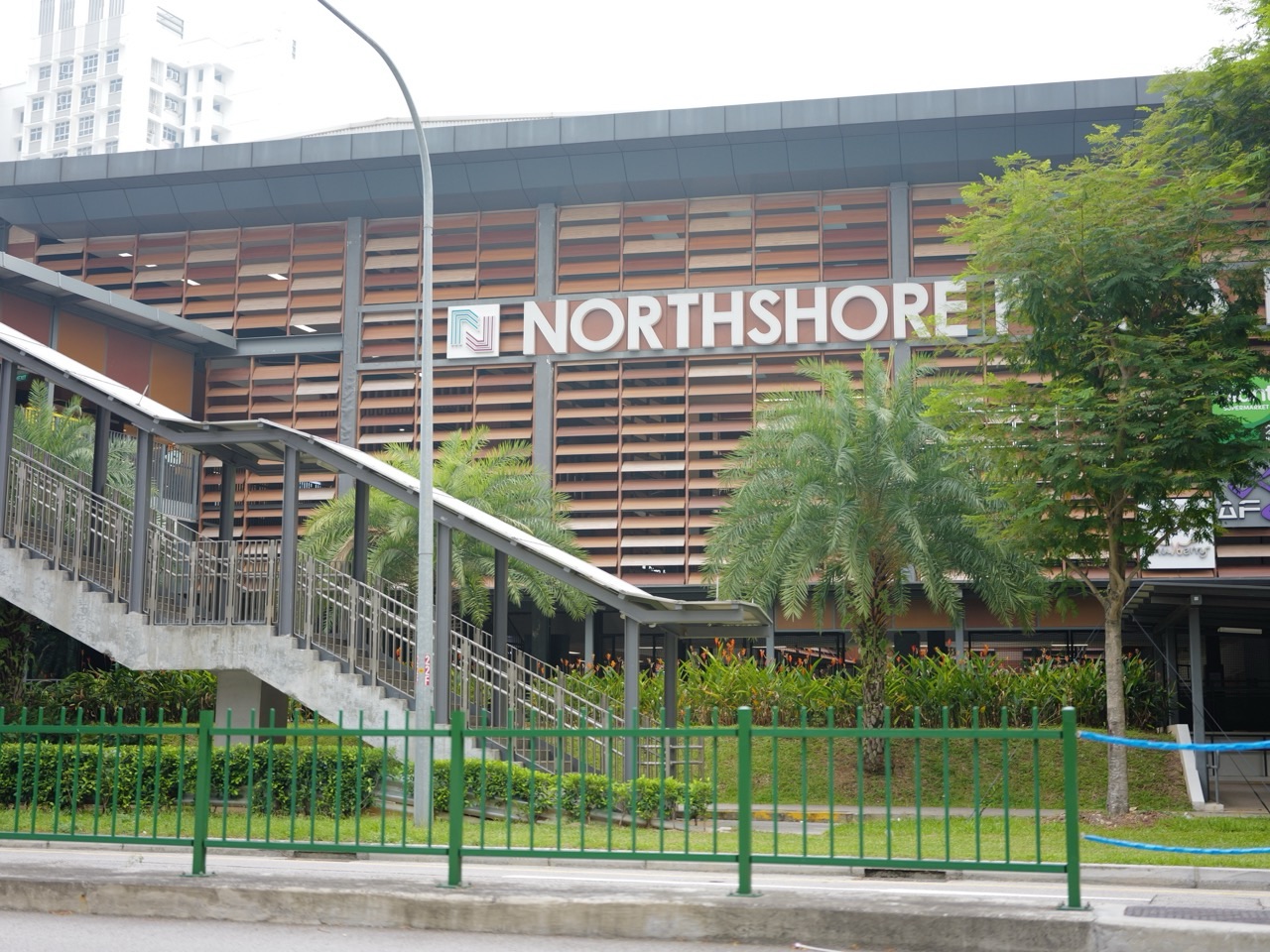
What to do in Punggol when you are buying milk, yoghurt, frozen seafood or chilled meat before travelling home by LRT, bus or on foot? Leave refrigerated and frozen products until the end of the shopping trip, separate raw food from ready-to-eat items, and return home promptly with an appropriate insulated bag. Singapore’s Food Agency recommends this sequence because a product can be within its printed expiry date yet become unsafe after poor temperature handling. Planning the shopping route is therefore part of food safety, not merely a convenience.
The Singapore Food Agency’s food safety tips advise customers to buy chilled and frozen items just before paying and transport them in insulated bags or cooler boxes. SFA also warns consumers to avoid chilled goods displayed above the chiller’s load line and to place cold purchases into the home refrigerator or freezer as soon as possible. The agency’s food-safety glossary explains that keeping raw meat, seafood, produce and ready-to-eat items separated reduces cross-contamination.
Six quick cold-chain decisions
- Complete ordinary shelf-stable errands before selecting perishables.
- Inspect chilled and frozen foods for appropriate display, packaging condition and labels.
- Buy chilled and frozen products last, close to checkout.
- Keep raw meat and seafood separate from ready-to-eat food and fresh produce.
- Pack cold products together in a suitable insulated carrier and travel home directly.
- Place items in their intended refrigerator or freezer promptly and follow product-specific instructions.
This is a realistic Punggol supermarket-to-home checklist, not a personalised food-safety inspection or assurance that a specific product remains safe after a delay. The exact travel route, weather, food type and storage conditions matter. Choose only items you can transport and store correctly; if the cold chain or packaging appears compromised, seek legitimate retailer advice and do not serve uncertain food. You do not need to purchase a temperature gadget or run a risky spoilage experiment to complete the exercise.
Why a shopping trip has a food-safety sequence
A family grocery errand may include bread, canned food, detergent, eggs, milk and frozen products. Those items do not all need the same transport temperature. If the household picks up ice cream first and then spends a long time comparing stationery, the frozen food may start warming unnecessarily.
Plan the purchase order so items with more demanding temperature requirements spend less time away from suitable storage. This is a behavioural change rather than a product recommendation. An ordinary shopping list can already help the family avoid repeated backtracking and unnecessary waiting.
The SFA rule to buy cold items last
SFA explicitly advises shoppers to buy chilled or frozen food close to the time of payment. This includes relevant dairy, frozen meals, meat and seafood. The recommendation reduces the interval during which these products are outside the store’s controlled refrigeration.
Do not browse other floors of a mall for an extended period while carrying a bag of frozen groceries. The safer plan is to finish non-food errands first, purchase perishables last and then head towards the appropriate return route. A family can practise this without any complicated calculations.
Separate perishables from shelf-stable goods
Items such as unopened dry cereal and some canned products may be shelf-stable under their instructions, while chilled meat and frozen seafood need suitable temperatures. Grouping items by their storage needs helps a household decide which products can wait in the basket and which should be collected just before paying.
Do not assume the packaging colour reveals the storage condition. Read labels. A product sold in a chiller should generally not be treated as a shelf-stable product because another brand sells a similar-looking item at room temperature.
Check the chiller’s load line
SFA advises consumers not to buy chilled or frozen dairy products stored above the load line in a refrigerated display. The line indicates the level up to which the equipment can maintain suitable storage conditions. Products piled beyond it may not be receiving the intended cooling.
Do not reach into a chiller and rearrange stock to conduct an inspection. If a product appears poorly displayed, choose another properly kept item or ask the retailer. A family does not need to accuse workers of wrongdoing to make a cautious purchasing decision.
Frozen food should remain frozen as intended
Frozen items are sold for storage at prescribed low temperatures. A packet that is unexpectedly soft, leaking or visibly damaged could have undergone unsuitable handling. The printed date on the product cannot restore its prior temperature history.
Do not refreeze an item merely to hide thawing concerns. If the product’s condition is doubtful, ask the retailer before buying or choose another package. The household should not rely on a casual touch test to guarantee microbiological safety.
Inspect package condition before the date
An unexpired date does not compensate for a torn seal, leaking meat tray or damaged dairy carton. SFA advises shoppers to inspect packaged foods and avoid products that appear compromised. The package helps protect the food during transport and storage.
Check without opening the product. Do not squeeze raw meat packaging or taste an uncertain item. Select clean intact containers and follow the manufacturer’s own storage requirements. A label and physical condition must be considered together.
Expiry dates assume appropriate handling
A date mark describes a product’s intended shelf life under stated conditions. Milk left unrefrigerated for an unsuitable period may become unsafe before that date. Conversely, a correct temperature history does not give permission to extend an expired product’s date.
The companion Punggol food-date guide explains those label distinctions. This article focuses on keeping products appropriately handled between purchase and home storage.
Raw meat should not touch ready-to-eat food
SFA recommends separating raw meat, fish and poultry from ready-to-eat food, fruit and vegetables during shopping and transport. Raw items can leak or transfer contamination to food that will not receive a further cooking step.
Use suitable separate bags or secure compartments rather than placing a leaking meat tray on top of a loaf of bread. Do not depend solely on the outer supermarket bag if the raw packaging is damaged. The household should prioritise preventing contact.
Separate fruit and vegetables appropriately
Fresh produce may be eaten raw or prepared with minimal cooking. It should not be placed beneath dripping raw seafood or meat. Produce also can bruise when heavy canned items are stacked on top, reducing quality and potentially increasing waste.
Pack heavier stable items below more delicate foods, and keep raw animal products in their own suitable carrier. The objective is practical separation rather than a rule that every food type must have its own new disposable bag.
Use an insulated bag where suitable
SFA recommends an insulated bag or cooler box for chilled and frozen groceries. Such a carrier can help slow warming during ordinary transport, particularly when the route from shop to home involves outdoor heat or waiting for a bus.
However, an insulated bag is not a refrigerator. Its effectiveness depends on the product, bag, journey and conditions. Do not assume a decorative thermal tote guarantees safe storage for hours. The household should still travel home promptly.
Cold packs may be useful for some trips
For a longer or warmer journey, a suitable cooler with cold packs may help maintain the temperature of perishables. SFA’s transport advice recognises cooler boxes and insulation as ways to manage food storage conditions.
Use a clean product designed for the intended food transport, follow its instructions and prevent leaks from wet ice packs. Do not place raw foods directly against ready-to-eat foods merely because both are inside the same cool bag. Temperature control and separation are different safeguards.
Do not overload the cold bag
An insulated bag packed beyond capacity may not close properly or protect individual packages from damage. A crushed yoghurt pot or leaking seafood tray can create a cross-contact problem independent of temperature.
Choose a manageable quantity that fits the carrier and travel route. If the household needs many cold items, consider an appropriate additional carrier or shorter trip. A cheap bulk offer is not valuable when groceries cannot be transported safely.
An LRT transfer still counts as time in transit
Punggol families may travel through an LRT station, transfer at Punggol MRT or walk from a bus stop to an HDB lift. Waiting, crossings and the final walk extend the time between checkout and refrigeration.
Plan a direct route rather than treating the supermarket door as the end of the cold-chain concern. The Punggol transport Plan B guide explains what to do when travel services change. If a major delay occurs, reconsider how to handle sensitive groceries instead of assuming the original plan still works.
Avoid extra errands after buying frozen food
A shopper might finish a grocery purchase and then remember a pharmacy, library book or gift to collect. Those tasks may add unpredictable waiting time while perishables sit in a shopping trolley or backpack.
Finish such errands first when practical. If the family expects a long outing, choose a different grocery day or purchase shelf-stable goods only. A low-value convenience stop is not worth compromising a food’s suitable transport conditions.
A hot parked car is not a pantry
Leaving perishable groceries in a parked vehicle exposes them to heat, particularly in Singapore’s climate. A vehicle compartment is not appropriate chilled storage merely because the shopping bags are out of direct sunlight.
Do not buy frozen food and leave it while attending another appointment. Head home and store it appropriately. Where the transport arrangement cannot meet the product’s requirements, choose another method or timing.
Online grocery delivery also needs checking
Customers ordering online cannot inspect the store’s display and handling practices directly. SFA’s consumer guidance recommends checking the source, packaging and safety of food purchased through e-commerce or group buys.
On delivery, verify that chilled or frozen foods arrive in appropriate condition and follow the supplier’s instructions. Do not leave delivered perishables uncollected outside a flat while the family is away. If the handling seems doubtful, contact the seller and avoid consumption pending clarification.
A delivery notification is not refrigeration
A message saying groceries were delivered only tells the household that a service recorded a handover. It does not guarantee the goods have entered a refrigerator. A bag left on a warm landing may not retain its intended temperature.
Arrange for an authorised recipient to receive perishables promptly. Do not instruct couriers to leave chilled seafood beside refuse chutes or in an unsheltered area. The receiving plan is part of an appropriate food purchase.
Group-buy collection needs particular discipline
SFA cautions consumers participating in group buys to consider how organisers store food before delivery or collection, because group-buy organisers may not require the same SFA licence as a conventional retailer. A product may wait at an intermediate pickup point.
Ask whether the item needs chilling and how that will be maintained. A community collection deal should not create an unverified period outside refrigeration. If the handling arrangement is uncertain, decline the purchase or ask for safer delivery.
Keep household detergents away from food
Groceries can include cleaning sprays, detergents and other non-food products. These should be packed separately from food to reduce risk from leaks or contamination. A chemical bottle does not belong directly above an unsealed loaf.
Do not assume the shopping bag protects food if a bottle leaks inside it. A simple division between food and household chemical purchases is worthwhile even when all the products are purchased at one supermarket checkout.
Choose a realistic quantity of frozen food
Bulk buying can reduce unit prices, but a small freezer may be unable to accommodate all items safely. SFA advises allowing space in the refrigerator and freezer so cold air can circulate. Overcrowding can undermine appropriate storage.
Check available space before shopping. Do not purchase several large frozen packs solely because of a promotion if the household lacks suitable storage. Reducing avoidable waste can start with buying what the family can keep and use correctly.
A fridge should be prepared before the trip
Before buying perishables, ensure the refrigerator has a suitable place for them. A family returning to an overloaded fridge may spend additional time rearranging food while purchased milk and seafood wait in a warm kitchen.
Keep shelves organised with reasonable space for airflow, separating raw and ready-to-eat foods appropriately. The cold-chain task does not end at the front door; the final storage arrangement is part of successful shopping.
Use the fridge quickly, not leisurely
SFA advises putting chilled and frozen foods away as soon as possible after reaching home. It is tempting to unpack attractive snacks, inspect the receipt or arrange shopping for a photograph before dealing with perishables.
Put cold-sensitive items into their proper storage first. The family can then check non-perishable purchases and organise other supplies. The order of unpacking is simple and has a clear safety reason.
Frozen foods belong in the freezer
A product labelled keep frozen should be transferred to suitable freezer storage rather than left in an ordinary fridge indefinitely. Its storage directions may identify temperature and length requirements relevant to the particular food.
Do not assume a hard or cold package remains safe under all conditions after transit. Follow the actual packaging instructions and respond cautiously to signs of thawing or poor handling. The family should not treat general advice as a personalised inspection.
Different raw products need their own separation
Raw meat, poultry and seafood may contain microorganisms of concern even when sold by legitimate retailers. Their packages should stay intact and their juices should not touch other foods. A split package is a problem to resolve before other groceries are contaminated.
Place raw items appropriately in the refrigerator so they cannot drip onto ready-to-eat food. Do not rely on a paper towel to make a leaking pack safe. Proper containment and cleaning are more important than achieving a neat-looking refrigerator photo.
A child can help without handling raw seafood
Children can read a shopping list, identify shelf-stable items and help remember that frozen foods go last. An adult should handle raw meat and potentially leaking packages and manage actual food-safety decisions.
Do not ask a child to taste a thawing ice-cream product or open raw poultry to test its smell. The learning skill is recognising different storage requirements and planning the safest simple sequence.
A Primary Mathematics exercise
A child can compare two hypothetical checkout sequences and calculate which one leaves chilled food outside suitable storage for longer. If the original sequence involved fifteen minutes browsing and the revised one involved two, the difference is thirteen minutes.
These figures are fictional arithmetic, not a safe-time threshold for real food. The student should explain why reducing time is sensible without claiming all perishables become safe or unsafe at one invented minute.
A Secondary Science extension
An older learner can explain why many microorganisms grow faster under favourable temperatures and why refrigeration slows, rather than eliminates, some risks. The SFA’s consumer resources provide a grounded starting point for temperature and hygiene concepts.
Do not culture bacteria from questionable groceries or leave meat outside to record spoilage. A source-based explanation and a transport plan are enough. A food-safety activity should not create contamination to demonstrate it.
The difference between temperature and food appearance
A cold package can still be unsafe for other reasons, while an intact label cannot reveal every stage of transport. SFA warns that some contamination is not detectable through normal appearance, taste or smell.
Use multiple safeguards: reputable source, appropriate display, intact packaging, short transport and correct storage. Do not promise that a home thermometer or one touch proves a particular item safe to consume.
An insulated carrier needs cleaning too
Reusable cool bags can accumulate crumbs, spills or moisture. If a raw meat package leaks, the bag’s interior may become contaminated. Cleaning and drying according to the manufacturer’s guidance helps prevent transfer during a later trip.
Do not reuse a visibly contaminated bag for ready-to-eat snacks without proper cleaning. Food safety includes the containers and bags that touch groceries, not only the food package itself.
A seafood and bread example
Imagine a fictional shopper placing a raw fish pack and a loaf of bread together in one bag. The fish packaging develops a leak during the journey. The family identifies why raw animal products should have been separated from ready-to-eat food.
The outcome is a lesson in better packing, not an invitation to salvage potentially contaminated bread. A household facing a real leak should follow appropriate hygiene and disposal guidance rather than make assumptions about food safety.
A family shopping at a Punggol mall
A household visits a Punggol supermarket after a library stop. It buys shelf-stable groceries first, collects the chilled dairy and frozen items just before checkout, and travels home directly using its planned route and insulated carrier.
This is a hypothetical process, not a claim about a named store’s present inventory or facilities. The family can apply the same method at any appropriate supermarket. The goal is the sequence, not a ranking of Punggol shopping centres.
The surprise queue example
A shopper expects a short checkout but finds a long queue after selecting frozen food. Rather than wander around with the product while waiting for a different errand, the family considers the actual situation and keeps the remaining journey as short as practical.
A queue alone does not establish an exact contamination threshold. The buyer should use sensible judgement and consult the retailer if product condition becomes questionable. The lesson is anticipating delays rather than believing a schedule always works perfectly.
A sale on large packs is not always a bargain
A large discounted frozen pack may appear economical by price per kilogram. But if it cannot fit the family’s freezer or requires a very long warm transport, the purchase is poorly matched to the household.
Compare value, storage space and intended consumption. Do not buy extra perishables to satisfy a sale’s quantity condition without adequate cold storage. Food-waste prevention is part of the overall decision.
The two-bag solution
For an ordinary small shop, one bag can hold dry groceries and another suitable insulated carrier can hold chilled items. Raw foods may need extra separation within the cold group so their packaging does not contaminate other foods.
This arrangement can use bags the household already owns rather than purchasing new carriers. Do not assume every plastic shopping bag is insulated. The key is matching the bag’s role to the actual content.
Do not use a schoolbag as a freezer
A backpack may contain paper, electronics and lunch items and may not be thermally suitable for frozen groceries. Placing melting seafood among schoolbooks can create leakage and hygiene problems.
Use an appropriate separate food carrier for sensitive items and plan for the weight. A child should not be responsible for transporting heavy or leaking raw-food packages to prove independence.
The return-home clock matters more than store prestige
A well-known retailer may handle its products correctly, but the customer’s conduct after purchase still matters. A properly chilled product can warm during an avoidable detour. Conversely, a cheaper retailer should not be assumed unsafe without actual evidence.
Judge the handling process, not the brand’s reputation alone. Good food safety depends on several steps across the journey. Residents can make a practical difference through the portion they control.
When the product appears compromised at home
If a package is leaking, unexpectedly warm, swollen or otherwise questionable, do not make an optimistic safety claim simply because you paid for it. Keep relevant purchase details and contact the retailer through its legitimate process where appropriate.
Do not taste uncertain dairy, meat or seafood. Where illness or a serious safety issue arises, use the relevant medical and regulator channels. This guide cannot establish whether a particular item remains edible after an unknown journey.
A simple family grocery cold-chain card
Write the shop, intended cold items, carrier, route home, expected storage space and separation method. Leave sensitive home information out of a public version. The card can be checked briefly before shopping rather than become a burdensome tracking system.
After one trip, ask whether the cold items were purchased last and promptly stored. Identify one realistic improvement if something caused delay. A small repeatable habit is more useful than collecting precise but unreliable temperature data.
The enduring decision
Punggol shoppers can reduce avoidable food-safety risk with a sequence: buy cold goods last, pack them appropriately, separate raw foods, go home promptly and store them correctly. These actions matter whether the journey involves LRT, a bus or a short walk.
The practical result is not a guaranteed spoilage-free refrigerator. It is a household that understands why the time between supermarket chiller and home storage deserves attention and does not let convenience undermine safe food handling.
Continue exploring Punggol
These companion articles tackle three different practical family decisions. Use current official sources and the actual school, shop or food-provider requirements before acting.
- Check a School Book’s ISBN and Edition Before Buying or Borrowing
- Compare Nutri-Grade and the Healthier Choice Symbol Before Choosing a Drink
- Repair One Loose School Uniform Button Before Buying a Replacement
Frequently asked questions
What is the safest order for grocery shopping?
SFA advises selecting chilled and frozen goods last, close to checkout, then heading home and refrigerating or freezing them promptly.
Should I use an insulated bag?
SFA recommends an insulated bag or cooler box for chilled and frozen purchases where appropriate.
Can I visit another shop after buying seafood?
Avoid unnecessary detours with perishables. Plan other errands first and transport cold items home promptly.
Do frozen foods need different storage from cereal?
Yes. Follow the manufacturer’s relevant temperature and unopened-storage instructions.
Can I mix raw meat and ready-to-eat snacks in a bag?
Keep raw meat and seafood separated to reduce cross-contamination risk.
What is the chiller load line?
It indicates the appropriate maximum level for chilled-display stock to remain under the intended cooling conditions.
Are products above the chiller load line okay?
SFA advises against buying chilled dairy products stored above that line.
Does an unexpired date guarantee safety after a warm journey?
No. Improper handling can compromise food before its printed date.
Is a cold bag the same as a refrigerator?
No. It slows warming under suitable conditions but does not guarantee an extended safe storage period.
What if frozen seafood looks thawed?
Seek appropriate retailer clarification or choose another product rather than assume it remains safe.
Do online grocery deliveries need immediate collection?
Yes. Arrange prompt receipt and suitable storage of perishables under the product’s conditions.
Are group-buy collections licensed like all food shops?
SFA warns consumers that group-buy organisers may not need an SFA licence and should still ensure safe storage and handling.
Can children help with the exercise?
They can plan lists and recognise labels, while adults handle raw products and safety decisions.
Does a lower price justify a long warm trip?
Not when safe handling and storage cannot be assured. Consider the entire purchase and transport arrangement.
Should I store meat above ready-to-eat food?
Avoid arrangements where raw juices can contaminate other foods; follow appropriate refrigeration separation.
Can I taste food that may have warmed?
Do not use tasting as a safety test. Some food hazards are not detectable by taste or smell.
Can I refreeze any food that softened?
Do not assume so. Follow the specific product, SFA and relevant handling guidance.
What is the simplest family takeaway?
Complete dry-goods shopping first, buy perishables last and store them appropriately as soon as you get home.
Official sources and related Punggol reading
- SFA: Food Safety Tips for grocery shopping and home storage
- SFA: Food Safety A-Z, frozen goods, dairy, load lines and shopping
- SFA: understanding packaging and date labels
- SFA: guidance for consumers buying food online
- SFA: suitable practices when transporting donated or distributed food
- eduKate Punggol: read date marks and storage instructions
- eduKate Punggol: family safe-food waste challenge
- eduKate Punggol: household grocery price comparison
- eduKate Punggol: family public-transport disruption plan
Editorial verification: 1 November 2026. This is general shopping and transport guidance grounded in SFA’s official consumer advice. No Punggol store’s food handling, current stock or safe storage of an individual item is certified here. No arbitrary safe time at room temperature is asserted. Actual product labels, cold-chain history, SFA instructions and appropriate professional advice take precedence.


