
Secondary 1 students who entered through Posting Group 1 (PG1) participate in school Physical Education and Outdoor Education according to the national curriculum and the individual school’s arrangements. PG1 is an admission route, not a separate PE stream or a judgment about a child’s strength. The Physical Education syllabus implemented at secondary level from 2025 includes navigation, outdoor living, shelter building, cooking and trip planning alongside the ability to make safe decisions. It describes a four-day, three-night Outdoor Adventure Learning cohort camp by the end of Secondary 1, followed by a five-day, four-night camp by the end of Secondary 3. Schools confirm the actual programme, supervision, participation arrangements, costs and dates.
For a Punggol student entering Secondary 1 in 2027, the best preparation is to understand the school’s own camp instructions, help the child practise basic independence, and communicate health or accessibility needs early. Families should not buy expensive outdoor equipment before receiving the official packing list. Greendale Secondary School describes Outdoor Adventure as its distinctive Learning for Life Programme, but that is different from the national outdoor education expected more widely in secondary schools. This guide explains responsible risk awareness, teamwork, PE learning outcomes and how parents can use everyday Punggol environments to build observation skills without replacing supervised instruction or assuming that every school offers the same adventure activities.
- PG1 is the Secondary 1 posting group; it is not a physical fitness level.
- The secondary PE curriculum includes physical activity, outdoor education and physical health and safety.
- Outdoor learning covers navigation, outdoor cooking, shelter building and trip planning.
- The syllabus describes a 4-day, 3-night cohort outdoor camp by the end of Secondary 1.
- It also describes a 5-day, 4-night camp by the end of Secondary 3.
- Schools determine actual dates, venues, safety procedures, packing lists and individual arrangements.
- Greendale’s Outdoor Adventure LLP is a distinctive school programme, not the only national outdoor education provision.
- Students should learn to recognise risk, ask for help, and follow trained supervisors’ instructions.
- Share relevant medical, dietary, mobility and sensory concerns with the school privately.
- Supervised walks around Punggol can support navigation and sense of place, but cannot replace camp training.
Reviewed 1 November 2026. National syllabus milestones are not a school-specific booking notice. The actual school confirms dates, venues, safety and individual participation arrangements.

Contents: Outdoor Learning and School Camps
- 1. Definition Lock: PG1, Outdoor Education and Subject Levels
- 2. The Three Main Areas of Secondary PE
- 3. Why Outdoor Education Is Not Simply Recreation
- 4. When the Current PE Syllabus Began
- 5. The Four-Day, Three-Night Secondary 1 Camp
- 6. The Five-Day, Four-Night Secondary 3 Camp
- 7. Learning to Navigate a New School
- 8. Outdoor Navigation and Map Reading
- 9. Trip Planning and the Art of Preparation
- 10. Outdoor Cooking and Responsible Food Handling
- 11. Shelter Building and Safe Site Selection
- 12. Risk Assessment Is a Core Skill
- 13. Heavy Rain, Lightning and Hot Weather
- 14. Water-Based Activities Need Extra Care
- 15. Climbing and Managed Physical Challenges
- 16. National Outdoor Education Versus Greendale’s LLP
- 17. Punggol Waterway Park as a Learning Context
- 18. Shared Paths and Consideration for Others
- 19. Mathematics Can Make a Route More Understandable
- 20. English Skills Help a Group Work Safely
- 21. Science, Observation and Evidence
- 22. Working With Classmates From Different Subject Levels
- 23. Medical and Access Requirements Must Be Shared Privately
- 24. Packing: Wait for the Real School List
- 25. Food, Sleep and Hygiene During Camp
- 26. Phones and Respectful Photography
- 27. Costs, Equipment and Assistance
- 28. A Fictional Punggol Student Who Is Nervous
- 29. A Fictional Team Changes Its Route
- 30. How to Discuss Camp After the Student Returns
Definition Lock: PG1, Outdoor Education and Subject Levels
PG1 is used in secondary school admission after PSLE, whereas G1, G2 and G3 refer to academic subject standards under Full Subject-Based Banding. Outdoor education develops different competencies: navigation, responsibility, physical confidence, problem-solving and care for others. A child who studies G1 Mathematics is not automatically less capable of noticing an unsafe path, planning supplies or encouraging a teammate. These abilities must be observed individually and nurtured through appropriate practice.
Parents should avoid describing a camp as a chance to prove that PG1 pupils can outperform other groups. The goal is not to replace examination rankings with physical rankings. It is to let children work together, learn from authentic situations and develop judgment. Praise specific actions such as listening, checking a route or reporting a concern rather than making the activity a public contest about personal worth.
The Three Main Areas of Secondary PE
MOE’s secondary Physical Education syllabus organises learning around Physical Activity, Outdoor Education, and Physical Health and Safety. Pupils develop movement skills, understand the importance of physical activity and learn how choices affect wellbeing. They also practise interacting with physical environments safely. This makes PE a real curricular area rather than a free period when students merely play games.
A family should help the child follow the school’s PE requirements with suitable attire, personal care and attention to instructions. Ask what a lesson was intended to teach: cooperation, movement, navigation or fitness awareness. Not every learner will enjoy the same activity or reach the same competitive standard. Broad-based physical competence and responsible participation are valuable outcomes in their own right.
Why Outdoor Education Is Not Simply Recreation
Outdoor Education places pupils in situations where they must apply knowledge without the predictable structure of a classroom worksheet. A group may need to identify landmarks, compare available routes, consider other participants or respond to a changed plan. These are educational decisions made in a real environment. Teachers can use the consequences to help students understand planning, care and risk.
Parents should not assume that the educational value comes from danger or extreme physical difficulty. A successful activity may involve choosing an easier safe route because conditions have changed. The child can learn as much from recognising a hazard as from completing the intended journey. Good outdoor education develops the confidence to act carefully, not the urge to accept every challenge regardless of safety.
When the Current PE Syllabus Began
The Ministry of Education’s 2024 Physical Education syllabus specifies implementation for secondary and pre-university levels from 2025. That is useful context for the Secondary 1 cohort entering in 2027. It describes learning areas and culminating experiences that schools can implement through their own planning. A curriculum milestone is not the same as a confirmed school excursion date or a universal equipment list.
If another family shares a camp booklet from 2025, treat it as an illustration, not as the instructions for your child’s school. Dates, venues, consent processes, packing lists and programme details may differ. Use the actual school communication and ask staff where something is unclear. Distinguishing national educational aims from local arrangements prevents unnecessary expenses and false expectations.
The Four-Day, Three-Night Secondary 1 Camp
The national PE syllabus describes participation in a four-day, three-night Outdoor Adventure Learning cohort camp by the end of Secondary 1. The educational purpose is to apply outdoor skills, work with peers and make responsible decisions in authentic situations. A residential camp creates opportunities for students to manage their own belongings, cooperate in groups and practise basic outdoor living under school supervision.
The syllabus does not guarantee that every pupil will have identical activities or require the same arrangements regardless of medical or other needs. Schools must organise the actual programme and apply appropriate procedures. Families should check the current school’s briefing for approved equipment, attendance and student support. The milestone explains why a camp exists, while the school supplies the details that matter for an individual child.
The Five-Day, Four-Night Secondary 3 Camp
MOE’s PE syllabus also identifies a five-day, four-night Outdoor Adventure Learning cohort camp by the end of Secondary 3. The later milestone is connected to more developed skills for operating in unfamiliar settings, planning and caring for places. The intention is increasing competence and independence as pupils mature, not merely spending one more night away from home.
A child entering Secondary 1 in 2027 would ordinarily reach Secondary 3 in 2029. Parents should not treat a 2026 Senior Camp notice from another school as their child’s final arrangement. Focus first on the habits the younger pupil needs: following instructions, asking for help, managing basic personal care and communicating with teammates. Revisit the older-student programme when the school releases its relevant details.
Learning to Navigate a New School
Secondary 1 students may practise using landmarks, recognising physical features and comparing maps with their surroundings. These skills begin in a familiar place: the new secondary school. A pupil who has previously relied on one primary-school classroom may need to move between form class, subject lessons and other facilities. Navigating accurately can reduce unnecessary anxiety.
Parents can practise route-reading in ordinary safe contexts. Ask the child how they would reach the general office from a classroom, where the library is and whom they should approach if confused. Use the school’s approved maps and orientation materials. Do not challenge a nervous child to find an unfamiliar location alone. Independence develops from supported repetition and a willingness to ask questions.
Outdoor Navigation and Map Reading
A map is a model of a place, not the place itself. Students need to connect symbols, landmarks and directions with what they can see. In outdoor education they may consider distance, estimated time and environmental features while remaining aware that the safest route may not be the shortest. Such reasoning is valuable beyond a single school activity.
Families can discuss simple public maps during a supervised walk around Punggol. Ask what a symbol means or how the child knows which direction they are facing. Do not treat phone-based navigation as infallible, and do not send pupils into remote places just to test their skill. Good navigation involves checking information and understanding the environment rather than following a screen blindly.
Trip Planning and the Art of Preparation
Trip planning brings together purpose, route, timing, equipment and the needs of participants. Even an ordinary outdoor learning task requires students to think about weather, environmental conditions and whether a proposed activity is appropriate for the group. Planning is not simply writing a schedule; it is choosing actions that remain sensible when real conditions change.
Ask the teenager what should be checked before departure. Who is responsible for equipment? Where can the group seek help? What would justify changing the plan? The real school excursion is managed by authorised staff, not by families inventing their own version. The child should learn to respect supervision and communicate when circumstances no longer match the original plan.
Outdoor Cooking and Responsible Food Handling
Outdoor cooking is one of the learning topics described in the syllabus. It can teach preparation, hygiene, teamwork and attention to safe equipment use. A pupil may need to read instructions carefully, organise ingredients and keep a shared working area orderly. The activity’s exact form depends on school resources, supervision and the safety requirements of the chosen setting.
Parents should not assume they need to buy a stove or teach open-flame cooking in a park. A simple supervised kitchen activity at home can develop sequencing, cleanliness and responsibility without recreating campsite hazards. Ask the child to explain why each preparation step matters. If the school uses specialised equipment, the relevant instruction and supervision belong to its trained activity staff.
Shelter Building and Safe Site Selection
Shelter-related learning can encourage pupils to think about materials, stability, weather and the suitability of a location. A structure that looks attractive may be inappropriate if the ground is unsafe or conditions are changing. Good learning includes explaining a choice rather than copying an arrangement without understanding its purpose.
Families should wait for the school’s packing list before purchasing tents or specialist equipment. Do not practise illegal or unsafe camping in public areas. Discuss simple principles such as choosing suitable ground, recognising hazards and following the correct supervisor’s instructions. The educational goal is sound judgment. A student who identifies a problem before beginning has made a useful contribution even when no impressive structure appears in a photograph.
Risk Assessment Is a Core Skill
The outdoor curriculum includes identifying risks and taking appropriate steps to manage them. Wet ground, unfamiliar surfaces, changes in weather and the needs of group members can affect what is safe. Pupils should learn to recognise such conditions and communicate concerns before an incident occurs. Awareness is not the same as fear; it makes more confident participation possible.
Parents can model calm safety thinking while crossing roads, using shared paths or planning a family outing. Avoid encouraging reckless demonstrations of bravery. The correct safety rules for an organised school activity come from its trained staff. A pupil who follows a safer alternative after a warning has shown responsibility, not weakness.
Heavy Rain, Lightning and Hot Weather
Singapore’s weather can change rapidly and outdoor programmes must respond to conditions on the day. Teachers and activity leaders may revise or stop an activity according to relevant safety procedures. Students should understand that a cancellation can be the correct educational outcome when the original plan no longer meets appropriate conditions.
Do not tell the child to shelter beneath a tree during lightning or invent a personal rule for when a cancelled activity should restart. Follow responsible staff instructions. Parents can reinforce the importance of hydration, telling adults when they feel unwell and respecting weather warnings. Outdoor learning is successful when pupils make safe decisions, not when a timetable is completed at all costs.
Water-Based Activities Need Extra Care
Greendale Secondary School’s Outdoor Adventure LLP describes activities that can include kayaking. That is an example of a school’s distinctive programme, not proof that every Punggol school offers the same experience. Water-based activity requires appropriate trained supervision, equipment and an assessment of whether participants can safely undertake the task.
If a school announces a water programme, ask about swimming readiness, applicable safety arrangements and how individual medical or mobility needs are handled. Do not prepare by sending a teenager into unsupervised water activities. Punggol’s waterways are not informal substitutes for structured teaching or approved water-safety measures. A family should rely on the real organiser’s guidance rather than an attractive adventure photograph.
Climbing and Managed Physical Challenges
Greendale also describes rock-climbing as an example in its outdoor adventure programme. Suitable climbing activities may help students practise listening to instructions, managing a challenge and relying on appropriate safety systems. However, this does not mean all PG1 pupils must climb in the same way or that a programme is designed to embarrass those who need support.
Ask the school which equipment, supervision and participant requirements apply. Do not encourage practice on unapproved structures. A pupil who communicates a physical limit and follows the appropriate staff decision is demonstrating useful self-awareness. Responsible challenge should develop confidence while keeping safety central.
National Outdoor Education Versus Greendale’s LLP
Greendale identifies Outdoor Adventure Education as its Learning for Life Programme, a distinctive emphasis on character, teamwork and leadership through experiences. National PE Outdoor Education is a broader curriculum component. These are related but not interchangeable. A pupil at another local secondary school may still participate in national outdoor learning without studying the same LLP activities.
When choosing a school, separate baseline curricular provision from additional distinctive experiences. Ask what every new pupil does, which enrichment experiences are selective and what the school’s actual programme includes for the relevant year. An adventurous LLP can be attractive for a child who enjoys outdoor challenges, but it does not override PG1 admission rules or guarantee a particular camp activity.

Punggol Waterway Park as a Learning Context
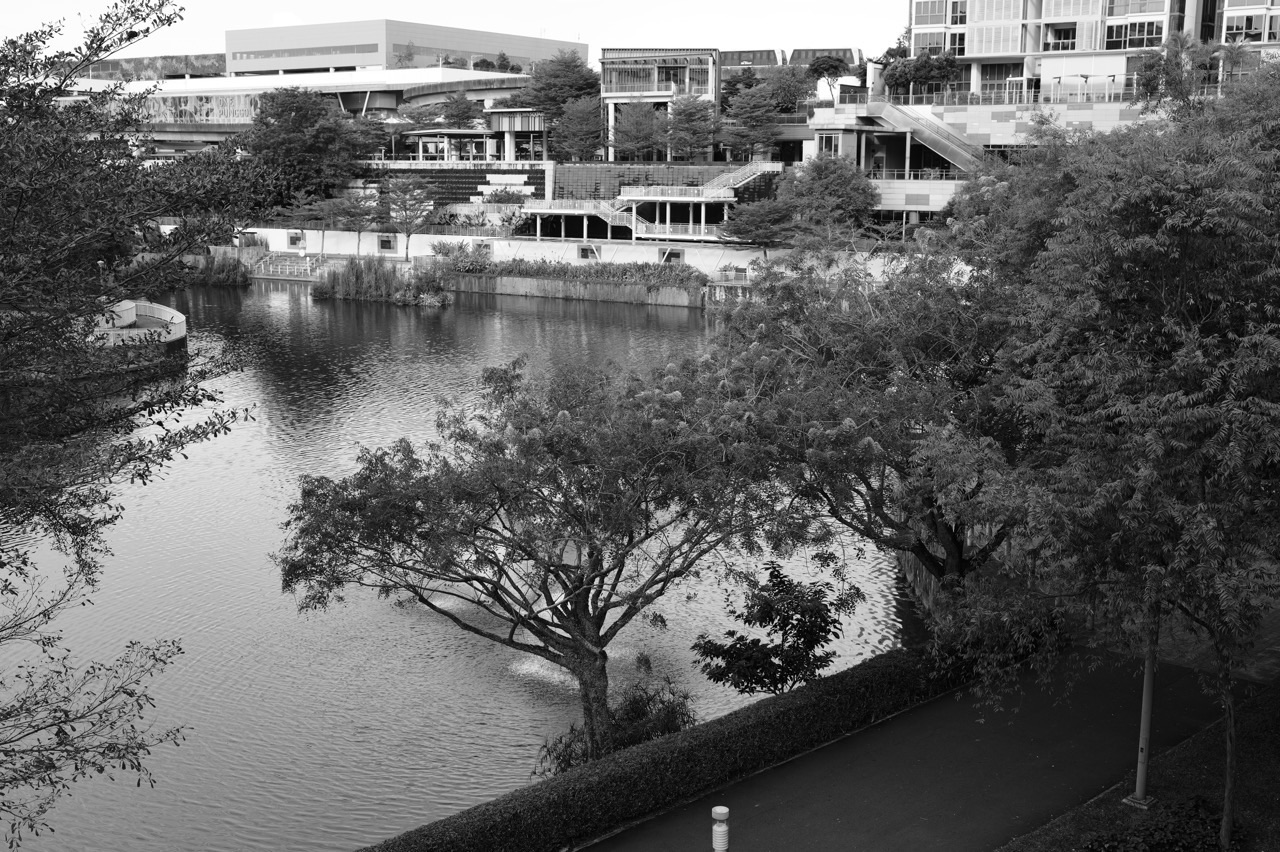
Punggol Waterway Park offers familiar public paths and places where families can observe landmarks, signs and how people use shared outdoor spaces. A supervised family walk can develop route awareness and curiosity about the local environment. It should not be described as a training substitute for an organised school cohort camp.
Follow public-use rules, protect wildlife and avoid restricted areas. Do not light fires, create makeshift camps or enter the water without appropriate permission and supervision. A small conversation about route choice and environmental care is enough. Parents do not need to turn every outing into a difficult expedition for it to support learning.
Shared Paths and Consideration for Others
Punggol’s park connectors may be shared by walkers, runners and cyclists. Students can observe how their choices affect other users and why awareness matters in public places. This provides a practical example of responsible behaviour in an environment that is not controlled by a classroom teacher.
Ask the child to explain where it is safe to stop, how they can avoid blocking others and why a route may need adjustment. Use age-appropriate supervision. The learning goal is not to claim exclusive control of a public path but to respect other users. These habits connect outdoor competence with civic responsibility and can make independent travel safer as the teenager grows.

Mathematics Can Make a Route More Understandable
Navigation and trip planning provide real applications of length, units, estimation and time. A G1 Mathematics pupil can practise understanding a map scale or comparing a reasonable estimate with an actual observation. The task should match the student’s readiness; learning to use kilometres accurately is more valuable than performing advanced calculations without understanding them.
When a numerical error occurs, ask whether it came from units, the scale or the operation chosen. Encourage complete reasoning rather than treating speed as the only sign of ability. Outdoor experiences can motivate mathematics, but the teacher’s formal instruction remains necessary. A practical activity does not automatically promote the student to a different academic level.
English Skills Help a Group Work Safely
Outdoor tasks require the ability to understand instructions, communicate decisions and ask questions. A child studying at G1 English may still provide clear practical explanations and can use the experience to strengthen written and spoken language. Accurate short sentences often serve the group better than impressive words used without understanding.
After a suitable activity, ask the pupil to describe the problem, the action, the reason and the outcome. Let them try before offering a correction. This kind of structured reflection supports comprehension and communication without turning the camp into another examination. The real lesson is that language has a purpose in helping people act together responsibly.
Science, Observation and Evidence
Outdoor environments can prompt questions about materials, weather, ecosystems and the effect of human behaviour. Pupils should distinguish direct observations from explanations that need further evidence. For example, finding a plant in a shaded location does not prove why every aspect of its growth occurred. Responsible scientific thinking begins with recognising what is known and what remains uncertain.
Parents can encourage one careful question during an ordinary supervised walk. Ask what information would be needed to test an explanation safely. Do not perform hazardous experiments in public spaces. The value lies in observing accurately and communicating the reasoning rather than producing an elaborate science project every weekend.
Working With Classmates From Different Subject Levels
Under Full Subject-Based Banding, pupils from varied academic profiles may share form classes and school-wide activities. Outdoor group tasks can reveal different strengths: one child notices landmarks, another organises supplies and a third helps the team communicate. These contributions may matter more to the group’s success than anyone’s PSLE score.
Parents should ask whom the child helped and who helped them. Encourage listening, shared responsibilities and respect for different capabilities. A pupil should not be assigned a permanent social rank because of the book they use in Mathematics. Outdoor learning provides an opportunity to experience cooperation across differences when staff guide the activity well.
Medical and Access Requirements Must Be Shared Privately
Some children have medical, mobility, sensory, dietary or other needs that affect how they can participate. Families should communicate relevant information through the school’s authorised consent and health channels. Qualified professionals may be needed to advise on particular restrictions or adaptations. The school’s staff can then plan appropriate participation within the actual activity’s safety requirements.
Avoid assuming that every student must undertake identical tasks unchanged or that any support need excludes the child completely. Ask about the specific goal and what safe arrangement is possible. Do not distribute private medical records in parent chat groups. Accurate early communication helps the pupil access meaningful learning while protecting dignity and safety.
Packing: Wait for the Real School List
An internet camp checklist may mention tents, expensive shoes, torches or specialist tools that the actual school provides or does not allow. Buying everything on such a list is wasteful and may confuse a first-time camper. The school’s current packing instructions should identify compulsory items, restrictions and any personal arrangements.
Let the child help label clothing and pack the approved bag, using the list as a planning exercise. Check whether an essential item is already available at home. If the family faces difficulty paying for equipment, ask the school early about possible assistance. The goal is to arrive prepared and able to participate, not to display premium gear.
Food, Sleep and Hygiene During Camp
Residential activities introduce everyday responsibilities such as managing personal hygiene, organising belongings, eating regularly and following a group routine. Some new secondary students find these tasks more demanding than physical activity. This does not necessarily mean the child is unsuited to camp; it signals areas where age-appropriate preparation can help.
Parents can encourage independence at home by asking the pupil to prepare a bag, follow a simple schedule and communicate a need respectfully. Confirm dietary concerns through the school’s authorised process. Do not promise an exact meal plan, sleeping arrangement or contact schedule without a school notice. A child who knows how to ask staff for help is better prepared than one told never to show uncertainty.
Phones and Respectful Photography
The school may set limits on phones, messaging and photography during an organised camp. These can help protect attention, safety and other students’ privacy. A pupil should not assume every activity may be filmed or that images of classmates can be posted publicly. The school will explain its communication rules for the actual programme.
Parents should discuss these arrangements before departure. If the child needs help, they should know which adult to approach rather than attempting to contact strangers online. Do not encourage covert filming or sharing embarrassing pictures. Digital responsibility is part of group living, even when the group is away from classrooms and ordinary school devices.
Costs, Equipment and Assistance
Outdoor programmes may involve school-provided equipment, subsidies or other arrangements, while families may need to supply certain personal items. There is no responsible universal price for every Punggol school’s camp. PG1 is not an income category and does not automatically establish eligibility for financial assistance.
Wait for the school’s official information, ask which items are compulsory and clarify whether any support is available when needed. Keep receipts if requested and avoid speculative purchases in the hope of reimbursement. A child should not feel ashamed when a household asks about legitimate assistance. Education should be assessed by meaningful participation and learning, not spending on brands.
A Fictional Punggol Student Who Is Nervous
Imagine a new Secondary 1 pupil who worries about being away from home for several nights. The family listens rather than dismissing the anxiety. They read the school’s actual briefing, practise packing and discuss how the child can approach responsible staff for assistance. The student learns that needing information is different from being incapable.
During supervised activities, the pupil discovers that they can follow instructions, work with peers and ask a clear question when confused. This fictional scenario does not guarantee that every child will enjoy camp or feel comfortable immediately. It illustrates how preparation and appropriate school support can encourage independent participation without demanding a performance of fearlessness.
A Fictional Team Changes Its Route
Consider another invented scenario in which a supervised group planned one route but finds that conditions have changed. They report their observations and follow the leader’s revised instructions. Afterward, students reflect on why adapting was necessary, even though the original objective was not completed. The exercise teaches that responsible decisions depend on evidence rather than stubbornness.
Parents can connect this lesson to everyday life. A plan may be excellent when made and still need modification when new information arrives. The capacity to stop and reconsider is useful in academic work, future employment and personal safety. An outdoor experience succeeds when students develop that judgment, not only when photographs show an impressive final destination.
How to Discuss Camp After the Student Returns
Ask the child what problem the group faced, who contributed an important idea and which decision they would change in the future. These questions encourage genuine reflection. Avoid evaluating the whole experience by whether the pupil completed the hardest physical challenge. Camp can teach communication, careful planning and respect for others even when an individual activity was difficult.
Look for transfer into ordinary routines. Does the child pack more independently, pay attention to warnings or explain a plan more clearly? Celebrate concrete changes without exaggeration. Outdoor education is meant to help young people become more capable and responsible beyond the campsite. That aim is valuable regardless of the Posting Group through which the student entered secondary school.
Frequently Asked Questions
Does PG1 change the school’s PE syllabus?
PG1 is an admissions route, not a separate physical education stream. The school applies its curriculum and appropriate individual arrangements.
What does the Secondary 1 national camp milestone describe?
MOE’s 2024 PE syllabus describes a four-day, three-night Outdoor Adventure Learning cohort camp by the end of Secondary 1.
Is there a later camp?
The curriculum also describes a five-day, four-night cohort camp by the end of Secondary 3.
Does every PG1 pupil have to kayak?
No. A named water activity is not a universal requirement; real activities and suitability depend on the school programme.
Is Greendale the only school with Outdoor Education?
No. Greendale has an outdoor adventure LLP; the national outdoor education curriculum is broader.
Should parents buy a tent?
Only if the school’s current packing list requires it. Do not purchase specialist equipment speculatively.
What are the main outdoor learning skills?
Navigation, outdoor cooking, shelter building, trip planning, environmental awareness and safe decision-making.
Can a pupil with medical or access needs attend?
Ask the school about individual safe arrangements and relevant professional guidance, without assuming an automatic inclusion or exclusion.
Can families practise at Punggol Waterway Park?
Supervised ordinary walks can support awareness and navigation, but do not replace school camp instruction or authorise risky activity.
What should students do in dangerous weather?
Follow trained staff instructions and the applicable safety procedures, including changes or cancellation when necessary.
Does camp result in a G2 subject promotion?
No. Academic subject levels and reviews are separate matters under Full SBB.
Will camp always cost the same amount?
No. Actual school charges, supplies and any assistance differ by programme and year.
What if the child is afraid of sleeping away from home?
Discuss preparation, communication and appropriate support with the school. Do not dismiss a significant concern or promise an unverified arrangement.
Where do parents get 2027 dates and packing details?
Use the actual school’s current camp information, consent process and authorised staff.
Official Curriculum and Punggol Reading Routes
- MOE — Physical Education Syllabus, implemented for secondary schools from 2025
- Greendale — Outdoor Adventure Learning for Life Programme
- MOE — Secondary Education
- MOE — SchoolFinder
- What is PG1 — CCAs and Leadership
- What is PG1 — SEN and Inclusive Support
- What is PG1 — ALP and LLP
Your next step: Read the school’s real camp letter, help the student practise simple independent routines, and share relevant health or access needs privately. Treat safe decision-making and teamwork as the central learning outcomes.


