
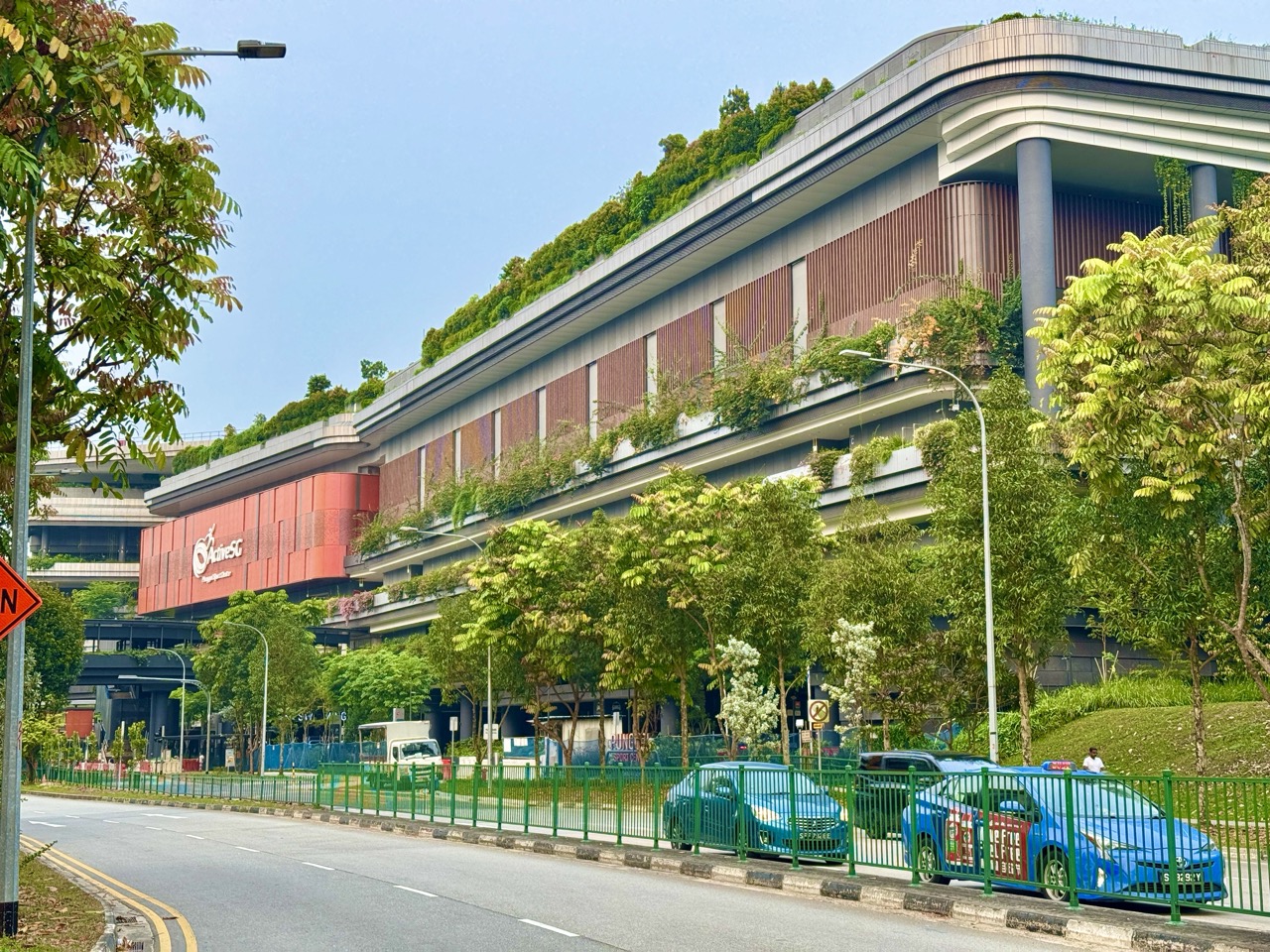
Families visiting ActiveSG Punggol Sport Centre can look for a children’s play zone with slides and a small outdoor water-play feature around Basement 1. A first-hand walkthrough published on 30 October 2026 described four slides, including two longer slides descending from Level 1, plus a nearby splash area. The centre is at 11 Sentul Crescent, Singapore 828656, beside SAFRA Punggol. Because the sports centre began a phased soft launch in late October, check the on-site signs and current operating or access conditions before promising children that every play feature will be running.
The slides and splash feature are not the same thing as Punggol Swimming Complex, SAFRA Punggol’s Splash @ Kidz Amaze or Waterway Point’s Happy Park. Each is a different facility with different rules and opening arrangements. This guide explains how to plan a child-friendly visit at the sports centre, keep play safe, protect other families’ space and make an outing enjoyable without treating water-play photographs as proof that the swimming pools are open.
- Location: ActiveSG Punggol Sport Centre, 11 Sentul Crescent, Singapore 828656.
- Reported family feature: four slides around Basement 1, including two longer slides from the Level 1 area.
- Nearby feature: an outdoor water-play area with spouts and streams, as observed on 30 October 2026.
- Access: confirm current operation, any age or height instructions, supervision rules and charges, if any, on site.
- Important: the indoor/outdoor swimming complex has a separate opening status; do not confuse splash play with pool admission.
- Transit: Sam Kee LRT is near the centre; follow current signs to the family play area.
- Essentials: supervising adult, suitable clothing, towel, drinking water, dry change of clothes and appropriate footwear.
- Safety: stay with children, check slide exits, supervise wet surfaces, follow posted rules and avoid rough play.
- Plan B: if a feature is shut, enjoy another permitted public area or postpone without entering a restricted zone.
- Official operator: https://www.activesgcircle.gov.sg/ and https://activesg.gov.sg/

What was actually observed at the new sport centre
A 30 October 2026 walkthrough of the Punggol Sport Centre described four slides in the family-friendly Basement 1 area. Two longer slides connect down from a higher level, while two smaller slides are at the lower area. The report also described a climbable slope with holds and ropes, a modest outdoor water-play zone with spouts and streams, and a waterfront boardwalk. That is more specific than a planning document showing future facilities. Still, a journalist observing a feature is not the same as SportSG promising that it will operate every day or remain unrestricted during commissioning.
The correct approach is to treat the report as a way of knowing what to look for, then defer to the venue’s latest signs and staff instructions. At a new multi-use centre, an area can be accessible for a public look but have equipment temporarily paused, fenced, cleaned or tested. Children may not understand this difference. Adults should explain the plan as a possibility until access is confirmed. That prevents the disappointment of travelling solely to use a water spout that happens not to be running.
Know which Punggol play area you are visiting
Punggol already has several child-friendly attractions, and similar names can confuse families. Waterway Point has its own Happy Park play features. SAFRA Punggol has Splash @ Kidz Amaze and other facilities under SAFRA’s admission rules. ActiveSG Punggol Sport Centre is a separate venue. The sport centre’s slides and shallow splash feature also differ from the much larger swimming complex, whose public availability remained a separate matter during the October soft launch.
Before leaving home, send the family the full name and address rather than a cropped photo. If you ask grandparents to meet you ‘at the new water play’, they may reasonably go to the wrong place. The same applies to taxis and private-hire vehicles: use 11 Sentul Crescent, not the address of the neighbouring SAFRA entrance. Teach older children to recognise venue names and logos. A well-labelled destination can save half an hour of searching and make a group outing much calmer.
A safe slide visit begins before the first climb
Children see a slide and often run towards it. Adults need to look first. Find where the slide starts, where it ends, whether the exit is clear, and whether different slides have different age or height rules. The longer slides reported at Punggol may create more speed than a small neighbourhood playground slide. Never assume that because a smaller slide is suitable for a toddler, the longer one is too. Follow the operator’s posted restrictions rather than estimating suitability from an online photograph.
Observe another user’s descent only from a safe place; do not stand in the slide exit. Check that the child can wait, sit correctly and move away from the landing area immediately. If the route to the top includes stairs or climbing structures, consider whether the child can manage them safely. A supervising adult may need to remain close to a younger child rather than watching from the lower level. The objective is a smooth, confident first turn, not a race to use all four slides.
Teach children to wait for the slide to clear
One child slides while another climbs behind. If the second child launches too early, a collision can occur near the exit where the first child is still recovering balance. A simple rule is to wait until the entire slide and landing zone are visibly clear. Explain it with an example: ‘Watch where your friend lands. When they have moved away, it is your turn.’ Younger children may need repeated reminders, especially when excited.
The person at the bottom should keep the exit free rather than standing directly in the way to take a video. If a child is frightened or wants to stop, do not push them from behind. A family that waits calmly often gets better play time than one that constantly intervenes after collisions or arguments. Slide etiquette is a practical lesson in patience and awareness: your turn begins only when the previous person’s turn is completely over.
Why clothing matters on long slides
The 30 October walkthrough noted that the longer slides can feel surprisingly fast and suggested clothing that protects skin from abrasion. The safe choice depends on the slide surface, operator signs, weather and the child’s comfort. Avoid loose items, dangling cords or accessories that could catch. Choose clothing that allows the child to sit and slide in the prescribed position without slipping or snagging. Do not turn a journalist’s clothing tip into a substitute for the actual equipment rules.
Check footwear instructions too. A play structure may require shoes in one part and different arrangements around water. Rather than guessing, read the signs at the entrance to each area. If a child is changing between dry slides and splash play, carry a dry change of clothes and keep belongings away from wet walking routes. Preparation avoids uncomfortable friction, wet bus seats and the unnecessary pressure to hurry a child home just because the wrong clothing was packed.
Climbing back up is part of the activity
Slides are often described only by the descent, but children may spend as much energy on the journey back to the top. The reported Punggol structure includes a slope with holds and ropes. Climbing develops balance and coordination when the equipment is used as designed, but a child may struggle with the next foothold or with others overtaking. Adults should observe whether the child can climb without blocking another person’s path or being pushed.
Encourage measured movement. A child who cannot reach the next hold comfortably may need to use a permitted easier route or choose another slide. Do not lift someone into an area that the venue prohibits them from using. Teach one-hand-at-a-time awareness and the value of looking before stepping. The aim is independence within safe limits. It is not a contest to see who can climb fastest or who can ignore fear longest.
The outdoor splash feature is not a swimming pool
An outdoor water-play area with small jets or streams can be delightful on a warm day, but its purpose and risks differ from swimming. Children may be standing, splashing or moving around shallow wet surfaces rather than swimming laps. There is no reason to assume that lifeguard supervision is the same as at a public swimming complex. The supervising adult remains responsible, and the operator’s specific rules govern the feature.
Never promise a child that they can swim because they saw pictures of the Punggol Sport Centre’s rooftop or infinity pool. During the late-October soft launch, reports distinguished the gym and court facilities from the swimming complex, which did not yet have confirmed public access. A splash area is not a substitute for a formal swimming lesson or water-safety training. It can be a play experience in its own right, provided the site is operating and the child is appropriately supervised.
Check the water-play surface before running
Wet surfaces can become slippery, especially where children move quickly between fountains and dry paving. Before allowing play, observe how the water drains, where people enter and whether there are any signs warning against running. Teach children to walk rather than sprint across slick surfaces. If the splash feature is closed, turned off or fenced, do not encourage a child to step inside just because the water is shallow.
An adult should choose a position where they can see the child and respond if necessary. A mobile phone can wait. If a surface appears damaged, unusually slippery or contaminated, tell the operator and choose another activity. Do not try to repair or clean a public fixture yourself with unknown chemicals. The safest family play area is one where adults notice ordinary physical conditions instead of assuming that new equipment must be hazard-free.
Keep drinking water separate from play water
Water from a decorative splash feature may not be intended for drinking. Children sometimes put their mouths near fountains because it looks like a playful stream. Explain that drinking water comes from the family’s bottle or a designated potable-water point, not from the splash jets. Wash or clean hands appropriately before eating, and use available changing or toilet facilities in accordance with the venue’s rules.
If a child is unwell, has diarrhoea or has a condition that makes public water play unsuitable, reconsider the outing and follow appropriate healthcare guidance. A small splash installation is a shared amenity that relies on visitors maintaining hygiene. Avoid bringing food into wet play zones unless explicitly allowed, and never place dirty footwear or rubbish where children are splashing. Public play becomes more pleasant when families treat the water and surrounding surfaces as something everyone shares.
Two-year-olds and older children need different plans
A toddler may delight in a gentle stream of water but become overwhelmed by a tall slide, loud activity or rushing school-age children. An older child may want to repeat the faster route many times. One adult supervising both can have difficulty if their preferred activities are on different levels or out of sight. Plan around the youngest person’s needs and the number of responsible adults available.
Check every posted age and height restriction rather than using a single family rule for all four slides. If the younger child cannot safely use the long slides, offer an approved smaller play option. If the older child wants to explore a different part of the structure, agree on a supervision plan before separating. There is no obligation to fit every attraction into one outing. Keeping children within a manageable zone can make the visit both safer and more enjoyable.
Supervision is a job, not a seat beside the play area
Parents and carers sometimes expect a play space to give them a short break. Public amenities may provide some room for children to explore, but supervision still requires attention. Know where the child is, what they are doing and whether another activity could expose them to injury. Do not rely on a stranger to watch your child because you are answering a call. Where children are very young or need extra support, the responsible adult should remain close enough to intervene.
If several adults are present, say explicitly who is supervising at each moment. ‘Everyone is watching’ can become ‘nobody is watching’. A simple handover such as ‘I am taking the younger child to the toilet; you are watching the older one until I return’ is practical. Agree on what to do if someone loses sight of a child. Clarity protects children and keeps family relationships from being damaged by preventable misunderstandings.
Choose a clear family meeting point
Large sports centres contain multiple levels, lifts, hall entrances and publicly accessible routes. Before visiting the slides, identify a simple meeting point that everyone can recognise, such as a named sign or staffed information area if available. Do not use a vague instruction like ‘meet by the pool’; the complex has several water-related spaces. If older children are allowed any independent movement, agree on boundaries suitable for their age and the venue’s rules.
An easily recognisable meeting point helps during toilet breaks, lost-property searches or changes in plans. Keep emergency contact details available without displaying sensitive information publicly. Remind children that if they become separated, they should seek help from identifiable facility staff rather than leave the site looking for a parent. The family should also know which adult is holding the tickets, transport cards and other essentials. A small orientation at the start can prevent a stressful situation later.
The best time is not automatically the quietest hour
Families often ask which time is best for children to play. A new attraction can be unpredictable during the first weeks, and the number of visitors may change after school, on weekends and during holidays. There is no verified live queue chart for the slides in this guide. Instead, choose a time when your children are rested, the supervising adult can pay attention and the weather is manageable. Check the centre’s current access status before travelling.
A short early visit may work better for a toddler with a predictable nap, while older children may enjoy an afternoon outing. If the play area is crowded, give the child a choice between waiting calmly and doing something else. Do not feel that travelling to the centre obliges you to stay until everyone is exhausted. The right time is one that supports a positive experience, not simply the period when an influencer’s photo happened to show an empty slide.
Make a fifteen-minute first visit worthwhile
With a young child, fifteen minutes can be enough to observe the space, try one permitted slide and learn how the child responds to the environment. Start by reading signs together, checking the landing area and choosing a suitable feature. Let the child decide whether to try it again. If the water-play feature is operating, a brief splash may be enough before changing clothes.
The short format reduces pressure. A toddler who is frightened by a high slide does not need a pep talk and ten more attempts. A parent can say, ‘We had a look, and now we know what this place is like.’ The achievement is familiarity. A successful fifteen-minute visit may create more confidence than an ambitious ninety-minute outing that ends with tears, cold wet clothing and a rushed journey home.
A thirty-minute play plan for preschoolers
Begin with orientation and an appropriate smaller slide if the operator permits the child to use it. Allow time between turns so the child can move away from the landing area. If a water-play feature is operating and the child is comfortable, spend a short period there. Leave at least several minutes for changing, water and a calm exit. The goal is not to maximise repetitions but to create a predictable sequence.
Preschoolers respond well to simple choices: ‘Would you like the small slide again, or shall we have some water?’ Avoid offering a choice that is not actually permitted, such as entering a closed pool. Carry a dry outfit and make sure the adult can handle belongings while maintaining supervision. If one activity is unavailable, the outing can still be useful through a short walk and the chance to observe the new community environment.
A one-hour family outing without rushing
An hour might include a short approach from Sam Kee LRT, orientation, twenty minutes of suitable slide play, a brief water-play period if open, and time to change and leave. Keep the plan flexible because an unexpected queue or a child needing a toilet can consume more time than expected. The sports centre’s wider facilities should not be treated as automatically available fillers. A gym session, badminton booking or swim visit requires its own conditions.
Include a clear stopping point before fatigue changes a pleasant outing into a stressful one. A child can be happy to repeat a slide and still need a break. A parent can enjoy photographs but must not miss what the child is doing while framing the perfect shot. A successful hour ends with everyone knowing where they are going next. The family leaves with a memory rather than a dispute about whether they stayed long enough.
A ninety-minute multi-generational day
A longer outing may work when grandparents, parents and children come together. Split the time into manageable sections: arrival, a suitable play period, a rest, a walk along a permitted public path and a meal or snack somewhere appropriate. Each section should have a clear role for the adults. Grandparents may enjoy observing from a safe place if seating is available, but should not be assumed able to supervise a fast-moving child across multiple levels.
Choose a comfortable route for anyone with mobility considerations. Step-free access, restroom proximity and a sheltered place to rest may be more important than squeezing in another slide. The family can share the pleasure of watching the children explore without requiring every adult to participate physically. If the water feature is unavailable, replace it with a short walk rather than promising entry into restricted pool areas. A flexible day respects everyone’s capacity.
Why the boardwalk is a useful companion activity
The October first-look described a boardwalk and waterfront views near the sport centre. A short public-path walk may be a satisfying way to finish a slide outing, particularly when children need a quieter transition before heading home. However, check which pathways are currently accessible and follow barriers around unfinished or operational areas. The water-sports centre was not yet reported to be publicly operating during the same visit, so the presence of a boardwalk does not imply kayak rental or waterside access beyond designated paths.
Use the walk to slow down. Ask children to notice plants, water reflections and the shapes of the surrounding buildings without leaning over railings or entering the water. Keep hold of younger children where needed. If cyclists share a path, teach children to stay to the appropriate side and follow signs. A short, calm ending helps the family shift from active play to travelling home and gives the children something else to remember besides the fastest slide.
Rain can change the whole outing
A slide visit is not entirely protected from Singapore’s weather, especially when outdoor water-play and waterfront walking are involved. Heavy rain, lightning warnings or temporary closures may affect access. Check current official advisories and on-site notices. Do not treat the presence of a roof over one part of the complex as permission to ignore a thunderstorm around an exposed area. If a feature is suspended, use a permitted alternative rather than entering a barricaded zone.
Bring a small umbrella or rain protection for travel, but keep large objects away from play structures where they could obstruct other visitors. Wet clothes and shoes may become uncomfortable during a longer MRT or LRT trip. If the weather deteriorates, do not feel obliged to use a facility just because you have arrived. Rescheduling is a sensible part of a family plan, not evidence of poor organisation.
Haze, heat and children who tire quickly
Outdoor exercise and play conditions can change with temperature and air quality. During haze episodes, follow current Singapore public-health and SportSG advisories, especially for young children and people with respiratory or other relevant health conditions. A shallow splash feature may feel cooling but does not eliminate heat exposure or air-quality concerns. Shorten or change plans when necessary, and stop for unusual symptoms rather than trying to finish a promised activity.
Children can become absorbed in play and forget to drink or rest. Offer ordinary water breaks and watch for fatigue or discomfort. Avoid making precise claims about how much every child must drink; age, activity, weather and individual needs differ. Comfortable clothing, sensible shade and appropriate supervision matter more than a fashionable water bottle. A brief, positive outing on a hot day is preferable to a long visit that leaves the family overheated.
A safety conversation children can actually remember
Adults sometimes give children a long list of rules before entering a playground, then wonder why none are remembered. Use a few short instructions linked to what the child can see. For a slide: ‘Wait until the bottom is clear. Sit properly. Move away when you land.’ For water play: ‘Walk on wet ground. Keep the water out of your mouth. Stay where I can see you.’ These are practical prompts, not a substitute for posted facility rules.
Repeat the guidance at the relevant moment rather than delivering a lecture in the lift. Praise the behaviour you want to see: ‘You waited until the other child moved away.’ If a child becomes overexcited, pause the activity and reset. For a child with different communication needs, a visual sequence or a demonstration may work better than spoken instructions. Good supervision includes adapting the explanation to the learner rather than repeating the same words more loudly.
Play etiquette helps strangers share the same space
A public play zone belongs to many families across the day. Children need help learning to queue, avoid overtaking on climbing routes and respect other people’s turn. Adults set the tone. If a child pushes past someone, intervene calmly. Do not let a family member reserve the slide exit for photographs. Keep prams, bags and shoes out of circulation routes and any accessibility paths.
Every child will sometimes become impatient or upset. The answer is not public humiliation. Acknowledge the feeling, state the rule and offer a manageable choice. Other adults may handle their children differently; focus on immediate safety without escalating minor disputes. If a hazard persists or behaviour becomes dangerous, seek help from facility staff. Pleasant shared spaces depend on visitors cooperating even when they do not know one another.
Photographs are memories, not permission to ignore privacy
The new sport centre is visually attractive, with modern architecture and a waterway setting. Parents may want to photograph a first visit. Do so without blocking slides or photographing other children in ways that intrude on their privacy. Avoid posting identifiable strangers online without consent. A photo should never require a child to repeat a dangerous or prohibited action. The right moment is usually when the child is safe, comfortable and not obstructing another visitor.
Look after your phone as well as the people. Wet surfaces and water jets can damage devices or create distraction. If your child needs close supervision, consider asking another responsible adult to take a picture while you remain attentive. Not every joyful experience needs to become content. A few carefully chosen photographs can preserve the memory without turning a family trip into a performance for an audience.
Children who dislike crowds or loud water
Some children are sensitive to sudden sounds, rushing water, crowded stairways or the sensation of sliding quickly. That does not make the outing a failure. Start from a calm distance, describe what is happening and give the child time to observe. Offer a small, appropriate activity instead of insisting on the longest slide. Do not force participation to get a photograph or because a sibling enjoyed the feature.
Families can plan a quiet alternative along a permitted nearby walkway or return another day. Bring familiar comfort items if they do not interfere with equipment rules, and make it easy to leave when the child signals distress. If a child has a disability or specific support need, consult the venue on accessibility and suitable arrangements rather than assuming that every play structure works for every user. Good family recreation includes the freedom to opt out.
Supporting children with mobility or coordination needs
A new structure with slides and climbing elements does not guarantee that every route is accessible. Different children may need different levels of physical support, additional time or a different activity. Parents should check the operator’s accessibility information and any posted restrictions before using the equipment. Never carry a child onto a structure in a way that violates safety rules simply because you want them to experience the same slide as others.
Inclusion may mean choosing a nearby accessible space, a shorter activity or a different way to participate. Older siblings can still share the outing by talking, spotting interesting features or enjoying the public waterfront together. Avoid comparing one child’s achievement with another’s speed. The day should be judged by participation and wellbeing, not by how many features every child used. Respectful planning can give a family meaningful time even when the original plan changes.
Food, toilets and dry clothes
An energetic play visit often ends with someone hungry, wet or urgently needing a toilet. Find the available facilities when you arrive rather than waiting for a crisis. Pack a towel and a dry set of clothing if water play is planned. Do not assume there will be changing rooms dedicated to the splash feature, or that a pool ticket will provide access to any associated facilities. Ask onsite where families may change appropriately.
Keep snacks and drinks in permitted eating areas, and dispose of waste properly. Wet clothing should be stored separately from schoolbooks, phones and other belongings. A small waterproof pouch may help if you have one, but there is no need to purchase expensive equipment for a simple visit. The essentials are organisation and attention. A child who can change comfortably and eat at a suitable place is more likely to remember the activity as enjoyable.
Use the centre as a chance to teach responsibility
Parents can turn a family outing into small, genuine lessons without making it feel like school. Ask a child to help check the destination sign, remind a sibling to wait until the slide is clear or count how many turns the family can take without pushing. Give older children a role in packing the towel or remembering the water bottle. Responsibility grows when the task is achievable and the adult still provides supervision.
After the visit, ask what the child noticed. Did the longer slide feel different from the smaller one? Why did the family stop when the floor became crowded? How did another child feel when someone cut the queue? These questions encourage observation and empathy. They are more useful than insisting the child recite every safety rule. A good play day can teach patience, self-management and care for public spaces alongside movement.
A rainy-day plan B must be a real option
It is tempting to write that a family can always move into the sport centre’s gym, hall or swimming pools if a slide area closes. That would be inaccurate. Controlled facilities have their own bookings, age limits and admission conditions, and some were not publicly available during the October soft launch. Do not tell children that they can swim merely because the slide is wet. A fallback should be a separately confirmed option, such as a permitted public area or a rescheduled outing.
The strongest backup is sometimes simply to go home earlier. If the family has enough energy, a safe public-transport trip or a short look at the building’s architecture may still make the journey worthwhile. If not, preserve the children’s comfort and try another day. Reliability means describing what is available honestly and refusing to invent privileges. It is a useful principle for any new amenity in Punggol, not just ActiveSG.
How to keep costs predictable
The observed slides and water-play feature were described as visitor amenities, but this guide does not assume that every part is permanently free or that access is unrestricted. Verify the onsite rules and any applicable charge. Do not accidentally purchase a gym or pool pass expecting it to authorise entry to an unrelated play zone. If there are no published admission terms for the specific feature, ask the operator instead of guessing.
Transport, snacks and an extra change of clothes can also affect the outing budget. Families do not need to spend much to have a good experience, but they should know which costs are optional. A child may be perfectly content with a short visit and a drink of water. Resist turning the trip into an expensive shopping day unless that was the intention. Public recreational facilities are most valuable when families can use them thoughtfully and repeatedly.
Comparing ActiveSG play with neighbourhood playgrounds
Neighbourhood playgrounds near HDB blocks may be easier for a very short outing, while the Punggol Sport Centre’s reported slides offer a different experience. Neither is automatically better. A younger toddler may prefer a familiar small slide, whereas an older child may enjoy exploring a new structure with a parent. Weather, crowding, travel time, rules and accessibility should guide the choice. A modern building does not eliminate the value of a simple neighbourhood play space.
If you visit the centre specifically, keep the story focused on this location. A photo of the Happy Park water play at Waterway Point should never be used to suggest it is the ActiveSG splash feature. Local knowledge becomes more useful when families can tell these places apart. Our separate estate playground and swimming guides can serve other search intentions, while this article remains about the reported family play zone at 11 Sentul Crescent.
Four small scenarios to plan around
A parent arrives with a three-year-old who loves water but dislikes tall slides. The adult first checks whether the splash feature is operating, then chooses only age-appropriate areas and remains close. A sibling wants the long slide and is disappointed; the family explains that different activities have different rules and offers a turn that is suitable. The visit is successful because the children feel safe, not because the parent ticked every feature.
Another family brings grandparents who cannot stand for long. They identify appropriate seating if available, use step-free routes where possible and keep the play period short. One adult supervises the child while another remains with the older relatives. The outing ends with a brief public-path walk if everyone is comfortable. It is unnecessary to send grandparents up stairs just so they can see every slide in person. Inclusion is about meaningful shared time.
Four more situations that can change a visit
A school-holiday crowd forms at the slide entrance. Rather than pushing, the parent helps the child wait or chooses another activity. A rainstorm begins just as the family prepares for outdoor splash play. They follow facility restrictions and either choose a permitted shelter or leave. A child has wet clothes but no change of clothing. The adult ends the water activity early instead of allowing a long uncomfortable journey home.
A family sees a social-media photograph of the sport centre’s infinity pool and assumes the children can swim after visiting the slides. They check the current official swimming-complex status and realise that a splash feature and a pool are not the same service. They make a separate future swimming plan instead of walking into a restricted area. Each situation demonstrates how a good outing relies on an accurate understanding of the venue, not simply enthusiasm.
Frequently asked questions
Where are the slides? A 30 October 2026 on-site walkthrough described them around Basement 1, with some longer slides descending from Level 1. Is the water-play area the swimming pool? No. It is a distinct small splash feature. Can children use it today? Check current onsite operation, age/height rules and access restrictions. Is there an entrance fee? This article does not assume a permanent free-entry policy; verify the actual conditions.
Can I leave a toddler playing while I use the gym? No. Supervision must be arranged; the gym does not act as childcare. Can we bring a stroller? Check practical accessible routes and keep walkways clear. What if a slide is closed? Do not bypass barriers; select another permitted activity. Is this the water play at Waterway Point? No. Waterway Point and SAFRA Punggol have their own separate family amenities and conditions.
Sources, updates and your next step
This guide reflects information available on 1 November 2026. TheSmartLocal’s 30 October first-hand visit reported the four slides, climbing slope, splash area and nearby boardwalk. AsiaOne reported the phased opening and announced 22 November official opening. For current operating notices and facility access, consult ActiveSG Circle and relevant onsite signs. The venue address is 11 Sentul Crescent, Singapore 828656.
For other family choices, our regional sport centre guide gives broader context, and our water activity chooser helps distinguish different experiences. Your next step is to confirm that the specific slides and outdoor water feature are accessible, pack a dry change of clothes and plan a short, supervised visit. Enjoy the play area for what it is, without promising an unrelated pool or sports-hall activity.


