
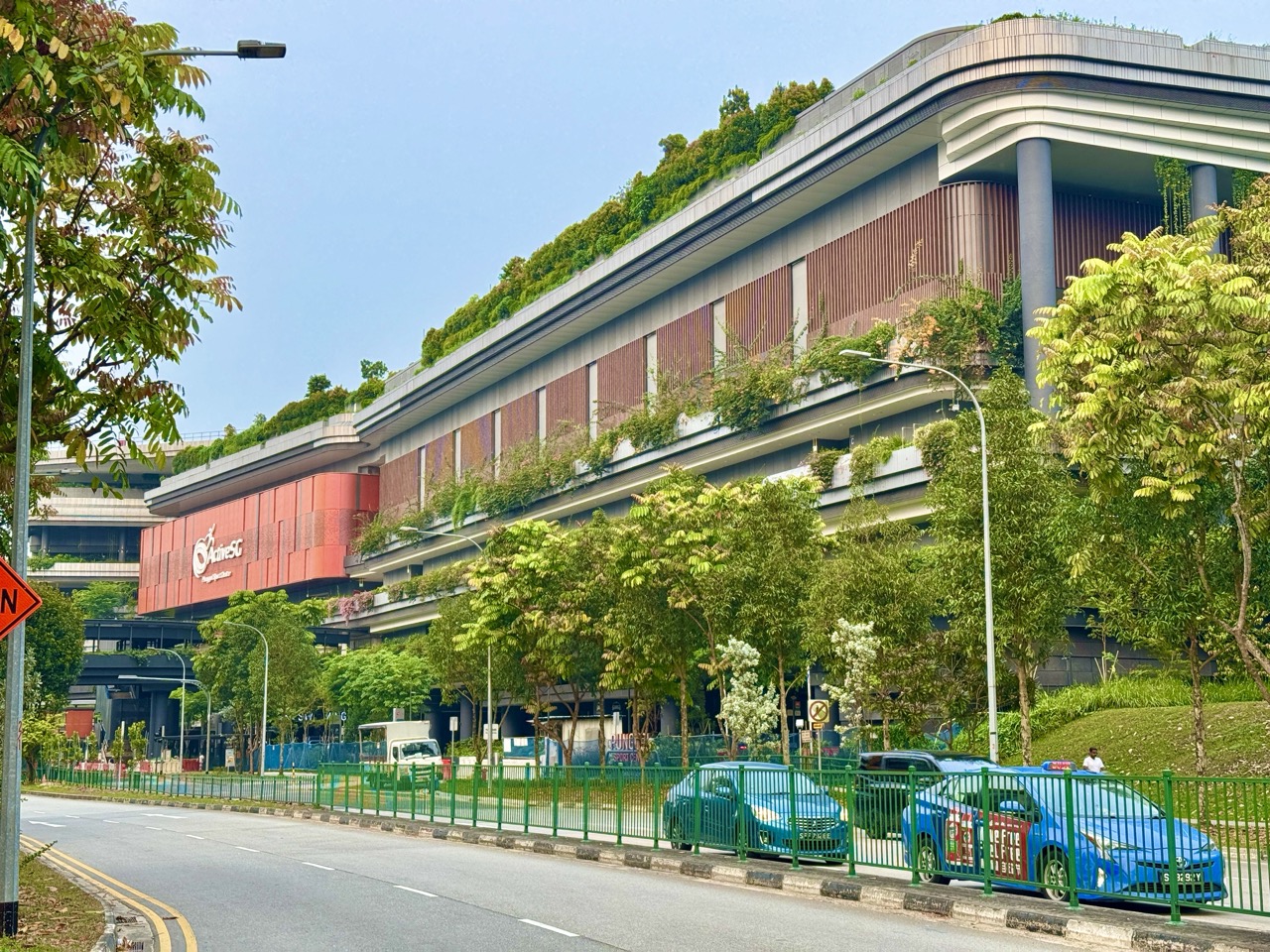
ActiveSG Punggol Sport Centre has two futsal courts on Level 5M at 11 Sentul Crescent, Singapore 828656, according to a 30 October 2026 walkthrough. The courts were visible but not open for public booking during the late-October soft launch. On 1 November 2026, residents should therefore plan a future futsal session rather than claim they can play there immediately. The wider sport centre has an announced official opening on 22 November, but that date does not independently confirm when any particular futsal slot will go live. Check MyActiveSG+ before paying or inviting a team.
Futsal is a quick, small-sided version of football that rewards close control, short passes, movement and teamwork. Once a suitable Punggol booking is offered, beginners can enjoy a simple hour without needing a full eleven-a-side team. This guide covers the practical decisions that make the first game successful: who to bring, what to pack, how to learn the basic rules, how to rotate players fairly, and what to do while the new courts remain out of bounds. It is written for Punggol families and players who want useful information rather than an invented opening timetable.
- Where: Punggol Sport Centre, 11 Sentul Crescent, Singapore 828656, near Sam Kee LRT and SAFRA Punggol.
- Reported facility: two futsal courts on Level 5M, described in an on-site visit dated 30 October 2026.
- Current distinction: courts physically exist, but public bookings were not yet available during the soft launch.
- Official wider opening: 22 November 2026 was announced; confirm futsal operation separately.
- How to arrange a game: look for a futsal-specific court and genuine slot in MyActiveSG+, then read terms and pay.
- Beginner focus: controlled passing, first touch, movement into space, gentle shooting and fair substitutions.
- Useful group: players and substitutes within the operator’s capacity limits; do not assume every court uses identical rules.
- Essentials: appropriate footwear, water, towel, suitable ball if required and confirmed reservation details.
- Do not confuse: the futsal courts and the 5,000-seat football stadium are separate facilities.
- Official platform: https://activesg.gov.sg/

Definition lock: what a Punggol futsal session means
Futsal is a small-sided football code generally played by five players per team, including a goalkeeper, on a comparatively compact court. Rules cover substitutions, kick-ins, accumulated fouls, restarts and goalkeeper participation. A casual recreational booking may use simplified arrangements, but a sensible group should agree on them before beginning. The word futsal does not mean any improvised football game in an empty hall. In Punggol, the relevant facility is the planned Level 5M futsal court, distinct from the full stadium pitch and from outdoor neighbourhood multipurpose courts.
The equally important term is public access. A court can be finished, photographed and furnished with nets without appearing in the live reservation system. SportSG and the operator determine when users can enter, which activity is permitted and what conditions apply. No amount of enthusiasm authorises walking past a barrier. This distinction is especially important in a phased opening. The best first step for residents is not to assemble teammates under a locked gate; it is to confirm a valid booking and then design the activity around it.
What the new Level 5M courts looked like during the soft launch
A 30 October first look at Punggol Sport Centre described two futsal courts on Level 5M, several levels above the lower sports and swimming areas. The report mentioned protective netting around the courts and breezier conditions at elevation. Those observations help residents understand what has been built. They do not prove that public users may enter Level 5M or reserve a match on the day they read this article. During that visit, the courts remained out of bounds for ordinary bookings.
That is why this guide separates the future playing experience from present-day access. You can learn futsal rules, make a sensible team plan, understand equipment and prepare without claiming the venue is operational. When the operator confirms bookings, the final details should replace any assumptions about available hours, permitted balls, pricing, spectator access and team size. The original 22 November announcement concerns the complex’s official opening, not a written guarantee for each court or programme.
Why the five-a-side format works for a local community
An eleven-a-side football match requires many players and an appropriate large pitch. Futsal can bring a smaller group together for a purposeful session. More players may become involved in passing, controlling and defending because the playing area is compact. There are fewer opportunities to hide from the ball, which can make the game educational for beginners. Good players learn to scan for teammates, offer a passing angle and move again after releasing possession.
The same compactness also makes careless contact more noticeable. A player who charges into every challenge can cause collisions, while a group that never agrees on substitutions may leave newcomers waiting. Organise futsal with a clear social objective: an enjoyable match with safe movement and shared participation. The local value is not simply a new court. It is a repeatable sporting habit near homes, schools and transport routes, provided the group treats other players with respect.
Book futsal, not a different sport with a similar-looking surface
When Punggol’s futsal slots become available, the correct reservation should identify the venue, facility, sport, date and time. Log in to the official MyActiveSG+ portal and search under the appropriate category. Do not reserve an indoor sports hall allocated to basketball, volleyball or badminton and assume you may rearrange it for futsal. The layout, floor, equipment and operating conditions can be different. Read any age, organised-coaching, cancellation and spectator requirements before proceeding.
The person who pays should share the confirmed location and slot details with teammates, but not their login credentials or personal identifiers. If futsal does not appear as an available option, the correct outcome is no booking. Check again after a genuine operator announcement or ask for verified guidance. A social-media photograph, a general press release and a calendar date are not substitutes for the live product. This protects residents from turning an exciting new centre into an avoidable wasted journey.
Understand the 22 November opening announcement
Local news reports published on 29 and 30 October 2026 said Punggol Sport Centre had begun its soft launch and that its official opening was scheduled for 22 November. The gym and several racket-sport spaces were already operating or bookable, while futsal, the stadium and the swimming complex were not yet publicly available according to the contemporary walkthrough. These facts can coexist. A development often brings different services into operation in stages.
Parents and sports organisers should be precise when sharing plans. Say, ‘The sport centre has announced its wider opening, and we will book futsal once it is listed.’ Do not say, ‘Our futsal court is confirmed for 22 November,’ unless a reservation actually exists. Even after a wider opening, specific dates may be reserved for tests, events or operational requirements. Clear wording makes you a more reliable organiser and helps prevent a group of teenagers from arriving at a closed area.
Travelling from Sam Kee LRT and nearby Punggol estates
Sam Kee LRT is a useful public-transport reference for the sports centre, and a first-hand October review described a short walk between the station and the complex. Visitors travelling from Punggol MRT can use the appropriate LRT connection or another safe route. Temporary construction around the precinct may affect crossings, so follow current signs rather than relying on an old photograph or shortest-line map route. Give teammates the full street address and a clear public meeting point.
Once there, distinguish the entrance for the gym, the hall and Level 5M. The futsal courts occupy a different level from the basketball layout and badminton hall. Nobody should wander through restricted access routes to find the court before bookings are live. If travelling with young players, establish who is responsible for collection and the journey home. A proper futsal plan begins with a safe trip and enough time to warm up, not with a frantic race to locate a lift.
Assemble a group that will actually turn up
A five-a-side format suggests ten players for a full match, but a relaxed session may benefit from substitutes and carefully planned rotations, subject to the booking’s capacity rules. Ask who is genuinely available, which players are new and how competitive the group wants the game to be. A team of ten friends with different expectations can argue more than a team of eight with a clear shared purpose. Planning is about fit, not just filling a roster.
Set a reply deadline before any non-refundable purchase. Agree on cost-sharing, what happens if someone cancels and who holds the booking. Do not publish a list of children’s phone numbers in a public group. It is helpful to identify one coordinator for time, one for basic rules and one to check that equipment is returned or collected properly. These are small responsibilities, but they allow the actual hour of sport to be devoted to playing instead of administration.
Choose the right footwear and ball
Futsal calls for footwear suited to the surface and the facility’s rules. Indoor-style flat-soled shoes and suitable training footwear differ from long-studded outdoor football boots. Do not assume that outdoor studs are allowed on Punggol’s elevated court. Check posted requirements when the venue begins accepting futsal users. A conventional futsal ball is designed for the code’s particular passing and bouncing behaviour, but confirm the permitted ball type and whether the operator provides one before arriving.
Bring water, a towel, comfortable sportswear and any necessary personal medication. Avoid jewellery that can catch and keep bags clear of entrances and playing lanes. If shin protection is required by the organiser or rules, prepare it rather than deciding after the warm-up. Expensive new shoes are not the point of a first visit. Safety, grip, comfort and compliance with the actual surface matter much more than a brand name or appearance.
The first warm-up is about brakes, not speed
Players often rush into a fast match and discover that stopping is harder than running. Futsal includes short accelerations, sideways movement and quick changes of direction. Begin with comfortable walking or jogging as appropriate, then practise controlled stops, turns and simple movements without the ball. Only after balance feels steady should the group add gentle passing. The aim is preparation, not a contest to see who can sprint hardest before the match begins.
Check the court for moisture, loose items and unsafe footwear. Someone returning after injury or illness may need a reduced workload or individual medical advice. Sharp pain, chest discomfort, faintness or unusual breathlessness are reasons to stop and seek appropriate help. No public venue removes the need to make sensible personal decisions. A short structured warm-up can help the entire group begin on similar terms, including people who arrived directly from a desk job.
A beginner’s first touch
First touch means controlling the ball on arrival so that the next action becomes easier. A newcomer may panic, kick it away or trap it awkwardly underfoot. Start with a gentle pass from a partner over a short distance. Practise cushioning the ball with an appropriate part of the foot and keeping it close enough to pass again. The point is not to look stylish. It is to control the next decision and avoid sending the ball into another group’s space.
A useful exercise uses three steps: receive, pause long enough to find balance and pass to the intended partner. Repeat with both feet at a manageable speed. Once the movement feels comfortable, vary the angle slightly. Praise control rather than power. A player who can receive a simple pass without losing possession contributes something essential to team play. In a compact sport such as futsal, reliable small actions often matter more than one spectacular attempt at goal.
Short passing makes the court feel bigger
On a small court, the ball can move faster than a player. That makes simple, accurate passes particularly valuable. Begin with pairs at a comfortable distance and focus on aiming toward the teammate’s usable space. A hard pass that arrives behind someone or at an awkward height may be less useful than a gentle pass delivered at the right moment. Gradually introduce movement so the receiver must adjust without sprinting into danger.
Explain that passing is a decision, not a sign that a player is too weak to shoot. The passer should look ahead, notice pressure and choose where a teammate can act. A receiving player should move into a safe open angle rather than standing behind a defender. A small group can practise a triangular passing pattern, taking turns at each position. The drill teaches spatial awareness and cooperation, and it can be adapted for younger or less experienced players.
The difference between dribbling and holding the ball too long
Dribbling has a place in futsal, particularly when a player can create a passing lane or move out of pressure. But repeatedly trying to beat three defenders in a crowded area can stop the whole team from moving. For beginners, practise a few controlled touches, then pass. Learn to look up between touches rather than staring only at the ball. The purpose of carrying possession is to improve the team’s next choice.
Create a small teaching game in which each player is encouraged to pass after a manageable number of touches. Label it as a training modification, not an official rule. After a few minutes, ask whether movement off the ball improved. Players should discover that passing and running into space can be more satisfying than forcing a complicated trick. The best beginner habit is knowing when to release the ball, not memorising a showpiece skill.
Shooting without endangering other people
On an elevated court surrounded by protective netting, it may be tempting to hit every shot as hard as possible. The netting is a safety feature, not a licence for reckless play. Begin with close, controlled shooting and learn to place the ball rather than blast it. Make sure other players have cleared the shooting lane, and never strike a ball toward someone who is retrieving equipment or adjusting footwear.
Vary the starting angle only after basic accuracy improves. A newcomer should understand where the goal is, where the goalkeeper is standing and whether a pass would be better. Strong shots are not inherently more skilful than well-chosen low-power attempts. If a ball repeatedly flies out of the permitted playing area or hits fixtures, reduce power and ask for instruction. Everyone’s ability to return safely matters more than an impressive shot recorded on video.
Goalkeepers are teammates, not targets
The goalkeeper has a distinctive role involving anticipation, positioning, distribution and safe decisions near the goal. In a casual match, a reluctant participant should not be forced into the position without understanding the task. Rotate responsibility if appropriate and permitted, or identify players who genuinely enjoy it. Agree on whether you are following formal futsal goalkeeper rules or a simplified friendly format.
Players should not rush into the goalkeeper with unnecessary contact, and the goalkeeper should not charge recklessly into opponents. Practise controlled rolls or passes to start play rather than launching the ball without purpose. Younger groups may need adult supervision to ensure safe shot speed. The person in goal is not less important because they touch the ball differently. They can begin attacks, organise teammates and help the whole group stay aware of space.
Defending without grabbing or sliding carelessly
Effective defending often starts by slowing an attacker and protecting space. A player can position their body, stay balanced and guide the opponent toward a less dangerous direction. Beginners sometimes assume every tackle must be dramatic. On a compact court, careless sliding or charging can cause serious contact. Agree on the level of physicality and follow official rules and venue conditions. A recreational game should never require someone to risk injury to prove commitment.
Practise one defender against one attacker at low speed, with the aim of staying between the ball and goal. Stop after a short interval and exchange roles. The defender learns not to overcommit, while the attacker learns to choose a pass or change direction. Make sure the drill occurs in a safe area and does not collide with another pair. If the group becomes too aggressive, pause the exercise. Control is a more valuable lesson than winning an isolated challenge.
Simple team shapes: a square and a diamond
Beginners often chase the ball as a group, leaving large gaps elsewhere. A simple two-two arrangement can help players notice balance between attacking and defending. A one-two-one diamond can introduce a different way of creating passing options. These are teaching shapes, not fixed formations that guarantee success. The best structure depends on players’ skills, the goalkeeper’s role and what the opposing team is doing.
Explain the shape without making anyone stand rigidly in one square of the court. Positions change as the ball moves. A player who passes should find a new angle rather than admire the pass. Defenders need to consider both the ball and teammates. Use a walking-speed rehearsal before a live game. Then pause and ask where an open player appeared. The real skill is reading space together, not memorising a diagram.
Substitutions that keep everyone involved
Futsal permits an active use of substitutes under its formal rules, but a casual group must still agree on a fair rotation that fits the venue and the chosen game. Keep track of how long people have played and make sure newcomers do not spend the entire session watching. If somebody needs a rest, allow it without criticism. Someone who feels dizzy or injured should not be sent back in just because the team wants five players.
Consider shorter periods with clear changes rather than waiting for a very tired player to ask. The organiser can announce a rotation schedule at the beginning, especially if more than ten people have contributed to the court cost. Avoid arguments about who deserves the most minutes. A friendly Punggol session should provide value to everyone who came, not only the strongest participants. Fairness is one of the skills that makes a sports group last.
Know kick-ins, restarts and fouls at a beginner level
Formal futsal uses kick-ins rather than the throw-ins familiar from outdoor association football. It also has particular rules for restarts, goalkeeper play, fouls and timing. Casual players may not remember every detail, and it is sensible to review an authoritative futsal rulebook before running formal competition. For a first friendly game, the organiser can agree on a safe simplified set of rules where venue conditions permit.
Whatever rules you choose, explain them before the match and apply them consistently. A player should not invent a foul because their team has lost possession. When a decision is disputed, stop briefly, clarify the agreed rule and restart calmly. A short game can be ruined by long arguments, whereas a reasonable replay often costs little. Respecting the structure of the game is an important part of learning the sport.
A fifteen-minute beginner drill sequence
If an appropriate court is booked, the opening fifteen minutes can focus on three manageable skills. Spend five minutes practising comfortable first touches. Use the next five for pairs exchanging short passes and moving to new angles. Finish with five minutes of gentle, controlled shots or a short possession game. Adapt the timings to age, experience, operator conditions and any coaching guidance. This is an illustrative plan, not an official ActiveSG class schedule.
The sequence gives each participant many meaningful contacts. Avoid one long queue in which everybody watches a single player shoot. Divide into small groups if the space and rules permit it, and monitor where stray balls travel. When someone makes a mistake, use simple guidance such as ‘try a softer first touch’. The aim is familiarity and confidence. The group should finish this portion ready to play rather than exhausted from a demanding series of sprints.
A forty-five-minute first match
A short session works when it has a clear structure. Allow time for entry, safe footwear and warming up before the playing period. Try a brief passing activity followed by several shorter friendly games, with rest breaks and substitutions. Finish early enough to clear the court before the next booking. Do not promise extra time simply because the group arrived late. Shared facilities work only when each team respects its allocated period.
Set one learning goal for the match, such as calling for passes or avoiding reckless challenges. A beginner group does not need an elaborate tactical lecture. A clear aim helps the players notice progress even when the score is uneven. If the game becomes too fast, reduce intensity or use a smaller modified activity if allowed. Nobody should be pressured to perform beyond their ability. A first match is successful when the team wants to return.
A full-hour social futsal plan
For a confirmed one-hour booking, organise the warm-up and skill work before the most competitive portion. Reserve a sensible period for the actual match, but schedule substitutions and pauses. Leave several minutes to collect equipment and tidy the space. If children or inexperienced adults are participating, favour more frequent rest and shorter playing intervals. The physical intensity of futsal can rise quickly even when the court looks small.
Afterward, spend two minutes gathering feedback. Did everyone get enough time? Were the agreed rules understood? Was the goalkeeper treated fairly? Were there any safety problems? These questions allow the organiser to improve next time. A repeatable local sports group grows through good habits rather than a perfect first performance. Keep the discussion constructive; avoid public blaming or posting a teammate’s mistakes online.
Parents planning a children’s first futsal session
Children may enjoy the ball and goal long before they understand positioning and formal rules. Start with age-appropriate movement, gentle passes and simple cooperative goals. The responsible adults should check venue age restrictions, supervision expectations, permitted equipment and any rules governing coaching. A public court booking is not childcare or a guarantee of a supervised lesson. The family must organise safety before play begins.
An enjoyable challenge might be passing to a partner five times or learning to stop the ball under control. A child who is overwhelmed by competition can practise separately or sit out without shame. Adults should avoid turning a friendly outing into selection trials. If siblings differ in age and strength, adjust the activity rather than letting the larger child dominate every ball. The purpose is positive familiarity with sport and teamwork.
Secondary-school students and the temptation to play too hard
Students may want to recreate professional football highlights on the new elevated courts. Social video clips rarely show the long work of preparation, recovery and sensible decisions. An after-school match must fit schoolwork, meals, transport and sleep. Do not schedule an intense late session simply because it is the only time a group can agree on. If a player arrives exhausted, reduce their workload.
Encourage students to develop organisational skills as well as ball skills. They can plan transport, check the legitimate booking, communicate cancellations and divide costs fairly. An adult may need to handle payment or supervision according to the rules. These are worthwhile habits that extend beyond sport. The student who helps create a safe, reliable session contributes to the group even if they are not the highest scorer.
Adults returning to football after years away
Someone who played competitive school football may still remember quick moves, but their current conditioning may be different. Futsal’s repeated accelerations can expose that gap. Begin at a manageable pace, use short rotations and avoid sudden maximal efforts on the first day. Previous injuries or relevant medical conditions may require individual advice. The point of the new local courts is to support sustainable recreation, not to test whether your adult body can reproduce a teenage performance.
A realistic goal might be attending regularly, learning better first touches and staying comfortable throughout the following day. Discuss intensity with teammates. A player who wants a gentle social game should not be surprised by a group treating every possession as a championship match. Different goals need different sessions. A thoughtful organiser can help friends find a level that includes them rather than letting the most competitive individual define the evening.
Mixed-ability teams can still enjoy a meaningful game
A team with experienced and new players can make the session better by adjusting the format. Encourage passing, reduce excessive pressure on beginners and use shorter games. Avoid public criticism when someone loses possession. The experienced player can demonstrate how to create an angle or slow the game down, rather than taking every shot. This makes the outing a lesson in leadership rather than a ranking exercise.
Do not treat disability, age or fitness as a single label. Some participants may require adapted activities or professional guidance; others simply prefer a lower pace. Ask what each person wants from the session without demanding private health information. Changes should remain consistent with operator conditions. A good community game allows people to contribute different strengths and to rest when they need to. Equal respect matters more than identical workloads.
Weather, heat and an elevated playing area
The Level 5M courts were described as elevated and netted, but that does not make them immune to weather. Even a sheltered area may be affected by rain, lightning policies, wet surfaces or uncomfortable heat. Follow the venue’s closure notices and official weather guidance. Do not assume that a breeze makes vigorous exercise safe for everyone or that a court may continue operating during a lightning alert. Staff restrictions take priority over a paid booking.
Bring water and allow ordinary breaks. Watch for signs of overheating, unusual fatigue and dizziness. If a floor is wet, report the hazard and stop the unsafe activity. Haze may also affect strenuous exercise decisions, especially for vulnerable participants. A sensible group can shorten, reschedule or cancel when conditions require it. Good planning includes how to respond when the original booking cannot be used, rather than treating safety as an inconvenience.
Noise, privacy and sports-hall etiquette
A public sports complex supports many users at once. Keep the group within its permitted space, return equipment properly and avoid blocking access routes. Do not send balls into adjacent areas or assume protective nets permit dangerous shots. Filming teammates requires their consent, and videos should not capture identifiable strangers or children without permission. Avoid music or shouting that disturbs another facility’s activities.
Disputes are inevitable in competitive games. Decide in advance who will settle obvious rule questions, and use a simple replay where appropriate. Do not challenge staff or enter restricted areas when a session ends. Clear the court before the next user’s slot begins. The quality of community sport depends partly on small courtesies. A team that behaves well is more likely to enjoy repeat outings and preserve a welcoming atmosphere.
Budget carefully rather than guessing futsal prices
As of the sources checked for 1 November 2026, a public Level 5M futsal booking price was not confirmed. It would be misleading to invent a per-hour amount based on a badminton or football rate at another facility. When a futsal-specific MyActiveSG+ product appears, read the actual price, peak/off-peak designation, eligibility and cancellation conditions. Only then ask teammates for their shares.
Consider more than court hire: travel, footwear, balls and any separate organised coaching may affect the total. A group that plays infrequently may not need subscriptions or expensive equipment. Agree on what happens when players cancel and avoid one organiser silently absorbing the difference. A fair budget makes a sporting habit easier to sustain. The lowest advertised rate is not a bargain if the date, location or permitted activity is wrong.
What to do while Punggol futsal bookings are unavailable
Residents can still prepare. Practise passing and ball control in a suitable, permitted location that does not endanger others. Learn the basic rules from reputable futsal education resources. Organise a small group, agree on intensity and decide how to pay fairly when a real booking becomes available. If you wish to play immediately, check a different established futsal venue with confirmed access instead of entering Level 5M without permission.
Do not place temporary goals across a park connector or use a badminton court for football. Both choices may interfere with the public and violate rules. A suitable alternative should be chosen for the actual activity. If the group cannot find a legal court, focus on individual fitness and controlled basic drills in an appropriate environment. Waiting for an official opening does not prevent learning. It simply changes which activities are available now.
Why the stadium is not a futsal substitute
Punggol Sport Centre also has a substantial football stadium, reported to seat about 5,000 spectators. Its purpose and playing surface differ from the Level 5M futsal courts. A full stadium is not automatically a place for a private five-a-side kickabout. At the late-October soft launch, public access to the stadium and futsal courts was not yet available. These areas have their own schedules and operating rules.
When the complex runs events, spectators may be able to attend under event-specific admission conditions, but that is a separate question from booking a futsal court. Share the exact facility name with your group. A friend told to meet at the ‘football area’ may head to the stadium entrance and miss the futsal level entirely. Specific wording and a clear meeting point prevent confusion in a large multi-purpose venue.
A four-week skills plan before the first booking
In week one, practise a gentle first touch and controlled passing where permitted. In week two, add moving into space and receiving from different angles. In week three, introduce simple defending footwork and clear communication. In week four, rehearse a small possession game and a few safe restarts. These are suggested learning themes, not a published ActiveSG class or a requirement to train on a fixed schedule.
Move through the plan at the participants’ actual pace. If players still cannot control a gentle pass, repeat that skill rather than forcing advanced tactics. Count useful team decisions, not merely goals. Progress may mean passing earlier, scanning more often or recognising when to stop a risky challenge. When an official booking eventually becomes available, the group can arrive better prepared, with expectations already aligned.
Practical scenarios: late teammates, crowded courts and injuries
Suppose two players arrive late. Begin with a safe, approved warm-up and do not rush them into intense play the moment they walk through the door. If the wrong activity is listed on the booking confirmation, stop and contact the operator rather than attempting to occupy a different sport’s court. If the desired slot is already full, agree on another day. A group leader should never represent a speculative reservation as confirmed.
If someone twists an ankle, develops severe unusual symptoms or suffers a significant collision, stop play and seek appropriate care. Do not press the injured person to continue merely to balance the teams. If a stranger enters the playing area accidentally, pause until it is safe. If another booking follows yours, leave promptly. These scenarios are ordinary tests of group responsibility, not dramatic exceptions. Handling them well is part of being a reliable recreational team.
Frequently asked questions
Are the Level 5M futsal courts open today? A 30 October 2026 walkthrough reported them out of bounds for public bookings; verify live status on MyActiveSG+ before travel. How many are there? Two courts were observed. Is this the same as the stadium? No, the stadium is a separate facility. Does the 22 November official-opening announcement guarantee a futsal booking? No; individual venue listings and available slots must be confirmed.
Do I need exactly ten players? A standard match uses five per side, including goalkeepers, but group size and substitutions depend on the booking conditions and format. Will balls be provided? Check the operator’s terms. What shoes should I wear? Follow the actual court’s surface and footwear rules. Can children play? Check supervision, age restrictions and suitable coaching. How much does it cost? Check the live futsal price rather than borrowing a fee from another sport. What if the court is closed? Choose another authorised venue or reschedule.
Sources, date and Your Next Step
This article reflects the situation reported around 1 November 2026. TheSmartLocal’s”>https://thesmartlocal.com/read/activesg-punggol-sport-centre/’>TheSmartLocal’s first-hand visit of 30 October 2026 described the Level 5M futsal courts and their then-unavailable booking status. AsiaOne’s”>https://www.asiaone.com/singapore/activesg-punggol-sport-centre-soft-launch-free-gym-entry’>AsiaOne’s 29 October report documented the soft launch and announced the wider 22 November opening. The official MyActiveSG+”>https://activesg.gov.sg/’>MyActiveSG+ platform is the place to verify live sports listings, conditions and prices. These published snapshots are not a substitute for a future confirmed slot.
Your next step is to make a short list of interested players, choose a safe practice goal and check MyActiveSG+ for a specific Punggol futsal booking. If no booking exists, say so clearly and choose a legal alternative. Once a real slot appears, arrange the group, review rules and begin with a controlled passing session. For the broader centre context, see eduKate Punggol’s sport”>https://edukatepunggol.com/2026/09/25/punggol-regional-sports-centre/’>sport centre overview.


