
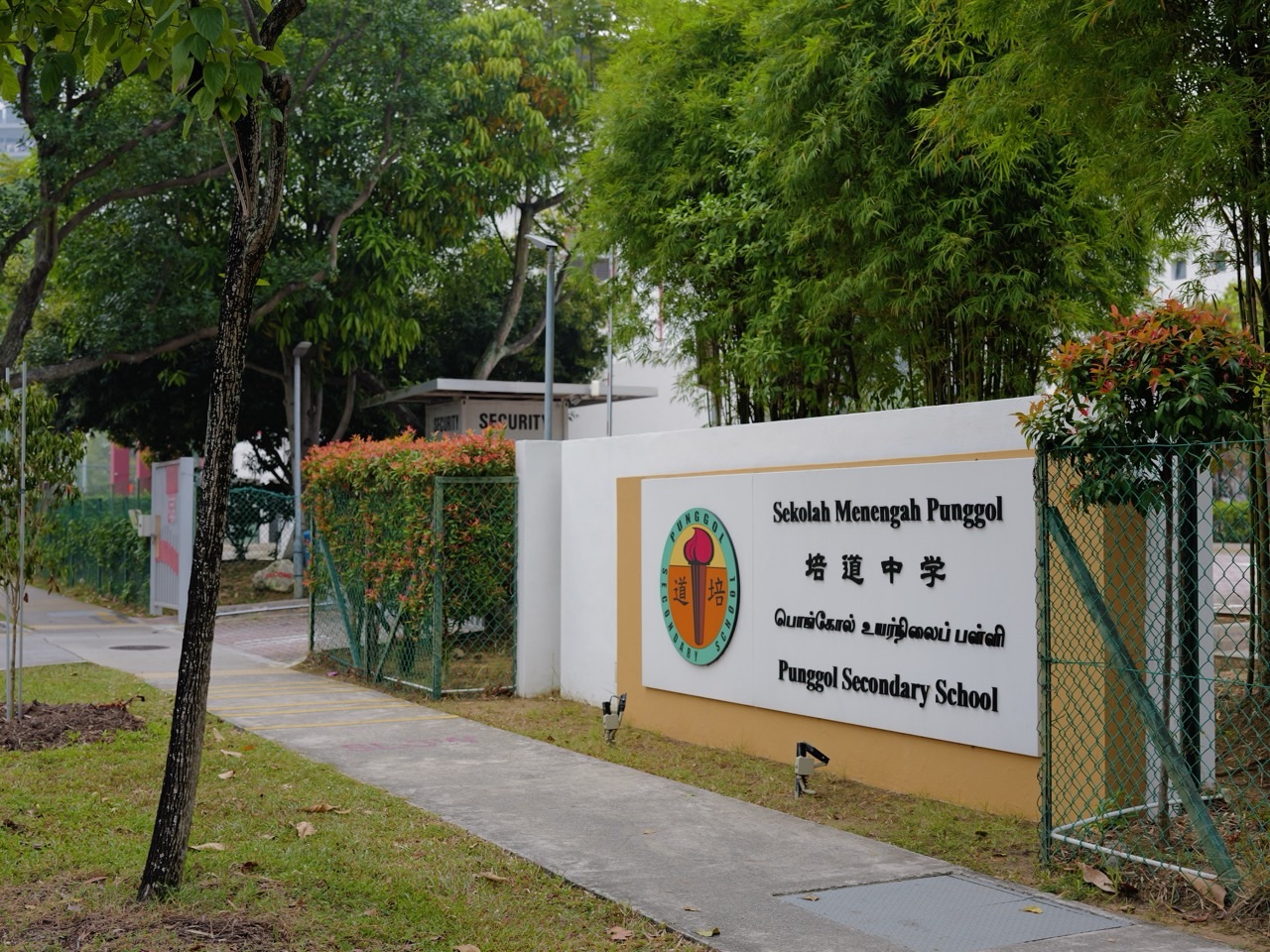
PG3 is Posting Group 3 for Secondary 1 admissions, not a separate Mother Tongue syllabus. A Punggol student entering through PG3 will normally start core subjects at G3, but eligibility to study Higher Mother Tongue Language (HMTL) is a separate question. From the 2026 Secondary 1 intake, students who achieve AL1 or AL2 in PSLE Mother Tongue, or Distinction or Merit in PSLE Higher Mother Tongue, are eligible to offer HMTL in secondary school regardless of their overall PSLE score. Parents must still confirm the school’s provision and current enrolment instructions.
The policy matters because a child’s strength in Chinese, Malay or Tamil need not match their overall PSLE performance. Families in Punggol can ask Edgefield, Greendale, Punggol or Yusof Ishak secondary schools which languages and levels are offered for the particular intake and how students are supported. Higher Mother Tongue can provide worthwhile challenge for a keen learner, but the correct decision also depends on reading ability, writing confidence, timetable commitments and the child’s willingness to use the language beyond examinations.
- Definition: PG3 is a posting group; G3 is a subject level; HMTL is a higher-level language offering.
- 2026 change: MOE expanded Secondary 1 HMTL eligibility to students with PSLE MTL AL1/AL2 or PSLE HMTL Distinction/Merit, regardless of overall PSLE score.
- Check the result slip and the official HMTL eligibility notice; do not infer eligibility from PG3 alone.
- Verify that the assigned school offers the particular language and the practical arrangements for that year.
- Compare ordinary Mother Tongue, HMTL and any school-recommended options without treating a higher label as compulsory.
- Ask about actual reading, oral, writing, listening and comprehension demands, not merely textbook thickness.
- Set aside sustainable time for language exposure alongside English, Mathematics, Science and CCA.
- Distinguish PSLE Higher Chinese posting considerations for SAP schools from Secondary 1 HMTL eligibility.
- SEC from 2027 examines language subjects at their applicable level; verify the syllabus for the student’s graduating cohort.
- Revisit the decision with school guidance when workload, interest or mastery changes.

Higher Mother Tongue after PSLE: the detailed PG3 parent guide
1. Definition lock: admission and language ability answer different questions
PG3 is the group associated with a secondary-school admission route after the PSLE. G3 identifies the level at which a subject is taught. Higher Mother Tongue is a particular language offering, with its own curriculum, eligibility and demands. These labels can appear together on a student’s timetable, but none is a synonym for the others. A child can have strong language ability while needing more help in a different subject.
That separation is especially important in a multilingual household. Perhaps a pupil writes expressive Chinese but finds Mathematics slow. Another may enjoy English literature yet struggle with formal Malay composition. The family should not let the overall posting group erase these differences. Full Subject-Based Banding is intended to recognise that students develop different competencies at different rates.
Language ability also has dimensions. Speaking confidently during dinner is not identical to reading an argumentative article or composing a well-organised written response. A child who speaks fluently may lack formal vocabulary, while a strong reader may hesitate in a live oral discussion. The useful question is what the student can actually do in the language, not whether relatives think the label sounds advanced.
When parents ask whether a PG3 child should take HMTL, begin by checking eligibility. Then examine readiness, school availability and the learner’s interests. A simple decision made in that order is better than using the PG3 label as permission to take the most demanding option automatically.
2. What changed for the 2026 Secondary 1 intake
MOE announced a significant expansion of Higher Mother Tongue opportunities from the 2026 Secondary 1 intake. The stated criteria include obtaining AL1 or AL2 in PSLE Mother Tongue Language, or a Distinction or Merit in PSLE Higher Mother Tongue Language, regardless of the student’s overall PSLE score. This is a specific policy development, not a claim that every secondary student can automatically join HMTL on request.
Earlier eligibility descriptions were more tightly connected to the overall PSLE score. Families using an old parent-chat screenshot or archived school letter may therefore receive an incomplete answer. The most reliable starting point is the current official MOE statement and the child’s own results. If a family is unsure how the school implements the policy for its intake, contact the school before making a final timetable decision.
Consider a student whose overall PSLE result places them at an admission boundary but whose Mother Tongue result is excellent. The 2026 change deliberately allows that specific language strength to be recognised. The child should not be told that their overall result makes serious language study inappropriate. Equally, an eligible student should not be pressured into HMTL when the workload and enthusiasm do not align.
Write down the year beside the rule. ‘For Secondary 1 students from 2026’ is clearer than ‘now everyone can take Higher Mother Tongue’. Specificity protects readers and prevents advice for one cohort from becoming a false universal promise.
3. Separate the PSLE score from the Mother Tongue result
Families often talk about the PSLE score as though it summarises the entire child. In reality the overall score is assembled from subjects, and a learner’s best or most difficult component may deserve separate attention. Higher Mother Tongue eligibility in the revised arrangement recognises strong language performance directly. This is an example of why parents should inspect the detailed result rather than rely only on the headline number.
A useful exercise is to place the overall PSLE score beside the actual Mother Tongue AL or Higher Mother Tongue grade. Then add observations about current reading, oral conversation, listening and written expression. These are different kinds of evidence. The score tells the school about demonstrated examination achievement; the daily observations tell the family where language use is confident or strained.
Suppose a child earns a strong formal grade but avoids reading outside school. The grade is valuable, but sustained HMTL study may benefit from building a genuine reading habit. Conversely, a student who enjoys speaking with grandparents but struggles with an examination format might need explicit work on formal writing. Neither situation can be diagnosed from the posting group.
Parents do not need to turn this into a complex aptitude test. Ask the student to read a short unfamiliar text, explain the main idea, give an opinion using relevant vocabulary and write a brief response. The aim is to understand which language demands feel manageable and which require deliberate practice.
4. What to ask a Punggol secondary school
Do not assume that a programme appears in an individual child’s timetable simply because a national eligibility rule exists. Check the particular school’s current language offerings, administrative instructions and timetable arrangements. Ask which languages are provided on site, how lessons are organised, whether any external arrangement applies and when families must confirm a choice. An official school reply is more useful than an unsourced message in a neighbourhood group.
At Edgefield Secondary, Greendale Secondary, Punggol Secondary or Yusof Ishak Secondary, the discussion should be about the actual intake, not a programme description from several years ago. School websites are useful starting points, but offerings and arrangements can evolve. If the family is comparing schools before posting, record the published information and verify it again once a place is assigned.
Ask four practical questions. What qualification evidence is required? What curriculum level will the child attend? How does the HMTL timetable interact with CCAs and other subjects? What support or consultation exists if the child struggles? The answer should guide a genuine family decision, rather than merely help parents tick a prestigious box.
If an arrangement involves travel beyond the usual school day or a different timetable, calculate its consequences carefully. A language programme may be rewarding and still need planning. A family can value bilingual education while recognising that children need time to sleep, eat, travel and maintain friendships.
5. What Higher Mother Tongue means in everyday learning
Higher Mother Tongue is not simply ordinary Mother Tongue with more pages assigned. The student may be expected to handle more demanding texts, vocabulary, expression and communication tasks in the language. The exact syllabus and assessment vary by language and cohort, so parents should check the current documents. The practical aim is stronger, more precise command of language across comprehension and expression.
A Chinese learner may need to explain the author’s viewpoint rather than quote a familiar phrase. A Malay learner may need to choose words suited to audience and context, not simply remember a memorised essay opening. A Tamil learner may need to organise information and justify a position in writing. The underlying reasoning is similar: understand what the task requires, use language accurately and make the answer serve its purpose.
Some students enjoy the added challenge because they already read, watch or discuss meaningful content in that language. Others have excellent PSLE scores but have relied heavily on exam-focused memorisation. The second group may benefit from a gradual expansion of authentic language use. Parents should distinguish a problem with fluency from a problem with examination technique.
A good HMTL routine therefore includes reading and listening outside the textbook, thoughtful discussion, targeted vocabulary retrieval and occasional writing. The emphasis should not be continuous test simulation. Real language ability grows when a learner uses words for meaningful reasons and checks whether the message has been understood.
6. A three-part diagnostic: meaning, expression and control
Before buying a HMTL workbook, separate language learning into three questions. Does the child understand what a text or speaker means? Can the child produce a response that fits the audience and purpose? Can the child control grammar, vocabulary and written accuracy? A learner may be strong in one area and uncertain in another. Teaching becomes clearer when the family can name the gap.
Start with meaning. Give the student a short unfamiliar passage and ask for a summary in their own words. Then ask one inference question and request evidence from the text. If the summary misses the central idea, adding advanced composition vocabulary is unlikely to solve the immediate problem. The first teaching action should be better reading and interpretation.
Next test expression. Ask the learner to speak for a minute on a familiar topic, then write a short explanation for a different audience. Did they adjust tone? Can they connect ideas? Is a formal phrase used naturally or inserted awkwardly? These observations reveal the difference between knowing a word and being able to communicate with it.
Finally examine control. A student might understand and express an idea but frequently misuse a connector or sentence structure. Correct one recurring error at a time and ask for a fresh example. Effective language support is usually more precise than telling the child to memorise another hundred advanced words.
7. Chinese, Malay and Tamil choices need language-specific advice
Singapore’s school system offers Mother Tongue languages under national guidelines, but a family still needs the precise policy and school provision for its language. A broad online claim about Higher Chinese should not automatically be transferred to Higher Malay or Higher Tamil in every administrative detail. Eligibility, syllabus, examination components and school arrangements must be checked through the relevant official documents.
Parents can begin with the language the child actually offers. Ask which texts are used, what the oral and written expectations are, and which areas teachers identify as the main challenge at the new level. If the family uses the language at home, think about whether conversations include reasoning and explanation or mostly practical instructions. Both have value, but the latter may not provide enough formal language exposure by itself.
With any language, avoid confusing cultural interest with a guarantee of examination strength. A student who enjoys films or songs can develop valuable vocabulary, yet may still need structured practice interpreting source material and writing an answer. Likewise, a child who excels in written tests may benefit from speaking in genuine conversations.
Respectful family support is not limited to a parent who is fluent in that language. An adult can ask the learner to explain what the text was about, how they checked a word and why they selected a response. The child’s explanation makes their thinking visible even if the parent cannot correct every sentence.
8. What Higher Chinese means for SAP-school posting questions
Higher Chinese at PSLE has historically been relevant to the tie-breaking arrangement for Special Assistance Plan school admission when other key criteria are equal. This is a separate issue from whether a student may offer HMTL after entering secondary school. Mixing these questions creates an impression that one language grade guarantees a school place or that a particular posting group determines later Higher Mother Tongue study.
Families should read the official current S1 posting directions if considering a SAP school. Any language-related posting advantage operates within specified conditions and cannot be treated as a universal admission shortcut. The child must still meet the relevant school eligibility rules, and demand and available places matter. Avoid extrapolating from a relative’s successful application.
For a Punggol parent, the practical question may be whether a school outside the estate is worth the daily commute for its language environment and other programmes. Examine the entire experience, not only one policy feature. Can the child manage the travel? Are their interests served? Is the school a place where they can participate and seek help?
The safe language is precise: a PSLE Higher Chinese result may matter to an applicable SAP posting tie-break under MOE rules, while HMTL eligibility in secondary school follows the revised subject-specific criteria and school arrangements. These policies intersect for some children but answer different questions.
9. The family’s language environment is a learning resource
One of the simplest ways to support language development is to make the language useful outside examination preparation. A Punggol student may already hear Chinese, Malay or Tamil at home, in neighbourhood conversations or through media. The opportunity is to add richer communication rather than demand flawless performance in every exchange.
At dinner, ask a genuine question that requires a reason: what should the family do with a free Saturday, why is a story character believable, or what is the fairest solution to an everyday disagreement? Encourage the child to give an opinion and explain it. If the language is imperfect, help them find a clearer phrase without turning the conversation into constant correction.
Reading can be equally flexible. Short articles, carefully chosen stories and age-appropriate commentary can expose the learner to vocabulary and structures that ordinary domestic speech does not use. The student should be able to explain the gist before making a list of unfamiliar words. Meaning comes first; deliberate retrieval helps make new language usable.
Parents can maintain a small vocabulary record containing the word, a short meaning, one authentic sentence and a later original example. Revisit selected items after several days. A personal record built from real texts is often more memorable than a large anonymous list that is never used.
10. Make HMTL work alongside G3 English and Mathematics
A PG3 entrant will ordinarily have demanding academic subjects from the start of Secondary 1. Adding Higher Mother Tongue can be sensible, but the timetable should be evaluated as a whole. English reading, Mathematics practice, Science explanations, Humanities and CCA also require attention. A student cannot make every subject the first priority on every evening.
Use the actual school timetable and assignment system. Identify which days have late dismissals, which tasks involve concentrated writing and which forms of language practice can fit into shorter periods. Ten minutes of genuine reading or listening may be more effective on a busy day than a long tired session of copying vocabulary. On a lighter day, the learner can complete a longer written task.
Ask the student to recognise diminishing returns. If a child can no longer interpret a sentence accurately after an exhausting day, continuing for another hour may produce frustration rather than mastery. Adjust the schedule and review whether the learning goal remains realistic. A demanding subject is worthwhile only if the student can study it sustainably.
Do not automatically arrange separate tuition for every G3 and HMTL subject. Begin with school feedback and representative work. If support is needed, choose one clearly defined problem and measure whether the child can use the skill independently. The aim is to develop a capable bilingual learner, not a teenager whose entire week is occupied by supervised classes.
11. How to decide whether the student is ready for the extra challenge
Eligibility is an administrative answer; readiness is an educational judgement. A student can satisfy the revised HMTL criteria and still need to think carefully about motivation, foundation and weekly commitments. Conversely, a student might be eager to develop their language but require clarification from the school about the formal options available to them.
Ask the child what they enjoy doing in the language and what feels difficult. Someone who likes reading fiction but dislikes formal composition may still have a strong reason to study further; the problem is to improve writing technique. Someone who achieved a high PSLE grade through intense memorisation may discover that the next syllabus requires more independent interpretation. That is a signal for an honest plan, not shame.
Use three samples: a new reading passage, a short spoken explanation and a modest piece of writing. Compare the quality of thinking, the control of language and the level of prompting needed. If the learner can perform only when an adult supplies the structure, discuss the gap with the school before making confident promises about future grades.
The family’s decision should respect the child’s voice. Explain the opportunity and the responsibility without framing HMTL as a test of parental ambition. A teenager who sees a meaningful reason to learn a language is more likely to practise thoughtfully than one who studies only to preserve an image.
12. What a tutor should do when the difficulty is specific
Sometimes school teaching and independent practice are enough. Sometimes a student needs focused additional support because a particular language difficulty persists. A useful tutor should examine the child’s own work, identify the nature of the problem and choose lessons that address it. ‘Your child needs more vocabulary’ is not a complete diagnosis unless the work actually shows that missing vocabulary is the main obstacle.
For reading problems, the tutor can teach how to locate evidence, infer meaning from context and distinguish a writer’s argument from a student’s assumption. For written expression, the lesson may focus on organising ideas, choosing appropriate connectors and revising sentences. For oral communication, the learner may need repeated opportunities to explain an opinion and respond to follow-up questions.
Small-group tutorials can be effective when the teacher can hear every student speak and inspect individual answers. The group size, actual language level and teaching method still matter. Families should ask how corrections are made and how the student is expected to practise independently between meetings. A weekly appointment without meaningful retrieval may leave the central problem unchanged.
Set a realistic review point. Can the learner read an unfamiliar text more independently? Does the student use a newly learned expression appropriately rather than merely copying it? Are repeated grammar errors reducing? These are meaningful indicators even before a major examination is available.
13. How to interpret early school feedback
A new secondary-school assessment is a sample of performance in particular tasks. It should inform the next teaching decision, not become a verdict on whether the child deserves an HMTL place. If a student performs below expectations, inspect the marked work and the task requirements. Did the learner misinterpret the passage, lack formal vocabulary, use an unsuitable response structure or run out of time?
Sort the errors before prescribing more worksheets. A reader who misunderstands the main idea needs different help from a writer who understands but cannot organise a response. An oral hesitation may reflect limited familiarity with the topic rather than a general inability to speak the language. Precision makes feedback more encouraging because it describes something the student can improve.
Parents should also examine workload and wellbeing. A normally engaged student who becomes consistently exhausted may need a schedule adjustment or a conversation with the school. It is possible to support language excellence while protecting sleep and social involvement. Sustained learning matters more than forcing one impressive term.
If a formal change to the subject arrangement is being considered, follow the school’s official procedure. Do not presume that a single grade automatically requires or permits a change. Ask what evidence is considered, what support is available and how the decision will affect the rest of the student’s programme.
14. The SEC connection begins with the correct cohort
From 2027, the Singapore-Cambridge Secondary Education Certificate examination framework applies to relevant graduating students under Full SBB. Language subjects are examined at their applicable levels, and MOE’s announced schedule includes a single written examination sitting for Mother Tongue levels and G3 Higher Mother Tongue. Parents need the correct syllabus and examination year for the child they are guiding.
A pupil who enters Secondary 1 in 2027 is not sitting the inaugural SEC in that same year. This distinction sounds obvious when stated clearly, but education articles often compress several years into one headline. Always match the student’s cohort with the official SEAB and MOE examination information before buying materials or making claims about future components.
Language ability developed in Secondary 1 can support the later years, but early learning should not become endless final-paper rehearsal. Students benefit from reading widely, mastering grammar in context, speaking meaningfully and learning to plan and revise writing. Those habits remain useful even if a future syllabus or format is updated.
Use the official school notice and current examination materials when high-stakes decisions approach. This article is an educational guide, not a substitute for the candidate’s formal registration, examination timetable or eligibility confirmation.
15. A three-month language plan without overload
In the first month, establish the school’s real HMTL or Mother Tongue expectations. Record which language level the child is taking and what assignments recur. Choose two light habits: short reading several times a week and one genuine conversation that requires explanation. Observe where unfamiliar vocabulary or comprehension problems arise rather than immediately assigning an enormous workbook.
In the second month, focus on the most common error type. If the student copies passages without understanding, practise summarising and inference. If written responses are disorganised, plan paragraphs before drafting. If oral communication is hesitant, use brief open questions followed by a chance to revise the answer. Keep the tasks specific and repeatable.
In the third month, ask the student to attempt a fresh reading, speaking or writing task independently. Compare it with earlier work. Have they become more precise, more fluent or less dependent on prompts? Discuss the result with the school when appropriate and make sure the schedule still leaves room for other subjects and ordinary life.
This is not an official school progression procedure. It is a family learning routine that can be adapted. The objective is sustainable competence and a better relationship with language. If the actual school sets different assessments or support activities, those instructions take priority.
16. What bilingual success means beyond a certificate
The deepest value of learning a language lies in what the learner can understand and express. A child who can talk meaningfully with older relatives, read unfamiliar ideas or explain a civic question in another language gains cultural reach and intellectual flexibility. Examination outcomes matter for school progression, but they are only one part of that achievement.
Punggol families live among many languages and experiences. Bilingual ability can help a student listen more carefully to people whose memories or assumptions differ from their own. It can also make travel, study and later work more accessible. These benefits grow through genuine communication, not a string of polished phrases recited without understanding.
Parents can celebrate small changes: the child asks a thoughtful question in Mother Tongue, chooses a more precise word, reads without immediately giving up or explains why a sentence needs revision. Each demonstrates agency. The family is building someone who can learn independently in more than one language.
PG3 explains an admission starting point, and HMTL may be a valuable part of the student’s programme. Neither should become a substitute for observing the child. The strongest decision combines the official opportunity with honest readiness, real interest and a sustainable week.
Frequently asked questions
Does every PG3 child have to take Higher Mother Tongue?
No. PG3 is an admission grouping, while Higher Mother Tongue is an additional language curriculum subject to eligibility, provision and the student’s choices. Families should check the official offer and consider whether the learner is interested and ready.
What exactly changed in 2026?
From the 2026 Secondary 1 intake, students with PSLE Mother Tongue AL1 or AL2, or PSLE Higher Mother Tongue Distinction or Merit, are eligible to offer HMTL regardless of overall PSLE score, under MOE’s announced policy. Confirm the current school’s implementation.
Can strong spoken Chinese, Malay or Tamil alone secure HMTL?
Everyday fluency is valuable but does not substitute for formal eligibility and school decisions. The school follows current policy and may also consider other applicable routes or guidance. Use the official documents rather than guess from a home-language impression.
Do Higher Chinese and SAP posting rules mean the same thing?
No. PSLE Higher Chinese can be relevant to specific SAP-school posting tie-breaks, while Secondary 1 Higher Mother Tongue eligibility is a separate matter. One does not guarantee a school place or a particular HMTL arrangement.
Will taking HMTL automatically help with every later admission?
No automatic advantage should be assumed. Future programmes may have specific language and subject requirements or benefits under policies that can change. Check the exact admissions rules for the child’s graduating cohort rather than treating HMTL as a universal shortcut.
What if HMTL homework becomes too heavy?
First inspect the actual work and weekly schedule. Discuss recurring difficulty and available support with the teacher, improve study methods and protect essential sleep and other commitments. Any formal change to subject arrangements should follow school procedures.
Should we use a tutor immediately?
Not necessarily. Begin with school instruction, a realistic reading and language-use routine, and specific feedback from the student’s work. Extra help is appropriate when a defined gap persists or a suitable enrichment aim requires guidance.
What should parents check at a Punggol school?
Ask whether the relevant HMTL is offered for the intake, how the timetable operates, what evidence is required, how performance is assessed and whom to contact about workload or progression. Written school instructions should be preferred to rumours.
Your next step
Read the child’s PSLE Mother Tongue result carefully. Confirm HMTL eligibility under the 2026-onward policy, then ask the assigned Punggol school which language arrangements and timetables are available. Read a fresh passage together, listen to an original explanation and build a realistic weekly learning plan. The right decision matches the official opportunity with interest, readiness and wellbeing.
Official sources and related Punggol reading
MOE 2025 announcements: Expanded HMTL eligibility from 2026 · MOE Full Subject-Based Banding and Posting Groups · SEC examination framework · Punggol guide to Mother Tongue, HMTL and exemptions · PG3 and Full SBB guide. Check the current language syllabus and school instructions for the actual intake.
Independent Punggol family guidance; national rules reviewed 1 November 2026. This is not an official eligibility determination, timetable or enrolment instruction.


