
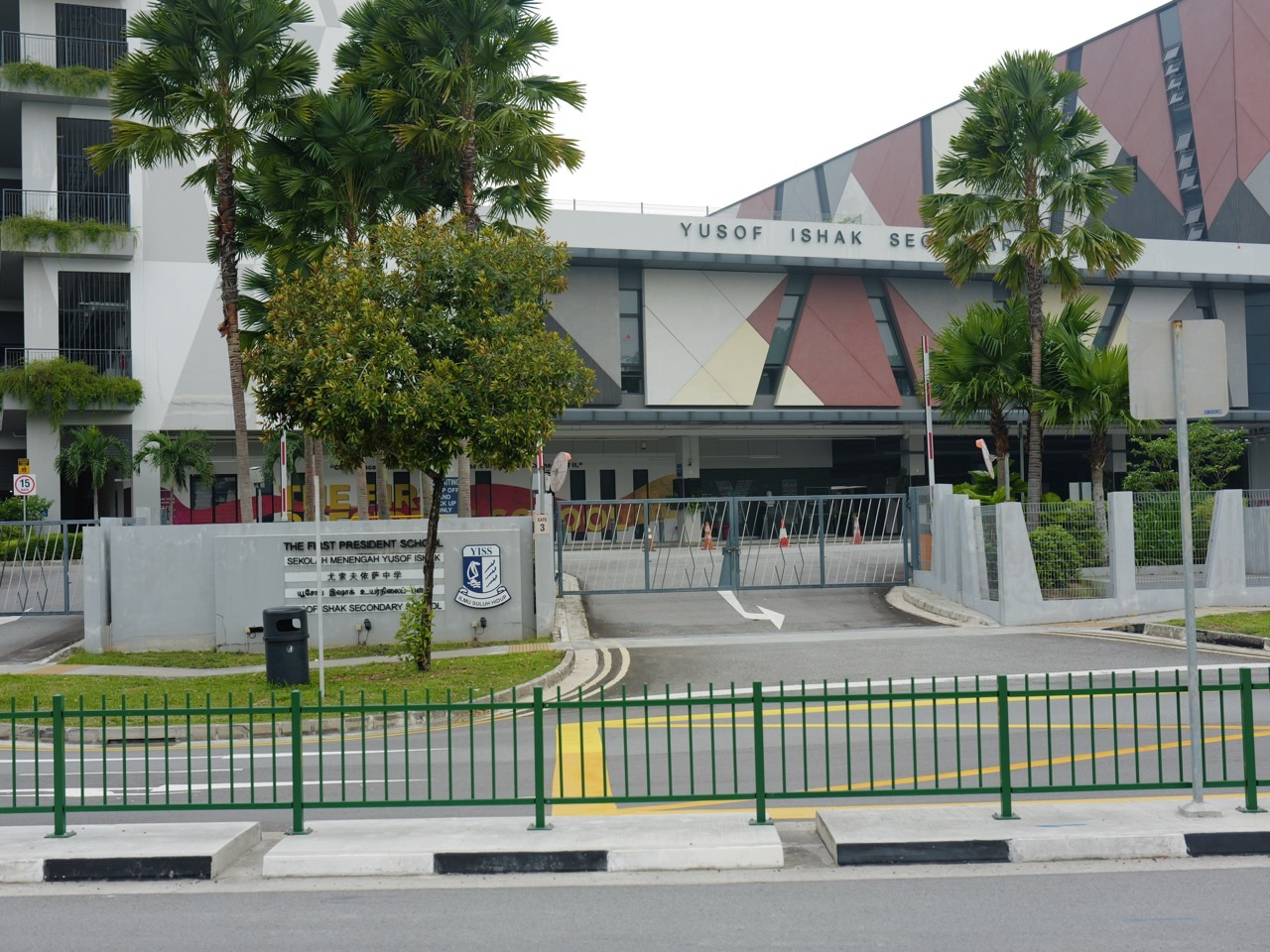
PG3 is the Secondary 1 posting group associated with the initial G3 subject pathway under Full Subject-Based Banding. Once a Punggol child joins secondary school, however, the form teacher, subject teachers and school support team are more important to everyday progress than the posting label. A PG3 learner may need help adjusting to mixed form classes, understanding subject expectations, making friends, resolving misunderstandings or managing emotional and learning difficulties. Parents can start with the form teacher and use the school’s published support and referral routes where appropriate.
Families at Edgefield, Greendale, Punggol and Yusof Ishak secondary schools should check their own school’s current contact channels and support arrangements. Greendale Secondary’s published student-support page explains counselling, Special Educational Needs Officer support and education and career guidance, while Edgefield has an active Parent Support Group described on its official site. These examples show what families can research; they are not a claim that every school offers identical services or that joining PG3 automatically creates a need for counselling.
- PG3 refers to Secondary 1 posting; G3 describes the level of a particular academic subject.
- Start with the form teacher for ordinary adjustment, class communication and general school matters.
- Use subject teachers for specific English, Mathematics, Science, language or Humanities learning issues.
- Ask the school about counselling when emotional, social or behavioural difficulties require more support.
- Special Educational Needs Officers may assist eligible students with additional learning or access needs; arrangements vary.
- Education and Career Guidance counsellors discuss interests and pathways, not the same role as mental-health counselling.
- Use official school notices and Parents Gateway or other designated communication routes.
- Keep messages factual, respectful and specific; avoid sharing another student’s private information.
- Encourage friendships across Full SBB mixed classes without ranking children by posting group.
- Seek help promptly for repeated bullying, significant distress, attendance problems or persistent learning difficulties.
- Ask about financial assistance if costs are a barrier; apply through the current MOE or school process.
- Build a family–school review rhythm that gradually strengthens the teenager’s own voice and independence.
In this guide
- The PG3 parent support guide: people, conversations and school wellbeing
- 1. Definition lock: academic posting and school support are different systems
- 2. What a form teacher can help families notice
- 3. When the subject teacher is the better first contact
- 4. What school counselling is for
- 5. Do not confuse counselling with Education and Career Guidance
- 6. Special Educational Needs support is about access and learning
- 7. Mixed form classes require respectful language
- 8. Friendships, exclusion and bullying need different responses
- 9. How to recognise that ordinary adjustment needs more help
- 10. Parents Gateway and official communication channels
- 11. Parent Support Groups can help without replacing formal staff
- 12. Financial difficulties should be raised before they become an attendance problem
- 13. A parent–teacher conversation that protects the teenager’s independence
- 14. Digital habits and group chats affect school belonging
- 15. A first-term family–school support calendar
- 16. Four Punggol schools, one habit of verifying arrangements
- Frequently asked questions
- Your next step
- Official and Punggol school sources

The PG3 parent support guide: people, conversations and school wellbeing
1. Definition lock: academic posting and school support are different systems
PG3 tells the family how the child entered secondary school following the PSLE. G3 tells the family the level at which a particular subject is studied. School support is a separate practical network of people, policies and relationships that helps students learn and participate. A child who is admitted through PG3 can still need advice, emotional support, accommodations or help learning independent routines. That does not contradict their academic eligibility.
Under Full SBB, students may share form classes with classmates from different posting groups while attending subject lessons at different levels. The form teacher often helps coordinate the ordinary experience of belonging to the class. Subject teachers attend to particular academic demands. Other school personnel may assist with more specialised needs. Knowing whom to approach prevents families from sending every problem to the wrong person.
Consider a student whose Mathematics marks remain strong but who has stopped eating lunch with classmates. A tutor might improve algebra skills but would not automatically solve a friendship problem. Another student may be socially confident while repeatedly misunderstanding written Science explanations. Their support plans should differ because the needs differ. The PG3 label does not diagnose either situation.
Write down three contacts when the school provides them: the form-teacher route, the subject-teacher route and the channel for discussing student support. Keep the current school handbook or portal link. This small administrative preparation makes it easier to act calmly when a problem appears.
2. What a form teacher can help families notice
The form teacher is often an important point of contact for a student’s general adjustment, communication and school life. The exact duties and contact process are defined by the school. Parents can ask about attendance, participation, timetables and patterns that seem to cross several subjects. Form teachers may be able to coordinate with colleagues or direct the family to the appropriate staff member.
A useful conversation describes what the parent observes, without making assumptions about causes. ‘Our child has missed three assignment deadlines and seems unsure which room to go to after lunch’ gives the teacher a concrete question. ‘The school is making my child careless’ is less helpful. The first version invites joint fact-finding and a specific plan.
Parents should also share strengths. A child who feels anxious about large groups may excel in careful independent tasks. Another may love building models but struggle to organise written explanations. These details can help teachers understand what motivates the student and what kinds of support might be effective. The parent is contributing information, not issuing a diagnosis.
After a discussion, ask what the next step should be and when it is sensible to review it. Sometimes a simple timetable clarification is enough. Sometimes the teacher may recommend meeting someone else. The goal is to resolve the problem efficiently and keep the teenager involved.
Describe the part of the day that keeps going wrong
Suppose Iona misses the start of several lessons after recess. At home she says she does not know when to collect the books she left in the form room. Her parent sees the missed lessons and worries that she has stopped trying. The form teacher may see several pupils waiting in the wrong place after a room change. If Iona tells the teacher exactly where she waits and what she uses to check the room, the group can identify the point that needs attention.
Consider starting with one small action. Iona might mark the room and book on a printed timetable at the end of the previous day. The teacher can show her where the updated timetable appears. The family can ask how they will know whether this helped. Iona may tell them after a few days that she now reaches the lesson on time, or she may still have difficulty on a particular day. That observation gives the next conversation a clearer purpose.
Give the school the child’s own account if they are comfortable with you sharing it. Explain whether the concern has just appeared or whether it has happened repeatedly. The teacher can tell you what they have seen and which colleague has the closest view. At Yusof Ishak Secondary School, for example, the published staff list identifies Secondary 1 contacts by class under the name class mentors. Look up the appropriate name and contact route in your school’s current materials.
3. When the subject teacher is the better first contact
Not every problem should be directed to the form teacher. If a G3 English learner repeatedly gives unsupported inference answers, the English teacher can explain the task and expected standard. If a Mathematics student does not understand algebraic transformations, the subject teacher can identify the exact concept being taught. Good communication starts by finding the adult closest to the evidence.
Bring representative work. A parent saying that Science is difficult may mean vocabulary, graph interpretation, experimental reasoning or unfinished homework. A marked question with the student’s explanation makes the problem easier to identify. Teachers can advise on curriculum expectations and may suggest school resources or practical exercises suited to that part of the syllabus.
Give the student an appropriate role. They may be ready to ask the teacher a specific question before the parent intervenes. A simple script such as ‘I understand the first two steps, but why can we make this change here?’ encourages ownership. Parents can help the child formulate the question without taking over the whole conversation.
Escalate only when the issue remains unresolved or wider concerns emerge. A collaborative process keeps relationships constructive. It also teaches the teenager how to seek help in a respectful, evidence-based way, which is a valuable capability beyond secondary school.
Send a question the student can use the next day
Maren says she needs help with Science because her teacher keeps asking her to explain results more fully. Her work shows that she can identify which reading is higher, but the explanation stops there. A question such as “Which observation should I connect to the explanation in the next line?” gives the teacher a place to begin. Maren can bring the marked example and a second attempt. The teacher can see what she understood and what she is still learning to express.
Agree on a manageable next task before the conversation ends. It could be a similar question in a different context, with one feature the student checks independently. Ask the teacher whether bringing that work back after a week would help. This gives the parent a way to check progress without asking for a detailed account of every Science lesson. If Maren is also missing assignments in several subjects, update the form teacher about that wider pattern separately. The two conversations can inform each other.
4. What school counselling is for
School counselling provides a space for students to discuss social, emotional, behavioural or wellbeing difficulties with appropriate school personnel. Greendale Secondary’s published student-support information specifically describes its counsellors helping students work through challenges and develop coping strategies while collaborating with families and teachers. Other schools have their own arrangements, so families should use the actual school’s contact and referral process.
A child may want support because friendship problems feel overwhelming, a change at home is affecting concentration or anxiety about school has become persistent. These concerns should not automatically be dismissed as minor because the child achieved a PG3 posting result. Strong academic performance does not exempt a teenager from needing care and support.
Parents can ask the school how students request an appointment, how families may raise concerns and what the confidentiality and safety procedures are. Avoid promising a child that everything shared with any school adult will remain secret under every circumstance. Explain that adults are expected to act to protect students when a serious safety issue arises.
Counselling is not a punishment for poor grades and does not replace appropriate medical or specialist care when that is needed. It is one potential support route in a wider network. When concerns are urgent or there is immediate danger, seek emergency assistance rather than waiting for a routine school appointment.
Ask how a pupil can start a conversation privately
A student can be uncertain about what happens during a school counselling conversation. Explain that they can tell the counsellor what has been difficult and ask how the conversation will work. They might want to know where to go, whether they can make an appointment themselves, and what information might be shared with other people. Schools may organise access differently. Punggol Secondary’s Student Support Team directs families to form teachers or Year Heads as a first point of contact and describes referral when additional support is needed.
Leonie has begun avoiding lunch in the canteen because she is worried about encountering a group she used to sit with. She wants to speak privately and is unsure whether she can explain everything at once. Her parent can ask how a school appointment is arranged and tell Leonie what information they need to give to make the initial enquiry. Leonie could begin with “I feel uncomfortable at recess and would like help deciding what to do.” She can bring a short note if saying it aloud is difficult. She can also ask what will happen after the appointment if she needs a practical change to her school day.
A parent can ask who needs to know enough to carry out an agreed action. For example, the form teacher may need to know when the child will check in, while there may be details from the conversation that the counsellor can keep private. Ask the school to explain how confidentiality works, including what happens when safety requires information to be shared. Punggol Secondary’s published page describes need-to-know sharing and exceptions. Let the school explain its own procedure to both you and the child.
5. Do not confuse counselling with Education and Career Guidance
Schools may have both support for social-emotional concerns and Education and Career Guidance, often shortened to ECG. The roles are different. ECG helps students explore their interests, strengths and later educational or work possibilities. School counselling addresses emotional, social, behavioural or related wellbeing challenges. A teenager may benefit from one, both or neither at a particular time.
Greendale Secondary publicly describes an ECG counselling service for students who want to discuss education and career choices. This is especially relevant as young people consider Secondary 3 subjects and later post-secondary routes. The school’s own current appointment instructions should be followed; contact details and availability may change between years.
An academically capable PG3 student may ask whether they should choose Additional Mathematics, a particular Science combination or a Humanities elective. That is a subject and future-planning conversation, not automatically a mental-health issue. The school can help the student understand programme choices and identify which information to verify about prerequisites.
Parents should not demand that a counsellor predict the student’s future occupation. A better conversation explores what the teenager has enjoyed learning, which skills are developing and how they might investigate an interest further. The student’s plans can evolve, and supportive guidance should make that process more informed.
6. Special Educational Needs support is about access and learning
Some mainstream secondary-school students have additional learning or access needs that benefit from specialised support. MOE’s published resources describe Special Educational Needs Officers and collaboration between families, schools and other professionals where appropriate. The specific arrangements depend on the individual student, school and applicable guidance. PG3 admission does not establish that no support is needed.
A student may have excellent knowledge yet find certain classroom routines, reading demands or organisational tasks unusually challenging. Parents should share relevant professional or educational information through appropriate private channels, rather than expecting teachers to infer needs from results. The child’s strengths should be included alongside the difficulties.
Ask what support can be considered in the current school environment and who coordinates it. What can teachers adjust while maintaining the relevant curriculum? How will the student be included in mixed classes and subject lessons? What can the family do consistently at home? A useful plan has practical actions and clear responsibilities.
A family should not infer a diagnosis from this article or from a child’s difficulty with homework. If a concern needs assessment or specialist advice, seek qualified professional guidance and speak to the school about the appropriate process. The purpose is to make learning accessible and respectful, not attach another label.
7. Mixed form classes require respectful language
Full SBB has changed how students encounter one another during school. Mixed form classes can bring together learners with different posting groups and subject levels. This offers opportunities for friendship and shared participation, but adults must avoid recreating a ranking through casual language. A student should not hear that another child is more or less worthy because of an admission category.
Parents model the language children use. If every conversation refers to ‘the clever PG3 students’ and everyone else in dismissive terms, the child may carry that judgement into school. A more constructive message is that students have different strengths and lessons, while respect is not optional. Subject demand is a curriculum matter; personal dignity is not graded.
Ask the child how classmates collaborate during common activities and whether they feel included. Encourage them to listen to ideas from peers who approach problems differently. A classmate may be outstanding at practical design, public speaking, leadership or care for others. These competencies matter even when they are not captured by the same examination task.
If teasing or discriminatory language develops, use the school’s student management or support route. Focus on the exact behaviour, relevant evidence and student safety rather than making sweeping accusations against an entire group. The goal is a respectful classroom environment where everyone can learn.
8. Friendships, exclusion and bullying need different responses
Not every awkward friendship moment is bullying, and not every repeated harmful behaviour can be dismissed as ordinary conflict. Parents should listen carefully to what happened, how often, who was involved and how the student feels about returning to school. Avoid announcing a conclusion before understanding the facts. The teenager needs to know the adult will take concerns seriously without automatically escalating every misunderstanding into a public confrontation.
Ask neutral questions: What happened first? Was the behaviour repeated? Was there a power difference or intimidation? Did someone ask for it to stop? Are there messages, images or witnesses the school can examine through its proper process? Keep the child’s account clear. Do not circulate screenshots of other children in parent groups or post accusations online.
When a concern persists, contact the school through its published channels. Describe behaviour and impact rather than assigning a diagnosis or making unsupported claims about another student. Ask what the school needs and what safety or support measures can be considered. Respect privacy and the school’s responsibility to hear from everyone involved.
Continue checking on the child’s wellbeing after the immediate issue is addressed. The absence of a new message does not always mean the student feels safe. At the same time, avoid turning the child into the centre of constant anxious questioning. A calm, predictable opportunity to talk can help the teenager rebuild trust.
Give the school a short timeline and ask about tomorrow
If your child reports repeated unwanted behaviour, write down when and where it occurred and distinguish what your child directly experienced from what others told them. Preserve the relevant messages privately if they exist. A useful report could say, “Since Monday, the same pupils have repeatedly followed our child to the stairwell after class and sent these messages in the evening. Our child is worried about dismissal tomorrow. Who can we contact about a plan for the end of the school day?” This tells the school the concern, the evidence and the immediate question.
Ask how the school will let you know what happens next and whom your child can approach if the behaviour happens again. Punggol Secondary’s school environment guidance describes the relevant contact choices and its approach to follow-up. Your child’s school can explain its own reporting process. Tell your child what you are passing on and which adult will receive it. If the school asks you to send documents, use that official route. This makes the evidence available to the people who need it and protects pupils’ privacy.
If a friend is the first person a student tells, give the students a simple next step. A peer can listen, walk with them to a trusted teacher or help them find the correct room. Adult staff can take responsibility for investigating, responding and arranging support. The secondary Character and Citizenship Education syllabus describes practical and social support among peers. In a live case, let the adults who receive the report explain what students should do next.
9. How to recognise that ordinary adjustment needs more help
Secondary 1 can involve unfamiliar teachers, varied subject levels, a new commute and a different peer group. Some uncertainty is expected. What deserves closer attention is a sustained pattern of distress, marked withdrawal, repeated attendance difficulty or a clear loss of functioning. Parents do not need to diagnose the cause. They do need to notice and respond thoughtfully.
Compare the child with their own usual behaviour rather than with a mythical perfectly adjusted teenager. Does the child still enjoy one or two activities? Are they sleeping and eating reasonably? Are they able to speak about school without becoming overwhelmed? Has a previously manageable routine become unusually difficult? These observations can inform a supportive conversation.
If concerns persist, involve the form teacher, school counsellor or an appropriate healthcare professional as warranted. Explain specific changes and ask what support is available. When a situation is urgent or safety is at risk, seek immediate emergency or crisis assistance rather than relying on a future meeting. The priority is the young person’s safety and appropriate care.
Academic support and wellbeing support may need to work together. A child who cannot focus because of persistent distress will not necessarily benefit from a longer tuition timetable. Likewise, a learner with a straightforward algebra misconception may only need clearer teaching. Accurate problem definition prevents well-intended but unsuitable solutions.
Share what happens at home and ask what the school sees
Sometimes the difficulty is visible in one part of the day. A pupil takes the usual LRT route and enjoys their CCA, then becomes unusually worried on evenings when they have to prepare for a presentation. Another pupil attends regularly but repeatedly asks to stay home when an issue at recess remains unresolved. Writing down the specific pattern helps the school ask about what takes place before and after it. It also lets the teenager correct an adult’s impression if the pattern began somewhere else.
At a meeting, a family can offer three pieces of information: what has changed, what still goes well and when the issue affects participation. A teacher sees the pupil at school. The parent sees the mornings or evenings. The teenager can describe the transitions between the two. Put those observations together and agree on the next contact if concerns continue. Depending on the pattern, the form teacher may coordinate a classroom action, help the pupil access counselling or guide the family to a different member of staff. Ask which person will follow up rather than assuming everyone who attends the meeting has the same role.
A pupil who contributes to a design project and avoids asking questions in another class still has a strength the school can build on. Tell the relevant adult about a time when the child seemed comfortable or asked successfully for help. This can give the conversation a starting point that already works. At home, ask the pupil whether they would rather explain the issue themselves first, write it down or have a parent open the conversation. Adults should act promptly on urgent concerns even when the teenager would prefer more time to talk.
10. Parents Gateway and official communication channels
Schools use formal communication routes to share notices, consent forms, schedules and other instructions. Families should follow the actual school’s current process, which may include Parents Gateway and its published website or student platforms. Do not assume that a WhatsApp parent group is the authoritative source for reporting dates, fees, assessment rules or arrangements.
Edgefield Secondary provides a parent resource page with Parents Gateway guidance, current calendars and staff contact information for its listed school year. Other schools also publish their own useful resources. A parent should bookmark the assigned school’s official page and check whether the information belongs to the child’s cohort, class and current term.
When sending a message, state the child’s class and the relevant issue without disclosing unnecessary private details. Include an example, what has already been tried and the specific clarification needed. One clear message is easier to act on than a long sequence of demands sent through several unrelated channels.
Keep records of important decisions, but avoid making communication adversarial. A school may have established response times and procedures. If an issue is urgent, follow the school’s urgent-contact instructions; otherwise, give staff an appropriate opportunity to investigate and reply. Good collaboration is built through precision and respect.
Write one message with a clear next question
Use the contact channel named by the school. MOE’s refreshed school-home partnership guidance asks parents and educators to communicate respectfully through official channels and during working hours. It also explains that teachers are not required to share personal mobile numbers. If the school uses Parents Gateway for notices but directs individual enquiries elsewhere, use its stated method for the issue you are raising.
For an ordinary issue, a message can be short. “I am the parent of Iona from Secondary 1. She has missed two morning form notices since the timetable changed. She has checked the class group and is still unsure where the revised notice will be posted. Could you tell us the official place she should check?” The teacher knows which pupil and routine matter. Iona also has a question she can ask herself at the next opportunity. If the matter is sensitive, tell the school you need a private conversation rather than writing out details in the first message.
If you receive a reply, write down any next step and who is handling it. If you need to follow up, use the same thread where that channel supports it. Mention the earlier message and the specific point still open. A new message copied to several people can make it difficult for staff to tell whether someone is already working on the concern. For urgent circumstances, use the school’s current urgent-contact procedures and appropriate emergency assistance where needed.
11. Parent Support Groups can help without replacing formal staff
Parent Support Groups can create connections between families, share appropriate school activities and support a sense of community. Edgefield Secondary’s 2026 Parent Support Group information describes volunteering, parenting talks, bonding activities and collaboration with the school. Those activities can make secondary school feel less unfamiliar to adults as well as children.
The role of a parent group is not to decide a student’s academic level or adjudicate allegations against children. A formal learning or safety concern should be raised through the school’s designated process. Group conversations can help parents understand ordinary routines, but unverified claims should not become a substitute for official announcements.
A useful approach is to participate in events that interest the family and respect the group’s confidentiality expectations. The adult can meet other parents without making the child’s grades a topic for public comparison. Children benefit when community relationships grow around shared effort and care rather than status competition.
Not every Punggol secondary school necessarily has the same Parent Support Group format. Check the specific school’s current information before promising a named activity or membership arrangement. If participation is not feasible, parents can still support the school relationship through attentive communication and a stable home routine.
12. Financial difficulties should be raised before they become an attendance problem
School participation can involve textbooks, uniforms, transport, meals and activities. If costs are difficult, families should not assume that the only options are silent sacrifice or preventing the child from participating. MOE and schools have financial-assistance arrangements with eligibility and application processes that should be checked for the actual year.
Greendale Secondary has published a financial-assistance and bursary page describing MOE financial assistance and school-related resources. MOE’s Student Finance System also provides routes for parents or guardians to access financial-assistance services. The amount, eligibility and application requirements depend on the current scheme and the family’s circumstances, so an outdated figure should never be treated as a guarantee.
Speak privately with the school about the specific costs causing difficulty. Ask what documents are required, whether there are deadlines and whether school-based assistance or other relevant schemes may apply. The conversation should protect the student’s dignity. A child should not have to feel embarrassed about seeking information that allows them to learn and participate.
Financial support does not replace the need for academic guidance, but it may remove practical barriers. A learner who can obtain required materials and travel reliably is better positioned to follow lessons. Families should use accurate official channels rather than rely on rumours about who qualifies.
13. A parent–teacher conversation that protects the teenager’s independence
Parents may be tempted to take full control whenever something goes wrong. Yet secondary school is also a period in which the child learns to ask questions and explain needs. A good parent–teacher conversation should gradually include the teenager’s own observations and choices, while adults retain responsibility for serious safety or support matters.
Before a meeting, ask the child what they want the teacher to understand. Help them identify one specific example, such as a difficult classroom change or a repeated confusion in an assignment. Decide together which parts the student can explain and where a parent may need to add information. This makes the conversation a learning opportunity instead of a judgment conducted over the child’s head.
During the discussion, distinguish fact from interpretation. ‘The assignment was submitted two days late’ is observable. ‘The child does not care about school’ is an inference that may be wrong. Ask questions, listen to the teacher and agree on a practical action. Avoid promising outcomes that the school has not authorised.
Afterward, let the child practise the next step. They might use a planner, ask for clarification, attend an agreed support session or report back on progress. The parent can check the process without doing all of the work. Gradual ownership is an important part of a successful PG3 transition.
Give the child the first account and a clear way to ask for help
Before an ordinary meeting, have the pupil describe one example in the order it happened. “I found the assignment page, but I thought Friday meant the following week. I asked my friend and we both remembered different dates.” A parent can add what was tried at home. The teacher can then show which date is official or confirm how the instructions were taught. The student learns how to explain a problem without feeling they have to defend their character.
If the child wants the parent to open the conversation, agree on the first sentence and the part they will take over. A child can participate by bringing the examples, choosing one question or asking the teacher to summarise the plan at the end. If the issue involves several school staff, ask who should coordinate the updates and what information they need. Sharing the concern with the person responsible for the next action is often enough. Before discussing learning or wellbeing details with others, clarify with the school how it handles information and tell the child what you have agreed.
Close the meeting with the proposed school action, the student’s action, any family support and a review point that people can remember. For example, the school could show the pupil where official deadlines appear. The student could add the next three deadlines to their own planner. The parent could ask to see how the system works once, then let the pupil manage it. The review can start with the teenager explaining which of the three tasks they tracked independently and where they got stuck.
14. Digital habits and group chats affect school belonging
Secondary students use digital communication for learning and social connection. Group chats can distribute reminders and help friends collaborate, but they can also amplify exclusion, misleading information and unkind messages. A parent should establish clear expectations about privacy, respectful communication and checking official information rather than treating every phone notification as harmless or every group chat as dangerous.
Ask how the child knows whether homework information is authentic. A classmate may remember a deadline incorrectly or share an old file. Teach the student to verify instructions through the teacher’s recognised platform before making a major decision. This is digital literacy: identifying the source and understanding the difference between a message and an official instruction.
If an upsetting interaction occurs, help the child avoid escalating it through insults or public reposting. Preserve relevant evidence through appropriate private means and use school reporting procedures if needed. Do not circulate other students’ names or images unnecessarily. Protecting privacy supports a fair response and reduces further harm.
Balance device use with rest and other activities. The useful question is whether the student can complete assignments, sleep and participate in real relationships without persistent disruption. When a habit becomes difficult to manage, develop a specific family plan and involve the school or other support where appropriate.
15. A first-term family–school support calendar
In the first fortnight, confirm the school’s actual communication channels and the relevant form-teacher contact route. Help the student learn where to obtain the timetable and school notices. Ask how orientation introduces mixed form classes and how to seek help when something is confusing. Keep the questions limited and practical.
During the next month, discuss school belonging and academic adjustment separately. Is the child making friends? Do they understand the subject timetable? Is any repeated misconception emerging from marked work? A child may be academically comfortable but socially unsettled, or the reverse. Different patterns deserve different responses.
By the middle of term, review what has improved and what still needs attention. If an issue is persistent, contact the relevant teacher or support staff with concrete examples. Ask what action will be taken and when to check its effect. Do not create a large monitoring apparatus for a problem that needs only a small adjustment.
At the end of term, let the student explain which school routine they can now manage independently and where support remains useful. Recognise effort connected to effective strategies and honest communication. A strong family–school partnership is not measured by the number of messages sent; it is measured by whether the child is learning, safe and increasingly capable.
Use the review to decide what still needs adult help
At the follow-up, begin by checking whether everyone was able to do what they agreed. If the student finished two assignments on time but missed a third because the teacher announced a change in class, revise the step for checking changes. If the timetable system worked but getting to class is still difficult, ask which part of the trip between rooms is causing the problem. A review becomes more useful when it identifies the action that helped and the situation it did not cover.
Agree how to close a concern when it improves. A student who is now able to ask the subject teacher a question and complete the next task can take over that routine. If the problem returns or begins to affect several lessons, the family can reopen the conversation with a specific example. For a wellbeing concern, agree which adult the child can approach even after formal check-ins become less frequent. Write that name somewhere the teenager can find easily. A plan is easier to use when the child knows how to reach support if the situation changes.
16. Four Punggol schools, one habit of verifying arrangements
Edgefield, Greendale, Punggol and Yusof Ishak secondary schools all operate within the national framework, but families should research their actual school experience. One school may publish information through a support-services page, another through parent resources or school notices. Do not assume that a public document describing one campus establishes what staff another campus currently provides.
For example, Greendale explicitly lists different student-support functions, including counselling, SEN support and ECG, and Edgefield provides a Parent Support Group page. These are useful verified starting points. They do not show the complete system of either school, and service details may change. Parents should check the current official school site or contact the relevant office for confirmation.
Follow the assigned school’s guidance when the teenager moves between form classes and subject lessons. If class arrangements or social relationships are causing difficulty, use evidence and ask for the right support route. If the issue is only a subject misconception, begin with the subject teacher. The goal is to match the concern with the most appropriate response.
PG3 is where the educational journey started, not a verdict on the child’s ability to cope alone. Strong schools and strong families help students develop independence while ensuring support remains reachable. The most important achievement is a teenager who knows that asking for appropriate help is a responsible part of learning.
Look for the point of contact that matches the task
Edgefield lists its 2026 parent resources and teacher contact routes. Greendale describes counselling and other student support services. Punggol Secondary publishes a student support team referral route. Yusof Ishak’s parent and student links show separate appointment links for school counselling and Education and Career Guidance. Each page can help you see how its school describes one part of its support network. Check the page and your child’s registration materials for the current year before booking or sending information.
Frequently asked questions
Does PG3 guarantee that a child will not need learning or emotional support?
No. PG3 is an entry classification. Students with any posting group can experience academic gaps, adjustment challenges, friendship difficulties or other needs. Support should be based on the individual situation.
Who should parents contact first about missing assignments?
The form teacher or relevant subject teacher is often the appropriate first contact, depending on whether the problem spans several lessons or belongs to one subject. Use the school’s published communication process.
Is an ECG counsellor the same as a school counsellor?
No. Education and Career Guidance focuses on educational and career exploration, while school counselling supports social, emotional or behavioural concerns. Check the school’s published services and appointment arrangements.
Can students in mixed form classes have friends across PG1, PG2 and PG3?
Yes. Full SBB is designed to create shared school experiences across learner profiles. Parents can help by speaking respectfully about all students and encouraging healthy friendships rather than ranking classmates.
How should a parent report bullying or harmful group-chat behaviour?
Describe specific behaviour, dates and impact, preserve relevant evidence privately and use the school’s official reporting or support route. Avoid circulating another student’s personal information or making public accusations. Seek urgent help if safety is at risk.
What if my child has special educational needs?
Share relevant information privately with the school and ask how appropriate support is coordinated, including any SEN Officer involvement. Specialist assessment and arrangements require qualified guidance; PG3 does not remove the need to consider access and learning needs.
Can families ask about financial assistance at secondary school?
Yes. The current MOE and school financial-assistance programmes provide application processes subject to eligibility. Ask the school about available help and consult the current MOE Student Finance System guidance.
What is the best first step for a Punggol PG3 family?
Save the assigned school’s official parent contact and support pages. Ask the child about one thing going well and one thing that is hard. Use the appropriate teacher or support route if a repeated problem emerges, and keep the teenager involved in decisions.
Your next step
Identify the form-teacher route, the subject-teacher route and the school’s support contact. Ask the student what feels manageable and what remains difficult. When a concern repeats, record specific examples, contact the appropriate school staff and agree on one useful action. Use the child’s strengths as well as needs to build a healthy, independent secondary-school experience.
Official and Punggol school sources
Greendale Secondary: counselling, SEN and ECG student support · Edgefield Secondary: Parent Support Group · Edgefield Secondary: parent resources and contacts · MOE Parenting for Wellness resources · MOE Student Finance System · PG3 student routines in Punggol · PG3 assessment and feedback guide. Check details directly with the school for the relevant term.
Independent Punggol family guide; school support references reviewed on 17 November 2026. This article is not personalised health or legal advice, and it does not replace direct school procedures or qualified professional assistance.
More Punggol Posting Group 3 guides
- PSLE scores and Posting Group 3 eligibility
- How to choose and rank six secondary schools
- G3 subjects and Full Subject-Based Banding
- From the PSLE syllabuses to Secondary 1
- Missed School Assessments, Medical Certificates and Catch-Up
- The Six Common Curriculum Subjects in Lower Secondary
- Planning a Secondary 1 Home-Based Learning Day


