
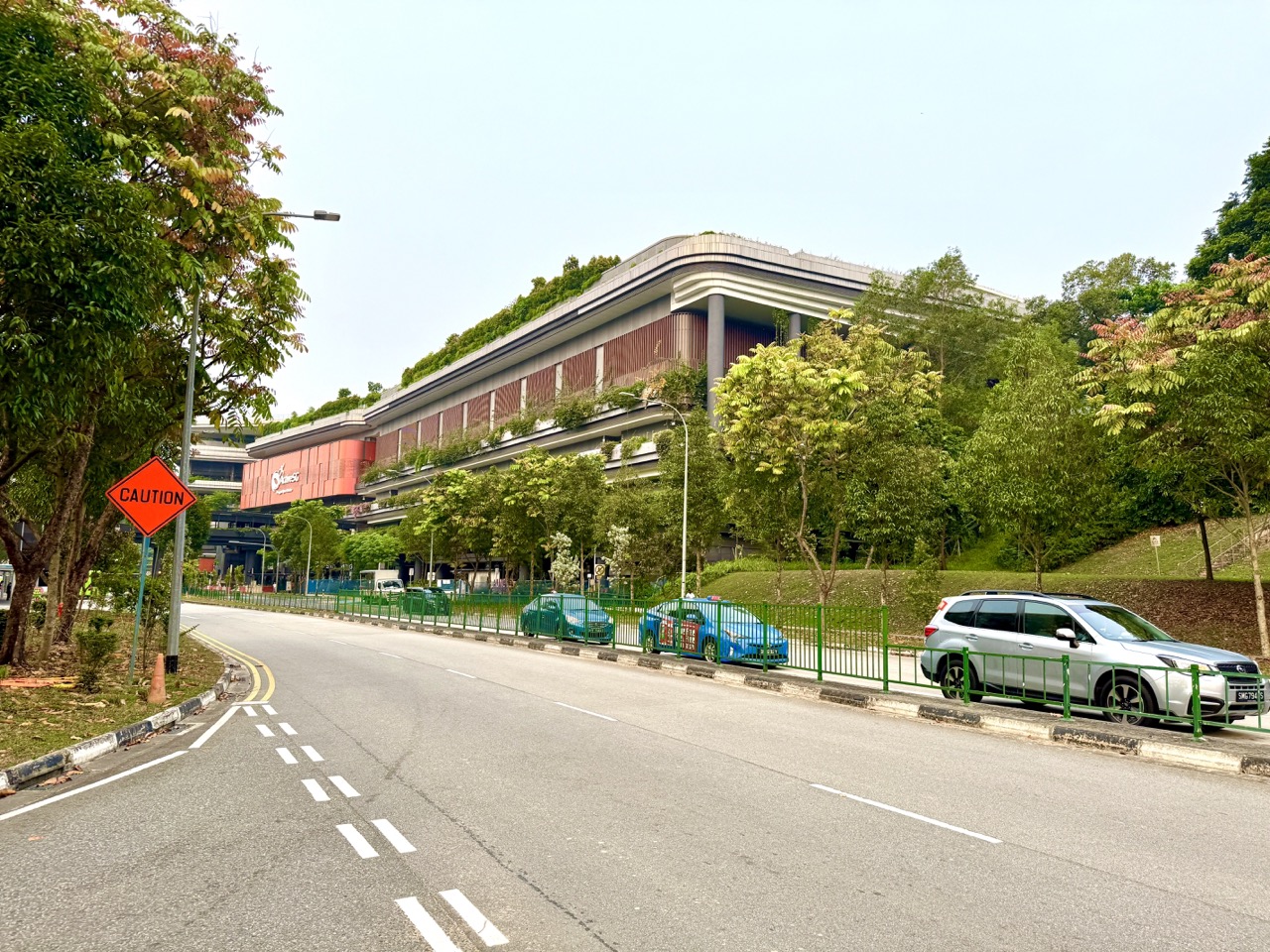
At ActiveSG Punggol Sport Centre, 11 Sentul Crescent, the four racket sports most relevant to new visitors are badminton, pickleball, tennis and table tennis. A beginner choosing between them should start with the type of movement and practice they enjoy, the number of people who can attend, the equipment they can obtain, and the exact court that is actually bookable. During Punggol’s soft launch beginning 27 October 2026, public reports identified Punggol Sport Hall for badminton and indoor pickleball, Punggol Sheltered Courts for tennis and outdoor pickleball, and a separate Punggol Table Tennis Area. Those distinctions remain important even though the centre’s formal opening was announced for 22 November.
For eligible Singapore citizens and permanent residents, SportSG’s published August 2026 standard facility rates provide a useful comparison: badminton and indoor pickleball are S$3.50 per court-hour off-peak and S$7.40 peak, outdoor pickleball S$4.50 and S$9.50, tennis S$3.50 and S$9.50, and table tennis S$1.50 and S$3.20 per table-hour. These are dated standard reference rates, not an assertion of a live slot or a final quote for every account. A family of four sharing one badminton court-hour pays a lower court component per person than a single player, but still needs suitable equipment and compliant footwear. Use MyActiveSG+ to confirm the actual listing, date, conditions and checkout before choosing.
- Badminton: a shuttlecock and strung racquet, quick footwork, singles or doubles; a familiar option for school and family players.
- Pickleball: solid paddle, perforated plastic ball, small court and non-volley zone; often attractive to social beginners.
- Tennis: larger court, tennis racquet and ball, greater coverage and different scoring; consider appropriate beginner balls or coaching.
- Table tennis: smaller equipment and a table-based game, rapid hand-eye timing and comparatively low published table hire.
- Where: Punggol Sport Hall, Sheltered Courts and Table Tennis Area are different listings; verify availability for the selected sport.
- Standard off-peak/peak court fees: badminton S$3.50/S$7.40; indoor pickleball S$3.50/S$7.40; outdoor pickleball S$4.50/S$9.50; tennis S$3.50/S$9.50; table tennis S$1.50/S$3.20, subject to eligibility and changes.
- Peak period: weekday 6pm–10pm; weekends and public holidays 7am–10pm under current ActiveSG published definitions.
- Before purchase: confirm a partner or group, equipment, exact venue, age suitability, booking state, weather and permitted use.
- Do not assume: hiring a court includes coaching, paddle rental or a guaranteed free space at a preferred time.
- This guide: an honest decision comparison, costs, beginner confidence, families, mixed abilities, worked examples and a month-long trial plan.
Definition lock: first sport means first sustainable experience
Choosing a first racket sport is not a referendum on which game is objectively best. It means selecting an activity that a particular person can begin safely, enjoy and repeat often enough to learn. Someone who loves cooperative rallies may enjoy badminton; another who prefers a different bounce and gentler social introductions may choose pickleball. A person fascinated by spin may enjoy table tennis, while a learner who likes covering a larger court may be drawn to tennis.
The quality of the first experience depends on teaching, equipment, group size and the chosen level. A well-organised introductory tennis session can feel easier than a chaotic advanced badminton game. Therefore, a blanket ranking by supposed difficulty can mislead.
The most useful question is: Which sport can I access, understand and enjoy at my actual level, in a real bookable setting? The answer may change after a few trial sessions, and that is perfectly reasonable.
The new Punggol venue changed local options

Punggol Sport Centre entered its initial public operations in October 2026. Local reporting described several racket-sport spaces being bookable through MyActiveSG+, a significant change from the September period when articles correctly treated the new complex as coming rather than operating. This is why readers should compare publication dates.
The new centre has indoor and sheltered facilities with different configurations. The specific booking matters. A badminton player cannot assume the same space is permanently configured as a pickleball court whenever they arrive; the operator’s listing determines intended use. The same rule applies to table tennis and tennis.
The opening is a useful opportunity to explore a new sport, but nobody should infer that every advertised facility, programme or court slot is available immediately. The exact sport and date must be checked in the current booking service.
Where to book each of the four sports
The October soft-launch guide identified Punggol Sport Hall under badminton and indoor pickleball, Punggol Sheltered Courts under tennis and outdoor pickleball, and Punggol Table Tennis Area for table bookings. The official Punggol Sheltered Courts page lists the address and operating hours and directs users to check closure notices.
Start in MyActiveSG+ with the sport, not merely with the word Punggol. Check the facility name on the final reservation. If you book tennis and bring pickleball equipment, do not assume that conversion is allowed at will. If a table-tennis court is absent from the current listing, do not occupy an unbooked table.
A correctly matched reservation protects your payment and helps the operator allocate limited public sports space fairly.
What badminton actually feels like to a newcomer
Badminton uses a lightweight shuttlecock struck by a strung racquet across a raised net. Unlike a bouncing tennis ball, the shuttlecock must be contacted before it reaches the ground. Beginners often start with cooperative high shots, simple service and short rallies. They learn timing as well as how to move forward, backward and sideways.
The official ActiveSG badminton guide explains basic equipment and different shuttlecock materials. Synthetic shuttles can be convenient for beginners because they are usually more durable, while feather shuttles are common in competitive play.
Badminton suits groups that enjoy quick exchanges and are willing to learn court positioning. A beginner should not start by trying repeated jumping smashes. Controlled movement, suitable shoes and a partner prepared to rally gently make the first visit much more welcoming.
Badminton singles versus doubles
Two people can play singles on a court; four can play doubles. The size and service rules differ, and doubles players need to communicate to avoid chasing the same shuttle. The game can be a social activity because partners can rotate, but a group of eight cannot all play simultaneously on one court. Additional players must wait or have an appropriate rotation.
For a first visit, doubles can create enjoyment through teamwork, provided the ability difference is managed. A newcomer should not be paired with someone who constantly shouts instructions or refuses to share the shuttle. A simple cooperative goal, such as returning five gentle shots, may be more productive than a full competitive match.
Court space is limited. A booking buys a timed area under operator rules, not unlimited group access. Plan the number of actual players before paying.
What pickleball feels like
Pickleball combines elements that may remind players of tennis, table tennis and badminton, but it has its own rules. Players strike a perforated plastic ball with a solid-faced paddle over a lower net on a relatively small rectangular court. The ActiveSG pickleball primer describes a 20-by-44-foot playing surface and a non-volley zone near the net.
The bounce makes pickleball distinct from badminton. Players can learn a predictable short rally, although technique, positioning and competitive play still require practice. The small court can be appealing to a group that likes conversation and repeated turns, but it should not be labelled universally effortless.
A good first pickleball session begins with serve, return, bounce rules and simple non-volley-zone awareness. It does not need aggressive overhead play or complicated tactical calls on the first day.
The pickleball kitchen rule, explained simply
The non-volley zone, commonly called the kitchen, is an area near the net where particular restrictions on volleying apply. A beginner may think it is a storage area or merely an extra service box because multi-use courts can contain several lines. It is not. Learn the boundaries before beginning a game.
Players should also understand the rule involving the serve and return bouncing before certain volleys are permitted. These rules affect positioning and rally rhythm, making pickleball more than miniature tennis. A patient partner can demonstrate rather than recite an entire rulebook in one burst.
If the court markings are unfamiliar, use the facility’s approved configuration and ask a competent instructor for clarification. Never repaint a public surface or move net equipment without permission. Learning the correct space is part of learning the sport.
Indoor versus outdoor pickleball at Punggol
Punggol’s opening reports distinguished indoor pickleball at the Sport Hall from outdoor or sheltered pickleball courts. The operator’s standard fee table also differentiates indoor pickleball from outdoor pickleball, with different reference rates. An indoor and sheltered court may differ in playing surface, exposure to wind or rain and booking demand.
A sheltered roof does not mean all weather hazards disappear. If lightning threatens an exposed facility, follow staff instructions and official warnings. Surface condition matters, especially after rain. Indoor courts may avoid direct precipitation but still require compliant footwear and use of the correct sport layout.
When comparing prices, include the exact product and date. A cheaper indoor off-peak booking is not evidence that all pickleball slots cost the same or that a Saturday afternoon slot will be available.
What tennis feels like

Tennis uses a racquet and a bouncing ball on a larger court. The player must judge ball flight, bounce, movement and stroke preparation over a longer distance than in table tennis. For some beginners this is an exciting challenge; for others the first long-court rally can feel difficult until they receive suitable guidance or lower-pressure training balls.
The official ActiveSG Learn a Sport tennis hub provides beginner material. A learner can start with short-court cooperative rallies and manageable shots instead of trying to copy powerful professional serves. The right equipment and progression help make the sport approachable.
Tennis can be played as singles or doubles. A family should decide how many people will actively play, whether the court is appropriate and how to share the booked time rather than treating the entire surface as unrestricted leisure space.
Tennis scoring should not intimidate beginners
Tennis uses a familiar but initially unusual scoring language: love, fifteen, thirty, forty, deuce and advantage. The official rules guide explains this structure. A newcomer does not need to memorise an entire competition format before learning to make a controlled forehand or serve.
In a first recreational session, players can practise returning the ball or count cooperative rallies without claiming to play a formal match. Once they understand strokes and court boundaries, they can add the standard scoring system. This reduces cognitive load while preserving a path toward proper tennis.
Good instruction separates movement skill from match administration. A student who misses a return because they are concentrating on counting points may need simpler practice, not more criticism.
What table tennis feels like
Table tennis takes place on a compact playing table with a small ball and short bat. The ball moves quickly relative to the playing area, and players learn to control touch, bounce, placement and eventually spin. People sometimes assume it is easy because it requires less running across a court, but accurate timing and consistent return are skills that take practice.
The official ActiveSG table-tennis rules explain the serve, table and 11-point game format. A beginner should not feel obliged to learn advanced spin immediately. A gentle forehand return, safe bat grip and cooperative back-and-forth exchange are useful first goals.
Table tennis can work for a small family or pair because the equipment is compact. Yet the player still needs an actually booked table, suitable space and compliance with the venue’s current rules.
Comparing the movement demands honestly
Badminton often involves quick changes of direction and reaching for a shuttlecock before it lands. Tennis may involve covering a larger area and judging a bounce. Pickleball uses a smaller court and a bouncing ball, while table tennis emphasises rapid hand-eye timing around a stationary table. These differences suggest different attractions but do not establish that one sport is automatically safe or suitable for every body.
A person with limited mobility may find a particular adapted activity more comfortable, depending on skills, court access and professional guidance where relevant. An energetic teenager may enjoy any of the four. A parent returning to sport could begin with gentle cooperative play before deciding whether to compete.
Choose the level of effort, duration and instruction as carefully as the sport itself. A difficult match between advanced players is not a fair way to evaluate whether a beginner would enjoy the game.
Equipment differences explain part of the cost
Badminton requires racquets and shuttlecocks, which wear with use. Pickleball uses paddles and perforated balls; tennis needs appropriate racquets and balls; table tennis uses bats and small balls. A court booking should not be assumed to provide these items automatically. Check the exact operator or programme description before relying on equipment hire.
For a trial, borrow suitable equipment from someone you trust where appropriate, or begin with durable basic items rather than an expensive professional set. Proper footwear and safe fit are more important than logos. A beginner should not confuse spending more with learning faster.
Detailed sport-specific packing advice appears in our Punggol racket-sport equipment guide. This article’s purpose is deciding which game to try, not creating another exhaustive shopping checklist.
Punggol court costs: an evidence-based comparison
SportSG’s official individual facility rate page, last updated in August 2026, lists citizen/PR rates per hour. Badminton and indoor pickleball cost S$3.50 off-peak and S$7.40 peak. Outdoor pickleball is S$4.50 and S$9.50. Tennis is S$3.50 and S$9.50. Table tennis is S$1.50 and S$3.20 per table-hour. Standard rates for other users may differ.
These figures describe published general products, not a live price guaranteed to every Punggol applicant. Confirm the selected sport, category, date and checkout total. Eligibility, concessions, facility configurations and operator updates may affect what is shown.
A family should also count equipment, travel and actual attendance. A low court hire rate is helpful, but the cheapest sport on paper may be inconvenient if nobody has the correct equipment or likes the activity.
A cost comparison needs the number of players
Suppose four friends share a peak badminton court at the published S$7.40 citizen/PR reference rate. The court component is S$1.85 each if shared equally, before equipment and transport. If only two show up and share it equally, the component becomes S$3.70 each. This arithmetic illustrates why group reliability matters as much as the rate.
For table tennis at a published peak S$3.20 per table-hour, two participants splitting the table component pay S$1.60 each. But the physical activity is different, and a person should not choose table tennis purely because the displayed price is lower. Some families prefer a full court and larger movements.
Use the cost per actual participant as one factor alongside enjoyment, skill goals, physical needs and the time available. It is not a universal ranking of sports.
What counts as peak and off-peak?
The operator’s August 2026 rates page defines weekday peak court hours as 6pm to 10pm and weekend or public-holiday peak hours as 7am to 10pm. Weekday non-peak runs from 7am to 6pm, excluding public holidays. A Saturday morning may feel quieter than a Friday evening, but it is still in the published peak category.
This affects both price and booking method. A family that can play midweek during the day may find a lower price, yet parents working ordinary hours may be unable to use that time. A theoretically cheap booking nobody can attend is not a good bargain.
Use the actual calendar and participant availability. A one-hour peak session that everybody enjoys may provide better value than an off-peak court that remains unused.
The ballot is a planning constraint, not a promise
MyActiveSG+ generally releases peak court slots for ballot fourteen days in advance, with non-peak and unassigned slots entering the first-come process twelve days ahead. Winning a ballot may require timely payment. A group cannot assume that the preferred Saturday 7pm court will be available merely because the centre has many courts.
If you are undecided between badminton and pickleball, do not enter a large collection of speculative ballots and then attempt to resell unwanted slots. Choose a realistic activity, discuss the date and follow the operator’s rules. Public spaces are shared resources.
When a booking fails, explore a permitted alternative date or appropriate sport, but do not make a false promise to the group that the space is already secured. A confirmed booking is different from a wish.
When a coach is useful
Beginners can learn some basic recreational movements through careful, appropriate play, but structured instruction may help when the technique is unfamiliar or participants have special needs. For a child, a qualified and suitable coach can introduce skills gradually and supervise an appropriate programme. But an ordinary court booking does not automatically include coaching.
ActiveSG’s general rules restrict paid coaching, commercial activity and personal training inside its facilities without prior written approval. Do not book a badminton court and assume a private coach can automatically run a commercial class there. Check the programme or venue permissions.
If instruction matters, compare actual legitimate lessons with court-only recreation. The services have different prices and benefits; treating them as identical can mislead parents.
A first badminton session for four beginners
Four secondary-school friends want a game but have never played formal doubles. They might begin with gentle high serves and cooperative returns, learn the court boundaries and practise calling for the shuttlecock. The first goal is to keep the rally going and avoid collisions, not to reproduce a national tournament.
They check the Punggol Sport Hall booking, confirm appropriate equipment and non-marking indoor shoes, and choose a real slot when all can attend. The group sets short rotations if an extra player joins. This creates meaningful learning instead of arguments about scoring.
After the session, they can ask whether they enjoyed fast racket-and-shuttle movement. If yes, badminton may be a good first sport. If not, that is useful information rather than failure.
A first pickleball session for mixed-age friends
A group includes adults with different racket-sport histories. They are curious about pickleball because of its compact court and social reputation. The organiser books the actual indoor or sheltered pickleball product, brings appropriate paddles and balls, and explains the basic serve, bounce and non-volley-zone rules.
Rather than jumping immediately into competitive points, they practise short cooperative rallies. Players have permission to pause, ask questions and take turns. A participant who needs an adapted activity can discuss suitable arrangements privately and seek appropriate instruction where necessary.
The best result is a group that understands enough to enjoy a second session. Pickleball is not automatically effortless or suitable for everyone, but a well-paced introduction can be approachable.
A first tennis session with a parent and child
A parent and an older child want to try tennis. They reserve an appropriate sheltered tennis court and use suitable beginner equipment, potentially including a lower-pressure ball if recommended by qualified instruction. Instead of beginning with full-power serves, they practise controlled contact from shorter distances and learn where the ball should bounce.
The parent keeps the activity enjoyable and avoids comparing the child with experienced competitive players. Both follow the venue’s footwear, time and weather requirements. If the court becomes unsafe because of a weather issue, they obey staff instructions rather than treating the booking fee as a reason to continue.
A positive first session teaches the child that learning a sport is a process of understanding and repetition. More advanced scoring can come later.
A first table-tennis session for two adults
Two colleagues want an inexpensive, social activity that fits a short lunch-break or rest-day window. They check whether the Punggol Table Tennis Area has an appropriate available slot and bring suitable bats and balls. They begin by learning a basic controlled serve and attempting a short rally.
The compact playing area does not remove the need to be considerate. A stray ball should be retrieved without interrupting another table’s game, and bags must not obstruct walkways. The colleagues can learn official scoring gradually after getting comfortable with the bounce and return.
If the session suits their schedules, they might repeat it. A small, predictable activity can sometimes build a stronger recreation habit than an ambitious programme nobody can attend.
Which sport is best for a child?
The answer depends on age, interest, readiness, supervision and the provider. A child who loves catching and striking an object may enjoy badminton or table tennis, while another may prefer a ball that bounces on a court. The parent should not assume that tennis is universally too hard for children or pickleball automatically more suitable without considering equipment and instruction.
Ask whether the child enjoys the practice itself, not only the idea of winning. Suitable introductory lessons can adapt equipment size, pacing and games. Check exact programme age rules and safeguarding arrangements. Some children benefit from cooperative activities rather than immediate competition.
The first sport should support confidence, coordination and enjoyment. If the child dislikes one activity after a fair trial, the family can choose another without turning the decision into a judgement about ability.
Which sport works for older adults?
Older adults differ widely in fitness, mobility and sporting experience. One person may enjoy competitive badminton; another may prefer gentle table tennis or an appropriately paced pickleball introduction. A person’s age alone does not determine safe participation. Consider movement demands, balance, health advice where relevant and the actual playing environment.
An enjoyable group can adjust intensity, rest and session duration. Suitable equipment and a comfortable route to the venue also matter. The published standard rates page mentions a senior family concession for certain eligible facilities and time windows, but this should be checked on the current official booking page rather than assumed for every account.
Choose a sport that supports meaningful participation, not one advertised as “for seniors” without regard to the individual.
Which sport suits someone who goes alone?
A person arriving alone may discover that a court is less useful without a partner. Table tennis, badminton, pickleball and tennis are all interactive racket sports, normally requiring another player for an ordinary rally. Do not book a court and assume strangers will automatically welcome you into their group or that the venue provides a partner on demand.
Look for legitimate official group programmes or appropriate classes when available, and verify their actual venue. The ActiveSG Sports Interest Groups page describes some programmes at listed centres, but Punggol should not be assumed to host every interest group merely because it is a new facility.
For an independent exercise habit, walking or gym training may be more flexible until a racket partner is found. The social part of sport is an opportunity, not a guaranteed service attached to a court booking.
When you want social sport rather than formal competition
A recreational group can agree on cooperative challenges, partner rotations or short friendly games. It does not need to begin with full official tournament rules. However, venue conditions still apply, and simplified practice should not damage equipment or change court configurations without permission.
Ask the participants what they actually enjoy. Some want gentle rallies and conversation; others prefer competitive games. A mixed group can split time thoughtfully so beginners participate meaningfully without being overwhelmed. If someone prefers not to compete, respect that choice.
The sport that best serves the group is not necessarily the one with the highest physical intensity. Shared enjoyment and clear expectations can make a short weekly booking valuable for months.
When you want to develop a competitive skill
Competitive badminton, tennis, pickleball and table tennis each have established rules and progressive technical demands. A learner who wants to enter tournaments may benefit from qualified coaching, deliberate practice and suitable competition opportunities. Starting with controlled fundamentals is still important even when the long-term goal is ambitious.
The official ActiveSG guides explain basic scoring and equipment, but a few online pages are not a substitute for structured instruction when precise technique and safe workload matter. Check a coach’s appropriate credentials, programme suitability and venue permissions.
A young student does not need to select the “hardest” sport to demonstrate discipline. Choose the one they are willing to practise carefully over time, and let progress be judged by skill and enjoyment rather than early medals.
How much exercise will you actually get?
The amount of movement during a court booking depends on the sport, number of players, pace and time spent waiting. A four-person pickleball doubles game may involve different movements from a two-person tennis singles session. A beginner badminton group rotating six players through one court may spend substantial time off-court.
Do not rely on a universal calorie figure published by a promotional site. Such numbers can vary greatly and may not reflect a specific person’s intensity. Instead, consider whether the activity provides comfortable, appropriate exertion, social enjoyment and a realistic chance to practise.
If the group spends most of the session waiting, change the rotation or book a genuinely suitable extra slot when appropriate. Useful participation matters more than a headline exercise estimate.
Weather and the indoor-versus-sheltered decision
Singapore weather matters, even with a new sports complex. Indoor halls can reduce exposure to direct rain but may be crowded or temporarily unavailable. Sheltered courts offer some protection from precipitation yet may still be affected by wet surfaces or lightning hazards. The official Punggol Sheltered Courts page warns that outdoor facilities may close during inclement weather.
Check forecasts and venue notices before travel. A booked outdoor pickleball or tennis session may need to stop when staff deem the area unsafe. Do not assume an indoor court can be occupied as an automatic substitute unless it is legitimately available under the operator’s terms.
The right sport choice includes where and when you can play safely. A family that prefers predictability may consider these constraints alongside price and enjoyment.
Appropriate footwear and the first-day kit
For indoor court use, follow the venue’s non-marking footwear requirements. Different sports also place different demands on traction and movement. A comfortable outfit, suitable racquet or paddle, appropriate balls or shuttles, and a clear booking record are essential. Do not assume the operator lends every item.
Avoid expensive purchases before the person has tried the sport. Borrow appropriate equipment responsibly when possible and start with durable beginner options. The right fit matters more than a fashionable brand. A child should be able to control the chosen equipment safely.
After a trial, use actual experience to decide whether to invest further. A beginner may discover that one activity feels much more enjoyable than expected; that is information worth having before spending heavily.
A four-week racket-sport experiment
Week one is selection. Each person chooses one sport based on interest, real facility availability and group readiness. Week two is the first confirmed trial, focusing on the simplest rally and safe play. Week three repeats the activity so the learner can judge it fairly rather than relying on one confusing session. Week four evaluates enjoyment, attendance, comfort and the willingness to continue.
If the group is uncertain, a second suitable sport can be tried in another legitimately booked session, without committing to long equipment purchases. Keep notes about what was difficult and what improved. A learner who enjoyed short pickleball rallies but disliked the tennis court’s larger space may prefer pickleball; another may find tennis more satisfying after an introductory lesson.
The best evidence is lived experience. The first sport should be chosen through honest trial, not through a promotional ranking.
What if your preferred sport is fully booked?
A popular court may be unavailable at the exact hour you want. ActiveSG uses ballot and instant-booking windows, so a failed search can mean the slot is not released, has already been allocated or is not operating under that configuration. It does not mean the entire sports centre is closed.
Before switching to a different sport simply to use a slot, check whether everyone has the right equipment and wishes to play it. Never book a tennis court and use it for an unrelated activity without permission. If no suitable court exists, choose another day or a different legitimate venue.
Availability is a constraint, not a measure of personal preference. A sport that fits your group but requires occasional patience may still be the best long-term choice.
Avoid duplicate bookings and speculative purchases
One enthusiastic organiser might try to secure several courts for three different sports, expecting the group to decide later. That can waste money and scarce public space. The official individual-booking quota generally allows a limited number of slots per user, and paid court bookings are not freely transferable. ActiveSG prohibits onselling and related misuse.
Agree on the activity before booking. Check the correct location, date, time and price, and make sure the participants intend to attend. If a ballot succeeds, complete payment according to the current deadline only when the chosen booking is appropriate.
A clear decision process is more respectful to the group and other residents than collecting speculative slots in the hope that one will eventually be wanted.
The final decision: choose the activity you will repeat
After two or three realistic sessions, ask which sport people want to play again. That question is more useful than asking which looks most prestigious. A group that returns to table tennis every week can build a meaningful routine; a family that enjoys badminton twice a month can benefit from shared activity; a child who loves tennis may appreciate structured coaching.
Cost matters, but it is one part of the decision. Accessibility, instruction, available partners, equipment, weather and school or work schedules also determine whether the sport fits. A very inexpensive court is not valuable if the game never happens.
The right first sport is the beginning of a healthy habit, not a lifelong contract. People can learn one racket sport, enjoy it and later try another.
Frequently asked questions
Which four racket sports were reported bookable at Punggol’s soft launch?
Badminton, pickleball, tennis and table tennis were reported through separate Punggol venue listings. Check current MyActiveSG+ access.
Is indoor pickleball the same booking as badminton?
No. Select the actual sport and facility configuration offered in the current reservation system.
Which has the lowest published table or court rate?
Under the August 2026 citizen/PR reference rates, table tennis has a S$1.50 off-peak and S$3.20 peak per-table hour charge, but eligibility and live prices must be checked.
How much is an eligible off-peak badminton court?
The official reference rate is S$3.50 per court-hour for Singapore Citizens and PRs, subject to current terms.
Why does outdoor pickleball cost differently?
SportSG publishes indoor and outdoor pickleball as distinct facility products with different standard rates.
Which is easiest for a complete beginner?
There is no universal answer. Suitable instruction, partner, pacing and the learner’s interests matter more than a blanket ranking.
Do I need to buy four new racquets or paddles?
Not necessarily. Start with suitable essential equipment, borrow responsibly where possible and avoid buying expensive gear before a genuine trial.
Can someone learn tennis without scoring a full match?
Yes. Cooperative short rallies and basic strokes can be useful introductory practice in a permitted setting.
Does a court booking include a coach?
No automatic coaching service is included in ordinary facility hire. Check legitimate programme listings and venue permission separately.
Is sheltered tennis completely safe during thunderstorms?
No. Follow official lightning and venue closure guidance; shelter does not override all-weather risk.
Can a group bring eight people to one court?
Not all can play simultaneously. Check the operator’s current permitted-use limits and arrange safe rotations or suitable additional bookings.
Can I use my court booking for another sport if nobody is using the space?
Do not assume so. The booking covers the selected sport and configured facility.
Official sources and your next step
For prices and quota rules use SportSG’s individual facility rates. Verify the exact Punggol facility at MyActiveSG+ and read Punggol Sheltered Courts information. The sport guides include badminton, pickleball, tennis and table tennis.
To prepare for the chosen activity, read our sport-specific packing guide and court-booking troubleshooting guide.
Your next step: choose the sport that fits your actual group, check a real available slot, prepare suitable basic equipment and play one comfortable trial. Repeat before making a larger commitment. The best beginner sport is the one you can access, enjoy, learn safely and genuinely want to play again.
Editorial note: Independent guide prepared 1 November 2026. SportSG’s cited August 2026 prices are dated reference rates; current booking availability, eligibility, court configurations and terms may change.


