
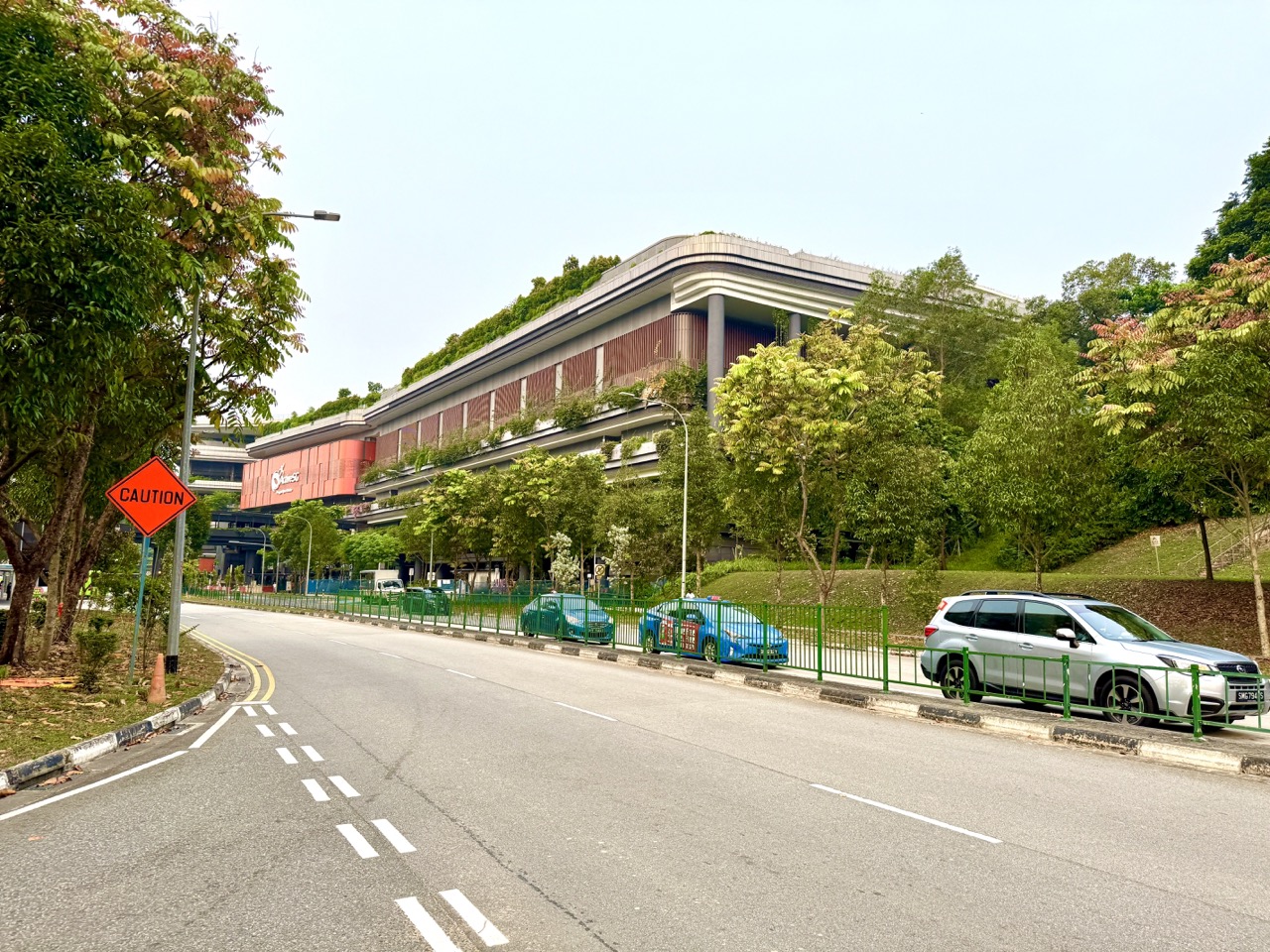
A first racket-sport visit to ActiveSG Punggol is much easier when everyone brings the right equipment for the actual game. Badminton requires badminton racquets and shuttlecocks; pickleball needs solid paddles and perforated plastic balls; tennis needs tennis racquets and appropriate tennis balls; and table tennis uses compact bats and table-tennis balls. These objects are not interchangeable simply because some courts look similar. Punggol Sport Centre at 11 Sentul Crescent began soft-launch operations on 27 October 2026, with selected court facilities becoming bookable, but residents should check the exact sport and venue at MyActiveSG+ before leaving home.
The first practical priority is appropriate footwear. Sport Singapore’s published sport-hall rules specify non-marking shoes for sports halls, along with suitable sports attire and compliance with booked court times. A fashionable trainer is not necessarily an appropriate court shoe, and a normal booking does not automatically include loan racquets, balls, paddles or coaching. Organise a small inventory before travelling: the correct equipment, a working booking confirmation, suitable footwear and a clear understanding of who is responsible for bringing each item. This guide explains the four sports separately and helps families avoid spending heavily on gear before they know what they enjoy.
- Venue: Punggol Sport Centre, 11 Sentul Crescent; choose the exact sport hall, sheltered-court or table-tennis listing.
- Badminton: racquets, enough shuttlecocks for the session and suitable non-marking court shoes indoors.
- Pickleball: solid paddles, perforated pickleballs appropriate to the setting, and an understanding of the non-volley zone.
- Tennis: appropriate tennis racquets, balls and footwear for the booked surface.
- Table tennis: bats, table-tennis balls, a small protective case and careful equipment storage.
- For all sports: the official booking record, confirmation of who brings what, suitable clothing, safe storage of belongings and hydration arrangements consistent with the venue rules.
- Avoid assumptions: a court booking is not automatically a coaching lesson or a package of free hire equipment.
- Family aim: a comfortable, inexpensive, repeatable first session rather than an enormous shopping list.
- Safety: follow staff instructions, avoid blocking walkways and leave the space at the end of the booked period.
Definition lock: what does a court booking include?
A court reservation is a right to use a specified sports space for a specified time according to the terms of the operator. It is not the same product as joining a coached programme or renting sports equipment. A family may hear that “the court is ready” and assume that everything required to play will be supplied. The organiser may only mean that the venue, sport and time have been confirmed.
Resolve this ambiguity before you spend money. Ask the booking holder to identify the actual sport, court location and allocated hour. Then ask who is responsible for the balls, racquets or paddles. If you hope to rent equipment on site, check whether that exact service exists; do not infer it from photographs or a previous experience elsewhere.
The difference may appear trivial until four people reach a paid badminton court without a shuttlecock. Correct expectations protect the limited hour, the family’s budget and the enjoyment of everyone attending.
The difference between the Sport Hall and Sheltered Courts
Reports on Punggol Sport Centre’s late-October 2026 opening distinguished indoor badminton and pickleball at Punggol Sport Hall, tennis and certain outdoor pickleball uses at Punggol Sheltered Courts, and a separate table-tennis area. These details describe the soft-launch phase and are not a promise that every space is currently available. The formal centre opening was announced for 22 November, but individual activities must be verified independently.
Before packing, select the intended sport in MyActiveSG+ and read the actual venue name. Badminton equipment does not automatically make a sheltered tennis reservation suitable for badminton; converting the purpose of a court may be restricted. Likewise, a table-tennis reservation cannot be treated as permission to conduct an unrelated ball game.
For groups with children, explain the destination clearly. Punggol Sport Centre, SAFRA Punggol and neighbourhood courts are separate places or booking systems. An accurate meeting point avoids wasted travel and confusion at the start of a short session.
The small shared kit every group needs
Start with booking details, appropriate playing equipment, safe footwear and a plan for carrying belongings. A clean towel and water for permitted drinking locations are useful. A simple container for small balls or shuttlecocks prevents equipment from rolling around the floor. The booking holder should keep the current confirmation accessible rather than relying on another player’s old screenshot.
Choose an equipment lead. This person does not need to purchase everything; they simply make sure someone has agreed to bring the essentials. A casual group may divide tasks: one person carries shuttlecocks, another brings spare racquets, and a third checks that everyone knows the meeting time. If responsibilities are vague, the whole group pays the price in lost playing minutes.
Avoid overpacking. Multiple heavy bags can obstruct court-side areas and create tripping hazards. Your aim is to arrive ready to play, not to demonstrate ownership of every accessory sold by a sporting-goods shop.

Non-marking shoes and indoor court surfaces
Sport Singapore’s published sport-hall regulations require non-marking footwear inside its sport halls. This is a meaningful rule because unsuitable soles can damage or mark shared floors. Shoes also need to fit the movement: badminton and other racket sports may involve repeated sideways steps, sudden stopping and changes of direction. A running shoe may be designed primarily for forward movement and may not be the most comfortable option for every court user.
Do not assume that any branded sports shoe is compliant. Examine the sole, fit and condition, ask a knowledgeable retailer if necessary, and follow the current venue instructions. If a shoe slips, rubs painfully or feels unstable, the problem should be addressed before demanding activity.
For children, buy shoes that fit now. An oversized pair intended to last through several years can interfere with secure movement. A properly fitted simple shoe is more useful than a fashionable pair that the child cannot control comfortably.
Badminton racquets: the beginning of a useful kit
A badminton racquet is designed for striking a lightweight shuttlecock. Check the frame for visible damage, the strings for obvious wear and the grip for secure handling. A beginner does not need an expensive tournament model or highly specialised string tension to learn simple rallies. An appropriate, comfortable racquet helps someone understand how contact and control work.
A child may benefit from a racquet suited to the child’s size, strength and experience rather than an adult model chosen only because it was discounted. If the racquet is borrowed, agree on its return and encourage careful handling. A loose grip should be addressed rather than ignored.
The first few minutes should include gentle controlled swings with adequate space. A racquet is not a toy to wave at teammates. Correct equipment supports a safe learning environment when the player also understands how to move around others.
Badminton shuttlecocks: the item everyone forgets
Shuttlecocks wear out and may become unpredictable when damaged. Feather and synthetic shuttlecocks have different characteristics, including durability, cost and flight. A group can decide which type suits its intended game, budget and skill. Beginner families may value durable equipment, while more experienced players may prefer a particular flight response. Neither choice should be inferred automatically from the word “badminton.”
Bring enough suitable shuttlecocks for the booked duration. If only one is available, it may become damaged during the opening rallies, forcing the group to stop. Keep the rest in a tube or container and remove unusable ones from play. Do not scatter them along a walkway or court boundary.
A damaged shuttlecock can make a novice feel they have lost technique when the equipment is actually inconsistent. Stable tools make feedback more reliable and help everyone concentrate on movement rather than improvisation.
Doubles play requires communication and clear space
In badminton doubles, partners can reach for the same shot and collide when they fail to communicate. Begin with manageable rallies and simple calls. Avoid encouraging a child to leap or dive toward another player’s racquet because a professional athlete did something similar in a video. Place spare equipment outside the playing area only where the venue permits and avoid obstructing emergency routes.
A good equipment organiser also knows when to collect a shuttlecock that enters another court. Wait for a safe pause rather than stepping into the path of another game. Respect the next group’s reservation by packing up on time.
Court awareness is part of what beginners are learning. The sports bag provides the tools; the group’s communication makes those tools more enjoyable and safer to use.
Pickleball paddles are solid, not stringed
Pickleball uses solid paddles rather than the stringed racquets used in badminton or tennis. ActiveSG Circle’s Pickleball 101 explanation describes a paddle sport using perforated balls and a distinctive court. A paddle may look superficially like a large table-tennis bat, but the sport’s equipment and movement are different.
A beginner should choose a comfortable grip and manageable weight. Check that the handle is secure and the paddle is not damaged. Do not purchase advanced equipment solely because a professional recommends it online. First learn the serve, the bounce and controlled contact.
If a friend lends a paddle, make sure it can be gripped comfortably. Keep unused paddles off the floor and away from walkways. Sharing appropriate equipment can be a good way to discover whether the family actually enjoys the sport before committing to purchases.
Indoor and outdoor pickleballs may be different
Pickleball balls have holes, but different versions may be designed for different environments. Indoor and outdoor balls can differ in hole pattern, material and playing characteristics. Ask which type fits the booked surface and any applicable playing rules. A ball marketed as expensive or advanced is not automatically the most suitable for a new group.

The bounce can surprise tennis players who expect familiar speed and height. Begin with controlled rallies, allowing new players to learn timing. Bring a few spare suitable balls so a lost or damaged ball does not end the session. Keep them contained to prevent accidental trips.
The key is matching equipment to context. A covered court may still have its own surface conditions, and the operator’s designation matters. Do not assume that bringing a different ball authorises a different use of the booked court.
The pickleball non-volley zone is not a bag area
The non-volley zone near the pickleball net is commonly called the kitchen. It has a specific role in the rules and should not be treated as a convenient place for spare paddles, backpacks or water bottles. In a multi-purpose venue, different line markings may appear close together. Participants must understand which boundaries belong to their booked sport.
Before serving, take a few moments to show new players the service areas, baseline and non-volley zone. This reduces disputes and helps a child understand why a point was stopped. Never repaint markings or move net equipment without permission.
A well-run beginner game values clarity over speed. The first objective is to know where to stand and how to play safely. The number of expensive paddles in the group is much less important.
Tennis requires tennis racquets and suitable balls
A tennis racquet is larger than a badminton racquet and designed to strike a bouncing tennis ball. Inspect the strings, grip and frame before the session. A young learner may need a scaled racquet rather than an adult-sized one. A new adult may prefer a manageable option that supports control instead of a demanding professional model.
The group should agree which kind of practice it intends: gentle cooperative rallies, serving, a beginner lesson or a recreational match. That choice influences the number and type of balls required. Lower-pressure teaching balls can be useful in appropriate beginner instruction, but participants should follow the actual programme’s guidance where a coach is involved.
Tennis balls can travel beyond the court, so plan safe collection. Do not run across another active court or assume that an adjacent space belongs to your group.
Tennis equipment for children and new players
Parents may be tempted to buy an expensive racquet to show support. A better starting point is a tool that suits the child’s size, ability and teaching method. Weight, grip and racquet length matter more than the name of a famous player printed on the packaging. Ask the coach when uncertain, and do not assume one measurement works for every learner of the same age.
A child should understand how to carry the racquet, where to place it during breaks and how to avoid swinging near another person. The family can make practice cooperative rather than competitive at first. Slow controlled contact provides valuable learning even without winning points.
A genuinely suitable starter kit supports growth through repetition. A professional purchase does not create technique on its own and can become an unnecessary expense if the child later prefers another sport.
Sheltered tennis is not a guarantee of all-weather play
Punggol Sheltered Courts may provide cover from some rain, but a sheltered facility is not automatically safe during nearby lightning, heavy rain or other environmental hazards. Nearby walking surfaces may also be wet. Follow operator closures and current weather guidance rather than relying on a photograph of the roof.
The bag can contain a dry towel and simple protection for belongings, but those items do not justify continuing when staff instruct users to stop. Do not attempt unauthorised repairs, remove barriers or move venue equipment to create a dry playing area. A family should know how to postpone responsibly.
The objective of preparation is to make safe choices easier. Completing a paid court hour is not worth ignoring obvious weather risk or the facility’s operating instructions.
Table tennis bats and their playing surfaces
Table tennis uses compact bats, a small lightweight ball and a table with its own net. ActiveSG Circle provides a table-tennis rules guide explaining the equipment. A beginner does not need a highly specialised competition bat, but the playing surface should be usable and the handle secure.
Store bats carefully, preferably in a protective case. Avoid putting heavy books or other equipment on top of them in a backpack. A damaged rubber surface can change how the ball responds and make learning more confusing. If the bat is borrowed, return it in good condition.
Introduce basic cooperative returns before advanced spin and tactical play. The goal is to build control and confidence. Equipment is useful when it lets a learner repeat a task reliably enough to see improvement.
Table tennis balls and small-item storage
Table-tennis balls are small and can easily become misplaced or damaged. A container holding several spare balls is a practical part of a first kit. Balls scattered across a sports floor can roll into someone’s path or another playing area, creating an avoidable hazard.
During play, collect a stray ball only when doing so will not interfere with another match. Children can learn to ask politely for a pause rather than running behind neighbouring players. Keep spare balls together and check the playing area before leaving.
This is not complicated, but it matters. The difference between a smooth one-hour session and an interrupted one often comes from small habits: bringing spares, checking condition and respecting people sharing the space.
Why balls from different sports cannot simply be swapped
A shuttlecock slows and travels through the air very differently from a tennis ball. A pickleball is perforated and has another bounce profile. A table-tennis ball is much lighter and is used on a small table. Those differences affect timing, equipment design and court safety. Bringing an object that can be hit is not enough to make it suitable for the booked sport.
Using the wrong ball may damage equipment, create unwanted risk or violate the intended use of the facility. The group should not experiment with hard balls against public walls or fixtures without explicit permission. Sport Singapore’s rules govern which activities are allowed.
This comparison gives children a useful learning principle: tools must match tasks. Correct materials support understanding. Improvised substitutions can make a straightforward sport unnecessarily difficult and unsafe.
Spend on what is necessary, not on appearances
A first visit does not require a professional collection of accessories. Borrow suitable equipment from friends where everyone agrees, or purchase a small safe basic kit. Ask whether a registered programme genuinely supplies some items before buying duplicates. Do not assume that the court operator offers free hire equipment because another facility somewhere else does.
Focus spending on functional basics: suitable footwear, a usable racquet or paddle and enough correct balls or shuttlecocks. Premium bags, matching clothing and specialised gadgets are optional, not prerequisites for learning. If a child is uncertain whether they enjoy the sport, delay expensive purchases.
After several visits, review what repeatedly causes difficulty. A slipping grip may justify a replacement; a poor understanding of rules calls for instruction, not another racquet. Diagnose the problem before deciding that money will fix it.
Borrowing equipment and sharing it fairly
A friend may lend a racquet or paddle to help a newcomer try a sport. Agree on the arrangement before travelling. Check the equipment’s condition, handle it responsibly and return it promptly. An organiser should not pressure someone to lend an expensive item, and a borrower should not pretend that accidental damage never happened.
Groups can distribute responsibilities without requiring identical spending. One person may bring the shuttlecocks, another may provide spare racquets and another may manage the booking. What matters is a clear and fair agreement. For children, adults can help explain ownership and respect for shared belongings.
Sportsmanship starts before the first point. People are more willing to play together when their time, equipment and boundaries are respected.
How many spares should you bring?
The right number of spare balls or shuttlecocks depends on the activity, duration and likelihood of loss or damage. A one-hour family badminton session might benefit from several extra usable shuttlecocks. Table tennis players may bring several lightweight balls. Pickleball and tennis groups may carry a modest number of replacements to avoid lengthy interruptions.
These are planning examples, not official venue requirements. Buying dozens of items for a short trial is unnecessary. Equally, relying on one worn shuttlecock or one table-tennis ball creates avoidable frustration. Discuss the planned intensity and the experience of the players.
A simple container makes the spares easier to manage. The aim is to use the booked time well, not to fill the sports bag with equipment that will never leave its packaging.
What to wear and carry in Singapore’s climate
Clothing should suit the activity and allow comfortable movement while following the venue’s rules. Punggol can be warm and humid, even when the planned game is indoors. A spare clean shirt may make the return journey more comfortable, especially for students and adults returning to other commitments. Do not assume that every space has the same changing facilities or storage arrangements.
A towel and water may be useful, but obey current facility restrictions on where drinking and eating are allowed. Open containers should not be placed on sports floors. Avoid loose accessories that could catch on equipment. Secure hair or spectacles where necessary for comfortable movement.
Personal comfort is not a luxury. It helps players concentrate, practise safely and finish the session with enough energy to return another day.
Booking details, valuables and privacy
The booking holder should keep the authenticated MyActiveSG+ confirmation accessible. Other players need the meeting point, start time and court information; they do not need the booking holder’s Singpass credentials or payment-card details. A private group message can carry the essential logistics without exposing sensitive data.
Keep valuables secure. Do not assume an unattended bag is protected because it is inside a managed public building. Follow any locker rules, and avoid putting phones, keys or wallets where they can be knocked over during play. If a phone is used to record scores, keep it clear of movement.
This digital preparation is as important as the physical sports kit. A correct booking and private account details support a smooth visit without creating additional security risk.
Booked time is limited time
A one-hour reservation can disappear surprisingly quickly. If participants arrive at different times, search for missing equipment and debate which sport they are playing, little time remains. Confirm the sport, venue and equipment the previous evening. Travel early enough to find the right hall and change footwear where permitted.
Respect the actual booked start and end. Do not enter another group’s court early, or extend play beyond the allocated period. Prepare to leave the space clean and clear for the next user. If the session is cut short by personal delays, an ordinary booking does not automatically entitle the group to extra time.
Good organisation is a form of fairness. It protects your own investment and the ability of other residents to enjoy the same public facilities.
Paid coaching needs separate permission and equipment instructions
A private recreational booking does not automatically permit commercial coaching, league operation or other business activities. Sport Singapore’s published facility rules require appropriate approval for such uses. When a family registers for a genuine coaching programme, the instructor may have specific equipment requirements and may supply adapted training tools. Ask for written course details rather than copying a generic kit list.
For children, check age suitability, coaching qualifications and safeguarding arrangements. Proper instruction may begin with simple training balls and basic movements rather than costly competition equipment. The value of a lesson depends on safe, clear teaching and useful feedback.
The distinction matters because “I hired a court” and “I enrolled my child in lessons” describe different products, responsibilities and possibly different rules.
Do not buy resold slots as a shortcut
Sport Singapore’s No Onselling campaign prohibits reselling, subletting or assigning booked ActiveSG facility slots, and warns against bots or advertisements used to promote such arrangements. Policy clarifications in July 2026 emphasised the problem of social-media resale. A resident unable to find a court should not assume a stranger’s online offer is a legitimate alternative.
Organise your group before booking and use the official platform. Do not purchase multiple slots to resell or attempt to turn ordinary shared recreation into an unauthorised commercial service. The operator can take enforcement action under its terms.
Correct gear cannot fix an invalid booking. A legitimate reservation and suitable equipment must work together for the session to go ahead appropriately.
Three practical family examples
Imagine four classmates arriving for badminton. Each thinks someone else brought the shuttlecocks, and one wears unsuitable shoes. They spend their first minutes improvising. The next time, one person is assigned shuttlecocks, another provides spare racquets and all players confirm appropriate footwear. No expensive purchase was needed to solve the real problem.
Now imagine a family booking pickleball and packing tennis balls. After discovering that the sports use different equipment, they consult a beginner guide, borrow suitable paddles and try controlled rallies. Their second visit becomes a genuine introduction rather than a frustrated experiment.
Finally, consider two siblings trying table tennis. Their parent starts with basic usable bats and a few spare balls. They practise gentle returns and learn to protect the bats between sessions. Each example shows how matching the tool to the task matters more than purchasing the most impressive gear.
The four-week equipment improvement method
Week one is a trial. Use appropriate safe equipment and find out which items are genuinely necessary. Week two is a repeat visit using largely the same gear; note any recurring difficulty. Week three is a repair week: replace a failing grip, obtain better-fitting shoes or add a small supply of balls only if the need is real. Week four is a review of enjoyment, attendance and future spending.
This method helps families distinguish equipment problems from skill problems and scheduling problems. A racquet cannot solve a court that nobody can attend. A premium paddle cannot replace learning the rules. A more expensive shoe cannot make a closed facility available.
Build the kit around actual practice. The best collection is compact, compliant, comfortable and used regularly.
Frequently asked questions
Does an ActiveSG Punggol court reservation provide racquets?
Do not assume so. Confirm any actual equipment provision with the operator or programme; a facility booking is not automatically a rental.
Are non-marking shoes compulsory indoors?
Sport Singapore’s published sport-hall rules specify non-marking shoes for sports halls. Follow current Punggol signs and staff instructions.
Can I play pickleball with a tennis ball?
No. Pickleball uses a perforated ball and a solid paddle, with its own rules and court markings.
Are indoor and outdoor pickleballs identical?
Not necessarily. Designs can vary by environment. Use a ball suitable for the actual court and relevant rules.
Can children use adult racquets?
Some may be suitable, but equipment should fit the child and activity. Ask an appropriately qualified instructor when uncertain.
What about table-tennis spare balls?
Bring a small appropriate supply if needed, and keep them contained so they do not roll into walkways.
Is a sheltered tennis court completely rain-proof?
No blanket assumption is safe. Respect lightning alerts, wet surfaces and operator closures.
Can a private coach teach on an ordinary booked court?
Commercial coaching may require separate written approval. Check the current facility rules before arranging it.
Can I buy a stranger’s ActiveSG court booking online?
ActiveSG prohibits onselling and assignment of bookings. Use the official service.
Official sources and your next step
Use MyActiveSG+ for the current venue and booking, MyActiveSG+ Terms of Use for governing rules, ActiveSG Circle’s Pickleball 101 for equipment, ActiveSG’s table-tennis explanation for table equipment, and its no-onselling policy for booking fairness. For other needs, read the Punggol booking troubleshooting guide and the family sports budget guide.
Your next step is to write the booked sport at the top of a small checklist, select the correct equipment, confirm non-marking shoes where required and name who will bring each item. Leave enough time to arrive and finish within the authorised slot. Appropriate preparation is more valuable than a bag full of the wrong gear.
Editorial note: Prepared 1 November 2026 as independent local guidance. Facility access and regulations can change. Photos are dated Punggol illustrations and do not certify a specific bookable court.


