
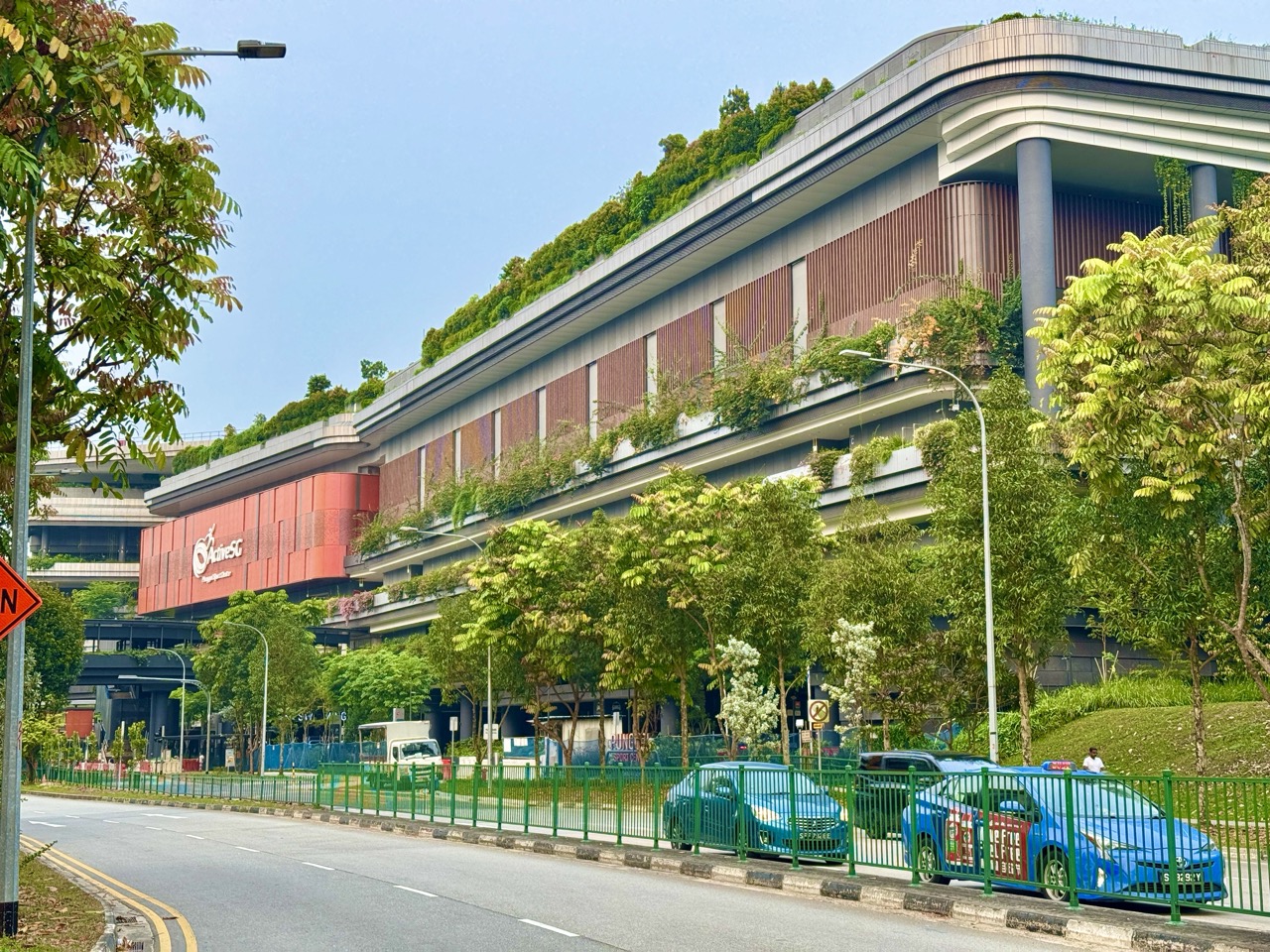
Hockey is one of the most practical ActiveSG team-sport pathways for Punggol families to investigate in 2027 because Sport Singapore lists Sengkang Hockey Stadium at 57 Anchorvale Road as an ActiveSG Hockey Academy location. The new Punggol Sport Centre at 11 Sentul Crescent has a football stadium and multi-purpose halls, but it has not been verified as a public field-hockey pitch or hockey-academy site for 2027. If you want real instruction rather than a possible future facility, check the current ActiveSG Hockey Academy programmes and the Sengkang venue’s actual availability first.
This guide is about learning field hockey and selecting a suitable activity, not merely naming stadiums. Beginners can start with the correct stick, a controlled push pass, safe ball reception, straight-line dribbling and awareness of other players before attempting hard shots or competitive tackling. Parents can explore the official seasonal programme, examine its age eligibility and costs at registration, and distinguish academy training from school CCA sport and casual pitch hire. The aim is to help Punggol households move from ‘my child might enjoy hockey’ to one verifiable, safe and enjoyable next step.
- Closest named ActiveSG Hockey Academy option to Punggol in published programme information: Sengkang Hockey Stadium, 57 Anchorvale Road, Singapore 544964.
- Do not confuse the Punggol Sport Centre football stadium with a designated field-hockey pitch or a confirmed hockey booking.
- ActiveSG Hockey Academy partners with the Singapore Hockey Federation and advertises seasonal youth courses and invitation-only development pathways.
- Programme ages, dates, fees and vacancies must be checked on the live MyActiveSG+ registration product for 2027.
- Standard outdoor field hockey has eleven players per team; Hockey5s and indoor variants have different team and pitch formats.
- Fundamentals: safe stick handling, forehand push passing, receiving, straight dribbling, movement into space, controlled defence and goal-circle awareness.
- Only appropriately permitted, supervised facilities should be used; a park path is not a hockey training pitch.
- Protective gear, particularly suitable shoes and programme-required mouthguards or shin protection, should follow the coach and venue’s instructions.
- Weather, surface condition, scheduled matches, maintenance and school or academy allocations can affect access.
- Independent local guide last checked 1 November 2026; no unannounced 2027 Punggol hockey sessions are claimed.
Definition lock and check date: 1 November 2026. This article concerns hockey options for Punggol households, especially the independently verifiable ActiveSG Hockey Academy location in Sengkang. It does not claim a Punggol Sport Centre hockey pitch, coach or course is available.

Why Sengkang changes the answer for Punggol residents
Many Punggol families think that playing hockey requires a journey to a distant specialist ground. There is a more relevant local lead: the ActiveSG Hockey Academy officially lists Sengkang Hockey Stadium among its six training centres. Sengkang is a neighbouring estate, and its named pitch provides a practical starting point for checking structured programmes. That does not guarantee a vacancy on a particular day, but it does establish a genuine official venue.
This distinction matters because a nearby verified programme can be more valuable than a newer but unverified facility. The new Punggol Sport Centre has impressive sports spaces, yet its published facilities do not automatically include an open hockey pitch. Start with the actual academy listing, then compare your household’s travel time and the offered class level.
Punggol Sport Centre is not the Sengkang Hockey Stadium
Punggol Sport Centre is at 11 Sentul Crescent beside SAFRA Punggol. Sengkang Hockey Stadium is at 57 Anchorvale Road, with a specialist hockey setting and its own operational schedule. They are different venues, run with different physical layouts and programme allocations. Their names should never be substituted for one another when creating a calendar event or telling a parent where to bring a child.
If a class confirmation says Sengkang, follow that address. Do not assume that a general regional sports-centre opening transferred the programme into Punggol. The most useful local guide protects readers from these practical misunderstandings. A wrong building can turn a carefully planned first lesson into a missed session.
The role of ActiveSG Hockey Academy
Sport Singapore’s ActiveSG Hockey Academy works with the Singapore Hockey Federation and presents a structured route for young participants. Its stated goals include technical skills, tactics and broader values such as teamwork and character. That is different from simply hiring an empty field for a family kickabout or watching an international match on television.
A parent should decide whether the child needs a formal learning environment or merely wants to discover the sport. A recognised programme can provide appropriately staged exercises and supervision. Read the current registration details, however, because age bands, teaching groups, course dates and price conditions are tied to specific products and may change in 2027.
Seasonal versus development programmes
The published Academy information distinguishes seasonal programmes, which provide regular learning blocks, from development centres that may be accessible by invitation. Families should not assume that a child can register for any advanced group by paying the fee. Entry may depend on age, assessment and selection policies.
Start with the suitable introductory route and ask the academy how progression is reviewed. A child who becomes enthusiastic after one class may still need time to develop fundamental movement and control. The best pathway is the one matched to demonstrated ability, not the most impressive programme title.
Booking through a child’s linked profile
ActiveSG’s programme instructions explain that parents may need to link a child’s profile to the adult’s ActiveSG+ account before booking a youth programme. Then the relevant Hockey Academy listing can be found under programmes, with the available venues and sessions shown. This is more reliable than relying on a screenshot forwarded by another parent.
Read the actual class age range, start date, end date, attendance policy, equipment requirements and payment terms. Some blocks contain several sessions and have rules about missed classes. A live booking confirmation is the evidence that a place exists; a national programme brochure alone is not a reservation.
What is field hockey?
Field hockey is a team game in which players use a hockey stick to move a ball and attempt to score in a marked goal. The ball is generally played with the flat face of the stick under regulated contact and safety rules. It is not the same as ice hockey, and it is not played by kicking a football toward an ordinary goal.
For newcomers, the most useful image is not a spectacular aerial shot but two teammates exchanging a controlled ground pass. That small skill shows how the stick, ball, vision and movement work together. Once participants can repeat it safely, larger tactical patterns begin to make sense.
Why multiple formats exist
Standard outdoor field hockey involves eleven players on each side, including a goalkeeper, while Hockey5s and indoor hockey are different recognised formats with their own playing conditions. An event poster that says Hockey5s should not be interpreted as a full eleven-a-side competition. Equipment, pitch size and tactical demands can change with format.
Ask which version the class or event teaches. A youth beginner may work in small groups to gain more ball contacts before playing any regulation match. This is normal teaching progression, not a lesser form of sport. Clarity about the format prevents families from purchasing the wrong equipment or expecting the wrong kind of session.
The first skill is holding the stick responsibly
A hockey stick is sporting equipment that can cause harm when swung carelessly. New participants need to learn where the stick may move, how to control its head and how to keep space between players. The instructor should also establish signals for stopping a drill and retrieving stray balls.
Begin with simple controlled movements rather than large backswing practice. Children should know that the stick stays under control even when the ball is not nearby. Respect for the equipment sets the tone for the whole session. A group that manages sticks responsibly can progress with much less risk of accidental contact.
Stick size and why the biggest is not best
An inappropriate hockey stick can make dribbling and passing uncomfortable. SportSG’s equipment guidance relates approximate stick length to the player’s height, but fit and playing style also matter. A young child should not automatically inherit an adult stick just because one is available at home.
Ask the coach which size and type are suitable for the programme. Where beginner equipment is provided, use the first session to understand what feels manageable before purchasing. A well-fitting basic stick that supports correct learning is more useful than an expensive advanced model chosen for its appearance.
Why the flat side of the stick matters
Field hockey uses the permitted playing face of the stick, not every surface of the stick head in the same way. Beginners must learn how to keep the usable face oriented toward the ball and target. This affects receiving, passing and dribbling decisions.
An instructor can demonstrate the orientation slowly with a stationary ball. The learning outcome is that the participant understands which contact is legal and controllable. Once that awareness becomes automatic, the player has more attention available for teammates and space. Technical detail is easiest to learn when connected to a meaningful purpose.
The forehand push pass as a foundation
SportSG identifies the push pass as a common controlled way to move a hockey ball over a short distance. It can be easier for a beginner to direct accurately than a large swing. The player learns to align the body, use a controlled forward action and deliver the ball to a teammate who is ready.
Start with gentle partner passes and a clearly marked safe area. Reward accuracy, not speed. If the receiving player repeatedly fails to control the ball, shorten the distance and consider the stick fit. A purposeful push pass is one of the simplest ways to make early team practice enjoyable.
Receiving a moving ball
Catching a hockey pass with a stick is different from receiving a ball with the hands. The player must align the stick and body to manage the ball’s arrival, then keep the next action under control. A beginner who simply tries to stop every ball with a rigid block may experience unpredictable rebounds.
Use low-speed predictable ground passes and let the participant learn to absorb and redirect them under instruction. A successful first touch leaves the ball close enough to play again. Only add defenders when control becomes reliable. The aim is a usable possession, not a dramatic stopping motion.
Straight dribbling before tricks
A straight dribble keeps the ball under control while the player moves forward. It gives beginners an understandable link between footwork, stick movement and vision. SportSG’s hockey skill material treats it as a fundamental starting point before more complex directional techniques.
Practise in an approved area at a pace that allows awareness of people nearby. Encourage the player to look up when possible. If the ball races ahead, reduce the speed rather than chasing through other groups. Controlled movement is more useful than a fast but unpredictable sprint.
The problem with looking down all the time
A player who stares at the ball may maintain contact but miss an available teammate or approaching defender. Hockey becomes cooperative only when players can notice the field while controlling the ball. This ability develops gradually through repetition rather than a single instruction to ‘keep your head up’.
A coach can add simple visual cues after the basic dribble is secure. Ask the participant to identify a teammate or target while maintaining a gentle pace. If the task fails repeatedly, simplify. Progress means building awareness without sacrificing safe control.
Changing direction deliberately
A defender can block the straight route, making a change of direction useful. Hockey includes different dribbling movements and turns, but beginners should not rush to elaborate feints. The practical first lesson is to recognise a blocked path and choose a safer available line.
Use cones or marked areas in a suitable training setting, then introduce a passive defender. The learner can stop, adjust and move under control rather than forcing contact. A change of direction succeeds when it creates a useful next action, not merely when it looks impressive.
The Indian dribble and later skills
The Indian dribble moves the ball repeatedly across the body while the stick changes orientation. It is valuable in advanced ball control but takes coordination. SportSG describes it among hockey dribbling skills; that does not mean every first-time participant must attempt it at full speed.
Build the prerequisite movements slowly under instruction, and avoid allowing the stick to swing toward nearby people. A child who cannot yet control a straight dribble benefits from consolidating that skill first. The sequence of learning matters more than the number of named techniques the class mentions.
Passing to a moving teammate
A static passing drill builds accuracy, but a real game demands decisions about a teammate’s future position. The passer must identify a useful lane and time the ball so the receiver can reach it without colliding with another player. The receiver must communicate and move into space.
Practise with a predictable walking route before introducing live pressure. Ask participants whether the pass was actually easier to collect and where they would move next. The drill is about shared decisions. A good pass is one another player can use, not a hard strike that happens to travel far.
Why the first shot should be controlled
Hockey scoring can involve powerful hits, pushes, slaps and other advanced movements. For a beginner, uncontrolled shots are a poor starting point and may be unsafe. The first useful target is repeatable accuracy with a clearly defined safe shooting lane.
A coach can demonstrate appropriate technique and confirm that the group is using the correct goal and pitch setup. Never fire hard balls at unprotected or unsuspecting people. Increase complexity only when the player understands the movement and the surrounding safety rules.
Goal-circle awareness
In standard field hockey, the scoring circle has a special role: for a goal to count, an attacking player must play the ball from within the circle in accordance with the rules. This changes attacking decisions, because a player cannot simply hit from anywhere and assume it will count as a goal.
Walk the marked pitch with beginners and show where the circle is. Explain that different hockey formats may use different scoring and field arrangements. A simple positional drill can make the rule understandable before any competitive game. Learning the field is part of learning the sport.
Defence without dangerous contact
Hockey allows lawful tackles and interceptions, but tackling is not permission to push another player with the body or strike their stick aggressively. The defender’s job is to read the ball and use positioning and the permitted stick face. Beginners should practise with limited speed and controlled pressure.
A responsible coach can demonstrate defensive distance and when to stop. If two players repeatedly collide, simplify the drill and revisit spacing. The most useful first defensive success may be preventing an easy pass, not stealing the ball. Safe technique creates more confident participants.
Mouthguards and shin protection
SportSG’s hockey equipment guidance discusses protective equipment including mouthguards and suitable footwear. The exact requirements depend on the programme and competition rules. Parents should ask what is compulsory and whether starter equipment is supplied before the first lesson.
Do not assume that because a class is introductory, protective rules are optional. Likewise, do not buy expensive specialist equipment before confirming what the provider recommends. A short accurate equipment conversation is better than arriving with the wrong shoes or missing mandatory protection.
Footwear depends on the pitch
Outdoor artificial turf, natural ground and indoor courts have different surfaces. A shoe that works on one may be unsuitable or prohibited on another. Field hockey involves lateral changes of direction and quick stops, so secure fit and surface-appropriate grip matter.
Check the actual venue’s footwear policy rather than simply wearing football boots. If a child is entering the ActiveSG programme at Sengkang, ask the coach which shoes work on that surface. Comfort, safety and permission take priority over fashion.
Warm-up and gradual movement
A useful hockey warm-up prepares participants for running, stopping, receiving and stick handling. It should build gradually from easy movement to the demands of the session. Beginning with maximum-speed sprints or powerful shots can overwhelm an inexperienced group.
Allow rest and adapt drills to age and readiness. Participants with health concerns should follow appropriate professional advice. A safe, enjoyable first meeting is a better foundation for continued activity than an exhausting display of toughness.
Small-sided practice and more ball touches
A class may use small groups or modified games because they create frequent opportunities to receive, pass and decide. That is valuable for beginners who would have very few touches in an eleven-a-side match. A reduced-player activity can teach positioning without the complexity of a full formation.
Clearly identify modified practice rules rather than presenting them as official eleven-a-side or Hockey5s regulations. Use the space the operator has authorised and follow its safety controls. A well-designed small game should make the day’s key skill visible in actual decisions.
What Hockey5s changes
Hockey5s is an internationally recognised small-team format, not simply any group of five children with sticks. It has its own competition rules, field layout and playing structure. Singapore events may also use modified junior formats according to organiser regulations.
If a Punggol family sees a Hockey5s event announcement, check whether it is an introduction, a school competition or a registered league. Do not assume it is the same service as an ActiveSG seasonal academy course. Naming the format correctly helps the parent ask useful questions.
What a sixty-minute beginner practice might contain
An illustrative hour can include orientation and warm-up, controlled reception and push passing, straight-line dribbling, a simple positional exercise and a short supervised game. Allocate more time to foundational skills if participants are new. This is an independent teaching plan, not a published Sengkang class timetable.
Use the coach’s programme when attending a real class, and leave enough time to restore equipment and exit. A beginner who learns to receive and deliver a safe pass has made genuine progress even without scoring a goal. The session should end with an understandable next step.
How a four-week foundation can work
A logical month can begin with safe stick handling, then short passing and reception, then ball control and movement into space, and finally a simple modified game. The sequence creates continuity, but it is not a guarantee that everybody will become a competent hockey player after four sessions.
An instructor should adjust according to the learner’s actual ability. Some children learn the basic movements quickly; others need more time. Respecting that difference prevents frustration and helps sport remain enjoyable.
What a parent should ask about the Academy
Ask whether the programme is open to the child’s current age group, whether a beginner can enroll, how the coach evaluates readiness and whether special equipment must be purchased. Confirm class dates, actual venue, attendance terms and who to contact when a lesson is missed.
Some development routes are invitation-only and should not be treated as ordinary fee-paying beginner classes. The parent should understand the long-term pathway without pressuring the child to progress faster than they are ready. Good sports education is deliberate.
School CCA and academy participation
A student who already plays hockey in a school CCA may benefit from additional training but should coordinate with the school’s coach and commitments. The academy can have different technical objectives and selection processes. More hours are not automatically better if they create fatigue or contradict necessary recovery.
If the child wants to explore hockey for the first time, a suitable introductory programme can be a friendlier route than being placed in a competitive school-team drill. The correct decision is about readiness, timing and support. The sport should strengthen school life rather than compete with it unnecessarily.
Older students and adults interested in hockey
Youth academy age bands may not cover every teenager or adult who wants to try field hockey. In that case, investigate properly organised community clubs, appropriate coaching or lawful pitch hire rather than assuming an Academy youth enrolment can be stretched to fit. Different providers set different participation conditions.
Adults returning after many years should start with a manageable pace and suitable equipment. An exciting sport can still be played responsibly when individuals acknowledge their current capacity. Avoid treating past school competition as a guarantee of readiness today.
The difference between a course and a pitch booking
A course provides teaching and a programme structure under its stated terms. A pitch booking provides access to a facility but does not necessarily include an instructor, protective equipment, a referee or fellow players. Comparing them as though they were identical products creates confusion about price and value.
Before payment, ask what is actually included. Someone who needs instruction may save time by enrolling in a suitable class rather than renting a field and guessing. An experienced social group may prefer a confirmed booking for a match. Choose the service that meets the real need.
The significance of a specialist pitch
A specialist field provides the right marked space and controlled sporting environment. That matters in hockey because the ball is hard, movement is quick and skills such as passing and shooting demand clear boundaries. A generic open field or park connector is not an appropriate substitute for a hockey pitch.
Punggol Waterway Park may be beautiful for a walk, but it is not an authorised place to swing hockey sticks around pedestrians. Choose a venue that is designed and managed for the activity. Responsible location selection is one of the most practical safety decisions a family can make.
How to arrange transport from Punggol
Sengkang Hockey Stadium’s address is 57 Anchorvale Road, so parents should check a real route from their particular block or school. A generic description such as ‘nearby Sengkang’ does not tell you how long a journey will take during weekday traffic or after-school hours.
Leave enough time to locate the entrance, find the coach and change into suitable equipment. Do not promise a fixed travel duration without checking the actual starting point and transport mode. Reliable logistics help the child arrive calm and ready to learn.
Understanding rates and hidden expenses
SportSG publishes national hockey pitch prices, while academy programmes have their own course fees, membership conditions and term structures. An hourly pitch rate should not be used as the price of a ten-week coached programme. Similarly, a published national fee should not be copied as a guaranteed 2027 Punggol class price.
Consider the full recurring cost: course fees, protective equipment if required, transport and time. Ask how missed sessions and cancellations are treated. A family can make a better choice when it understands the complete commitment rather than only the first number in an advertisement.
Weather and pitch closure planning
Sengkang’s outdoor hockey facility may be affected by heavy rain, lightning, maintenance or organised matches. Consult the official venue page and any programme messages before travel. A class registration may have a specific weather policy that differs from an independent pitch booking.
Do not improvise practice on a carpark or pathway when a pitch closes. Reschedule or follow the organiser’s alternative arrangements. The ability to respond calmly to a closure is part of successful sport planning, especially in Singapore’s unpredictable weather.
A fictional Primary 5 student’s first choice
Imagine a fictional Punggol family whose Primary 5 child enjoys team games but has never used a hockey stick. The family discovers the official Academy’s Sengkang venue, confirms a suitable age band and checks the current programme timetable. They do not assume Punggol Sport Centre sells the same course.
The child attends an introductory session, learns safe stick control and makes a few useful push passes. At home, the parent asks what was enjoyable, not how many goals were scored. This example shows how a genuine youth pathway can begin without exaggeration or pressure.
A fictional Secondary 2 CCA player
Consider a fictional Secondary 2 student already training at school. The student wants extra practice before a competition, but the family first discusses workload and coaching objectives with the CCA teacher. They then inspect any appropriate outside programme rather than buying a course solely because the venue is close.
The student identifies one skill, such as receiving under pressure, and seeks qualified feedback. The outcome is a more coherent training week. Adding activity without a purpose would not automatically improve performance. Learning requires coordination between the people supporting the player.
A thoughtful six-session progress review
Rather than comparing children by goals scored, observe whether the learner controls the stick safely, receives passes more reliably, looks up during dribbling and moves into useful space. Notice whether instructions make sense and whether the child enjoys returning. These are important signs of growing competence.
Ask a coach which skill should be consolidated next. An honest review might show that a player needs more fundamental work before competition. That is useful information, not failure. A good 2027 learning plan changes in response to what the participant can actually do.
Frequently asked questions about hockey near Punggol
Where is the nearest named ActiveSG Hockey Academy site to Punggol? Its published programme list includes Sengkang Hockey Stadium, 57 Anchorvale Road. Is hockey confirmed at the new Punggol Sport Centre? This guide has not verified a public field-hockey booking or an Academy centre there. Does the Academy only offer beginner classes? No; it distinguishes seasonal learning from some development pathways that are invitation-only. Can my child join without experience? Check the specific introductory course’s eligibility and availability.
What should a beginner learn first? Safe stick use, controlled push passing, reception, straight dribbling and awareness of other players. Can we practise on the waterway path? No; use a suitable authorised pitch. How much does it cost? Check the exact Academy product or pitch booking, not a generic figure. What if weather affects the pitch? Follow current operator notices and course policies.
Official sources and related Punggol reading
- SportSG — ActiveSG Hockey Academy official site and venues
- ActiveSG — Play More Hockey course descriptions and registration
- ActiveSG — Sengkang Hockey Pitch and venue notices
- SportSG — introductory hockey resources
- SportSG — how to pass in hockey
- SportSG — how to dribble in hockey
- SportSG — national court and pitch hire rates
- MyActiveSG+ programme and facility registration
- eduKatePunggol — Punggol secondary-school CCA and hockey pathways
Your Next Step
Search the Hockey Academy under MyActiveSG+ programmes and select a date, age band and available site. For Punggol residents, check the Sengkang Hockey Stadium option first, then confirm equipment, registration and transport. This is independent editorial guidance, not a course reservation.


