
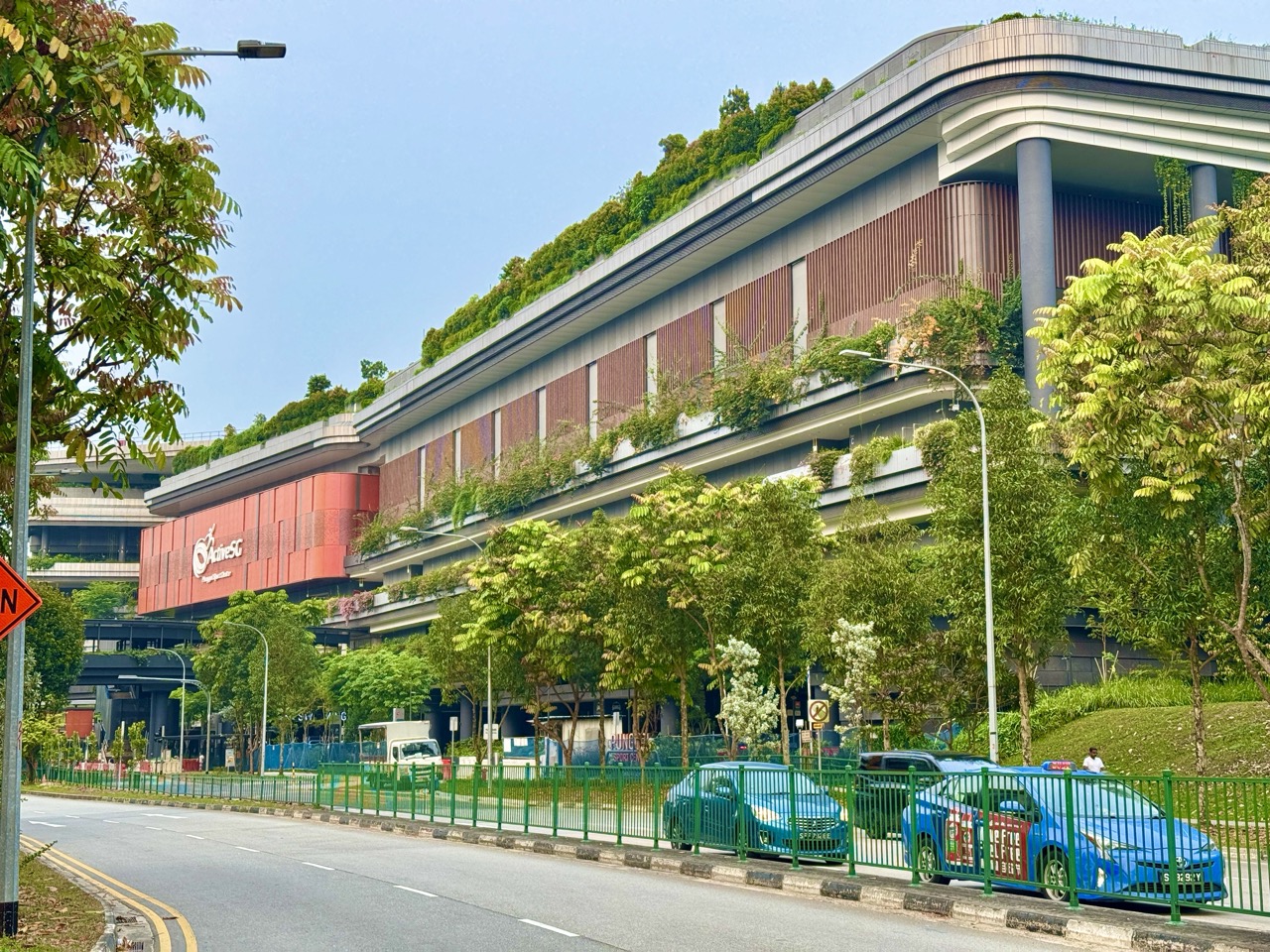
Football and futsal belong on the list of ActiveSG Punggol activities to plan for 2027, but the new venue’s different sports areas must not be treated as one fully open facility. Punggol Sport Centre at 11 Sentul Crescent began a partial soft launch in late October 2026. Contemporary reporting on 30 October found that the football stadium and the new Level 5M futsal courts were not yet publicly bookable, even though the gym and some racket-sport facilities were already operating. An official centre opening was reported for 22 November 2026; check MyActiveSG+ for the actual football or futsal inventory before organising a 2027 match.
This guide explains how to organise an enjoyable, safe team-sport session whether you use a confirmed future Punggol Sport Centre slot, an appropriately booked school field, or another lawful local venue. We focus on the activity itself: assembling a team, choosing football versus futsal, creating a useful one-hour session, learning passing and spacing, including newcomers, managing children and adults, checking weather, and building a weekly group that people actually want to attend. Venue-opening news and standalone futsal rules are covered elsewhere on eduKatePunggol; here the purpose is to turn a legally available playing space into a worthwhile shared experience.
- New centre: Punggol Sport Centre, 11 Sentul Crescent; do not assume every football-related space is publicly accessible.
- Status checked 1 November 2026: late-October reporting found stadium and futsal courts not yet bookable despite the centre’s partial soft launch.
- Reported wider official opening: 22 November 2026; confirm later facility-specific access and exact bookings.
- Existing alternatives: SportSG Dual-Use Scheme school fields where the current listing permits play, and separately managed One Punggol facilities when available.
- Sport selection: field football and futsal differ in space, permitted numbers, rules and the type of reservation.
- One-hour plan: arrival/checks, sensible warm-up, passing and movement tasks, small-sided game, calm finish and departure.
- Junior programmes: ActiveSG Football Academy describes age groups 3–6 and 7–16, but does not guarantee a specific Punggol 2027 class.
- Use the official operator for booking, coaching, eligibility, participant limits, prices and cancellations.
- Stop for lightning, unsafe weather, prohibited areas, injury or any staff instruction to suspend play.
- Team promise: fair rotations, appropriate skill levels, no exclusion or humiliation, and repeated participation.
Latest source check: 1 November 2026. Football stadium and futsal courts are separated from the gym and already bookable racket facilities. No 2027 football slot, specific academy class, public stadium admission or opening-day promise is invented.
Why football activities need a separate status check
A public sport centre is made of facilities with different operational requirements. The existence of a stadium, futsal court and sport hall in a planning brochure does not make them interchangeable or immediately accessible. This distinction became concrete at the Punggol soft launch: by 30 October 2026, visitors could use some indoor amenities, while reporting identified the stadium and futsal courts as not yet open for public bookings. The wider opening ceremony date does not by itself confirm a particular playing slot.
A careful organiser checks the venue in the actual MyActiveSG+ product or with the responsible operator. If the required sport and date are not listed or confirmed, the session is not booked. This sounds obvious, but it prevents a group of twelve friends from gathering beside an attractive new stadium and discovering they have no lawful place to play. The rule should remain valid throughout 2027: a plan announced is different from a reservation accepted.
What the Punggol development offers in principle
SportSG’s facility plans include a football stadium, futsal courts, team-sport spaces and other amenities at the regional centre. The prospect is meaningful for Punggol because residents may eventually find more structured playing environments closer to home, including places for organised training or matches. However, a football stadium may have event, competition or operator-controlled arrangements that differ from an ordinary public field booking. It should not be described as a free neighbourhood pitch merely because people can see it.
The practical answer is to keep a hierarchy of evidence. First use the current official facility listing. Then read the exact conditions, including whether a sport is permitted. Finally confirm the date and admission or booking details. That process matters for any new centre, but especially one opening in phases. The organiser’s goal is access to a usable activity, not a tour of every promised feature.
Football and futsal are related, not identical
Football on a larger field often involves more space, longer passes and a different number of players, depending on the format. Futsal is a small-sided game played in a dedicated setting with its own rules and movement demands. Players commonly make quicker decisions in confined space, manage short passing sequences and change direction frequently. The precise rules and team size depend on the format being played; use the current official code or the organiser’s stated recreational rules.
Choose the game your group can sustain safely and legally. A group of young beginners might enjoy a supervised small-sided football activity, while adults seeking quick social play may prefer a reserved futsal court. Neither should be moved to a random public basketball court without permission. Surface, footwear, boundaries and facility policy matter. The best game is the one for which the players have a suitable space and understand the expectations.
The venue comes before the invitation
It is tempting to create a group chat, announce “futsal at Punggol on Saturday,” and look for a court later. That sequence produces frustration. Begin by verifying a publicly available session at the right facility. Identify the permitted number of players, changing area, entry process, fee and duration. Once the reservation is confirmed, invite the group with clear instructions. If the application is only a ballot, say so and avoid describing it as final.
For a school field under the Dual-Use Scheme, follow the designated public entrance and school restrictions. For a community-club court, use the People’s Association’s applicable booking channel rather than assuming it shares the ActiveSG calendar. Different systems are not a problem if organisers respect them. Confusion happens when a confirmation from one operator is presented as permission at another location.
Public school fields as a useful interim route
SportSG’s Dual-Use Scheme allows selected school sporting facilities to serve the public outside school hours. The free-to-play field programme includes designated fields with published weekend windows, but individual locations and conditions matter. Free-to-play does not mean a group may enter any school compound, occupy the space for a commercial event or ignore other users. Read the current official field listing and follow the published rules.
The scheme can provide a practical option while Punggol’s new football-specific facilities progress towards wider operation. It is also a reminder that shared community infrastructure depends on trust. Keep noise reasonable, do not damage the school property, follow the appropriate entrance and leave on time. Families with children should pay particular attention to adult supervision requirements. A small respectful game is more sustainable than an organiser treating shared space as private property.
One Punggol and other separately managed alternatives
The One Punggol development includes community-club facilities, and eduKatePunggol has a separate guide to checking its futsal option. Do not confuse that with ActiveSG’s new sport centre even though the places are close. Booking channels, charges, approved activities and cancellation policies can be different. A venue’s physical proximity does not create a shared reservation system.
When the new sport-centre futsal courts are not available, comparing a confirmed One Punggol booking or an eligible school field can be sensible. But a backup is useful only if it is lawful and appropriate for the game. Verify the surface and footwear rules, not just the date. Do not improvise a high-speed match in an open promenade or pedestrian corridor because a dedicated court was unavailable. Recreation should not create hazards for people who did not join the game.
Build the group around a purpose
Before collecting players, decide whether the session is for movement, teaching, social connection or competitive training. A mixed-age family activity may benefit from cooperative passing and short games. A group preparing for a competition needs more structured training and appropriate coaching. Both are legitimate; problems arise when half the participants expect a relaxed evening and the other half expect serious match intensity.
A useful invitation states the location, confirmed time, activity format, approximate experience level, cost-sharing arrangement and any safety or equipment expectations. Add a clear message about newcomers: are they welcome, and what will help them participate? When the purpose is explicit, players can choose freely and the organiser can design a session that fits. The aim is not to gather the maximum number of people but to create a group that enjoys returning.
How many players should you invite?
Football and futsal formats vary, and the number permitted by the venue or organiser must come first. A casual group may want substitutes so participants can rest, but excessive numbers can leave some people waiting through most of the booking. Too few players may make the intended format unworkable. Decide a sensible range after reading the actual court size, rules and activity type.
If you want a relaxed session, tell players how rotation will work before the first whistle. Avoid inviting more people than the space safely supports. Children may need closer oversight and more frequent breaks than adults. If the confirmed venue restricts participants, respect the rule rather than squeezing in extra people on the assumption that staff will not notice. Fair group organisation is part of responsible sport.
What a useful one-hour session can look like
Start with a clear arrival and safety check. Then spend a modest period warming up and getting comfortable with the ball. Move into one targeted skill activity—perhaps passing and receiving under light pressure—before playing a short-sided game that uses that skill. Allow time at the end to cool down, collect equipment and leave the area clean. Exact minutes depend on age, ability, heat, booking conditions and the presence of a coach.
The common mistake is to spend the entire slot playing chaotically and then wonder why beginners never improve. The opposite mistake is filling every minute with drills so the group never has fun. A simple balance works better: learn something, use it in a game and finish with participants eager for the next session. Good activity design does not require expensive technology. It requires a purpose and enough organisation to achieve it.
Warm up for running, stopping and changing direction
Football and futsal involve acceleration, deceleration and turning. A suitable warm-up should prepare players for the session’s movement demands without exhausting them. Begin at an appropriate level and increase movement intensity gradually. The correct choice differs for a young child, an experienced adult and someone returning after inactivity. Injury history or medical concerns may require individual professional advice.
A short sequence might involve comfortable jogging or walking, gentle direction changes and easy passes, depending on readiness. Keep the surface clear and avoid high-speed challenges before players are prepared. The organiser should watch for slippery conditions, loose equipment and people who seem unwell. Warm-up is not a competition. It helps the group enter the actual game more safely and with better attention.
The first touch: receiving the ball with intention
A beginner often thinks good football is about kicking the ball far. The real foundation is the first touch: controlling an incoming pass so the next action remains possible. A ball that runs away creates a chase; a controlled ball lets the player look up and choose. The appropriate way to receive depends on the situation, surface and instructor’s guidance, but the underlying principle is understandable even to young children.
Practise with gentle passes between partners, then add a simple direction change. The feeder should create reachable opportunities rather than testing the learner with fast shots. Encourage players to look up between touches and notice where a partner is waiting. This is a safer, more effective introduction than immediately placing a beginner into a crowded match where every action is rushed.
Passing: create an option before striking the ball
Accurate passing combines perception, balance and decision-making. Players must see the intended teammate, choose an appropriate force and direction, and consider what happens next. A good pass is not simply one that reaches another person; it gives that person a chance to continue play. In a beginner group, start with manageable distances and focus on repeatability.
Use a cooperative exercise where each player receives, settles and returns a ball. Later add a third player who moves into an open space. The question becomes “Where should I be so my teammate has a useful option?” That changes the exercise from isolated kicking into the beginnings of team play. Praise a clear pass and intelligent support movement, not only a goal at the end.
Learning to move without the ball
A player who waits motionless for the ball contributes less than a player who offers a clear passing option. Movement without the ball is therefore a basic team skill. In small-sided games, players can practise spreading out, moving into appropriate space and avoiding a cluster around the ball. The organiser can use simple prompts rather than tactical jargon: “Can your teammate see you?” and “Can you move where a safe pass is possible?”
This skill also reduces collisions. When everyone runs toward the same object, the play becomes cramped and unpredictable. Start with gentle cooperative drills and add pressure only when the group demonstrates control. Children often grasp spatial ideas more easily when they see them in a small game rather than through a long speech. The goal is thoughtful movement, not running continuously for the sake of running.
Defending without dangerous contact
Defending is about positioning, timing and decision-making, not merely charging into an opponent. Casual groups should make expectations about contact explicit and follow the rules of the chosen sport. A newcomer may not understand the difference between a legal challenge and behaviour that risks injury. Teach players to slow down, maintain appropriate space and avoid reckless tackles, especially in mixed-age or mixed-ability sessions.
A useful drill can ask one player to guide an attacker toward a less dangerous space without diving in. The defender practises patience while the attacker practises maintaining control. This reduces the idea that success requires grabbing the ball at any cost. When a player repeatedly ignores the agreed safety rules, stop and address it. A friendly game should never depend on everybody else accepting avoidable danger.
Goalkeepers need a role they understand
In casual futsal, the last player is sometimes told to “just stand in goal.” That can be intimidating for a beginner who is suddenly facing fast shots. Explain the role, teach basic positioning through suitable instruction and prohibit reckless close-range shooting at an unprepared goalkeeper. Consider rotating the position fairly when appropriate and allowed, rather than making the least confident person stay there all session.
A goalkeeper contributes by communicating, organising teammates and starting play with control. Even in a simplified family game, these responsibilities can be introduced gently. Children should use an appropriately sized playing setup and supervised conditions. Where a group wants more serious goalkeeper training, qualified coaching is preferable to unstructured attempts to imitate professional saves. The goal is learning and inclusion, not making one participant the target of everybody else’s strongest kick.
Shooting practice that does not intimidate beginners
Shooting is exciting because a successful finish is easy to recognise. Yet repeated powerful attempts can make a session less safe and less educational, particularly in a small space. Begin with controlled placement toward an appropriate target and explain when to shoot rather than pass. Ensure the goal area and surrounding space are clear, and use an activity format that the venue permits.
A beginner can practise striking a still or gently moving ball, then progress to receiving and finishing under light pressure. Do not judge improvement only by how hard the ball is hit. A controlled low-power attempt with good timing is a meaningful skill. When children are involved, avoid public embarrassment over missed shots. Encourage them to notice what they did well and how they might adjust on the next attempt.
Small-sided games teach more than long lectures
Smaller practice formats can increase the number of touches and decisions available to each player, provided the space, rules and supervision are appropriate. A large group on a small court can create the opposite result: crowding and frustration. A coach or organiser can adjust team size to maintain safety and meaningful involvement. Explain any modified recreational rule before the game starts.
A short game can highlight one principle, such as making a pass before attempting a shot or finding an open teammate. After a few minutes, pause and ask what worked. Keep the discussion brief and specific, then restart. The match becomes a learning laboratory rather than an endless test of who is strongest. In community football, the quality of participation often matters more than the number of goals scored.
A team needs communication rather than constant shouting
New groups can become surprisingly noisy because players offer conflicting instructions. One person calls for a pass, another tells the ball carrier to shoot, and a third complains about the result. Effective communication is shorter and more respectful. Agree on simple calls and encourage players to say what they see rather than blame someone for a mistake. An organised team can be lively without being hostile.
Parents and coaches have a special responsibility here. Children copy the language adults use from the sideline. If a missed pass leads to ridicule, a child may stop taking risks and learning. If teammates respond constructively, the same mistake becomes a useful moment. Communication is a practical sport skill and also a life skill: people must coordinate under time pressure without treating one another badly.
Fair rotation when players have unequal ability
Most casual teams contain differences in fitness, skill and confidence. The organiser can manage this without turning the activity into a formal selection trial. Agree on short periods of play, clear substitution arrangements and opportunities for each person to contribute. Avoid always placing the newest player in the same defensive role or removing the least confident person after every mistake.
A balanced approach may involve mixed-ability teams, cooperative practice before competition and shorter rounds so fatigue does not accumulate. Explain that the goal is not to make the game artificially equal at every moment; it is to prevent the session from becoming unpleasant or unsafe for part of the group. Fair participation is a reason people continue attending, and regular attendance is the foundation of a healthy community sporting habit.
A primary-school football activity
Young children benefit from clear structure, simple language, lots of ball contact and predictable adult supervision. A full match with lengthy instructions may leave them waiting or confused. A better starting activity might involve moving safely around markers, passing to a partner and finishing with a small, well-supervised game. The coach should adapt to attention span and ability rather than demanding that children copy senior players.
ActiveSG Football Academy describes early-childhood introductory programmes and older youth development pathways, but a general academy page is not proof of a Punggol 2027 session. Parents must check the actual location, age eligibility, dates and operator. Choose the programme that fits the child, not just the famous name attached to it. Sport should be a place where children practise cooperation and confidence as well as ball skills.
Teenagers balancing school, CCA and sport
A Secondary-school student may already have a CCA, school tests and other obligations. Extra football should fit around recovery, sleep and school life. Some teenagers want competitive development; others simply want time outdoors with friends. Both aims are valid. Invite students into the planning process and encourage them to make realistic commitments. A session repeatedly cancelled because nobody checks the timetable does little to build a habit.
A teen-led group can learn to coordinate a lawful booking, collect payments transparently, assign equipment responsibilities and share play fairly. Adults should provide necessary oversight and make sure venue age rules are followed. The social skills matter beyond sport: communicating clearly, arriving on time and resolving disagreements respectfully are useful in many parts of life. A thoughtful weekly game can complement education without becoming another pressure-filled assessment.
Adult social football after work
Adults often like football because it creates a reason to meet friends and move. The biggest obstacle is frequently logistics, not interest. Some people finish work late, others travel from outside Punggol, and a few regularly commit before checking family plans. Set one reliable time, confirm the facility before collecting final commitments and communicate the format clearly. Keep costs and cancellation rules transparent.
For a mixed-fitness group, begin with manageable intensity and respectful contact expectations. Let people take breaks and avoid treating every game as a championship. An adult who wants a more competitive setting can seek appropriate leagues or coached programmes, but should not impose that ambition on social players. The session succeeds when people have moved, enjoyed themselves and are willing to return next week.
Inclusive team sport and reasonable adjustments
A community facility should welcome a range of participants, but that requires practical planning. Ask the player what support, access or modification would make participation possible, and check with the venue and qualified programme providers. Do not assume a person with a disability has the same needs or preferences as someone else with a similar label. Some may want adapted rules or an accessible activity; others may participate comfortably in ordinary recreational play.
The organiser should communicate respectfully, avoid unwanted assistance and make sure the activity’s format remains safe. An accessible route to the building does not automatically establish that a particular team sport class has suitable coaching or equipment. Verify actual arrangements before promising inclusion. Where the fit is uncertain, seek specialist advice. Meaningful inclusion means the person can participate with dignity, not merely appear in a group photograph.
Heat, lightning and unpredictable weather
Singapore weather can change the safety of field play quickly. Outdoor and exposed areas may be affected by lightning, rain, heat and haze. Follow venue directions, official weather warnings and the operator’s closure procedures. Do not continue a match in a restricted area because everyone has already travelled. Nor should a group assume that an elevated or sheltered futsal court is automatically safe under every weather condition.
Plan water, appropriate breaks and a sensible response if the environment becomes unsuitable. Choose intensity that matches the players and circumstances. If a game must be postponed, check the booking terms instead of asserting that a refund is guaranteed. A safe group values people’s health more than completing the final scoreline. Responsible weather decisions help build trust, particularly where children are involved.
Shoes, balls and the surface you are using
Different sport surfaces and venue rules call for different equipment. Footwear suitable for a grass field may be prohibited or inappropriate on a hard futsal surface, and an indoor futsal ball may not match the expectations of a casual outdoor game. Check the operator’s restrictions and choose equipment suited to the actual session. Do not assume that the venue supplies everything because a paid booking has been made.
Bring a sensible number of balls, drinking water, suitable clothing and any permitted training markers. Keep bags and loose items away from active play. When using a school facility, respect the prohibition on entering unrelated areas or bringing prohibited objects. Safe equipment management is not glamorous, but it prevents games from beginning with avoidable confusion and stops balls from being kicked into neighbouring public spaces.
The organiser’s five-minute pre-game briefing
A short briefing can prevent a great deal of friction. Confirm the duration and boundaries, the format, allowed contact, substitutions, where people may leave belongings and what happens if someone is injured or the venue closes. Tell participants whether the session is social practice or competitive play. Introduce newcomers and explain how questions about rules will be resolved.
Keep the briefing genuinely short and friendly. If every player already knows one another, a reminder may be enough. If children are present, use language they can understand and repeat the most important safety directions. A good organiser does not lecture for half the session; they establish a few shared expectations so everyone can spend more time playing. That balance is as important as any technical training drill.
When a coach is better than a casual organiser
Parents and friends can organise a pleasant football game, but structured development benefits from suitable coaching. A trained coach can sequence skills, assess readiness, adapt the session and address safeguarding concerns. For children, check the programme’s supervision, age groups, qualifications and communication arrangements. A low fee or familiar logo does not automatically establish that the class operates under ActiveSG or at the promised Punggol venue.
ActiveSG Football Academy is an established official initiative, with publicly described age-group programmes and seasonal options. However, a national academy listing is not a confirmed 2027 timetable at the new Punggol centre. The responsible next step is to find the exact programme through the current operator and verify the location. Choose instruction because it addresses the participant’s needs, not because somebody promises quick elite selection.
A four-week beginner football progression
A useful example can divide four visits by purpose. In week one, newcomers get comfortable controlling and sharing the ball. In week two, the group emphasises passing and moving to support teammates. In week three, the focus is safe defensive positioning and cooperation. In week four, the group plays a little more freely and reviews what has improved. This is an illustration for recreational organisation, not a substitute for an age-appropriate coaching curriculum.
Progress should be judged by observed actions: more confident first touches, fewer accidental collisions, clearer communication and more equal involvement. If the group misses a week, revisit the previous task rather than forcing an artificial timetable. An older experienced team may need a completely different plan. A programme is useful when it fits the people, and it should change when evidence shows that participants need something else.
An eight-week community team that actually lasts
Many groups are enthusiastic for the first two sessions and then collapse because organising becomes exhausting. A more durable model sets a repeatable time, names a booking organiser, defines a clear RSVP deadline and rotates small responsibilities. Keep a reserve list only within the facility’s permitted participant limits. Agree on how payments and cancellations work before anyone has to chase friends for money.
Across eight weeks, review whether the chosen time is realistic, whether everyone gets reasonable opportunities and whether the format remains enjoyable. A group might decide to split an intense competitive session from a gentler social game instead of forcing all participants together. That is healthy adaptation. Success does not require every match to be full; it requires honest communication, a suitable venue and enough trust that people want to keep meeting.
Parents on the touchline: the most helpful behaviour
Parents often want to encourage children but can unintentionally make a game stressful by shouting detailed instructions at every touch. A young learner cannot listen to the coach, process the ball and satisfy several sideline commands simultaneously. Support the agreed programme and discuss concerns respectfully outside the immediate play. Praise cooperation, effort and good decisions rather than judging the child solely by goals.
Be careful about photographs and sharing details of other children. Respect safeguarding and the programme’s media rules. If a session is not appropriately supervised, address that with the responsible adult rather than expecting a child to manage it. The best family experience makes sport feel like a place to grow. A child should leave understanding something new about teamwork, even after losing a game.
Cost sharing without arguments
A booked activity may involve a venue charge, equipment expense or coaching fee. Those are different products, and their amounts can change. State the total expected cost and method of division before confirming players. If a provider offers ActiveSG credits, concessions or member rates, verify the eligibility and applicable product directly. Do not assume a 2026 promotion will still exist in 2027.
A fictional group of ten adults might agree to share a single confirmed court charge equally, but only after checking the permitted attendance. If one player cancels, follow an agreed replacement or payment policy instead of publicly embarrassing the person. Transparent handling of small costs is a surprisingly important part of team stability. Friends are more likely to keep playing when the organiser treats everyone fairly and does not hide conditions.
Keeping team sport safe for new adult exercisers
A person returning to football after years of inactivity may remember how to pass but not have the current conditioning to sprint repeatedly. Encourage a gradual re-entry and appropriate effort, with time to rest. The organiser can use shorter rounds and simpler passing games to reduce pressure. This is not a licence to ignore symptoms: unusual breathlessness, dizziness, chest discomfort or injury requires stopping and appropriate assistance.
Players with individual health concerns should consult a professional about suitable activity rather than use a generic online session as medical advice. A welcoming group allows someone to say “I need a break” without ridicule. Fitness can improve through regular appropriate participation, but pushing an unprepared person into an intense match is not a sound development plan.
A fictional 2027 family weekend game
Imagine the fictional Goh household inviting another family for a relaxed small-sided session. They first check whether the Punggol futsal courts are actually available for booking. If the answer is no, they identify a legal alternative with a confirmed slot rather than entering the unopened sports complex. The adults agree that the game will emphasise passing, cooperation and shared turns, because the children have different levels of experience.
They begin with a short warm-up and gentle control activities before playing. Parents rotate fairly and leave enough time for breaks. The group finishes promptly and talks about one skill worth trying again. Nobody pretends the session was a professional academy trial. The families have completed a safe, enjoyable local activity, and the children are more likely to want another game.
A fictional 2027 after-work futsal group
Six colleagues want to make futsal a weekly habit. Instead of immediately promising a rooftop court, one colleague checks the exact facility listing and its conditions. If Punggol Sport Centre’s futsal slots are available, the group uses a confirmed booking; otherwise, it chooses a suitable alternative through the appropriate operator. The invitation includes the playing format, expected number of players, cost and a clear start time.
During the session they practise short passing and communication before a social game. One person arrives after a long inactive period, so the group agrees on manageable intensity and substitutions. At the end, the organiser asks whether the session was enjoyable and whether next week’s time is sustainable. No participant needs to be the star. The group gains something more valuable: a reason to return and a format that respects everyone’s time.
What to check before every 2027 session
Even after a facility opens, daily details can change. Check the sport-specific booking, current opening hours, venue entrance, participant restrictions, closure notices and actual payment confirmation. Review weather when relevant. Make sure the necessary equipment is available and the group knows who to contact if a session is cancelled. Do not assume that a public event inside the stadium allows free entry to all playing areas.
Keep the organiser’s checklist short enough to use: is the facility confirmed, is the activity permitted, is the group size lawful, do participants understand the plan, and is there a safe response to disruption? Those five questions prevent most avoidable confusion. A strong team-sport routine does not depend on perfect conditions. It depends on having correct information and being ready to adapt.
Frequently asked questions about ActiveSG Punggol football
Are the new Punggol futsal courts bookable on 1 November 2026? A 30 October visitor report described them as not yet publicly bookable. Check the live ActiveSG listing for any subsequent change.
Is the football stadium open for casual matches? Do not assume so. It was also reported unavailable for public use in the late-October soft launch; stadium events and public pitch bookings can be different products.
Does the reported 22 November centre opening confirm a futsal booking? No. Only a sport-specific confirmed booking establishes access.
Can we play at school fields? Selected fields operate under SportSG’s Dual-Use Scheme, with individual rules, opening windows and entry procedures.
Does ActiveSG Football Academy guarantee a Punggol class? No. Its national programme information does not establish a specific 2027 Punggol timetable.
Can children and adults play together? Only when the format, venue rules and supervision make it safe; adapt pace and participation.
How should a beginner group use one hour? Warm up, practise passing and receiving, add movement and communication, play a short game, then exit on time.
What matters most when inviting a team? Confirm the venue first, state the purpose, agree on fair rotations and respect current safety rules.
Official references and useful local guides
- SportSG Punggol Sport Centre development handbook (planned facilities)
- ActiveSG Football Academy programmes and age groups
- ActiveSG seasonal football programme information
- SportSG Dual-Use Scheme free-to-play school field rules
- Official help for entering booked school sports facilities
- MyActiveSG+ booking and programmes
- 30 October 2026 visit: Punggol futsal courts and stadium not yet public
- 29 October 2026 partial-opening and 22 November report
- eduKatePunggol beginner futsal rules and One Punggol venue
- eduKatePunggol public school facilities and bookings guide
Update and safety note: Facility status, stadium access, pricing, classes and court-booking terms change. Check the responsible operator directly. This guide describes general recreational organisation, not a medical treatment, formal coaching credential or a guarantee of public use.


